

Synopsis
Covers the whole plot, including the ending.
- Difficulty
- Medium
- Pacing
- Slow
- Mood
- Atmospheric, Unsettling, Reflective, Tense
- Read it if
- You want a powerful, unsettling exploration of racial and class dynamics turned upside down during a civil war, and enjoy literary fiction that provokes deep thought about identity and power.
- Skip it if
- You prefer fast-paced plots with clear resolutions, or are uncomfortable with ambiguous endings and themes of profound racial tension.
July's People Plot Summary
Covers the whole plot, including the ending.
The Exodus from Johannesburg
Maureen and Bam Smales, a white couple, along with their three children, Victor, Gina, and Royce, leave their comfortable life in Johannesburg. Civil war has erupted, with Black revolutionaries overthrowing the white minority government. Their long-time Black servant, July, offers them refuge in his remote ancestral village. The Smaleses pack essentials, including Bam's hunting rifle, and follow July in their pickup truck. The journey is tense, as they navigate a landscape transformed by conflict, leaving everything familiar for a world unknown to them, relying solely on July's guidance.
Arrival in the Village
After a harrowing journey, July leads the Smales family to his mud hut village in a remote region. The village contrasts sharply with their urban existence, lacking electricity, running water, and modern amenities. The family stays in July's grandmother's empty, basic hut. The villagers, July's extended family and neighbors, observe the Smaleses with curiosity, suspicion, and a quiet sense of ownership. The Smaleses, especially Maureen and Bam, struggle to adapt to the primitive conditions and the loss of privacy and autonomy, immediately feeling their social standing reversed.
The Shifting Dynamic of Power
In the village, the traditional roles between July and the Smaleses invert. July, once their subordinate, is now their protector and provider, the one with knowledge and authority. He mediates their interactions with villagers, translates, and secures food and shelter. Bam, an architect, finds his skills useless and his authority gone. Maureen, who once managed July, now relies entirely on him. This role reversal is deeply felt by both parties, seen in July's small acts of defiance and the Smaleses' increasing dependence and frustration. The rifle, Bam's only remaining symbol of power, becomes a point of contention.
Loss of Identity and Purpose
Without their social status, possessions, and professional roles, the Smaleses face an identity crisis. Bam, the architect, has no buildings to design; Maureen, the homemaker, has no modern home to manage. Their children, especially the older ones, are disoriented and bored. They live a life of idleness and observation, their former privileges now irrelevant. This inactivity and the constant feeling of being watched by villagers erode their self-worth and purpose, causing growing internal tensions and a feeling of being trapped and useless. Their understanding of themselves as 'liberal whites' is challenged by their new reality.
July's Assertiveness and Maureen's Growing Awareness
As days pass, July's demeanor changes. He becomes less deferential, more confident, and sometimes resentful. He takes possession of the keys to the pickup truck, a symbolic act of control, and later the rifle, to Bam's dismay. Maureen observes these shifts. She reflects on their past relationship with July, realizing how little they knew about his life, family, or inner world despite his years of service. She begins to understand the chasm of misunderstanding between them, recognizing the limits of her 'liberal' perspective and the inequalities of their former life.
The Children's Adaptation
The Smales children, especially the younger ones, adapt to village life more easily than their parents. Gina and Royce quickly befriend local children, learning their language and games, and participating in daily activities. Victor, the eldest, struggles more with boredom and the lack of privacy but also finds ways to occupy himself. Their ability to integrate, even superficially, highlights their parents' rigid adherence to former identities and social norms. This generational divide underscores the cultural shock experienced by the adults and suggests a potential for a different future, free from past prejudices, for the younger generation.
The Radio and the Outside World
The Smaleses cling to a small, battery-operated radio as their only connection to the outside world. News reports, often garbled and unreliable, offer glimpses of the ongoing conflict and the fate of white South Africans. These broadcasts are a source of both hope and despair, fueling anxieties about their former home and future. They search for any sign that the old order might be restored or that a rescue might be imminent. However, the radio also emphasizes their isolation, as news from the cities feels distant and irrelevant to their immediate, primitive existence in July's village.
July's Family Dynamics
July's return with the Smaleses disrupts his own family life. His wife, Martha, resents the Smaleses' presence, especially Maureen, sensing a lingering connection between them and the burden they represent. She is also wary of July's increasingly complex role as both host and former servant. The Smaleses' needs place demands on July's resources and time, causing friction within his household. This internal conflict for July—torn between his historical loyalty to the Smaleses and his responsibilities to his own family and community—is a significant undercurrent, revealing the personal cost of his decision to help them.
The Rifle and the Lion
Bam's hunting rifle is his last vestige of authority and a symbol of his former life. He keeps it carefully, though he has no use for it. July eventually takes possession of the rifle, asserting his control and further stripping Bam of his perceived power. This act is a turning point, highlighting the complete reversal of their roles. Later, a wild lion is spotted near the village, creating fear and an opportunity for Bam to potentially reclaim some agency by hunting it. However, the circumstances surrounding the lion's appearance and the villagers' reaction further underscore Bam's helplessness and the irrelevance of his urban skills.
The Arrival of the White Woman
A white woman, injured and disoriented, appears in the village. Her arrival sparks fear and suspicion among the villagers and the Smaleses, who worry about the implications of another white presence. She is a reminder of the violence and chaos in the outside world and a potential threat to their fragile sanctuary. Her presence highlights ongoing racial tensions and the precariousness of their situation, raising questions about her origins, intentions, and what her arrival might mean for the Smaleses' safety and their uneasy integration into July's community.
Maureen's Realization of July's Secret Life
Maureen discovers letters from July to his wife, Martha, written in English, revealing he had been secretly literate all along. This revelation shatters her illusions about July and their relationship, exposing his deception and the facade he had maintained for years. She confronts him, feeling betrayed and realizing how much he had hidden his true self from them. This moment is a blow to her perceived understanding of their bond and underscores the ignorance of the Smaleses' 'liberal' perspective, which had prevented them from seeing July as a complex individual.
The Final Scene and Uncertain Future
In the ambiguous final scene, Maureen hears an approaching vehicle. Without hesitation or a word to her family, she runs towards it, disappearing into the bush. The vehicle's occupants and their intentions are unknown. This act symbolizes her complete break from her past life, her family, and the village. It represents a desperate, almost instinctive, flight towards an unknown future, seeking either escape or a new form of captivity. The novel ends with this unresolved moment, leaving the fate of Maureen, the Smales family, and July open to interpretation, emphasizing the uncertainty of post-apartheid South Africa.
Principal Figures
Maureen Smales
Protagonist
A liberal white woman forced to confront her privilege and the true nature of her relationship with her black servant.
Maureen, in her late forties, is the matriarch of the Smales family, initially presented as a 'liberal' white South African. She is observant and introspective, though often passive. Her initial anxieties about the uprising quickly transform into a deep psychological struggle as she grapples with the loss of her identity, her marriage, and her understanding of her place in the world. She is keenly aware of the shifting power dynamics and the uncomfortable truths about her past relationship with July, leading to moments of profound, unsettling realization.
Relationships: Bam Smales (Husband, their relationship strains under pressure); July (Former servant, now her protector and a mirror to her past assumptions); Gina Smales (Daughter, Maureen struggles to connect with her children in the new environment)
Bam Smales
Protagonist
A white architect who struggles with the loss of his masculine identity and authority.
Bam, Maureen's husband, is an architect who prides himself on his rationality and practical skills. In the village, he becomes increasingly impotent and frustrated, his professional skills rendered useless. He clings to symbols of his former authority, like his hunting rifle, and struggles to accept the reversal of roles with July. His character embodies the loss of white male privilege and the difficulty of adapting when one's entire identity is tied to a now-defunct social structure. He is less introspective than Maureen, often reacting with anger or withdrawal.
Relationships: Maureen Smales (Wife, their marriage becomes distant and strained); July (Former employee, now a source of resentment and perceived threat); Victor Smales (Son, Bam struggles to maintain authority and connection with his children)
July
Supporting/Antagonist (shifting)
The Smales' black servant who becomes their protector, revealing his complex inner life.
July is the Smales' long-time black servant who, in a revolutionary South Africa, becomes their unlikely savior. He leads them to his ancestral village, taking on the role of protector and provider. July is a complex character, initially deferential but gradually asserting his newfound authority. He carries the burden of his past service and the expectations of his own community. His secret literacy and the letters to his wife reveal a hidden intellectual and emotional life, challenging the Smaleses' superficial understanding of him. He navigates a difficult position between loyalty and resentment.
Relationships: Maureen Smales (Former employer, now his charge, with a complex, evolving dynamic); Bam Smales (Former employer, now a figure whose authority he subtly undermines); Martha (His wife, who resents the Smaleses' presence and the strain on their family)
Martha
Supporting
July's wife, who views the Smaleses as a burden and a threat to her family.
Martha is July's wife, a strong and pragmatic woman rooted in village life. She views the Smaleses with suspicion and resentment, seeing them as interlopers who disrupt her family's peace and place a burden on July. She represents the perspective of the indigenous community, wary of the white presence and the complications it brings. Her silent disapproval and occasional direct challenges to July underscore the internal conflicts within July's own family and the wider community's reaction to the Smaleses.
Relationships: July (Husband, their relationship is strained by the Smaleses' presence); Maureen Smales (Resents her presence and the disruption she causes)
Gina Smales
Supporting
The youngest Smales child, who adapts most easily to village life.
Gina is the youngest of the Smales children. She is the most adaptable and least burdened by the racial and social baggage of her parents. She quickly learns the local language, makes friends with the village children, and participates in their games and activities. Her innocence and openness allow her to integrate into the new environment more readily, providing a stark contrast to her parents' struggles. She represents a generation potentially free from the ingrained prejudices and social structures that defined her parents' lives.
Relationships: Maureen Smales (Daughter, Maureen struggles to connect with her in the new setting); Village Children (Forms friendships and integrates into their play)
Victor Smales
Supporting
The eldest Smales child, who struggles with boredom and the loss of privacy.
Victor is the eldest Smales child, a teenager who finds the transition to village life particularly challenging. He struggles with boredom, the lack of privacy, and the absence of his familiar comforts and distractions. While he observes the changes around him, he is less able to adapt than Gina and often retreats into himself. He represents the difficulty of adolescence compounded by severe cultural displacement, experiencing a loss of autonomy and agency that mirrors his father's.
Relationships: Bam Smales (Son, observing his father's decline); Gina Smales (Brother, less adaptable than his younger sister)
Royce Smales
Supporting
The middle Smales child, who also adapts relatively well to village life.
Royce is the middle Smales child. Like Gina, he adapts with more ease than his parents, finding ways to occupy himself within the village environment. He is less prominent than Gina or Victor but contributes to the overall picture of the children's more flexible response to their new circumstances. His ability to find simple pleasures and integrate into the routines of village life further emphasizes the generational gap in adaptation.
Relationships: Maureen Smales (Son, part of the family unit struggling to cope); Village Children (Plays with them and observes their way of life)
The Headman
Supporting
The traditional leader of July's village, who holds silent authority.
The Headman is the traditional leader of July's village. He observes the Smaleses with a quiet, watchful authority, embodying the collective wisdom and traditions of the community. He rarely speaks directly to the Smaleses, relying on July to mediate. His presence underscores the villagers' communal identity and their subtle power over the Smaleses, who are guests in his domain. He represents the established order of the village, a silent force against which the Smaleses' former power is utterly meaningless.
Relationships: July (His subject, who must answer to him regarding the Smaleses); Smales Family (Their host, from whom they seek implicit permission to stay)
Themes & Insights
The Reversal of Power and Privilege
The novel explores the inversion of the traditional power dynamic between Black and white in apartheid-era South Africa. The Smaleses, once privileged employers, become dependent on their Black servant, July, for survival. This theme appears in their loss of possessions, their inability to communicate, and their reliance on July for food, shelter, and mediation. Bam's rifle, a symbol of white power, is eventually taken by July, symbolizing the ultimate shift. The Smaleses' discomfort and July's quiet assertiveness highlight the psychological impact of this reversal, forcing the white characters to confront their former privilege.
“What was the good of having a servant, if he could not be ordered?”
The Illusions of Liberalism and Ignorance
Gordimer dissects the superficiality of white liberalism in South Africa. The Smaleses consider themselves 'liberal' and believe they have a good relationship with July, yet they are ignorant of his true life, thoughts, and even his literacy. Maureen's shock at discovering July's hidden letters reveals her self-deception and the lack of true understanding in their employer-employee relationship. Their inability to adapt to the village, their complaints, and their clinging to outdated notions of status expose the limits of their former 'liberal' stance, proving that good intentions often masked a deeper, systemic ignorance.
“It was impossible to know what they felt; impossible to know what they thought. They were July's people.”
Identity and Adaptation
The novel examines how identity ties to social roles, privilege, and environment. Stripped of their context, the Smaleses struggle to maintain their sense of self. Bam, the architect, is useless; Maureen, the homemaker, has no home to manage. Their children, particularly Gina, adapt more easily, suggesting that identity is more fluid for the less encumbered. The Smaleses' inability to adapt stems from their rigid adherence to their former selves, highlighting the psychological toll of losing one's accustomed place in the world. The village forces them to confront who they are without the external markers of their former lives.
“They were not who they were, until they were with July's people.”
Communication and Misunderstanding
Language barriers and unspoken understandings are central to the novel. The Smaleses' inability to speak the local language leaves them isolated and reliant on July, underscoring their powerlessness. The novel explores the deep misunderstandings between Black and white South Africans, even within seemingly close relationships like July and the Smaleses. July's secret literacy is a symbol of this hidden life and the deliberate masking of intelligence by Black servants, revealing the chasm of knowledge and experience that separated the two groups, despite decades of proximity. This lack of genuine communication perpetuates mistrust and reinforces the characters' isolation.
“All those years she had known nothing of July's life, except for what he had chosen to tell her.”
Plot Devices & Literary Techniques
Role Reversal
The primary mechanism for exploring shifts in power and identity.
The most prominent plot device is the complete role reversal between the Smales family and their servant, July. This is not just a change in circumstances but a fundamental inversion of their social and economic positions. July, once subservient, becomes the protector and provider, while the Smaleses become dependent and vulnerable. This device allows Gordimer to explore the psychological impact of lost privilege and the inherent inequalities of their former relationship, forcing both parties to confront uncomfortable truths about power, race, and humanity. It exposes the artificiality of their previous social order.
The Hunting Rifle
A potent symbol of power, masculinity, and control.
Bam's hunting rifle serves as a critical symbol throughout the narrative. Initially, it represents his last vestige of white male authority and the capacity for violence. His reluctance to part with it, and July's eventual appropriation of it, marks a significant transfer of power and emasculation for Bam. The rifle's presence constantly reminds the Smaleses of their past life and the violence that brought them to the village. Its changing ownership underscores the complete shift in who holds the true power and means of protection in this new world, moving from colonial authority to indigenous control.
The Bakkie (Pickup Truck)
A symbol of mobility, connection to the outside world, and July's growing control.
The Smales' bakkie is initially their escape vehicle, a lifeline to their old life. However, once in the village, it becomes a symbol of their confinement and July's control. July takes possession of the keys, limiting their mobility and asserting his authority. The bakkie represents their last link to the modern world and their former freedom, but its idleness in the village underscores their entrapment and dependence. It also highlights the growing tension between July's desire to protect them and his own community's needs and suspicions.
The Radio
A fragile link to the outside world and a source of both hope and anxiety.
The battery-operated radio is the Smaleses' only connection to the ongoing civil war and the fate of white South Africa. It acts as a device to maintain narrative tension by providing glimpses of the external conflict, fueling their desperate hopes for rescue or a return to normalcy. However, the often garbled and unreliable reports also emphasize their isolation and the growing irrelevance of their former world to their immediate, primitive existence. The radio symbolizes their clinging to an outdated reality and their inability to fully accept their new circumstances.
July's Letters (Secret Literacy)
A revelation that shatters illusions and exposes deep-seated misunderstandings.
The discovery of July's secretly written letters to his wife, Martha, is a pivotal plot device. It reveals July's hidden literacy and intellectual life, shattering Maureen's long-held illusions about him and their relationship. This device serves to expose the profound ignorance and arrogance of the Smaleses' 'liberal' perspective, demonstrating how little they truly knew about the man who served them for years. It is a powerful moment of realization for Maureen, underscoring the deep chasm of misunderstanding and the carefully constructed facades that characterized black-white relations in apartheid South Africa.
July's People Quotes
“They were the children of their time, and it was a time of change.”
“The whites were going to be the blacks, and the blacks were going to be the whites.”
“They had lived by a certain order, and now that order was gone.”
“What was the good of being educated if you couldn't use it?”
“The gun was the only thing that worked. It was the only thing that spoke.”
“There was no such thing as being safe anymore, only degrees of danger.”
“He had always been in charge, and now he was not.”
“They were guests in their own country, and not very welcome ones.”
“The past was another country; they did things differently there.”
“She had lost her language, the language of her class, her race.”
“The silence was not empty; it was full of what was not said.”
“They were living in a time when the rules had been rewritten, or simply erased.”
“He knew his place, and it was not among them.”
“The bush was indifferent. It didn't care who they were or what they had been.”
Quiz
10 questions on the plot and the characters. Each answer comes with a short explanation.
Question 1
Where does July take the Smales family for refuge after the revolution begins?
- To a hidden bunker in Johannesburg
- To his native village in the rural areas
- To a neighboring country, like Botswana
- To a safe house owned by white sympathizers
Show answer
B. To his native village in the rural areas July, their long-time servant, leads the Smales family to his ancestral village, far from the war-torn cities.
Question 2
What is the primary reason the Smales family feels increasingly disoriented and helpless in July's village?
- They are unable to communicate with the villagers due to language barriers.
- They have lost their accustomed social status and material comforts.
- They are constantly threatened by revolutionary forces searching for them.
- They are forced to perform strenuous physical labor they are not used to.
Show answer
B. They have lost their accustomed social status and material comforts. The Smales's disorientation stems from the reversal of roles and their loss of the privileges and conveniences they took for granted as white employers, now dependent on July.
Question 3
What object becomes a significant symbol of the Smales's dwindling connection to their old life and the outside world?
- Maureen's wedding ring
- The family car, a bakkie
- Gideon's briefcase
- Their children's school books
Show answer
B. The family car, a bakkie The bakkie (pickup truck) represents their mobility, their past life, and their potential escape. Its eventual breakdown and July's control over it symbolize their increasing entrapment and dependence.
Question 4
How does the relationship between Maureen and July specifically begin to change in the village?
- Maureen tries to reassert her authority, but July increasingly ignores her.
- They develop a mutual understanding and respect that was absent before.
- Maureen becomes July's confidante, sharing secrets she wouldn't with Gideon.
- July seeks Maureen's advice on village matters, recognizing her intelligence.
Show answer
A. Maureen tries to reassert her authority, but July increasingly ignores her. Maureen, accustomed to giving orders, finds her commands increasingly disregarded or subtly undermined by July, who now holds the true power in their changed circumstances.
Question 5
What is the name of July's wife, who views the Smales family with suspicion?
- Martha
- Gladys
- Martha
- Nyiko
Show answer
D. Nyiko Nyiko is July's wife in the village. She is wary of the Smales family, particularly Maureen, and represents a traditional perspective that contrasts with July's more complicated relationship with the whites.
Question 6
What specific skill does July possess that becomes crucial for the Smales family's survival in the village, highlighting their dependence?
- His knowledge of traditional medicine for their ailments
- His ability to hunt wild game for food
- His understanding of the local language and customs
- His skill in repairing their broken possessions
Show answer
C. His understanding of the local language and customs July's ability to navigate the social and linguistic landscape of his village is paramount. The Smaleses are largely isolated and unable to communicate effectively without him, making him their sole intermediary and protector.
Question 7
What does Gideon, the husband, secretly worry about regarding July's true intentions and loyalty?
- That July might abandon them for a better opportunity in the city.
- That July might betray them to the revolutionary forces for a reward.
- That July is exploiting their situation for personal gain or to settle old scores.
- That July will force them to convert to his traditional beliefs.
Show answer
C. That July is exploiting their situation for personal gain or to settle old scores. Gideon, despite his liberal facade, harbors deep-seated anxieties and suspicions about July's motives, reflecting the ingrained racial power dynamics and mistrust that persist even in their altered circumstances.
Question 8
The novel explores the theme of 'tacit understandings and misunderstandings' between blacks and whites. How is this specifically exemplified through the Smales's children?
- They quickly adapt to village life, shedding their parents' prejudices.
- They struggle to understand why July is no longer subservient.
- They form strong bonds with July's children, bridging cultural gaps.
- They resent July for taking them away from their comfortable home.
Show answer
B. They struggle to understand why July is no longer subservient. The children, particularly the older ones, are confused and unsettled by July's changed demeanor and the reversal of roles, unable to reconcile their past perception of him as 'the servant' with his current authority.
Question 9
What is the ultimate fate or resolution for the Smales family at the end of the novel?
- They are rescued by a foreign aid organization.
- They fully integrate into July's village and adopt its customs.
- Their future remains ambiguous, with Maureen running towards an uncertain sound.
- July helps them escape to a nearby white-controlled territory.
Show answer
C. Their future remains ambiguous, with Maureen running towards an uncertain sound. The novel famously ends without a clear resolution. Maureen runs towards the sound of a helicopter, symbolizing a desperate, uncertain hope or delusion, leaving their fate open-ended and emphasizing the continued precariousness of their situation.
Question 10
How does the narrative perspective subtly shift throughout the novel, reflecting the Smales's changing circumstances?
- It remains solely from Maureen's internal thoughts.
- It moves from a general third-person to increasingly focusing on Maureen's subjective experience.
- It starts with Gideon's perspective and ends with July's.
- It employs multiple first-person narrators, including July.
Show answer
B. It moves from a general third-person to increasingly focusing on Maureen's subjective experience. While initially appearing to be a more objective third-person, the narrative increasingly delves into Maureen's internal monologue, anxieties, and perceptions, reflecting her growing isolation and the psychological impact of their new reality.
July's People FAQ
What is the initial premise of 'July's People' and what prompts the Smales family's flight?
The novel opens with Maureen and Bam Smales, a liberal white couple, and their three children fleeing their Johannesburg home. They are escaping a violent revolution engulfing South Africa, where cities have become battlegrounds. Their black servant, July, orchestrates their escape, leading them to his remote ancestral village.
How does the power dynamic between the Smales family and July immediately begin to shift in the village setting?
Upon arrival in July's village, the established master-servant dynamic rapidly erodes. The Smaleses are utterly dependent on July for shelter, food, and understanding of the local customs and language, while July, now on his home turf, assumes a position of authority and knowledge, inverting their previous roles.
What practical challenges do the Smaleses face in the village, highlighting their displacement?
The Smaleses struggle with basic necessities: sleeping on the floor, the lack of running water and electricity, and unfamiliar food. Their expensive possessions, like Bam's hunting rifle and Maureen's watch, become largely useless or even dangerous, emphasizing their detachment from their former lives and their inability to adapt.
How does Maureen's internal conflict regarding her relationship with July evolve throughout their stay?
Maureen grapples with her past perception of July versus the reality of their changed circumstances. She initially feels a sense of betrayal and resentment towards July, questioning his loyalty, but also experiences moments of profound dependence and a disturbing, almost intimate, awareness of his presence and power over their fate.
What is the significance of Bam's hunting rifle and its eventual fate?
Bam's rifle symbolizes his lost masculinity, authority, and control. Initially a comfort, it becomes an object of contention and a source of danger. July eventually takes possession of it, further cementing the shift in power dynamics and Bam's emasculation.
How do the Smales children react to their new environment compared to their parents?
The Smales children, particularly Royce and Gina, adapt more readily to the village life than their parents. They play with the local children, learn some of the language, and are less burdened by the psychological weight of their past, reflecting childhood's inherent adaptability and less ingrained social conditioning.
What role does July's wife, Martha, play in the narrative, and how does she perceive the Smaleses?
Martha represents the traditional village life and is a silent, watchful presence. She views the Smaleses with a mixture of suspicion, resentment, and perhaps a degree of pity. Her quiet observations highlight the cultural chasm and the burden the Smaleses place on her family.
Discuss the symbolic significance of the broken watch Maureen finds.
The broken watch Maureen finds in July's hut is a potent symbol of the collapse of the Smaleses' structured, time-bound world and the irreversible nature of their displacement. It also hints at July's appropriation of their former life's remnants and his own ambiguous desires.
How does the novel explore the concept of 'liberalism' through the Smaleses' experiences?
The novel critiques performative liberalism by exposing the limitations of the Smaleses' prior 'good intentions.' Their liberalism is shown to be largely theoretical and dependent on their position of power; when stripped of it, their deeply ingrained prejudices and inability to truly connect across racial lines surface.
What is the implied fate of the Smaleses' former life and the larger political situation in South Africa?
The novel deliberately leaves the larger political situation ambiguous, focusing on the microcosm of the village. However, the flight of the Smaleses and the continued isolation imply a complete collapse of the old order, and their former life is irrevocably lost, with no clear path back or forward.
How does the ending of the novel, particularly Maureen's flight, contribute to its overall message?
The enigmatic ending, with Maureen running towards an approaching helicopter, is highly symbolic. It suggests a desperate, perhaps futile, search for rescue or escape, or a final break from both her past and the inescapable present. It underscores the profound uncertainty and the impossibility of a simple resolution.
What is the significance of the title, 'July's People'?
The title signifies the complete inversion of power. The Smaleses, once July's employers, have become 'July's people'—dependent on him, subject to his decisions, and living under his protection in his world. It emphasizes their loss of agency and identity.
How does the narrative challenge the reader's assumptions about race, class, and servitude?
The narrative forces readers to confront uncomfortable truths about racial dynamics by placing white characters in a subservient role and black characters in a position of power. It exposes the fragility of societal structures and the deep-seated, often unconscious, biases that persist even among 'liberal' individuals.
Are there any moments where the Smaleses and July truly connect on a human level, despite their circumstances?
Brief, fleeting moments of shared humanity exist, often unspoken, such as when July shows concern for the children or when Maureen observes July's personal struggles. However, these are always overshadowed by the ingrained power dynamics and the overwhelming cultural and historical barriers, preventing true, equal connection.
What is the lasting impression or central question the novel leaves with the reader?
The novel leaves the reader grappling with the profound complexities of post-colonial identity, the nature of power, and the limits of understanding between different cultures and races. It questions whether genuine reconciliation or even co-existence is possible after centuries of inequality and violence.
About the author

Nadine Gordimer was a South African writer and political activist. She received the Nobel Prize in Literature in 1991, recognized as a writer "who through her magnificent epic writing has ... been of very great benefit to humanity".
Similar books
- Disgrace
J. M. Coetzee
3.8 (87k) average on GoodreadsLiterary FictionExplores post-apartheid South Africa, white identity crisis, and shifting power dynamics.
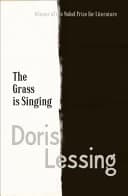
- The Grass is Singing
Doris Lessing
3.8 (11k) average on GoodreadsLiterary FictionExamines racial and class tensions in Southern Africa, with a focus on a white woman's psychological breakdown.
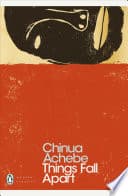
- Things Fall Apart
Chinua Achebe
3.7 (288k) average on GoodreadsHistorical FictionDepicts the disruption of indigenous life by external forces, though from a different cultural perspective.
- The Old Man and the Sea
Ernest Hemingway
3.8 (831k) average on GoodreadsLiterary FictionA Cuban fisherman's long struggle with a giant marlin becomes a story of endurance and dignity, now retold for young adults with illustrations, phonetic guides, and writing prompts in Traditional Chinese.
- One Hundred Years of Solitude
Gabriel García Márquez
4.1 (753k) average on GoodreadsLiterary FictionThrough the multi-generational story of the Buendía family, a mythical town deals with the repeating patterns of time, love, and solitude, as the extraordinary mixes with the ordinary.
- The Goldfinch
Donna Tartt
3.9 (720k) average on GoodreadsLiterary FictionHaunted by a tragic explosion and clutching a stolen Dutch masterpiece, a young orphan navigates the opulent drawing rooms of New York and the gritty underbelly of the art world, desperately seeking connection and redemption amidst a life spiraling into crime and obsession.




Enjoyed the summary?
A summary gives you the shape of the book. The book itself has the detail, the examples and the voice.
Find July's People on AmazonAs an Amazon Associate, BookBrief earns from qualifying purchases. How we're funded