

Synopsis
Covers the whole plot, including the ending.
- Difficulty
- Medium
- Pacing
- Slow
- Mood
- Melancholy, Introspective, Philosophical, Somber
- Read it if
- You appreciate introspective character studies, psychological depth, and a nuanced exploration of guilt, friendship, and societal change in early 20th-century Japan. Fans of classic Japanese literature and philosophical novels will enjoy this.
- Skip it if
- You prefer fast-paced plots, clear-cut resolutions, or lighthearted stories. This book is emotionally heavy and focuses on internal conflict.
Kokoro Plot Summary
Covers the whole plot, including the ending.
A Chance Encounter and a Budding Mentorship
The story begins with the narrator, a university student, telling about meeting Sensei during a summer vacation at Kamakura beach. The student is interested in Sensei's quiet manner and intelligent look, so he starts a conversation. Sensei is first reserved but lets the student visit him at his Tokyo home after they return. The student, who has no close family in Tokyo, admires Sensei. He sees him as a teacher. He starts visiting Sensei regularly, watching his quiet life with his wife and trying to understand the sadness that seems to always be around him.
Sensei's Isolation and the Student's Curiosity
As the student visits more often, he sees Sensei's lack of interest in the world and his strong feeling of being alone. Sensei spends much time reading and thinking, rarely leaving his home. The student also watches Sensei and his wife. Their relationship seems good on the outside but has an underlying sadness. Sensei's wife is kind and gentle, but there is a clear sadness in her eyes. She often gives in to Sensei's withdrawn nature. The student tries to talk more deeply with Sensei about his past, but Sensei always avoids it, hinting at dark secrets he cannot escape.
The Student's Family Matters and a Proposal
During his last year at university, the student's father gets sick, so the student goes back to his rural hometown. Before leaving, he says he wants to work after graduation. Sensei advises him not to rush into a career, suggesting he take time to think. Sensei also offers to help him find a job if needed. While at home, the student's family tries to arrange a marriage for him, but he does not want it. His mind is still on Sensei and the mysteries around him. He exchanges letters with Sensei, keeping their connection despite the distance.
His Father's Decline and Sensei's Final Letter
The student's father gets much worse and is confined to his bed, near death. Amidst the family's sadness and preparations, a long, handwritten letter arrives from Sensei. The letter is unusually long and personal, showing a confession is coming. Sensei tells the student to read it carefully and not to interrupt his father's last moments. But the student, feeling the letter's great importance, feels an immediate need to know what it says. He decides to read Sensei's letter over sitting by his father's deathbed.
Sensei's Orphanage and Early Betrayal
Sensei's letter starts with his childhood as an orphan, having lost both parents and his younger sister young. He was left with his uncle, who at first seemed kind but slowly began to take Sensei's inheritance. His uncle, in charge of Sensei's money, slowly took the funds. Sensei tells of his growing suspicion and finding out his uncle's trick. This early betrayal by a trusted family member left Sensei with a deep scar, giving him a strong distrust of people and a feeling of being alone that would shape his future.
Meeting the Landlady and Her Daughter
After his disappointment with his uncle, Sensei moves to Tokyo for university. He finds a place to stay in a house owned by a widow and her beautiful daughter, whom he calls Ojosan (later his wife). Sensei quickly develops strong feelings for Ojosan, though he finds it hard to show them because of his shyness and his past betrayal. He spends his days studying and watching Ojosan, his feelings growing deeper. The landlady, Ojosan's mother, is a kind woman who also grows fond of Sensei, seeing him as a possible match for her daughter.
K's Arrival and Sensei's Jealousy
Sensei, feeling a sense of duty and wanting company, invites his childhood friend, K, to live with him in the landlady's house. K is a serious student of philosophy, dedicated to his studies and seemingly not interested in worldly desires. However, after meeting Ojosan, K also falls deeply in love with her. Sensei, full of jealousy and fear of losing Ojosan, watches the growing affection between K and Ojosan. He begins to feel a strong sense of rivalry and betrayal, even though he had not shown his own feelings.
The Confession and K's Despair
Sensei's jealousy peaks when he overhears a talk between K and the landlady. He misunderstands it as K telling his love for Ojosan. Panicked, Sensei acts quickly. Without talking to K or Ojosan, he asks the landlady to marry Ojosan, getting her agreement. When K learns of the engagement, he is destroyed. He confronts Sensei, showing his deep sense of betrayal and the crushing blow to his beliefs and his heart. Sensei, full of guilt and a twisted feeling of winning, offers little comfort.
K's Suicide and Sensei's Enduring Guilt
Soon after Sensei's engagement to Ojosan, K commits suicide in his room. Finding K's body, with a vague suicide note, puts Sensei into a lasting state of guilt and sadness. He understands the extent of his betrayal and the bad results of his selfish actions. The shame and responsibility for K's death become the main burden of Sensei's life, casting a permanent shadow over his marriage to Ojosan and his whole life. He never fully recovers from this event, which is the cause of his sad and quiet nature.
A Life Haunted by the Past
Sensei explains that even after marrying Ojosan, he could never fully escape K's death. He feels he is living a lie, unable to fully tell his wife about the true events and his deep guilt. He confesses that his quiet life and his philosophical thoughts are all ways to deal with this heavy burden. He fears that Ojosan, despite her kindness, would hate him if she knew the full truth. This fear of judgment and the weight of his past have made him unable to feel true happiness or peace, leading to his current quiet sadness.
Sensei's Final Farewell
In the end of his letter, Sensei explains his decision to commit suicide. He feels that the modern era, with its fast changes and loss of old values, has left him feeling lost and unable to cope with his deep guilt. Emperor Meiji's death and General Nogi's ritual suicide after it act as a trigger for Sensei. They symbolize an old era of honor and duty that he feels he failed to uphold. He hopes that by sharing his story, the student will learn from his mistakes and live a life without such burdens. The letter ends suddenly, suggesting Sensei's immediate plan to end his life.
The Student's Urgent Journey
After finishing Sensei's long letter, the student is overwhelmed with shock, sadness, and an urgent feeling. He finally understands the cause of Sensei's lifelong suffering. Despite his father's coming death, the student feels a strong need to go to Sensei. He quickly leaves his family and his dying father, getting on the next train to Tokyo. The story ends with the student's journey, full of worry and a feeling of bad things to come, as he rushes towards a place he knows will bring him face-to-face with the sad end of Sensei's confession.
Kokoro Characters
The Student (Watashi)
Protagonist
A young, impressionable university student seeking mentorship and understanding.
The unnamed narrator, referred to as 'Watashi' (I), is a young man fresh out of university, grappling with the transition into adulthood and the modern world. He is highly observant, sensitive, and deeply drawn to Sensei's enigmatic character. His curiosity and admiration for Sensei drive the first part of the narrative. He represents the younger generation, open to new ideas but also struggling to find his place and understand the complexities of human nature. He is earnest and somewhat naive, initially unable to grasp the depth of Sensei's despair. His journey is one of learning and disillusionment.
Relationships: Sensei (mentee-mentor, later recipient of confession); Sensei's Wife (acquaintance, observer of her sadness); Father (son, leaves him on his deathbed for Sensei)
Sensei
Protagonist/Confidant
A reclusive, melancholic intellectual burdened by a tragic past and profound guilt.
Sensei is a complex, enigmatic figure who lives a withdrawn life with his wife. He is highly educated, philosophical, and deeply affected by a past event. His reclusiveness and perpetual sadness intrigue the student. He is fundamentally good-natured but was driven to a morally compromising act by jealousy and fear. His life is a prolonged penance for his betrayal of K and his subsequent guilt. He represents the older generation, struggling with the rapidly changing values of Meiji Japan and the weight of personal responsibility. His confession forms the core of the novel.
Relationships: The Student (mentor-mentee, later confessor); Sensei's Wife (Ojosan) (husband, deeply loves her but hides his guilt from her); K (childhood friend, rival in love, victim of betrayal); Uncle (guardian, betrayer of his inheritance)
Sensei's Wife (Ojosan)
Supporting
Sensei's kind and gentle wife, unknowingly living with his profound guilt.
Sensei's wife, referred to as Ojosan in Sensei's letter, is a gentle, compassionate woman. She deeply loves Sensei and cares for him, despite his withdrawn nature and the unspoken sorrow that pervades their home. She is unaware of the full extent of Sensei's past betrayal of K and the profound guilt that drives him. Her sadness is often observed by the student, reflecting the burden Sensei's secrets place on their marriage. She represents innocent suffering and the collateral damage of Sensei's moral failings.
Relationships: Sensei (wife, deeply in love but kept in the dark about his darkest secret); The Student (acquaintance, kind to him); K (object of affection for both Sensei and K)
K
Supporting
Sensei's ascetic childhood friend, whose tragic love leads to his demise.
K is Sensei's childhood friend, a serious and disciplined student of philosophy and religion. He is portrayed as an ascetic, dedicated to self-improvement and intellectual pursuits, initially seeming detached from worldly desires. However, he falls deeply in love with Ojosan, Sensei's landlady's daughter. K's stoic exterior masks a profound emotional depth and vulnerability. His betrayal by Sensei, who preemptively proposes to Ojosan, shatters his ideals and leads directly to his suicide. K represents the purity of spirit and the tragic consequences of its corruption by human weakness.
Relationships: Sensei (childhood friend, rival in love, victim of Sensei's betrayal); Ojosan (object of unrequited love)
The Landlady
Supporting
Ojosan's mother and Sensei's landlady, who encourages Sensei's marriage.
The landlady is Ojosan's widowed mother and Sensei's landlord during his university days. She is a kind and maternal figure who grows fond of Sensei and sees him as a suitable match for her daughter. She unknowingly facilitates the tragic love triangle by being open to both K's and Sensei's potential intentions regarding Ojosan. Her actions, though well-meaning, contribute to the circumstances that lead to K's despair and Sensei's guilt. She represents the conventional social expectations of the time regarding marriage and family.
Relationships: Ojosan (mother); Sensei (landlady, approves of him as a suitor); K (landlady, observes his affection for Ojosan)
The Student's Father
Mentioned
The narrator's ailing father, whose death coincides with Sensei's confession.
The student's father is a traditional, rural man whose declining health brings the student back home from Tokyo. His illness and eventual death create a temporal pressure for the student, as he must choose between attending to his dying father and reading Sensei's urgent letter. His character represents the traditional family obligations and the values of the past generation, which the student ultimately, and controversially, chooses to set aside in favor of understanding Sensei's modern dilemma. His death serves as a symbolic backdrop to Sensei's own impending end.
Relationships: The Student (father, dying)
Sensei's Uncle
Mentioned
Sensei's guardian who betrayed his trust and stole his inheritance.
Sensei's uncle was entrusted with the care of young Sensei and his inheritance after his parents' death. He gradually and deceitfully embezzled Sensei's funds, leading to Sensei's first major experience of human betrayal and distrust. This act profoundly shaped Sensei's cynical view of humanity and his subsequent reclusiveness. The uncle's actions are the initial catalyst for Sensei's later struggles with trust and his inability to fully open himself to others, even those he loves.
Relationships: Sensei (guardian, betrayer)
General Nogi
Mentioned
Historical figure whose ritual suicide impacts Sensei.
General Nogi Maresuke was a prominent general in the Imperial Japanese Army who committed seppuku (ritual suicide) with his wife on the day of Emperor Meiji's funeral. For Sensei, Nogi's suicide symbolizes the end of an era and the ideal of loyalty and honor of old Japan. Sensei sees Nogi's act as a profound statement of integrity that he himself feels incapable of matching, yet it serves as a powerful inspiration for his own decision to end his life, linking his personal tragedy to a larger cultural shift.
Kokoro Themes
Guilt and Atonement
The idea of guilt, especially Sensei's guilt over K's suicide, drives much of the story. Sensei lives a life of self-imposed separation and sadness as a way to make up for his betrayal of K. His inability to tell his wife or find peace shows how guilt can consume someone. His suicide, revealed in his letter, is his final act of making amends, an attempt to escape his past. The student's effort to understand this guilt shows the difference in how generations view such moral weight.
“I was afraid of the world, and I was afraid of myself. I knew that I was a coward, and I hated myself for it.”
Isolation and Loneliness
Both Sensei and the student feel alone. Sensei's quietness is a direct result of his guilt and distrust of people, from his uncle's betrayal and K's death. He lives apart from society, unable to connect deeply even with his wife. The student also feels lonely in Tokyo, which draws him to Sensei. The novel shows how personal sad events and moral compromises can lead to deep emotional solitude, even with others, and how this isolation can become a mental prison.
“Loneliness is the price of being a human being.”
Betrayal and Distrust
Betrayal happens often. Sensei's early experience with his uncle taking his money gives him a basic distrust of human nature. This distrust, with jealousy, causes him to betray his friend K, starting the sad events. Sensei's later inability to trust himself or others, even his devoted wife, keeps him suffering. The novel suggests that betrayal, once felt or done, can break one's ability for true connection and leave lasting marks on the mind, affecting future relationships and how one sees oneself.
“I learned to be distrustful of everyone, even of myself.”
The Clash of Generations and Modernity
The student and Sensei's relationship shows the generational difference in early 20th-century Japan. The student stands for the new modern era, with his curiosity and wish for understanding. Sensei, weighed down by old ideas of honor and duty, struggles to adapt to a changing world where old values are fading. His suicide, partly inspired by General Nogi's seppuku, shows his inability to match his personal tragedy with the new social norms. The story explores how fast modernization affects people caught between old traditions and new realities.
“The times have changed. I cannot live in this new era. I am a relic of the past.”
Love, Jealousy, and Selfishness
The sad love triangle between Sensei, Ojosan, and K clearly shows how jealousy and selfishness can destroy. Sensei's deep love for Ojosan, with his fear of losing her to K, makes him propose deceitfully. This act, born of selfish desire and a lack of moral strength, directly causes K's despair and suicide. The novel explores how even strong love can be ruined by human flaws, leading to irreversible outcomes and a lifetime of regret for the person who caused it. It questions how pure human motives are when facing strong emotions.
“I was a selfish man. I loved her, but I loved myself more.”
Plot Devices & Literary Techniques
First-Person Narration (Watashi)
Provides an intimate, subjective perspective of Sensei.
The story is primarily told from the first-person perspective of the unnamed student ('Watashi'). This creates a sense of intimacy and immediacy, allowing the reader to experience Sensei through the student's eyes, sharing his curiosity, admiration, and eventual shock. The student's limited understanding in the first two parts builds suspense and highlights Sensei's enigmatic nature. The shift to Sensei's first-person narrative in the final part, through his letter, offers a crucial change in perspective, revealing the inner turmoil that the student (and reader) could only speculate about previously.
Epistolary Device (Sensei's Letter)
A lengthy letter that reveals Sensei's entire tragic past.
Sensei's long, detailed letter to the student serves as the central plot device, forming the entire third section of the novel. This epistolary format allows Sensei to confess his deep secrets and motivations directly to the student and, by extension, to the reader, without interruption. It provides a complete backstory, unraveling the mysteries that shrouded his character. The urgency of the letter, arriving as the student's father is dying, heightens the dramatic tension and forces the student to make a profound choice, emphasizing the weight of Sensei's confession.
Symbolism of Suicide (K and Sensei, General Nogi)
Suicide as a response to moral failure and a changing world.
Suicide acts as a powerful symbolic device throughout the novel. K's suicide is the direct consequence of Sensei's betrayal and represents the tragic end of idealism when confronted with human weakness. Sensei's own decision to commit suicide is a culmination of his lifelong guilt and his feeling of being unable to adapt to the modern era. The mention of General Nogi's ritual suicide (junshi) serves as a historical and cultural parallel, linking Sensei's personal despair to a broader sense of loss of traditional values and honor in Meiji Japan, making his act both personal and symbolic of a societal shift.
The Enigmatic Mentor
Sensei's mysterious nature draws the student into his tragic world.
Sensei embodies the archetype of the enigmatic mentor. His quiet demeanor, intellectual depth, and underlying sadness immediately intrigue the young student. Sensei's reluctance to reveal his past creates suspense and fuels the student's desire to understand him. This device allows Sōseki to explore the themes of hidden suffering and the slow unraveling of a complex character. The student's initial idealization of Sensei makes the eventual revelation of his moral failings even more impactful, leading to a profound re-evaluation of his mentor.
Kokoro Quotes
“Loneliness is the price we have to pay for being born in this modern age, so full of freedom, independence, and our own egotistical selves.”
“I am a lonely man, and I shall die a lonely death.”
“The world is a cold place. The man who feels it as such is perhaps the one who has some warmth in him.”
“I have lived my life trying not to hurt others, and as a result, I have hurt them all the more.”
“There are some wounds that can never be healed, no matter how much time passes.”
“To know oneself is a difficult thing. To know others is even more difficult.”
“I am like a man who has been shipwrecked and is clinging to a piece of wreckage.”
“The heart is a strange thing. It can be so full of love and yet so full of hate.”
“We are all prisoners of our own past.”
“Sometimes I think that the only way to be truly free is to be alone.”
“The more I tried to understand people, the more I realized how little I understood myself.”
“Life is a series of farewells, and each farewell takes a piece of us with it.”
“I have come to believe that there is no such thing as a pure heart. We are all tainted in some way.”
“The truth is often more painful than any lie we tell ourselves.”
Quiz
10 questions on the plot and the characters. Each answer comes with a short explanation.
Question 1
What is the primary relationship between the two main unnamed characters in 'Kokoro'?
- Father and son
- Teacher and student
- Business partners
- Brothers
Show answer
B. Teacher and student The young narrator refers to the older man as 'Sensei,' a Japanese term meaning teacher or mentor, and their relationship centers on guidance and confession rather than familial ties.
Question 2
What tragic event from Sensei's past haunts him throughout the novel?
- He accidentally caused a friend's death
- He betrayed his friend K by stealing his love interest
- He lost his family fortune in a war
- He was exiled from his hometown
Show answer
B. He betrayed his friend K by stealing his love interest Sensei confesses that he betrayed his friend K by pursuing and marrying the woman K loved, which led to K's suicide and left Sensei with lifelong guilt.
Question 3
What does the title 'Kokoro' translate to in English, reflecting a central theme of the novel?
- Mind
- Soul
- Heart
- Spirit
Show answer
C. Heart 'Kokoro' means 'heart' in Japanese, symbolizing the emotional and moral core of the characters, their inner conflicts, and the themes of loneliness and human connection.
Question 4
How does the novel end for Sensei?
- He reconciles with his family
- He moves abroad to start anew
- He commits suicide
- He becomes a hermit in the mountains
Show answer
C. He commits suicide Sensei takes his own life, as revealed in his final letter to the narrator, driven by his unresolved guilt and the cultural shifts in Meiji-era Japan.
Question 5
What historical period in Japan serves as the backdrop for 'Kokoro', influencing its themes of generational change?
- Edo Period
- Meiji Era
- Taisho Era
- Showa Period
Show answer
B. Meiji Era The novel is set in the Meiji Era (1868-1912), a time of rapid Westernization and modernization in Japan, which creates a cultural gap between Sensei's generation and the narrator's.
Question 6
Why does the narrator seek out Sensei's guidance initially?
- For help with academic studies
- To learn about business investments
- Out of curiosity about Sensei's reclusive nature
- To borrow money from him
Show answer
C. Out of curiosity about Sensei's reclusive nature The narrator is intrigued by Sensei's aloof and mysterious demeanor, which draws him into a friendship as he tries to understand Sensei's inner world and past.
Question 7
What role does the narrator's father play in the novel?
- He is a strict disciplinarian who disowns the narrator
- He represents traditional values and dies during the story
- He is a government official who supports modernization
- He is Sensei's former teacher
Show answer
B. He represents traditional values and dies during the story The narrator's father embodies the older generation's values and falls ill, with his death coinciding with Sensei's suicide, highlighting themes of mortality and change.
Question 8
How does Sensei's wife, referred to as 'Ojosan', react to his past secrets?
- She leaves him upon learning the truth
- She remains devoted but is kept in the dark until after his death
- She confronts him angrily and demands a divorce
- She helps him reconcile with K's family
Show answer
B. She remains devoted but is kept in the dark until after his death Sensei never fully reveals his guilt to his wife, maintaining a distance in their marriage, and she only learns the details from his posthumous letter to the narrator.
Question 9
What literary device is prominently used through Sensei's long letter to the narrator at the end of the novel?
- Flashback
- Allegory
- Satire
- Onomatopoeia
Show answer
A. Flashback The letter serves as an extended flashback, revealing Sensei's past in detail and allowing the narrator (and reader) to understand his motivations and guilt retrospectively.
Question 10
What does Sensei's suicide symbolize in the context of Meiji-era Japan?
- A rejection of Western influence
- The collapse of the samurai class
- The passing of old values and the loneliness of modernization
- A protest against the emperor system
Show answer
C. The passing of old values and the loneliness of modernization Sensei's death represents the alienation and moral confusion of individuals caught between traditional Japanese ethics and the new, impersonal modern society, echoing the era's cultural shifts.
Kokoro FAQ
What is 'Kokoro' by Natsume Sōseki about?
Kokoro follows the relationship between a young university student and an older man he calls Sensei, who is haunted by guilt from his past. The novel explores themes of isolation, guilt, and the generational divide in early 20th-century Japan through Sensei's gradual confession of how he betrayed his friend K during their student days, leading to K's suicide.
Why should I read 'Kokoro'?
Kokoro is essential for understanding modern Japanese literature and the psychological turmoil of Japan's Meiji era. It masterfully portrays universal themes of guilt, loneliness, and the search for meaning through its nuanced character study and exploration of how personal secrets shape relationships across generations.
What is the background/setting of 'Kokoro'?
Set in early 20th-century Japan during the Meiji era, Kokoro reflects a society in transition between traditional values and Western modernization. The story unfolds in Tokyo, with key scenes at Sensei's home, the university, and the seaside, mirroring the characters' internal conflicts amid cultural change.
What are the most memorable quotes from 'Kokoro'?
Memorable quotes include Sensei's reflection, 'Loneliness is the price we have to pay for being born in this modern age,' and his warning to the narrator, 'I am going to die soon. But I am not afraid of death. I am only afraid of the loneliness that will come after.' These lines encapsulate the novel's themes of isolation and existential dread.
What writing style does Natsume Sōseki use in 'Kokoro'?
Sōseki employs a restrained, introspective first-person narrative, shifting between the young narrator's perspective and Sensei's written confession. His prose is subtle and psychological, using sparse dialogue and detailed internal monologues to explore characters' emotions and the cultural tensions of the era.
What minor details add significant meaning in 'Kokoro'?
Minor details like Sensei's habit of visiting the graves of his friend K and his wife's father symbolize his unending guilt and isolation. The recurring imagery of the sea, particularly in Sensei's final letter written near the ocean, represents the vast, uncontrollable nature of his remorse and the passage of time.
What are some subtle foreshadowing moments in 'Kokoro'?
Foreshadowing includes Sensei's early warnings about his impending death and his cryptic remarks on loneliness, which hint at his suicide. The narrator's initial observation of Sensei's visits to the graveyard subtly prefigures the revelation of K's suicide and Sensei's own tragic end.
What unexpected character connections exist in 'Kokoro'?
An unexpected connection is revealed when Sensei confesses that he and K were both in love with the same woman, Ojōsan, which led to their rivalry. This love triangle, rooted in their shared student days, creates the central conflict that drives K's suicide and Sensei's lifelong guilt.
What are unspoken character motivations in 'Kokoro'?
Sensei's unspoken motivation is his deep-seated shame over betraying K, which he masks with aloofness. The narrator is driven by a desire for mentorship and understanding, seeking in Sensei a father figure to fill the void left by his own distant father, though this remains implicit in his actions.
What psychological complexities do characters exhibit in 'Kokoro'?
Sensei exhibits profound guilt and self-loathing, believing he is morally corrupt due to his betrayal of K. The narrator shows naivety and existential confusion, struggling to reconcile Sensei's wisdom with his flaws. K represents rigid idealism, whose inability to adapt leads to his despair.
What are the major emotional turning points in 'Kokoro'?
Key turning points include Sensei's confession of his past to the narrator, which deepens their bond but also reveals his torment; the death of the narrator's father, which parallels Sensei's isolation; and Sensei's final letter, where he fully discloses his guilt and decision to commit suicide.
How do relationship dynamics evolve in 'Kokoro'?
The narrator and Sensei's relationship evolves from distant admiration to intimate confession, mirroring a father-son dynamic. Sensei's marriage to Ojōsan remains strained by his secret guilt, while his past friendship with K deteriorates from camaraderie to bitter rivalry over love, culminating in tragedy.
Which parts of 'Kokoro' remain ambiguous or open-ended?
The novel's ending is ambiguous regarding the narrator's future after receiving Sensei's suicide letter—it's unclear how he processes this revelation. Additionally, Sensei's exact reasons for choosing suicide over atonement are left open to interpretation, reflecting the unresolved nature of his guilt.
What are controversial scenes or decisions in 'Kokoro'?
Controversial decisions include Sensei's betrayal of K by proposing to Ojōsan without telling him, which some readers see as cowardly rather than tragic. His ultimate suicide is debated as either a noble act of penance or a selfish escape, highlighting moral ambiguities in the story.
'Kokoro' ending explained: how it ends & what it means
The novel ends with Sensei's suicide, revealed in a final letter to the narrator, where he explains his guilt over K's death and his belief that he cannot escape his moral corruption. This symbolizes the generational and cultural rift in Meiji Japan, with Sensei representing the old guard's despair and the narrator embodying the uncertain future.
How does 'Kokoro' reflect the cultural shift in early 20th-century Japan?
Kokoro reflects Japan's Meiji era transition through the clash between Sensei's traditional values of honor and guilt and the narrator's modern, individualistic outlook. Sensei's inability to adapt to changing times, contrasted with the narrator's quest for meaning, symbolizes the broader societal struggle between old and new Japan.
About the author

Natsume Sōseki was a Japanese novelist active during the Meiji era, known for his exploration of individualism and the human psyche. His notable work "Kokoro" delves into themes of loneliness and the complexities of human relationships. Sōseki is often regarded as one of Japan's greatest literary figures.
Similar books
- No Longer Human
Osamu Dazai
4.1 (22k) average on GoodreadsLiterary FictionDelves into the psychological torment and alienation of a protagonist in post-war Japan.
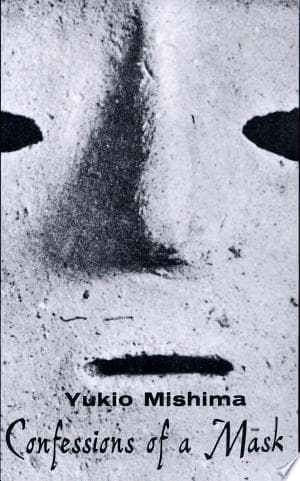
- Confessions of a Mask
Yukio Mishima
3.9 (15k) average on GoodreadsFictionWhile both Kokoro and Confessions of a Mask explore alienation and the protagonist's inner world, Sōseki's approach is more restrained and focuses on the quiet torment of guilt and moral responsibility. Mishima's work is often more theatrical, explicitly performative, and delves into identity through aesthetics and desire, with a more overt exploration of sexuality and self-construction.
- To Kill a Mockingbird
Harper Lee
4.3 (4.5M) average on GoodreadsHistorical FictionIn the 1930s Jim Crow South, Harper Lee writes about racial injustice, moral growth, and the quiet courage of a lawyer father, Atticus Finch, as seen through his young daughter's eyes.
- The Great Gatsby
F. Scott Fitzgerald
3.9 (3.8M) average on GoodreadsHistorical FictionIn the opulent Roaring Twenties, a mysterious millionaire's lavish parties hide his desperate, tragic pursuit of a lost love, exposing the emptiness within the American Dream.
- Pride and Prejudice
Jane Austen
4.3 (3M) average on GoodreadsHistorical FictionIn a society focused on status and money, Elizabeth Bennet navigates love and pride, challenging Mr. Darcy and social expectations to find true affection.
- Angels & Demons
Dan Brown
3.9 (2.7M) average on GoodreadsThrillerA Harvard symbologist races through Rome's ancient sites, deciphering cryptic clues to unmask the Illuminati and stop a vengeful plot to destroy the Vatican with a stolen antimatter weapon.





Enjoyed the summary?
A summary gives you the shape of the book. The book itself has the detail, the examples and the voice.
Find Kokoro on AmazonAs an Amazon Associate, BookBrief earns from qualifying purchases. How we're funded