

Synopsis
Covers the whole plot, including the ending.
- Difficulty
- Medium
- Pacing
- Moderate
- Mood
- Thought-provoking, Melancholy, Intense, Reflective
- Read it if
- You enjoy character-driven literary fiction exploring complex family dynamics, the nuances of motherhood, class conflict, and racial identity in a suburban setting.
- Skip it if
- You prefer fast-paced thrillers or clear-cut moral narratives. The book delves into uncomfortable truths and leaves some questions open.
Little Fires Everywhere Plot Summary
Covers the whole plot, including the ending.
The Richardson House Ablaze
The novel begins with the Richardson family's large house in Shaker Heights burning down. The fire department quickly determines it was arson, and suspicion falls on the youngest Richardson daughter, Izzy, who is gone. Elena Richardson, the mother, looks at the destruction. The story then flashes back to the previous spring, showing the perfect community of Shaker Heights and the arrival of Mia Warren and her daughter, Pearl. Elena rents them the third floor of a duplex she owns, despite Mia's unconventional appearance. This first meeting sets the stage for the clash of their two different worlds.
Worlds Collide: Mia and Pearl's Arrival
Mia Warren, an artist, and her teenage daughter Pearl arrive in Shaker Heights, a town very different from their traveling life. They rent the top floor of a duplex from Elena Richardson, who is curious but also judges Mia's bohemian ways. Pearl quickly becomes interested in the stable Richardson family, especially Trip, Moody, and Lexie, and spends more time at their house, attracted to their normal and comfortable life. Moody, the middle Richardson son, likes Pearl and introduces her to his siblings. Mia works part-time as a waitress to support herself and Pearl, staying somewhat separate from the Shaker Heights community.
Izzy's Connection to Mia
While Pearl connects with the conventional Richardson children, the youngest Richardson daughter, Izzy, feels more and more separate from her own family and drawn to Mia. Izzy, sensitive and rebellious, feels misunderstood by her mother's strict expectations. She sees in Mia a freedom and artistic spirit she wants. Mia recognizes Izzy's artistic talent and emotional sensitivity, giving her space in her studio and a sense of belonging Izzy has never had at home. This mentorship makes Izzy's connection with Mia stronger and further strains her relationship with Elena.
The Custody Battle Begins
The calm of Shaker Heights breaks with a publicized custody battle. Bebe Chow, a Chinese immigrant and Mia's co-worker, fights to get back her infant daughter, May Ling, whom she left at a fire station months earlier because of postpartum depression and poverty. The baby was adopted by the McCullough family, close friends of the Richardsons, and named Mirabelle. The case becomes a town debate on motherhood, class, and race. Elena, loyal to her friends, supports the McCulloughs, believing they can give the child a better life, and writes an article for the local paper supporting them.
Mia's Deepening Involvement
Mia, who became friends with Bebe Chow at work, feels empathy for her situation as a single mother. She learns Bebe's full, sad story of abandoning her baby and wants to help. Without telling Elena, Mia gives Bebe emotional support, legal contacts, and goes with her to court, becoming an advocate for Bebe to get her daughter back. This secret involvement directly opposes Elena's public stance and support for the McCulloughs, creating tension between the two women and increasing Elena's suspicions about Mia.
Elena's Investigation into Mia's Past
Angry about Mia's involvement in the custody case and her general disregard for Shaker Heights norms, Elena becomes determined to uncover Mia's past. Using her connections as a local journalist, she investigates Mia, starting with the vague information on her rental application. Elena finds that Mia has often changed addresses and used different names, suggesting an effort to remain untraceable. Her investigation eventually leads her to the truth about Pearl's biological father and why Mia ran from her past, a secret Mia has kept for years.
The Truth About Pearl's Origins
Elena's investigation uncovers a secret: Pearl is not Mia's biological daughter but was born through surrogacy. Mia had agreed to be a surrogate for a wealthy, infertile couple, the Ryans, while an art student. After giving birth, Mia became so attached to the baby that she ran away with her, leaving the Ryans and creating a new life under a new identity to protect Pearl. This explains Mia's traveling life and her strong protectiveness of Pearl, and her empathy for Bebe Chow's maternal desperation. Elena finding this out is a violation of Mia's privacy.
Confrontation and Betrayal
Knowing the truth, Elena confronts Mia, telling her she knows about Pearl's true origins and Mia's past as a surrogate. Mia is devastated that her secret is out, feeling her life falling apart. The revelation also affects Pearl, who hears parts of the confrontation and is shocked to learn Mia is not her biological mother and that her life has been built on a lie. This betrayal causes a split between Mia and Pearl, as Pearl deals with her identity and her mother's secrets. Elena's actions severely test their bond.
The Custody Verdict and its Aftermath
The court rules in the custody battle, favoring the McCulloughs, citing Bebe Chow's earlier abandonment and the stability the McCulloughs can provide. Bebe is heartbroken by the decision. That night, driven by maternal instinct and desperation, Bebe breaks into the McCullough home and takes May Ling/Mirabelle, fleeing with her. This act shocks Shaker Heights, showing the complexities and emotions around motherhood and belonging, leaving the McCulloughs devastated and the community reeling from the dramatic event.
The Richardsons Unravel
The secrets and tensions from the custody battle and Mia's past start to unravel the Richardson family. Lexie finds out she is pregnant and asks Mia for money for an abortion, which Mia provides, further complicating their relationship. Moody feels rejected by Pearl, who is more interested in Trip. Izzy, already feeling separated, reaches her breaking point with her mother's constant criticism and the revelation of Mia's past, which she sees as an unforgivable intrusion. The children begin to see their mother, Elena, more critically, recognizing her controlling nature and the sacrifices she made for perceived perfection.
Izzy's Breaking Point and the Fire
Izzy's lifelong feeling of separation and her mother's efforts to uncover Mia's past lead to a confrontation. After Elena tells Mia and Pearl to leave the duplex, cutting off Izzy's only source of understanding, Izzy reaches her breaking point. Overwhelmed by anger and a feeling of betrayal by her mother, Izzy, in a fit of rage, sets fire to each of her family members' beds, showing her desire to destroy the suffocating perfection of her life. She then flees the burning house, disappearing, leaving her family to face the consequences.
Mia and Pearl's Departure, Elena's Reflection
As the Richardson house burns, Mia and Pearl are packing to leave Shaker Heights, their time there having ended. Mia, understanding Izzy's pain, leaves a note for the police implying she was responsible for the fire, to protect Izzy. They drive away, returning to their nomadic life, with Mia determined to help Pearl find her biological parents. Elena, with a destroyed home and a missing daughter, must confront the wreckage of her ordered life and the consequences of her pursuit of truth and control, beginning a journey of self-reflection and searching for Izzy.
Principal Figures
Elena Richardson
Protagonist/Antagonist
The meticulously organized matriarch of the Richardson family, who values rules and order above all else.
Elena Richardson is a quintessential Shaker Heights resident: organized, rule-abiding, and outwardly perfect. She is a part-time journalist for the local paper and a devoted, if somewhat controlling, mother of four. Elena prides herself on her ability to manage everything, from her home to her children's lives. Her worldview is rigid, believing that following the rules guarantees success and happiness. She sees herself as benevolent and fair, but her actions often stem from a deep-seated need for control and an inability to tolerate anything that deviates from her carefully constructed reality. Her curiosity about Mia Warren quickly turns into an obsession, leading her to cross ethical boundaries.
Relationships: Bill Richardson (husband); Lexie Richardson (daughter); Trip Richardson (son); Moody Richardson (son); Izzy Richardson (daughter); Mia Warren (landlord/antagonist); Pearl Warren (tenant)
Mia Warren
Protagonist
An enigmatic and nomadic artist, single mother, and foil to Elena's structured life.
Mia Warren is a free-spirited and deeply artistic woman who lives a transient life with her daughter, Pearl. She works various odd jobs, primarily as a photographer, and prioritizes emotional truth and artistic expression over material possessions or social conformity. Mia is fiercely protective of Pearl and carries a significant secret from her past, which dictates her nomadic lifestyle and her guarded nature. She challenges the established norms of Shaker Heights and serves as a catalyst for change and disruption in the lives of the Richardsons, particularly Izzy. Her empathy for Bebe Chow's plight is a driving force in the latter half of the novel.
Relationships: Pearl Warren (daughter); Elena Richardson (tenant/antagonist); Izzy Richardson (mentor/friend); Bebe Chow (friend/ally)
Pearl Warren
Supporting
Mia's teenage daughter, who yearns for stability and a sense of belonging.
Pearl Warren is Mia's intelligent and observant teenage daughter. Having grown up in a nomadic lifestyle, she longs for the stability, predictability, and material comforts that the Richardson family embodies. She quickly integrates herself into the Richardson household, forming close bonds with Moody, Trip, and Lexie, and developing a crush on Trip. Pearl is initially unaware of her mother's closely guarded past and is deeply shaken when the truth comes to light. Her journey involves grappling with her identity, her mother's secrets, and her place in the world, torn between her bohemian upbringing and her desire for a conventional life.
Relationships: Mia Warren (mother); Moody Richardson (friend/romantic interest); Trip Richardson (romantic interest); Lexie Richardson (friend)
Izzy Richardson
Supporting
The rebellious and sensitive youngest Richardson daughter, an outcast in her own family.
Isabelle 'Izzy' Richardson is the youngest of the Richardson children, a sensitive, artistic, and rebellious girl who constantly clashes with her mother, Elena. She feels misunderstood and stifled by her family's rigid expectations and the pressures of Shaker Heights. Izzy is drawn to Mia Warren's unconventional spirit and finds in her a mentor and a sense of acceptance she lacks at home. Her deep emotional wounds and desire for freedom lead her to extreme actions. Izzy's character embodies the pressures of conformity and the destructive consequences of feeling unloved and unheard.
Relationships: Elena Richardson (mother/antagonist); Bill Richardson (father); Mia Warren (mentor/friend); Lexie Richardson (sister); Trip Richardson (brother); Moody Richardson (brother)
Moody Richardson
Supporting
The middle Richardson son, who befriends Pearl and introduces her to his family.
Moody Richardson is the middle son of the Richardson family. He is intellectual, somewhat introverted, and initially the most welcoming of the Richardson children to Pearl Warren. He develops a deep crush on Pearl and introduces her to his family and their world, facilitating her integration. Moody often feels overlooked by his parents compared to his older siblings. He struggles with unrequited love for Pearl and jealousy when she becomes involved with his brother, Trip. He is observant of his family's dynamics and Mia's influence.
Relationships: Pearl Warren (friend/unrequited love); Elena Richardson (mother); Bill Richardson (father); Trip Richardson (brother/rival); Lexie Richardson (sister); Izzy Richardson (sister)
Lexie Richardson
Supporting
The eldest Richardson daughter, popular and seemingly perfect, but with her own hidden struggles.
Lexie Richardson is the eldest daughter, popular, bright, and seemingly perfect, embodying the Shaker Heights ideal. She is a senior in high school, preparing for college, and often serves as a proxy mother figure to her younger siblings. Despite her outward confidence, Lexie struggles with her own insecurities and makes choices that she keeps hidden from her family, such as asking Pearl to cover for her during an abortion. She represents the pressure to maintain a flawless image and the hidden anxieties that can exist beneath a polished surface.
Relationships: Elena Richardson (mother); Bill Richardson (father); Pearl Warren (friend/confidante); Brian (boyfriend)
Trip Richardson
Supporting
The athletic and charming Richardson son, who becomes romantically involved with Pearl.
Trip Richardson is the athletic and popular middle son, known for his good looks and easygoing nature. He is less academically inclined than his siblings but possesses a natural charisma. Trip develops a romantic relationship with Pearl, much to Moody's dismay. He is generally oblivious to the deeper family dynamics and tensions, often serving as a contrast to Moody's more introspective nature. His relationship with Pearl further complicates the already intricate web of relationships between the two families.
Relationships: Pearl Warren (romantic interest); Moody Richardson (brother/rival); Elena Richardson (mother); Bill Richardson (father)
Bill Richardson
Supporting
Elena's husband and a successful lawyer, often a quiet observer of his family's dynamics.
Bill Richardson is Elena's husband and a prominent attorney in Shaker Heights. He is generally a calm and measured presence, often acting as a buffer between Elena and their children, especially Izzy. Bill is aware of Elena's controlling tendencies but often defers to her, preferring to avoid conflict. He supports Elena in the McCullough custody case, though perhaps with less fervent conviction. He represents the seemingly stable patriarchal figure within the family, but his passivity allows Elena's more destructive impulses to flourish.
Relationships: Elena Richardson (wife); Lexie Richardson (daughter); Trip Richardson (son); Moody Richardson (son); Izzy Richardson (daughter)
Bebe Chow
Supporting
A Chinese immigrant and Mia's co-worker, fighting to reclaim her abandoned baby.
Bebe Chow is a Chinese immigrant who works with Mia at a Chinese restaurant. Driven by poverty and severe postpartum depression, she abandoned her baby at a fire station, an act she deeply regrets. When she learns her baby, now named Mirabelle, has been adopted by the McCulloughs, she embarks on a desperate legal battle to reclaim her. Bebe's story highlights the struggles of immigrant mothers, poverty, and the fierce, primal bond of motherhood. Her unwavering determination to get her child back serves as a powerful parallel to Mia's own maternal instincts.
Relationships: Mia Warren (friend/ally); May Ling/Mirabelle McCullough (daughter)
Linda McCullough
Supporting
A close friend of Elena's and the adoptive mother of May Ling/Mirabelle.
Linda McCullough is a close friend of Elena Richardson and the adoptive mother of May Ling, who they rename Mirabelle. She and her husband, Mark, had struggled with infertility for years and were overjoyed to adopt the abandoned baby. Linda is portrayed as a loving and devoted mother who genuinely cares for Mirabelle. Her perspective in the custody battle emphasizes the pain and attachment of adoptive parents, believing she is providing the best life for the child. She represents the well-intentioned but sometimes privileged view of motherhood.
Relationships: Elena Richardson (friend); Mark McCullough (husband); May Ling/Mirabelle McCullough (adopted daughter)
Themes & Insights
Motherhood and Identity
The novel explores motherhood, asking what makes a mother. It compares Elena's rigid maternal style with Mia's protective, unconventional approach, and Bebe Chow's desperate love. The theme extends to the children's identities, especially Pearl's struggle with her origins and Izzy's search for maternal acceptance. The custody battle over May Ling/Mirabelle directly compares biological ties with adoptive love, making characters and readers consider the emotional and legal aspects of being a 'mother' and how it shapes one's self. Mia's decision to keep Pearl and flee, and Bebe's desperate act, show the strong pull of motherhood.
“The fire, she realized, was not just Izzy’s; it was hers, too. She had made it possible. She had, in a way, set it herself.”
Class and Privilege
Shaker Heights represents privilege, where residents think their planning and wealth protect them from life's difficulties. Mia and Pearl's arrival, with their more transient and less financially secure life, highlights class differences. The custody battle further shows this divide, with the wealthy McCulloughs representing stability and resources, while Bebe Chow represents poverty and immigration. Elena's assumption that the McCulloughs, because of their wealth, are better parents than Bebe, shows class bias. The novel questions the idea that money and status mean moral superiority or better parenting.
“In Shaker Heights, there was a right way to do things, a rule book that had been handed down from the start. It was not a place that encouraged deviations.”
Secrets and Truth
Secrets are central to the story, driving much of the plot and character development. Mia's life with Pearl is built on a secret about Pearl's origins, which she protects fiercely. Elena, suspicious and needing control, tries to uncover this truth, believing that exposing Mia's past will show she is an unfit mother. The Richardson children also keep secrets, like Lexie's abortion, which shows the hidden complexities beneath their 'perfect' lives. The novel explores the impact of secrets, both on those who keep them and those who find them, and the line between truth and destructive revelation.
“Sometimes you have to scorch everything to the ground and start over. After the burning, the soil is richer, and new things can grow.”
Art and Self-Expression
Art is a way of self-expression and contrasts with the conformity of Shaker Heights. Mia Warren, an artist, lives a life driven by passion, creativity, and emotional truth, often using her photography to capture reality. Her art helps her process experiences and express identity, and she teaches Izzy to find her own voice through creative outlets. The novel suggests that true self-expression, often messy, can be stopped by societal expectations and the pursuit of superficial perfection, as seen in Izzy's struggle within her family. Mia's art helps her confront her past and helps others see beyond the surface.
“To a parent, your child is a reflection of you. To a child, your parent is a mirror of your future.”
Conformity vs. Rebellion
The novel shows the tension between the strict conformity of Shaker Heights and the desire to rebel. Elena Richardson represents conformity, believing in the town's rules and striving for an ordered life. Mia Warren, by contrast, represents rebellion and a life outside societal norms. This difference is felt most by Izzy Richardson, who is stifled by her mother's expectations and finds comfort and inspiration in Mia's defiance. Izzy's act of arson is an extreme form of rebellion, an attempt to destroy the suffocating structures of her life. The book questions whether strict rule-following leads to happiness or stifles individuality.
“It was a lesson she would learn many times over: that the world was not a place of absolutes, that there was room for nuance, for shades of gray.”
Plot Devices & Literary Techniques
Framing Device (The Fire)
The novel opens and closes with the fire at the Richardson house, creating suspense and a sense of inevitability.
The story begins with the dramatic scene of the Richardson house burning down, and the immediate suspicion on Izzy. This framing device immediately hooks the reader, establishing a central mystery and a sense of impending doom. The narrative then flashes back, slowly revealing the events that led to this destructive climax. By knowing the outcome from the start, the reader is constantly aware of the underlying tensions and watches the characters' actions with a heightened sense of anticipation, trying to piece together how such a devastating event came to pass. It underscores the idea that the 'little fires' of conflict and secrets eventually culminate in a large, destructive blaze.
Foil Characters
Mia Warren and Elena Richardson serve as direct contrasts, highlighting each other's traits and beliefs.
Mia Warren and Elena Richardson function as classic foil characters. Elena embodies the meticulously planned, rule-bound, and privileged world of Shaker Heights, while Mia represents an artistic, nomadic, and emotionally driven existence. Their contrasting values—order versus freedom, material wealth versus artistic expression, biological ties versus chosen family—create the central conflict of the novel. By placing them in direct opposition, the author illuminates the complexities and flaws inherent in each woman's worldview, forcing readers to question which approach to life and motherhood is truly 'right' or sustainable. Their interactions expose the strengths and weaknesses of their respective philosophies.
Symbolism of Fire
Fire represents destruction, purification, passion, and rebellion throughout the narrative.
Fire is a pervasive and multifaceted symbol in the novel. It literally destroys the Richardson home, representing the shattering of their 'perfect' façade and the breakdown of their family unit. It also symbolizes the passionate, sometimes destructive, emotions that simmer beneath the surface of the characters' lives—Mia's fierce maternal love, Izzy's burning rage and desire for freedom, and Elena's consuming obsession. The 'little fires' represent the small conflicts, secrets, and resentments that, when ignored, can escalate into an uncontrollable conflagration. It signifies both destruction and the potential for a cleansed, new beginning, as Mia suggests after a burning.
Third-Person Omniscient Narration
The narrative voice provides deep insight into multiple characters' thoughts and motivations.
The novel employs a third-person omniscient narrator, which allows the author to delve deeply into the interior lives and perspectives of various characters, including Elena, Mia, Pearl, and the Richardson children. This narrative choice provides a comprehensive understanding of their motivations, fears, and internal conflicts, even when their actions appear contradictory or morally ambiguous. By shifting perspectives, the reader gains a nuanced view of complex issues like motherhood, class, and truth, avoiding a simplistic good-versus-evil dichotomy. It enables a more empathetic and critical examination of each character's choices and the societal pressures they face.
The Town of Shaker Heights
The meticulously planned community serves as a character in itself, embodying themes of control and conformity.
Shaker Heights is more than just a setting; it acts as a character in the novel, embodying the themes of order, control, and the illusion of perfection. Its carefully planned streets, architectural guidelines, and emphasis on 'the right way to do things' reflect Elena Richardson's worldview and serve as a constant pressure on its inhabitants, particularly the children. The town represents an idealized, almost utopian vision that, in its rigidity, stifles individuality and creativity. The arrival of Mia, who disregards these norms, exposes the cracks in Shaker Heights' perfect façade and challenges its underlying assumptions about success and happiness.
Little Fires Everywhere Quotes
“Sometimes you need to scorch everything to the ground and start over. After the burning the soil is richer, and new things can grow.”
“Rules existed for a reason: if you followed them, you would succeed; if you didn't, you might burn the world to the ground.”
“It was like training yourself to live on the smell of an apple alone, when what you really wanted was the apple.”
“To a parent, your child wasn't just a person: your child was a place, a kind of Narnia, a vast eternal place where the present you were living and the past you remembered and the future you longed for all existed at once.”
“Most of the time, everyone deserves more than one chance. We all do things we regret now and then. You just have to carry them with you.”
“It came, over and over, down to this: What made someone a mother? Was it biology alone, or was it love?”
“All her life, she had learned that passion, like fire, was a dangerous thing. It so easily went out of control.”
“You didn't have to explain why you liked certain things. It didn't have to be a referendum on your entire life.”
“She had the feeling that she was standing on the edge of something, that she was about to topple into a new and strange country.”
“The fire that melts the butter is the same fire that hardens the egg.”
“Sometimes, just when you think you've got everything figured out, that's when the ground underneath you shifts.”
“It was one thing to be an observer, quite another to be a participant.”
“You can't always get what you want, but sometimes you get what you need.”
“The thing about a secret is that it's like a fire. You think you're keeping it contained, but then it flares up and burns everything around it.”
Quiz
10 questions on the plot and the characters. Each answer comes with a short explanation.
Question 1
What is the name of the meticulously planned suburb in Cleveland where the novel is set?
- Shaker Heights
- Maplewood
- Riverdale
- Oak Park
Show answer
A. Shaker Heights The novel is set in Shaker Heights, Ohio, a progressive suburb known for its careful planning and orderly community, which serves as a backdrop for the conflicts that arise.
Question 2
Who is the matriarch of the Richardson family, known for her strict adherence to rules and order?
- Mia Warren
- Elena Richardson
- Pearl Warren
- Izzy Richardson
Show answer
B. Elena Richardson Elena Richardson embodies the spirit of Shaker Heights, believing in following rules and maintaining a perfect, planned life, which contrasts with Mia's unconventional approach.
Question 3
What is the primary conflict that divides the town and pits Mia against Elena?
- A dispute over property boundaries
- A custody battle over a Chinese-American baby
- A school funding controversy
- A political election for mayor
Show answer
B. A custody battle over a Chinese-American baby The custody battle over May Ling/Mirabelle, a Chinese-American baby, becomes a central conflict, highlighting themes of motherhood, identity, and cultural appropriation.
Question 4
What is Mia Warren's profession, which influences her perspective and actions in the story?
- A lawyer
- A teacher
- An artist
- A journalist
Show answer
C. An artist Mia is an enigmatic artist who uses photography and other mediums, and her creative, non-conformist nature challenges the structured world of Shaker Heights.
Question 5
Which Richardson child becomes particularly close to Pearl Warren, leading to tension within the family?
- Lexie
- Trip
- Moody
- Izzy
Show answer
C. Moody Moody Richardson is the first to befriend Pearl, and their close bond sparks jealousy and curiosity among the other Richardson siblings, adding to the family dynamics.
Question 6
What secret from Mia's past does Elena Richardson become obsessed with uncovering?
- That Mia stole artwork from a gallery
- That Mia is a runaway heiress
- That Mia gave up a baby for adoption years ago
- That Mia has a criminal record for activism
Show answer
C. That Mia gave up a baby for adoption years ago Elena discovers that Mia had a baby, Pearl's brother, whom she gave up for adoption, and this secret ties into themes of motherhood and sacrifice that drive the plot.
Question 7
How does Izzy Richardson's relationship with Mia Warren ultimately impact the Richardson family?
- It leads Izzy to become a successful artist
- It causes Izzy to rebel and set fire to her family's house
- It reconciles Izzy with her mother Elena
- It results in Izzy moving away with Mia and Pearl
Show answer
B. It causes Izzy to rebel and set fire to her family's house Izzy, feeling misunderstood by her family, forms a bond with Mia, and in a climactic act of rebellion, she sets fire to the Richardson house, symbolizing the destruction of their perfect facade.
Question 8
What is the significance of the title 'Little Fires Everywhere' in the context of the novel?
- It refers to literal fires set by characters in the story
- It symbolizes the small conflicts and secrets that ignite major consequences
- It describes a series of arson attacks in Shaker Heights
- It is the name of an art piece created by Mia Warren
Show answer
B. It symbolizes the small conflicts and secrets that ignite major consequences The title metaphorically represents the small sparks of conflict, secrets, and rebellions that spread throughout the community, leading to larger upheavals, as seen in events like the custody battle and Izzy's arson.
Question 9
In the custody battle, why does Mia Warren support Bebe Chow's claim to her biological daughter?
- Because Mia is related to Bebe Chow
- Because Mia believes in the importance of biological motherhood and cultural identity
- Because Mia wants to spite Elena Richardson
- Because Mia is paid by Bebe Chow to testify
Show answer
B. Because Mia believes in the importance of biological motherhood and cultural identity Mia, drawing from her own experiences as a mother and artist, empathizes with Bebe's struggle and advocates for the bond between a biological mother and child, highlighting themes of identity and sacrifice.
Question 10
What does Elena Richardson discover about Mia's past that reveals the depth of Mia's sacrifices as a mother?
- That Mia was once a wealthy socialite who gave up her fortune
- That Mia used a surrogate to have Pearl
- That Mia gave birth to a stillborn child before Pearl
- That Mia agreed to be a surrogate for a couple in exchange for money to raise Pearl
Show answer
D. That Mia agreed to be a surrogate for a couple in exchange for money to raise Pearl Elena learns that Mia acted as a surrogate for a wealthy couple, the Ryans, in exchange for financial support, a decision made out of desperation to provide for Pearl, underscoring the novel's exploration of motherhood and sacrifice.
Little Fires Everywhere FAQ
What is 'Little Fires Everywhere' about?
The novel follows the intertwined lives of the wealthy, rule-abiding Richardson family in Shaker Heights, Ohio, and the mysterious artist Mia Warren and her daughter Pearl who rent from them. When a custody battle over a Chinese-American baby divides the community, Elena Richardson's investigation into Mia's past reveals secrets that disrupt their carefully ordered world.
Why should I read 'Little Fires Everywhere'?
This novel offers a compelling exploration of motherhood, privilege, and identity through nuanced character dynamics and moral complexity. Celeste Ng's sharp social commentary on suburban perfectionism and the tension between rules and creativity makes it both thought-provoking and emotionally resonant, perfect for book club discussions.
What is the background/setting of 'Little Fires Everywhere'?
Set in the late 1990s in Shaker Heights, Ohio—a meticulously planned, progressive suburb of Cleveland where conformity and order are prized. The setting symbolizes the Richardson family's values and contrasts with Mia Warren's nomadic, artistic lifestyle, creating a backdrop for the clash between stability and freedom.
What are the most memorable quotes from 'Little Fires Everywhere'?
Key quotes include: 'Sometimes you need to scorch everything to the ground and start over,' reflecting Mia's philosophy of reinvention, and 'Rules existed for a reason: if you followed them, you would succeed,' highlighting Elena Richardson's belief in order. Another is 'It came, over and over, down to this: What made someone a mother?' which underscores the novel's central theme.
What writing style does Celeste Ng use in 'Little Fires Everywhere'?
Ng employs a third-person omniscient narrative with alternating perspectives, delving into each character's inner thoughts and motivations. Her prose is precise and evocative, blending detailed descriptions of suburban life with psychological depth to explore themes of secrets, identity, and societal expectations.
What minor details add significant meaning to 'Little Fires Everywhere'?
Small details like the Richardson house's identical mugs symbolize their conformity, while Mia's photographs—often capturing overlooked moments—represent her artistic insight into hidden truths. The recurring motif of fire, from the title to the final act, subtly foreshadows destruction and renewal throughout the story.
What are some subtle foreshadowing moments in 'Little Fires Everywhere'?
Early mentions of Izzy Richardson's rebellious nature and fascination with fire hint at her eventual arson of the family home. Mia's secretive past and her advice to Pearl about 'starting over' foreshadow her own history of abandoning her previous life. The custody battle over May Ling/Mirabelle subtly parallels Mia's own maternal choices.
What unexpected character connections exist in 'Little Fires Everywhere'?
Mia Warren is revealed to have a hidden connection to the McCulloughs, the family trying to adopt May Ling/Mirabelle, through her past as a surrogate mother. Additionally, Pearl's growing bond with Moody Richardson shifts to a romantic interest in his brother Trip, creating tension within the Richardson family dynamics.
What are unspoken character motivations in 'Little Fires Everywhere'?
Elena Richardson's obsession with uncovering Mia's past stems from her own insecurities about motherhood and control, masked as concern for her family. Mia's protectiveness over Pearl and her secrets is driven by guilt over abandoning her previous child and a desire to shield Pearl from similar pain. Izzy's rebellion is motivated by feeling misunderstood and oppressed by her mother's rigid rules.
What psychological complexities do characters exhibit in 'Little Fires Everywhere'?
Elena Richardson embodies cognitive dissonance, upholding progressive ideals while enforcing conformity, revealing her deep-seated need for order. Mia Warren grapples with maternal guilt and artistic integrity, balancing her past sacrifices with present protectiveness. Izzy Richardson displays adolescent angst mixed with a genuine moral compass, leading to extreme actions against perceived injustice.
What are the major emotional turning points in 'Little Fires Everywhere'?
Key turning points include: the custody battle verdict that devastates Bebe Chow and polarizes the community, Elena's discovery of Mia's past as a surrogate which shatters her trust, and Izzy's decision to burn down the Richardson house as an act of rebellion. Mia and Pearl's sudden departure marks a poignant climax, leaving the Richardsons to confront their fractured relationships.
How do relationship dynamics evolve in 'Little Fires Everywhere'?
The Richardson children's initial fascination with Mia and Pearl deepens into dependency and conflict, such as Moody's unrequited love for Pearl and Lexie's betrayal using Pearl's story. Elena and Mia's relationship shifts from polite landlord-tenant to adversarial, fueled by Elena's investigation. Mother-daughter bonds are tested, particularly between Elena and Izzy, whose estrangement culminates in Izzy's destructive act.
Which parts of 'Little Fires Everywhere' remain ambiguous or open-ended?
The novel leaves ambiguous whether Mia and Pearl find lasting stability after leaving Shaker Heights, and if Izzy ever reconciles with her family. The fate of May Ling/Mirabelle after the custody battle is unresolved, reflecting the ongoing debate over her best interests. The long-term impact of the fire on the Richardson family's dynamics is also left to interpretation.
What are controversial scenes or decisions in 'Little Fires Everywhere'?
Controversial elements include Bebe Chow's abandonment and later fight for custody of May Ling/Mirabelle, raising questions about maternal rights and cultural identity. Mia's decision to leave her previous child with the father is debated as either selfish or selfless. Izzy's arson is polarizing, viewed as either a destructive tantrum or a symbolic act of liberation against oppression.
'Little Fires Everywhere' ending explained: how it ends & what it means
The novel ends with Mia and Pearl abruptly leaving Shaker Heights after Elena exposes Mia's past, and Izzy setting fire to the Richardson home before running away. This symbolizes the destruction of the family's perfect facade and the inevitability of change. The ending suggests that rigid adherence to rules can lead to explosive consequences, and true motherhood involves sacrifice and imperfection, leaving characters to rebuild from the ashes.
About the author

Celeste Ng is a celebrated American fiction author known for her poignant explorations of family, identity, and the secrets that lie beneath the surface of everyday life. Her acclaimed novels, including "Everything I Never Told You" and "Little Fires Everywhere," have garnered critical praise and bestseller status, drawing readers into complex emotional landscapes with compelling narratives.
Similar books
- Everything I Never Told You
Celeste Ng
3.9 (339k) average on GoodreadsLiterary FictionExplores family secrets and racial identity with a similar introspective tone.
- Big Little Lies
Liane Moriarty
4.3 (748k) average on GoodreadsThrillerFeatures intertwined lives of families in a seemingly perfect suburban community, leading to a dramatic event.
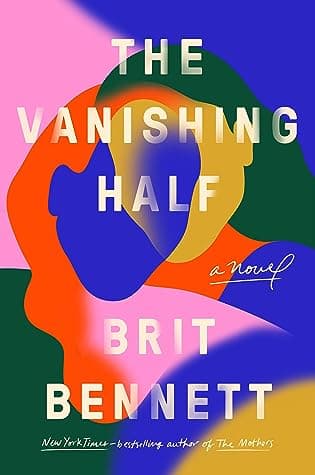
- The Vanishing Half
Brit Bennett
4.3 (132k) average on GoodreadsLiterary FictionExamines themes of identity, race, and the long-lasting impact of choices on mothers and daughters.
- The Old Man and the Sea
Ernest Hemingway
3.8 (831k) average on GoodreadsLiterary FictionA Cuban fisherman's long struggle with a giant marlin becomes a story of endurance and dignity, now retold for young adults with illustrations, phonetic guides, and writing prompts in Traditional Chinese.
- One Hundred Years of Solitude
Gabriel García Márquez
4.1 (753k) average on GoodreadsLiterary FictionThrough the multi-generational story of the Buendía family, a mythical town deals with the repeating patterns of time, love, and solitude, as the extraordinary mixes with the ordinary.
- The Goldfinch
Donna Tartt
3.9 (720k) average on GoodreadsLiterary FictionHaunted by a tragic explosion and clutching a stolen Dutch masterpiece, a young orphan navigates the opulent drawing rooms of New York and the gritty underbelly of the art world, desperately seeking connection and redemption amidst a life spiraling into crime and obsession.





Enjoyed the summary?
A summary gives you the shape of the book. The book itself has the detail, the examples and the voice.
Find Little Fires Everywhere on AmazonAs an Amazon Associate, BookBrief earns from qualifying purchases. How we're funded