
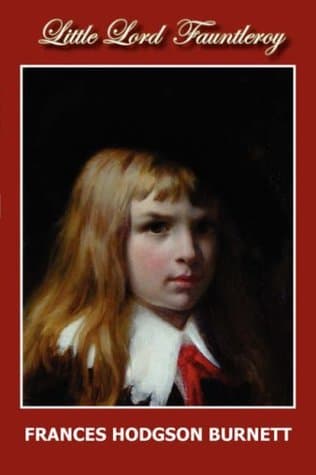
Synopsis
Covers the whole plot, including the ending.
- Difficulty
- Easy
- Pacing
- Moderate
- Mood
- Heartwarming, Optimistic, Gentle, Charming
- Read it if
- You enjoy heartwarming tales of innocence transforming cynicism, classic children's literature, or stories about class differences and familial reconciliation.
- Skip it if
- You prefer fast-paced plots, complex moral ambiguity, or stories without clear-cut good and evil.
Little Lord Fauntleroy Plot Summary
Covers the whole plot, including the ending.
A Boy and His Mother in New York
Cedric Errol, a charming, kind seven-year-old, lives in a humble New York City home with his mother, Mrs. Errol, whom he calls 'Dearest.' His English father, Captain Errol, died when Cedric was young, leaving them with little money. Despite their poverty, Cedric's upbringing includes love, kindness, and strong morals. He makes friends with a local grocer, Mr. Hobbs, a strong Republican, and a bootblack named Dick. Cedric often shares his innocent wisdom and cheerful attitude with them. He believes all people are good, a trait his mother taught him.
Unexpected News from England
One day, a distinguished English lawyer, Mr. Havisham, visits Cedric and his mother. He brings the surprising news that Cedric's paternal grandfather, the Earl of Dorincourt, a wealthy, notoriously grumpy aristocrat, has lost all his other sons. This means Cedric is now the sole heir to the earldom and its large estates. He is to become Lord Fauntleroy. The Earl, who had disowned Cedric's father for marrying an American woman he did not approve of, reluctantly requires Cedric to move to England to be educated as a proper English lord. However, he forbids Cedric's mother from living in the castle, offering her a nearby house instead.
Departure for Dorincourt Castle
Cedric's mother is sad about the Earl's harsh rules and the separation from her son, but she agrees to the move for Cedric's future. Cedric, at first excited to live in a castle and be a 'lord,' mostly cares about making his grandfather happy and using his new position to help others. Before they leave, Cedric says goodbye to his New York friends, Mr. Hobbs and Dick, promising to write. His innocence and good nature make a lasting impression on everyone he meets, even those who were initially skeptical or quiet.
Arrival at Dorincourt and First Impressions
When they arrive in England, Cedric's mother moves into a charming house on the Dorincourt estate. Cedric moves into the grand castle with his grandfather. The Earl, a bitter, sickly old man, expects to find a spoiled child. Instead, Cedric's natural charm, genuine affection, and open innocence surprise him. Cedric, not knowing his grandfather's true nature or past cruelty, sees only a lonely old man he can love and cheer up. He begins to soften the Earl's hardened heart with simple acts of kindness and an optimistic outlook.
Cedric's Influence on the Earl
Cedric's presence in the castle has a strong effect on the Earl. Through Cedric's innocent observations and questions, the Earl starts to see the suffering of his tenants, whom he had treated poorly. Cedric's care for the poor and sick, and his belief in his grandfather's goodness, cause the Earl to care about their well-being. He begins to make improvements on his estate, providing better housing and medical care, all while saying these changes are due to Cedric. The Earl finds himself growing fond of the boy, something he never thought possible.
A Glimpse of His Mother's Character
The Earl still insists that Cedric's mother not live in the castle or socialize with him, but he secretly watches her. He learns she is a kind, intelligent, and dignified woman, loved by everyone on the estate. Her gentle nature and independent spirit impress him, slowly breaking down his prejudices. He sees her charitable acts and quiet strength, realizing she is not the frivolous American he imagined, but a good and noble woman, worthy of respect, and a fitting mother for his grandson.
The Arrival of a Claimant
Just as the Earl's heart softens and he grows close to Cedric, a shocking event happens. A woman, Mrs. Minna Tipton, appears in England with her son. She claims her deceased husband was the Earl's eldest son, Bevis. She says her son, also named Bevis, is the true Lord Fauntleroy, making Cedric an impostor. The Earl and his lawyers, Mr. Havisham and Mr. Mordaunt, must investigate this claim, which puts Cedric's future and the Earl's new happiness at risk. Cedric does not know about the potential threat to his position and continues to love his grandfather.
Investigation and Doubt
The Earl is upset by the chance of losing Cedric and tells his lawyers to investigate Mrs. Tipton's claim thoroughly. He is torn between his growing love for Cedric and his duty to his family line. Meanwhile, in New York, Cedric's old friends, Mr. Hobbs and Dick, read about the scandal in American newspapers. Dick recognizes Mrs. Tipton from his past. He remembers a woman who left her child and later remarried, believing her to be the same person. He immediately writes to Cedric's mother, sharing his suspicions and important information.
The Truth Revealed
Dick's letter to Mrs. Errol is important. He reveals that Mrs. Tipton was married to his own brother, Ben, before leaving him and their child to marry a richer man named Tipton. He further states that the child she is presenting as the Earl's grandson is actually his own nephew, Ben's son. This information, supported by Mr. Hobbs and other witnesses from New York, completely discredits Mrs. Tipton's claim. Mr. Havisham confirms the details, proving that Mrs. Tipton's son is not the true heir and that Cedric is the rightful Lord Fauntleroy.
Reconciliation and Celebration
With the truth known, the Earl is very happy. He is relieved that Cedric is his rightful heir and also grateful to Mrs. Errol for handling the crisis calmly and for raising such a wonderful grandson. He finally welcomes her, inviting her to live in the castle and treating her with the respect and affection she deserves. Cedric's eighth birthday is celebrated with ceremony, attended by all the tenants and Cedric's New York friends, Mr. Hobbs and Dick, who travel to England for the occasion. The Earl, now a changed man, looks at his family and his people with love, beginning a new, benevolent time for Dorincourt.
Principal Figures
Cedric Errol (Lord Fauntleroy)
Protagonist
An innocent and kind-hearted American boy who becomes an English lord.
Cedric is a seven-year-old boy living in New York with his widowed mother. He is characterized by his unwavering optimism, genuine kindness, and innate ability to see the good in everyone. He is deeply devoted to his mother and believes in the importance of helping others. When he becomes Lord Fauntleroy, he approaches his new role with an earnest desire to make his grandfather happy and improve the lives of the people on the estate. His innocence and pure heart are the catalysts for the Earl's transformation. He is often described as having golden hair and a winning smile, embodying a childlike idealism.
Relationships: Mrs. Errol (Dearest) (Devoted son, deeply loving relationship); Earl of Dorincourt (Grandson, initially estranged but becomes deeply loved); Mr. Hobbs (Close friend and confidant in New York); Dick (Friend and loyal supporter from New York)
Earl of Dorincourt
Antagonist/Supporting
Cedric's wealthy, curmudgeonly grandfather, transformed by his grandson's love.
The Earl is an old, bitter, and aristocratic Englishman, renowned for his ill temper, pride, and disdain for common people. He lives a solitary life in his grand castle, having alienated his family and tenants. He disowned his youngest son, Cedric's father, for marrying an American. Initially, he views Cedric as a necessary heir but expects him to be a nuisance. However, Cedric's genuine affection and innocent belief in his goodness gradually melt the Earl's hardened heart, leading him to become a more benevolent and compassionate landlord and grandfather. He is a man who learns to love despite himself.
Relationships: Cedric Errol (Grandfather, initially prejudiced but grows to adore him); Mrs. Errol (Dearest) (Mother of his grandson, initially despises her but comes to respect and love her); Mr. Havisham (Trusted lawyer and confidant)
Mrs. Errol (Dearest)
Supporting
Cedric's kind, dignified, and intelligent widowed mother.
Cedric's mother is a gentle, intelligent, and morally upright woman who raised Cedric with immense love and strong values despite their poverty. She is known for her quiet dignity, resilience, and uncomplaining nature. The Earl initially despises her due to her American heritage and common background, forbidding her from living in the castle. However, her unwavering love for Cedric, her graceful conduct, and her charitable work on the estate eventually earn the Earl's respect and affection. She embodies quiet strength and maternal devotion, always prioritizing Cedric's well-being over her own comfort.
Relationships: Cedric Errol (Devoted mother, deeply loving relationship); Earl of Dorincourt (Mother of his grandson, initially scorned but later respected and loved); Mr. Havisham (Legal advisor and respectful acquaintance)
Mr. Hobbs
Supporting
Cedric's Republican grocer friend from New York.
Mr. Hobbs is a gruff but kind-hearted grocer in New York, a staunch American Republican with a strong dislike for the English aristocracy. He develops a deep affection for Cedric, who often visits his store. Despite his republican views, he is won over by Cedric's charm and innocence. He remains a loyal friend to Cedric and his mother, eventually playing a small but significant role in confirming Mrs. Tipton's fraud by providing testimony about her past. He represents the common American spirit and loyalty.
Relationships: Cedric Errol (Close friend and confidant); Dick (Acquaintance and fellow New Yorker)
Dick
Supporting
A loyal bootblack friend from New York whose memory proves crucial.
Dick is a young, impoverished bootblack in New York and another of Cedric's close friends. He is street-smart and observant. His loyalty to Cedric and his mother is unwavering. It is Dick's memory of Mrs. Tipton and her first husband, his brother Ben, that ultimately provides the crucial evidence needed to expose her fraudulent claim to the Dorincourt title. His quick thinking and letter to Mrs. Errol save Cedric's inheritance and the Earl's happiness. He represents the resourcefulness and loyalty found in unexpected places.
Relationships: Cedric Errol (Close friend and loyal supporter); Mr. Hobbs (Acquaintance and fellow New Yorker); Mrs. Minna Tipton (Brother-in-law (through his brother Ben), provides crucial information against her)
Mr. Havisham
Supporting
The Earl's trusted English lawyer.
Mr. Havisham is the Earl of Dorincourt's principal lawyer. He is a highly professional, discreet, and astute man, responsible for delivering the news of Cedric's inheritance and managing the legal affairs of the estate. He is initially tasked with the difficult job of mediating between the Earl and Mrs. Errol. He later plays a critical role in investigating Mrs. Tipton's claim, diligently pursuing the truth and ultimately confirming Cedric's rightful place as Lord Fauntleroy. He is a figure of integrity and legal authority.
Relationships: Earl of Dorincourt (Trusted legal advisor); Mrs. Errol (Dearest) (Legal representative and respectful acquaintance); Cedric Errol (Legal representative)
Mrs. Minna Tipton
Antagonist
A woman who falsely claims her son is the true heir to the Dorincourt title.
Mrs. Tipton is the deceitful woman who attempts to usurp Cedric's inheritance by presenting her son as the rightful heir to the Dorincourt earldom. She is cunning and manipulative, driven by greed and a desire for social status. Her claim is based on a fabricated story about being married to the Earl's deceased eldest son, Bevis. Her past, however, is revealed by Dick, exposing her as a fraud who had abandoned her previous husband and child. She represents the threat of external deceit and avarice to the innocent world of Cedric.
Relationships: Dick (Former sister-in-law (through his brother Ben), her past is revealed by him); Earl of Dorincourt (Claims to be daughter-in-law, but is a fraud)
Ben
Mentioned
Dick's brother and Mrs. Tipton's first husband.
Ben is Dick's brother and Mrs. Tipton's first husband. He is not a direct character in the story but is crucial to the plot. It is his past marriage to Mrs. Tipton and their child that exposes her fraudulent claim to the Dorincourt title. Dick's knowledge of Ben's history and Mrs. Tipton's abandonment of him and their child provides the irrefutable evidence needed to prove that her son is not the Earl's grandson.
Relationships: Dick (Brother); Mrs. Minna Tipton (First husband (deceased))
Themes & Insights
The Power of Innocence and Goodness
The main theme is Cedric's pure heart and optimism, which strongly affect those around him. His innocent belief that people are good, even the grumpy Earl, changes a bitter old man into a benevolent figure. Cedric's kindness and care for the tenants make the Earl improve their lives, showing that real goodness can overcome cynicism and prejudice. His childlike view challenges the strict social rules of the English aristocracy.
“He had lived his eight years in a world which was made fair and sweet by the love and kindness of his mother, and he had been taught to believe that all the world was good and beautiful.”
Transformation and Redemption
This theme is clearest in the Earl of Dorincourt's character change. Initially a cruel, selfish, and isolated man, he changes a lot because of his grandson. Cedric's unconditional love and simple affection reduce the Earl's bitterness, leading him to rediscover his humanity. He starts to care for his tenants, respect Cedric's mother, and finds joy and purpose in his life, redeeming himself through kindness and love. His change shows that even the hardest hearts can change.
“The Earl had been a hard man all his life, and had lived in his own way, caring little for the opinion of others; but this child had come into his life and had found his way to his heart.”
Social Class and Prejudice
The novel looks at the strict class differences of Victorian England and the prejudices that came with them. The Earl at first dislikes Mrs. Errol because she is American and from an ordinary background, forbidding her from living in the castle. He also treats his tenants poorly. Cedric, an American boy, bridges the gap between classes with his goodness, treating everyone with equal respect, whether they are a grocer, a bootblack, or an Earl. The story argues against class prejudice, showing that true nobility comes from character, not birth.
“He had never thought of a lord as different from other people, except that he was a little grander, perhaps, and had more money.”
Family and Belonging
At its heart, the story is about forming an unusual family. Cedric and his mother, at first a small, loving unit, are put into a grand, dysfunctional aristocratic family. The Earl, who had disowned his son, eventually accepts Cedric and, through him, accepts and loves Mrs. Errol. The theme stresses the importance of family bonds, forgiveness, and the idea that a family is defined by love and respect, not by strict lineage or social status. Dick and Mr. Hobbs arriving at the end further expands the sense of belonging.
“He had never known what it was to have a family, and now he had one, and it was all his own.”
Plot Devices & Literary Techniques
The Innocent Abroad
Cedric's American innocence contrasts with English aristocracy.
This device highlights Cedric's natural goodness and lack of pretense, contrasting it with the rigid social conventions and cynicism of the English aristocracy. His American upbringing, free from class consciousness, allows him to approach the Earl and his tenants with genuine affection and respect, fundamentally altering the dynamics of Dorincourt. His 'innocence abroad' is the primary catalyst for the Earl's transformation, as he is unburdened by the historical grudges and social expectations that weigh down the other characters.
The 'Diamond in the Rough' Protagonist
Cedric, though humble, possesses innate moral superiority.
Cedric, despite his humble origins and lack of aristocratic training, possesses an inherent moral compass and purity of spirit that makes him a 'diamond in the rough.' He is naturally kind, compassionate, and honorable, qualities that are far more valuable than any inherited title or wealth. This device emphasizes that true nobility comes from character, not birth, and that even a simple, unadorned child can be a greater 'lord' than a seasoned aristocrat.
Deus ex Machina (via Letter)
Dick's letter provides an unexpected, timely solution to the plot.
The resolution of the fraudulent claim by Mrs. Tipton is achieved through a 'deus ex machina' in the form of Dick's letter. Just when the plot reaches its crisis, and Cedric's inheritance is in jeopardy, a letter arrives from New York containing the precise, unexpected information needed to expose the imposter. While convenient, it serves to swiftly resolve the conflict and reinforce the loyalty of Cedric's American friends, allowing the story to conclude on a happy, unified note without prolonged legal battles.
Foil Characters
Mrs. Tipton and the Earl's initial character act as foils to Cedric's goodness.
Mrs. Tipton serves as a direct foil to Cedric and his mother, embodying deceit, greed, and manipulation, in stark contrast to their honesty and benevolence. Similarly, the Earl, in his initial curmudgeonly and prejudiced state, acts as a foil to Cedric's innocent optimism and compassion. These contrasting characters highlight Cedric's virtues and underscore the transformative power of his goodness by showing what he is not, and what he is able to overcome or change.
Little Lord Fauntleroy Quotes
“He had found out that the best way to make himself happy was to make other people happy.”
“A true nobleman is one who is brave, and gentle, and is not afraid to do what is right.”
“It is not the coat that makes the gentleman, but the way he wears it.”
“He thought the Earl was like a very big, rather cross, but not really bad-hearted dog.”
“If you are good to others, they will be good to you.”
“He was quite sure that if he told the Earl about the people in the village, the Earl would help them.”
“His mother had taught him that it was always best to speak the truth, even if it was a little bit uncomfortable.”
“The little American boy, with his frank, innocent face, and his charming, unconscious ways, was a new element in the old house.”
“He had never known how much he wanted to be loved until he found himself loving this little boy.”
“The greatest joy of all was to feel that he was making his grandfather happy.”
“He had a way of making people feel as if they were doing him a favor by letting him do them one.”
“It was really quite wonderful how much good a little boy could do.”
“He had never seen anyone who looked so grand and yet so kind.”
“He was a very small boy to be so important, but he seemed to manage it quite well.”
Quiz
10 questions on the plot and the characters. Each answer comes with a short explanation.
Question 1
Why was Cedric's father disowned by the Earl of Dorincourt?
- He gambled away the family fortune.
- He refused to marry an aristocratic Englishwoman.
- He married an American woman.
- He renounced his title to live a simple life.
Show answer
C. He married an American woman. The book states that Cedric's father was disowned by his father, the Earl of Dorincourt, for marrying an American.
Question 2
Where does Cedric live with his widowed mother at the beginning of the story?
- London, England
- New York, America
- Paris, France
- Boston, America
Show answer
B. New York, America The summary explicitly mentions that 'Young Cedric lives with his widowed mother in New York.'
Question 3
What is the Earl of Dorincourt's initial reaction to Cedric becoming his heir?
- He is overjoyed to finally have a grandson.
- He is indifferent, caring little for family matters.
- He begrudgingly accepts Cedric as his sole heir.
- He attempts to find another, more suitable heir.
Show answer
C. He begrudgingly accepts Cedric as his sole heir. The summary states that 'he begrudgingly looks to Cedric as his sole heir,' indicating his initial reluctance.
Question 4
What causes the conflict that arises later in the story regarding Cedric's inheritance?
- Cedric decides he doesn't want to be an earl.
- The Earl decides to disinherit Cedric for misbehavior.
- A distant relative claims the title through an ancient law.
- A woman appears, claiming her son is the true heir.
Show answer
D. A woman appears, claiming her son is the true heir. The book description clearly states, 'conflict arises when a strange woman appears on the scene and insists that her son is the true heir.'
Question 5
How does the Earl of Dorincourt's feelings towards Cedric evolve?
- He remains cold and distant throughout their relationship.
- He grows to love the endearing little Cedric.
- He respects Cedric's intelligence but never truly loves him.
- His feelings fluctuate between affection and disdain.
Show answer
B. He grows to love the endearing little Cedric. The summary notes, 'While the earl soon comes to love the endearing little Cedric,' showing a significant change from his initial begrudging acceptance.
Question 6
What quality of Cedric's is highlighted as influencing the Earl?
- His quick wit and intelligence.
- His aristocratic manners and education.
- His charming and endearing nature.
- His strong will and determination.
Show answer
C. His charming and endearing nature. The text mentions 'the endearing little Cedric' and how the Earl 'comes to love' him, suggesting his charming nature is key.
Question 7
The book explores the contrast between which two social environments for Cedric?
- A bustling city and a quiet countryside farm.
- An impoverished American upbringing and the English aristocracy.
- A strict boarding school and a loving home.
- His mother's family and his father's family.
Show answer
B. An impoverished American upbringing and the English aristocracy. The summary describes Cedric as an 'idealistic and impoverished American child who unexpectedly finds himself transplanted into the English aristocracy.'
Question 8
Who is the narrator of this audio production, according to the cast list?
- Miranda Hodges
- Christianne Lupher
- Maureen Boutilier
- Denis Daly
Show answer
B. Christianne Lupher The cast list explicitly states, 'Narrator - Christianne Lupher.'
Question 9
What is the primary theme conveyed by Cedric's influence on the Earl?
- The corrupting nature of wealth and power.
- The innocence and good heart of a child can soften even the most hardened individuals.
- The importance of adhering to strict social hierarchies.
- The inevitable clash between American and British cultures.
Show answer
B. The innocence and good heart of a child can soften even the most hardened individuals. The transformation of the 'begrudging' Earl into one who 'comes to love the endearing little Cedric' strongly suggests that Cedric's innocent and good nature has a profound, positive effect on him.
Question 10
The book is described as a 'true classic of children's fiction.' What genre does it primarily fall under?
- Fantasy Adventure
- Mystery Thriller
- Children's, Historical Fiction, Young Adult
- Science Fiction Romance
Show answer
C. Children's, Historical Fiction, Young Adult The provided book information lists its genres as 'Children's, Historical Fiction, Young Adult.'
Little Lord Fauntleroy FAQ
What is Little Lord Fauntleroy about?
Little Lord Fauntleroy tells the story of Cedric Errol, a kind-hearted American boy living in poverty with his widowed mother in New York. He unexpectedly inherits the title of Lord Fauntleroy and moves to England to live with his estranged, curmudgeonly grandfather, the Earl of Dorincourt. Cedric's innocent charm gradually transforms the cynical Earl, but their newfound bond is threatened by a woman claiming her son is the true heir.
Why should I read Little Lord Fauntleroy?
You should read Little Lord Fauntleroy for its heartwarming exploration of innocence, class, and the power of kindness to redeem even the most hardened hearts. It's a classic tale that beautifully illustrates how genuine affection and an optimistic spirit can bridge vast social divides and bring joy to unexpected places, offering a feel-good narrative that has resonated with readers for generations.
What is the background/setting of Little Lord Fauntleroy?
The story begins in a modest neighborhood in New York City, where young Cedric Errol lives with his mother. The primary setting then shifts to England, specifically the grand, ancestral estate of Dorincourt Castle in the late 19th century. This contrast highlights Cedric's journey from American simplicity to the rigid, aristocratic world of English nobility.
What are the most memorable quotes?
While the book is more known for its overall sentiment than specific lines, Cedric's consistent use of 'Dearest' for his mother and his innocent, polite inquiries often stand out. The Earl's gruff but increasingly affectionate remarks also become memorable as his character softens, reflecting his internal transformation through Cedric's influence.
What writing style does the author use?
Frances Hodgson Burnett employs a classic, descriptive, and somewhat sentimental writing style. She uses vivid imagery to portray both the humble New York setting and the grandeur of Dorincourt Castle, often focusing on the internal thoughts and moral lessons. The narrative is accessible, making it suitable for young readers, yet rich enough for adults to appreciate its themes.
What minor details add significant meaning?
Cedric's consistent kindness to everyone, from Mr. Hobbs the grocer to his grandfather's servants, subtly underscores his innate goodness and democratic spirit, which ultimately disarms the Earl. The Earl's initial insistence on keeping Cedric's mother, Mrs. Errol (Dearest), at a distance, yet providing her with a comfortable lodge, highlights his internal conflict and burgeoning affection for his grandson, even before he fully admits it.
What are some subtle foreshadowing moments?
The Earl's initial fascination with Cedric's letters, even before meeting him, subtly foreshadows his eventual softening. Also, the descriptions of Cedric's robust health and lively spirit, contrasted with the fragile health often associated with aristocratic heirs, subtly hints at the potential for a healthy, legitimate heir, making the imposter's claim less credible to the reader.
What unexpected character connections exist?
The most unexpected connections are between Cedric and the working-class Americans he leaves behind, like Mr. Hobbs and Dick the bootblack. Their unwavering loyalty and eventual journey to England to support Cedric against the imposter's claim demonstrate that true friendship transcends social status and geographical distance, providing crucial external validation of Cedric's character.
What are unspoken character motivations?
The Earl of Dorincourt's initial motivation for bringing Cedric to England, despite his disdain for Americans, is primarily a sense of duty and the need for an heir. His unspoken longing for companionship and genuine affection, however, is gradually revealed as Cedric's presence fills the void left by his estranged family and cynical life, which he likely hadn't acknowledged before.
What psychological complexities do characters exhibit?
The Earl exhibits significant psychological complexity, moving from profound bitterness and isolation to warmth and connection. His struggle to reconcile his aristocratic pride with his growing love for Cedric shows his internal conflict. He battles his ingrained prejudices and fear of vulnerability, slowly allowing genuine affection to break through decades of hardened cynicism.
What are the major emotional turning points?
A major emotional turning point is when the Earl overhears Cedric speaking lovingly of him to his mother, despite the Earl's own gruff demeanor. Another is when the imposter claimant arrives, forcing the Earl to confront his deep attachment to Cedric and Mrs. Errol, solidifying his protective love for them and making him fight for their rightful place.
How do relationship dynamics evolve?
The central relationship dynamic, between Cedric and the Earl, evolves from one of reluctant duty and mild curiosity to profound, unconditional love and mutual respect. The Earl also reconciles with Mrs. Errol, moving from outright rejection to deep admiration and affection, realizing her worth and the injustice he inflicted upon her, transforming his entire household dynamic.
Which parts remain ambiguous or open-ended?
While the main plot is resolved, the long-term future of the Earl's estate and Cedric's full assumption of his duties as a benevolent landlord are left somewhat to the reader's imagination. The story ends with Cedric as a young boy, leaving the specifics of his adult reign and the ongoing social reforms he might enact as Lord Dorincourt open to interpretation.
What are controversial scenes or decisions?
The Earl's initial, harsh decision to disown his son for marrying an American woman, and his subsequent refusal to allow Mrs. Errol to live in Dorincourt Castle, are controversial. These actions highlight the rigid class and national prejudices of the time, and the Earl's slow change of heart becomes a commentary on overcoming such narrow-mindedness.
Little Lord Fauntleroy ending explained: how it ends & what it means
The book ends with the successful debunking of the imposter's claim, thanks to the timely arrival and testimony of Dick and Mr. Hobbs. Cedric is confirmed as the true heir, and the Earl, now completely transformed by Cedric's love, welcomes Mrs. Errol into the family, seeing her as a daughter. It means that kindness, innocence, and genuine affection ultimately triumph over prejudice and deceit, bringing redemption and happiness to the Dorincourt family.
About the author
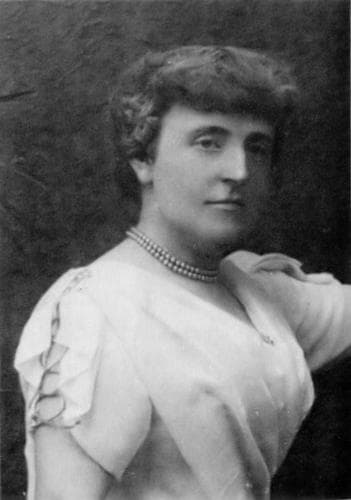
Frances Hodgson Burnett was an English author known for her children's literature in the late 19th and early 20th centuries. She is best known for her novels "The Secret Garden," "Little Lord Fauntleroy," and "A Little Princess," which explore themes of growth, friendship, and resilience. Another notable work is "The Making of a Marchioness," which showcases her storytelling in adult fiction.
Similar books
- A Little Princess
Frances Hodgson Burnett
4.2 (4k) average on GoodreadsFantasyShares themes of an optimistic child enduring hardship and influencing those around her, by the same author.
- The Secret Garden
Frances Hodgson Burnett
4.1 (891k) average on GoodreadsFantasyAnother classic by Burnett where children bring life and healing to a decaying estate and its inhabitants.
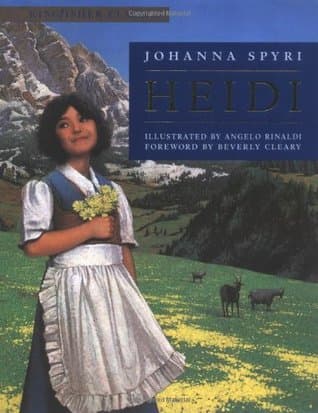
- Heidi
Johanna Spyri
4.0 (173k) average on GoodreadsChildren'sLike Fauntleroy, Spyri's Heidi features a child protagonist whose innocence positively influences cynical adults. However, Heidi grounds its narrative in a strong connection to nature and a less overtly aristocratic setting, focusing on simpler joys and the healing power of the natural world. Heidi's influence, while profound, feels less contrived than Cedric's dramatic transformation of the Earl.
- Harry Potter and the Sorcerer's Stone
J.K. Rowling
4.5 (7M) average on GoodreadsFantasyRescued from a miserable life under the stairs, an orphaned boy discovers he's a wizard destined for a magical school, where he uncovers a dangerous secret tied to the dark wizard who murdered his parents.
- The Hobbit, or There and Back Again
J.R.R. Tolkien
4.3 (2.9M) average on GoodreadsFantasyA comfort-loving hobbit named Bilbo Baggins is whisked away by a mischievous wizard and a band of dwarves on an unexpected journey to reclaim stolen treasure from a fearsome dragon, discovering courage and a magical ring along the way.
- Harry Potter and the Goblet of Fire
J.K. Rowling
4.6 (2.6M) average on GoodreadsFantasyA bewildered Harry Potter, underage and thrust into a deadly Triwizard Tournament, must brave dragons, mermaids, and a resurgent dark magic to survive a year that will forever alter the wizarding world.



Enjoyed the summary?
A summary gives you the shape of the book. The book itself has the detail, the examples and the voice.
Find Little Lord Fauntleroy on AmazonAs an Amazon Associate, BookBrief earns from qualifying purchases. How we're funded