
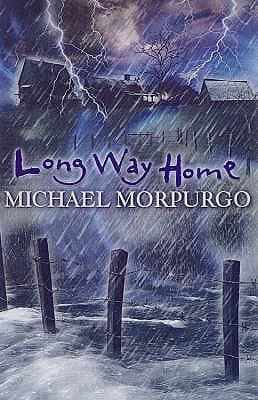
Synopsis
Covers the whole plot, including the ending.
- Difficulty
- Easy
- Pacing
- Moderate
- Mood
- Heartwarming, Reflective, Hopeful, Gentle
- Read it if
- You enjoy heartwarming stories about intergenerational friendship, the healing power of nature, and historical narratives from a child's perspective.
- Skip it if
- You prefer fast-paced thrillers or stories with complex, multi-layered plots.
Long Way Home Plot Summary
Covers the whole plot, including the ending.
A New Beginning at Dyer's Farm
Twelve-year-old George, who has lived in many foster homes, is driven by his social worker, Mrs. Henderson, to Dyer's Farm in rural England. He arrives with his usual cynicism, believing this placement, like all others, will be temporary and bad. The farm is run by Mrs. May and her husband, Mr. May, who seem kind but quiet. George immediately notices the farm's peaceful, isolated feel. He is shown to his simple, clean room, and he feels a familiar mix of worry and defiance. He is determined not to get attached, having learned that attachments only lead to pain when he has to move on.
Meeting the Animals and the Old Man
George spends his first few days at Dyer's Farm exploring the grounds, initially alone. He watches the farm's routine and the animals, especially a young Border Collie named Barney, who wants attention. One afternoon, he finds an old, broken-down caravan hidden in a corner of the property. Inside, he finds an elderly man, Mr. Barnaby, who is gruff but not unkind. Mr. Barnaby, a former farmhand, now lives alone, seemingly forgotten. Their first interactions are short and cautious, but George feels a flicker of curiosity about the old man, which is unusual for him.
The Old Man's Story Begins
Over the next few weeks, George is drawn to Mr. Barnaby's caravan. He starts bringing the old man food and listening as Mr. Barnaby, in his own time, tells stories from his youth. These are not just simple stories; they are clear memories of his life as a farm boy, the hardships and simple joys of a past era. George learns about the farm's history, the changing seasons, and Mr. Barnaby's deep connection to the land and animals. He is especially interested in stories of a young boy named Joe, who sounds like Mr. Barnaby himself, and a beloved dog named Patch. George, usually cynical, finds himself unexpectedly interested.
Joe and Patch
Mr. Barnaby's stories become more detailed, focusing on his childhood self, Joe, and his dog, Patch. George listens as Mr. Barnaby describes Joe's life on the farm, the farming rhythms, and the special bond between a boy and his dog. He learns about the farm's challenges, especially during harsh winters and tough economic times. Through these stories, George begins to see a different side of life, one filled with dedication, resilience, and unconditional love. He starts to compare Joe's stable, though hard, upbringing with his own changing life, feeling a longing for such roots.
The War Comes to the Farm
The stories turn darker as Mr. Barnaby describes World War II and its impact on Dyer's Farm. He recounts how the war brought rationing, the threat of invasion, and young men leaving to fight. Joe, still a boy, watched his older brothers leave, and the farm struggled to produce with fewer workers. George learns about the anxieties and sacrifices of the time, and how the war changed rural life forever. Mr. Barnaby's voice carries the weight of those memories, and George begins to understand the deep scars that historical events can leave on people and communities.
The Evacuee Girl
Mr. Barnaby continues his story, introducing Lucy, a young girl evacuated from London during the Blitz, who comes to live at Dyer's Farm. At first, Joe is wary of Lucy, a city girl placed in a rural setting. However, their shared experiences on the farm, especially the war's challenges, create an unexpected friendship. George learns how Lucy, despite her initial worry, adapts to farm life and becomes an important part of the family, bringing a new energy to Joe's world. This part of the story shows adaptation, resilience, and forming bonds in unusual situations, reflecting George's own experiences in new homes.
A Difficult Decision
The most painful part of Mr. Barnaby's story unfolds as he tells of a devastating decision Joe had to make. Due to wartime rationing and severe food scarcity, the family faced an impossible choice about Patch. With heavy hearts, they decided that, for the family's survival, Patch would have to be put down. Mr. Barnaby's voice falters as he describes Joe's deep grief and the pain of losing his dog. George, deeply affected, sees the old man's raw emotion, understanding the immense sacrifice and lasting trauma of such a decision.
The Secret and the Revelation
As summer goes on, George notices Mr. Barnaby's health getting worse. One day, while helping the old man clean out old boxes in his caravan, George finds an old photograph. It shows a young boy, a dog, and the farm in the background — clearly Joe and Patch. He also finds an old identity card with the name 'Joseph Barnaby.' The pieces connect: Mr. Barnaby is Joe. This discovery greatly affects George. The stories he has been hearing are not just tales; they are the living history of the man before him. The old man, seeing George's discovery, quietly confirms it, revealing the depth of his memories.
A Life's Journey
Mr. Barnaby, now known as Joe, explains his life after the war. He left Dyer's Farm to find work, experiencing different parts of the world and various jobs, but he never forgot his roots. He returned to the farm in his old age, drawn back by his deep connection to the land and its memories. He explains that Mrs. May, the current owner, is a distant relative who kindly let him stay in the caravan. George understands that Joe's journey, though different from his own, also involved searching for a place to belong and returning to where his heart truly lay.
Finding a Home
As summer ends, Mr. Barnaby's health continues to decline. George spends as much time as possible with him, feeling a deep connection he has never had before. He helps around the farm, cares for Barney, and finds quiet contentment in the routine. He realizes that, unlike his previous foster homes, Dyer's Farm feels different. He does not want to leave. He has found peace and belonging, not just with the Mays, but through Mr. Barnaby's stories and presence. The farm, through Joe's eyes, has become a symbol of endurance, memory, and ultimately, home.
A Farewell and a Legacy
Sadly, Mr. Barnaby dies peacefully in his caravan. George is deeply saddened but also grateful for their time together. The Mays are understanding and supportive. At the funeral, George feels a strong connection to the old man and the farm community. He realizes that Mr. Barnaby's stories have not only shown him the past but have also helped him understand his own longing for roots and belonging. George feels a new maturity and a desire to honor Mr. Barnaby's memory by embracing life at the farm. He finally feels like he has a place, a home, and a connection to a history that now includes him.
Looking to the Future
After Mr. Barnaby's death, George decides he wants to stay at Dyer's Farm permanently. Mrs. Henderson and the Mays are happy with his decision. George fully takes on his role on the farm, helping with chores, caring for Barney, and learning rural life. He often revisits the caravan, now empty, feeling Mr. Barnaby's lingering presence and his stories. George no longer feels like an outsider; he is part of the farm's story. He understands that home is not just a physical place, but a connection to people, history, and a sense of belonging that he finally found at Dyer's Farm, a long way home indeed.
Long Way Home Characters
George
Protagonist
A twelve-year-old foster child searching for a sense of belonging.
George is a twelve-year-old boy who has spent most of his life moving between foster homes. He is initially cynical, guarded, and emotionally detached, having learned to protect himself from the pain of constant upheaval. He carries a deep-seated fear of abandonment and struggles to form meaningful connections. Despite his hardened exterior, he possesses a keen observational mind and an underlying longing for stability and love. His journey at Dyer's Farm slowly chips away at his defenses, revealing a compassionate and thoughtful spirit.
Relationships: Mr. Barnaby (Joe) (gradual friendship and mentorship, George becomes the listener to Mr. Barnaby's life story); Mrs. May (caring foster mother, provides a stable environment); Mr. May (supportive foster father, provides a stable environment); Mrs. Henderson (social worker, initially an authority figure, later a facilitator of George's new home)
Mr. Barnaby (Joe)
Supporting Character
An elderly former farmhand whose stories guide George.
Mr. Barnaby is an old man living in a caravan on Dyer's Farm, initially appearing gruff and solitary. He is, in fact, the 'Joe' from his own stories, a man who lived a long life deeply connected to the farm. He carries the weight of his past, particularly the hardships of wartime and the loss of his beloved dog, Patch. Through his storytelling, he slowly opens up, revealing a rich inner world filled with memories, resilience, and a quiet wisdom. He becomes a mentor figure to George, unknowingly helping the boy find his own path to belonging.
Relationships: George (mentor/mentee, storyteller/listener, a profound intergenerational friendship); Mrs. May (distant relative and current caretaker, providing him a place to live); Patch (his beloved dog from childhood, a symbol of unconditional love and loss)
Mrs. May
Supporting Character
The kind and patient foster mother at Dyer's Farm.
Mrs. May is the owner of Dyer's Farm and George's foster mother. She is a kind, patient, and understanding woman who provides a stable and nurturing environment. She observes George with quiet wisdom, allowing him the space he needs to adapt while offering consistent care. She is a distant relative of Mr. Barnaby, demonstrating her compassionate nature by allowing him to live on her property. Her calm demeanor and practical approach to farm life offer a stark contrast to George's turbulent past, providing the foundation for his healing.
Relationships: George (foster mother, providing care and stability); Mr. May (husband and partner in running the farm and foster care); Mr. Barnaby (distant relative and caretaker, showing compassion)
Mr. May
Supporting Character
The quiet and hardworking foster father at Dyer's Farm.
Mr. May is Mrs. May's husband and George's foster father. He is a man of few words but embodies the steadfastness and hard work of a farmer. He leads by example, quietly carrying out his duties on the farm and offering George opportunities to participate. While less overtly expressive than Mrs. May, his consistent presence and calm demeanor contribute significantly to the stable environment George desperately needs. He represents the dependable, rooted aspect of farm life that George eventually comes to appreciate and embrace.
Relationships: George (foster father, providing guidance through example and a sense of belonging); Mrs. May (wife and partner in running the farm and foster care)
Patch
Mentioned Character
Joe's beloved dog from childhood, a symbol of loyalty and loss.
Patch is Joe's faithful Border Collie from his childhood, a central figure in Mr. Barnaby's stories. Patch embodies unconditional love, loyalty, and the deep bond between a boy and his dog. His presence in Joe's narratives highlights the simple joys and profound connections of rural life before the war. The tragic decision to put Patch down due to wartime scarcity is one of the most poignant moments in Mr. Barnaby's recounting, symbolizing the harsh realities and sacrifices of the era, and leaving a lasting emotional impact on Joe.
Relationships: Joe (Mr. Barnaby) (beloved companion and best friend)
Lucy
Mentioned Character
An evacuee girl who finds refuge at Dyer's Farm during the war.
Lucy is a young girl evacuated from London during World War II, who comes to live at Dyer's Farm, as recounted by Mr. Barnaby. She initially represents the disruption and fear brought by the war, a city child thrust into an unfamiliar rural setting. Despite initial wariness, she forms a bond with Joe, adapting to farm life and becoming part of the family unit. Her story highlights themes of resilience, adaptation, and the unexpected connections forged during times of crisis, mirroring George's own experiences of being placed in new homes.
Relationships: Joe (Mr. Barnaby) (childhood friend forged during wartime)
Mrs. Henderson
Supporting Character
George's social worker.
Mrs. Henderson is George's social worker, responsible for his placement at Dyer's Farm. She is a professional and caring individual who genuinely wants the best for George. She understands his history of moving between homes and the challenges he faces. While she represents the system, she is also a facilitator of George's potential for a stable future. Her role is to oversee George's welfare and ensure he finds a suitable long-term placement, ultimately supporting his decision to stay at Dyer's Farm.
Relationships: George (social worker and advocate for his welfare)
Barney
Supporting Character
The young Border Collie at Dyer's Farm.
Barney is a young Border Collie living on Dyer's Farm. He is a playful and affectionate dog who quickly takes a liking to George. Barney represents the simple, unburdened joy and companionship that George initially lacks in his life. His presence offers George an immediate, uncomplicated connection, mirroring the bond Joe had with Patch. Caring for Barney helps George open up emotionally and fosters a sense of responsibility and connection to the farm's daily life, contributing to his growing sense of belonging.
Relationships: George (loyal companion and source of comfort)
Long Way Home Themes
The Search for Home and Belonging
This is the main theme, shown through George's journey as a foster child and Mr. Barnaby's life story. George's initial cynicism comes from his many experiences of being moved, making him believe he will never find a true home. Dyer's Farm, at first just another temporary stop, slowly becomes a sanctuary as he connects with the land, the Mays, and especially Mr. Barnaby. Mr. Barnaby's stories about Joe's deep roots in the farm, despite wartime changes and later travels, show that 'home' is a connection to history, memory, and community. George ultimately finds his 'long way home' by accepting these connections.
“'Home is not just a place you live, George. It's a place that lives in you.”
The Power of Storytelling and Memory
Storytelling is the main way George changes and understands things. Mr. Barnaby's clear memories of his childhood as Joe, his dog Patch, the war, and the evacuee Lucy, are more than just stories; they are a living history that connects George to a past he never knew. These stories give George context, empathy, and a sense of continuity, helping him understand that life, though hard, is also full of lasting bonds and resilience. Listening allows George to process his own feelings of being rootless and find common ground with the old man, connecting generations through shared human experience.
“Sometimes, George, the past is the only way you can truly understand the present.”
Resilience and Adaptation
Both George and the characters in Mr. Barnaby's stories show resilience. George, despite his hard past, adapts to another new environment, eventually opening himself to connection. Mr. Barnaby's stories tell of his family's resilience during wartime hardships, rationing, and the painful decisions they had to make, such as sacrificing Patch. The arrival of the evacuee Lucy also shows adaptation, as a city child learns to thrive in a rural setting. This theme highlights the human ability to endure hardship, find strength in tough times, and create new paths and connections even when facing change and loss.
“Life on the farm, especially during the war, taught you to be strong, to make do, and to keep going, no matter what.”
The Intergenerational Connection
The bond between George and Mr. Barnaby explores intergenerational connection. George, a young boy with no stable past, finds an unexpected mentor in the elderly Mr. Barnaby, who is rich in history and memory. Mr. Barnaby, in turn, finds purpose and a listener in George, allowing him to share his life story and ensure its legacy. This connection gives George the 'roots' he lacks and offers Mr. Barnaby a chance to reflect and pass on his wisdom. Their relationship shows how different generations can enrich each other's lives, offering comfort, understanding, and continuity over time.
“You're like a young tree, George, waiting for its roots to take hold. And sometimes, the oldest trees can help show the way.”
Plot Devices & Literary Techniques
Frame Story/Embedded Narrative
Mr. Barnaby's life story is told within the larger narrative of George's summer at the farm.
The novel uses an embedded narrative structure where Mr. Barnaby's detailed stories of his life as 'Joe' during wartime form a significant part of the overall plot. These stories are not just background; they directly influence George's emotional journey. As George listens, he gains perspective on resilience, loss, and the meaning of home, allowing him to reflect on his own experiences. This device effectively connects the past with the present, showing how history and personal narratives can shape an individual's understanding and future.
Symbolism of the Farm
Dyer's Farm symbolizes stability, roots, and enduring life.
Dyer's Farm is more than just a setting; it's a powerful symbol. For George, it initially represents another temporary stop, but it slowly becomes a symbol of stability, growth, and belonging. For Mr. Barnaby, it embodies his entire life's history, his roots, and the continuity of generations. The farm's routines, its animals, and the changing seasons all contribute to a sense of natural order and permanence, contrasting with George's transient past. It represents a place where life endures, memories are kept, and a true home can be found.
The Dog as a Companion/Symbol
Both Patch and Barney serve as animal companions reflecting the characters' emotional states and needs.
The dogs in the story, Patch and Barney, act as significant emotional anchors and symbols. Patch, Joe's loyal dog, symbolizes unconditional love, companionship, and the profound pain of loss during wartime. His story deeply moves George. Barney, the young Border Collie on Dyer's Farm, offers George immediate, uncomplicated companionship and a sense of responsibility. George's growing bond with Barney mirrors his own emotional opening up and his increasing connection to the farm, showing how animal companions can facilitate human connection and healing.
The Caravan
Mr. Barnaby's caravan symbolizes his isolation and the repository of his memories.
The dilapidated caravan where Mr. Barnaby lives serves as a poignant symbol. It initially represents his isolation and detachment from the main farmhouse, mirroring George's own feelings of being an outsider. However, as George spends more time there, the caravan transforms into a sanctuary of storytelling and memory. It becomes the intimate space where the past is resurrected, secrets are revealed, and an intergenerational bond is forged. It is a physical manifestation of Mr. Barnaby's personal history, a small world within the larger farm, where George finds the keys to understanding.
Long Way Home Quotes
“I was just a boy, and all I wanted was to be home.”
“The war was everywhere, even in the quietest corners of the countryside.”
“Animals don't judge you. They just accept you for who you are.”
“Sometimes, the hardest thing to do is to forgive yourself.”
“Hope is a small bird that sings in the darkest night.”
“You never truly leave home, not if it's in your heart.”
“Every goodbye is a little death, but every hello is a little life.”
“The stories we tell ourselves are the ones that truly shape us.”
“There's a strength in quiet endurance, a kind of courage that doesn't shout.”
“The land remembers. It holds the echoes of all who have walked upon it.”
“Even in the midst of sorrow, there can be moments of pure joy.”
“Sometimes, the most important journey is the one you make within yourself.”
“A kindness, no matter how small, can light up the darkest day.”
“Growing up means learning to carry your own burdens, but never having to carry them alone.”
Quiz
10 questions on the plot and the characters. Each answer comes with a short explanation.
Question 1
What is the name of the farm where George is sent for the summer?
- Green Pastures Farm
- Dyer's Farm
- Willow Creek Farm
- Oakwood Farm
Show answer
B. Dyer's Farm George is sent to Dyer's Farm for the summer, a place he initially expects to dislike.
Question 2
How old is George at the beginning of the story?
- Ten
- Eleven
- Twelve
- Thirteen
Show answer
C. Twelve The book description states that George is twelve years old.
Question 3
What is George's primary feeling about being sent to Dyer's Farm initially?
- Excitement
- Curiosity
- Relief
- Certainty he won't like it
Show answer
D. Certainty he won't like it The book's premise explicitly states George 'is sure that he won't like it there.'
Question 4
What significant discovery does George make that connects him to the farm's history?
- An old diary belonging to a previous farmhand
- A hidden stash of antique coins
- A photograph and letter revealing a family connection
- The blueprint of a secret tunnel
Show answer
C. A photograph and letter revealing a family connection George uncovers a photograph and letter that reveal a surprising family connection to Dyer's Farm and its past residents.
Question 5
Which animal plays a crucial role in helping George adjust to farm life and connect with Mr. and Mrs. Dyer?
- A stray cat George befriends
- A particularly stubborn goat
- An old, wise farm dog
- A rescued injured bird
Show answer
C. An old, wise farm dog The Dyers' old farm dog often acts as a bridge between George and the couple, helping him feel more comfortable and accepted on the farm.
Question 6
What is a central theme explored through George's journey at Dyer's Farm?
- The importance of technological advancement in agriculture
- The challenges of urban life versus rural life
- Finding belonging and family in unexpected places
- The pursuit of fame and fortune
Show answer
C. Finding belonging and family in unexpected places A core theme of the book is George, a foster child, finding a sense of belonging and a family connection at Dyer's Farm, despite his initial reluctance.
Question 7
How do Mr. and Mrs. Dyer initially react to George's reserved and somewhat distant demeanor?
- They immediately try to force him into farm work.
- They largely ignore him, letting him keep to himself.
- They are patient and understanding, offering subtle gestures of kindness.
- They express frustration and disappointment in his lack of enthusiasm.
Show answer
C. They are patient and understanding, offering subtle gestures of kindness. The Dyers, having likely fostered children before, show patience and understanding towards George's initial distance, gradually drawing him out with quiet kindness and shared activities.
Question 8
What specific historical event or period does George's discovery on the farm eventually link to, revealing a deeper past?
- The Great Depression
- World War II
- The Victorian era
- The Cold War
Show answer
B. World War II George's investigation into the farm's past uncovers connections to World War II, revealing stories of evacuees and wartime experiences that shaped the Dyer family and the farm.
Question 9
How does George's perspective on what 'home' means evolve by the end of the story?
- He realizes home is simply a place to sleep.
- He believes home is only where his biological family is.
- He understands home is a feeling of belonging and love, not just a physical address.
- He decides home is wherever he can be completely alone.
Show answer
C. He understands home is a feeling of belonging and love, not just a physical address. Through his experiences at Dyer's Farm, George learns that home is more about the people and the sense of belonging and love, rather than just a temporary foster placement.
Question 10
What specific item found on the farm becomes a crucial catalyst for George to start investigating its past and his own potential connection?
- An old, unmarked gravestone
- A hidden compartment in the attic containing old letters and a photograph
- A map of the farm with strange annotations
- A locket with an unknown inscription
Show answer
B. A hidden compartment in the attic containing old letters and a photograph George discovers a hidden compartment, often in the attic or an old shed, containing letters and a photograph that hint at a forgotten past and his own surprising link to the Dyers.
Long Way Home FAQ
What is the central premise of 'Long Way Home'?
The story follows twelve-year-old George, a foster child who has experienced numerous placements, as he arrives at Dyer's farm for the summer. Initially resistant and convinced he won't enjoy his stay, the narrative explores his gradual integration into farm life and his evolving relationship with the Dyer family and their community. It's a tale of finding belonging in an unexpected place.
Who are the key characters George interacts with at Dyer's farm?
George primarily interacts with the Dyer family, including Farmer Dyer, his wife, and their children, especially Minnie. He also forms a significant bond with the farm animals, particularly the sheepdog, and encounters other members of the rural community who help shape his summer experience. These relationships are crucial to his emotional development.
What are George's initial feelings about being sent to Dyer's farm?
George's initial feelings are overwhelmingly negative; he is convinced he will dislike the farm and views it as just another temporary, unwelcome placement. He arrives with a defensive attitude, expecting the worst and bracing himself for disappointment, a common reaction stemming from his history of foster care. This initial resistance is a major hurdle for him to overcome.
How does George's perspective on farm life change throughout the book?
Initially, George sees farm life as dirty, boring, and alien, longing for the city. However, through active participation in chores, caring for animals, and experiencing the rhythm of the seasons, he begins to appreciate the hard work, the beauty of nature, and the sense of purpose it provides. This shift marks a significant personal transformation for him.
What role do the animals play in George's emotional development?
The animals, especially the sheepdog, play a crucial role in breaking down George's emotional barriers. Through caring for them and witnessing their loyalty and vulnerability, George learns about responsibility, empathy, and unconditional affection. These non-human connections often provide a safe space for him to open up before he fully trusts the humans around him.
Are there any subtle indications of George's past trauma or experiences before he explicitly shares them?
Yes, George's guardedness, his quickness to assume the worst, and his difficulty forming attachments are subtle indicators of his past. His frequent internal monologues about previous foster homes and his fear of abandonment hint at a history of instability and emotional hurt, even before specific details are revealed. These behaviors are typical responses to a childhood of displacement.
How does the author use the setting of the farm to mirror George's internal journey?
The farm setting, with its cycles of growth, decay, and renewal, mirrors George's internal journey from emotional barrenness to a sense of belonging and flourishing. The challenges of farm life, like unpredictable weather or difficult tasks, parallel George's struggles to adapt and grow. Ultimately, the farm becomes a place where he can put down roots, much like the crops.
What is the significance of the title, 'Long Way Home'?
The title 'Long Way Home' signifies not just a physical journey but George's arduous emotional and psychological path to finding a place where he feels he belongs. For a child in foster care, 'home' is a complex concept, and the story illustrates that finding it can be a long, winding process, often leading to unexpected destinations. It underscores the emotional distance he travels.
How does George's experience at Dyer's farm challenge his existing worldview about family and belonging?
George's previous experiences have taught him that family is temporary and belonging is elusive. The Dyers, however, demonstrate a different model of family—one based on consistent care, patience, and inclusion, even when he is difficult. This challenges his cynicism and gradually opens him up to the possibility of stable, loving relationships, altering his fundamental worldview.
Discuss the psychological impact of George's frequent moves on his ability to trust.
George's frequent moves have deeply eroded his ability to trust, leading him to build emotional walls as a defense mechanism. He anticipates rejection and temporary attachments, making it difficult for him to invest emotionally in new relationships. This lack of trust is a significant psychological barrier that the Dyers must patiently help him overcome.
How does the character of Minnie influence George's emotional growth?
Minnie, as a peer, provides George with a different kind of connection than the adult Dyers. Her directness, youthful perspective, and eventual friendship help George to lower his guard and engage in more typical childhood interactions. She challenges his isolation and offers a sense of companionship that is vital for his emotional and social development.
What internal conflicts does George face as he starts to bond with the Dyers?
As George bonds with the Dyers, he faces internal conflicts rooted in fear of abandonment and the unfamiliarity of genuine affection. He struggles with the desire to trust versus the ingrained belief that all good things are temporary. This creates a push-pull dynamic where he might resist closeness even as he craves it, fearing the pain of another loss.
Is 'Long Way Home' primarily a story about overcoming adversity, or about the power of community?
'Long Way Home' is a powerful blend of both. While George certainly overcomes significant personal adversity stemming from his past, the story emphasizes that this is largely achieved through the unwavering support and inclusivity of the Dyer family and the wider farm community. It highlights how a caring environment can enable individual healing and growth.
Could George's initial resistance to the farm be interpreted as a form of self-preservation?
Absolutely. George's initial resistance can be strongly interpreted as a form of self-preservation. By expecting the worst and maintaining emotional distance, he attempts to protect himself from the inevitable pain of another temporary placement or perceived rejection. This defensive posture is a coping mechanism developed from repeated disappointments in his young life.
Does the ending of the book offer a definitive resolution for George's future, or leave it open to interpretation?
The ending of 'Long Way Home' offers a hopeful but somewhat open resolution regarding George's long-term future. While he has clearly found a profound sense of belonging and love with the Dyers, the complexities of the foster care system mean that his permanent placement is not entirely guaranteed. It emphasizes the journey's progress rather than a final, absolute destination, allowing for continued hope.
How does Morpurgo use the theme of 'work' to develop George's character?
Morpurgo uses the theme of 'work' as a transformative tool for George. Initially, chores are resented, but through engaging in the physical, meaningful labor of the farm, George develops a sense of purpose, responsibility, and competence. This hands-on experience builds his self-esteem and connects him to the land and the Dyer family in a tangible, deeply satisfying way.
What is the book's message about the definition of 'family'?
The book's message about 'family' is that it extends beyond biological ties, emphasizing that love, care, and a sense of belonging are its true foundations. The Dyers, though not George's birth family, become his family through their consistent kindness and acceptance, illustrating that chosen or foster families can provide the deepest sense of home and security. It broadens the traditional definition.
About the author

Michael Morpurgo is a British author known for his children's fiction, often exploring themes of war and nature. His notable works include "War Horse," "Private Peaceful," "The Butterfly Lion," "An Elephant in the Garden," "The Amazing Story of Adolphus Tips," and "Born to Run." Morpurgo's storytelling often combines historical events with imaginative narratives.
Similar books
- War Horse
Michael Morpurgo
4.1 (42k) average on GoodreadsChildren'sShares an author and themes of war, animal companionship, and resilience.
- When Hitler Stole Pink Rabbit
Judith Kerr
4.0 (14k) average on GoodreadsChildren'sKerr's novel offers a more direct, child's-eye view of a family fleeing Nazi Germany, focusing on the immediate practicalities and emotional impact of displacement from the protagonist's perspective. Morpurgo's uses memory and storytelling to bridge generations, offering a more reflective, less immediate experience of displacement.
- Harry Potter and the Sorcerer's Stone
J.K. Rowling
4.5 (7M) average on GoodreadsFantasyRescued from a miserable life under the stairs, an orphaned boy discovers he's a wizard destined for a magical school, where he uncovers a dangerous secret tied to the dark wizard who murdered his parents.
- The Hobbit, or There and Back Again
J.R.R. Tolkien
4.3 (2.9M) average on GoodreadsFantasyA comfort-loving hobbit named Bilbo Baggins is whisked away by a mischievous wizard and a band of dwarves on an unexpected journey to reclaim stolen treasure from a fearsome dragon, discovering courage and a magical ring along the way.
- Harry Potter and the Goblet of Fire
J.K. Rowling
4.6 (2.6M) average on GoodreadsFantasyA bewildered Harry Potter, underage and thrust into a deadly Triwizard Tournament, must brave dragons, mermaids, and a resurgent dark magic to survive a year that will forever alter the wizarding world.
- Harry Potter and the Order of the Phoenix
J.K. Rowling
4.5 (2.5M) average on GoodreadsFantasyIn a year of oppressive secrets and the threat of Voldemort, Harry Potter and Dumbledore's Army secretly train for war, shown through Jim Kay and Neil Packer's dark illustrations.





Enjoyed the summary?
A summary gives you the shape of the book. The book itself has the detail, the examples and the voice.
Find Long Way Home on AmazonAs an Amazon Associate, BookBrief earns from qualifying purchases. How we're funded