
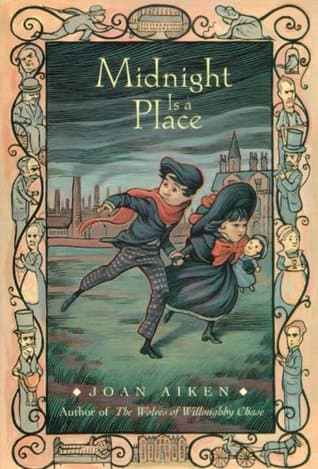
Synopsis
Covers the whole plot, including the ending.
- Difficulty
- Medium
- Pacing
- Moderate
- Mood
- Atmospheric, Melancholy, Suspenseful, Adventurous, Gritty
- Read it if
- You enjoy classic children's literature with a dark, atmospheric tone, historical settings, and a strong sense of adventure and mystery.
- Skip it if
- You prefer lighthearted stories without themes of child neglect and industrial hardship.
Midnight Is a Place Plot Summary
Covers the whole plot, including the ending.
A Miserable Existence at Midnight Court
Ten-year-old Lucas Bell lives alone and unhappily at Midnight Court, a large, crumbling mansion in the industrial town of Blastburn. His guardian, the harsh Sir Randolph Grimsby, cares only about his failing carpet factory. He treats Lucas poorly, denying him food, clothes, and schooling. Lucas's only comfort is his imaginary friend, 'Melchior,' and occasional kindness from Mrs. Murgatroyd, the housekeeper, and Gussie, the stable boy. He fears Sir Randolph's rages and the cold house, wishing for affection and a better life away from the gloomy estate.
The Arrival of Anna Marie
One stormy night, a large, mysterious carriage arrives at Midnight Court, bringing a young French girl named Anna Marie. She is Sir Randolph's deceased cousin's daughter. Her arrival causes confusion and more resentment from Sir Randolph. Anna Marie, first seen as spoiled, struggles to adapt to Midnight Court's harsh conditions and strange customs. She speaks little English, and her attempts to talk are often misunderstood. Lucas, initially hoping for a friend, finds her distant and difficult, adding more stress to his already hard life. Their first interactions are marked by suspicion and cultural differences.
The Disaster at Midnight Court
A terrible fire starts at Midnight Court, caused by Sir Randolph's carelessness with a lamp after he drank too much. The flames quickly destroy the old mansion, trapping Sir Randolph inside. Lucas and Anna Marie, with Mrs. Murgatroyd and Gussie, barely escape. Sir Randolph dies in the fire, taking with him the last bits of Lucas's miserable but familiar home. The children are left without parents or money, with no guardian, no home, and no clear future. The fire changes everything, pushing them into the harsh world of Victorian poverty and forcing them to care for themselves.
Life on the Streets of Blastburn
After the fire, Lucas and Anna Marie are completely alone and homeless. With no money or adults, they join the many poor children on Blastburn's streets. They quickly learn the hard truths of survival, facing hunger, cold, and constant danger. Lucas, always sheltered, is unprepared for this new life, and Anna Marie's privileged past makes her even more vulnerable. They see the grim conditions of the industrial town, the suffering of the working class, and society's indifference to them. Their bond begins to grow from their shared struggles, as they rely on each other for comfort and safety.
The World of Child Labor
Desperate to survive, Lucas and Anna Marie find work in a dark carpet factory, like Sir Randolph's old business. They work long hours, with dangerous machines, and for low pay, seeing firsthand the child labor common in Victorian England. Lucas, being small, is forced into tight spaces to fix looms, while Anna Marie does dull, repetitive tasks. The factory is a stark contrast to their old lives, showing the vast social inequalities. This experience further strengthens their reliance on each other and builds a growing sense of unfairness in Lucas.
A Glimmer of Hope and the Mystery of the Will
During their struggles, Lucas and Anna Marie meet various people who help and hinder them. They become friends with the kind Mrs. Murgatroyd and Gussie, who also lost their home. They also meet the mysterious 'Lady' and her son, Ezra, who seem to know more about the Bell family. Whispers start about Sir Randolph's will and a possible inheritance for Lucas, which could change their lives. This knowledge brings a spark of hope but also attracts dishonest people, adding mystery and danger to their already uncertain situation.
The Search for Answers
Driven by hope for a better future and a need to understand their past, Lucas and Anna Marie try to uncover the truth about Sir Randolph's will and their family history. They visit Midnight Court's ruins, look through old papers, and ask anyone who might know something. Their search leads them to connections with the Bell family's past wealth and the events surrounding Lucas's parents' death. The children learn to be resourceful and brave, navigating a world full of secrets, lies, and the constant threat of being exploited.
The Unveiling of the Truth
Through their efforts, Lucas and Anna Marie find shocking truths. They discover Lucas is not Sir Randolph's nephew, but his illegitimate son from a secret affair. This explains Sir Randolph's often cruel treatment of Lucas. They also learn that the Bell family fortune, including valuable carpet designs, was rightfully Lucas's but had been illegally kept by Sir Randolph. The 'Lady' and Ezra are connected to this history, with Ezra being Lucas's half-brother, who also has a claim to the Bell legacy. Uncovering these secrets brings clarity and new problems.
Confrontation and Resolution
With the truth, Lucas and Anna Marie, helped by their allies, confront those who tried to cheat them out of their inheritance. This includes greedy lawyers and other dishonest people who benefited from Sir Randolph's lies. The children show great courage and determination, using their new knowledge to claim their rights. The story's turning point involves a tense legal battle or a clever plan to expose the truth and reclaim what is theirs. The process is dangerous, but their bond and resilience help them through, securing their future.
A New Beginning
With the truth out and their inheritance safe, Lucas and Anna Marie finally find peace and stability. The Bell family fortune, including the valuable carpet designs, is returned to Lucas. They can leave Blastburn's squalor and start a new life. Lucas, no longer a miserable orphan, accepts his true identity and potential. Anna Marie, having lost her initial arrogance, has become a caring and resourceful young woman. Their shared experience has created a strong bond, and they look forward to a future of hope, education, and a life free from Midnight Court's shadows.
Principal Figures
Lucas Bell
Protagonist
A neglected orphan who discovers his true parentage and fights for his inheritance.
Lucas is a sensitive, imaginative, and initially timid boy of ten, living a deprived and lonely existence at Midnight Court. He is starved for affection and education, often retreating into his imagination to cope with Sir Randolph's cruelty. Despite his initial helplessness, he possesses an innate sense of justice and a deep capacity for empathy. His experiences on the streets and in the factory harden him, but also ignite a quiet determination. He is driven by a desire for belonging and truth.
Relationships: Sir Randolph Grimsby (Cruel, neglectful guardian (later revealed as his biological father)); Anna Marie (Fellow orphan, initially antagonistic, becomes his closest friend and ally); Mrs. Murgatroyd (Kind housekeeper, surrogate mother figure); Gussie (Stable boy, friend and ally)
Anna Marie
Protagonist
A proud, initially spoiled French girl who learns resilience and compassion through adversity.
Anna Marie arrives at Midnight Court as a seemingly haughty and spoiled French girl, struggling with the language and harsh conditions. She is initially resistant to Lucas and the realities of her new life. However, her privileged facade slowly crumbles under the weight of their shared hardship. She proves to be intelligent, resourceful, and surprisingly resilient, adapting quickly to the challenges of poverty and child labor. Her fierce loyalty and practical nature become invaluable to Lucas.
Relationships: Lucas Bell (Fellow orphan, initially antagonistic, becomes her closest friend and ally); Sir Randolph Grimsby (Distant relative, neglectful guardian figure)
Sir Randolph Grimsby
Antagonist
Lucas's cruel, tyrannical guardian and the owner of a failing carpet factory.
Sir Randolph is a deeply unpleasant and abusive man, obsessed with his failing carpet factory and prone to drunken rages. He starves and neglects Lucas, denying him any affection or proper care, and is generally contemptuous of others. His cruelty is fueled by his own failures and a hidden guilt. He is a symbol of the industrial age's harshness and moral decay. His death in the fire is both a tragedy and a catalyst for the children's journey, revealing the secrets he kept hidden.
Relationships: Lucas Bell (Cruel guardian, later revealed as his biological father); Anna Marie (Neglectful distant relative)
Mrs. Murgatroyd
Supporting
The kind-hearted housekeeper at Midnight Court who offers Lucas solace.
Mrs. Murgatroyd is a warm, maternal figure who provides the only comfort and care Lucas receives at Midnight Court. Despite her limited power, she tries to protect him from Sir Randolph's cruelty, offering him extra food and a sympathetic ear. After the fire, she remains loyal to Lucas and Anna Marie, offering what help she can and acting as a moral anchor for the children. She represents kindness and resilience in a harsh world.
Relationships: Lucas Bell (Caring housekeeper, surrogate mother figure); Anna Marie (Supportive adult figure); Sir Randolph Grimsby (Employer, whom she tolerates for Lucas's sake)
Gussie
Supporting
The stable boy and a loyal friend to Lucas and Anna Marie.
Gussie is a simple, good-hearted stable boy at Midnight Court. He is one of Lucas's few friends and offers practical help and companionship. He is loyal and brave, helping the children escape the fire and later assisting them in their struggles on the streets. Gussie represents the honest, working-class people who suffer under the industrial system but retain their humanity. His practical skills and street smarts are invaluable to the children.
Relationships: Lucas Bell (Friend and ally); Anna Marie (Friend and ally)
The Lady
Supporting
An enigmatic woman with a mysterious connection to Lucas's past.
The Lady is a mysterious character who appears to have knowledge of Lucas's family history and the Bell fortune. She is observant and seemingly well-informed, often appearing at opportune moments to offer cryptic advice or assistance. Her motivations are initially unclear, but she ultimately plays a crucial role in helping Lucas uncover the truth about his parentage and inheritance. She represents the hidden past and the forces working behind the scenes.
Relationships: Lucas Bell (A mysterious benefactor with a hidden connection (later revealed to be his mother)); Ezra (Her son, Lucas's half-brother)
Ezra
Supporting
The Lady's son, who also has a claim to the Bell legacy.
Ezra is the son of 'The Lady' and is revealed to be Lucas's half-brother. He is a complex character, initially appearing as a potential rival for the inheritance but ultimately becoming an ally. He is also a victim of Sir Randolph's machinations and plays a role in the unfolding mystery. His presence adds another layer to the family secrets and the distribution of the Bell fortune.
Relationships: Lucas Bell (Half-brother, initial rival for inheritance, later ally); The Lady (Mother)
Mr. Mompesson
Mentioned
A lawyer involved in Sir Randolph's affairs.
Mr. Mompesson is a lawyer connected to Sir Randolph Grimsby's affairs and the Bell family estate. He represents the bureaucratic and often self-serving legal system of the time. While not a primary antagonist, he is part of the system that initially denies Lucas his rightful inheritance, either through complicity or negligence. His character highlights the challenges Lucas and Anna Marie face in navigating legal complexities.
Relationships: Sir Randolph Grimsby (Legal counsel/associate); Lucas Bell (Opponent in legal matters)
Themes & Insights
The Harshness of Victorian Poverty and Child Labor
The novel clearly shows the harsh lives of poor children in Victorian industrial England. Lucas and Anna Marie's experiences of homelessness, hunger, and dangerous factory work highlight the large social inequalities and the exploitation of those who are vulnerable. Scenes in the carpet factory, with its loud noise, long hours, and risk of injury, directly show the dehumanizing conditions of child labor. This theme serves as a strong social comment, showing the resilience needed to survive in such a tough world.
“The noise in the factory was a solid wall of sound, a monstrous roar that swallowed thought and speech, a constant reminder of the relentless, grinding work.”
The Search for Identity and Belonging
Lucas's story is about finding who he is and where he belongs. From his lonely start at Midnight Court, through the uncertainty of his parents, to the discovery of his true identity as Sir Randolph's son and the heir to the Bell fortune, he struggles with questions about himself. Anna Marie also struggles with her identity as a displaced French girl. Their shared search for truth eventually gives them a sense of belonging, not just to a family, but to each other, forming a new, chosen family from their past.
“He had always felt like a ghost in his own life, but now, with the truth dawning, he felt a sudden, fierce reality.”
Resilience and the Power of Friendship
Despite huge challenges, Lucas and Anna Marie show great resilience. They endure neglect, homelessness, hunger, and exploitation, always finding ways to survive. Their growing friendship is the base of their strength. Though they start as enemies, their bond deepens through shared hardship, becoming a source of mutual support, comfort, and courage. Their ability to rely on each other, share their few resources, and protect one another is what lets them overcome challenges and fight for their future, showing that human connection can win over even the darkest circumstances.
“They had nothing left but each other, and in that, they found a strength they never knew they possessed.”
Justice and the Unveiling of Truth
A main force in the story is the search for justice for Lucas and Anna Marie. Sir Randolph's initial cruelty, his illegal keeping of Lucas's inheritance, and later attempts by others to cheat the children represent significant wrongs. The children's investigation into the past, their discovery of family secrets, and their fight for their rightful inheritance embody this theme. The eventual revelation of Lucas's true parentage and the return of his fortune mean that truth wins over lies and provide justice for the wrongs done to them.
“The truth, once hidden, had a way of burning through lies, scorching everything in its path.”
Plot Devices & Literary Techniques
The Mysterious Inheritance
A hidden will and a rightful fortune provide the central mystery and driving force.
The plot is largely driven by the mystery surrounding Sir Randolph's will and the true nature of Lucas's inheritance. The initial belief that Lucas is an impoverished orphan, contrasted with whispers of a hidden fortune, creates suspense and motivates the children's quest. This device ensures that the characters are actively engaged in solving a puzzle that directly impacts their survival and future, leading them to uncover deeper family secrets and confront those who would defraud them.
The Catastrophic Fire
A destructive blaze that serves as a pivotal turning point, forcing the protagonists into a new life.
The fire at Midnight Court is a classic plot device that acts as a major catalyst. It destroys the children's only home and guardian, however cruel, and strips them of all their possessions. This forces Lucas and Anna Marie out of their sheltered, albeit miserable, existence and into the harsh realities of the outside world. It signifies the end of one chapter and the traumatic beginning of another, propelling the narrative forward and initiating their journey of survival and self-discovery.
The Imaginary Friend (Melchior)
Lucas's imaginary companion, representing his inner life and coping mechanism.
Melchior, Lucas's imaginary friend, serves as a window into his inner world and his coping mechanisms. In his lonely and deprived existence, Melchior is Lucas's only confidant and source of comfort. This device highlights Lucas's sensitivity, imagination, and his deep need for companionship. As Lucas grows and finds real friends in Anna Marie and Gussie, his reliance on Melchior gradually diminishes, symbolizing his development and integration into the real world, and his growing ability to form genuine human connections.
The Industrial Setting of Blastburn
The bleak, working-class town as a character in itself, shaping the protagonists' experiences.
The town of Blastburn, with its factories, smoke, and impoverished streets, functions almost as a character in the novel. It is not merely a backdrop but an active force that shapes the children's experiences, exposing them to the brutal realities of Victorian industrialism and child labor. The grim atmosphere and dangerous conditions of Blastburn provide the constant external conflict that Lucas and Anna Marie must overcome, highlighting the social commentary inherent in the story and emphasizing their struggle for survival.
Midnight Is a Place Quotes
“The wind was howling like a thousand hungry wolves, and the rain was lashing down in sheets.”
“It was just like a fairy tale, but a real one, with danger and frights as well as wonders.”
“Nobody owns the wind, or the sky, or a good idea. They just happen.”
“Sometimes you have to break the rules to do what's right.”
“A house is not a home without people in it, and sometimes, the wrong people.”
“Fear is a funny thing. It can make you run, or it can make you fight.”
“The past is a place you can visit, but you can't live there.”
“Even in the darkest night, there's always a glimmer of hope, if you know where to look.”
“The world is full of wonders, if you only take the time to see them.”
“You can't judge a book by its cover, or a person by their clothes.”
“Sometimes the cleverest thing you can do is pretend to be stupid.”
“A secret is a heavy burden, especially when it's not your own.”
“The truth has a way of coming out, no matter how hard you try to bury it.”
Quiz
10 questions on the plot and the characters. Each answer comes with a short explanation.
Question 1
What is the name of the vast, brooding house where Lucas Bell lives with his guardian, Sir Randolph Grimsby?
- Grimsby Manor
- Midnight Court
- Blastburn Hall
- The Bell Tower
Show answer
B. Midnight Court Lucas Bell resides at Midnight Court, the house owned by his guardian, Sir Randolph Grimsby, as mentioned in the book's description.
Question 2
What is Lucas Bell's initial impression of his new guardian, Sir Randolph Grimsby?
- He finds him kind and supportive.
- He considers him a potential friend.
- He finds him intolerable.
- He is indifferent towards him.
Show answer
C. He finds him intolerable. The description states that Lucas Bell is 'miserable at Midnight Court, a vast, brooding house owned by his intolerable guardian, Sir Randolph Grimsby.'
Question 3
What is the nationality of the newcomer, Anna Marie, who arrives at Midnight Court?
- English
- German
- French
- Irish
Show answer
C. French The text explicitly states that Anna Marie 'is unfriendly and spoiled—and French.'
Question 4
What is the primary reason Lucas Bell initially hopes the mysterious carriage visitor might be a friend?
- He recognized the carriage from a previous visit.
- He is lonely and miserable at Midnight Court.
- He was expecting a relative to visit.
- Sir Randolph Grimsby had promised him a companion.
Show answer
B. He is lonely and miserable at Midnight Court. The description highlights Lucas's loneliness: 'Lucas Bell is lonely and miserable at Midnight Court... Lucas hopes he’s found a friend at last.'
Question 5
What two qualities describe Anna Marie upon her arrival at Midnight Court?
- Kind and generous
- Quiet and shy
- Unfriendly and spoiled
- Lively and adventurous
Show answer
C. Unfriendly and spoiled The book's summary describes Anna Marie as 'unfriendly and spoiled.'
Question 6
What catastrophic event forces Lucas and Anna Marie into the streets of Blastburn?
- Sir Randolph Grimsby banishes them.
- They decide to run away together.
- Disastrous circumstances leave them parentless and penniless.
- Midnight Court is sold, and they are evicted.
Show answer
C. Disastrous circumstances leave them parentless and penniless. The summary states, 'Just when Lucas thinks things can’t get any worse, disastrous circumstances force him and Anna Marie, parentless and penniless, into the dark and unfriendly streets of Blastburn.'
Question 7
Before the 'disastrous circumstances,' what is Lucas's general emotional state at Midnight Court?
- Joyful and content
- Anxious but hopeful
- Lonely and miserable
- Bored but comfortable
Show answer
C. Lonely and miserable The book's description explicitly states, 'Lucas Bell is lonely and miserable at Midnight Court.'
Question 8
The setting of Blastburn is described as 'dark and unfriendly.' What does this foreshadow about Lucas and Anna Marie's experiences there?
- They will quickly find a new, welcoming home.
- They will encounter significant challenges and hardship.
- The city's appearance is deceiving, and it's actually quite pleasant.
- They will join a group of friendly street performers.
Show answer
B. They will encounter significant challenges and hardship. The description 'dark and unfriendly' for Blastburn, coupled with their 'parentless and penniless' state, strongly suggests that their time there will be filled with difficulties and lack of support, aligning with typical themes of hardship in such settings.
Question 9
Considering the genres of 'Historical Fiction' and 'Mystery' for 'Midnight Is a Place,' what is a likely implication of Lucas and Anna Marie being 'parentless and penniless' and forced into Blastburn?
- Their situation is a simple coincidence with no deeper cause.
- They will solve a light-hearted puzzle to regain their fortune.
- Their predicament is likely tied to a hidden secret or unresolved past event.
- They will immediately be adopted by a wealthy, benevolent family.
Show answer
C. Their predicament is likely tied to a hidden secret or unresolved past event. Given the 'Mystery' genre, being 'parentless and penniless' due to 'disastrous circumstances' strongly hints that their misfortune is not accidental but part of a larger, unexplained plot that needs to be uncovered, a common device in mysteries.
Question 10
The description implies a significant shift in Lucas's circumstances from 'lonely and miserable' but housed, to 'parentless and penniless' on the streets. What literary device is most evident in this progression?
- Foreshadowing of a happy ending.
- An ironic twist of fate.
- A static character arc.
- A red herring leading to a false conclusion.
Show answer
B. An ironic twist of fate. The phrase 'Just when Lucas thinks things can’t get any worse' immediately preceding the description of their dire situation is a classic setup for dramatic irony or a twist of fate, where the protagonist's perception of their lowest point is immediately proven wrong by an even worse turn of events.
Midnight Is a Place FAQ
What is the initial premise of 'Midnight Is a Place' and Lucas Bell's living situation?
The story begins with Lucas Bell, a young orphan, living a miserable and lonely existence at Midnight Court, a sprawling, ominous house. He is under the guardianship of the cruel and neglectful Sir Randolph Grimsby, enduring harsh treatment and little companionship, foreshadowing his eventual flight.
Who is Anna Marie and how does her arrival impact Lucas's life at Midnight Court?
Anna Marie is a spoiled, unfriendly French girl who arrives at Midnight Court in a mysterious carriage, ostensibly to stay. Initially, Lucas hopes for a friend, but her haughty demeanor and their cultural differences create immediate friction, further complicating Lucas's already difficult life before their shared ordeal.
What catastrophic event forces Lucas and Anna Marie out of Midnight Court and into Blastburn?
A devastating fire, accidentally started by Sir Randolph Grimsby's negligent smoking and compounded by the house's lack of upkeep, burns Midnight Court to the ground. This event leaves Lucas and Anna Marie parentless, penniless, and homeless, forcing them into the harsh industrial city of Blastburn to survive.
How do Lucas and Anna Marie adapt to life on the streets of Blastburn, and what challenges do they face?
In Blastburn, Lucas and Anna Marie are forced to take on various menial and dangerous jobs, such as working in the dreaded carpet factory, to earn money for food and lodging. They face poverty, exploitation, hunger, and the constant threat of being caught by the authorities or falling prey to criminals, highlighting their resilience.
What role does the 'midnight' theme play beyond the name of the house?
The 'midnight' theme extends beyond Midnight Court to symbolize the darkest, most desperate times Lucas and Anna Marie endure, particularly their struggle for survival in Blastburn. It also hints at the hidden secrets and morally grey actions that occur under the cover of darkness, like Sir Randolph's clandestine activities.
Are there any subtle clues about Sir Randolph Grimsby's true character or past before the fire?
Yes, Sir Randolph's constant complaints about money, his secretive late-night activities, and his general air of shabbiness despite living in a grand house hint at financial troubles and perhaps illicit dealings. His obsession with his inheritance and his neglect of Lucas also reveal his self-serving nature.
What is the significance of the various animal characters, like the dogs and the ponies, in the narrative?
The animals, particularly the neglected dogs and ponies at Midnight Court, mirror Lucas's own plight of being mistreated and overlooked. Later, working with the ponies in Blastburn provides Lucas with a sense of purpose and connection, symbolizing a glimmer of hope and his innate kindness amidst the squalor.
How does Lucas's initial loneliness at Midnight Court shape his coping mechanisms in Blastburn?
Lucas's profound loneliness at Midnight Court, where he was neglected and isolated, forces him to develop a strong sense of self-reliance and observation. In Blastburn, these traits allow him to adapt quickly, strategize for survival, and navigate dangerous situations, even while yearning for connection.
Discuss the psychological transformation of Anna Marie from a spoiled girl to a resilient survivor.
Anna Marie's transformation is significant; initially self-centered and demanding, the harsh realities of Blastburn strip away her pretensions. She learns humility, empathy, and practical skills, demonstrating remarkable resilience and a newfound capacity for cooperation, shedding her spoiled facade out of necessity.
What psychological impact does the constant threat of poverty and homelessness have on the children?
The constant threat of poverty and homelessness instills deep-seated fear, anxiety, and a relentless drive for survival in both Lucas and Anna Marie. It forces them to mature rapidly, making difficult moral choices and pushing their psychological limits, ultimately shaping their understanding of the world and human nature.
How does the book explore themes of class and social injustice through the children's experiences in Blastburn?
The book vividly portrays the stark class divide and social injustice of Victorian industrial society through Lucas and Anna Marie's descent into poverty. It exposes the harsh working conditions, exploitation of children, and the indifference of the wealthy, highlighting the systemic inequalities that trap the poor.
Is 'Midnight Is a Place' primarily a story of survival, or does it also delve into themes of family and belonging?
While undeniably a powerful survival story, the novel deeply explores themes of family and belonging as Lucas and Anna Marie, both orphans, form an unconventional bond. Their shared hardship fosters a familial connection, demonstrating that family can be found in unexpected alliances, offering solace amidst their struggles.
How does the author use the setting of Blastburn to reflect the emotional state and challenges of the protagonists?
Blastburn, with its grimy factories, polluted air, and dangerous streets, serves as a powerful metaphor for the children's desperate emotional state and overwhelming challenges. Its oppressive atmosphere mirrors their despair and struggle, while its occasional moments of beauty, like the river, hint at their resilience and hope.
What is the ultimate message about resilience and the human spirit conveyed by Lucas and Anna Marie's journey?
The ultimate message is one of profound resilience and the indomitable nature of the human spirit, especially in children. Despite facing unimaginable hardship, loss, and exploitation, Lucas and Anna Marie endure, demonstrating their capacity for survival, empathy, and finding strength in adversity and in each other.
How does the book blend elements of fantasy, historical fiction, and mystery?
The book grounds itself in historical fiction with its detailed depiction of Victorian industrial life, particularly the plight of working-class children. Mystery elements are woven in through the ambiguity surrounding the fire and the children's parentage, while subtle fantastical undertones, like the almost sentient atmosphere of Midnight Court or peculiar coincidences, add a unique, dreamlike quality to the narrative.
What is the significance of the 'carpet factory' in Blastburn to the overall themes of the book?
The carpet factory is a microcosm of the brutal industrial world and a symbol of child exploitation. Its repetitive, dangerous work and suffocating conditions represent the loss of childhood and freedom, underscoring the dehumanizing effects of poverty and the harsh realities faced by children in that era.
How do the secondary characters, such as the various adults Lucas and Anna Marie encounter, contribute to their journey?
The secondary characters, ranging from exploitative factory owners to kind-hearted street vendors and fellow workers, provide both obstacles and moments of crucial aid. They illustrate the varied moral landscape of Blastburn, highlighting both human cruelty and unexpected compassion, and ultimately shape the children's understanding of trust and danger.
What role does memory and the past play in Lucas's understanding of his identity and situation?
Lucas's fragmented memories of his parents and his earlier, happier life at Midnight Court serve as a constant, painful contrast to his present misery. These memories, though hazy, fuel his longing for belonging and shape his identity, pushing him to seek the truth about his past and his place in the world.
About the author
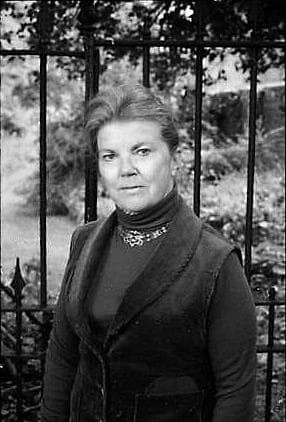
Joan Aiken was a British author known for her works of fiction, particularly in the genre of children's literature. She is best recognized for her novels "The Wolves of Willoughby Chase" and "Midnight Is a Place," both of which showcase her imaginative storytelling and unique settings. Aiken's writing often features elements of fantasy and adventure, appealing to a wide range of readers.
Similar books
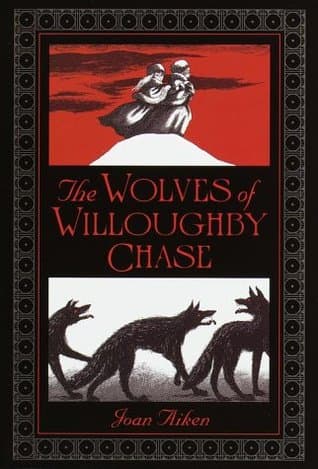
- The Wolves of Willoughby Chase
Joan Aiken
4.1 (19k) average on GoodreadsFantasyShares a similar Victorian setting, adventurous orphans, and a gothic, slightly menacing tone.
- A Little Princess
Frances Hodgson Burnett
4.2 (4k) average on GoodreadsFantasyFeatures a protagonist facing hardship and cruelty after losing their fortune, set in a similar historical period.
- The Secret Garden
Frances Hodgson Burnett
4.1 (891k) average on GoodreadsFantasyInvolves orphaned children, a grand mysterious house, and a journey of personal growth and discovery.
- Harry Potter and the Sorcerer's Stone
J.K. Rowling
4.5 (7M) average on GoodreadsFantasyRescued from a miserable life under the stairs, an orphaned boy discovers he's a wizard destined for a magical school, where he uncovers a dangerous secret tied to the dark wizard who murdered his parents.
- The Hunger Games
Suzanne Collins
4.3 (6.4M) average on GoodreadsFantasyIn a future where children fight to the death on live television, Katniss Everdeen volunteers for the arena, turning a death sentence into a fight for survival and a spark of rebellion.
- 1984
George Orwell
4.2 (3.1M) average on GoodreadsPoliticsIn a future where surveillance and thought control are absolute, a man's search for truth clashes with the Party, showing that hope can be a form of rebellion.



Enjoyed the summary?
A summary gives you the shape of the book. The book itself has the detail, the examples and the voice.
Find Midnight Is a Place on AmazonAs an Amazon Associate, BookBrief earns from qualifying purchases. How we're funded