

Synopsis
Covers the whole plot, including the ending.
- Difficulty
- Easy
- Pacing
- Moderate
- Mood
- Romantic, Dramatic, Emotional, Historical
- Read it if
- You enjoy sweeping historical romances with themes of sacrifice, identity, and the complexities of love during wartime.
- Skip it if
- You dislike plots centered on mistaken identity or find the premise of a twin impersonating another in marriage unbelievable.
Mirror Image Plot Summary
Covers the whole plot, including the ending.
The Henderson Twins and Their Contrasting Natures
Olivia and Victoria Henderson are identical twin sisters, born in 1893, living in a prominent New York estate. Their mother died in childbirth, leaving their father, Edward Henderson, to raise them. Olivia, older by minutes, is serious, responsible, and reserved, often acting as a mother figure. She manages the estate and tries to calm Victoria's impulsive nature. Victoria is lively, free-spirited, and passionate, interested in the women's suffrage movement and World War I in Europe. Their strong resemblance often leads to playful deception and a unique bond, but their different goals set the stage for future conflict.
Victoria's Scandal and the Introduction of Charles Dawson
As the twins near their twenty-first birthday, Victoria's rebellious streak leads to a secret affair with a married man. The affair is discovered, threatening to become a major social scandal that would ruin the Henderson family's reputation. Edward Henderson, devastated by the potential disgrace, seeks legal help. He hires Charles Dawson, a respected but somber lawyer who is still grieving his wife, lost on the Titanic, and raising his young son, Philip, alone. Charles is initially hesitant to take on such a high-profile case, but Edward's desperation and the severe implications for his family persuade him.
The Proposed Marriage of Convenience
To stop the scandal and protect Victoria's future, Edward Henderson proposes a drastic solution: a marriage of convenience between Victoria and Charles Dawson. This arrangement would legitimize Victoria's reputation and give her a respectable husband. Charles, still emotionally guarded and determined not to love again, is very hesitant. However, he sees the advantages for his young son, Philip, who needs a mother figure and a stable home. Considering his responsibilities and social pressures, Charles reluctantly agrees to the marriage, believing he can make an unwanted union work for his child's sake, despite his lack of romantic feelings for Victoria.
Victoria's Refusal and Olivia's Sacrifice
Despite the seriousness of the situation and her father's pleas, Victoria refuses to marry Charles Dawson. She does not want to give up her dreams of independence, social activism, and possibly going to Europe to help with the war. Faced with Victoria's strong defiance and the imminent public exposure of the scandal, Olivia makes a life-changing decision. Driven by her deep love for her sister and loyalty to her family, Olivia secretly agrees to pretend to be Victoria and marry Charles in her place. Only the twins know of this deception, an act of great sacrifice by Olivia to save her sister's future and the family's honor.
The Wedding and the Beginning of a New Life
The wedding proceeds with Olivia, disguised as Victoria, marrying Charles Dawson. Charles, still emotionally detached and unaware of the switch, believes he is marrying the rebellious twin. Olivia, now Mrs. Charles Dawson, moves into Charles's home and immediately takes on the roles of wife and stepmother to young Philip. She finds comfort and purpose in caring for Philip, quickly forming a loving bond with the boy. Meanwhile, the real Victoria, free from the scandal, secretly leaves for Europe, determined to contribute to the war effort. Olivia's new life is a constant challenge, maintaining the deception while dealing with her growing feelings for Charles.
Olivia's Growing Affection and Charles's Confusion
As Olivia settles into her new life, her true character shows. She is kind, nurturing, and devoted to Philip, bringing warmth and stability to Charles's previously somber household. Charles, initially expecting the fiery Victoria, becomes increasingly confused and interested by his 'wife's' gentle manner and domestic abilities. He begins to feel drawn to her quiet strength and compassion, a stark contrast to the woman he believed he was marrying. A genuine connection starts to form between them, built on mutual respect and Olivia's true affection, though Charles remains unaware of the deception.
Victoria's War Efforts and Hardships in France
Meanwhile, Victoria travels to France, fulfilling her desire to help with the war. She volunteers as a nurse on the front lines, caring for wounded soldiers in difficult conditions. The horrors of war and the suffering she sees deeply affect Victoria. Her initial idealism is tempered by the harsh realities of combat, and she matures significantly through her experiences. She dedicates herself to her duties, finding a new sense of purpose and a deeper understanding of human resilience. Her letters to Olivia, though rare, hint at her transformation and the emotional toll of her work.
The Growing Love and the Threat of Revelation
Over time, Olivia and Charles fall deeply in love. Charles, having slowly healed from his past grief, finds himself unexpectedly and passionately devoted to the woman he believes is Victoria. Olivia, in turn, loves Charles with all her heart, but the weight of her secret becomes an increasing burden. She longs to confess the truth but fears losing Charles, Philip, and the life they have built. The possibility of Victoria's return, or any chance encounter that could expose the deception, creates constant anxiety for Olivia, shadowing their otherwise happy relationship.
Victoria's Return and the Confrontation
As the war in Europe ends, Victoria, having served honorably and endured significant hardship, decides to return home to New York. Her return is both eagerly anticipated and dreaded by Olivia. The inevitable confrontation between the sisters, and the revelation of Olivia's deception to Charles, is coming. Victoria, changed by her experiences, is ready to reclaim her life, while Olivia faces the agonizing possibility of losing everything she has come to cherish. The stage is set for a dramatic and emotional reckoning that will test family, love, and loyalty.
The Aftermath and Forgiveness
When Victoria returns, the truth of the switch is finally revealed to Charles. He is understandably shocked, hurt, and betrayed by the deception. The revelation causes immense pain and confusion for everyone, threatening to shatter the lives Olivia and Charles have built. However, through the emotional turmoil, Charles comes to understand the depth of Olivia's sacrifice and the true nature of her love for him and Philip. Victoria, having matured, also recognizes the implications of Olivia's actions. Ultimately, the family deals with forgiveness, understanding, and the complex choices that led them to this point, finding a path towards healing and a redefined sense of love and family.
Mirror Image Characters
Olivia Henderson
Protagonist
The responsible, self-sacrificing twin who takes her sister's place.
Olivia is the elder twin, characterized by her quiet strength, responsibility, and nurturing spirit. She takes on a maternal role after her mother's death, managing the household and often tempering Victoria's impulsive nature. Her deep love for her sister and family drives her to make the ultimate sacrifice, impersonating Victoria and marrying Charles Dawson. She is initially reserved but blossoms into a loving wife and mother, finding genuine happiness and purpose in her unexpected life. Her internal struggle with the deception is a central aspect of her character.
Relationships: Victoria Henderson (Identical twin sister, deep bond, rival, recipient of sacrifice); Charles Dawson (Husband (initially by deception, then genuinely loved), stepmother to his son); Edward Henderson (Father, respects his authority, seeks to protect him from scandal); Philip Dawson (Stepson, deeply loving and maternal bond)
Victoria Henderson
Protagonist
The free-spirited, rebellious twin who seeks adventure and social change.
Victoria is the vivacious, passionate, and rebellious twin. She embraces the women's suffrage movement and dreams of contributing to the war effort in Europe, valuing independence and societal impact over domesticity. Her initial impulsiveness leads to a scandal, but her experiences as a nurse in war-torn France mature her significantly. She learns the harsh realities of life and sacrifice, returning a changed woman with a deeper understanding of the world and her sister's actions. She represents the spirit of change and adventure.
Relationships: Olivia Henderson (Identical twin sister, deep bond, beneficiary of sacrifice); Charles Dawson (Man she was supposed to marry, but refused); Edward Henderson (Father, often challenges his authority, but loves him)
Charles Dawson
Protagonist
A somber lawyer, widower, and father who falls in love under false pretenses.
Charles is a respected New York lawyer, a widower who lost his wife on the Titanic, leaving him to raise his young son, Philip, alone. He is initially reserved, emotionally guarded, and determined never to love again. He agrees to the marriage of convenience with 'Victoria' (Olivia) out of duty and for Philip's sake. He is slowly drawn to Olivia's gentle nature, kindness, and maternal warmth, falling deeply in love with the woman he believes is his wife. His journey involves healing from past grief and navigating the shock of the eventual revelation.
Relationships: Olivia Henderson (Wife (initially by deception, then genuinely loved), mother of his son); Victoria Henderson (The woman he was supposed to marry); Philip Dawson (Son, devoted father)
Edward Henderson
Supporting
The twins' father, deeply protective of his family's reputation.
Edward Henderson is the twins' wealthy and influential father. He never fully recovered from the death of his wife in childbirth. He is deeply concerned with maintaining his family's social standing and reputation in New York society. His desperation to avert Victoria's scandal drives him to arrange the marriage of convenience with Charles Dawson. He loves his daughters deeply, though he sometimes struggles to understand Victoria's rebellious spirit. His actions, though well-intentioned, set the stage for the central deception.
Relationships: Olivia Henderson (Daughter, relies on her responsibility); Victoria Henderson (Daughter, struggles with her rebellious nature); Charles Dawson (Son-in-law, initially a business arrangement)
Philip Dawson
Supporting
Charles's young son, who finds a loving mother in Olivia.
Philip is Charles Dawson's young son, nine years old, who lost his mother on the Titanic. He is quiet and yearns for a maternal figure in his life. He quickly forms a deep, loving bond with Olivia, who steps into the role of his stepmother. His presence provides Olivia with a sense of purpose and genuine affection, helping her to find happiness in her new life. He is an innocent party in the deception, his well-being a primary motivation for both Charles and Olivia's actions.
Relationships: Charles Dawson (Father, deeply loved); Olivia Henderson (Stepmother, deeply loved and seen as his true mother)
Mirror Image Themes
Sacrifice and Selflessness
This theme is central to the story, mainly shown by Olivia's decision to impersonate Victoria and marry Charles Dawson. Olivia sacrifices her own identity, desires, and the chance for a conventional life out of love for her sister and loyalty to her family. Her action prevents Victoria's social ruin and protects her father's reputation. This theme is further explored through Victoria's experiences as a nurse in war-torn France, where she sees and takes part in selfless acts for a greater cause, maturing her understanding of what sacrifice truly means.
“To look at one was to see the other. For family, even the girls' own father, it was a constant guessing game. For strangers, the surprise was overwhelming. And for the twins Olivia and Victoria Henderson, two remarkable young women coming of age at the turn of the century, their bond was mysterious, marvelous, and often playful—a secret realm only they inhabited.”
Identity and Deception
The novel explores identity, especially through the identical twins, Olivia and Victoria. Their physical resemblance allows for a deep deception, where Olivia takes on her sister's identity. This raises questions about whether identity is inherent or defined by roles and relationships. Olivia, living as Victoria, struggles with her true self versus the persona she maintains, while Charles falls in love with a woman he believes is someone else. The deception highlights the fluid nature of identity and the internal conflict that comes from living a lie, even for a good reason.
“In an act of deception that only Olivia and Victoria could manage, the twins took an irrevocable step, which changed both their lives forever; and took one of the twins to the battlefields of France, the other into a marriage she longed for but could not have.”
Love and Duty
The tension between love and duty drives the story. Charles Dawson initially agrees to marry 'Victoria' out of duty to his son and a desire for stability, not love. Olivia's decision to marry Charles comes from duty to her family and sister, yet she unexpectedly finds deep love with him. The story shows how love can grow even in circumstances dictated by duty, and how duty can turn into genuine affection. The characters deal with their obligations versus their heart's desires, eventually finding a way to bring them together.
“Charles wanted to believe that, for the sake of his son, he could make an unwanted marriage work. But in an act of deception that only Olivia and Victoria could manage, the twins took an irrevocable step, which changed both their lives forever; and took one of the twins to the battlefields of France, the other into a marriage she longed for but could not have.”
Women's Choices and Societal Expectations
Set at the turn of the century, the novel looks at the limited choices available to women and societal expectations. Victoria wants independence and involvement in social causes like suffrage and war efforts, rebelling against traditional roles. Olivia, in contrast, embodies the more traditional role of homemaker and caregiver, yet her choice to sacrifice her identity is a powerful act of agency. The story highlights the different paths women could take—domesticity versus adventure, personal desire versus family obligation—and the consequences of those choices within a rigid social framework.
“With startling insight, Danielle Steel explores women's choices: between home and adventure, between the love for family and the passion for a cause, between sacrifice and desire.”
Plot Devices & Literary Techniques
Identical Twins
The central mechanism enabling the deception and exploring themes of identity.
The use of identical twins, Olivia and Victoria, is the fundamental plot device that drives the entire narrative. Their perfect resemblance allows Olivia to impersonate Victoria without Charles Dawson or anyone else (initially) detecting the switch. This device creates immediate dramatic tension and conflict, as Olivia must constantly maintain the charade. It also serves as a powerful metaphor for exploring themes of identity, sacrifice, and the blurred lines between appearance and reality. The twins' unique bond and their contrasting personalities amplify the emotional stakes of the deception.
Marriage of Convenience
A pre-arranged union designed to avert scandal, leading to unexpected love.
The arranged marriage between Victoria (actually Olivia) and Charles Dawson is a classic plot device used to bring two disparate characters together under unusual circumstances. It is initially a pragmatic solution to a social scandal, devoid of romantic love. This device allows for the slow burn of genuine affection and love to develop between Olivia and Charles, contrasting with the initial lack of emotional connection. It highlights the societal pressures of the era and sets the stage for the romantic development, making the eventual revelation of the deception even more impactful.
Hidden Identity/Impersonation
A character assumes another's identity, creating suspense and exploring internal conflict.
Olivia's act of assuming Victoria's identity is the core of the novel's suspense. This device creates constant tension as Olivia lives in fear of exposure, while simultaneously falling in love with Charles. It forces Olivia to confront her own desires and the moral implications of her actions. The hidden identity allows for the exploration of Olivia's internal conflict and growth, as she grapples with the lie and the genuine connections she forms. The eventual revelation provides the story's climax, forcing all characters to confront the truth and its consequences.
World War I as a Backdrop
A historical setting that provides context for character development and societal change.
World War I serves as a significant historical backdrop, particularly for Victoria's character arc. Her desire to contribute to the war effort is a primary motivator for her refusal of the arranged marriage and her journey to France. The war's brutality and the experiences Victoria has as a nurse profoundly mature her, transforming her from a rebellious youth into a more empathetic and understanding woman. The war also symbolizes the larger societal changes occurring, contrasting with the more rigid social conventions of New York society, and giving the characters' personal struggles a grander historical context.
Mirror Image Quotes
“Life can be brutal, and love can be even more so, but without it, what are we?”
“Sometimes the greatest strength is not in holding on, but in letting go.”
“The past is a mirror, but it doesn't have to define your future.”
“It was amazing how much life could change in a single heartbeat, a single decision.”
“True beauty comes from within, a light that shines regardless of circumstances.”
“Love isn't about perfection; it's about accepting imperfections and loving anyway.”
“Hope is a fragile thing, easily broken, but essential for survival.”
“The world was a vast and often cruel place, but there were pockets of kindness to be found.”
“Every ending is just a new beginning, though it doesn't always feel that way at the time.”
“Family wasn't always blood; sometimes it was the people who chose to stand by you.”
“To truly forgive is to set yourself free, not just the person you're forgiving.”
“Courage wasn't the absence of fear, but the triumph over it.”
“Sometimes the greatest adventure is simply living the life you were given.”
“A secret shared is a burden halved, but a secret kept can weigh you down forever.”
Quiz
10 questions on the plot and the characters. Each answer comes with a short explanation.
Question 1
What year were Olivia and Victoria Henderson born?
- 1890
- 1893
- 1895
- 1900
Show answer
B. 1893 The twins, Olivia and Victoria, were born in 1893, the same year their mother died.
Question 2
Which twin is described as shy and serious, taking on a motherly role in their New York estate?
- Victoria
- Olivia
- Neither; they shared the role
- Their governess
Show answer
B. Olivia Olivia, born eleven minutes before her sister, is described as shy, serious, and having taken over the role of mother.
Question 3
What significant historical event was escalating overseas when the twins turned twenty-one?
- The American Civil War
- The Great Depression
- The First World War
- The Russian Revolution
Show answer
C. The First World War The story takes place 'as the first world war escalated overseas' when the girls were twenty-one.
Question 4
What movement did Victoria embrace, showing her desire to change the world?
- The temperance movement
- The abolitionist movement
- The women's suffrage movement
- The labor rights movement
Show answer
C. The women's suffrage movement Free-spirited Victoria 'embraced the women's suffrage movement and dreamed of sailing to war-torn Europe.'
Question 5
Why was Charles Dawson brought into the Henderson family's life?
- To represent them in a business deal
- To marry Olivia for her fortune
- To save Victoria's reputation from a public scandal
- To help manage their estate finances
Show answer
C. To save Victoria's reputation from a public scandal Charles Dawson was 'Hand-picked by the twins' father to save his daughter's reputation' after Victoria's life was about to become a public scandal.
Question 6
What tragedy had Charles Dawson recently experienced before meeting the Hendersons?
- His business failed
- His wife died aboard the Titanic
- He lost his son in an accident
- He was injured in the war
Show answer
B. His wife died aboard the Titanic Charles was 'still mourning his wife's death aboard the Titanic, struggling to raise his nine year-old son alone'.
Question 7
What is the 'irrevocable step' the twins take that changes both their lives forever?
- They both decide to join the war effort in France.
- They switch identities, leading one to war and the other to a marriage.
- They run away from home to avoid their father's control.
- They reveal a long-held family secret to Charles Dawson.
Show answer
B. They switch identities, leading one to war and the other to a marriage. The twins 'took an irrevocable step, which changed both their lives forever; and took one of the twins to the battlefields of France, the other into a marriage she longed for but could not have,' implying a switch of identities facilitated by their identical appearance.
Question 8
What is a central theme Danielle Steel explores through the twins' story, regarding women's choices?
- The choice between wealth and poverty
- The choice between following societal norms and personal desire
- The choice between urban and rural living
- The choice between education and marriage
Show answer
B. The choice between following societal norms and personal desire The text states Danielle Steel explores 'women's choices: between home and adventure, between the love for family and the passion for a cause, between sacrifice and desire,' which broadly encompasses following societal norms versus personal desire.
Question 9
The novel's title, 'Mirror Image,' primarily refers to what aspect of Olivia and Victoria?
- Their shared reflection on past events
- Their identical physical appearance as twins
- Their similar ambitions and dreams
- Their complementary personalities
Show answer
B. Their identical physical appearance as twins The opening line states, 'To look at one was to see the other,' and 'For strangers, the surprise was overwhelming,' directly referring to their identical twin appearance, which allows for the central deception.
Question 10
Beyond the twins' personal story, what historical backdrop does 'Mirror Image' vividly portray?
- The Roaring Twenties in New York
- The American Westward Expansion
- A world at war during the turn of the century
- The Victorian era in England
Show answer
C. A world at war during the turn of the century The summary mentions 'coming of age at the turn of the century,' 'as the first world war escalated overseas,' and 'From Manhattan society to the trenches of war-ravaged France,' concluding with 'a vivid backdrop of a world at war.'
Mirror Image FAQ
What is the central premise of 'Mirror Image'?
The novel centers on identical twins, Olivia and Victoria Henderson, coming of age at the turn of the 20th century. Their lives take a dramatic turn when a scandal involving Victoria leads to a deception where they switch identities, sending one to war-torn France and the other into an unexpected marriage.
Who are Olivia and Victoria Henderson, and how do they differ?
Olivia is the elder twin, described as shy and serious, taking on a maternal role in their household after their mother's death. Victoria is free-spirited, rebellious, and passionate about social causes like women's suffrage, dreaming of adventure and changing the world.
What event triggers the major conflict and deception in the twins' lives?
The major conflict begins when Victoria's life is on the verge of becoming a public scandal, which prompts their father to arrange a marriage to the lawyer Charles Dawson to protect her reputation. This impending unwanted marriage leads to the twins' pivotal act of switching places.
Who is Charles Dawson, and what is his background when he meets the Hendersons?
Charles Dawson is a handsome lawyer brought in by the twins' father to manage Victoria's scandalous situation. He is a widower, still mourning the death of his wife aboard the Titanic, and is raising his nine-year-old son alone, determined not to fall in love again.
What is the 'irrevocable step' the twins take?
The 'irrevocable step' is their decision to switch identities. One twin, presumably Victoria, goes to the battlefields of France to pursue her dreams or escape the arranged marriage, while the other, Olivia, enters into the marriage with Charles Dawson, living a life she secretly desired but couldn't have as herself.
How does the novel explore the theme of identity through the twins' switch?
The novel explores identity by forcing Olivia to live as Victoria and vice-versa, blurring the lines of who they truly are. It delves into how external circumstances and assumed roles can shape an individual's sense of self, and whether true identity can be hidden or changed.
What is the significance of the father's reaction to his wife's death and its impact on the twins?
The father never fully recovered from his wife's death during the twins' birth, which likely contributed to Olivia taking on a maternal role and Victoria seeking freedom. His protective, almost controlling actions regarding Victoria's scandal also stem from this desire to shield his remaining family from further pain.
How does World War I serve as more than just a backdrop for the story?
World War I is not merely a backdrop; it's a catalyst and a defining element. It provides the opportunity for one twin to escape to France for adventure or purpose, and its harsh realities profoundly impact her experiences and potentially shape her understanding of life and sacrifice.
What is the underlying motivation for Olivia's willingness to impersonate Victoria in the marriage?
Olivia's motivation for impersonating Victoria in the marriage is her secret longing for a life she couldn't have as herself, specifically a relationship with Charles Dawson. This suggests a deep, unacknowledged desire for love and a family, possibly fueled by her years of self-sacrifice and managing the household.
How does Victoria's 'rebellious' nature manifest psychologically beyond her interest in suffrage?
Victoria's rebellious nature reflects a deep-seated need for autonomy and self-determination, possibly stemming from feeling overshadowed by her 'serious' sister or confined by societal expectations. Her desire to 'change the world' and sail to war-torn Europe indicates a yearning for significance and a rejection of traditional female roles.
How does Charles Dawson's past trauma with the Titanic influence his initial approach to marriage?
Charles's past trauma from losing his wife on the Titanic makes him emotionally guarded and pragmatic about marriage. He views the union with Victoria (actually Olivia) as a practical arrangement for his son's sake, rather than one driven by love, reflecting his fear of future loss and emotional vulnerability.
What psychological toll might the deception take on both Olivia and Victoria?
The deception likely causes significant psychological strain. Olivia might experience guilt, fear of exposure, and a struggle with her true identity versus the one she's living. Victoria, on the other hand, might grapple with the consequences of her actions, the dangers of war, and the regret of leaving her sister in a difficult position.
Is the 'scandal' involving Victoria ever fully revealed, or is its ambiguity part of the narrative's tension?
The synopsis describes Victoria's life as 'about to become a public scandal,' implying its details might remain somewhat ambiguous or only partially revealed. This ambiguity creates tension, allowing readers to speculate about its severity and the true extent of the sisters' sacrifice.
How does the novel challenge or reinforce traditional gender roles of the early 20th century?
The novel challenges traditional roles through Victoria's embrace of women's suffrage and pursuit of adventure, contrasting with Olivia's more domestic role. However, it also explores how societal pressures, like avoiding scandal and securing a respectable marriage, can still dictate women's choices, even leading to deception.
What statement does the book make about the nature of love and sacrifice?
The book suggests that love can be found in unexpected circumstances, even through deception, and that sacrifice can come in many forms—from Olivia giving up her identity for a desired life to Victoria potentially sacrificing comfort for a cause. It explores whether love can truly blossom under such complex conditions.
Could the twins' bond be seen as co-dependent rather than just 'mysterious and marvelous'?
While their bond is described as 'mysterious and marvelous,' the extreme act of switching identities for each other's benefit, or perceived benefit, could also be interpreted as a form of co-dependency. This suggests a blurring of individual boundaries where one twin's identity and fate become deeply intertwined with the other's.
What is the significance of the title 'Mirror Image' beyond the obvious twin connection?
'Mirror Image' signifies not just their identical appearance but also the mirrored, yet contrasting, paths their lives take, and perhaps how they reflect different facets of female experience. It also implies that despite their differences, they are deeply connected, reflecting parts of each other.
About the author

Danielle Steel is a prolific American novelist known for her emotionally resonant and bestselling works of fiction. With over 200 million books sold worldwide, she has penned numerous international bestsellers, including "Mirror Image," "The Kiss," and "Journey." Her writing often explores themes of romance, family, and resilience, captivating readers with intricate plots and relatable characters.
Similar books
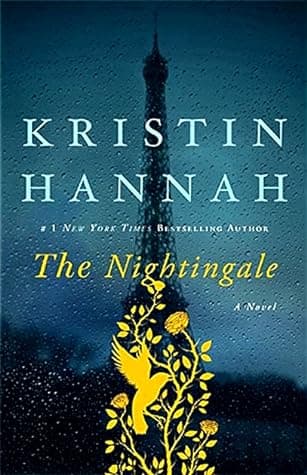
- The Nightingale
Kristin Hannah
4.6 (698k) average on GoodreadsHistorical FictionFeatures sisters making difficult choices during wartime and themes of sacrifice.
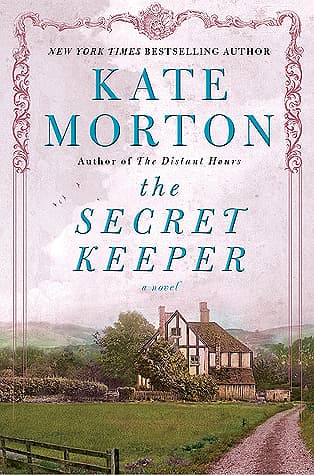
- The Secret Keeper
Kate Morton
4.2 (3k) average on GoodreadsRomanceMorton's work, also dealing with hidden identities and wartime secrets, features a significantly more complex narrative structure with multiple timelines and a deeper exploration of mystery and psychological depth. Morton's prose is generally more literary, and her character motivations are often more ambiguous compared to Steel's more direct and romantic approach in "Mirror Image."
- To Kill a Mockingbird
Harper Lee
4.3 (4.5M) average on GoodreadsHistorical FictionIn the 1930s Jim Crow South, Harper Lee writes about racial injustice, moral growth, and the quiet courage of a lawyer father, Atticus Finch, as seen through his young daughter's eyes.
- The Great Gatsby
F. Scott Fitzgerald
3.9 (3.8M) average on GoodreadsHistorical FictionIn the opulent Roaring Twenties, a mysterious millionaire's lavish parties hide his desperate, tragic pursuit of a lost love, exposing the emptiness within the American Dream.
- Pride and Prejudice
Jane Austen
4.3 (3M) average on GoodreadsHistorical FictionIn a society focused on status and money, Elizabeth Bennet navigates love and pride, challenging Mr. Darcy and social expectations to find true affection.
- Angels & Demons
Dan Brown
3.9 (2.7M) average on GoodreadsThrillerA Harvard symbologist races through Rome's ancient sites, deciphering cryptic clues to unmask the Illuminati and stop a vengeful plot to destroy the Vatican with a stolen antimatter weapon.




Enjoyed the summary?
A summary gives you the shape of the book. The book itself has the detail, the examples and the voice.
Find Mirror Image on AmazonAs an Amazon Associate, BookBrief earns from qualifying purchases. How we're funded