

Synopsis
Covers the whole plot, including the ending.
- Difficulty
- Medium
- Pacing
- Moderate
- Mood
- Atmospheric, Gritty, Tragic, Evocative
- Read it if
- You appreciate multi-perspective narratives exploring complex human relationships, racial injustice, and the lingering scars of war in a historical Southern setting.
- Skip it if
- You prefer lighthearted stories or are uncomfortable with explicit depictions of racism and violence.
Mudbound Plot Summary
Covers the whole plot, including the ending.
Laura's Reluctant Move to the Farm
Laura Mahon, a schoolteacher nearing thirty, decides to marry Henry McAllan, a man she doesn't love but who offers stability. After a brief period living in Memphis, Henry buys a cotton farm in rural Mississippi, forcing Laura and their two young daughters, Amanda and Isabel, to move into a run-down shack on the property. Laura is immediately repulsed by the isolation, the mud, and the hard labor required. She feels despair and regret for her lost city life. Her initial struggles involve adapting to the primitive conditions, managing the children in the harsh environment, and enduring Henry's detached and often demanding nature, which only increases her loneliness.
The Jackson Family and Sharecropping Life
Hap Jackson, his wife Florence, and their children, including their eldest son Ronsel, are a Black sharecropping family who live and work on the McAllan's land. They face immense hardships: hard labor in the cotton fields, constant debt to Henry McAllan for supplies, and the racism of the Jim Crow South. Florence, a resilient woman, often works as a domestic helper for Laura, witnessing the McAllan family's struggles while also experiencing her own. Their lives are characterized by a precarious existence, where their dignity is constantly challenged by the white landowners and the societal structures designed to keep them subservient.
Jamie's Return and Laura's Growing Affection
Henry's younger brother, Jamie McAllan, a handsome and charming man, returns home from fighting in World War II, bringing needed life to the desolate farm. Jamie, however, is affected by his combat experiences, struggling with PTSD and a reliance on alcohol. Despite his internal turmoil, he possesses a charm and sensitivity that contrasts with Henry's stoicism. Laura finds herself drawn to Jamie's warmth, his understanding, and his shared appreciation for music and literature, which are missing in her marriage. Their connection deepens, creating a forbidden intimacy that offers Laura an escape from her suffocating reality.
Ronsel's Homecoming and War Hero Status
Ronsel Jackson, after serving well in the tank corps in Europe, returns home to the Mississippi Delta. Overseas, he was treated as an equal, a hero, and even had a relationship with a white German woman, with whom he fathered a child. This experience gave him a sense of dignity and self-worth that clashes with the oppressive racial hierarchy he is forced to re-enter. Back on the farm, he is still expected to address white men as 'sir' and endure daily indignities, despite his uniform and medals. His newfound confidence and refusal to entirely conform to the old ways make him a target for the local white supremacists.
Jamie and Ronsel's Unexpected Friendship
Jamie McAllan and Ronsel Jackson, both veterans of World War II, find common ground in their shared experiences of combat and the trauma it inflicted. They become friends, often meeting secretly to drink, talk, and remember the war, finding comfort in each other's company. Their bond goes beyond the rigid racial boundaries of the South, as they recognize a mutual understanding and respect that is absent from their civilian lives. This friendship, however, is a dangerous act in a society where such a connection between a white man and a Black man is forbidden and viewed with suspicion.
Escalating Tensions and Racial Incidents
As Ronsel continues to show his post-war confidence, the racial tensions in the community increase. He buys his own truck, a symbol of his independence, which further antagonizes the white locals. One day, while driving, he encounters a group of white men, including Henry McAllan, who are upset by his presence and his refusal to yield the road in a subservient manner. A physical confrontation happens, during which Ronsel is assaulted. This incident shows the prejudice and the dangerous consequences for Black men who challenged the established racial order in the Jim Crow South.
Laura's Affair with Jamie
The attraction between Laura and Jamie reaches its breaking point. Driven by her loneliness, her husband Henry's emotional distance, and Jamie's charm and understanding, Laura gives in to temptation. They begin an affair, meeting in secret, finding comfort and intimacy they both want. For Laura, it is an escape from her dreary existence and a taste of genuine affection, while for Jamie, it is an attempt to find comfort from his wartime demons. This relationship becomes Laura's most guarded secret, filled with guilt but also a desperate joy.
Pappy McAllan's Bigotry and Discovery
Henry and Jamie's bigoted father, Pappy McAllan, a man with strong racism and a former Ku Klux Klan member, comes to live on the farm. His presence immediately poisons the atmosphere, as he openly expresses his hatred for Black people and his disdain for anyone who challenges the racial hierarchy. Pappy's extreme views worsen the already tense racial climate. He quickly becomes suspicious of Ronsel's independent demeanor and the subtle bond between Ronsel and Jamie, seeing it as a serious offense against white supremacy. His return foreshadows the tragic events to come, as his influence fuels the darkest impulses of the community.
The Klan's Brutal Attack on Ronsel
Pappy McAllan, fueled by his racism and suspicion, discovers evidence of Ronsel's relationship with a white woman in Germany and his friendship with Jamie. He organizes a brutal attack, summoning local Ku Klux Klan members. Jamie and Henry are forced to participate, though Jamie is reluctant and Henry is torn between loyalty to his father and a flicker of decency. Ronsel is abducted, severely beaten, and then subjected to a mutilation: his tongue is cut out, and he is castrated, an act meant to strip him of his manhood and silence his perceived transgressions. The act leaves Ronsel permanently scarred, both physically and psychologically.
Jamie's Revenge and Flight
Seeing the brutality inflicted upon Ronsel, particularly the forced participation in his mutilation, pushes Jamie to his breaking point. Overwhelmed by guilt, disgust, and a sense of betrayal by his own family, Jamie confronts Pappy. In a fit of rage and despair, Jamie strangles his father to death, unable to bear the weight of his father's evil and his own involvement. After taking his revenge, Jamie disappears from the farm, leaving behind a note for Laura, confirming his love for her and his need to escape the tragic consequences of their lives. His flight marks the end of his and Laura's affair and his connection to the farm.
The Aftermath and Florence's Compassion
After the attack, the McAllan and Jackson families are shattered. Laura is devastated by Jamie's departure and the lingering guilt of their affair, while Henry is left to deal with the murder of his father and the moral decay around him. Florence Jackson, despite her own grief and the trauma inflicted upon her son, becomes Ronsel's primary caregiver. She tends to his physical wounds and tries to soothe his spirit, offering him unwavering love and support. Her quiet strength and resilience in the face of such injustice show her humanity and maternal devotion amidst the tragedy.
Laura's Resignation and the Farm's Future
Laura accepts her life on the farm, accepting her fate with quiet strength. Her affair with Jamie, though ended, has changed her, leaving her with sorrow and a deeper understanding of herself. Henry, burdened by the weight of his father's death and the farm's financial struggles, remains emotionally distant and hardened. Ronsel, though permanently scarred, slowly begins to heal, finding a new, silent purpose. The novel ends with the characters living with the marks of their experiences, forever changed by the realities of race, class, and love in the Mississippi Delta.
Principal Figures
Laura McAllan
Protagonist
City-bred wife and mother, struggling with her life on a rural Mississippi farm.
Laura is a refined, educated woman from Memphis who, out of a desire for stability, marries Henry McAllan. Her life is upended when Henry moves them to a desolate, muddy farm in the Mississippi Delta. Laura is initially repulsed by the harsh conditions, the isolation, and Henry's emotional distance. She feels a profound sense of regret and loneliness, which makes her vulnerable to the charms of Henry's brother, Jamie. Laura is observant and intelligent, often providing a keen, if often despairing, internal monologue about her circumstances. Her journey is one of endurance and a reluctant acceptance of her fate.
Relationships: Henry McAllan (Husband, emotionally distant, stable but unfulfilling); Jamie McAllan (Brother-in-law, lover, source of passion and emotional connection); Florence Jackson (Employee and confidante, a complex and respectful relationship across racial lines); Amanda McAllan (Daughter); Isabel McAllan (Daughter)
Henry McAllan
Supporting
Laura's stoic and emotionally detached husband, owner of the farm.
Henry is a practical, hardworking, but emotionally reserved man who buys a farm in the Mississippi Delta. He is a man of few words, often failing to understand or meet Laura's emotional needs. While not overtly cruel, his detachment and single-minded focus on the farm contribute to Laura's loneliness. He embodies a certain kind of Southern masculinity – tied to the land, patriarchal, and deeply ingrained in the racial prejudices of his time, though he lacks the virulent hatred of his father. He is caught between his father's bigotry and a faint sense of decency.
Relationships: Laura McAllan (Wife, distant and uncommunicative); Jamie McAllan (Younger brother, initially close but strained by events); Pappy McAllan (Father, whose racism he inherits to a degree); Hap Jackson (Sharecropper, employer-employee relationship with underlying racial power dynamics)
Jamie McAllan
Supporting
Henry's charming, war-traumatized younger brother and Laura's lover.
Jamie is charismatic, handsome, and sensitive, but deeply haunted by his experiences as a bomber pilot in World War II. He struggles with PTSD and a drinking problem. His charm and emotional depth stand in stark contrast to Henry, drawing Laura into an affair. Jamie forms an unlikely and dangerous friendship with Ronsel Jackson, based on their shared combat experiences. He is torn between his innate decency and the pervasive racism of his family and community, ultimately driven to a desperate act of revenge and flight.
Relationships: Laura McAllan (Sister-in-law, lover, deep emotional connection); Henry McAllan (Older brother, strained relationship); Ronsel Jackson (Friend, fellow veteran, a bond across racial lines); Pappy McAllan (Father, whom he ultimately murders)
Ronsel Jackson
Protagonist
Eldest son of the sharecroppers, a war hero who returns to face Jim Crow South.
Ronsel is a proud, dignified young Black man who serves bravely in a tank division during World War II. His experiences in Europe, where he was treated as an equal and had a relationship with a white German woman, instilled in him a sense of self-worth that clashes violently with the racial hierarchy of the Mississippi Delta. He forms a bond with Jamie McAllan over their shared wartime experiences. Ronsel's refusal to fully submit to the old ways makes him a target, leading to his brutal mutilation by the Klan. He embodies the tragic consequences for Black men who dared to challenge the racial status quo post-war.
Relationships: Hap Jackson (Father); Florence Jackson (Mother, his primary caregiver after the attack); Jamie McAllan (Friend, fellow veteran); Cassie Jackson (Sister)
Florence Jackson
Supporting
Resilient and proud wife of Hap Jackson, domestic helper for the McAllans.
Florence is a strong, dignified, and hardworking Black woman, the matriarch of the Jackson family. She works tirelessly, both in the fields and as a domestic helper for Laura McAllan, enduring the daily indignities of her position with quiet strength. She is a keen observer of both families, offering a perspective shaped by hardship and deep maternal love. Her unwavering devotion to her family, especially after Ronsel's brutal attack, highlights her immense resilience and compassion in the face of unspeakable injustice.
Relationships: Hap Jackson (Husband); Ronsel Jackson (Son, whom she cares for devotedly after his attack); Laura McAllan (Employer, a complex relationship marked by unspoken understanding and racial hierarchy)
Hap Jackson
Supporting
Hardworking Black sharecropper and patriarch of the Jackson family.
Hap is the stoic and hardworking patriarch of the Jackson family, trying to provide for his family under the oppressive sharecropping system. He is a man of deep faith and quiet strength, who understands the harsh realities of their existence and the need to navigate the racial landscape carefully. He works tirelessly, often battling against debt and the elements, to keep his family together. His grief and helplessness after Ronsel's attack are profound, but he retains his dignity.
Relationships: Florence Jackson (Wife); Ronsel Jackson (Son); Henry McAllan (Landowner and employer)
Pappy McAllan
Antagonist
Henry and Jamie's virulently racist father and former KKK member.
Pappy is the embodiment of virulent racism and white supremacy in the novel. He is Henry and Jamie's father, a former member of the Ku Klux Klan, whose hateful ideology pervades his every thought and action. His return to the farm brings a poisonous atmosphere, as he openly expresses his disdain for Black people and orchestrates the brutal attack on Ronsel. He represents the destructive force of ingrained prejudice and the violent enforcement of the Jim Crow South's racial hierarchy.
Relationships: Henry McAllan (Son, whom he influences); Jamie McAllan (Son, whom he forces into complicity and who ultimately kills him); Ronsel Jackson (Victim of his hatred)
Amanda McAllan
Mentioned
Laura and Henry's elder daughter.
Amanda is one of Laura and Henry's two young daughters. She is a child of the farm, experiencing the harsh realities of rural life alongside her family. While not a central narrative voice, her presence contributes to Laura's struggles and her motivation to protect her children from the difficult environment.
Relationships: Laura McAllan (Mother); Henry McAllan (Father); Isabel McAllan (Sister)
Isabel McAllan
Mentioned
Laura and Henry's younger daughter.
Isabel is Laura and Henry's younger daughter, a small child navigating the difficult and often frightening environment of the Mississippi Delta farm. Like her sister Amanda, her role is primarily to underscore Laura's maternal responsibilities and the impact of their circumstances on the family unit.
Relationships: Laura McAllan (Mother); Henry McAllan (Father); Amanda McAllan (Sister)
Themes & Insights
Racism and Racial Injustice
The brutal racism of the Jim Crow South is the central theme of 'Mudbound.' The novel contrasts Ronsel Jackson's experience of equality and heroism in Europe with the dehumanizing prejudice he faces upon returning home to Mississippi. The sharecropping system itself is economic oppression, keeping Black families in debt. The violent climax, orchestrated by Pappy McAllan and involving the KKK, shows the extent of white supremacy and the consequences for those who defy its rules. The differing narrative perspectives, particularly Florence's, highlight the daily indignities and constant fear experienced by the Black community.
“He said, 'I've eaten with white men. I've been to bed with white women.' He said, 'I've killed Germans.'”
The Impact of War and Trauma
Both Jamie McAllan and Ronsel Jackson return from World War II affected by their combat experiences. Jamie suffers from PTSD, showing in alcoholism and a haunted demeanor, struggling to reintegrate into civilian life. Ronsel, while gaining self-worth from his time abroad, also carries the weight of what he witnessed and did. The war, for both men, creates a bond between them, crossing racial divides. Their shared trauma, however, makes them vulnerable to the societal pressures and prejudices of their home.
“He had seen things no man should see, and done things no man should do.”
Loneliness and Isolation
Laura McAllan's narrative is filled with loneliness and isolation. Transplanted from city life to a desolate farm, she feels trapped and emotionally neglected by her husband, Henry. The physical isolation of the farm mirrors her internal emotional state. This loneliness drives her into the arms of Jamie, seeking connection and passion. The Jacksons also experience isolation, not just physically on the farm, but socially due to racial segregation, showing the emotional toll of living in a society that devalues them.
“I was a woman drowning in a sea of mud, and no one was coming to save me.”
Forbidden Love and Desire
The novel explores two forms of forbidden desire. Laura and Jamie's affair is a passionate, illicit connection born out of loneliness and a longing for emotional intimacy that their circumstances deny them. It is a dangerous act against marital loyalty and societal expectations. More dangerously, Ronsel's relationship with a white German woman during the war, and the subsequent child, represents a taboo in the Jim Crow South. This act, when discovered by Pappy McAllan, becomes the reason for the brutal violence inflicted upon Ronsel, showing the lethal consequences of interracial relationships in that era.
“It was a sin, I knew, but it was a sin that tasted like redemption.”
Resilience and Survival
Despite the hardships, both the McAllan and Jackson families show resilience. Laura endures her farm life, her husband's emotional distance, and the tragic fallout of her affair. Florence Jackson, in particular, shows strength and dignity, caring for her family and her injured son with love and determination. The characters, though scarred, find ways to continue, adapting to their changed circumstances and seeking hope or acceptance in their difficult lives, showing the human spirit's ability to endure.
“We were all mudbound, but some of us were bound to rise.”
Plot Devices & Literary Techniques
Multiple First-Person Narrators
Alternating perspectives provide a comprehensive, nuanced view of events.
The novel employs multiple first-person narrators (Laura McAllan, Henry McAllan, Jamie McAllan, Florence Jackson, Hap Jackson, and Ronsel Jackson). Each character's chapter offers their subjective perspective on the same events, often revealing internal thoughts, biases, and emotional states that a single narrator could not. This technique allows the reader to experience the story from different sides of the racial and class divide, creating a more complex and empathetic understanding of the characters' motivations and the tragedy that unfolds. It highlights how personal truths can differ, even when describing the same reality, and underscores the profound impact of race and social standing on individual experiences.
Symbolism of Mud
The pervasive mud symbolizes the characters' entrapment and the harsh realities of their lives.
The 'mud' of the Mississippi Delta is a powerful and recurring symbol throughout the novel. It represents the physical hardship and squalor of farm life, but also the metaphorical 'stuckness' and entrapment of the characters. Laura feels literally and figuratively 'mudbound' by her circumstances and marriage. The mud clings, stains, and impedes progress, mirroring the way poverty, racism, and societal expectations hold the characters back. It signifies the inescapable, oppressive environment that shapes their fates and the difficulty of rising above their circumstances, regardless of their aspirations or efforts.
The Farm as a Microcosm
The isolated farm represents the societal structures and prejudices of the Jim Crow South.
The McAllan farm functions as a microcosm of the larger society of the Jim Crow South. Its isolation and the hierarchical relationship between the white landowners (McAllans) and the Black sharecroppers (Jacksons) reflect the deeply entrenched racial and economic inequalities of the era. The events that transpire on the farm – from the daily indignities faced by the Jacksons to the brutal acts of racial violence – are not isolated incidents but rather representative of the systemic injustices prevalent throughout the region. The farm becomes a pressure cooker where these societal tensions inevitably erupt into tragedy.
Foreshadowing
Subtle hints and ominous undertones build tension towards the tragic climax.
Hillary Jordan uses subtle foreshadowing to build a sense of impending doom. Early descriptions of the pervasive mud and Laura's despair hint at the difficult lives ahead. The constant presence of racial tension and Pappy McAllan's overt bigotry create an ominous atmosphere that suggests violence is inevitable. Jamie and Ronsel's forbidden friendship, while a source of solace, is also presented with an underlying sense of danger, hinting that their bond will have severe consequences in such a racially charged environment. This technique increases suspense and prepares the reader for the tragic climax.
Mudbound Quotes
“The first time I saw Jamie McAllan, I thought he looked like a prince in a fairy tale.”
“A man always has two reasons for doing something: a good reason and the real reason.”
“The land was a living thing, breathing and changing with the seasons.”
“We were all stuck in the mud, bound by it, and by the things we'd done to each other.”
“Sometimes the only way to bear the unbearable is to pretend it isn't happening.”
“The war changed him. It hollowed him out and filled him with something dark and restless.”
“In the South, the past is never dead. It's not even past.”
“I had thought love would be enough. I was wrong.”
“The color of your skin determined everything: where you lived, how you lived, if you lived.”
“There is a violence in silence, too, and it can be just as deadly.”
“We planted our dreams in that mud, and watched them drown.”
“He was a good man, but goodness is a luxury sometimes.”
“The land doesn't care who owns it. It just is.”
“Fear makes people do terrible things. Fear of losing what they have, fear of what they don't understand.”
Quiz
10 questions on the plot and the characters. Each answer comes with a short explanation.
Question 1
What is the primary setting and time period of 'Mudbound'?
- Alabama during the Great Depression in the 1930s
- Mississippi Delta in 1946, just after World War II
- Georgia during the Civil Rights Movement in the 1960s
- Tennessee farm country during World War I
Show answer
B. Mississippi Delta in 1946, just after World War II The novel is set in the Mississippi Delta in 1946, immediately following World War II, which is crucial to the plot as returning veterans Jamie McAllan and Ronsel Jackson bring their war experiences back to a segregated South.
Question 2
Who is Laura McAllan's husband in the novel?
- Jamie McAllan
- Henry McAllan
- Ronsel Jackson
- Pappy McAllan
Show answer
B. Henry McAllan Laura is married to Henry McAllan, who moves the family from Memphis to a Mississippi Delta farm. Jamie is Henry's charming but troubled younger brother, not Laura's husband.
Question 3
What military conflict have Jamie McAllan and Ronsel Jackson both returned from?
- Korean War
- Vietnam War
- World War I
- World War II
Show answer
D. World War II Both Jamie and Ronsel are veterans of World War II, which forms the basis of their bond as 'brothers-in-arms' despite the racial divisions of 1946 Mississippi.
Question 4
Why does Ronsel Jackson face particularly brutal treatment upon returning to Mississippi?
- He refused to work on the McAllan farm
- He had an affair with a white woman in Europe during the war
- He publicly criticized Henry McAllan's farming methods
- He stole money from the local bank
Show answer
B. He had an affair with a white woman in Europe during the war Ronsel's relationship with a white German woman during the war becomes known, violating Jim Crow norms and leading to violent retaliation from white supremacists, despite his status as a war hero.
Question 5
How is the narrative structure of 'Mudbound' organized?
- A single third-person omniscient narrator
- First-person accounts from six different characters
- Epistolary format through letters between characters
- Chronological diary entries from Laura McAllan
Show answer
B. First-person accounts from six different characters The novel uses multiple first-person perspectives from six characters: Laura, Henry, Jamie, Ronsel, Florence Jackson, and Hap Jackson. This structure reveals how each character experiences and interprets the same events differently.
Question 6
What significant act does Jamie McAllan perform that demonstrates his growing moral conflict?
- He secretly helps the Jackson family pay their debts
- He testifies against his father in court
- He defends Ronsel against a racist attack and later helps him escape
- He convinces Henry to sell the farm and move back to the city
Show answer
C. He defends Ronsel against a racist attack and later helps him escape Jamie, haunted by his war experiences and forming a genuine friendship with Ronsel, intervenes when Ronsel is attacked by white men, and later helps him flee Mississippi after a brutal assault, showing his rejection of the racist norms around him.
Question 7
What does the 'mud' in 'Mudbound' symbolize throughout the novel?
- Only the physical hardship of farming in wet conditions
- The emotional stuckness and inescapable social conditions of the characters
- A metaphor for the financial debt of sharecropping
- The literal mud used in construction of the farmhouse
Show answer
B. The emotional stuckness and inescapable social conditions of the characters The mud represents the pervasive, trapping nature of both the physical environment and the social systems—particularly racism and gender roles—that confine the characters, making change seem impossible.
Question 8
What ultimately happens to Ronsel Jackson at the climax of the novel?
- He is lynched by a white mob
- He is brutally beaten and has his tongue cut out
- He successfully sues the McAllan family for unfair treatment
- He becomes the owner of the McAllan farm through a legal loophole
Show answer
B. He is brutally beaten and has his tongue cut out After his relationship with a white woman in Europe is discovered, Ronsel is attacked by white men including Pappy McAllan. They beat him severely and cut out his tongue—a horrific act meant to silence him permanently.
Question 9
How does Laura McAllan's character evolve in response to her circumstances on the farm?
- She remains passively unhappy but never takes action
- She becomes increasingly religious and withdrawn
- She develops a quiet resilience and begins to question the social order, particularly after befriending Florence Jackson
- She openly leads protests against Jim Crow laws in her community
Show answer
C. She develops a quiet resilience and begins to question the social order, particularly after befriending Florence Jackson Initially a reluctant city transplant, Laura gradually finds strength through her friendship with Florence Jackson and her own observations of injustice. While not a radical activist, she develops subtle resistance to the racist and patriarchal systems around her.
Question 10
What role does Pappy McAllan (Henry and Jamie's father) play in the novel's conflict?
- He is a neutral observer who mediates between the families
- He secretly supports Ronsel's veteran rights activism
- He is a primary enforcer of racist ideology and directly participates in violence against Ronsel
- He provides comic relief through his old-fashioned farming advice
Show answer
C. He is a primary enforcer of racist ideology and directly participates in violence against Ronsel Pappy embodies the most virulent racism in the novel. His bigotry fuels tension throughout the story, and he is directly involved in the brutal attack on Ronsel, representing the entrenched white supremacy of the era.
Mudbound FAQ
What is 'Mudbound' about?
'Mudbound' follows the intertwined lives of two families in post-WWII Mississippi: the white McAllan family, who own a farm, and the black Jackson family, who work as sharecroppers on that land. The story centers on the unlikely friendship between Jamie McAllan, a haunted war veteran, and Ronsel Jackson, a decorated black soldier who returns home to face brutal racism, with their bond triggering a tragic chain of events in the Jim Crow South.
Why should I read 'Mudbound'?
You should read 'Mudbound' for its unflinching exploration of racism, trauma, and human resilience through multiple perspectives. Hillary Jordan's debut masterfully blends historical detail with emotional depth, offering a gripping tragedy that highlights the complexities of prejudice and the fragile bonds that form across racial divides in 1940s Mississippi.
What is the background/setting of 'Mudbound'?
The novel is set in 1946 in the Mississippi Delta, a rural farming region steeped in the oppressive laws and customs of the Jim Crow era. The setting—a muddy, isolated farm—mirrors the characters' struggles, with the harsh landscape amplifying themes of entrapment and societal injustice as veterans return from WWII to a segregated South.
What are the most memorable quotes?
Memorable quotes include Ronsel's reflection, 'I was a hero in Europe and a nigger in Mississippi,' highlighting the brutal irony of his postwar treatment, and Laura's observation, 'The mud was everywhere... it got into our food, our clothes, our dreams,' symbolizing the inescapable grip of poverty and prejudice. Another is Jamie's haunted admission about war: 'You don't get over it. You just get used to it.'
What writing style does the author use?
Hillary Jordan uses a multi-perspective, first-person narrative style, with chapters alternating between six characters—Laura, Jamie, Ronsel, Hap, Florence, and Henry—to provide intimate, conflicting views of events. Her prose is lyrical yet stark, blending Southern Gothic elements with raw realism to convey the emotional and physical brutality of the setting.
What minor details add significant meaning?
Minor details like the mud that permeates the farm symbolize the inescapable nature of racism and hardship, while Ronsel's war medals—hidden or dismissed by whites—represent the denial of black heroism. The shared whiskey between Jamie and Ronsel subtly marks their bond as a transgressive act in a segregated society, foreshadowing later conflicts.
What are some subtle foreshadowing moments?
Early scenes of Pappy's virulent racism and the local Klan's presence foreshadow the violence against Ronsel. Jamie's nightmares and drinking hint at his unraveling mental state, which culminates in his involvement in Ronsel's brutal punishment. Laura's growing discontent with Henry subtly predicts her emotional drift toward Jamie.
What unexpected character connections exist?
Unexpected connections include the bond between Jamie and Ronsel, forged through shared wartime trauma despite racial barriers, and the quiet understanding between Laura and Florence, who both navigate oppressive roles as women in different racial contexts. Henry's rigid control over his family contrasts with Hap's resilient faith, linking their struggles as fathers.
What are unspoken character motivations?
Jamie is motivated by unspoken guilt and a desire for redemption from his war experiences, driving his friendship with Ronsel. Laura's longing for connection and escape from isolation underlies her attraction to Jamie. Henry's need for control stems from insecurities about his masculinity and failures as a provider, fueling his compliance with racist norms.
What psychological complexities do characters exhibit?
Jamie exhibits PTSD from the war, manifesting in alcoholism and erratic behavior, while Ronsel grapples with the psychological whiplash of transitioning from a respected soldier to a subjugated black man. Laura shows complexity in her suppressed desires and moral compromises, and Pappy embodies the toxic psychology of white supremacy, using racism to assert power.
What are the major emotional turning points?
Major turning points include Ronsel's return to Mississippi, where his pride clashes with racist humiliation; the discovery of his relationship with a German woman, which enrages the white community; Jamie's failure to protect Ronsel from a Klan attack; and the novel's climax, where Ronsel is brutally assaulted and Jamie takes drastic, guilt-driven action.
How do relationship dynamics evolve?
The friendship between Jamie and Ronsel evolves from wary respect to deep camaraderie, then fractures under societal pressure. Laura's marriage to Henry deteriorates as she grows emotionally attached to Jamie, while the Jackson family's bond is tested by external violence. The McAllan family's dynamics shift with Pappy's bigotry poisoning household relations.
Which parts remain ambiguous or open-ended?
The novel's ending is ambiguous regarding Ronsel's ultimate fate after his assault and whether he finds peace. Jamie's final actions and moral reckoning are left somewhat open, as is the long-term impact on Laura's life. The broader question of whether genuine change is possible in such a racist society lingers without clear resolution.
What are controversial scenes or decisions?
Controversial scenes include the graphic, racially motivated assault on Ronsel by the Klan, which highlights the era's brutality. Jamie's decision to participate in covering up the attack, driven by guilt and fear, sparks debate about complicity. Laura's emotional infidelity with Jamie also raises questions about morality in oppressive marriages.
'Mudbound' ending explained: how it ends & what it means
The novel ends with Ronsel severely beaten and traumatized after a Klan attack, while Jamie, consumed by guilt, takes revenge by killing Pappy and framing it as an accident before leaving. This conclusion underscores the tragic costs of racism and trauma, suggesting that in this setting, justice is perverted and redemption is elusive, with characters left scarred by violence and betrayal.
What role does the land play in the story?
The muddy, unforgiving land of the Mississippi Delta serves as a central metaphor for entrapment and struggle. It physically and symbolically binds both families—the McAllans through failed farming dreams and the Jacksons through sharecropping poverty—reflecting how environment and societal structures dictate their fates in a cycle of hardship.
How does the multi-perspective narrative enhance the story?
The multi-perspective narrative, with six characters recounting events, deepens the story by revealing conflicting truths and biases. It allows readers to empathize with diverse experiences—from Laura's isolation to Ronsel's oppression—highlighting how racism and trauma are perceived differently, thereby creating a richer, more nuanced tragedy.
What themes are central to 'Mudbound'?
Central themes include the insidious nature of racism in both overt and subtle forms, the lasting trauma of war, the complexities of loyalty and betrayal, and the struggle for dignity in dehumanizing conditions. The novel also explores gender roles, family dynamics, and the search for redemption in a morally ambiguous world.
About the author

Hillary Jordan is an American author known for her fiction works that often explore complex themes of morality and social issues. Her notable books include "Mudbound," which delves into the struggles of a family in post-World War II Mississippi, and "When She Woke," a dystopian retelling of "The Scarlet Letter." Jordan's writing has garnered critical attention and has been recognized in various literary circles.
Similar books
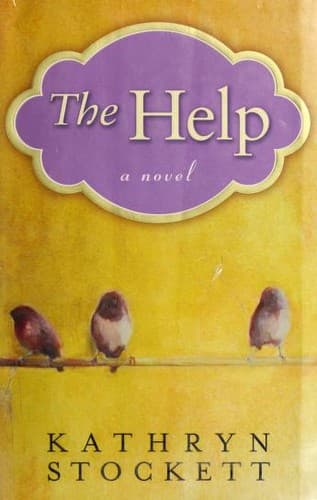
- The Help
Kathryn Stockett
4.5 (2.2M) average on GoodreadsHistorical FictionExplores racial dynamics and the lives of Black women in the Jim Crow South, though with a different tone.
- Beloved
Toni Morrison
3.9 (325k) average on GoodreadsLiterary FictionDeals with the lasting trauma of slavery and racism, though set earlier and with magical realism elements.
- Where the Crawdads Sing
Delia Owens
4.5 (975k) average on GoodreadsHistorical FictionFeatures a strong sense of place in the American South and explores themes of isolation and prejudice.
- Light in August
William Faulkner
3.9 (56k) average on GoodreadsLiterary FictionWhile Faulkner's Light in August delves deeply into racial prejudice and identity in the Southern Gothic tradition, Mudbound feels more accessible and contemporary in its narrative structure. Jordan offers a less allegorical and more direct engagement with the lived, psychological experiences of its characters, using distinct first-person voices to render the complex interplay of race and class without Faulkner's often dense, experimental prose.
- The Old Man and the Sea
Ernest Hemingway
3.8 (831k) average on GoodreadsLiterary FictionA Cuban fisherman's long struggle with a giant marlin becomes a story of endurance and dignity, now retold for young adults with illustrations, phonetic guides, and writing prompts in Traditional Chinese.
- One Hundred Years of Solitude
Gabriel García Márquez
4.1 (753k) average on GoodreadsLiterary FictionThrough the multi-generational story of the Buendía family, a mythical town deals with the repeating patterns of time, love, and solitude, as the extraordinary mixes with the ordinary.


Enjoyed the summary?
A summary gives you the shape of the book. The book itself has the detail, the examples and the voice.
Find Mudbound on AmazonAs an Amazon Associate, BookBrief earns from qualifying purchases. How we're funded