

Synopsis
Covers the whole plot, including the ending.
- Difficulty
- Medium
- Pacing
- Moderate
- Mood
- Thought-provoking, Melancholy, Intense, Reflective
- Read it if
- You are fascinated by the conflict between religious tradition and artistic expression, or enjoy character-driven stories about finding one's identity.
- Skip it if
- You prefer fast-paced plots or are uncomfortable with themes that challenge religious dogma.
My Name Is Asher Lev Plot Summary
Covers the whole plot, including the ending.
A World of Tradition and Emerging Talent
Asher Lev is born into a devout Ladover Hasidic family in Brooklyn, New York, soon after World War II. His father, Aryeh Lev, works for the Rebbe, traveling through Europe to rebuild Jewish communities and schools destroyed by the Holocaust. His mother, Rivkeh Lev, is gentle but often worried, dedicated to her husband's work and their community. From a young age, Asher shows an unusual and strong urge to draw everything he sees, often in ways that upset his parents. He draws on books, walls, and any surface he can find. This greatly troubles Aryeh, who sees it as pointless and possibly sacrilegious. Aryeh wants Asher to focus on Torah study and community work.
The Burden of His Father's Calling
Aryeh Lev's frequent and long trips for the Rebbe put a strain on the family. Rivkeh becomes very depressed, especially after her brother, Yitzchok, dies in a car accident while on a mission for the Rebbe. Rivkeh's grief makes her withdrawn and distant. Asher, still a young boy, struggles to understand his mother's pain and his father's distant dedication to the Rebbe's work. He finds comfort and a way to express his feelings in drawing, though he hides many of his more 'upsetting' pieces from his parents. His art becomes both a comfort and a growing source of tension in the family.
A Mentor Emerges
As Asher grows into his teens, his artistic talent becomes clear, but it also causes more conflict with his father. Aryeh sees art as a gentile pursuit, a rejection of Jewish values. Rivkeh, however, starts to understand how deeply Asher needs to create, though she remains torn between her son and her husband. The Rebbe, the Ladover Hasidim's spiritual leader, steps in. He calls Asher and his parents, recognizing Asher's 'gift' as something from God. He arranges for Asher to study under Jacob Kahn, a well-known, non-religious Jewish artist. The Rebbe understands that Asher's drive cannot be stopped and needs proper guidance. This decision is groundbreaking for the closed community.
Apprenticeship and Artistic Awakening
Asher begins his apprenticeship with Jacob Kahn, who immediately sees Asher's natural talent and strong dedication. Kahn, a gruff but very insightful mentor, pushes Asher to explore different art forms, techniques, and art history. He exposes Asher to secular art and ideas that are new and sometimes shocking to Asher. Kahn teaches Asher about perspective, composition, and the emotional power of art. He encourages Asher to draw from his own experiences and feelings, even the painful ones. This time marks a deep artistic and personal awakening for Asher. He grapples with the conflict between his strong Hasidic identity and the wider, often secular, art world.
The Paris Sojourn
After finishing his first studies with Kahn, Asher travels to Europe, especially Paris and Florence, to continue his art education. This time transforms him. He spends hours in great art museums, studying the masters and refining his own style. He is particularly drawn to the suffering shown in Christian art, seeing a universal expression of pain that connects with his own people's suffering and his family's. He finds beautiful landscapes and deeply moving human experiences, all of which fuel his art. During this time, his father, Aryeh, moves the family to Vienna for his work, creating more distance between Asher and his immediate family.
The Crucifixion Series
While in Europe, Asher starts planning a series of paintings that will become his most famous and controversial: the 'Brooklyn Crucifixions.' These works show his mother's pain and his own inner struggle, using the visual language of the crucifixion to express deep Jewish suffering. He chooses this imagery because, for him, it is the most powerful symbol of agony and sacrifice he has seen in art. He paints his mother, Rivkeh, with outstretched arms, nailed to a window in their Brooklyn apartment. This symbolizes her sacrifice for his father's work and his own artistic calling. These paintings are very personal, raw, and challenging, sure to cause a rift in his community.
Return and Reckoning
Asher returns to New York for his first major gallery exhibition, which will feature his European works, including the 'Brooklyn Crucifixions.' He understands the great impact these paintings will have on his family and the Ladover community. His return is a mix of excitement for his art debut and fear of the inevitable confrontation with his father and the Rebbe. His mother, Rivkeh, has returned to Brooklyn from Vienna. She is excited to see his work, but also very worried, understanding the potential sacrilege in the eyes of their people. The exhibition is a critical success, but the community's reaction hangs heavy.
The Exhibition and the Community's Reaction
The exhibition opens to wide critical praise, establishing Asher Lev as an important new artist. However, the 'Brooklyn Crucifixions' spark outrage within the Ladover Hasidic community. His father, Aryeh, is deeply hurt and shocked, seeing the paintings as a desecration of Jewish identity and a blasphemous use of Christian imagery. The community views them as an insult to their faith and traditions. Rivkeh is torn; she sees herself and her pain in the paintings, but she also understands the huge gap they create between her son and their people. Asher is praised by the art world but condemned by his own.
The Rebbe's Judgment
After the uproar, Asher meets privately with the Rebbe. The Rebbe, a wise and caring leader, acknowledges Asher's talent and the 'gift' that drives him. He understands the deep artistic and emotional truth in the 'Brooklyn Crucifixions.' However, he also recognizes the great pain and confusion these paintings have caused in the Ladover community. In a painful but necessary decision, the Rebbe tells Asher he must leave Brooklyn and live elsewhere. There, his art can grow without causing further division and scandal among his people. It is an exile, a necessary separation for the community's good and for Asher's artistic freedom.
Exile and Acceptance
Asher accepts the Rebbe's decision. He understands that his path as an artist, especially one who must show the world as he sees it, even its pain and suffering, cannot fully exist with the rules of his Hasidic community. He leaves Brooklyn, knowing he will always be a Ladover Hasid by birth and spirit, but also an artist who must follow his own truth. He understands that his art bridges worlds, and his work, though painful for his community, is his unique way of serving the Master of the Universe. He carries the pain of his exile but also the deep satisfaction of fulfilling his artistic purpose.
My Name Is Asher Lev Characters
Asher Lev
Protagonist
A Ladover Hasid with an uncontrollable, divine gift for art, caught between faith and artistic truth.
Asher Lev is born into a deeply religious Hasidic family in post-war Brooklyn. From a very young age, he possesses an extraordinary and compulsive drive to draw and paint, seeing the world in a unique, visual way. This artistic genius often clashes with the strictures of his religious upbringing, particularly his father's disapproval, who views art as a frivolous or even sacrilegious pursuit. Asher is deeply devoted to his family and his faith, but his artistic impulse is an irresistible force that he believes is a divine gift. He is sensitive, observant, and driven by an internal need to render the beauty and suffering he perceives.
Relationships: Aryeh Lev (Son-father; strained by fundamental differences in values and life paths.); Rivkeh Lev (Son-mother; deeply loving but complex, as Asher's art often mirrors and expresses her pain.); Jacob Kahn (Apprentice-mentor; Kahn guides Asher's artistic development and challenges his worldview.); The Rebbe (Disciple-spiritual leader; The Rebbe acts as a compassionate, albeit ultimately decisive, arbiter of Asher's fate.)
Aryeh Lev
Supporting Character / Antagonist (in Asher's artistic journey)
Asher's devout, scholarly father, an emissary for the Rebbe, who struggles to accept his son's artistic calling.
Aryeh Lev is Asher's father, a highly intelligent and intensely devoted Ladover Hasid. He dedicates his life to serving the Rebbe, traveling across Europe to rebuild Jewish communities and yeshivas after the Holocaust. Aryeh is a man of profound faith, intellect, and community loyalty. He values Torah study, tradition, and the practical work of rebuilding Jewish life. He views Asher's art as a distraction, a gentile pursuit, and a potential threat to his son's spiritual purity and communal standing. His love for Asher is undeniable, but his inability to understand or accept Asher's artistic gift creates a deep and painful chasm between them.
Relationships: Asher Lev (Father-son; deeply loving but marked by profound ideological conflict.); Rivkeh Lev (Husband-wife; a loving but traditional marriage, where Rivkeh often defers to Aryeh.); The Rebbe (Devoted follower and trusted emissary.)
Rivkeh Lev
Supporting Character
Asher's gentle and anxious mother, caught between her husband's devotion to the Rebbe and her son's artistic needs.
Rivkeh Lev is Asher's mother, a quiet, sensitive, and often anxious woman. She is deeply devoted to her husband, Aryeh, and his work for the Rebbe, and struggles with his frequent absences. The death of her brother, Yitzchok, plunges her into a deep depression, during which Asher's art becomes a way for him to understand and express her suffering. Rivkeh is torn between her loyalty to her husband and community and her growing understanding of Asher's unique and overwhelming need to create. She becomes a silent, suffering muse for Asher, particularly in his controversial 'Crucifixion' paintings, embodying the pain and sacrifice of Jewish women.
Relationships: Asher Lev (Mother-son; a deeply empathetic and understanding bond, despite the pain Asher's art causes her.); Aryeh Lev (Wife-husband; a traditional and loving, but sometimes distant, marriage.); Yitzchok (Brother-sister; his death profoundly impacts her.)
The Rebbe
Supporting Character
The wise and compassionate spiritual leader of the Ladover Hasidim, who makes the difficult decision regarding Asher's future.
The Rebbe is the charismatic and sagacious spiritual leader of the Ladover Hasidic community. He is a figure of immense authority, wisdom, and compassion, revered by his followers. Unlike Aryeh, the Rebbe possesses a broader understanding of human nature and the diverse ways in which God's gifts manifest. He recognizes Asher's artistic talent as a divine endowment, a 'gift from the Master of the Universe,' rather than a mere secular pursuit. He makes the difficult decision to allow Asher to study art and eventually to exile him, not out of malice, but out of a profound understanding of the needs of both the individual and the community.
Relationships: Asher Lev (Spiritual leader-disciple; acts as a mentor and ultimately as an adjudicator of Asher's path.); Aryeh Lev (Spiritual leader-devoted follower; Aryeh is the Rebbe's trusted emissary.)
Jacob Kahn
Supporting Character
Asher's gruff, world-renowned artist mentor, who guides his artistic development and exposes him to the secular art world.
Jacob Kahn is a celebrated, non-religious Jewish artist living in New York. He is a gruff, outspoken, and deeply insightful man who becomes Asher's primary art teacher and mentor. Kahn is a master of his craft and a profound thinker about art's purpose and power. He pushes Asher to explore his inner world, to draw and paint from his deepest emotions and experiences, regardless of their religious or social implications. Kahn exposes Asher to the broader world of art history, philosophy, and technique, helping Asher to hone his talent and develop his unique artistic voice. He serves as a bridge between Asher's cloistered Hasidic world and the secular art world.
Relationships: Asher Lev (Mentor-apprentice; Kahn provides artistic guidance and a secular perspective.)
Yitzchok
Mentioned Character
Rivkeh Lev's brother, whose tragic death deeply impacts her and the Lev family.
Yitzchok is Rivkeh Lev's brother and Aryeh Lev's brother-in-law. He is also an emissary for the Rebbe, like Aryeh. His tragic death in a car accident while on a mission for the Rebbe plunges Rivkeh into a deep and prolonged depression. His death serves as a catalyst for much of the emotional turmoil within the Lev household and implicitly contributes to Asher's artistic drive to capture and express profound suffering, particularly his mother's.
Relationships: Rivkeh Lev (Brother-sister; his death is a major source of her grief.)
Anna Schaeffer
Supporting Character
Asher's art dealer, who recognizes his genius and helps launch his career.
Anna Schaeffer is a sophisticated and respected art gallery owner who discovers Asher's work and becomes his primary dealer. She recognizes Asher's extraordinary talent and unique vision, providing him with a platform to showcase his art to the world. She is business-savvy and understands the art market, but also genuinely appreciates the profound impact of Asher's work. She is instrumental in Asher's rise to prominence, particularly in arranging his first major exhibition which features the controversial 'Brooklyn Crucifixions.'
Relationships: Asher Lev (Artist-dealer; she promotes and sells his work.)
My Name Is Asher Lev Themes
The Conflict Between Faith and Art
This is the novel's main theme, exploring the unsolvable tension between Asher's strong Hasidic faith and his powerful, God-given artistic talent. Asher is a religious Jew who believes his art is a gift from God. Yet, expressing this gift often leads him to create images (like the 'Brooklyn Crucifixions') that his community calls sacrilegious. The theme questions if true artistic expression can exist within strict religious rules and if one must choose between spiritual and creative fulfillment. This conflict appears in Asher's inner struggle and his outward clash with his father and the Rebbe.
“A man is not born to be an artist. He is born to be a Jew. And he is born to be a Hasid. And he is born to be a Ladover Hasid. And he is born to be a Lev. And he is born to be a son of Aryeh and Rivkeh Lev. And he is born to be a son of the Rebbe.”
The Nature of Genius and Sacrifice
The novel shows artistic talent as an almost mystic, unstoppable force that demands great personal sacrifice. Asher's talent is not a choice but a drive, a 'gift' that separates him and often causes him deep pain and loneliness. His talent requires him to see and show the world, including its suffering, with complete honesty, even if that honesty alienates him from those he loves. The theme explores how great art often comes at the cost of personal comfort, community belonging, and even family harmony. This ends with Asher's exile from his community for his art.
“My work is to create worlds. My work is to give voice to suffering. My work is to make others see.”
Identity and Belonging
Asher's journey is a deep exploration of identity. It shows how one's personal calling can clash with inherited cultural and religious identities. He struggles with being a Ladover Hasid, a Lev, a son, and an an artist. His art, while deeply rooted in his Jewish experience, ultimately goes beyond his community's limits. This forces him to create a unique identity that includes both his heritage and his artistic truth. The novel highlights the tension between wanting to belong and needing to express oneself. It shows that sometimes, to fully become oneself, one must stand apart.
“I am a Ladover Hasid. I am a Lev. I am a painter. I am a Jew. I am all these things. And I am none of them. I am myself. And that is all I can be.”
Suffering and Redemption Through Art
Potok uses Asher's art to explore the deep role of suffering, especially Jewish suffering. It also shows how art can offer understanding or even redemption. Asher's 'Brooklyn Crucifixions' are controversial because they use a Christian symbol to show the pain of his mother and, by extension, the Jewish people. This act, while blasphemous to some, is Asher's attempt to give form to unspeakable pain, to make others see and feel it. Art, for Asher, is not just about beauty; it is a way to face, process, and perhaps rise above suffering, turning it into something meaningful.
“I had to do it. I had to put my mother's agony on canvas. I had to put it there for the world to see. It was the only way I could make it real. It was the only way I could make it mine.”
The Role of Mentorship
The relationship between Asher Lev and Jacob Kahn is key to Asher's artistic and personal growth. Kahn, a secular Jew, bridges Asher's closed religious world and the wider, often challenging, art world. He teaches Asher technique and encourages him to embrace his unique vision and draw from his deepest emotions, no matter how uncomfortable it might be. Kahn's mentorship shows the power of a wise guide who can see and nurture a student's potential, even when others cannot.
“You are a bridge, Asher Lev. You are a bridge between worlds. Do not forget that.”
Plot Devices & Literary Techniques
The 'Brooklyn Crucifixions'
Asher's controversial paintings depicting his mother's suffering using Christian iconography.
These paintings serve as the ultimate symbol of Asher's artistic and personal conflict. By depicting his mother's agony with the visual language of the crucifixion, Asher intentionally uses a potent, universally recognized symbol of suffering that is deeply offensive within his Hasidic community. This device forces the confrontation between his artistic truth and his religious tradition, making the thematic conflict explicit and undeniable. It is the catalyst for his ultimate exile, representing the point of no return in his journey as an artist.
The Rebbe's Intervention
The spiritual leader's decision to allow Asher to pursue art and later to exile him.
The Rebbe's role acts as a powerful plot device that both enables Asher's artistic journey and ultimately defines its limits within the community. His initial decision to allow Asher to study art, despite Aryeh's objections, demonstrates a nuanced understanding of divine gifts. His later decision to exile Asher, though painful, provides a clear and authoritative resolution to the central conflict, emphasizing the Rebbe's ultimate responsibility to the community over the individual, while acknowledging Asher's unique destiny. It's a compassionate but firm judgment that propels the final act of the story.
Asher's Compulsive Drawing
The uncontrollable, innate drive that defines Asher's artistic genius from childhood.
From a young age, Asher's inability to stop drawing, even on forbidden surfaces, highlights that his artistic talent is not a hobby but an intrinsic part of his being, an uncontrollable force. This compulsion establishes early on that his art is a 'gift' that cannot be denied or suppressed. It sets up the central conflict with his father, who sees it as an inappropriate distraction, and underscores the idea that Asher is driven by an internal, almost spiritual, imperative rather than a conscious choice, making his eventual path feel destined rather than chosen.
Rivkeh Lev's Depression
The emotional catalyst for much of Asher's early artistic expression of suffering.
Rivkeh's profound depression following her brother's death is a crucial emotional catalyst for Asher's art. It provides him with a deep, personal source of suffering to observe and internalize. Her silent anguish becomes a primary subject of his early drawings and, later, the emotional core of his 'Brooklyn Crucifixions.' This device allows Asher to explore themes of pain, sacrifice, and the hidden suffering of others, grounding his abstract artistic drive in concrete, familial experience and giving emotional weight to his later controversial works.
My Name Is Asher Lev Quotes
“I am an Asher Lev, in a world that does not want people like me.”
“The world is a very narrow bridge, and the important thing is not to be afraid.”
“A Jew must never forget that he is a Jew.”
“An artist is a person who has a special way of seeing things.”
“The price of being a person who creates is to be alone.”
“The Rebbe saw with his soul, not with his eyes.”
“A person must sometimes choose between God and his art.”
“There are different kinds of truth.”
“I am an artist, and I must paint what I see.”
“My father did not understand my need to paint. My mother did.”
“Every artist is a kind of priest.”
“When you are an artist, you are a member of a different kind of tribe.”
“A man's life is a journey, and he must walk it alone.”
“I had to do it. I had no choice.”
Quiz
10 questions on the plot and the characters. Each answer comes with a short explanation.
Question 1
What is the name of the Hasidic sect Asher Lev belongs to?
- Satmar
- Lubavitch
- Ladover
- Breslov
Show answer
C. Ladover Asher Lev is explicitly stated to be a Ladover Hasid, a fictional sect created by Potok to represent traditional Hasidic life.
Question 2
What is Asher's father's primary mission or work that often takes him away from home?
- Teaching in a yeshiva
- Collecting funds and establishing yeshivas for the Rebbe
- Writing scholarly religious texts
- Working as a diamond merchant
Show answer
B. Collecting funds and establishing yeshivas for the Rebbe Asher's father, Aryeh Lev, travels extensively across Europe and America to establish yeshivas and aid displaced Jews, all on behalf of the Rebbe.
Question 3
Who is Asher's first formal art teacher and mentor, introduced to him by the Rebbe?
- Jacob Kahn
- Anna Schiele
- Michael Gordon
- Professor Pissarro
Show answer
A. Jacob Kahn Jacob Kahn is a renowned and controversial artist whom the Rebbe arranges to teach Asher, recognizing Kahn's ability to guide Asher's prodigious talent.
Question 4
What specific event deeply traumatizes Asher's mother, Rivkeh, leading to a period of severe depression?
- Asher's refusal to attend yeshiva
- Her brother's death in a car accident while on a mission for the Rebbe
- Asher's father's prolonged absence in Europe
- The Rebbe's disapproval of Asher's art
Show answer
B. Her brother's death in a car accident while on a mission for the Rebbe Rivkeh's brother, Asher's uncle, dies in a car crash while on a mission for the Rebbe, profoundly affecting her and causing a deep depression until she finds purpose in pursuing her brother's work.
Question 5
What is the controversial subject of Asher's most famous and blasphemous series of paintings, 'The Brooklyn Crucifixions'?
- Abstract interpretations of Jewish holidays
- Portraits of the Rebbe in a non-traditional style
- His mother depicted as a crucified figure
- Scenes of the Holocaust with Hasidic figures
Show answer
C. His mother depicted as a crucified figure The 'Brooklyn Crucifixions' depict Asher's mother in a state of anguish, crucified, symbolizing the suffering she endured due to his artistic path and the conflict it created.
Question 6
What is the primary internal conflict Asher faces throughout the novel?
- His desire for wealth versus his commitment to art
- His loyalty to his family versus his artistic drive
- His Hasidic faith and community obligations versus his compulsive need to create art that often defies those traditions
- His love for New York versus his longing for Israel
Show answer
C. His Hasidic faith and community obligations versus his compulsive need to create art that often defies those traditions The core of the novel is Asher's struggle between his deeply ingrained Hasidic identity and the overwhelming, often blasphemous, imperative of his artistic genius.
Question 7
Why does the Rebbe permit Asher to pursue art, despite its potential conflict with Hasidic tradition?
- He believes art is a modern way to spread Hasidism
- He recognizes Asher's talent as a gift from God that cannot be denied, and hopes it can be channeled for good
- He wants Asher to become a famous artist to bring prestige to the Ladover community
- He doesn't fully understand the nature of Asher's art
Show answer
B. He recognizes Asher's talent as a gift from God that cannot be denied, and hopes it can be channeled for good The Rebbe, with his profound wisdom, understands that Asher's artistic drive is a powerful, God-given gift. While he acknowledges the potential for pain and blasphemy, he believes it's a force that must be expressed and hopes it can ultimately serve a higher purpose, even if indirectly.
Question 8
What is the symbolic significance of Asher's 'mythic ancestor' who was a 'man of God's people'?
- He represents the unbroken chain of Hasidic leaders in Asher's lineage.
- He symbolizes the deep, ancestral connection to Hasidic tradition that Asher struggles to reconcile with his art.
- He is a literal figure from Asher's family history who was also an artist.
- He represents the suffering of the Jewish people throughout history.
Show answer
B. He symbolizes the deep, ancestral connection to Hasidic tradition that Asher struggles to reconcile with his art. Asher often reflects on his 'mythic ancestor,' a loyal servant of the Rebbe. This ancestor represents the profound, almost genetic, pull of his Hasidic heritage and duty, contrasting sharply with his individualistic artistic path.
Question 9
Why does Asher ultimately leave Brooklyn and move to Europe at the end of the novel?
- To escape the draft for the Vietnam War
- To find new artistic inspiration and galleries in Paris
- To create a physical and emotional distance from his community after the controversy of his 'Crucifixions,' as advised by the Rebbe
- To pursue a relationship with a non-Jewish woman
Show answer
C. To create a physical and emotional distance from his community after the controversy of his 'Crucifixions,' as advised by the Rebbe After the exhibition of 'The Brooklyn Crucifixions' causes immense pain and controversy within his community, the Rebbe advises Asher to leave Brooklyn and go to Europe, creating space for both Asher and his community to heal and exist separately.
Question 10
What is the underlying tension between Asher's father and Jacob Kahn?
- They compete for the Rebbe's favor.
- Kahn represents the secular, individualistic world of art, which Asher's father views as antithetical to the communal and sacred values of Hasidism.
- They have a personal history of animosity from their youth.
- Asher's father believes Kahn is not a good art teacher.
Show answer
B. Kahn represents the secular, individualistic world of art, which Asher's father views as antithetical to the communal and sacred values of Hasidism. Aryeh Lev deeply distrusts and disdains Jacob Kahn, seeing him as a symbol of the dangerous, secular world that threatens to draw Asher away from his faith and community, a direct contrast to his own life of religious devotion and communal service.
My Name Is Asher Lev FAQ
What is the central conflict Asher Lev faces throughout the novel?
Asher's central conflict stems from the irreconcilable demands of his Ladover Hasidic faith and his innate, compulsive artistic talent. His religious upbringing values tradition, community, and devotion to God, while his art often requires him to depict subjects and express feelings that are considered sacrilegious or inappropriate within his strict religious framework, leading to profound internal and external struggles.
Who is the Rebbe, and what role does he play in Asher's life?
The Rebbe is the spiritual leader of the Ladover Hasidic community and holds immense authority over Asher's family and destiny. He acts as a guide and a moral compass, ultimately allowing Asher to pursue his art despite its controversial nature, recognizing the divine spark even in Asher's unconventional path, though not without significant pain.
How do Asher's parents, Aryeh and Rivkeh Lev, react to his artistic inclinations?
Asher's father, Aryeh, views Asher's art as a frivolous distraction, a potential source of sin, and a deviation from the family's spiritual mission, causing deep rifts between them. His mother, Rivkeh, initially tries to mediate and protect Asher, but she too struggles with the implications of his art and experiences profound emotional turmoil, especially after her brother's death and her own breakdown.
What is the significance of Asher's 'Brooklyn Crucifixion' paintings?
The 'Brooklyn Crucifixion' paintings are the culmination of Asher's artistic and spiritual journey, depicting his mother's agony and his own internal crucifixion between his faith and his art. They are deeply blasphemous from a Hasidic perspective due to the imagery, yet they are also Asher's most honest and powerful expression of his personal suffering and his love for his mother, leading to his ultimate exile.
Where does Asher go to study art, and who are his key mentors?
Asher is sent to live with and study under Jacob Kahn, a renowned, secular artist who becomes his primary mentor. Kahn teaches Asher the technical skills and discipline of art, but also challenges him to find his own truth, even if it means breaking from tradition. Later, Asher travels to Europe, particularly Florence and Paris, to immerse himself in classical art.
What is the 'mythic ancestor' Asher frequently references, and what does he represent?
Asher often refers to a 'mythic ancestor' who was punished for drawing pictures. This ancestor represents the historical tension between art and Jewish tradition, embodying the potential for ostracization and the deep-seated fear of idolatry. This figure serves as a constant reminder and foreshadowing of the consequences Asher might face.
How does the death of Asher's Uncle Yossel impact the family and Asher's art?
Uncle Yossel's death, while on a mission for the Rebbe, plunges Rivkeh into a deep depression and causes Aryeh to become even more consumed by his spiritual work, further isolating Asher. Rivkeh's subsequent breakdown and recovery become a pivotal subject for Asher's art, inspiring his most profound and controversial works, including the 'Brooklyn Crucifixions,' as he attempts to capture her suffering.
What is the significance of the attic in Asher's childhood home?
The attic serves as Asher's first private studio, a hidden space where he can secretly pursue his art away from the disapproving eyes of his father. It symbolizes his nascent independence and the clandestine nature of his artistic drive, a sanctuary where he can explore his visual world without judgment, even as it becomes a place of solitary defiance.
How does Asher's Ladover Hasidic upbringing influence his artistic style and subject matter?
Despite his rebellion, Asher's Hasidic background profoundly shapes his art. His deep understanding of suffering, his connection to spiritual yearning, and his acute observation of the human condition, particularly within his community, infuse his works with a powerful emotional and symbolic depth. He often draws on the intensity of religious experience and the faces of his people.
Discuss the psychological impact of Asher's perceived betrayal of his father.
Asher experiences profound guilt and internal conflict over his perceived betrayal of his father's values and expectations. This guilt is a constant undercurrent, fueling his artistic drive even as it causes immense emotional pain, creating a complex dynamic of love, defiance, and a desperate longing for his father's understanding and approval, which he never fully receives.
How does Rivkeh's struggle with her brother's death and her own mental health affect Asher's development?
Rivkeh's emotional breakdown after Yossel's death deeply traumatizes Asher, making him acutely aware of human suffering and the fragility of the mind. Her pain becomes a central theme in his artistic exploration, compelling him to depict her anguish and ultimately leading him to create the 'Brooklyn Crucifixions' as a means of processing and honoring her ordeal, even at great personal cost.
Analyze Asher's relationship with Jacob Kahn from a psychological perspective.
Jacob Kahn serves as a surrogate father figure, providing the artistic validation and guidance Asher desperately needs but cannot receive from his biological father. Psychologically, Kahn helps Asher externalize his artistic identity, offering a framework for his rebellion and teaching him to channel his intense emotions into his work, thereby fostering his self-acceptance as an artist.
How does Asher's 'compulsion' to draw manifest psychologically?
Asher's artistic compulsion is depicted as an almost uncontrollable, innate drive, a fundamental part of his being that he cannot suppress without profound distress. Psychologically, it represents an urgent need for self-expression and a way to process his inner and outer worlds, often feeling like a burden or a curse even as it defines him, pushing him towards inevitable conflict with his environment.
Is Asher Lev a tragic figure, or does he achieve a form of triumph?
Asher's story can be interpreted as both tragic and triumphant. It is tragic in the sense of his forced exile and the profound pain he causes his family, particularly his parents. However, it is triumphant in his unwavering commitment to his artistic truth and his success in creating art that is both deeply personal and universally resonant, fulfilling his unique purpose despite immense sacrifice.
Does the Rebbe truly understand Asher's art, or does he merely tolerate it for a greater purpose?
The Rebbe's understanding is complex. He likely doesn't grasp the aesthetic or secular meaning of Asher's art but recognizes the divine spark and the intense, God-given compulsion within Asher. He tolerates and even sanctions it not for the art itself, but for the sake of the Ladover community's future and perhaps out of a profound spiritual wisdom that sees a different path for Asher, even if it leads to pain.
What is the book's message about the nature of sacrifice for art or faith?
The novel suggests that both profound artistic creation and deep faith often demand immense personal sacrifice, leading to isolation or conflict. Asher's story highlights the idea that true devotion, whether to God or to art, can necessitate painful choices and the alienation from loved ones, forcing individuals to choose between competing loyalties and identities, ultimately defining who they are.
How does the novel explore the tension between tradition and modernity?
The novel vividly explores this tension through Asher's struggle. His Hasidic community represents deeply entrenched tradition, while his art embodies a modern, individualistic pursuit of truth and expression. Asher's journey highlights the clash between collective identity and personal autonomy, questioning how one can honor heritage while forging a unique path in a changing world.
Is Asher's exile from his community a punishment or a necessary step for his artistic growth?
Asher's exile is presented as both a profound punishment and a necessary, albeit painful, step for his artistic growth. While it severs his ties to his beloved community and family, it also liberates him from the constraints that stifled his expression, allowing him to fully embrace his identity as an artist. The Rebbe's decision implies it's a consequence of his truth, but also a path he must take.
About the author
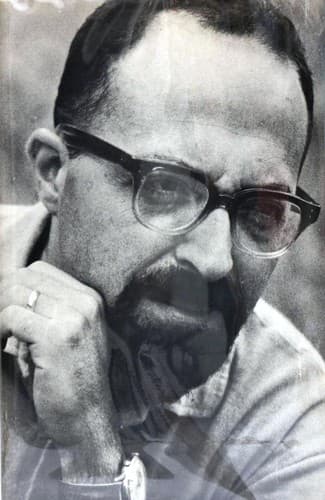
Chaim Potok was an American Jewish novelist and essayist, celebrated for his deeply resonant explorations of faith, tradition, and identity within the Hasidic and Orthodox Jewish communities. His most famous works, including 'The Chosen' and 'The Gift of Asher Lev,' delve into the complex relationships between religious observance and the modern world, often featuring protagonists grappling with artistic ambition and familial expectations. Potok's writing is characterized by its intellectual depth and empathetic portrayal of internal conflict.
Similar books
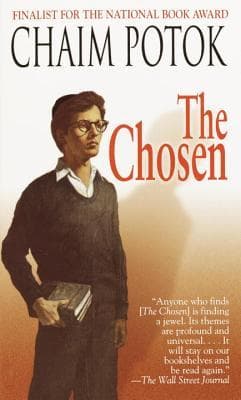
- The Chosen
Chaim Potok
3.9 (253) average on GoodreadsFantasyExplores themes of tradition, friendship, and intellectual conflict within Orthodox Judaism.
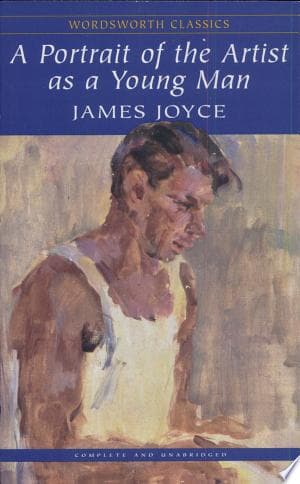
- A Portrait of the Artist as a Young Man
James Joyce
3.6 (128k) average on GoodreadsLiterary FictionA classic bildungsroman about an artist's struggle against religious and societal constraints.
- The Goldfinch
Donna Tartt
3.9 (720k) average on GoodreadsLiterary FictionFeatures a protagonist deeply connected to a single work of art and its profound impact on his life.
- To Kill a Mockingbird
Harper Lee
4.3 (4.5M) average on GoodreadsHistorical FictionIn the 1930s Jim Crow South, Harper Lee writes about racial injustice, moral growth, and the quiet courage of a lawyer father, Atticus Finch, as seen through his young daughter's eyes.
- The Great Gatsby
F. Scott Fitzgerald
3.9 (3.8M) average on GoodreadsHistorical FictionIn the opulent Roaring Twenties, a mysterious millionaire's lavish parties hide his desperate, tragic pursuit of a lost love, exposing the emptiness within the American Dream.
- Pride and Prejudice
Jane Austen
4.3 (3M) average on GoodreadsHistorical FictionIn a society focused on status and money, Elizabeth Bennet navigates love and pride, challenging Mr. Darcy and social expectations to find true affection.




Enjoyed the summary?
A summary gives you the shape of the book. The book itself has the detail, the examples and the voice.
Find My Name Is Asher Lev on AmazonAs an Amazon Associate, BookBrief earns from qualifying purchases. How we're funded