

Synopsis
Covers the whole plot, including the ending.
- Difficulty
- Medium
- Pacing
- Moderate
- Mood
- Somber, Inspiring, Gritty, Hopeful
- Read it if
- You are looking for a powerful and unflinching historical fiction novel about slavery, literacy, and courage, suitable for young adult readers.
- Skip it if
- You prefer books with a lighter tone or are not comfortable with descriptions of violence and the harsh realities of slavery.
Nightjohn Plot Summary
Covers the whole plot, including the ending.
Nightjohn's Arrival and Sarny's Curiosity
Twelve-year-old Sarny, an enslaved girl on the Waller plantation in the pre-Civil War South, tells the story. She cares for the babies in the slave quarters. One day, a new slave named Nightjohn arrives. He has severe scars from whippings and a rope around his neck, showing he was a runaway. Despite his appearance, Sarny notices a quiet dignity about him. The other slaves, especially Delie, are careful around him, fearing he will cause trouble. Sarny, however, is drawn to him and watches him closely, sensing he is different from the other field hands.
The Secret Lesson: Learning 'A'
One night, after work, Nightjohn approaches Sarny. He offers to teach her a letter for a chew of tobacco. Sarny, curious and wanting to learn, agrees. Nightjohn leads her to a secluded spot and scratches the letter 'A' into the dirt with his finger. He explains that knowing letters is forbidden and punishable by having toes or fingers removed, or worse. Despite the danger, Sarny is fascinated and quickly memorizes the shape and sound of 'A', feeling a strong connection to the symbol.
Master Waller Discovers the Secret
Nightjohn continues to teach Sarny letters in secret, always at night. He teaches her 'B', 'C', and 'D'. One night, as Nightjohn teaches Sarny the letter 'D' behind the slave cabins, Master Waller, the cruel owner, finds them. Waller is angry at this defiance, as he believes educated slaves are dangerous. He immediately grabs Nightjohn and drags him away, preparing to make an example of him. The other slaves watch in fear, knowing the severe punishment for such an offense.
Nightjohn's Mutilation and Departure
Master Waller punishes Nightjohn by cutting off two of his toes with a chisel, a terrible act meant to stop any other slave from trying to learn or teach. Nightjohn's screams echo through the night, a reminder of the consequences of literacy. After the mutilation, Nightjohn is left in the slave quarters, bleeding and in pain. Before he is taken away to be sold to another plantation, Nightjohn subtly shows Sarny the letters 'E', 'F', 'G', 'H', 'I', 'J' carved into the soles of his feet, a final act of rebellion and a promise to continue the fight for knowledge.
Sarny Teaches Others and Her Own Punishment
Inspired by Nightjohn's bravery, Sarny begins to teach the other young slaves, including the babies she cares for, the letters she has learned. She uses sticks to draw in the dirt and whispers the sounds, sharing the forbidden knowledge. However, Clell, a trusted house slave, finds out and tells Master Waller. Waller is angry again and confronts Sarny. As punishment, Waller whips Sarny with a leather strap, a brutal and long beating meant to break her spirit and stop the spread of literacy among his slaves. The whipping leaves Sarny scarred and traumatized.
The Return of Nightjohn and a New Purpose
Months after Nightjohn left, and after Sarny's whipping, Nightjohn reappears on the Waller plantation. His return is a shock and a mystery, as he had been sold far away. He is again covered in scars, but his spirit is strong. Nightjohn says he intentionally got himself sold back to the Waller plantation, or at least to a nearby one, to continue teaching slaves to read. He tells Sarny he needs her help, seeing her as a key part of his network. He asks her to join him in his dangerous quest to spread literacy among the enslaved people, saying that knowledge is their only true path to freedom.
The Underground School
Nightjohn and Sarny begin their work, setting up an underground network of literacy. They move from plantation to plantation, often at night, teaching small groups of slaves in secret places. Nightjohn teaches the basics, while Sarny helps with the younger children and reinforces the lessons. They use various methods, like scratching letters on bark or using the stars for shapes. This dangerous work requires extreme caution and trust, as discovery would mean severe punishment or death for all involved. They understand that each letter learned helps empower their people.
Spreading the Word
As years pass, the network grows beyond Nightjohn and Sarny. Those they teach then teach others, creating a chain of forbidden knowledge. Sarny, now older, becomes a leader in this movement, carrying Nightjohn's torch. They develop coded messages and safe routes to communicate and share lessons, always staying ahead of slave patrols and watchful masters. Learning to read becomes a quiet, powerful form of resistance, giving hope and dignity to those who had been denied it. The story ends with Sarny continuing this work, knowing that every letter learned chips away at the chains of slavery.
Nightjohn Characters
Sarny
Protagonist
A twelve-year-old enslaved girl driven by an innate curiosity for knowledge.
Sarny is a young enslaved girl on the Waller plantation, responsible for caring for the babies. She possesses a keen observational eye and an innate curiosity that sets her apart. Despite the brutal realities of her life, she feels an inexplicable pull towards the forbidden act of reading. Her desire to learn is so strong that she risks severe punishment, including a brutal whipping, to acquire knowledge from Nightjohn and then to pass it on to others. She is courageous, resilient, and becomes a vital link in the chain of literacy.
Relationships: Nightjohn (mentor and fellow resistor); Mammy (caretaker and maternal figure); Master Waller (oppressor and enslaver)
Nightjohn
Supporting/Mentor
A runaway slave who returns to teach others to read, despite extreme personal risk.
Nightjohn is a powerful and enigmatic figure. He is a runaway slave who, after gaining his freedom, deliberately returns to the South to teach his people to read, knowing the grave dangers involved. He is scarred both physically and emotionally from his experiences but possesses an unyielding spirit and a deep commitment to empowering his fellow slaves through literacy. He is wise, brave, and willing to endure unimaginable pain for his cause, exemplified by his willingness to have his toes cut off rather than betray the secret of reading. He is Sarny's primary teacher and inspiration.
Relationships: Sarny (mentee and partner in resistance); Master Waller (antagonist and symbol of oppression)
Master Waller
Antagonist
The cruel and oppressive owner of the plantation, vehemently against slave literacy.
Master Waller is the owner of the plantation where Sarny and Nightjohn are enslaved. He is a cruel and brutal man who believes that keeping slaves ignorant is essential for maintaining control and preventing rebellion. He enforces strict rules against reading and writing, punishing any transgression with extreme violence, as seen when he mutilates Nightjohn and whips Sarny. He represents the dehumanizing and oppressive system of slavery, driven by fear and a desire for absolute power over his human property.
Relationships: Sarny (owner and oppressor); Nightjohn (owner and punisher)
Mammy
Supporting
An older, protective slave woman who cares for Sarny and other young children.
Mammy is an older slave woman on the Waller plantation who acts as a maternal figure to Sarny and cares for the younger children in the slave quarters. She is weary from years of slavery and is deeply protective of Sarny, often warning her against anything that could bring trouble. While she understands the desire for knowledge, she is also acutely aware of the dangers and prioritizes Sarny's physical safety above all else. Her fear is born from witnessing the brutal realities of plantation life.
Relationships: Sarny (maternal figure and protector); Delie (fellow slave and confidante)
Delie
Supporting
A fearful slave woman who warns Sarny about the dangers of Nightjohn and literacy.
Delie is another slave woman on the Waller plantation, characterized by her deep fear and caution. She is quick to warn Sarny and others about the dangers that Nightjohn's presence, particularly his forbidden knowledge, might bring to the community. Her fear stems from a lifetime of witnessing the brutal punishments inflicted upon slaves who defy the masters. While her intentions are to protect, her fear often manifests as a desire to avoid any action that could provoke Master Waller's wrath.
Relationships: Sarny (fellow slave, offers warnings); Mammy (fellow slave)
Clell
Supporting
A house slave who betrays Sarny's secret to Master Waller.
Clell is a house slave on the Waller plantation. Unlike the field hands, he works in the master's house and is often seen as having a slightly better, though still enslaved, position. He ultimately betrays Sarny's secret of teaching other children to read to Master Waller. His motivation is likely a mix of fear for his own safety and a desire to maintain his relatively privileged position by appeasing the master, highlighting the complex and often tragic dynamics within the enslaved community under oppression.
Relationships: Sarny (fellow slave, betrayer); Master Waller (servant, informant)
Alice
Mentioned
A young slave girl who Sarny attempts to teach.
Alice is one of the young children on the plantation whom Sarny attempts to teach the letters she has learned. She represents the next generation of enslaved people who Sarny and Nightjohn hope to empower through literacy. Her presence underscores the innocence and vulnerability of the children in the slave quarters, making Sarny's efforts to educate them even more poignant and dangerous.
Relationships: Sarny (student); Mammy (child under her care)
Baby
Mentioned
An unnamed infant cared for by Sarny.
The 'Baby' is a generic term used to refer to the infants Sarny is responsible for caring for. This character represents the constant cycle of birth and slavery, and Sarny's role highlights the burden placed on young enslaved girls to nurture the next generation of forced labor. Sarny's quiet efforts to teach even these infants the letters show her profound commitment to spreading knowledge from the earliest age possible.
Relationships: Sarny (charge)
Nightjohn Themes
The Power of Literacy and Knowledge
The main idea of 'Nightjohn' is how reading changes lives. For enslaved people, reading and writing are not just skills but tools of freedom, hope, and resistance. Master Waller's opposition to slave literacy shows this power, as he fears that an educated slave is a rebellious slave. Nightjohn's brave return to slavery to teach, and Sarny's strong desire to learn, show that knowledge is the best weapon against oppression, offering a path to self-awareness and a connection to a world beyond the plantation. Each letter learned is a step towards freedom, even if only intellectual freedom at first.
“To know things, for us to know things, is bad for them. We get to wanting and when we get to wanting it's bad for them. They thinks we want what they got . . . . That's why they don't want us reading.”
Resistance and Rebellion
The book explores different ways people resisted slavery. Nightjohn's act of returning to teach, despite great personal risk and having escaped before, is a strong act of rebellion. Sarny's efforts to learn and then teach other children, even after being whipped, show a quiet but fierce defiance. These acts are not open armed rebellions but a more hidden, intellectual uprising. By seeking and sharing knowledge, the enslaved characters challenge the foundation of their subjugation, showing their humanity and ability to act despite brutal oppression.
“I didn't know what letters was, not what they meant, but I thought it might be something I wanted to know. To learn.”
Sacrifice and Courage
Sacrifice and courage are important parts of the story. Nightjohn shows this by sacrificing his freedom and enduring mutilation to bring literacy to others. Sarny, a young girl, shows great courage by risking severe punishment to learn and then to teach. Learning or teaching to read under slavery was an act of great bravery, often met with brutal consequences. The characters' willingness to suffer for the good of their community and for knowledge shows the extraordinary courage needed to resist such an inhumane system.
“He knew what they would do to him, he knew it for sure, but he came back anyway. Just to teach us.”
Dehumanization and Resilience
The novel clearly shows how slavery takes away human dignity, through whippings, mutilations, and the denial of basic human rights, including education. Master Waller sees his slaves as property, not people, and their bodies suffer terrible violence. Despite this, the characters, especially Sarny and Nightjohn, show great strength. Their pursuit of knowledge and their determination to help each other defy attempts to strip them of their humanity, showing the lasting strength of the human spirit even under the most oppressive conditions.
“They took away his toes, but they couldn't take away the letters he carried in his head.”
Plot Devices & Literary Techniques
First-Person Narration (Sarny)
Provides an intimate and immediate perspective of slavery through a child's eyes.
The story is told from Sarny's perspective, allowing readers to experience the horrors of slavery and the longing for knowledge directly through her innocent yet increasingly aware eyes. This narrative choice makes the events more personal and impactful, fostering empathy. Sarny's simple, direct language gives authenticity to her experiences and highlights the profound impact of Nightjohn's lessons on her young mind, making the pursuit of literacy a deeply personal and relatable struggle.
Symbolism of Letters and Reading
Letters symbolize freedom, knowledge, and an assertion of humanity.
Letters and the act of reading are powerful symbols throughout the book. They represent not just the ability to decipher words but also freedom, dignity, and a connection to a wider world beyond the plantation. For the enslaved, literacy is the ultimate forbidden fruit, a key to understanding their subjugation and envisioning a different future. The physical act of Nightjohn scratching letters in the dirt or carving them into his feet emphasizes their tangible power and the risks taken for this invaluable knowledge.
The Scars of Nightjohn
Physical scars symbolize the brutality of slavery and the cost of resistance.
Nightjohn's numerous scars, both from his previous escape attempts and the mutilation of his toes, serve as a stark physical manifestation of the brutality of slavery and the severe consequences of defying the system. However, they also symbolize his resilience and unwavering commitment to his cause. His scars tell a story of suffering, but also of survival and an unbroken spirit, making him a living testament to the fight for freedom and knowledge. They are a constant reminder of the high stakes involved.
The Use of Contrast
Highlights the stark differences between oppression and the yearning for freedom.
Paulsen frequently uses contrast to emphasize the harsh realities of slavery against the powerful human spirit. The brutal, uneducated Master Waller is contrasted with the wise, literate Nightjohn. The physical confinement of the plantation is contrasted with the intellectual freedom offered by reading. The fear of the older slaves like Delie is contrasted with Sarny's youthful curiosity and courage. This device effectively underscores the central conflicts and the extraordinary nature of the characters' defiance.
Nightjohn Quotes
“Sarny, what be a word?”
“A word be a sound with a picture, a picture that make you think.”
“It was not a thing to be done lightly, learning to read. It was a thing that could get you killed.”
“I ain't sayin' it's right, but it's what we got. And we gotta live with what we got.”
“He said a word could make you free.”
“Every time he come, it was like a little light come in with him.”
“He didn't just teach us words; he taught us that we was people.”
“They could take your body, but they couldn't take your mind.”
“He was a man who brought light into darkness, and he paid for it with his body.”
“The letters was like little birds flying across the page, and I had to catch them.”
“A secret shared is a secret weakened.”
“He had the knowing in his eyes, the kind of knowing that made him dangerous to the masters.”
“The words was still there, in my mind, and nobody could take them away.”
“And the words, they started to sing to me, a song of things I never knew before.”
Quiz
10 questions on the plot and the characters. Each answer comes with a short explanation.
Question 1
What is Nightjohn's primary motivation for returning to slavery?
- To find his family who were still enslaved on the Waller plantation.
- To exact revenge on the slave owners who had harmed him previously.
- To teach other enslaved people how to read, despite the extreme danger.
- To steal supplies and help others escape to freedom in the North.
Show answer
C. To teach other enslaved people how to read, despite the extreme danger. Nightjohn explicitly states and demonstrates his purpose: to teach reading. He risks dismemberment and re-enslavement to share this knowledge, believing it's crucial for his people.
Question 2
What is the severe punishment for a slave caught reading or writing on the Waller plantation?
- Being sold to a harsher plantation.
- Receiving a severe whipping and reduced food rations.
- Dismemberment, specifically having fingers or a hand cut off.
- Being forced to work in the dangerous conditions of the salt mines.
Show answer
C. Dismemberment, specifically having fingers or a hand cut off. The book clearly states that the penalty for reading is dismemberment, a brutal and terrifying consequence that highlights the stakes of Nightjohn's mission and Sarny's learning.
Question 3
What does Sarny trade with Nightjohn in exchange for reading lessons?
- Extra food she saved from her rations.
- Her precious chewing tobacco.
- Her small, handmade doll.
- Information about the overseer's movements.
Show answer
B. Her precious chewing tobacco. Sarny trades her chewing tobacco, a small but significant personal possession, for the chance to learn how to read. This shows her deep desire for knowledge.
Question 4
Why do the slave owners fear their slaves learning to read?
- They believe it will make the slaves less productive in the fields.
- They fear that educated slaves will demand higher wages for their labor.
- They worry that knowledge will lead to slaves wanting freedom and rebelling.
- They think it will lead to slaves forming secret societies and plotting against them.
Show answer
C. They worry that knowledge will lead to slaves wanting freedom and rebelling. As Nightjohn himself explains, 'To know things, for us to know things, is bad for them. We get to wanting and when we get to wanting it's bad for them. They thinks we want what they got . . . . That's why they don't want us reading.' The fear is a loss of control and potential rebellion.
Question 5
How does Nightjohn initially teach Sarny the alphabet?
- By drawing letters in the dirt with a stick.
- By secretly showing her pages from a Bible.
- By using the backs of the slaves as 'slates' and his finger as a 'pen'.
- By carving letters into small pieces of wood.
Show answer
C. By using the backs of the slaves as 'slates' and his finger as a 'pen'. Nightjohn uses the backs of other slaves during the night as a discreet and practical way to teach Sarny, tracing letters on their skin so she can feel and learn them.
Question 6
What happens to Nightjohn after he is caught teaching Sarny to read?
- He is immediately sold to another plantation far away.
- He is brutally punished by having two of his fingers cut off.
- He manages to escape again before the master can punish him.
- He is forced to watch Sarny be punished instead of himself.
Show answer
B. He is brutally punished by having two of his fingers cut off. Nightjohn suffers the horrific punishment of dismemberment, losing two fingers, but endures it to protect Sarny and continue his mission.
Question 7
What is the significance of Sarny secretly repeating the alphabet after Nightjohn's punishment?
- It shows her defiance and commitment to carrying on Nightjohn's legacy.
- She is trying to get caught to be punished herself, out of guilt.
- She believes if she repeats it, Nightjohn's fingers will grow back.
- She is simply practicing to remember the letters for herself.
Show answer
A. It shows her defiance and commitment to carrying on Nightjohn's legacy. Sarny's act of repeating the alphabet, knowing the danger, is a powerful act of defiance and a promise to Nightjohn that his sacrifice was not in vain. She is determined to continue learning and pass on the knowledge.
Question 8
What is the fate of Mammy, Sarny's caregiver, when she tries to protect Sarny from being punished for learning to read?
- She is sold away from the plantation.
- She is severely beaten and confined.
- She successfully intervenes and both are spared.
- She loses her own fingers in place of Sarny's.
Show answer
A. She is sold away from the plantation. Mammy steps forward to take the blame and punishment for Sarny's reading, but instead of dismemberment, she is sold away, a devastating consequence for both her and Sarny.
Question 9
Which of these themes is most central to 'Nightjohn'?
- The importance of family bonds above all else.
- The transformative power of knowledge and literacy.
- The inevitable triumph of good over evil.
- The futility of resistance against oppression.
Show answer
B. The transformative power of knowledge and literacy. The entire narrative revolves around the profound impact of literacy. Nightjohn risks everything to teach it, and Sarny risks everything to learn it, viewing it as the ultimate path to freedom and empowerment for enslaved people.
Question 10
How does Sarny continue to learn and practice reading after Nightjohn's departure and Mammy's sale?
- She finds old books hidden in the master's house.
- She secretly learns from other literate slaves on the plantation.
- She uses the labels on medicine bottles and other scraps of paper she finds.
- She carves letters into the walls of her cabin at night.
Show answer
C. She uses the labels on medicine bottles and other scraps of paper she finds. Sarny demonstrates incredible resourcefulness and determination by using any written material she can find, such as labels on medicine bottles, to continue her self-education in secret.
Nightjohn FAQ
What is Nightjohn about?
Nightjohn is about a twelve-year-old enslaved girl named Sarny living on the Waller plantation in the 1850s. Her life changes when an escaped slave, Nightjohn, returns to the plantation, risking dismemberment and death, to secretly teach other enslaved people, including Sarny, how to read.
Why should I read Nightjohn?
You should read Nightjohn for its powerful and unflinching portrayal of the brutal realities of slavery, balanced with the inspiring courage and resilience of those who sought knowledge and freedom. It offers a unique perspective on the profound danger and immense value placed on literacy during this dark period of American history.
What is the background/setting of Nightjohn?
The book is set in the 1850s on the Waller plantation, a brutal slave-holding farm in the American South. The historical context is pre-Civil War America, where slavery was legal and widespread, and the act of teaching or learning to read for enslaved people was strictly forbidden and severely punished.
What are the most memorable quotes?
Two memorable quotes highlight the central themes: "To know things, for us to know things, is bad for them. We get to wanting and when we get to wanting it's bad for them." from Nightjohn, explaining the slave owners' fear of educated slaves, and Sarny's thought, "I didn't know what letters was, not what they meant, but I thought it might be something I wanted to know. To learn,", illustrating her innate desire for knowledge.
What writing style does the author use?
Gary Paulsen employs a stark, direct, and often visceral writing style. He uses simple, powerful language to convey the harsh realities and emotional depth of the story, making it accessible while not shying away from the brutality of the subject matter. The narrative is told from Sarny's first-person perspective, adding immediacy and intimacy.
What minor details add significant meaning?
The repeated descriptions of the 'smell' of the plantation, a mix of sweat, fear, and earth, subtly convey the oppressive atmosphere. Also, the importance of the 'quilt' Sarny's mother made, often described as her only comfort, symbolizes the fragments of humanity and familial love that persist amidst dehumanization.
What are some subtle foreshadowing moments?
Early mentions of Nightjohn's scars from previous escape attempts subtly foreshadow the extreme risks he continues to take for literacy. Sarny's initial fascination with the 'marks' on paper, even before knowing they are letters, hints at her innate drive to learn and the deep impact Nightjohn will have on her.
What unexpected character connections exist?
An unexpected connection is between Sarny and Mammy, the older enslaved woman who cared for Sarny. While Mammy initially resists Sarny's attempts to learn, fearing the consequences, her deep love for Sarny and her own hidden grief eventually lead her to protect Sarny's secret, showing a complex bond beyond simple caretaking.
What are unspoken character motivations?
Nightjohn's unspoken motivation for returning to slavery, despite having found freedom, is a profound sense of duty and solidarity with his enslaved brethren. He believes that literacy is the key to true freedom and is willing to sacrifice his own to empower others, driven by a deep conviction beyond mere self-preservation.
What psychological complexities do characters exhibit?
Sarny exhibits the psychological complexity of a child forced to mature rapidly, balancing her naive curiosity with acute awareness of danger. She grapples with the terror of punishment versus the intense yearning for knowledge, demonstrating incredible mental fortitude and a nascent understanding of defiance.
What are the major emotional turning points?
A major emotional turning point is when Sarny witnesses the brutal punishment inflicted upon another enslaved person for attempting to read, solidifying the immense risk but also strengthening her resolve. Another is when Nightjohn sacrifices his own safety to continue teaching, profoundly impacting Sarny's understanding of courage and commitment.
How do relationship dynamics evolve?
The relationship between Sarny and Nightjohn evolves from student-teacher to a deep bond of mutual respect and shared defiance. Initially, Sarny is a curious pupil, but as she witnesses Nightjohn's sacrifices and internalizes his lessons, their connection transforms into one of shared purpose and a legacy of resistance.
Which parts remain ambiguous or open-ended?
The ultimate fate of Sarny and Nightjohn after the climax remains somewhat open-ended. While Nightjohn's immediate actions are clear, the long-term impact of his teaching on the wider enslaved community and Sarny's future beyond the Waller plantation are not explicitly detailed, leaving room for reflection on the ongoing struggle for freedom.
What are controversial scenes or decisions?
One controversial decision is Nightjohn's choice to return to slavery after escaping to freedom. While heroic to many, some might question the practicality or wisdom of such a risky endeavor when his own freedom was secured. The graphic depiction of violence and dismemberment is also controversial for a children's/YA book, though vital for historical accuracy.
Nightjohn ending explained: how it ends & what it means
The book ends with Sarny having learned a significant portion of the alphabet and the ability to read simple words, thanks to Nightjohn's sacrifices. Nightjohn is severely punished for teaching, but his mission is accomplished through Sarny. The ending signifies that while individual acts of defiance come at a great cost, the seeds of knowledge and resistance, once planted, cannot be fully extinguished, offering a glimmer of hope for future generations of enslaved people.
About the author

Gary Paulsen is an American author known for his contributions to young adult literature, particularly in the adventure and survival genres. His notable works include "Hatchet," which follows a boy's struggle for survival in the wilderness, and "The River," a sequel that continues this theme. Other significant titles include "Dogsong," "Harris and Me," "Nightjohn," and "The Transall Saga."
Similar books
- Chains
Laurie Halse Anderson
4.1 (47k) average on GoodreadsChildren'sExplores the experiences of a young enslaved girl during the American Revolution, focusing on her fight for freedom and identity.
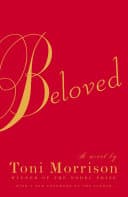
- Beloved
Toni Morrison
3.9 (325k) average on GoodreadsLiterary FictionNightjohn is a young adult novel with a direct narrative style, serving as an introduction to the horrors of slavery. Beloved is an adult literary masterpiece that delves into the profound psychological trauma and spiritual scars of slavery, utilizing complex narrative structures, magical realism, and graphic depictions of violence. Morrison's work offers a much deeper, more challenging, and nuanced exploration of the legacy of slavery and its impact on individuals and generations, making it suitable for a mature audience, whereas Paulsen's is designed for accessibility.
- Harry Potter and the Sorcerer's Stone
J.K. Rowling
4.5 (7M) average on GoodreadsFantasyRescued from a miserable life under the stairs, an orphaned boy discovers he's a wizard destined for a magical school, where he uncovers a dangerous secret tied to the dark wizard who murdered his parents.
- The Hobbit, or There and Back Again
J.R.R. Tolkien
4.3 (2.9M) average on GoodreadsFantasyA comfort-loving hobbit named Bilbo Baggins is whisked away by a mischievous wizard and a band of dwarves on an unexpected journey to reclaim stolen treasure from a fearsome dragon, discovering courage and a magical ring along the way.
- Harry Potter and the Goblet of Fire
J.K. Rowling
4.6 (2.6M) average on GoodreadsFantasyA bewildered Harry Potter, underage and thrust into a deadly Triwizard Tournament, must brave dragons, mermaids, and a resurgent dark magic to survive a year that will forever alter the wizarding world.
- Harry Potter and the Order of the Phoenix
J.K. Rowling
4.5 (2.5M) average on GoodreadsFantasyIn a year of oppressive secrets and the threat of Voldemort, Harry Potter and Dumbledore's Army secretly train for war, shown through Jim Kay and Neil Packer's dark illustrations.





Enjoyed the summary?
A summary gives you the shape of the book. The book itself has the detail, the examples and the voice.
Find Nightjohn on AmazonAs an Amazon Associate, BookBrief earns from qualifying purchases. How we're funded