
Synopsis
Covers the whole plot, including the ending.
- Difficulty
- Easy
- Pacing
- Moderate
- Mood
- Poignant, Reflective, Heartbreaking, Hopeful
- Read it if
- You enjoy poignant historical fiction for young adults that explores themes of memory, trauma, and intergenerational connection, especially stories about the Holocaust.
- Skip it if
- You prefer lighthearted reads or find stories about war and the Holocaust too emotionally challenging.
Now Plot Summary
Covers the whole plot, including the ending.
A Granddaughter's Curiosity and a Grandfather's Silence
The story starts with young Zelda, named after her grandfather Felix's friend, living with him. Zelda is watchful and imaginative. She tries to understand Felix's odd habits and the often dark stories he tells about his past. Felix lives by routines and is very careful, often checking locks and windows, and showing a quiet sadness. Zelda notices he avoids talking directly about his childhood. Instead, he tells stories that suggest great danger and loss. She loves him but wants to know the real history behind his hidden tales and the sadness in his eyes, especially when he talks about World War II.
The Hospital Visit and the Unspoken Truth
Felix gets sick and goes to the hospital, which worries Zelda. During her visits, Zelda meets Anya, an older patient who knows Felix and calls him 'Felix, the story-teller.' Anya's short comments about Felix's past, especially mentioning 'Zelda' in a sad way, make young Zelda more curious. Felix is still quiet or avoids details about his past. Zelda starts to connect his stories, Anya's hints, and the history she learned in school. She senses a sad history Felix has kept from her.
Unraveling Felix's Past Through Storytelling
As Felix gets better, Zelda gently but firmly asks him to tell his real stories, not just the made-up ones. She tells him she is old enough and brave enough to hear the truth. This makes Felix start telling about his Holocaust experiences, beginning with his time in an orphanage, his escape, and his travels through war-torn Europe. He describes the terrible things he saw, losing his parents, and always fighting to survive. He talks about his friendship with the first Zelda, a brave girl, and the tragic way she died, which has bothered him for decades. This truth is hard for them both, but it brings a new level of understanding and closeness to their relationship.
The Story of Zelda and the Farm
Felix tells about his time with Zelda, a young Jewish girl he befriended, and how they worked together to save other Jewish children during the war. He describes how they found safety on a farm run by Mrs. Stanislawa, a kind but careful Polish woman who hid Jewish children. Felix and Zelda took on the dangerous job of moving children from hiding places to the farm. They often used Felix's storytelling to distract German soldiers or calm scared children. Their bond grew stronger through these dangerous missions. Zelda's courage and hope guided Felix. He talks about close calls and the constant fear they lived with, stressing the great responsibility they felt for the children's lives.
The Betrayal and Zelda's Sacrifice
Felix tells the sad events that led to the first Zelda's death. He explains how a local boy, who had been friendly, turned them over to the Nazis. During a raid on the farm, Zelda, in a very brave act, created a distraction so Felix and the other children could escape. She drew the soldiers' attention, leading them away from the hiding place. Felix saw her capture and the tragic end, a memory that has filled him with guilt and sadness since. He says he deeply regrets not being able to save her, and how her death became a key moment in his life, shaping his careful nature and his commitment to protecting others.
Life After Zelda: Survival and Healing
After Zelda's death, Felix kept surviving, carrying his loss. He describes how he eventually found his way to a displaced persons' camp and then to Australia, where he built a new life. He talks about the difficulties of adjusting to peace, the lasting trauma, and the constant struggle to make sense of his past and present. He says the memory of Zelda and the other children he tried to save drove his goal to live a meaningful life. He found comfort in helping others and eventually married, though his past never fully left him. This part of the story helps young Zelda understand her grandfather's quiet strength and his deep capacity for love.
Connecting the Past to the Present
Young Zelda listens closely to Felix's stories, taking in the raw truth of his past. The revelations are painful but needed. They help her understand why Felix acts the way he does—his protective nature, his routines, and his deep sadness. She realizes his stories, though sometimes embellished, were his way of coping and sharing parts of his suffering. This shared honesty greatly strengthens their bond. Zelda, now knowing the full truth, feels a new sense of responsibility and connection to her namesake and the history she carries. She understands that her life comes from Felix's survival and strength, and from the memory of those lost.
A New Understanding and Shared Future
With the truth now known, Felix and young Zelda's relationship grows deeper. Zelda no longer sees her grandfather as just an old man, but as a survivor, a hero, and someone who keeps important memories. Felix finds some peace in finally sharing his burden with someone who truly understands and accepts it. The book ends with hope and continuity. Zelda, now fully aware of her namesake's bravery and her grandfather's past, plans to honor their stories by living her own life with courage and kindness. They face the future together, stronger from their shared history and their family bond.
Principal Figures
Zelda (Granddaughter)
Protagonist
Curious and empathetic granddaughter, seeking to understand her grandfather's past.
Young Zelda is the observant and imaginative narrator of the story, named after her grandfather Felix's best friend. She is deeply devoted to Felix and loves his stories, even as she senses a deeper, unspoken sadness beneath them. Her innocence is gradually replaced by a profound understanding as she uncovers the truth of Felix's past. She is brave, persistent, and empathetic, determined to help Felix confront his trauma and share his history, even if it's painful. Her questions and love drive the narrative.
Relationships: Felix (Granddaughter-grandfather; deep love and understanding); Zelda (original) (Namesake; inspiration and connection to the past)
Felix
Protagonist/Mentor
Holocaust survivor, haunted by his past, slowly revealing his truth.
Felix is young Zelda's grandfather, a quiet and cautious man whose life is shaped by the horrific experiences of his childhood during the Holocaust. He is a master storyteller, initially using embellished tales to shield Zelda from the full brutality of his past, yet these stories also hint at his deep sorrow. He carries immense guilt over the death of the original Zelda and the other children he couldn't save. His love for his granddaughter is evident in his protective nature and his eventual willingness to share his painful memories, finding a measure of healing in the process.
Relationships: Zelda (Granddaughter) (Grandfather-granddaughter; deep love, protectiveness, and eventual shared truth); Zelda (original) (Best friend; deep love, shared survival, and profound loss); Anya (Fellow patient; connection to his past)
Zelda (Original)
Supporting/Posthumous Influence
Felix's brave best friend, whose sacrifice saved others during the Holocaust.
The original Zelda is Felix's best friend from his childhood during the Holocaust, whose memory profoundly impacts Felix and, by extension, his granddaughter. She is portrayed as courageous, optimistic, and fiercely protective of the younger children they tried to save. Her ultimate act of self-sacrifice, diverting Nazi soldiers to allow Felix and others to escape, is the central tragedy that haunts Felix. Though she only appears in Felix's recounted memories, her spirit and bravery are a constant presence, shaping Felix's character and inspiring young Zelda.
Relationships: Felix (Best friend; shared survival, deep bond, and tragic loss); Zelda (Granddaughter) (Namesake; source of inspiration and historical connection)
Anya
Supporting
Elderly hospital patient who recognizes Felix and hints at his past.
Anya is an elderly woman whom young Zelda meets in the hospital while visiting Felix. She appears to be a fellow Holocaust survivor or someone who knew Felix from that period. Her brief, poignant remarks about Felix's past, particularly her knowing reference to 'Felix, the story-teller' and her mention of the name 'Zelda' in a sorrowful context, serve as a crucial catalyst for young Zelda's deeper investigation into her grandfather's history. Anya provides the first external validation that Felix's stories, however fantastical, are rooted in a real and tragic past.
Relationships: Felix (Acquaintance from the past; shared experience of trauma); Zelda (Granddaughter) (Brief interaction; catalyst for her understanding)
Mrs. Stanislawa
Mentioned
Polish farm owner who sheltered Jewish children during the war.
Mrs. Stanislawa is a character from Felix's past, a kind and brave Polish woman who owned a farm and secretly sheltered Jewish children during the Holocaust. Felix recounts her cautious but compassionate nature, highlighting the immense risk she took to protect the children. She represents the 'righteous gentiles' who defied the Nazis and offered sanctuary. Her farm was a temporary haven for Felix and the original Zelda, providing a brief respite from the constant danger, until it was eventually raided.
Relationships: Felix (Protector and benefactor during the war); Zelda (original) (Protector and benefactor during the war)
Themes & Insights
The Power of Storytelling and Truth
The novel shows how stories, both real and made up, shape how we understand and remember. Felix first tells fantasy tales to protect young Zelda from his painful past, but these stories also hint at the truth. Young Zelda's desire for the 'real' stories helps Felix heal and share his full experiences. Telling and listening to the truth, even if painful, becomes a strong act of connection and remembrance. It shows that even fiction can hold deep truths.
“'Stories are like breathing for me, Zelda. If I stop, I'll die.'”
Memory, Trauma, and Healing
The lasting effect of the Holocaust on Felix is a main theme. His careful nature, his habits, and his deep sadness all come from his unresolved suffering. The book gently shows how memories, especially of loss and survival, keep shaping a person decades later. Felix's path to healing is helped by his granddaughter's love and her wish to understand. This shows that facing the past, even late, is important for emotional health and for finding peace.
“'It's like a film in my head, Zelda. I can stop it and start it, but I can never rewind it.'”
Intergenerational Connection and Legacy
The connection between young Zelda and her grandfather Felix is the novel's emotional center. Their relationship shows how historical suffering and strength pass through generations. Young Zelda, named after Felix's lost friend, inherits his memories and keeps his story. Her understanding and acceptance of his past give Felix a sense of closure and make sure the lives and sacrifices of those lost are not forgotten. This creates a lasting legacy of remembrance and love.
“'You're like a piece of my past, Zelda, walking around in the present. You make me remember, but you also make me want to keep going.'”
Courage, Sacrifice, and Resilience
The book highlights the great courage and strength of people, especially children, during the Holocaust. The first Zelda's act of sacrifice to save others, and Felix's strong will to survive and protect, show the human spirit's ability to be brave in terrible situations. Felix's continued life and his efforts to build a family after such suffering show his great strength. This emphasizes the lasting power of hope and the will to live.
“'She wasn't just brave, Zelda. She was the bravest person I ever knew.'”
Plot Devices & Literary Techniques
First-Person Narration (Young Zelda)
Provides an innocent, curious, and empathetic perspective on Felix's past.
The story is primarily narrated by young Zelda, which allows the reader to experience the gradual unveiling of Felix's traumatic past through the eyes of a child. This perspective creates a sense of discovery and empathy, as Zelda's innocent questions and observations prompt Felix to open up. It also allows for a contrast between her present-day, relatively safe world and the horrors of Felix's past, making the historical revelations more impactful and personal.
Embedded Narratives/Stories Within a Story
Felix's recounted memories form a significant portion of the plot, revealing the past.
A major plot device is Felix's storytelling. Initially, he tells embellished or fantastical versions of his past. As the novel progresses, these 'stories within a story' become increasingly truthful and detailed, recounting his experiences during the Holocaust. These embedded narratives are crucial for revealing the historical context, the specific events, and the emotional weight of Felix's trauma, allowing the reader to access the past through his spoken words.
Symbolism of Namesake (Zelda)
The name 'Zelda' connects the past trauma to present hope and legacy.
The fact that young Zelda is named after Felix's best friend, the original Zelda, serves as a powerful symbol. It represents the enduring memory of those lost in the Holocaust and the continuation of life and hope through subsequent generations. The name creates an immediate, profound link between Felix's traumatic past and his present love for his granddaughter, underscoring themes of legacy, remembrance, and the healing power of family connection.
Catalyst (Anya's remarks)
A minor character's words trigger Zelda's deeper quest for truth.
Anya's brief interaction with young Zelda in the hospital, where she recognizes Felix and makes knowing comments about his past and the name 'Zelda,' acts as a crucial catalyst. Prior to this, Zelda's understanding of Felix's past was based on fragments and hints. Anya's words provide an external validation and a direct prompt for Zelda to push for the full truth, moving the plot from subtle curiosity to active investigation.
Now Quotes
“I will not give up. I will not let them win.”
“It's hard to be brave when you're scared, but it's even harder to be brave when you're hungry.”
“Sometimes you have to pretend to be strong even when you're not.”
“I knew what a miracle was. It was when something good happened when you thought only bad things could happen.”
“We're going to be safe now. We're going to be together.”
“The grown-ups were good at making things disappear. Like justice. And fairness. And food.”
“I had to be brave. For Zelda. For myself. For all the people who weren't brave enough.”
“It's not fair. Why do they get to live and we don't?”
“You have to keep going, even when you don't know where you're going.”
“I wanted to be a storyteller. To tell stories about all the good things that happened, even when there were bad things.”
“Love. That was what made people strong. Strong enough to do anything.”
“I promised myself I wouldn't cry. Not in front of Zelda. Not ever.”
“The past is gone. The future isn't here yet. All we have is now.”
“Even in the darkest times, there's always a little bit of light.”
Quiz
10 questions on the plot and the characters. Each answer comes with a short explanation.
Question 1
What is the name of the protagonist and narrator of 'Now'?
- Felix
- Zelda
- Barnaby
- Anna
Show answer
B. Zelda The story 'Now' is narrated by Felix's granddaughter, who is also named Zelda, after Felix's best friend from his childhood during the Holocaust.
Question 2
What is the relationship between the narrator and Felix in 'Now'?
- Felix is her brother
- Felix is her father
- Felix is her grandfather
- Felix is her uncle
Show answer
C. Felix is her grandfather The narrator states, 'At least he's got me. My name is Zelda too.' and the book description confirms she is learning about 'my grandfather Felix's scary childhood.'
Question 3
The book 'Now' explores the impact of which historical event on Felix's life?
- The First World War
- The Great Depression
- The Second World War and the Holocaust
- The Cold War
Show answer
C. The Second World War and the Holocaust The book description explicitly states it is 'Morris Gleitzman's Second World War series' and mentions 'what the Nazis did to his best friend Zelda', clearly indicating the Holocaust.
Question 4
What is the primary reason the new Zelda wants to understand Felix's past actions?
- She is writing a school report on World War II.
- She wants to discover hidden family treasures.
- She wants to understand 'why Felix does the things he does' in the present.
- She is trying to find her lost parents.
Show answer
C. She wants to understand 'why Felix does the things he does' in the present. The synopsis states, 'NOW I understand why Felix does the things he does.' This indicates her motivation is to comprehend his current behavior through the lens of his past experiences.
Question 5
How does the book 'Now' connect to the previous books in the series, 'Once' and 'Then'?
- It features entirely new characters and a different storyline.
- It provides a contemporary perspective on Felix's past, as told by his granddaughter.
- It retells the events of 'Once' and 'Then' from Felix's adult perspective.
- It serves as a prequel, detailing Felix's life before the war.
Show answer
B. It provides a contemporary perspective on Felix's past, as told by his granddaughter. The book is described as 'the third shocking, funny and heartbreaking book in Morris Gleitzman's Second World War series' and highlights the narrator discovering 'my grandfather Felix's scary childhood' and 'what the Nazis did to his best friend Zelda', directly referencing events from the earlier books through a new, present-day lens.
Question 6
What is the significance of the narrator also being named Zelda?
- It is a common family name in Felix's family.
- It signifies a generational connection to Felix's lost best friend from the Holocaust.
- It's a coincidence that has no particular meaning.
- It suggests the narrator is a reincarnation of the original Zelda.
Show answer
B. It signifies a generational connection to Felix's lost best friend from the Holocaust. The text states 'THEN I found out what the Nazis did to his best friend Zelda. NOW I understand why Felix does the things he does. At least he's got me. My name is Zelda too.' This clearly links the new Zelda to the profound impact of the original Zelda's fate on Felix.
Question 7
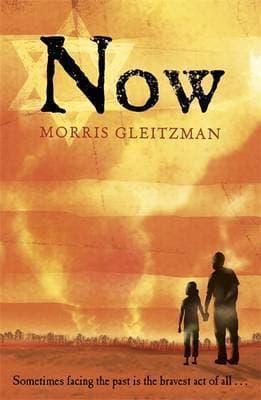
What central theme does the statement 'Sometimes facing the past is the bravest act of all...' introduce for 'Now'?
- The importance of historical research.
- The necessity of confronting traumatic history for healing and understanding.
- The idea that past events should always be forgotten.
- The simple act of remembering is sufficient.
Show answer
B. The necessity of confronting traumatic history for healing and understanding. The phrase 'facing the past' implies an active, often difficult, engagement with history, particularly traumatic history. This aligns with the idea of understanding Felix's present actions by confronting his 'scary childhood' during the Holocaust, suggesting courage is needed for such a confrontation.
Question 8
Why is 'Now' described as 'shocking, funny and heartbreaking' despite its serious subject matter?
- The book completely ignores the serious historical context.
- It likely balances the grim realities of the Holocaust with elements of human resilience, hope, and perhaps the innocent perspective of a child or the quirks of elderly Felix.
- It primarily focuses on comedic relief, downplaying the historical tragedy.
- The humor comes from mocking the historical figures involved.
Show answer
B. It likely balances the grim realities of the Holocaust with elements of human resilience, hope, and perhaps the innocent perspective of a child or the quirks of elderly Felix. Morris Gleitzman is known for injecting humor and hope into very dark subjects, often through the innocent or optimistic perspective of his child protagonists (like Felix in the earlier books). The combination of 'shocking, funny and heartbreaking' suggests a nuanced portrayal that doesn't shy away from tragedy but also finds light in humanity.
Question 9
How does the structure of the series, with titles 'Once', 'Then', and 'Now', reflect the narrative progression and themes?
- Each book is a standalone story unrelated to the others.
- The titles represent a chronological journey from Felix's past experiences to their present-day impact and understanding.
- They indicate different genres for each book in the series.
- The titles refer to different geographical locations where the stories take place.
Show answer
B. The titles represent a chronological journey from Felix's past experiences to their present-day impact and understanding. The titles clearly denote a progression through time: 'Once' for the initial past events, 'Then' for subsequent developments, and 'Now' for the present-day understanding and impact of those past events on Felix and his granddaughter, Zelda.
Question 10
What does the phrase 'I understand why Felix does the things he does' imply about Felix's character in 'Now'?
- Felix has become a completely different person, unrecognisable from his past.
- Felix's current behaviors are deeply shaped and perhaps still haunted by his traumatic childhood experiences during the Holocaust.
- Felix's actions are entirely random and inexplicable without historical context.
- Felix is trying to forget his past and live a completely new life.
Show answer
B. Felix's current behaviors are deeply shaped and perhaps still haunted by his traumatic childhood experiences during the Holocaust. This statement suggests a cause-and-effect relationship between Felix's past trauma and his present behavior. The narrator's journey to understand his 'scary childhood' is precisely to make sense of his current 'things he does', indicating a lasting impact of the Holocaust.
Now FAQ
What is 'Now' about?
'Now' is the third book in Morris Gleitzman's series about Felix, a Jewish orphan's experiences during the Holocaust. It is narrated by Felix's granddaughter, also named Zelda, who recounts her grandfather's past and how it influences his present actions, particularly his reluctance to visit his dying daughter, Zelda's mother.
Why should I read 'Now'?
You should read 'Now' to gain a deeper understanding of the long-term psychological impact of the Holocaust, as seen through the eyes of both a survivor and his empathetic grandchild. It beautifully interweaves past trauma with present-day family dynamics, offering a poignant and ultimately hopeful message about memory, love, and healing.
What is the background/setting of 'Now'?
The book is set in contemporary Australia, where Felix, now an elderly man, lives with his granddaughter Zelda. However, it frequently flashes back to Felix's harrowing experiences as a child during the Holocaust in occupied Poland, particularly his relationship with his best friend, the original Zelda, whose fate profoundly shaped him.
What are the most memorable quotes?
While specific quotes aren't provided in the summary, memorable lines often revolve around Felix's resilience, his enduring love for the original Zelda, and the current Zelda's innocent yet profound observations about her grandfather's past. The narrative style ensures many poignant and thought-provoking statements about trauma and love.
What writing style does the author use?
Morris Gleitzman uses a sensitive, direct, and often heartbreakingly honest writing style, narrated primarily by the young Zelda. Her voice is innocent yet insightful, allowing for complex themes of war and trauma to be approached in an accessible way for young adult readers, balancing sorrow with moments of hope and love.
What minor details add significant meaning?
The repeated name 'Zelda' is a significant detail, linking Felix's past love and trauma to his present-day family. The fact that his granddaughter is named Zelda underscores how deeply his past affects his future, and how memory can be carried forward through generations, influencing relationships and choices.
What are some subtle foreshadowing moments?
Subtle foreshadowing occurs in Felix's initial reluctance to discuss his past and his avoidance of visiting his dying daughter. These hints suggest a deep-seated trauma that will be explored, indicating that the 'why' behind his actions is rooted in the painful history that Zelda (the granddaughter) eventually uncovers.
What unexpected character connections exist?
The most profound unexpected connection is between the two Zeldas – Felix's childhood best friend and his granddaughter. This connection, though separated by time, creates a powerful emotional bridge, allowing the past to directly influence the present and providing a unique perspective on the legacy of trauma.
What are unspoken character motivations?
Felix's unspoken motivation for initially avoiding his dying daughter is likely a combination of grief, a fear of reliving past losses, and perhaps a protective instinct to shield himself from further pain after the immense suffering he endured during the Holocaust, which taught him that love often leads to loss.
What psychological complexities do characters exhibit?
Felix exhibits complex PTSD, survivor's guilt, and a deep-seated fear of attachment and loss, stemming from his childhood experiences. His granddaughter Zelda, on the other hand, shows remarkable empathy and resilience as she grapples with understanding her grandfather's trauma, demonstrating psychological growth beyond her years.
What are the major emotional turning points?
A major emotional turning point is when Zelda (the granddaughter) truly begins to understand the depth of Felix's past trauma and the reasons behind his actions. Another is Felix's eventual decision to confront his past and visit his dying daughter, signifying a step towards healing and reconciliation.
How do relationship dynamics evolve?
The relationship between Felix and his granddaughter Zelda evolves from a typical grandparent-grandchild bond to one of deep understanding and shared emotional burden. Zelda's journey of discovery helps her bridge the gap created by Felix's trauma, leading to a stronger, more empathetic connection.
Which parts remain ambiguous or open-ended?
While the book brings a sense of closure to Felix's internal struggle, the full extent of healing from such profound trauma is inherently ambiguous. The future emotional well-being of Zelda (the granddaughter) as she carries her grandfather's story might be seen as open-ended, suggesting a continuing journey of understanding.
What are controversial scenes or decisions?
Felix's initial reluctance to visit his dying daughter could be seen as a controversial decision, as it challenges traditional expectations of family duty. However, the book frames this not as a lack of love, but as a deeply ingrained psychological defense mechanism born from unimaginable suffering, making it understandable within context.
'Now' ending explained: how it ends & what it means
The book ends with Felix finally visiting his dying daughter, a moment facilitated by Zelda's unwavering love and understanding. This signifies Felix's acceptance of his past and his willingness to embrace love and loss in the present. It means that while trauma leaves lasting scars, connection, empathy, and love can ultimately lead to healing and reconciliation.
About the author

Morris Gleitzman is an Australian author known for his children's and young adult fiction. His notable works include "Then" and its sequel "Now," which explore themes of friendship and resilience against the backdrop of historical events. Gleitzman's writing often addresses complex issues with sensitivity and humor.
Similar books
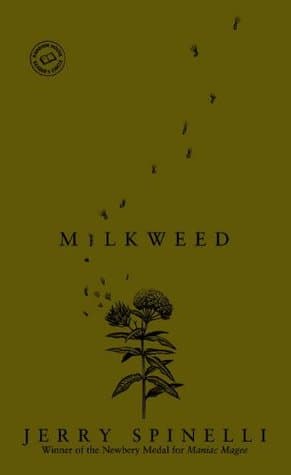
- Milkweed
Jerry Spinelli
4.0 (25k) average on GoodreadsChildren'sFeatures a young protagonist's struggle for survival and identity during the Holocaust.
- The Diary of a Young Girl
Anne Frank
4.2 (2.7M) average on GoodreadsBiographyAnne Frank's diary is a primary source offering an intimate look at hiding during the Holocaust. 'Now,' as historical fiction, delves into the experiences of a child navigating the immediate aftermath of liberation and the subsequent challenges of living with trauma. Gleitzman's work explores the broader landscape of survival and recovery, whereas Frank's focuses on the confinement and fear of discovery.
- Harry Potter and the Sorcerer's Stone
J.K. Rowling
4.5 (7M) average on GoodreadsFantasyRescued from a miserable life under the stairs, an orphaned boy discovers he's a wizard destined for a magical school, where he uncovers a dangerous secret tied to the dark wizard who murdered his parents.
- The Hobbit, or There and Back Again
J.R.R. Tolkien
4.3 (2.9M) average on GoodreadsFantasyA comfort-loving hobbit named Bilbo Baggins is whisked away by a mischievous wizard and a band of dwarves on an unexpected journey to reclaim stolen treasure from a fearsome dragon, discovering courage and a magical ring along the way.
- Harry Potter and the Goblet of Fire
J.K. Rowling
4.6 (2.6M) average on GoodreadsFantasyA bewildered Harry Potter, underage and thrust into a deadly Triwizard Tournament, must brave dragons, mermaids, and a resurgent dark magic to survive a year that will forever alter the wizarding world.
- Harry Potter and the Order of the Phoenix
J.K. Rowling
4.5 (2.5M) average on GoodreadsFantasyIn a year of oppressive secrets and the threat of Voldemort, Harry Potter and Dumbledore's Army secretly train for war, shown through Jim Kay and Neil Packer's dark illustrations.





Enjoyed the summary?
A summary gives you the shape of the book. The book itself has the detail, the examples and the voice.
Find Now on AmazonAs an Amazon Associate, BookBrief earns from qualifying purchases. How we're funded