
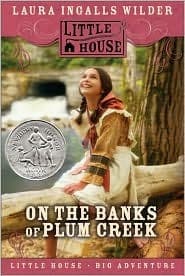
Synopsis
Covers the whole plot, including the ending.
- Difficulty
- Easy
- Pacing
- Moderate
- Mood
- Heartwarming, Resilient, Simple, Challenging
- Read it if
- You enjoy classic children's historical fiction about pioneer life, family bonds, and overcoming challenges.
- Skip it if
- You prefer fast-paced plots with modern sensibilities or are not interested in detailed descriptions of daily life in the 19th century.
On the Banks of Plum Creek Plot Summary
Covers the whole plot, including the ending.
Journey to Plum Creek
The story begins with the Ingalls family—Charles (Pa), Caroline (Ma), Mary, Laura, and baby Carrie—leaving their Kansas home. They pack their belongings into their covered wagon, pulled by Pet and Patty, and begin a long journey west. Pa searches for land he can farm successfully. They cross prairies, facing different landscapes and challenges, including difficult river crossings and unpredictable weather. Laura and Mary enjoy the open road, often riding beside the wagon, watching nature and playing with Jack, their bulldog. Their goal is Minnesota, where Pa hopes to find good land near a town.
The Sod House on Plum Creek
Arriving in Walnut Grove, Minnesota, the Ingalls family finds a small dugout house built into the bank of Plum Creek. This sod house, with its dirt floor and walls, is a new experience for Laura and Mary. Ma makes it as comfortable as possible. They quickly adjust to life by the creek, with Pa working hard to prepare land for their new farm. Laura and Mary spend their days exploring the creek, seeing many fish and the natural beauty. This first home serves them while Pa plans for a more permanent house, showing their ability to adapt.
Building the New House
As soon as he can, Pa begins building a proper house for his family. He cuts trees, hauls lumber from town, and carefully builds a two-room wooden house. This new home is much better than the sod dugout, with a real floor, strong walls, glass windows that let in light, and a hinged door. Laura and Mary are happy with the new house, especially the windows, which let them see outside without going out. Building the house shows Pa's hard work and his wish to provide a stable, comfortable home for his family, despite frontier difficulties.
School Days in Walnut Grove
With the new house built, Laura and Mary start attending school in Walnut Grove. This is an important step for them, as Ma had taught them before. They meet new children, including Nellie Oleson, a wealthy and often snobbish girl who quickly becomes Laura's rival. School introduces them to formal learning, new games, and the challenges of fitting in. Laura, with her lively nature, sometimes struggles with the strict rules and Nellie's teasing, but she also enjoys learning and making new friends. The school shows the growing community life of Walnut Grove.
Adventures on Plum Creek
Life by Plum Creek offers many adventures. Laura and Mary spend hours fishing in the creek, catching minnows and larger fish, which become a valuable part of their food. They explore the banks, watching wildlife and the changing seasons. One time, Laura falls into the creek and almost drowns, showing the dangers and excitement of their outdoor life. These experiences help them become independent and connect deeply with nature. The creek itself becomes important in their daily lives, providing both food and endless fascination for the girls.
Winter Hardships
The first winter in Minnesota is very harsh. Heavy snowfalls and strong blizzards isolate the Ingalls family, making travel impossible. They must save their food and wood, relying on their planning and strength. Pa works hard to keep the house warm and the family safe, often digging tunnels through the snow to reach the barn. Laura and Mary experience the beauty and danger of a real frontier winter, learning the importance of being ready and the warmth of family during hard times. The long, cold months test them but also strengthen their bonds.
The Grasshopper Plague
Just as Pa's first wheat crop is ready, a huge plague of grasshoppers arrives. Millions of insects darken the sky and eat every green plant, including the Ingalls' entire wheat field. This event is a terrible blow to the family; their whole year's work and hopes for the future are gone in days. The children watch in horror as their livelihood disappears. The grasshopper plague forces the family to face severe financial hardship and uncertainty, making their struggle for survival even harder.
Working for Survival
After the grasshopper destruction, the Ingalls family faces severe financial problems. Pa has to leave the farm and find work wherever he can, including cutting hay many miles away. Ma also helps by taking in laundry and sewing. Even Laura and Mary help by twisting hay into 'buffalo chips' for fuel and doing other chores. The whole family works together, showing their strong work ethic and determination to overcome problems. This period highlights the harsh realities of frontier farming and how family members depend on each other in a crisis.
The Second Grasshopper Attack
The next spring, just as the family starts to recover and Pa has planted another crop, the grasshoppers return. This second wave brings renewed despair, as it seems their efforts will again be wasted. The children are especially sad, having seen the previous year's destruction. The constant threat of the grasshoppers shows the unpredictable and often cruel nature of frontier life, where natural disasters can undo years of hard work quickly. This event tests the family's resolve to its limits, making them consider their future in Walnut Grove.
Hope Amidst Hardship
Despite the ongoing hardships, the Ingalls family keeps their spirit. They continue to find joy in simple things: Pa's fiddle music, Ma's stories, and the warmth of their family bonds. They celebrate Christmas, even with small gifts, and value their time together. The grasshoppers eventually lay their eggs and die, leaving the land damaged but signaling an end to the immediate threat. The family stays on their farm, determined to keep going. The book ends with them facing an uncertain future but united in their resilience and love, showing the pioneer spirit.
On the Banks of Plum Creek Characters
Laura Ingalls
Protagonist
A spirited and observant middle child, learning about frontier life.
Laura is the central character, an energetic and curious girl who loves the outdoors and adventure. She is observant, often questioning the world around her, and sometimes impulsive. She enjoys exploring Plum Creek, fishing, and playing with her dog, Jack. Her relationship with her older sister, Mary, is close but also marked by typical sibling rivalry. Laura's personality is defined by her adventurous spirit and her deep connection to nature, often finding beauty and excitement in the simplest things.
Relationships: Charles Ingalls (Pa) (Adoring, shares his adventurous spirit and love for music and nature.); Caroline Ingalls (Ma) (Respectful, sometimes struggles with Ma's more reserved nature but deeply loves her.); Mary Ingalls (Sisterly, a mix of rivalry and deep affection.); Carrie Ingalls (Protective older sister.); Nellie Oleson (Rival, often antagonistic and competitive.)
Charles Ingalls (Pa)
Supporting
The hardworking and optimistic patriarch, a skilled frontiersman and musician.
Pa is the loving and resourceful father, always striving to provide for his family. He is a skilled farmer, hunter, and carpenter, building their homes and working tirelessly. Despite facing numerous setbacks, he remains optimistic and resilient, often lifting the family's spirits with his fiddle music and storytelling. He embodies the pioneering spirit, always looking for new opportunities and facing challenges head-on. His love for his family is his driving force, and he instills in his daughters a love for nature and a strong work ethic.
Relationships: Caroline Ingalls (Ma) (Loving husband, partner in hardship and joy.); Laura Ingalls (Adoring father, shares his adventurous spirit and love for music and nature.); Mary Ingalls (Loving father, proud of her studiousness.); Carrie Ingalls (Tender and protective father.)
Caroline Ingalls (Ma)
Supporting
The calm, practical, and nurturing matriarch, providing stability for the family.
Ma is the steady and nurturing mother, a source of comfort and stability for her family. She is practical, industrious, and possesses a quiet strength. Ma manages the household, cooks, sews, and ensures the children are well-cared for and educated. She often acts as a calming influence on the more impulsive Laura. Despite the hardships of frontier life, Ma maintains a sense of order and grace, making their humble homes feel warm and inviting. Her faith and resilience are cornerstones of the family's ability to endure.
Relationships: Charles Ingalls (Pa) (Loving wife, partner in hardship and joy.); Laura Ingalls (Nurturing mother, guiding her spirited daughter.); Mary Ingalls (Affectionate and proud mother, values her obedience and studiousness.); Carrie Ingalls (Devoted and protective mother.)
Mary Ingalls
Supporting
The older, more reserved and studious sister, often a foil to Laura.
Mary is the older sister, generally more obedient, calm, and studious than Laura. She is often depicted as the 'good' girl, excelling in school and always trying to do the right thing. While she enjoys playing with Laura, she is also more reserved and less prone to mischief. Mary's character provides a contrast to Laura's spirited nature, highlighting different aspects of childhood and upbringing on the frontier. She is a supportive sister, though sometimes a bit prim, and her kindness is a consistent presence in the family.
Relationships: Laura Ingalls (Sisterly, a mix of rivalry and deep affection.); Charles Ingalls (Pa) (Loving daughter, admired for her good behavior.); Caroline Ingalls (Ma) (Affectionate and obedient daughter.)
Carrie Ingalls
Supporting
The youngest Ingalls child, a baby throughout most of the story.
Carrie is the baby of the family, a sweet and endearing presence who brings joy and warmth to the household. While too young to actively participate in most of the family's struggles, her innocence and vulnerability underscore the parents' motivation to provide a safe and stable home. Her needs and well-being are a constant concern for Ma and Pa, especially during times of scarcity. She represents the future and the ongoing cycle of life on the prairie.
Relationships: Charles Ingalls (Pa) (Loving and protective father.); Caroline Ingalls (Ma) (Devoted and protective mother.); Laura Ingalls (Affectionate and protective older sister.); Mary Ingalls (Gentle and protective older sister.)
Jack
Supporting
The family's loyal bulldog, a protector and companion.
Jack is the Ingalls family's faithful bulldog, who travels with them from Kansas to Minnesota. He is a loyal companion, particularly to Laura, and acts as a protector for the family. He is strong, brave, and always alert, providing a sense of security on their journey and at their new home. Jack's presence highlights the close bond between pioneers and their animals, who were not just pets but also vital members of the family, offering protection and companionship in a wild environment.
Relationships: Laura Ingalls (Loyal companion, best friend.); Ingalls Family (Protective and beloved family pet.)
Nellie Oleson
Supporting
A snobbish and teasing schoolmate, representing social class differences.
Nellie Oleson is a girl Laura and Mary meet at school in Walnut Grove. She comes from a wealthier family and often uses her social status to tease and belittle Laura. Nellie is portrayed as snobbish, vain, and manipulative, frequently trying to show off her nicer clothes and possessions. She serves as a foil to Laura's more natural and unpretentious character, highlighting themes of social class and childhood rivalry in the burgeoning frontier town.
Relationships: Laura Ingalls (Rival, often antagonistic and competitive.)
Mr. Edwards
Mentioned
A friendly frontiersman from a previous book, representing continuity.
Mr. Edwards is a friendly and boisterous frontiersman who was a prominent figure in the previous book, 'Little House on the Prairie.' While he doesn't appear physically in 'On the Banks of Plum Creek,' he is mentioned, reminding readers of the family's past adventures and the interconnectedness of their journey. His mention serves to ground the current story within the larger narrative of the 'Little House' series.
Relationships: Ingalls Family (Old friend and fellow pioneer.)
On the Banks of Plum Creek Themes
The Resilience of the Pioneer Spirit
The Ingalls family consistently shows an ability to adapt and keep going through big challenges. From building a sod house to a permanent home, from harsh blizzards to the grasshopper plague, their spirit stays strong. Pa's constant hope, Ma's quiet strength, and the children's ability to find joy in simple things all show this resilience. For example, after grasshoppers destroy their wheat crop, Pa immediately finds other work, and the whole family works together, refusing to give up.
“There was no food in the house, except what Ma could make out of flour. But Pa was cheerful. He said they would get along somehow.”
The Beauty and Harshness of Nature
Nature is a powerful and dual force in the book. Plum Creek is a source of beauty and food, providing fish and a place for the girls to play. The Minnesota prairies offer beautiful scenery. However, nature also brings big challenges: severe blizzards that isolate the family, the danger of the creek, and the grasshopper infestations that repeatedly destroy their crops. This theme shows how pioneers lived closely, often harshly, with their environment, relying on its gifts but vulnerable to its dangers.
“The air was full of grasshoppers. They were everywhere, thick as snowflakes in a blizzard.”
The Importance of Family and Community
At its heart, the story emphasizes the strength and interdependence of the Ingalls family. In hard times, they rely on each other for emotional support, practical help, and companionship. Pa's fiddle music and Ma's stories give comfort, while Laura and Mary learn to help with chores. The new community of Walnut Grove also starts to play a role, with the school offering social interaction and the town providing resources, even if some interactions (like with Nellie Oleson) are difficult. The family unit is shown as the main source of love, security, and persistence.
“They were all together, and that was the main thing. The little house was home, and they were happy in it.”
Childhood and Growing Up on the Frontier
The book clearly shows childhood experiences on the frontier, mainly through Laura's eyes. It captures the wonder of exploring new places, the excitement of going to school for the first time, and the challenges of making friends and dealing with rivals like Nellie Oleson. However, it also shows the responsibilities placed on children, who must help with chores and understand the family's struggles. Laura's journey involves learning about hard work, disappointment, and the realities of adult life, while keeping her childlike curiosity and adventurous spirit.
“Laura loved to run and jump and shout. She loved to feel the wind blowing in her hair, and the sun shining on her face.”
Plot Devices & Literary Techniques
The Journey Motif
The ongoing physical and metaphorical journey of the family.
The story begins with the Ingalls family's physical journey from Kansas to Minnesota, representing their continuous search for a better life and new opportunities. This literal journey sets the stage for their emotional and developmental journey as they encounter new challenges, adapt to new environments, and grow as individuals and as a family. The constant movement and resettlement underscore the transient nature of pioneer life and the family's adaptability, always looking forward to the next horizon.
The Natural Disaster as Catalyst
The grasshopper plague and blizzards as forces driving plot and character development.
Natural disasters, particularly the devastating grasshopper infestations and severe blizzards, serve as major catalysts for the plot. They create immense conflict, directly threatening the family's survival and economic stability. These events force the characters to make difficult decisions, push their resilience to the limit, and highlight their resourcefulness. The grasshopper plague, in particular, is a turning point, plunging the family into deep debt and forcing Pa to seek work far from home, thereby advancing the narrative and deepening the family's struggle.
Pa's Fiddle
A symbol of hope, comfort, and the enduring human spirit.
Pa's fiddle is a recurring motif that symbolizes hope, comfort, and the ability to find joy amidst hardship. Whenever the family faces despair or loneliness, Pa's music lifts their spirits, providing solace and reminding them of beauty and connection. It represents the non-material aspects of life that sustain the human spirit, even when material possessions are scarce or lost. The fiddle's music is a constant, reassuring presence, binding the family together and embodying their enduring optimism.
The Sod House and The Wooden House
Representing temporary adaptation versus permanent settlement and progress.
The two houses the Ingalls family inhabits on Plum Creek—first the temporary sod dugout, then the more permanent wooden house Pa builds—serve as symbolic plot devices. The sod house represents their initial, humble adaptation to the frontier, a raw and immediate solution. The wooden house, with its glass windows and hinged door, symbolizes progress, stability, and Pa's commitment to creating a lasting home. The contrast between the two dwellings highlights the family's journey from bare survival to establishing roots and striving for a more comfortable life.
On the Banks of Plum Creek Quotes
“Suddenly Laura knew what it was. It was a house. The house was a dugout in the bank of Plum Creek.”
“The wolves were all around the house, and Laura could hear them breathing and padding softly on the earth.”
“Laura lay still a long time, listening to the creek. She could hear it gurgling and whispering to itself over the stones.”
“The grasshoppers were coming! They were a cloud, a storm, a living wall of ravenous, jumping, flying horror.”
“Pa's fiddle sang of home and comfort and everything good, and Laura felt warm and safe.”
“It was a wonderful, beautiful day, and Laura was so glad to be alive.”
“The wind was singing a mournful song now, and the prairie grasses bowed and shivered.”
“Ma always said that a penny saved was a penny earned, and Pa always said that money was round and made to roll.”
“Laura looked at the creek and thought how big it was, and how small she was, and how much there was to see and know in the world.”
“They had lost everything to the grasshoppers, but they still had each other.”
“Mary could not see the beautiful colors, but Laura told her all about them.”
“The little house was still there, but it was lonely. No smoke came from the chimney, and the door was shut.”
“She wanted to know all about everything, and she would ask questions and ask questions until Ma or Pa answered her.”
“Pa always said a man could do anything if he just set his mind to it.”
Quiz
10 questions on the plot and the characters. Each answer comes with a short explanation.
Question 1
What kind of house did the Ingalls family first live in when they arrived on the banks of Plum Creek?
- A log cabin
- A sod house
- A frame house
- A covered wagon
Show answer
B. A sod house The family first lived in a sod house, which was built into the bank of Plum Creek, before Pa built a sturdier frame house.
Question 2
What natural disaster devastated the Ingalls' wheat crop in Plum Creek?
- A flood
- A drought
- A grasshopper infestation
- A tornado
Show answer
C. A grasshopper infestation A massive grasshopper infestation devoured their entire wheat crop, leading to significant hardship for the family.
Question 3
What musical instrument does Pa play to entertain the family?
- A harmonica
- A banjo
- A fiddle
- A guitar
Show answer
C. A fiddle Pa's fiddle is a recurring comfort and source of entertainment for the family, often lulling them to sleep.
Question 4
What significant improvement did Pa make to their second house on Plum Creek compared to the sod house?
- It had an indoor well
- It had real glass windows and a hinged door
- It had a stone fireplace
- It was two stories tall
Show answer
B. It had real glass windows and a hinged door The description highlights that Pa built a sturdier house with 'real glass windows and a hinged door,' which were significant upgrades from the sod house.
Question 5
What chore do Laura and Mary often do related to Plum Creek?
- Washing clothes in the creek
- Fetching water from the creek
- Fishing in the creek
- Building dams in the creek
Show answer
C. Fishing in the creek The summary explicitly states that Laura and Mary 'fish in the creek' as one of their activities.
Question 6
What is a central theme explored through the Ingalls family's experiences with the grasshopper infestation and blizzard?
- The importance of formal education
- The challenges and resilience of frontier life
- The joy of childhood games
- The impact of industrialization on rural areas
Show answer
B. The challenges and resilience of frontier life The struggles with natural disasters like the blizzard and grasshoppers, and the family's need to 'work harder than ever to overcome these challenges,' highlight the theme of resilience in the face of frontier hardships.
Question 7
Before moving to Plum Creek, where did the Ingalls family live, according to the book's context?
- In a big city
- In their little house on the prairie
- In a mountain cabin
- On a large farm in the east
Show answer
B. In their little house on the prairie The introductory text states, 'The adventures of Laura Ingalls and her family continue as they leave their little house on the prairie and travel in their covered wagon to Minnesota.'
Question 8
What specific state do the Ingalls family travel to after leaving the prairie?
- Kansas
- Wisconsin
- Minnesota
- Iowa
Show answer
C. Minnesota The summary clearly states they 'travel in their covered wagon to Minnesota' to settle on Plum Creek.
Question 9
How does the narrative convey the family's adaptation and progress in their new home on Plum Creek?
- By detailing their constant desire to move further west
- By showing them building a more permanent, sturdier house after the initial sod house
- By focusing solely on the challenges without any improvements
- By having them immediately hire help for farm work
Show answer
B. By showing them building a more permanent, sturdier house after the initial sod house The progression from a temporary sod house to Pa building 'a sturdier house, with real glass windows and a hinged door' symbolizes their establishment and improvement in their new environment.
Question 10
Beyond the physical challenges, what does the recurring mention of Pa's fiddle playing signify for the family?
- His primary source of income
- A symbol of comfort, tradition, and emotional resilience amidst hardships
- His desire to become a professional musician
- A way to communicate with distant neighbors
Show answer
B. A symbol of comfort, tradition, and emotional resilience amidst hardships Pa's fiddle 'lulls them all to sleep' and provides a consistent source of joy and peace, indicating its role as a symbol of comfort and emotional strength in their challenging lives.
On the Banks of Plum Creek FAQ
What prompts the Ingalls family to leave their 'little house on the prairie' and move to Minnesota?
The Ingalls family moves to Minnesota seeking better opportunities and a more stable life, particularly for farming. Pa hears of good land and prospects for wheat farming near Walnut Grove, leading them to leave their unsettled prairie life behind in search of a permanent home.
Describe the Ingalls family's first home upon arriving in Minnesota on the banks of Plum Creek.
Their first home is a dugout, a simple dwelling carved into the bank of Plum Creek with a sod roof. It's primitive but offers immediate shelter, providing a temporary solution until Pa can build a more substantial house for the family.
What is the significance of the 'big rock' to Laura and Mary?
The 'big rock' is a significant landmark and play area for Laura and Mary, serving as a lookout point and a place for imaginative games. It symbolizes their connection to the natural environment and their joy in simple pleasures, often marking their exploration of the creek and surrounding land.
How do Laura and Mary contribute to the family's daily life and chores?
Laura and Mary contribute by helping with various chores, including washing dishes, gathering eggs, fetching water, and assisting Ma with cooking and cleaning. They also enjoy fishing in Plum Creek, which sometimes provides food for the family, demonstrating their active role in the household.
What major natural disasters challenge the Ingalls family during their time by Plum Creek?
The Ingalls family faces two major natural disasters: a severe blizzard that isolates them and threatens their survival, and a devastating grasshopper infestation. The grasshoppers utterly destroy their wheat crop for several seasons, plunging the family into extreme poverty and hardship.
What specific detail about the dugout house causes Laura significant distress?
Laura is particularly distressed by the presence of a snake living in the dugout's sod roof, which she observes hanging down and sometimes even falling. This detail highlights the raw, untamed nature of their early dwelling and Laura's youthful fears of the unknown.
How does Pa's purchase of the land for their claim connect to future struggles?
Pa's purchase of the land on credit, specifically for a large wheat crop, directly leads to their immense financial struggles when the grasshoppers destroy multiple harvests. This detail foreshadows the precariousness of their situation and the risks inherent in frontier farming.
What small, seemingly insignificant gift from Ma brings Laura immense joy and comfort after the grasshopper plague?
After the grasshopper plague, Ma gives Laura and Mary each a small, store-bought candy cane for Christmas, a rare and precious treat. This simple gift, despite their poverty, provides a moment of immense joy and reminds the girls of enduring love and hope amidst hardship.
How does the school experience in Walnut Grove differ from Laura's previous learning?
The school in Walnut Grove is Laura's first formal schooling experience, introducing her to a structured classroom environment with a teacher and other children. This contrasts sharply with her previous learning, which was primarily informal instruction from Ma at home, marking a significant step in her social and intellectual development.
How does Laura's relationship with Nellie Oleson reflect early lessons in social hierarchy and fairness?
Laura's interactions with Nellie Oleson introduce her to concepts of social hierarchy, snobbery, and unfairness, as Nellie often attempts to assert superiority and tease Laura and Mary. These encounters teach Laura about navigating different personalities and standing up for herself, even against wealthier peers.
Analyze Pa's resilience and emotional state during the grasshopper plague.
Pa displays immense resilience and determination during the grasshopper plague, constantly seeking work and solutions despite repeated setbacks. While he maintains a brave face for his family, the underlying stress and despair are evident in his weary demeanor and the desperate measures he takes, such as traveling far for work, showcasing his immense paternal responsibility.
How does Mary's personality differ from Laura's, particularly in their responses to hardship?
Mary is generally more reserved, compliant, and studious than Laura, often finding solace in her books and maintaining a calm demeanor. In hardship, Mary tends to be more stoic and patient, whereas Laura often expresses her frustrations and joys more openly, reflecting their distinct coping mechanisms.
What psychological impact might the continuous cycle of building and losing homes have on Laura?
The continuous cycle of building and losing homes likely instilled in Laura a sense of impermanence and the need for adaptability, while also fostering a deep appreciation for any stable dwelling. It could have also contributed to her strong desire for a permanent home later in life, shaping her values of security and belonging.
Discuss the symbolic meaning of Pa's fiddle in the context of the family's struggles.
Pa's fiddle symbolizes hope, comfort, and the enduring spirit of the family amidst their struggles. Its music provides emotional solace, a connection to their past, and a momentary escape from hardship, reminding them of beauty and togetherness even when facing extreme poverty and despair.
Is the Ingalls family's decision to stay after the first grasshopper crop destruction admirable or foolish?
This is debatable. While some might see it as foolish given the immediate devastation, it's also admirable, reflecting their deep commitment to the land they'd invested in and their pioneering spirit. They believed in the land's potential and held onto hope for a better harvest, a common frontier mentality.
How does the book portray the balance between the beauty of nature and its harsh realities?
The book masterfully portrays nature's duality: the serene beauty of Plum Creek, abundant wild flowers, and starry nights are contrasted with the brutal realities of blizzards, droughts, and devastating grasshopper plagues. This balance emphasizes both the wonder and the unforgiving power of the natural world on the frontier.
What does the episode of Laura and Mary going to school for the first time reveal about frontier education?
The episode reveals that frontier education was often basic, sometimes irregular, and involved children of various ages in a single classroom. It highlights the importance families placed on learning despite the challenges, and the social aspect of school as a rare gathering place for children.
To what extent does 'On the Banks of Plum Creek' prepare readers for the later, more challenging events in the Ingalls' lives?
'On the Banks of Plum Creek' serves as a crucial foundation, introducing the theme of resilience against severe natural disasters and financial hardship, like the grasshopper plague. It prepares readers for future struggles by establishing the family's deep interdependence and their unwavering spirit in the face of adversity, foreshadowing even greater challenges.
About the author
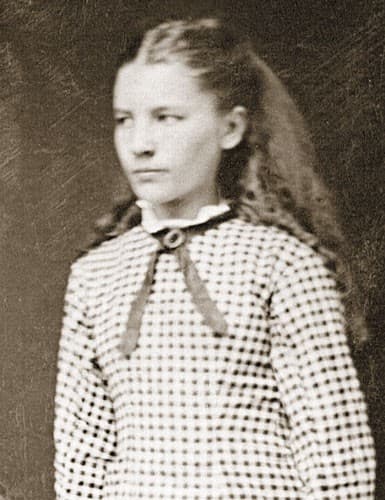
Laura Elizabeth Ingalls Wilder was an American writer. The Little House on the Prairie series of children's books, published between 1932 and 1943, were based on her childhood in a settler and pioneer family.
Similar books
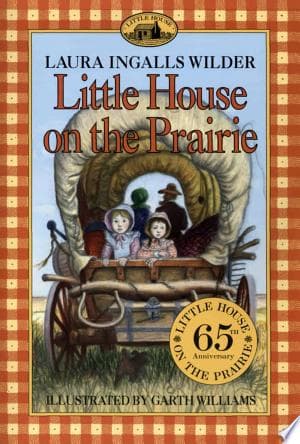
- Little House on the Prairie
Laura Ingalls Wilder
4.2 (256k) average on GoodreadsChildren'sContinues the narrative of the Ingalls family's pioneer life.
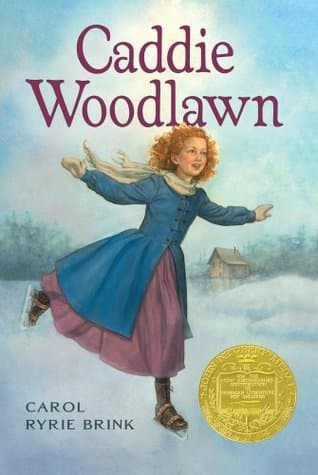
- Caddie Woodlawn
Carol Ryrie Brink
4.0 (48k) average on GoodreadsChildren'sFeatures a spirited girl growing up on the American frontier with a focus on family and adventure.
- Harry Potter and the Sorcerer's Stone
J.K. Rowling
4.5 (7M) average on GoodreadsFantasyRescued from a miserable life under the stairs, an orphaned boy discovers he's a wizard destined for a magical school, where he uncovers a dangerous secret tied to the dark wizard who murdered his parents.
- The Hobbit, or There and Back Again
J.R.R. Tolkien
4.3 (2.9M) average on GoodreadsFantasyA comfort-loving hobbit named Bilbo Baggins is whisked away by a mischievous wizard and a band of dwarves on an unexpected journey to reclaim stolen treasure from a fearsome dragon, discovering courage and a magical ring along the way.
- Harry Potter and the Goblet of Fire
J.K. Rowling
4.6 (2.6M) average on GoodreadsFantasyA bewildered Harry Potter, underage and thrust into a deadly Triwizard Tournament, must brave dragons, mermaids, and a resurgent dark magic to survive a year that will forever alter the wizarding world.
- Harry Potter and the Order of the Phoenix
J.K. Rowling
4.5 (2.5M) average on GoodreadsFantasyIn a year of oppressive secrets and the threat of Voldemort, Harry Potter and Dumbledore's Army secretly train for war, shown through Jim Kay and Neil Packer's dark illustrations.




Enjoyed the summary?
A summary gives you the shape of the book. The book itself has the detail, the examples and the voice.
Find On the Banks of Plum Creek on AmazonAs an Amazon Associate, BookBrief earns from qualifying purchases. How we're funded