
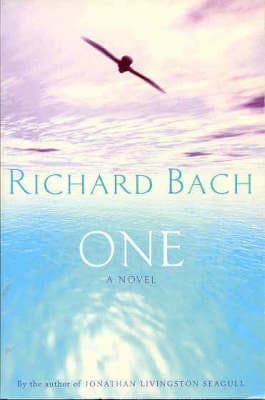
Synopsis
Covers the whole plot, including the ending.
- Difficulty
- Medium
- Pacing
- Moderate
- Mood
- Thought-provoking, introspective, hopeful, fantastical
One Plot Summary
Covers the whole plot, including the ending.
The First Dive
Richard and Leslie, a married couple and experienced pilots, are flying their vintage biplane, a familiar and cherished routine. During their flight, they experience a sudden, unexplained shift in reality. The world around them does not change dramatically, but they feel an internal displacement, as if their consciousness has been subtly altered or transported. This initial shift is disorienting but not immediately frightening, more a sense of profound strangeness. They land their plane, puzzled by the sensation, only to find themselves observing a familiar scene from a new, detached perspective. This is their first unwitting entry into the multiverse, a journey started without their conscious intent or understanding.
The Unmarried Selves
Their first significant 'otherworld' encounter brings them face-to-face with Richard and Leslie from sixteen years prior, on the day they first met in their 'prime' reality. However, in this alternate timeline, their past selves do not marry. Richard observes his younger self as a struggling writer, still burdened by self-doubt and financial worries, while Leslie is an unfulfilled woman, pursuing a different career path. They witness the missed connection, the potential happiness never realized in this version of their lives. This encounter is poignant, showing how fragile destiny is and how much impact seemingly small choices have, making them reflect on the moments that shaped their own union.
A World of Regret
As Richard and Leslie continue to observe their unmarried counterparts, they see the long-term effects of their separation. This alternate Richard is bitter and isolated, his writing career stagnating, his spirit diminished. The alternate Leslie, though successful in her chosen field, carries a quiet sadness, a sense of something missing from her life. Their lives, while not catastrophic, lack the joy, inspiration, and deep connection that defines the prime Richard and Leslie's marriage. This observation is a stark warning and a powerful affirmation of their own bond, showing the impact of love and partnership on individual well-being and creative fulfillment. It suggests that certain connections are essential for one's true potential.
The Warring World
The couple then finds themselves in an alternate reality where humanity is locked in global warfare. This world has constant conflict, fear, and a deep distrust between nations and individuals. They witness the devastating results of unchecked aggression and the absence of empathy, seeing how human potential is wasted in destruction. This reality is a stark contrast to their own, showing the extreme outcomes possible when humanity fails to cooperate and understand. It forces them to confront the darker aspects of human nature and the importance of choosing peace over conflict, both globally and in individual lives.
The World of Pure Spirit
In a significant shift, Richard and Leslie arrive in a reality inhabited by beings of spirit and thought. These entities exist without physical bodies, communicating through telepathy and experiencing reality on an energetic level. This world is without the material concerns and limitations of their own, offering a glimpse into a higher state of existence. They learn about the interconnectedness of all consciousness and the potential for evolution beyond the physical form. This experience expands their understanding of existence and challenges their ideas about life and death, suggesting that consciousness is not bound by physical limits.
The World of Endless Possibilities
They journey through a reality where every choice, no matter how small, branches into a new, distinct timeline. This world is a kaleidoscope of infinite possibilities, demonstrating how even a fleeting thought or an unmade decision can manifest into a separate existence. They see countless versions of themselves, each living out a slightly different permutation of their lives. This experience highlights the power of individual agency and the complex nature of the multiverse, where every 'what if' is a tangible reality. It reinforces the idea that life is a continuous series of choices, each shaping a unique destiny.
The Guiding Presence
Throughout their journey, Richard and Leslie occasionally encounter a guiding presence, a wise and enigmatic figure who offers cryptic clues and insights into the nature of their travels and the multiverse itself. This mentor helps them process the overwhelming experiences and understand the underlying principles of quantum reality. This figure is not a physical being but rather a manifestation of universal wisdom, appearing in various forms or as a disembodied voice. The mentor encourages them to embrace their experiences, learn from each encounter, and recognize their own power as creators of their reality, urging them to look beyond linear time and conventional understanding.
The Lessons of Self-Acceptance
In several alternate realities, Richard and Leslie confront versions of themselves that embody their fears, regrets, and unfulfilled potentials. They encounter a Richard consumed by fear of failure, an artist who never pursued his passion, or a Leslie who never found her voice. These encounters are challenging but ultimately liberating, forcing them to acknowledge and integrate their own shadows. By witnessing these other selves, they gain a deeper understanding of their own vulnerabilities and the importance of self-acceptance, forgiveness, and courage in pursuing their true paths. It is an exercise in empathy for their own past and potential future selves.
The Interconnectedness of All Selves
As their journey progresses, Richard and Leslie begin to understand that despite the vast differences between the alternate realities and their many selves, there is an underlying unity. They realize that all these 'selves' are facets of a larger, singular consciousness, like different expressions of the same soul. This realization transcends the concept of individual identity and embraces the interconnectedness of all existence. It shifts their perspective from merely observing different lives to understanding that they are, in essence, experiencing different aspects of their own infinite self, breaking down the illusion of separation and creating a sense of universal belonging.
The Return to Prime
After countless journeys through the multiverse, having witnessed the breadth of human experience and the boundless nature of reality, Richard and Leslie find themselves returning to their prime reality. The transition is as subtle and unexpected as their departure. They land their plane, the same plane from which they started, but they are transformed. The world around them appears the same, but their perception of it has been irrevocably altered. They carry with them the wisdom, insights, and expanded consciousness gained from their travels, seeing their own lives and relationship with a new depth of appreciation and understanding, forever changed by their odyssey.
Living the Lessons
Back in their prime reality, Richard and Leslie consciously begin to integrate the lessons learned from their multi-dimensional journey. Their relationship is deepened, their understanding of love and commitment enriched by witnessing the alternatives. They approach life with a renewed sense of purpose, gratitude, and an expanded perspective on the nature of reality. The experience has not just been a fantastical adventure, but a catalyst for personal and spiritual growth, enabling them to live more fully, lovingly, and consciously, embodying the understanding that every choice matters and that their own reality is a continuous creation.
Principal Figures
Richard Bach
Protagonist
The adventurous pilot and introspective writer.
Richard is an experienced pilot, a writer, and a deeply philosophical individual. He is curious, open-minded, and initially bewildered by the quantum shifts in reality. He grapples with the implications of seeing alternate versions of himself, particularly those where he is unfulfilled or unhappy. His journey is one of profound self-discovery, confronting his own doubts and appreciating the choices that led to his current happiness. He is the primary narrator, providing an internal monologue that guides the reader through the complex concepts of the multiverse.
Relationships: Leslie Parrish-Bach (Wife and co-traveler); Alternate Selves (Reflections and lessons)
Leslie Parrish-Bach
Protagonist
Richard's wife, pilot, and spiritual companion.
Leslie is Richard's wife and flying partner, equally adventurous and spiritually attuned. She is often the more grounded and emotionally perceptive of the two, offering balance to Richard's sometimes abstract musings. Her reactions to the alternate realities are deeply empathetic, especially when witnessing her own unfulfilled selves. She is a vital anchor for Richard, and their shared journey strengthens their already profound bond. Her insights often help to clarify the complex experiences they undergo, and she acts as a mirror for Richard's own reflections.
Relationships: Richard Bach (Husband and co-traveler); Alternate Selves (Reflections and lessons)
The Unmarried Richard (Alternate)
Supporting
A version of Richard who never found love and fulfillment.
This alternate version of Richard is a stark contrast to the prime protagonist. He is a writer, but one burdened by regret, bitterness, and a sense of unfulfilled potential. He never married Leslie, and his life lacks the joy, inspiration, and deep connection that defines the prime Richard's existence. He serves as a cautionary tale, demonstrating the profound impact of missed opportunities and the absence of a vital partnership. His presence highlights the value of the prime Richard's choices and the happiness he found.
Relationships: Unmarried Leslie (Alternate) (Acquaintance, missed connection); Richard Bach (Prime) (Observing self)
The Unmarried Leslie (Alternate)
Supporting
A successful but unfulfilled version of Leslie.
This alternate Leslie is a successful individual in her chosen career, but she carries a quiet sadness and a palpable sense of something essential missing from her life. She did not marry Richard, and despite her outward achievements, her spirit is not as vibrant or joyful as her prime counterpart. Like the unmarried Richard, she serves to underscore the profound importance of their union in the prime reality. Her subtle melancholy emphasizes that material success alone cannot compensate for the absence of deep, spiritual connection.
Relationships: Unmarried Richard (Alternate) (Acquaintance, missed connection); Leslie Parrish-Bach (Prime) (Observing self)
The Guiding Presence
Supporting
An enigmatic mentor who offers wisdom and insight.
The Guiding Presence is a mysterious and wise entity that appears to Richard and Leslie in various forms or as a disembodied voice throughout their journey. This figure serves as a mentor, offering profound insights into the nature of the multiverse, the power of choice, and the interconnectedness of all consciousness. It helps them process their experiences, understand the underlying principles of quantum reality, and encourages them to embrace their own power as co-creators of their reality. The presence is a manifestation of universal wisdom, not a specific character.
Relationships: Richard Bach (Mentor/Student); Leslie Parrish-Bach (Mentor/Student)
The Warring Selves (Alternate)
Supporting
Versions of humanity consumed by conflict.
These are not specific individuals but rather collective manifestations of humanity in a reality defined by perpetual warfare and division. They represent the extreme consequences of unchecked aggression, fear, and a lack of empathy. Richard and Leslie observe these selves to understand the devastating potential of human nature when it deviates from cooperation and understanding. This collective 'character' serves as a powerful cautionary example of what could be, highlighting the critical importance of conscious choices towards peace and unity.
The Spiritual Selves (Alternate)
Supporting
Beings of pure thought and energy.
These are non-physical entities residing in a reality of pure spirit and consciousness. They communicate telepathically and exist beyond the limitations of the material world. Richard and Leslie encounter them to gain a broader perspective on existence, learning about the interconnectedness of all consciousness and the potential for evolution beyond the physical form. These 'selves' challenge conventional understandings of life, death, and identity, offering a glimpse into higher states of being and the boundless nature of the soul. They are a collective representation of advanced consciousness.
Themes & Insights
The Power of Choice and Consequence
The novel explores how every choice, no matter how small, branches into an infinite number of alternate realities and dictates the course of one's life. By witnessing their own lives unfold differently based on a single decision (their marriage), Richard and Leslie gain a deep understanding of the weight and impact of their actions. The book emphasizes that while there are countless possibilities, conscious choices are important in shaping one's happiness, fulfillment, and spiritual growth. It is about free will and the idea that we are continuously creating our own reality.
“Every decision we make, every thought we think, every word we speak, every action we take, is creating a new future.”
The Nature of Reality and the Multiverse
At its core, 'One' explores the philosophical and quantum mechanical concept of the multiverse, where infinite realities exist simultaneously. Richard and Leslie's journey is a direct experience of this concept, challenging conventional linear perceptions of time and space. The book suggests that reality is far more fluid and expansive than typically understood, with consciousness playing a key role in its manifestation. It invites readers to consider that their own reality is just one of many, and that their 'self' is a much larger, more interconnected entity than they perceive.
“There are no accidents. There is only one life, and it is happening in all places at once.”
The Importance of Love and Connection
A central theme is the transformative power of love, particularly the deep, spiritual connection between Richard and Leslie. Their encounters with alternate selves who never married show the impact of their union on their individual happiness and creative potential. The novel highlights that true love is not merely an emotion but a fundamental force that elevates, inspires, and completes individuals, enabling them to reach their highest selves. It suggests that finding and nurturing such a connection is one of life's most significant achievements.
“Love does not dominate; it cultivates.”
Self-Discovery and Spiritual Growth
The entire journey through the multiverse is a process of self-discovery for both Richard and Leslie. By observing countless versions of themselves—fulfilled, unfulfilled, warring, spiritual—they gain insight into their own potential, fears, and true nature. This external exploration leads to deep internal growth, challenging their ego-bound identities and expanding their understanding of their own souls. The book states that true growth comes from confronting all aspects of oneself, both light and shadow, and embracing the interconnectedness of all existence.
“We are not our bodies, we are not our minds. We are spirit, and we are eternal.”
Plot Devices & Literary Techniques
Quantum Leap/Multiverse Travel
The mechanism for traversing alternate realities.
This is the primary plot device that propels Richard and Leslie's journey. It's an unexplained, seemingly spontaneous shift in their consciousness that allows them to experience alternate versions of reality. This isn't travel in a physical sense but a mental or spiritual translocation. It serves to illustrate the book's core philosophical premise about the existence of infinite parallel universes and the fluidity of reality, without needing complex scientific explanations. It's a magical realism element that enables the exploration of 'what if' scenarios.
Doppelgängers/Alternate Selves
Manifestations of characters in other realities.
The repeated encounters with alternate versions of themselves (and other people) are a crucial device. These doppelgängers are not merely different people; they are the same fundamental consciousness having made different choices. This allows Richard and Leslie to directly observe the consequences of different life paths, fostering empathy, self-reflection, and a deeper appreciation for their own choices. It personalizes the abstract concept of the multiverse, making the lessons tangible and emotionally resonant for the protagonists and the reader.
The Guiding Presence
An enigmatic mentor figure.
This device introduces a wise, often disembodied, entity that provides context, philosophical insights, and subtle direction to Richard and Leslie. The Guiding Presence acts as a narrative voice of universal wisdom, helping to interpret the complex experiences and reinforce the book's spiritual themes. It prevents the protagonists (and the reader) from getting lost in the sheer strangeness of the multiverse, offering a framework for understanding and integrating the profound lessons learned during their journey.
Quiz
10 questions on the plot and the characters. Each answer comes with a short explanation.
Question 1
What is the central theme explored in Richard Bach's 'One'?
- The challenges of interstellar travel.
- The impact of historical events on personal lives.
- The exploration of alternate realities and simultaneous existences.
- The intricacies of scientific discovery and invention.
Show answer
C. The exploration of alternate realities and simultaneous existences. The book's premise involves being catapulted into an alternate world where they exist in multiple incarnations, directly exploring the concept of alternate realities.
Question 2
According to the description, what is the primary catalyst for the characters' journey into an alternate world?
- A scientific experiment gone wrong.
- A mystical encounter with an ancient artifact.
- The influence of quantum physics.
- A profound spiritual awakening.
Show answer
C. The influence of quantum physics. The text explicitly states, 'Under the spell of quantum physics, Bach and his wife Leslie are catapulted into an alternate world.'
Question 3
In the alternate world, the characters encounter themselves as they were on what significant day?
- The day they decided to get married.
- The day they first met.
- The day they published their first book.
- The day they moved to a new city.
Show answer
B. The day they first met. The description mentions, 'First they encounter themselves as they were 16 years ago on the day they first met.'
Question 4
What is a key difference noted between the characters' real union and their alternate, un-married selves?
- The alternate selves are much wealthier.
- The alternate selves have achieved greater fame.
- The alternate selves do not achieve the same happiness.
- The alternate selves have pursued different career paths.
Show answer
C. The alternate selves do not achieve the same happiness. The text contrasts their real union's happiness with the alternate selves who 'do not marry, and never achieve the happiness Bach assures us that their real union has produced.'
Question 5
The description suggests that Richard Bach's writing in 'One' is characterized by:
- A focus on gritty realism and social commentary.
- A reliance on traditional narrative structures.
- Inventive imagination and inspirational zeal.
- A detached, scientific tone.
Show answer
C. Inventive imagination and inspirational zeal. The text states, 'Bach once again displays an inventive imagination and inspirational zeal that will have readers examining their own lives.'
Question 6
What is the intended effect of the book on its readers, as suggested by the description?
- To provide a historical account of quantum physics.
- To encourage readers to question their own life choices and experiences.
- To offer a guide to navigating alternate dimensions.
- To demonstrate the limitations of scientific theories.
Show answer
B. To encourage readers to question their own life choices and experiences. The description concludes, '...inspirational zeal that will have readers examining their own lives.'
Question 7
The genre of 'One' is identified as:
- Science Fiction
- Fantasy
- Historical Fiction
- Mystery
Show answer
C. Historical Fiction The genre is explicitly stated at the beginning of the description: 'Historical Fiction.'
Question 8
The concept of 'simultaneously in many different incarnations' relates to which philosophical or scientific idea?
- Determinism
- Existentialism
- The Many-Worlds Interpretation of quantum mechanics
- Nihilism
Show answer
C. The Many-Worlds Interpretation of quantum mechanics The idea of existing in multiple incarnations simultaneously is a core concept of the Many-Worlds Interpretation in quantum mechanics, which the book is stated to be under the spell of.
Question 9
What does the description imply about the 'real union' of Richard Bach and Leslie?
- It was a union that struggled with happiness and fulfillment.
- It is presented as a benchmark of happiness achieved through their connection.
- It was a union that ended in separation, unlike the alternate version.
- It was a union that was largely unremarkable and lacked significant events.
Show answer
B. It is presented as a benchmark of happiness achieved through their connection. The text states that the alternate selves 'never achieve the happiness Bach assures us that their real union has produced,' implying the real union is a positive and happy one.
Question 10
The narrative structure of 'One' could be inferred to involve:
- A linear progression through a single timeline.
- Branching narratives exploring different possibilities.
- A retrospective analysis of a single past event.
- A documentary-style account of scientific theories.
Show answer
B. Branching narratives exploring different possibilities. The premise of existing in 'many different incarnations' and encountering alternate versions of their lives strongly suggests a narrative that branches into multiple possibilities and timelines.
One FAQ
What is the main plot of Richard Bach's "One"?
The book "One" by Richard Bach follows the author and his wife, Leslie, as they are transported to an alternate reality influenced by quantum physics. In this new world, they encounter different versions of themselves, including a past iteration where they never married.
What themes does "One" by Richard Bach explore?
"One" delves into themes of parallel lives, the consequences of different choices, and the nature of happiness within relationships. It encourages readers to reflect on their own life paths and the impact of their decisions.
Is "One" a science fiction book?
While "One" incorporates elements of quantum physics and alternate realities, it is categorized as historical fiction. The story uses these speculative concepts to explore the history and evolution of the author's own relationship.
What is the significance of the alternate reality in "One"?
The alternate reality serves as a narrative device to contrast the author's present happiness with a potential past where key life choices led to a different outcome. It highlights the importance of the decisions made in their real lives.
How does "One" compare to Richard Bach's other works?
Like many of Richard Bach's novels, "One" features his characteristic inventive imagination and inspirational tone. It shares a focus on personal reflection and the search for meaning, often with a spiritual or philosophical undertone.
What is the role of Leslie in "One"?
Leslie is Richard Bach's wife and co-protagonist in "One." She experiences the journey into the alternate reality alongside him, and their shared experiences and reflections on their relationship are central to the narrative.
What does Richard Bach hope readers will take away from "One"?
Bach aims to inspire readers to examine their own lives, choices, and relationships. The book encourages contemplation on the paths not taken and appreciation for the happiness found in their current realities.
Does "One" offer practical advice for relationships?
"One" is more of a philosophical exploration of relationships rather than a self-help guide. While it prompts deep reflection on choices and happiness, it doesn't offer direct advice but rather uses a fictional narrative to inspire introspection.
What does the title "One" refer to in the book?
The title "One" likely refers to the concept of unity, the singular nature of their true relationship despite existing in multiple realities, and the idea of oneness with oneself or with a partner.
Is "One" based on a true story?
While the characters are based on Richard Bach and his wife Leslie, and the book is deeply personal, the narrative of traveling to alternate realities is a fictional exploration inspired by quantum physics concepts.
About the author
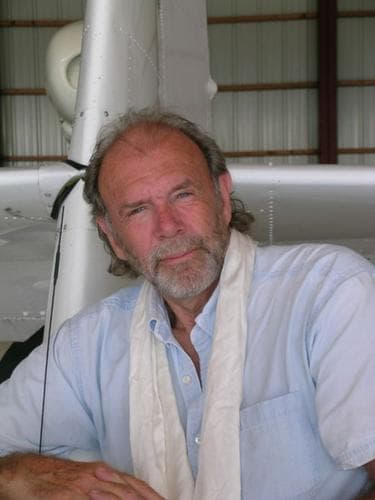
Richard David Bach is an American writer. He has written numerous works of fiction and also non-fiction flight-related titles. His works include Jonathan Livingston Seagull (1970) and Illusions: The Adventures of a Reluctant Messiah (1977), both of which were among the 1970s' biggest sellers.
Similar books
- The Midnight Library
Matt Haig
"One" shares a thematic resonance with Matt Haig's "The Midnight Library" in its exploration of alternate lives and the impact of choices. However, "The Midnight Library" grounds its narrative more firmly in a relatable, singular protagonist (Nora Seed) and provides clearer emotional stakes for each alternate life she experiences. While Bach's work is more overtly philosophical and explores the mechanism of parallel realities, Haig focuses on the consequences for individual happiness and the search for meaning, making it generally more accessible and emotionally impactful for a broader audience. "The Midnight Library" also has a stronger, more linear plot despite its alternate reality premise, whereas "One" is more experimental in its structure.
- To Kill a Mockingbird
Harper Lee
4.3 (4.5M) average on GoodreadsHistorical FictionIn the 1930s Jim Crow South, Harper Lee writes about racial injustice, moral growth, and the quiet courage of a lawyer father, Atticus Finch, as seen through his young daughter's eyes.
- The Great Gatsby
F. Scott Fitzgerald
3.9 (3.8M) average on GoodreadsHistorical FictionIn the opulent Roaring Twenties, a mysterious millionaire's lavish parties hide his desperate, tragic pursuit of a lost love, exposing the emptiness within the American Dream.
- Pride and Prejudice
Jane Austen
4.3 (3M) average on GoodreadsHistorical FictionIn a society focused on status and money, Elizabeth Bennet navigates love and pride, challenging Mr. Darcy and social expectations to find true affection.
- Angels & Demons
Dan Brown
3.9 (2.7M) average on GoodreadsThrillerA Harvard symbologist races through Rome's ancient sites, deciphering cryptic clues to unmask the Illuminati and stop a vengeful plot to destroy the Vatican with a stolen antimatter weapon.
- The Kite Runner
Khaled Hosseini
4.3 (2.4M) average on GoodreadsHistorical FictionIn pre-Taliban Afghanistan, a wealthy boy's betrayal of his servant's son during a kite-running tournament starts a lifelong journey for amends as his country collapses.






Enjoyed the summary?
A summary gives you the shape of the book. The book itself has the detail, the examples and the voice.
Find One on AmazonAs an Amazon Associate, BookBrief earns from qualifying purchases. How we're funded