
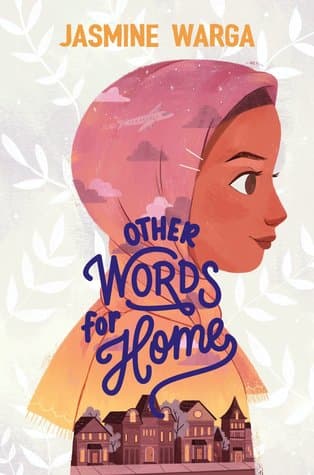
Synopsis
Covers the whole plot, including the ending.
- Difficulty
- Easy
- Pacing
- Moderate
- Mood
- Hopeful, Reflective, Poignant, Cultural
- Read it if
- You enjoy poignant coming-of-age stories about immigration, cultural identity, and finding your voice. Perfect for those who appreciate verse novels.
- Skip it if
- You prefer fast-paced plot-driven narratives or are not interested in character-focused stories about cultural adjustment.
Other Words for Home Plot Summary
Covers the whole plot, including the ending.
Life in Syria and the Looming Threat
Ten-year-old Jude lives happily in Syria with her Baba, Mama, and older brother, Issa. She loves the beach, the food, and watching American movies with Issa. Issa loves American rock music and dreams of moving there. Jude is close to her best friend, Fatima, and enjoys her daily routines. However, news of escalating violence and bombings in other parts of Syria begins to reach their quiet coastal town. Her parents discuss the unrest in quiet tones, and the atmosphere becomes tense. Despite the growing fear, Jude tries to keep her childhood normal, but the threat of war is real and ever-present, slowly coming closer to their peaceful life.
A Difficult Decision and a Painful Goodbye
As the conflict intensifies and reaches closer to their hometown, Jude's parents decide that Jude and Mama will move to America. Baba, Jude's father, stays behind to protect their home and business. Issa, her brother, chooses to stay with Baba, believing he can help in the resistance. Jude is heartbroken and confused by this separation. She cannot fully grasp the danger that makes such a big move necessary. The goodbyes are tearful and uncertain, filled with unspoken fears about when or if they will ever be reunited. Jude and Mama pack few belongings, carrying the weight of their family's divided future.
Arrival in Cincinnati and Culture Shock
Jude and Mama arrive in Cincinnati, Ohio, where Mama's brother, Uncle Mazin, his wife, Aunt Michelle, and their daughter, Sarah, meet them. The new environment overwhelms Jude; everything feels loud, fast, and unfamiliar. The English language, which she only knows from movies, is spoken too quickly, making her feel alone. She struggles with cultural differences, from the food to social interactions. The comfort of her Syrian home is very different from America. She feels like an outsider, constantly observed and misunderstood, longing for the familiar sights and sounds of her old life and the presence of her Baba and Issa.
Navigating a New School and Identity
Jude begins attending an American middle school, which brings new challenges. She struggles with the language and customs, often feeling invisible or singled out as 'different.' She is called 'Middle Eastern,' a term she never used to describe herself in Syria. Slowly, she makes connections. She befriends Layla, another Arab American girl who is more assimilated, and later, Noah, a kind boy in her class. These friendships give her a needed sense of belonging and help her with her new identity, though she still feels a strong sense of displacement and longs for news from home.
The School Musical Audition
Jude learns her school is holding auditions for the musical, 'Aladdin.' She is hesitant and insecure about her English and singing, but Noah, who is also auditioning, encourages her. Jude has always loved American movies and music, and the idea of being part of a performance sparks excitement. Despite her fears and worry of being judged, she practices a song in secret, putting her emotions and experiences into her voice. This decision is a big step in her journey of adaptation and self-discovery, allowing her to explore a new part of herself in this unfamiliar land.
Issa's Silence and Growing Concern
Communication with Baba and Issa in Syria becomes harder and less frequent. Jude and Mama anxiously wait for calls and messages, but long periods of silence happen, increasing their worry. Jude especially misses Issa, his music, and their shared dreams. She constantly thinks about what he might be doing and if he is safe. The uncertainty about her loved ones' safety weighs heavily on their new life in America, making it hard for Jude to fully embrace her present while her past remains in danger. The news they do receive is often vague and troubling, making their fears worse.
Finding Her Voice on Stage
When the day of the musical audition arrives, Jude is very nervous. She sings a song that is simple but meaningful to her, letting her raw emotions about her displacement and hopes show through. Despite her accent and initial shyness, her performance is heartfelt. She doesn't get a lead role, but she is cast in the chorus, which is a victory. This experience gives her a new sense of accomplishment and belonging, proving to herself that she can contribute and be seen in this new world, even in a small way. It is a moment of empowerment, using her voice literally and figuratively.
Layla's Struggles and Friendship's Limits
Jude's friendship with Layla grows, but Jude also sees Layla's struggles with her identity as an Arab American. Layla sometimes tries to distance herself from her heritage, trying to fit in with American culture. Jude understands and empathizes with Layla's situation, even as she herself tries to hold onto her Syrian identity. There are times of tension and misunderstanding between them, showing the different ways they cope with being 'other.' Jude learns that friendship is not always easy, especially when dealing with cultural differences and personal insecurities, but their bond remains important to her.
The Weight of News from Home
The news from Syria finally arrives, breaking the fragile peace Jude and Mama had tried to build. They receive a call saying Issa has been seriously injured in the conflict. The details are few and terrifying, leaving them distraught and helpless. Mama is overcome with grief and worry, struggling with the distance and inability to be with her son. Jude feels deep sadness and anger; the reality of the war affects her more than ever. This event shows the constant anxiety and trauma that refugees carry, even when physically safe, reminding them of the ongoing suffering of their loved ones.
Performing and Finding Her Place
Despite the bad news about Issa, Jude continues with the musical. The rehearsals and the performance become a way for her to express her emotions and find a temporary escape. On opening night, Jude performs with her classmates, feeling a sense of unity and belonging with her new friends. She realizes that while her heart aches for her family in Syria, she is also building a new life and finding new joys in America. The stage is a place where she can be herself, where her voice, though part of a chorus, contributes to something beautiful. It is a moment of bittersweet triumph, celebrating new beginnings while holding onto the pain of the past.
Hope for the Future
By the end of the school year, Jude has grown a lot. She is more confident in English, has made new friends, and has found her love for performance. While the pain of separation from Baba and the worry for Issa remain, she has learned to live with both sadness and happiness. She starts to see Cincinnati not just as a temporary refuge but as a place where she can build a future. She understands that she is both Syrian and American, holding onto her heritage while embracing her new experiences. She looks forward to the summer, knowing that while her journey is far from over, she has found a way to make a new home.
Principal Figures
Jude
Protagonist
A ten-year-old Syrian girl navigating displacement and self-discovery in America.
Jude is a thoughtful and observant ten-year-old girl from Syria who is forced to leave her home due to war. Initially shy and overwhelmed by her new surroundings in Cincinnati, she gradually finds her voice and confidence. She is deeply connected to her family, especially her older brother Issa, and loves watching American movies. Her journey is marked by her struggle with a new language and culture, the pain of separation from her father and brother, and the challenge of forming a new identity as a 'Middle Eastern' girl in America. She finds solace and expression in writing poetry and eventually, in performing in the school musical.
Relationships: Mama (Her mother, with whom she travels to America; they share a close, supportive bond.); Baba (Her father, who stays behind in Syria; she misses him deeply.); Issa (Her older brother, who also stays in Syria; she admires him and worries for his safety.); Sarah (Her American cousin, initially a source of intimidation but later a friend.); Layla (Her first friend at school, an Arab American girl who helps her navigate American culture.); Noah (A kind classmate who becomes a supportive friend and encourages her musical talents.)
Mama
Supporting
Jude's mother, who bravely brings Jude to America while coping with immense worry for her husband and son.
Mama is Jude's strong and resilient mother. She makes the difficult decision to leave Syria with Jude to ensure their safety, carrying the immense burden of leaving her husband and son behind. In America, she struggles with her own adjustment, particularly the language barrier and the constant anxiety about Baba and Issa. She is a source of comfort and stability for Jude, often offering quiet wisdom and encouragement. Despite her own pain, she focuses on providing a new home and opportunities for Jude, demonstrating immense courage and maternal love.
Relationships: Jude (Her daughter, whom she protects and supports.); Baba (Her husband, whom she misses and worries about constantly.); Issa (Her son, whose safety is her primary concern.); Uncle Mazin (Her brother, who provides them a home in America.); Aunt Michelle (Her sister-in-law, who welcomes them.)
Issa
Supporting
Jude's older brother, a passionate musician who stays in Syria to join the resistance.
Issa is Jude's older brother, a passionate and rebellious teenager who loves American rock music and dreams of moving to America to pursue his musical aspirations. He is a significant influence on Jude, sharing his love for American culture and films with her. When the war escalates, Issa makes the difficult and dangerous decision to stay in Syria with Baba, believing he needs to fight for his country. His absence and subsequent injury are a constant source of worry and grief for Jude and Mama, symbolizing the profound sacrifices and losses of war.
Relationships: Jude (His younger sister, with whom he shares a close bond and common interests.); Baba (His father, with whom he stays in Syria.); Mama (His mother, who worries for his safety from afar.)
Baba
Supporting
Jude's father, who stays behind in Syria to protect their home and business.
Baba is Jude's loving and protective father. He is a strong, traditional man who makes the heartbreaking decision for his wife and daughter to leave Syria for their safety, while he remains behind to safeguard their home and family business. His absence is a constant ache for Jude and Mama, and his calls from Syria are eagerly awaited but often filled with unspoken tension and concern. He represents the deep roots and heritage Jude leaves behind, and his selflessness highlights the sacrifices made by families during wartime.
Relationships: Jude (His daughter, whom he loves deeply and wants to protect.); Mama (His wife, with whom he shares a strong partnership.); Issa (His son, who stays with him in Syria.)
Sarah
Supporting
Jude's American cousin, initially reserved but eventually becomes a friend.
Sarah is Jude's American cousin, the daughter of Uncle Mazin and Aunt Michelle. She is initially portrayed as somewhat distant and reserved towards Jude, perhaps unsure how to interact with her new refugee cousin. She is a typical American teenager, concerned with school, friends, and fashion. Over time, as Jude adapts, Sarah becomes more open and supportive, helping Jude navigate school life and offering a glimpse into American teenage culture. Their relationship evolves into a genuine friendship, highlighting the bridging of cultural gaps within the family.
Relationships: Jude (Her cousin, whom she eventually befriends and helps to integrate.); Uncle Mazin (Her father.); Aunt Michelle (Her mother.)
Layla
Supporting
Jude's first friend at school, an Arab American girl who is more assimilated.
Layla is Jude's first friend at her new American school. She is an Arab American girl who has been in the US for longer and is more assimilated into American culture. Layla helps Jude navigate the social dynamics and unspoken rules of American school life. However, Layla also struggles with her own identity, sometimes trying to distance herself from her Arab heritage to fit in. Her character highlights the complexities of being an immigrant or child of immigrants, showing different ways of adapting and belonging. She provides Jude with both comfort and challenges in their friendship.
Relationships: Jude (Her friend, whom she helps to understand American culture.)
Noah
Supporting
A kind and supportive classmate who encourages Jude's musical talents.
Noah is a kind and understanding boy in Jude's class who becomes her friend. He is gentle, empathetic, and sees Jude beyond her 'new kid' status. Noah shares Jude's interest in the school musical and encourages her to audition, providing her with much-needed support and confidence. He represents genuine acceptance and friendship, helping Jude feel more comfortable and visible in her new environment. His presence is a source of quiet strength and positive influence, allowing Jude to explore new parts of herself without judgment.
Relationships: Jude (Her friend and fellow musical participant, offering support and encouragement.)
Uncle Mazin
Supporting
Mama's brother, who offers Jude and Mama refuge in his Cincinnati home.
Uncle Mazin is Mama's brother and Jude's uncle, who lives in Cincinnati with his family. He generously opens his home to Jude and Mama, providing them with a safe haven during a time of crisis. He is a kind and steady presence, working to support his family and help his sister and niece adjust. While not always understanding the full depth of their cultural shock, he offers practical support and a sense of family continuity in a new land. He represents the extended family network that often supports refugees.
Relationships: Mama (His sister, whom he welcomes into his home.); Jude (His niece, for whom he provides a temporary home.); Aunt Michelle (His wife.); Sarah (His daughter.)
Themes & Insights
Identity and Self-Discovery
Jude's journey is about discovering who she is in a new place. In Syria, she was simply Jude; in America, she becomes 'Middle Eastern,' a label that makes her think about her heritage and how people see her. She struggles to balance her Syrian past with her American present, eventually learning to embrace a dual identity. Her participation in the school musical and her poetry writing are acts of self-expression that help her define herself beyond being a refugee. This theme is clear as she tries to fit in while keeping her cultural roots.
“I am learning how to be sad and happy at the same time.”
Displacement and Belonging
The novel shows the experience of displacement, both physical and emotional. Jude feels like a 'foreigner' in America, struggling with the language, customs, and the overwhelming feeling of being an outsider. She constantly longs for her home in Syria and her separated family. The theme explores how she slowly finds a sense of belonging in Cincinnati, through new friendships, family connections, and finding her own voice. It shows the challenge of making a new home while carrying the memories and trauma of the old one, suggesting that belonging can be found in unexpected places and within oneself.
“I am a girl who is learning how to be a girl in a new place. I am a girl who is learning how to be a girl in a new language.”
Family and Separation
The effect of war on families is a main theme. Jude's family is broken by the conflict, with Baba and Issa staying in Syria while Jude and Mama seek refuge. The constant worry, the infrequent and tense phone calls, and the news of Issa's injury show the deep emotional toll of separation. Despite the physical distance, the bonds of love and concern remain strong, driving Mama's decisions and Jude's longing. The theme also explores the strength found in the remaining family (Jude and Mama) and the new support system from Uncle Mazin's family.
“How can a heart be in two places at once?”
Voice and Expression
Jude's journey is marked by her search for a voice, both literally and figuratively. At first, she struggles with English, feeling silent and unseen. Her love for American movies and music, shared with Issa, hints at her eventual embrace of performance. Writing poetry becomes a private way for her to express her emotions, helping her process her experiences. Her decision to audition for the school musical, and her performance, is a strong act of finding her public voice and expressing her true self, showing that language barriers do not stop one's ability to communicate or connect.
“Maybe words are like a compass, pointing you in the right direction.”
Resilience and Hope
Despite the big challenges Jude faces—leaving her home, language barriers, culture shock, and constant worry for her family—she shows resilience. She adapts to new situations, forms new friendships, and pursues new passions like the musical. The novel shows the human ability to hope even in the darkest times, with Jude finding moments of joy and possibility amidst her sadness. Her journey shows the strength of the human spirit to endure, adapt, and succeed when facing adversity, creating new paths forward.
“I am learning that hope is a thing with feathers, but it also has roots.”
Plot Devices & Literary Techniques
First-Person Poetic Narrative
The story is told through Jude's eyes in free verse poetry.
The entire novel is written in first-person free verse poetry from Jude's perspective. This device allows for an intimate and immediate portrayal of Jude's thoughts, feelings, and sensory experiences. The poetic form, with its sparse language and evocative imagery, effectively conveys Jude's struggle with a new language and her internal world, where emotions often transcend literal words. It also highlights her developing 'voice' and her budding interest in expressing herself, mirroring her journey of self-discovery and adaptation in America.
Cultural Contrast
Juxtaposition of Syrian and American cultures to highlight Jude's adjustment.
The novel constantly draws contrasts between Jude's life in Syria and her new life in America. Details about Syrian food, family customs, the Mediterranean Sea, and the Arabic language are frequently juxtaposed with descriptions of American school lunches, loud malls, English slang, and cold winters. This device effectively illustrates Jude's culture shock, her feelings of being an outsider, and the challenges of assimilation. It also helps to paint a vivid picture of both worlds, making Jude's sense of displacement and her gradual adaptation more tangible for the reader.
American Movies and Music
Symbols of aspiration, cultural bridge, and a source of shared connection.
American movies and music serve as significant symbols throughout the story. Initially, they represent a shared dream between Jude and Issa, a glimpse into a world they aspire to. In America, they become a point of connection for Jude, first with Issa's memory, then with new friends like Noah and her interest in the musical. 'Aladdin' specifically acts as a cultural bridge, being a story with Middle Eastern roots performed in an American context. These elements highlight Jude's ability to find familiarity and belonging in unexpected cultural touchstones.
The Sea
A powerful symbol of home, memory, and longing for the past.
The sea, particularly the Mediterranean coast of Syria, is a recurring and potent symbol in Jude's memories. It represents her home, her childhood, and the peace and stability she left behind. She often recalls the sights, sounds, and smells of the sea, especially when feeling overwhelmed or homesick in Cincinnati. The sea embodies her profound longing for her past and her family in Syria. Its absence in her new land underscores her displacement and the stark difference between her two lives, making it a constant reminder of what she has lost.
Other Words for Home Quotes
“I am learning how to be sad and happy at the same time.”
“Home is not just a place, but a feeling you carry inside you.”
“Sometimes you have to be brave enough to say the things that are hard to say.”
“I am from a place that is not on the map, but it is in my heart.”
“Change is a storm that can either break you or shape you into something stronger.”
“In America, I am learning that quiet can be a kind of loud.”
“My name is a story, and I am still writing it.”
“Friendship is a bridge between two different worlds.”
“I carry my homeland in my accent, in my memories, in the way I see the world.”
“Sometimes the bravest thing is to just keep going, even when you're scared.”
“Words can be a shelter when you feel lost in a new place.”
“I am not just one thing; I am a collection of all the places I've been and the people I've loved.”
“Hope is a small, stubborn seed that grows even in the hardest soil.”
“In the silence between words, I find pieces of myself I didn't know were missing.”
Quiz
10 questions on the plot and the characters. Each answer comes with a short explanation.
Question 1
What country does Jude leave at the beginning of the book?
- Lebanon
- Syria
- Jordan
- Egypt
Show answer
B. Syria Jude leaves her hometown in Syria with her mother due to the volatile situation there, while her brother and father stay behind.
Question 2
Which family members does Jude leave behind in Syria?
- Her mother and sister
- Her father and younger brother
- Her older brother and father
- Her grandparents and uncle
Show answer
C. Her older brother and father Jude's older brother and father remain in Syria when she and her mother relocate to Cincinnati, creating a central emotional conflict in the story.
Question 3
What city in the United States does Jude move to?
- Chicago
- New York
- Cincinnati
- Los Angeles
Show answer
C. Cincinnati Jude and her mother are sent to live with relatives in Cincinnati, Ohio, where Jude experiences American culture and school life.
Question 4
What new identity label does Jude encounter for the first time in America?
- Immigrant
- Refugee
- Middle Eastern
- Muslim
Show answer
C. Middle Eastern In Syria, Jude didn't think of herself as 'Middle Eastern'—this is a new label applied to her in America that makes her reconsider her identity.
Question 5
What activity at school helps Jude find connection and confidence in her new life?
- Soccer team
- School musical
- Science club
- Debate team
Show answer
B. School musical Jude considers trying out for the school musical, which represents an opportunity for self-expression and belonging in her new environment.
Question 6
How does Jude describe her initial experience of America compared to American movies?
- Exactly as she expected
- More peaceful and quiet
- Too fast and too loud
- Boring and uneventful
Show answer
C. Too fast and too loud Despite loving American movies, Jude finds actual life in America overwhelming at first—'too fast and too loud'—highlighting the gap between media representation and reality.
Question 7
What does Jude learn to be 'at the same time' as she navigates her new life?
- Brave and scared
- Sad and happy
- Old and young
- Foreign and familiar
Show answer
B. Sad and happy The book's opening line states Jude is 'learning how to be sad and happy at the same time,' capturing the complex emotions of immigration and adaptation.
Question 8
What aspect of Jude's identity becomes more complex in America than it was in Syria?
- Her religious beliefs
- Her sense of home and belonging
- Her academic interests
- Her family relationships
Show answer
B. Her sense of home and belonging In Syria, Jude had a clear sense of home; in America, she grapples with what 'home' means when split between countries and cultures, a central theme of the book.
Question 9
Why might the school musical be particularly significant for Jude's journey?
- It reminds her of performances she did in Syria
- It represents a chance to be seen for who she truly is
- It helps her improve her English quickly
- It allows her to avoid other school activities
Show answer
B. It represents a chance to be seen for who she truly is The musical symbolizes Jude's hope that America can be 'a place where Jude can be seen as she really is,' tying to themes of identity and acceptance.
Question 10
What does the title 'Other Words for Home' suggest about Jude's experience?
- She needs to learn English vocabulary for household items
- Home can have multiple meanings across different cultures and places
- She writes poetry about her old home in Syria
- Her family argues about where their real home is
Show answer
B. Home can have multiple meanings across different cultures and places The title reflects Jude's exploration of 'home' as not just a physical place but also a feeling, community, and identity that evolves with her move to America.
Other Words for Home FAQ
What is 'Other Words for Home' about?
The novel follows Jude, a Syrian girl who moves with her mother to Cincinnati after their hometown becomes volatile, leaving behind her father and older brother. It explores her adjustment to American life, navigating a new identity as 'Middle Eastern,' making friends, and finding unexpected opportunities like trying out for a school musical.
Why should I read 'Other Words for Home'?
This book offers a poignant, accessible look at immigration, identity, and resilience through Jude's eyes, blending emotional depth with hope. Its verse format makes it a quick yet powerful read that resonates with themes of family, belonging, and cultural adaptation.
What is the background/setting of 'Other Words for Home'?
The story begins in Syria, where Jude lives with her family, before shifting to Cincinnati, Ohio, after political unrest forces her and her mother to relocate. The contrast between her familiar Syrian home and the fast-paced, unfamiliar American environment drives much of the narrative.
What are the most memorable quotes from 'Other Words for Home'?
Key quotes include Jude's reflection, 'I am learning how to be sad and happy at the same time,' capturing her emotional duality, and lines about identity like 'In America, I am a new word: Middle Eastern,' highlighting her struggle with labels. Another is 'Maybe America, too, is a place where Jude can be seen as she really is,' symbolizing hope.
What writing style does the author use?
Jasmine Warga employs a lyrical, free-verse prose style that mirrors Jude's introspective voice, making the narrative emotional and immersive. This format allows for concise, impactful reflections on themes like displacement and self-discovery, enhancing the book's accessibility for young readers.
What minor details add significant meaning in 'Other Words for Home'?
Details like Jude's love for American movies, which initially misprepares her for real-life America, symbolize cultural misconceptions. Her participation in the school musical represents a step toward claiming her voice and belonging, while references to food and language subtly highlight her dual heritage.
What are some subtle foreshadowing moments in the book?
Early mentions of volatility in Syria foreshadow Jude's forced departure, and her initial discomfort in America hints at her later identity struggles. Jude's quiet observations about her new family and friends subtly foreshadow her gradual adaptation and the supportive relationships she'll build.
What unexpected character connections exist in 'Other Words for Home'?
Jude forms a bond with her American relatives, who provide a safety net despite cultural differences, and she connects with peers at school who help her navigate her new label. Her relationship with her mother deepens as they rely on each other in a foreign land, contrasting with the separation from her brother and father.
What are unspoken character motivations in 'Other Words for Home'?
Jude's mother is motivated by a desire to protect Jude from Syria's dangers, though she rarely voices her fears. Jude herself is driven by a need to honor her Syrian roots while fitting in America, often internalizing her conflicts about identity and family separation.
What psychological complexities do characters exhibit?
Jude grapples with dual emotions—homesickness and hope—reflecting the complexity of immigrant experiences. Her brother, left behind in Syria, represents the guilt and longing she feels, while her new friends in America show how external acceptance can ease internal struggles with identity.
What are the major emotional turning points in 'Other Words for Home'?
Key moments include Jude's departure from Syria, which triggers grief and uncertainty; her first day at an American school, where she confronts her new 'Middle Eastern' label; and her decision to try out for the musical, symbolizing courage and self-expression. Reconnecting with family via calls also marks emotional growth.
How do relationship dynamics evolve in the book?
Jude's relationship with her mother strengthens through shared adversity in America, while her bond with her brother and father becomes strained by distance but persists through memories and communication. Her friendships evolve from initial isolation to mutual support, helping her build a new sense of community.
Which parts remain ambiguous or open-ended in 'Other Words for Home'?
The fate of Jude's father and brother in Syria is left somewhat open, reflecting the uncertainty many immigrants face. The book also doesn't fully resolve whether Jude will permanently feel at home in America, leaving her journey of belonging as an ongoing process rather than a fixed conclusion.
What are controversial scenes or decisions in the book?
Some readers might debate Jude's family's decision to split up, with her and her mother moving to America while the men stay behind, highlighting gendered aspects of migration. Jude's struggle with the 'Middle Eastern' label could spark discussions on identity politics and assimilation pressures in schools.
'Other Words for Home' ending explained: how it ends & what it means
The book ends with Jude finding a sense of belonging in America through friendships and the school musical, while maintaining ties to Syria. It suggests that home can be multifaceted—embracing both her heritage and new experiences—and emphasizes resilience and hope amid displacement.
About the author

Jasmine Warga is an author known for her contributions to young adult fiction. Her notable works include "My Heart and Other Black Holes," which explores themes of grief and connection, and "Other Words for Home," a story about a young girl navigating life as a refugee in America.
Similar books
- The Poet X
Elizabeth Acevedo
4.4 (62k) average on GoodreadsYoung AdultA powerful verse novel about a young girl finding her voice and identity through poetry, resonating with Jude's journey of self-expression.
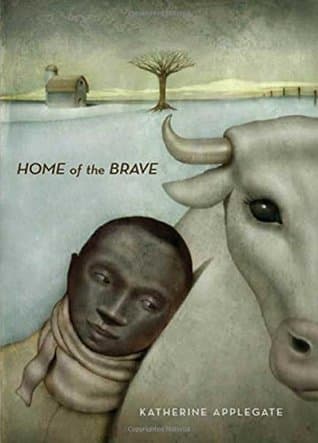
- Home of the Brave
Katherine Applegate
4.3 (10k) average on GoodreadsChildren'sOther Words for Home shares the novel-in-verse format and themes of displacement with Applegate's Home of the Brave. While both feature young protagonists navigating new cultures, Warga's book offers a more contemporary and specific focus on Syrian refugee experiences, whereas Applegate's protagonist, Kek, is from Sudan. Warga's narrative delves more deeply into the nuances of language acquisition and the internal conflict of holding onto one's heritage while adapting, whereas Applegate's focuses more on the immediate trauma and the challenge of finding joy in small moments.
- Harry Potter and the Sorcerer's Stone
J.K. Rowling
4.5 (7M) average on GoodreadsFantasyRescued from a miserable life under the stairs, an orphaned boy discovers he's a wizard destined for a magical school, where he uncovers a dangerous secret tied to the dark wizard who murdered his parents.
- The Hobbit, or There and Back Again
J.R.R. Tolkien
4.3 (2.9M) average on GoodreadsFantasyA comfort-loving hobbit named Bilbo Baggins is whisked away by a mischievous wizard and a band of dwarves on an unexpected journey to reclaim stolen treasure from a fearsome dragon, discovering courage and a magical ring along the way.
- Harry Potter and the Goblet of Fire
J.K. Rowling
4.6 (2.6M) average on GoodreadsFantasyA bewildered Harry Potter, underage and thrust into a deadly Triwizard Tournament, must brave dragons, mermaids, and a resurgent dark magic to survive a year that will forever alter the wizarding world.
- Harry Potter and the Order of the Phoenix
J.K. Rowling
4.5 (2.5M) average on GoodreadsFantasyIn a year of oppressive secrets and the threat of Voldemort, Harry Potter and Dumbledore's Army secretly train for war, shown through Jim Kay and Neil Packer's dark illustrations.





Enjoyed the summary?
A summary gives you the shape of the book. The book itself has the detail, the examples and the voice.
Find Other Words for Home on AmazonAs an Amazon Associate, BookBrief earns from qualifying purchases. How we're funded