
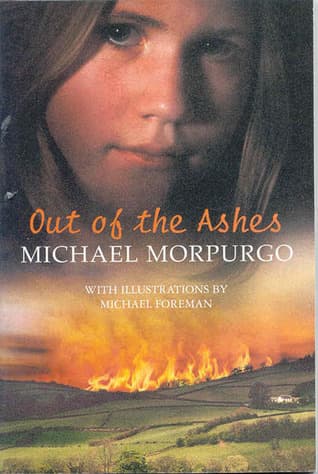
Synopsis
Covers the whole plot, including the ending.
- Difficulty
- Easy
- Pacing
- Moderate
- Mood
- Poignant, Hopeful, Rural, Reflective
- Read it if
- You enjoy poignant, character-driven stories about rural life and the resilience of a family facing a crisis.
- Skip it if
- You prefer fast-paced thrillers or stories without a strong emotional focus on animal welfare.
Out of the Ashes Plot Summary
Covers the whole plot, including the ending.
New Year's Day and the Farm's Rhythm
Becky Morley, a young girl on a Devon farm, begins a new diary on New Year's Day. She introduces her family: her mum, dad, and younger brother, Stephen. She describes daily routines and their animals, including pedigree dairy cows, pigs, sheep, and her special hand-reared lamb, Little Josh. The farm is her world, full of nature's sounds and sights. She expresses deep love for animals and farm life, noting the security and tradition of their existence. Her first entries show the simple joys and challenges of farm life, setting a peaceful scene before the crisis.
Whispers of a New Disease
The first signs of trouble appear as Becky hears news reports about foot-and-mouth disease breaking out in northern England. At first, it seems a distant problem, far from their peaceful Devon farm. Her parents discuss it with some worry, but it is not yet an immediate threat. Becky, through her diary, records the growing unease as the disease spreads, moving from a distant headline to a local topic. Her early entries reflect a naive hope that it will not reach them, a common feeling among farmers initially unaffected.
The Disease Draws Closer
The foot-and-mouth disease continues its spread south, and the news becomes more alarming daily. The Morley family and their farming community watch in horror as the disease crosses county lines, eventually reaching nearby areas. Becky records the increased tension in her parents' talks, the constant radio and TV updates, and the visible worry on their faces. The once distant threat now feels uncomfortably close, bringing fear and uncertainty. Daily farm routines are overshadowed by the looming disease.
Devon Under Siege
The unthinkable happens: foot-and-mouth disease is confirmed in Devon. The news shocks the community. Becky describes the terrible sight of military and veterinary teams arriving at nearby farms, creating a feeling of dread. The sound of gunshots, signaling the culling of infected animals, echoes across the fields, a horrifying reality that shatters the rural peace. Farmers must keep their animals indoors, and movement restrictions are put in place. Becky's diary entries become sadder, reflecting the deep sorrow and helplessness everyone feels as their way of life is systematically destroyed. The close-knit farming community is gripped by fear and unity.
The Neighbor's Tragedy
The disease strikes a farm just a few fields from the Morley's. Becky sees the heartbreaking scene as all the animals—sheep, cattle, pigs—on their neighbor's farm are culled and their bodies burned. Smoke from the fires hangs heavy in the air, a constant reminder of the tragedy. This event deeply affects Becky, making the abstract threat of the disease a concrete, horrifying reality. She describes the silence that falls on the neighboring farm, the absence of animal sounds, and the deep grief of the affected family. The experience increases her fear for her own animals, especially Little Josh, her beloved lamb.
The Vets Arrive
The moment the Morley family has feared arrives: a team of veterinarians comes to inspect their farm. Becky vividly recounts the tension during the inspection, as her parents nervously watch the vets examine their cattle, sheep, and pigs. Every cough, every unusual movement from an animal, feels like a potential death sentence. The vets move systematically, their faces grim, searching for any sign of infection. Becky's heart pounds as she waits for their verdict, hoping their animals are healthy. The inspection is a difficult experience, bringing the family to the edge of despair and showing how fragile their situation is.
A Temporary Reprieve
To the Morley family's great relief, the veterinarians declare their farm clear of foot-and-mouth disease. Becky describes the wave of gratitude and exhaustion that washes over her parents. It is a temporary break, a fragile win in a battle they are still fighting. However, the joy is lessened by knowing the disease is still widespread in the area, and another inspection could happen soon. The family remains alert, constantly checking their animals for any symptoms. This moment of grace allows them to breathe, but the shadow of the disease continues to loom, making every day a test of their strength.
Protecting Little Josh
Driven by a strong fear of losing Little Josh, Becky decides to take desperate action. She begins to hide her beloved hand-reared lamb, moving him to a secret spot in the woods near their farm. She brings him food and water daily, risking discovery but unable to bear the thought of him being culled. This act of defiance comes from pure love and a desperate need to protect the animal that symbolizes her innocence and connection to the farm. Her secret trips to care for Josh become a main part of her days, a hidden burden she carries alone, showing her deep emotional bond with the lamb.
The Burden of Secrecy
Keeping Little Josh hidden puts a significant emotional strain on Becky. She feels guilty about deceiving her parents, who are already under great stress. Her diary entries show her inner conflict: wanting to be honest versus needing to protect her lamb. She constantly worries about Josh's safety and the chance of her secret being found out. This time is marked by increased anxiety and isolation for Becky, as she handles her personal crisis amid the larger farm tragedy. Her secret becomes a heavy weight, but her love for Josh outweighs her fear of punishment or discovery.
The End of the Nightmare (for now)
Slowly, the foot-and-mouth outbreak begins to lessen. The number of new cases drops, and the government announces a gradual lifting of restrictions. The sound of culling teams becomes less frequent, and the smoke from fires disappears. Becky records the cautious optimism that begins to return to her family's life. While the immediate threat lessens, the memory of the devastation remains. The landscape is scarred, and the farming community is changed forever. This marks the start of a long recovery, but also a chance for the Morley family to begin rebuilding their lives, though with a deep sense of loss and resilience.
Reunion and Reflection
With the immediate danger passed, Becky finally brings Little Josh back to the farm. Her parents, though surprised and perhaps a little annoyed by her secret, are ultimately relieved and understanding. The reunion with Josh symbolizes a small victory, a return to normalcy, and a sign of Becky's strong love. The family begins the slow process of healing and recovery, thinking about the difficult experience. They acknowledge the great losses suffered by their community but also find strength in their survival and their lasting connection to their land and animals. Becky's diary ends with a sense of hope, marked by the lasting effects of the crisis.
Principal Figures
Becky Morley
Protagonist
A young, sensitive girl deeply devoted to her family's farm and its animals.
Becky is the narrator of the story, a young girl who chronicles her experiences during the Foot and Mouth crisis through her diary. She possesses a profound love and empathy for animals, particularly her hand-reared lamb, Little Josh. Initially innocent and somewhat naive about the harsh realities of farming, the crisis forces her to mature rapidly. She is observant, reflective, and deeply affected by the suffering around her, demonstrating immense emotional resilience and a strong moral compass. Her actions are driven by her love for her animals and her family.
Relationships: Mum and Dad (Loving and supportive parents, though sometimes stressed by farm life.); Stephen (Her younger brother, with whom she shares a typical sibling relationship.); Little Josh (Her beloved hand-reared lamb, a symbol of her innocence and the farm's lifeblood.)
Becky's Mum
Supporting
The stoic and practical matriarch of the Morley family farm.
Becky's Mum is portrayed as a strong, resilient woman who manages the household and contributes significantly to the farm work. She is practical, often trying to maintain a sense of normalcy and hope for her children amidst the crisis. While deeply worried, she often masks her fear to protect Becky and Stephen. She represents the quiet strength and unwavering determination of farming women, constantly working and caring for her family and the animals.
Relationships: Becky (Loving mother, tries to protect Becky from the harsh realities.); Becky's Dad (Husband and partner in managing the farm, they face the crisis together.); Stephen (Loving mother to her younger son.)
Becky's Dad
Supporting
The hardworking and dedicated farmer, deeply connected to his land and animals.
Becky's Dad is the backbone of the Morley farm, a hardworking and experienced farmer with a deep understanding of animal husbandry and the land. During the crisis, he carries the immense burden of responsibility for his animals and family. He is initially stoic and tries to shield his children from the worst of the news, but his worry and despair become increasingly evident. He represents the traditional farmer's deep connection to his livestock and the land, and the devastating impact the disease has on his identity and livelihood.
Relationships: Becky (Loving father, who shares his passion for farming with her.); Becky's Mum (Wife and partner, they support each other through the crisis.); Stephen (Loving father to his younger son.)
Stephen
Supporting
Becky's younger brother, who experiences the crisis through the eyes of a child.
Stephen is Becky's younger brother. He is less aware of the full implications of the Foot and Mouth crisis than Becky, often observing events with a child's curiosity and sometimes confusion. He asks questions that highlight the stark reality of the situation and provides a contrast to Becky's more mature understanding. His presence helps to emphasize the family dynamic and the varying ways individuals cope with widespread trauma.
Relationships: Becky (Older sister, whom he looks up to and plays with.); Mum and Dad (Loving parents.)
Little Josh
Supporting
Becky's hand-reared lamb, a symbol of innocence, hope, and the farm's life.
Little Josh is Becky's hand-reared lamb, a special pet that holds immense emotional significance for her. He represents the innocence of farm life, the bond between humans and animals, and the hope of new beginnings. During the Foot and Mouth crisis, Josh becomes a focal point for Becky's determination to protect what she loves, leading her to hide him from the culling teams. His survival is a symbolic victory against the overwhelming devastation.
Relationships: Becky (His primary caregiver and the object of her deepest affection and protection.)
The Veterinarians
Mentioned
The medical professionals tasked with inspecting and culling animals during the outbreak.
The veterinarians are figures of authority and dread during the Foot and Mouth crisis. They are responsible for inspecting farms for signs of the disease and, if found, overseeing the culling of entire herds and flocks. While their role is to contain the disease, they are seen by farmers as harbingers of destruction. Becky describes them with a mixture of fear and a grudging understanding of their difficult duty. They represent the impersonal, official response to a deeply personal tragedy for the farmers.
Relationships: Morley Family (Official inspectors, bringing news of potential devastation.)
The Neighbors (e.g., Mr. and Mrs. Thomas)
Mentioned
Other farmers in the community whose farms are affected by the disease.
The neighboring farmers represent the wider community impacted by the Foot and Mouth disease. Their experiences, particularly the culling of their animals, serve as a stark warning and a source of empathy for the Morley family. Becky observes their grief and loss, understanding that their tragedy could easily become her own. They highlight the collective suffering and shared bond within the farming community, where one farm's misfortune affects everyone.
Relationships: Morley Family (Fellow farmers, sharing the same fears and experiences during the crisis.)
Themes & Insights
The Fragility of Life and Livelihood
The foot-and-mouth disease shows how quickly an established way of life, built over generations, can be broken. The Morley family's secure world is turned upside down by an invisible enemy, threatening not only their animals but also their very existence as farmers. The constant fear of inspection, the sound of culling teams, and the sight of burning fires (as seen with neighboring farms) show how uncertain their situation is. This theme highlights the vulnerability of both animal life and human livelihoods in the face of epidemics.
“One day it was all normal, the next it was like a black cloud had come over everything, and it just kept getting darker.”
Love and Loss
At its core, the story explores love—the deep, unconditional love Becky has for her animals, especially Little Josh, and the love her family shares for their farm and each other. This love makes the threat of loss incredibly painful. The culling of animals, both on their own farm and nearby, represents deep grief, not just for the animals but for the dreams and effort put into them. Becky's desperate act of hiding Little Josh is the ultimate expression of this love, going against logic to protect her beloved lamb.
“I couldn't just stand by and let them take him. He was my lamb, my Little Josh.”
Resilience and Hope
Despite the great despair and devastation, the story emphasizes the lasting human spirit of resilience and the hope that remains. The Morley family, though deeply affected, continues to care for their remaining animals, follows strict biosecurity, and supports their community. Becky's act of hiding Little Josh, while risky, shows her hope that some life can be saved. Even after the crisis, the family begins the slow process of rebuilding, showing their strong will to continue farming. Little Josh's survival symbolizes this hope for a new start.
“We'd lost so much, but we still had each other, and we still had the farm. We'd start again.”
The Power of Nature and Humanity's Place Within It
The book clearly shows the beauty and cycles of farm life, demonstrating humanity's deep connection to nature. However, it also reveals how quickly nature, through disease, can show its destructive power, reminding humans of their secondary role. Farmers, despite their best efforts, are ultimately at the mercy of the outbreak. The story subtly questions humanity's control over nature and highlights the delicate balance where a single virus can bring an entire industry and way of life to its knees. Becky's perspective as a child deeply connected to this natural world makes this theme especially touching.
“The fields looked the same, but they weren't. Everything had changed, as if the very earth was holding its breath.”
Plot Devices & Literary Techniques
First-Person Diary Narration
The story is told entirely through Becky's diary entries.
The use of first-person diary narration allows the reader to experience the Foot and Mouth crisis directly through the eyes and emotions of a young girl. This intimate perspective provides immediate access to Becky's fears, hopes, and observations, making the unfolding tragedy deeply personal and relatable. It also emphasizes the chronological progression of events, from initial reports to the full devastation and eventual recovery. The diary format allows for unfiltered emotional responses and reflections, enhancing the sense of authenticity and drawing the reader into Becky's internal world.
Symbolism of Little Josh
Becky's hand-reared lamb represents innocence, hope, and the essence of farm life.
Little Josh, Becky's special lamb, serves as a powerful symbol throughout the narrative. Initially, he embodies the innocence and simple joys of farm life, representing Becky's deep connection to her animals. As the Foot and Mouth crisis intensifies, Josh becomes a symbol of hope and the struggle for survival. Becky's desperate efforts to hide and protect him represent the fight to preserve what is pure and valuable amidst widespread destruction. His eventual survival symbolizes the possibility of recovery and the enduring spirit of life, offering a glimmer of light in the darkness.
Rising Action and Suspense
The gradual spread of the disease creates mounting tension and uncertainty.
The plot skillfully builds suspense through the rising action of the Foot and Mouth disease's spread. Beginning with distant news reports, the threat gradually encroaches upon the Morley farm, moving from neighboring counties to adjacent fields, and finally to their own doorstep. This slow, inexorable approach creates a palpable sense of dread and uncertainty for both the characters and the reader. Each new development, from confirmed cases nearby to the arrival of vets, heightens the tension, keeping the reader constantly on edge about the fate of the Morley's animals and their farm.
Out of the Ashes Quotes
“The war took everything from me. My home, my family… but it couldn’t take my love for you.”
“Even in the darkest of times, a flicker of hope can ignite a new beginning.”
“A promise made under a willow tree, that’s a promise meant to last a lifetime.”
“We built our dreams on the land, and though the land may be scarred, our dreams remain.”
“Sometimes, the only way to move forward is to look back, just long enough to understand what you’re leaving behind.”
“The scent of honeysuckle always brings you back to me, even when you’re miles away.”
“Our love wasn't a fragile thing, easily broken. It was forged in fire, strong and true.”
“The silence of the empty fields spoke louder than any words could.”
“He saw not the ruins, but the potential for what could be again, and that’s why I loved him.”
“To lose everything and still find the courage to love again, that is true bravery.”
“The old oak stood witness to our beginning, and it will stand witness to our rebirth.”
“We were two halves of a whole, and no war could ever truly separate us.”
“A garden replanted is a heart rekindled.”
“The sound of your voice was the only music I needed to hear.”
Quiz
10 questions on the plot and the characters. Each answer comes with a short explanation.
Question 1
On what specific holiday does Becky Morley begin writing in her diary?
- Christmas Day
- New Year's Day
- Easter Sunday
- Her Birthday
Show answer
B. New Year's Day Becky starts her diary on New Year's Day, marking the beginning of the story.
Question 2
What is the name of Becky's hand-reared lamb?
- Baa-baa
- Woolly
- Little Josh
- Sheepy
Show answer
C. Little Josh Becky's beloved hand-reared lamb is named Little Josh, a character whose fate is central to her emotional journey.
Question 3
What specific disease threatens the Morley family's farm animals?
- Swine Flu
- Mad Cow Disease
- Foot and Mouth Disease
- Bird Flu
Show answer
C. Foot and Mouth Disease The primary threat to the Morley's animals is the outbreak of Foot and Mouth Disease, which leads to mass culling.
Question 4
In which county is the Morley family farm located?
- Cornwall
- Somerset
- Dorset
- Devon
Show answer
D. Devon The Morley's home and farm are specifically located in Devon, England.
Question 5
By which month has Becky's world 'changed forever' due to the disease outbreak?
- February
- March
- April
- May
Show answer
B. March The diary entry states that by March, Becky's world has already been irrevocably altered by the unfolding crisis.
Question 6
What type of farm animal initially contracts the Foot and Mouth disease 'hundreds of miles' from the Morley's home?
- Cows
- Sheep
- Pigs
- Chickens
Show answer
C. Pigs The outbreak initially starts on a pig farm, far from Devon, before spreading closer to the Morley's.
Question 7
What specific phrase describes Becky's emotional state while waiting to see if her family's animals will be slaughtered?
- A nerve-wracking ordeal
- The hardest time of her life
- The most agonizing experience of Becky's life
- An unbearable period of anxiety
Show answer
C. The most agonizing experience of Becky's life The text explicitly states that 'The waiting and hoping is the most agonizing experience of Becky's life,' highlighting the intense emotional toll.
Question 8
What specific type of cattle does the Morley family own, besides their sheep and pigs?
- Beef cattle
- Pedigree dairy herd
- Dexter cows
- Highland cattle
Show answer
B. Pedigree dairy herd The description mentions their 'pedigree dairy herd,' indicating a specific and valuable type of cattle they raise.
Question 9
What is the primary theme explored through Becky's diary entries during the Foot and Mouth crisis?
- The importance of veterinary science
- The resilience of rural communities in the face of disaster
- The economic impact of agricultural diseases
- The ethical dilemmas of animal husbandry
Show answer
B. The resilience of rural communities in the face of disaster While other options are related, the core narrative, particularly through Becky's personal experience of waiting and hoping for her farm's survival, emphasizes the resilience and emotional struggle of those in rural communities during such a crisis.
Question 10
The initial outbreak of Foot and Mouth disease is described as being how far from the Morley's Devon home?
- A few fields away
- Across the county border
- Hundreds of miles away
- In a neighboring village
Show answer
C. Hundreds of miles away The text states the disease breaks out 'hundreds of miles from the Morley's Devon home' before it eventually gets closer.
Out of the Ashes FAQ
What is the central conflict of "Out of the Ashes"?
The central conflict revolves around the Morley family's desperate struggle to save their farm animals from being culled due to the devastating outbreak of Foot and Mouth disease. Becky's diary entries chronicle the escalating tension and emotional toll as the disease draws closer to their Devon home, threatening their entire livelihood and beloved animals.
Who is Becky Morley and what role does she play in the story?
Becky Morley is the protagonist and narrator of the story, through whose diary entries the events unfold. She is a young girl deeply connected to her family's farm and its animals, especially her hand-reared lamb, Little Josh. Her perspective provides an intimate, emotional account of the Foot and Mouth crisis and its impact on her family.
Where is the Morley farm located, and why is this setting significant?
The Morley farm is located in Devon, a rural area of England. This setting is significant because it highlights the vulnerability of agricultural communities to outbreaks like Foot and Mouth, emphasizing their reliance on livestock and the devastating economic and emotional consequences when their animals are threatened.
What kind of animals does the Morley family raise on their farm?
The Morley family raises a diverse range of animals, including a pedigree dairy herd, sows with their piglets, and a flock of sheep. Becky also has a special hand-reared lamb named Little Josh, whose fate becomes a significant emotional anchor in the narrative.
How does the Foot and Mouth disease first become a threat to the Morley farm?
Initially, the Foot and Mouth disease breaks out on a pig farm hundreds of miles away. However, the threat escalates rapidly as local sheep in nearby fields become infected, leading to their immediate destruction. This proximity signifies that the nightmare is literally just a few fields away from the Morley's animals.
Are there any subtle foreshadowing elements of the impending disaster early in Becky's diary?
While not explicitly foreshadowing, Becky's early diary entries establish her deep emotional bond with the animals and the daily rhythm of farm life. This strong connection intensifies the emotional impact when the threat of the disease emerges, as readers already understand the profound personal loss their potential slaughter would entail.
Does the book reveal specific government or veterinary protocols for dealing with the Foot and Mouth outbreak?
The book touches upon the protocols through the lens of the Morley family's experience, showing the devastating reality of mandated culling and the agonizing wait for inspections. While not a technical manual, it conveys the strict, often impersonal nature of disease control measures and their profound impact on individual farmers.
Is there any significance to the story beginning on New Year's Day?
Beginning on New Year's Day symbolizes a fresh start and a sense of hope, which is then dramatically contrasted by the unfolding tragedy of the Foot and Mouth outbreak by March. This chronological framing emphasizes how quickly life can change from routine to crisis, shattering initial optimism.
How does the 'romance' genre element manifest in a story primarily about a farming crisis?
While the primary focus is on the farm crisis, the 'romance' element in Morpurgo's work often refers to a deep, abiding love for the land, animals, and a way of life, rather than a traditional human-to-human romantic relationship. It's the profound emotional bond Becky and her family share with their farm that is being threatened.
How does Becky's diary format contribute to the psychological impact of the story?
The diary format immerses the reader directly into Becky's personal thoughts, fears, and hopes, creating an immediate and intimate psychological connection. This first-person perspective allows readers to experience the agonizing waiting, the emotional turmoil, and the gradual erosion of hope alongside Becky.
What psychological toll does the 'waiting and hoping' take on Becky and her family?
The 'waiting and hoping' is described as the most agonizing experience of Becky's life, implying immense psychological stress, anxiety, and helplessness. This prolonged uncertainty would likely lead to emotional exhaustion, fear, and a sense of dread for the entire family as they face the potential loss of their livelihood and beloved animals.
How does the potential loss of Little Josh, Becky's hand-reared lamb, represent a specific psychological burden?
The potential loss of Little Josh is a particularly potent psychological burden because he represents an individual, personal connection for Becky, beyond just the farm's livelihood. His fate embodies the vulnerability of innocence and the deep emotional attachments that are threatened by the indiscriminate nature of the disease, making the potential loss even more heartbreaking.
In what ways might the family's resilience be tested beyond just the financial aspect?
The family's resilience is tested profoundly on an emotional and psychological level. Beyond financial ruin, they face the potential heartbreak of losing animals they've nurtured and loved, the disruption of their entire way of life, and the strain of constant anxiety and fear, which can severely impact their mental well-being and familial bonds.
What broader societal commentary might the book be making about farming and rural life?
The book likely comments on the precariousness of farming life, highlighting its vulnerability to external threats like disease and the immense emotional investment farmers have in their animals. It underscores the often-overlooked struggles of rural communities and the significant human cost behind agricultural crises.
How does the title "Out of the Ashes" relate to the potential outcomes of the story?
The title "Out of the Ashes" strongly suggests themes of destruction and subsequent rebirth or recovery. It implies that even if the Morley farm faces devastation, there is a possibility of rebuilding, finding hope, or emerging stronger from the ruins. This could refer to physical rebuilding or emotional resilience.
Is the book primarily a cautionary tale, a story of hope, or both?
The book can be interpreted as both a cautionary tale, highlighting the devastating impact of agricultural disease, and a story of hope, focusing on the resilience of the human spirit and the enduring love for animals and land. The balance between these two aspects likely depends on the ultimate resolution of the Morley family's ordeal.
What ethical dilemmas might the story implicitly raise regarding animal culling during disease outbreaks?
The story implicitly raises ethical dilemmas about the necessity and morality of mass animal culling, questioning the balance between public health and the individual lives of animals and farmers. It highlights the profound emotional and ethical conflict when beloved creatures must be sacrificed for the greater good, from a human perspective.
How does the book's focus on a young protagonist's perspective shape its message?
Focusing on a young protagonist like Becky amplifies the emotional impact and personalizes the tragedy, making the large-scale disaster more relatable. It allows the story to explore themes of loss, hope, and resilience through an innocent yet deeply affected lens, making the message about the human cost of such events more poignant.
About the author

Michael Morpurgo is a British author known for his children's fiction, often exploring themes of war and nature. His notable works include "War Horse," "Private Peaceful," "The Butterfly Lion," "An Elephant in the Garden," "The Amazing Story of Adolphus Tips," and "Born to Run." Morpurgo's storytelling often combines historical events with imaginative narratives.
Similar books
- War Horse
Michael Morpurgo
4.1 (42k) average on GoodreadsChildren'sShares the author's evocative style and focus on the bond between humans and animals during times of hardship.
- The Hunger Games
Suzanne Collins
4.3 (6.4M) average on GoodreadsFantasyIn a future where children fight to the death on live television, Katniss Everdeen volunteers for the arena, turning a death sentence into a fight for survival and a spark of rebellion.
- The Great Gatsby
F. Scott Fitzgerald
3.9 (3.8M) average on GoodreadsHistorical FictionIn the opulent Roaring Twenties, a mysterious millionaire's lavish parties hide his desperate, tragic pursuit of a lost love, exposing the emptiness within the American Dream.
- The Fault in Our Stars
John Green
4.2 (3.6M) average on GoodreadsYoung AdultA girl with a terminal illness finds her story rewritten when a charming boy with a similar past enters her life at a cancer support group, leading to a star-crossed romance.
- Pride and Prejudice
Jane Austen
4.3 (3M) average on GoodreadsHistorical FictionIn a society focused on status and money, Elizabeth Bennet navigates love and pride, challenging Mr. Darcy and social expectations to find true affection.
- Divergent
Veronica Roth
4.2 (2.9M) average on GoodreadsFantasyIn a society divided by virtues, a sixteen-year-old's difference from the norm starts a rebellion that threatens her world.





Enjoyed the summary?
A summary gives you the shape of the book. The book itself has the detail, the examples and the voice.
Find Out of the Ashes on AmazonAs an Amazon Associate, BookBrief earns from qualifying purchases. How we're funded