

Synopsis
Covers the whole plot, including the ending.
- Difficulty
- Medium
- Pacing
- Moderate
- Mood
- Introspective, Romantic, Melancholy, Intense
- Read it if
- You enjoy coming-of-age stories about intense first loves, mentorships, and the complexities of power dynamics in relationships, especially with a literary backdrop.
- Skip it if
- You prefer lighthearted romance, dislike stories with significant age gaps, or are uncomfortable with themes of manipulation and difficult emotional fallout.
Pages for You Plot Summary
Covers the whole plot, including the ending.
A Chance Encounter
Seventeen-year-old Flannery Jansen arrives at college on the East Coast, feeling overwhelmed and out of place. One evening, at a diner, her attention is caught by a striking older woman, Anne Arden, engrossed in a book. Flannery is immediately drawn to Anne's sophisticated aura and beauty, experiencing an intense, unfamiliar spark of attraction. This first encounter leaves a deep impression on Flannery, beginning her emotional awakening and an unspoken desire to know more about this enigmatic stranger. The college setting, with its new freedoms and intellectual stimulation, is a backdrop to Flannery's developing self-discovery and her growing fascination with Anne.
The Baudelaire Seminar
To Flannery's surprise and delight, she discovers that Anne Arden is her professor for a seminar on Baudelaire. Initially intimidated by Anne's brilliance and distant manner in the classroom, Flannery nonetheless feels a strong pull towards her. She dedicates herself to the course material, not only out of academic interest but also to impress Anne and lessen the distance between them. Flannery's observations of Anne in this formal setting deepen her infatuation, as she sees Anne's intellectual prowess and elegant composure up close. The seminar is the main, structured space for their initial interactions, though still within the confines of a student-teacher relationship.
First Steps Towards Connection
Flannery's diligent work and insightful contributions in the Baudelaire seminar begin to catch Anne's attention. After class, Flannery starts lingering, asking questions, and engaging Anne in discussions beyond the curriculum. These interactions slowly break down Anne's initial reserve. Anne, sensing Flannery's genuine intellectual curiosity and perhaps a nascent emotional connection, begins to respond, offering advice not just on literature but also on life. This period marks a shift from a purely academic relationship to one with a growing personal dimension, as Flannery's earnestness and Anne's subtle encouragement create a deeper bond.
A Developing Mentorship
Anne takes Flannery under her wing, extending their interactions beyond the classroom. She recommends books, discusses art, and offers guidance on Flannery's writing. This mentorship quickly becomes more intimate, with Anne sharing glimpses of her own life and experiences, and Flannery eagerly absorbing every lesson. Anne teaches Flannery about sophisticated tastes – from French poetry to choosing the right lipstick color – broadening Flannery's horizons and shaping her identity. Flannery, in turn, becomes increasingly devoted to Anne, viewing her as a sophisticated guide to the world and to her own emerging self, particularly her sexuality. Their bond deepens through shared intellectual and personal explorations.
The First Kiss
The tension and unspoken desire between Flannery and Anne finally break. During an evening spent together, perhaps after a long discussion or an outing, their conversations lead to a moment of intense emotional vulnerability. The air is charged with unspoken feelings, and the boundaries of their student-teacher relationship blur completely. Anne initiates a kiss, a moment that confirms Flannery's deepest hopes and fears. This kiss is a powerful turning point, transforming their dynamic from mentorship to a full romantic and sexual relationship. For Flannery, it is a validation of her desires and a step into an entirely new emotional landscape.
An Intense Affair
Following their first kiss, Flannery and Anne begin a passionate and secret affair. They spend countless hours together, often at Anne's apartment, where Flannery is introduced to a world of intellectual stimulation, sensuality, and emotional intensity. Anne continues to educate Flannery, not just in literature but also in the nuances of intimacy and the complexities of relationships. Flannery is completely consumed by Anne, finding her first love and sexual awakening in Anne's arms. The affair is characterized by deep conversations, shared readings, and a profound emotional and physical connection, making Flannery feel more alive and understood than ever before. Their world becomes a private bubble, intense and exclusive.
Summer Apart
As the academic year ends, Anne travels to Europe for the summer, leaving Flannery behind. This separation challenges their new relationship. Flannery experiences intense longing and loneliness, acutely feeling Anne's absence. She fills her days with memories of Anne, rereading their shared texts, and writing letters that are sometimes sent, sometimes kept. Anne, in turn, sends postcards and thoughtful letters, maintaining a connection across the distance. This period tests the strength of their bond, forcing Flannery to confront her dependence on Anne and the reality of their relationship outside the immediate intimacy of college life. It also builds anticipation for their reunion.
Reunion and Shifting Dynamics
Anne returns from Europe, and the lovers joyfully reunite. However, Flannery begins to notice subtle shifts in Anne's demeanor. While still affectionate, Anne seems more distant at times, less entirely focused on Flannery. Flannery, deeply attuned to Anne, senses an underlying restlessness or preoccupation that Anne doesn't fully articulate. The intense, almost exclusive bubble they had created before the summer seems to have slightly deflated, leaving Flannery with a growing sense of unease. Despite the passionate reunion, doubts and insecurities are planted in Flannery's mind, making her question the future and stability of their relationship.
Unveiling Anne's Past
Driven by her growing anxieties and a desire to understand Anne more deeply, Flannery begins to subtly investigate Anne's past. She uncovers hints and eventually more concrete evidence of Anne's previous relationships, particularly with other female students. This discovery devastates Flannery. She had believed their connection was unique and exclusive, but the realization that she is not Anne's first, and that Anne has a pattern of similar relationships, shatters her idealized image of Anne and their love. The knowledge casts a shadow over their entire affair, making Flannery question Anne's sincerity and her own place in Anne's life.
The Confrontation and Aftermath
Overwhelmed by her discoveries and feelings of betrayal, Flannery confronts Anne. The confrontation is emotionally charged, marked by Flannery's heartbreak and Anne's attempts to explain or rationalize her past. Anne's explanations, however, do little to ease Flannery's pain, as the younger woman feels deeply hurt by the perceived deception and the realization that she was part of a pattern. The affair, unable to withstand the weight of this revelation and the inherent power imbalance, comes to a painful end. Flannery is left to grapple with her first significant heartbreak, the loss of her mentor and lover, and the complex lessons learned about love, trust, and self-discovery.
Grief and Growth
In the aftermath of the breakup, Flannery experiences profound grief and disillusionment. She withdraws, struggling to reconcile the idealized Anne she loved with the more complex, flawed woman she discovered. This period is marked by introspection as Flannery processes the intensity of her first love and the pain of its ending. While heartbroken, she also begins to understand the invaluable lessons she gained from the relationship – about literature, art, and her own emerging identity and desires. She starts to find strength in her independence, slowly healing and beginning to look towards a future not defined solely by Anne. The experience, though painful, ultimately contributes to her maturity and self-awareness.
Reflecting on the Past
The story occasionally offers glimpses into Flannery's future, showing her as an older, more seasoned individual. From this vantage point, she reflects on her relationship with Anne. She acknowledges the deep impact Anne had on her intellectual and personal development, recognizing the formative nature of that intense first love. While the pain has faded, the memories remain, viewed now with a mix of nostalgia, gratitude for the lessons learned, and a clear understanding of the complexities and inherent imbalances of their affair. Flannery's reflections demonstrate her growth and her ability to integrate this powerful, bittersweet experience into the broader story of her life, recognizing it as a key step in her journey of self-discovery.
Principal Figures
Flannery Jansen
Protagonist
A seventeen-year-old college freshman experiencing her first intense love.
Flannery is a sensitive, intellectually curious, and initially naive young woman. New to college, she is seeking identity and belonging. She is highly impressionable and deeply earnest, eager to learn and experience life. Her intense crush on Anne quickly evolves into a consuming first love, marking her sexual and emotional awakening. She is a dedicated student, finding solace and expression in literature, particularly poetry. Her vulnerability makes her susceptible to Anne's influence, but her resilience allows her to eventually process the heartbreak and grow from the experience.
Relationships: Anne Arden (Student, mentee, and lover; a profound and formative first love.); Roommates/Friends (unnamed) (Provides a contrast to her intense focus on Anne, representing typical college life.)
Anne Arden
Antagonist/Supporting
A brilliant, enigmatic graduate student and literature professor.
Anne is an older, sophisticated, and intellectually formidable woman. She possesses a captivating charm and an air of mystery that draws Flannery in. While genuinely nurturing Flannery's intellectual development, Anne also has a pattern of engaging in relationships with her students, hinting at a complex and perhaps self-serving nature. She is passionate about literature and art, using her knowledge to both educate and seduce. Her emotional availability is limited, and she struggles with true commitment, ultimately causing Flannery significant pain despite the initial intensity of their connection.
Relationships: Flannery Jansen (Professor, mentor, and lover; a significant, albeit ultimately painful, relationship for Flannery.); Previous students (unnamed) (Revealed as a pattern of past romantic relationships, highlighting a recurring aspect of Anne's character.)
Flannery's Roommates (unnamed)
Supporting
Typical college students, providing a contrast to Flannery's intense world.
Flannery's roommates represent the typical college experience, engaging in social activities and academic pursuits that are more conventional than Flannery's intense, secret affair with Anne. They offer a glimpse into the broader social environment of the university, highlighting Flannery's isolation and singular focus on Anne. While not deeply developed, their presence underscores Flannery's unique path and her often-solitary emotional journey. They serve as a backdrop against which Flannery's extraordinary experiences are juxtaposed, emphasizing her feeling of being distinct from her peers.
Relationships: Flannery Jansen (Casual friends/acquaintances, representing the 'normal' college life Flannery mostly eschews.)
Other Students/Classmates (unnamed)
Mentioned
Peers in the Baudelaire seminar.
These are the other individuals in Anne's Baudelaire seminar. They primarily serve to establish the academic setting and the formal context of Flannery and Anne's initial interactions. Their presence highlights Anne's authority and intellectual prowess as a professor and Flannery's dedicated engagement in the class, often setting her apart from her less-focused peers. They are not individually characterized but contribute to the atmosphere of the university and the public perception of Anne as a respected academic.
Relationships: Flannery Jansen (Classmates; Flannery occasionally observes them in relation to Anne.); Anne Arden (Students in her seminar; some may be past or potential future romantic interests, as hinted by Anne's pattern.)
Themes & Insights
First Love and Sexual Awakening
The novel explores the intensity and transformative power of first love, especially in a young woman's sexual awakening. Flannery's initial encounter with Anne sparks an unfamiliar desire that quickly consumes her. The affair becomes a crucible for her understanding of intimacy, passion, and her own body. The emotional highs and devastating lows of this first, all-encompassing love shape her identity, teaching her lessons about desire, vulnerability, and the pain of heartbreak. This is seen in her complete absorption in Anne and the subsequent grief after their split.
“She had never known such a hunger, such a burning, that seemed to consume her from the inside out, ignited by Anne's mere presence.”
Mentorship and Manipulation
The dynamic between Flannery and Anne blurs the lines between genuine mentorship and potential manipulation. Anne, as an older, more experienced academic, initially guides Flannery's intellectual and personal growth, introducing her to new ideas and sophisticated tastes. However, this mentorship gradually becomes a romantic and sexual relationship, raising questions about the power imbalance in their connection. Anne's pattern of relationships with students suggests a manipulative streak, using her position and charm to draw in younger, impressionable individuals, ultimately leaving Flannery feeling used and betrayed despite the valuable lessons she received.
“Anne was a book, a library, a whole world Flannery was desperate to read, but some pages, she realized, were written only for Anne herself.”
Identity and Self-Discovery
Flannery's journey is one of self-discovery, heavily influenced by her relationship with Anne. Through Anne's guidance and the intensity of their affair, Flannery learns about her intellectual capabilities, her artistic sensibilities, and her sexual desires. She experiments with new ways of being, dressing, and thinking, largely reflecting Anne's influence. The eventual heartbreak forces her to define herself independently of Anne, to understand what parts of her growth are truly her own and what were merely reflections. This painful process of separating from Anne is important for Flannery to forge her own authentic identity.
“She was learning to be someone new, someone Anne was helping her become, but the question remained: who was she when Anne wasn't looking?”
The Allure and Perils of Idealization
Flannery initially idealizes Anne, seeing her as a perfect, enigmatic figure of beauty and intellect. This idealization fuels her intense attraction and commitment to the relationship. Anne embodies everything Flannery aspires to be – sophisticated, knowledgeable, and independent. However, as the story progresses, Flannery discovers Anne's flaws, her past patterns, and her emotional limitations. The shattering of this idealized image is a central source of Flannery's heartbreak, teaching her a harsh lesson about the dangers of projecting one's desires onto another and the importance of seeing people for who they truly are, rather than who one wishes them to be.
“Anne was a goddess, a muse, a perfectly constructed poem. Flannery had built her entirely in her mind, and the cracks began to show only when she dared to look closer.”
Plot Devices & Literary Techniques
First-Person Retrospective Narration
The story is told from Flannery's point of view, looking back on her past.
The novel employs first-person narration from Flannery's perspective, often with a retrospective tone. This allows the reader to experience Flannery's raw emotions and intense infatuation as they happen, while also providing the occasional wisdom and distance of her older, more reflective self. The retrospective lens offers insight into the lasting impact of the affair, framing the events not just as immediate experiences but as formative memories. This dual perspective deepens the emotional resonance, as Flannery's past self grapples with intense feelings while her present self processes their meaning.
Literary Allusions and Symbolism
References to literature, especially Baudelaire, mirror and deepen the narrative's themes.
The novel is rich with literary allusions, most notably to Baudelaire's poetry, which forms the basis of Anne's seminar. These references are not merely academic; they serve as symbolic parallels to Flannery's emotional journey, particularly themes of forbidden desire, beauty, and melancholy. Baudelaire's exploration of modern love and urban ennui subtly reflects the complexities and often dark undertones of Flannery and Anne's affair. The shared reading of these texts also acts as a bonding mechanism between the characters, creating an intellectual intimacy that underpins their physical relationship and adds layers of meaning to their interactions.
The Mentor-Student Relationship
A classic dynamic that establishes power imbalance and intellectual connection.
The mentor-student relationship is a central plot device, initially establishing the power dynamic and intellectual attraction between Flannery and Anne. It provides a credible framework for their initial interactions and Anne's influence over Flannery's development. This dynamic inherently creates a tension between professional boundaries and personal desires, which is central to the novel's conflict. The eventual transgression of these boundaries highlights the vulnerability of the younger student and the ethical complexities of the older mentor's actions, making the eventual heartbreak more poignant due to the inherent trust Flannery placed in Anne.
Setting as Emotional Landscape
The college campus and Anne's apartment reflect Flannery's internal state.
The college campus, with its bustling anonymity and intellectual ferment, serves as a backdrop to Flannery's initial sense of being lost and her subsequent awakening. Anne's apartment, in contrast, becomes a private, intimate space – a sanctuary for their affair, filled with books, art, and the intensity of their shared world. These settings are not merely locations but extensions of Flannery's emotional landscape. The diner, where they first meet, symbolizes the accidental yet fated nature of their connection. The shift from public spaces to Anne's private world mirrors Flannery's increasing immersion in the affair and her isolation from conventional college life.
Pages for You Quotes
“I didn't know then that there were other ways to love, other ways to be loved.”
“Sometimes it feels like I'm just waiting for my life to start, for something real to happen.”
“The library was my sanctuary, a place where I could be anyone, go anywhere, just by turning a page.”
“It was like we spoke a secret language, one only we understood, made of glances and half-smiles.”
“Maybe not all stories have happy endings, but that doesn't mean they aren't worth telling.”
“To be seen, truly seen, by someone else, that's a kind of magic, isn't it?”
“Growing up felt less like an ascent and more like a series of unexpected detours.”
“I was learning that the lines between friendship and something more could blur, beautifully and terrifyingly.”
“There's a bravery in allowing yourself to be vulnerable, even when you're scared.”
“Every page turned was a step further into a world I hadn't known existed for me.”
“The hardest part wasn't falling, but realizing I might have to learn how to fly alone again.”
“Sometimes the most important stories are the ones you write for yourself, in your own heart.”
“It was messy and complicated and absolutely real, and maybe that was enough.”
Quiz
10 questions on the plot and the characters. Each answer comes with a short explanation.
Question 1
Where does Flannery Jansen first see Anne Arden?
- In a college lecture hall
- At a campus library
- In a steam-filled diner
- At a student social event
Show answer
C. In a steam-filled diner The book explicitly states Flannery first catches sight of Anne in a 'steam-filled diner' in a college town.
Question 2
What is Anne Arden's academic role when Flannery first encounters her?
- An undergraduate student
- A visiting professor
- A graduate student
- A university librarian
Show answer
C. A graduate student The synopsis describes Anne Arden as 'a graduate student, reading' when Flannery first sees her.
Question 3
What is Flannery's initial emotional reaction upon seeing Anne Arden?
- Indifference
- Shocked by her desire
- Mild curiosity
- Annoyance
Show answer
B. Shocked by her desire The text states Flannery 'is shocked by her desire to follow this wherever it will take her,' indicating a strong immediate emotional response.
Question 4
What subject is mentioned as something Anne teaches Flannery, besides Baudelaire?
- Advanced mathematics
- Lipstick colors
- Culinary arts
- Ancient history
Show answer
B. Lipstick colors The synopsis explicitly lists 'Baudelaire, lipstick colors, or how to travel with a lover' as things Anne teaches Flannery.
Question 5
What is Flannery's age or academic standing when she starts college?
- A senior in her early twenties
- Seventeen years old, new to college
- A transfer student in her junior year
- A postgraduate student
Show answer
B. Seventeen years old, new to college The description specifies Flannery as 'seventeen-year-old, new to everything around her—college, the East Coast'.
Question 6
What phrase best describes Flannery's role in her relationship with Anne?
- A reluctant participant
- An eager pupil
- A critical observer
- An equal partner
Show answer
B. An eager pupil The text describes Flannery as 'an eager pupil' to Anne's teachings, highlighting her active and willing role.
Question 7
What ultimately changes Flannery's perception of Anne?
- Anne moves away from the college town
- Flannery graduates and leaves college
- Flannery learns something unexpected about Anne
- Anne's academic career takes a different turn
Show answer
C. Flannery learns something unexpected about Anne The final sentence states Flannery is an eager pupil 'until one day learns more about Anne than she ever wanted to know,' indicating a pivotal revelation.
Question 8
Which of the following best encapsulates a central theme hinted at in the synopsis?
- The importance of academic rigor in higher education
- The complexities of mentorship and forbidden desire
- The challenges of adapting to a new geographical location
- The pursuit of traditional romantic relationships
Show answer
B. The complexities of mentorship and forbidden desire The synopsis highlights Flannery's 'shocked by her desire' for an 'older woman' who becomes her 'teacher' in various life lessons, pointing to themes of mentorship, desire, and potentially forbidden aspects.
Question 9
The phrase 'sexual flurries of student life' most strongly suggests what aspect of Flannery's college experience?
- A focus on academic achievement
- An exploration of new social circles
- An awakening to new romantic and sexual experiences
- The stress of balancing studies and extracurriculars
Show answer
C. An awakening to new romantic and sexual experiences 'Sexual flurries' directly implies a period of new and perhaps intense romantic and sexual experimentation or awareness, aligning with Flannery being 'new to everything around her'.
Question 10
Given Flannery's initial intimidation but eventual eagerness, what does this progression suggest about the nature of Anne's influence?
- Anne's influence is primarily academic and formal.
- Anne's influence is transformative and deeply personal.
- Anne's influence is fleeting and superficial.
- Anne's influence is solely based on shared intellectual interests.
Show answer
B. Anne's influence is transformative and deeply personal. The shift from intimidation to being an 'eager pupil' learning about 'Baudelaire, lipstick colors, or how to travel with a lover' suggests a profound and personal transformation under Anne's guidance, extending beyond mere academics.
Pages for You FAQ
What is the central premise of 'Pages for You'?
The book centers on seventeen-year-old Flannery Jansen, a new college student, who becomes infatuated with an older, brilliant graduate student named Anne Arden. Flannery navigates her first experiences with college life, literature, and romance under Anne's tutelage, leading to an intense and transformative relationship.
Who are the main characters in 'Pages for You'?
The primary characters are Flannery Jansen, a naive but eager seventeen-year-old undergraduate, and Anne Arden, a sophisticated and enigmatic graduate student who becomes Flannery's mentor and lover. Their dynamic forms the core of the narrative as Flannery explores her identity and desires.
What kind of relationship develops between Flannery and Anne?
Their relationship evolves from an initial fascination on Flannery's part into a passionate and intellectually stimulating romantic affair. Anne acts as a mentor, introducing Flannery to literature, aesthetics, and a more complex understanding of life and love, blurring the lines between teacher and lover.
What role does literature play in Flannery's development?
Literature, particularly the works of Baudelaire, serves as a significant catalyst for Flannery's intellectual and emotional awakening. Anne uses texts to teach Flannery about beauty, desire, and the complexities of human experience, which mirrors and informs their evolving personal relationship.
What is the 'shocking' discovery Flannery makes about Anne?
Flannery discovers that Anne has a pre-existing, long-term relationship or marriage, which deeply complicates their affair and shatters Flannery's idealized view of Anne. This revelation forces Flannery to confront the true nature of Anne's life and their relationship.
Are there any subtle clues about Anne's hidden life before Flannery's discovery?
Yes, there are subtle hints, such as Anne's occasional unavailability, her guardedness about her personal life outside of their shared academic and romantic sphere, and perhaps a certain world-weariness that suggests a life lived beyond the college campus. These details, initially overlooked by Flannery, gain significance in retrospect.
How does the diner setting at the beginning foreshadow the story's themes?
The 'steam-filled diner' creates an atmosphere of intimacy, mystery, and slight obscured vision, mirroring Flannery's initial blurred understanding of Anne and the world she's entering. The steam suggests hidden depths and the intense, almost suffocating, nature of her desire and subsequent relationship.
What is the significance of the title 'Pages for You'?
The title refers to the literal pages of literature that Anne shares with Flannery, shaping her education and worldview. It also subtly suggests Anne's curated presentation of herself to Flannery—a 'page' or version of her life specifically 'for' Flannery, omitting inconvenient truths.
How does Flannery's age (seventeen) influence her susceptibility to Anne?
At seventeen, Flannery is at a highly impressionable and formative age, new to college and adult experiences. Her inexperience and vulnerability make her particularly susceptible to Anne's sophisticated charm and intellectual guidance, leading her to idealize Anne and readily follow her lead.
What psychological motivations might drive Anne's actions in pursuing a relationship with Flannery?
Anne might be motivated by a desire for admiration, a need to relive a certain intellectual or romantic intensity, or perhaps a psychological pull towards the fresh perspective and unblemished adoration of a younger student. Her actions suggest a complex blend of genuine affection and self-serving manipulation.
How does Flannery's initial 'shocked by her desire' evolve throughout the narrative?
Initially, Flannery's desire is raw and overwhelming, a pure attraction. As the relationship progresses, it deepens into emotional attachment and intellectual admiration, but also becomes entangled with dependence and ultimately, betrayal. Her desire transforms from innocent infatuation to a more complex, painful understanding of love.
In what ways does Flannery's identity shift due to her relationship with Anne?
Flannery's identity undergoes a profound transformation. She evolves from a naive, sheltered teenager into a more worldly, intellectually awakened, and sexually aware young woman. While the experience is painful, it ultimately contributes to her growth and a more nuanced understanding of relationships and self.
Is Anne Arden a predatory figure, or simply a flawed individual seeking connection?
This is open to interpretation. Anne exhibits predatory traits by exploiting Flannery's youth and inexperience while concealing her own commitments. However, she also genuinely shares knowledge and passion. Readers debate whether her actions stem from malicious intent or a deeply flawed, selfish pursuit of connection and intellectual stimulation.
How does the novel explore the blurred lines between mentorship and romance?
The novel explicitly blurs these lines as Anne uses her position as a mentor in literature to initiate and deepen a romantic and sexual relationship with Flannery. It questions the ethics of such power dynamics and how intellectual connection can morph into personal entanglement, particularly when one party holds significant influence.
What is the ultimate message or lesson Flannery learns from her experience with Anne?
Flannery learns a harsh but vital lesson about the complexities of human relationships, the fallibility of idols, and the importance of self-awareness. She discovers that love can be both transformative and destructive, and that personal growth often comes through painful disillusionment, leading her to a more mature understanding of herself and others.
Could the ending be considered a coming-of-age for Flannery, despite the heartbreak?
Absolutely. Despite the immense heartbreak and betrayal, Flannery's experience with Anne forces her to confront harsh realities, understand her own desires, and develop resilience. The disillusionment, while painful, is a crucial step in her journey from adolescence to a more mature, albeit scarred, understanding of adulthood and the world.
How does the novel use the East Coast college town setting to enhance the story?
The East Coast college town setting contributes to the atmosphere of intellectual awakening and new beginnings for Flannery. It provides a contained, somewhat isolated environment where intense relationships can flourish, while also representing a world of academic rigor and sophisticated social dynamics that Flannery is just entering.
Similar books
- A Little Life
Hanya Yanagihara
4.3 (212k) average on GoodreadsLiterary FictionFeatures complex relationships and deep emotional exploration, though 'Pages for You' is less dark.
- The Secret History
Donna Tartt
3.9 (2k) average on GoodreadsPoliticsFocuses on intense intellectual relationships within an academic setting, with a sense of underlying tension and moral ambiguity.
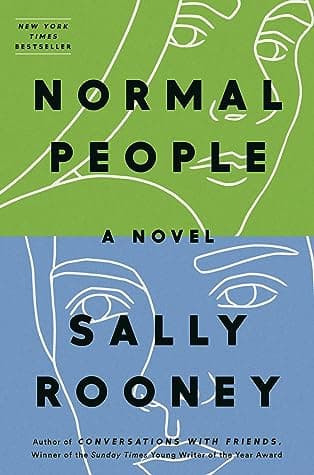
- Normal People
Sally Rooney
3.9 (405k) average on GoodreadsLiterary FictionUnlike Rooney's Normal People, which explores intense relationships alongside themes of class and social anxiety, "Pages for You" places a stronger emphasis on literature and academia as central to shaping identity and romantic connection. While both feature intellectual protagonists, Brownrigg's focus is more singularly on the internal worlds and intellectual crucible of the relationship.
- The Old Man and the Sea
Ernest Hemingway
3.8 (831k) average on GoodreadsLiterary FictionA Cuban fisherman's long struggle with a giant marlin becomes a story of endurance and dignity, now retold for young adults with illustrations, phonetic guides, and writing prompts in Traditional Chinese.
- One Hundred Years of Solitude
Gabriel García Márquez
4.1 (753k) average on GoodreadsLiterary FictionThrough the multi-generational story of the Buendía family, a mythical town deals with the repeating patterns of time, love, and solitude, as the extraordinary mixes with the ordinary.
- The Goldfinch
Donna Tartt
3.9 (720k) average on GoodreadsLiterary FictionHaunted by a tragic explosion and clutching a stolen Dutch masterpiece, a young orphan navigates the opulent drawing rooms of New York and the gritty underbelly of the art world, desperately seeking connection and redemption amidst a life spiraling into crime and obsession.





Enjoyed the summary?
A summary gives you the shape of the book. The book itself has the detail, the examples and the voice.
Find Pages for You on AmazonAs an Amazon Associate, BookBrief earns from qualifying purchases. How we're funded