
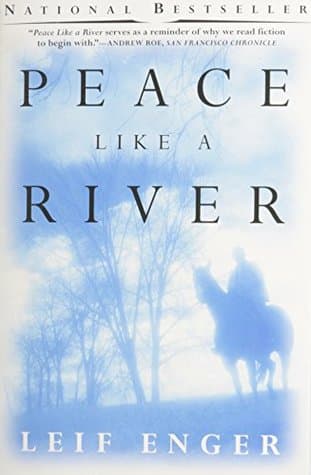
Synopsis
Covers the whole plot, including the ending.
- Difficulty
- Medium
- Pacing
- Moderate
- Mood
- Lyrical, Spiritual, Melancholy, Hopeful, Adventurous
- Read it if
- You enjoy lyrical prose, a blend of magical realism and gritty realism, and stories about faith, family, and justice.
- Skip it if
- You prefer fast-paced thrillers or are put off by overt religious themes and elements of the miraculous.
Peace Like a River Plot Summary
Covers the whole plot, including the ending.
The Land Family and the First Miracle
The story opens with Reuben Land, an asthmatic eleven-year-old, introducing his family in their small rural Minnesota town. His father, Jeremiah, is a widower and a man of unwavering faith, known for performing miracles, though he humbly attributes them to God. His older brother, Davy, is strong and independent, while his younger sister, Swede, is a poetic child. Reuben recounts the first miracle he witnessed: when he was an infant, Jeremiah brought him back from the brink of death from pneumonia, speaking to God and using his breath. This event solidifies Jeremiah's reputation and sets the tone for the family's unique spiritual understanding of the world. They live a simple life, marked by Jeremiah's deep connection to the divine, which often shows up in extraordinary ways.
Tommy Basca and the Harassment
The Land family's peace is shattered by Tommy Basca and his accomplice, Flathead Tarbox, two local bullies who begin to harass the family. Their initial provocations are minor, but they quickly escalate, targeting Davy, who is proud and fiercely protective of his family. The harassment culminates in an incident where Basca and Tarbox break into the Land home, terrorizing Swede and threatening the family. Jeremiah, despite his faith, struggles with how to protect his children from this tangible evil without violence, while Davy's simmering anger reaches a boiling point, foreshadowing tragic events. The family feels increasingly isolated and vulnerable against the relentless tormentors.
The Shooting and Davy's Flight
One night, Tommy Basca and Flathead Tarbox return, attempting to kidnap Swede. Davy, consumed by protective fury, confronts them. In the struggle, Davy shoots and kills both Basca and Tarbox. He is subsequently arrested and charged with murder. Despite the circumstances, the legal system seems poised to condemn him. Jeremiah, though heartbroken, maintains his faith, believing in God's ultimate justice. Davy, unwilling to face what he perceives as an unjust trial and certain conviction, stages a daring escape from the local jail, disappearing into the night. His flight marks the beginning of the family's journey, as they resolve to find him, driven by loyalty and an unshakeable belief in his innocence, or at least his right to freedom.
The Search Begins
Following Davy's escape, Jeremiah, Reuben, and Swede decide to pursue him, driven by a deep sense of family and a steadfast belief that Davy deserves their support. They pack their belongings and set out from their Minnesota home, heading west into the desolate and beautiful landscapes of the Badlands of North Dakota. Their journey is not merely physical but also spiritual, as Jeremiah continues to rely on his faith to guide them. Reuben, as the narrator, details their travels, the people they meet, and the signs they interpret as divine guidance. The harsh environment mirrors the emotional turmoil of their situation, yet their bond as a family remains strong, fortified by their shared purpose and Jeremiah's unwavering conviction.
Roxanna and the Ranch
During their arduous search, the Land family encounters Roxanna Cawley, a strong and independent woman living alone on a remote ranch in North Dakota. Roxanna, initially wary, is gradually drawn to the family's unique dynamic and Jeremiah's quiet strength. She offers them shelter and work, providing a much-needed break from their relentless pursuit. A deep affection develops between Jeremiah and Roxanna, offering a glimmer of hope for a future beyond their current predicament. For Reuben and Swede, Roxanna represents a maternal figure, filling a void left by their mother's early death. This stop allows the family to regain strength, both physically and emotionally, and offers a brief period of normalcy amidst their extraordinary circumstances, even as the search for Davy continues to weigh on them.
The Pursuit of Andreeson
Throughout their journey, the Land family is pursued by Federal Agent Andreeson, a determined and morally ambiguous lawman. Andreeson is obsessed with capturing Davy, seeing him as a dangerous fugitive who must be brought to justice. He follows their trail, often appearing unexpectedly, creating a constant sense of tension and danger for the family. Andreeson's presence highlights the conflict between human law and divine justice, a central theme of the novel. He represents the unyielding force of the legal system, contrasting sharply with Jeremiah's faith-driven approach to life and justice. His relentless pursuit underscores the precariousness of the family's situation, reminding them that their freedom, and Davy's, is constantly under threat, even as they cling to hope.
The Blizzard and Jeremiah's Sacrifice
While continuing their search for Davy, the family, along with Roxanna, gets caught in a brutal blizzard. The storm is life-threatening, and Reuben suffers a severe asthma attack, leaving him close to death. In a moment of deep faith and desperate love, Jeremiah performs his greatest miracle yet. He appears to make a deal with God, offering his own life in exchange for Reuben's. Reuben experiences a vision of a beautiful, peaceful place, and when he awakens, he is miraculously healed, but Jeremiah is gone. His body is found frozen in the snow, a peaceful expression on his face. This event is the emotional climax of the story, solidifying Jeremiah's miraculous nature and leaving the children to deal with their profound loss and the impossible gift of life he bestowed upon Reuben.
Davy's Return and Farewell
After Jeremiah's death, Davy reappears, drawn back to his family by the tragedy. He finds Reuben, Swede, and Roxanna grieving their father's loss. His return is brief but poignant, a moment of shared sorrow and unspoken understanding. Davy explains that he cannot stay, knowing that his presence would only bring more danger to those he loves. He shares a final, tender moment with his siblings and Roxanna, a silent farewell that acknowledges their enduring bond despite the circumstances. He then disappears once more, this time seemingly for good, leaving his family to forge a new path without him, but with the indelible memory of his presence and the love that binds them.
A New Beginning with Roxanna
Following Jeremiah's death and Davy's final departure, Reuben and Swede return to Roxanna's ranch. Roxanna, having developed a deep bond with the children and a deep love for Jeremiah, takes on the role of their guardian. She provides them with a stable and loving home, offering a sense of normalcy and security after their tumultuous journey. Reuben continues to narrate, reflecting on the profound impact of his father's life and death, and the enduring power of faith and family. The narrative shifts from the urgent search for Davy to the quiet process of healing and rebuilding. Roxanna's strength and kindness offer the children a path forward, demonstrating that love and family can endure even the most profound losses.
Reuben's Acceptance and Legacy
Years later, Reuben, now an adult, reflects on his life and the extraordinary events of his childhood. He acknowledges the miraculous nature of his father's life and death, and its profound impact on him and Swede. He has found peace, not in understanding every mystery, but in accepting the love and faith that defined his family. He lives a quiet life, carrying the legacy of his father's miracles and the lessons learned from their journey. The narrative concludes with Reuben's mature perspective, emphasizing the enduring power of faith, family, and the quiet miracles that shape a life. He understands that while Davy was never found by the law, he found his own freedom, and the Land family found a different kind of peace, a peace like a river.
Peace Like a River Characters
Reuben Land
Protagonist/Narrator
An asthmatic eleven-year-old boy who chronicles his family's extraordinary journey.
Reuben is the introspective and observant narrator of the story. Afflicted with severe asthma, he often feels physically weak but possesses a keen intellect and a deep emotional sensitivity. He is devoted to his family, especially his father, whose miracles he witnesses firsthand and struggles to comprehend. Reuben's voice is marked by wonder, love, and a persistent questioning of the divine and the miraculous. He acts as the grounded observer amidst the fantastical events, attempting to make sense of a world where faith can literally move mountains or save lives. His physical vulnerability often makes him a direct recipient of his father's protective love and miraculous interventions.
Relationships: Jeremiah Land (Son, recipient of his father's miracles and profound love); Davy Land (Younger brother, loyal to Davy despite his actions); Swede Land (Older brother, protective and deeply connected to his sister); Roxanna Cawley (Adopted son, finds a maternal figure and home with her)
Jeremiah Land
Protagonist
Reuben's father, a man of unwavering faith capable of performing miracles.
Jeremiah is the spiritual anchor of the Land family. A humble, quiet man, he possesses an extraordinary faith that manifests in genuine miracles, though he attributes them solely to God's will. He is a loving father, fiercely protective of his children, and his moral compass is guided by a deep, personal relationship with the divine. Jeremiah struggles with the concept of justice, particularly when his son Davy is accused, believing in a higher, more compassionate form of justice than that of man. His actions, from healing Reuben as an infant to sacrificing his own life, define the spiritual core of the novel, making him a Christ-like figure for his family.
Relationships: Reuben Land (Father, performs miracles to save Reuben's life); Davy Land (Father, deeply loves Davy despite his violent actions); Swede Land (Father, deeply cherishes and protects Swede); Roxanna Cawley (Love interest, finds companionship and affection with her)
Davy Land
Supporting/Fugitive
Reuben's older brother, a fiercely independent and protective young man who becomes a fugitive.
Davy is the eldest Land child, strong-willed, independent, and fiercely protective of his family. He carries a simmering anger and a deep sense of justice, which ultimately leads him to kill Tommy Basca and Flathead Tarbox in defense of his sister. Davy is a man of action, preferring to take matters into his own hands rather than relying on external authorities or even his father's miracles. His escape from jail and subsequent flight are driven by a belief that the legal system would not provide him with true justice. He remains an elusive figure throughout much of the story, a symbol of freedom and the moral complexities of violence and self-defense.
Relationships: Jeremiah Land (Son, respects his father but struggles with his non-violent approach); Reuben Land (Older brother, protective of Reuben); Swede Land (Older brother, fiercely protective of Swede, leading to his crime)
Swede Land
Supporting
Reuben's younger sister, a precocious and imaginative poet.
Swede is a bright, imaginative, and highly articulate child, often expressing herself through poetry and stories. She possesses a vivid inner life and a strong sense of self, often providing a counterpoint to Reuben's more practical observations. Her love for words and her imaginative tales, particularly those of a heroic cowboy named Sunny Sundown, serve as both an escape and a way for her to process the chaotic events unfolding around her. Despite her youth, Swede displays remarkable resilience and a deep emotional connection to her family. She represents the innocence and creative spirit that the family strives to protect, and her vulnerability is a catalyst for Davy's actions.
Relationships: Jeremiah Land (Daughter, deeply loved and protected by her father); Reuben Land (Younger sister, shares a close bond with Reuben); Davy Land (Younger sister, Davy's act of violence is in her defense); Roxanna Cawley (Adopted daughter, finds a new maternal figure in Roxanna)
Roxanna Cawley
Supporting
A strong, independent woman who provides refuge and love to the Land family.
Roxanna is a solitary, self-sufficient woman living on a remote North Dakota ranch. Initially guarded, she opens her heart to the Land family, providing them with shelter, work, and much-needed stability during their search for Davy. She develops a deep affection for Jeremiah, finding in him a kindred spirit and a quiet strength. Roxanna embodies resilience and practicality, providing a grounding force for the Land children after their father's death. She becomes a surrogate mother to Reuben and Swede, offering them a new home and a sense of belonging. Her presence introduces a romantic element and a vision of a stable future, even amidst the family's ongoing trials.
Relationships: Jeremiah Land (Love interest, finds companionship and affection with him); Reuben Land (Adoptive mother, provides a home and care for Reuben); Swede Land (Adoptive mother, provides a home and care for Swede)
Federal Agent Andreeson
Antagonist
A relentless federal agent determined to capture Davy Land.
Agent Andreeson is the embodiment of the law and order that pursues Davy Land. He is determined, methodical, and relentless in his pursuit, viewing Davy as a dangerous criminal who must be brought to justice. Andreeson is a foil to Jeremiah, representing a world governed by strict rules and legal retribution, in contrast to Jeremiah's faith-based understanding of justice. While not inherently evil, his unwavering adherence to the law makes him an antagonist to the Land family's quest for a different kind of freedom and peace. His presence creates constant tension and danger, reminding the family of the insurmountable odds against them.
Relationships: Davy Land (Pursuer, determined to capture Davy); Jeremiah Land (Opponent, represents the law against Jeremiah's faith)
Tommy Basca
Antagonist
A local bully whose actions lead to Davy's crime.
Tommy Basca is one of the two local bullies who relentlessly harass the Land family. He is cruel, taunting, and represents the arbitrary evil that intrudes upon their lives. His actions, particularly the attempted kidnapping of Swede, serve as the direct catalyst for Davy's violent response. Basca embodies the mundane yet dangerous threats that exist in the world, forcing the Land family to confront the question of how to protect themselves when conventional means fail. His death at Davy's hands sets the entire plot into motion, transforming Davy into a fugitive and initiating the family's extraordinary journey.
Relationships: Davy Land (Victim of Davy's violence, antagonist to the Land family); Swede Land (Tormentor, attempts to kidnap Swede)
Flathead Tarbox
Mentioned
Tommy Basca's accomplice in harassing the Land family.
Flathead Tarbox is Tommy Basca's sidekick, equally involved in the harassment of the Land family. He assists Basca in tormenting the children and is present during the fatal confrontation with Davy. His character serves to amplify the threat posed by Basca and to reinforce the extreme circumstances that push Davy to violence. Like Basca, his role is primarily to act as a catalyst for the plot, and he also dies at Davy's hands.
Relationships: Davy Land (Victim of Davy's violence, antagonist to the Land family)
Peace Like a River Themes
Faith vs. Law
This theme explores the tension between human legal systems and a divine, often miraculous, understanding of justice and morality. Jeremiah Land embodies unwavering faith, believing in God's will and intervention, even when it defies logic or earthly law. His miracles, such as healing Reuben and sacrificing himself, show a higher form of justice and love. Davy's flight from the law, driven by a perceived injustice, further highlights this conflict. Agent Andreeson represents the rigid, unforgiving nature of human law. The novel asks whether true justice can only be found outside conventional legal frameworks, suggesting that faith offers a different, perhaps more profound, path to peace. This is particularly evident in Jeremiah's struggle with Davy's crime, where he grapples with the 'rightness' of Davy's actions in the eyes of God versus the law.
“A person can't go around calling out miracles, or God will just quit handing them out.”
Miracles and the Extraordinary in the Everyday
The novel suggests that miracles are not just ancient tales but active forces in the world, often appearing in unexpected ways. Jeremiah Land's ability to perform genuine miracles, from healing his children to his ultimate sacrifice, is presented as an undeniable reality within the story. These events challenge the reader's perception of what is possible, blending magical realism with the gritty reality of the American West. Reuben, as the narrator, deals with the implications of these miracles, often struggling to reconcile them with his rational understanding of the world. The theme suggests that faith can unlock extraordinary occurrences, transforming the mundane into the miraculous and filling life with wonder and divine presence. The family's survival against overwhelming odds often feels miraculous.
“There are miracles, and there are miracles, and if you believe in one, you have to believe in the other.”
The Power of Family and Loyalty
The Land family's unwavering loyalty to one another forms the emotional core of the novel. Despite Davy's crime and subsequent flight, Jeremiah, Reuben, and Swede embark on a perilous journey to find him, driven by a deep, unconditional love. Their bond goes beyond legal and societal judgments, emphasizing the sanctity of family ties. This loyalty is not always easy; it forces them into dangerous situations and profound sacrifices. The family's resilience in the face of adversity, their shared experiences, and their mutual support highlight the enduring strength of their connection. Even after Jeremiah's death and Davy's disappearance, the remaining family members, including Roxanna, form a new, cohesive unit, showing that family is defined by love and commitment, not just blood.
“We were not traveling to find Davy, we were traveling with him, in spirit, wherever he might be.”
Loss, Grief, and Healing
The novel deals with profound loss, from the early death of the Land children's mother to the violent deaths of Basca and Tarbox, and most significantly, Jeremiah's miraculous sacrifice. Each loss leaves a deep emotional impact on the characters, particularly Reuben, who narrates his grief with honesty. The journey itself is a form of coping, a way to channel grief into action. The ultimate healing comes not from forgetting, but from acceptance and the formation of new bonds, as seen in Roxanna's integration into the family. The story suggests that while loss is inevitable and painful, it can also lead to growth, deeper understanding, and the discovery of new forms of love and family, ultimately leading to a sense of peace.
“A person knows when they're loved, even if they're gone.”
Coming of Age and Self-Discovery
Reuben's journey is fundamentally a coming-of-age story. As he navigates the dangers of the Badlands, witnesses miracles, and experiences profound loss, he grows from a sickly, sheltered boy into a more mature and understanding individual. His asthma, a constant physical challenge, is a metaphor for his vulnerability and his eventual triumph over adversity. Through his observations and reflections, Reuben begins to understand the complexities of faith, justice, and love. The extraordinary events of his childhood force him to confront existential questions, shaping his worldview and his sense of self. By the end of the novel, Reuben has reconciled with the miraculous nature of his past and found his own place in a world forever changed by his family's experiences.
“I was just a boy, and I didn't know much about anything, but I knew I loved my father.”
Plot Devices & Literary Techniques
First-Person Narration (Child's Perspective)
The story is told through the eyes of an eleven-year-old boy, Reuben Land.
Reuben's perspective as an asthmatic, observant child provides a unique lens through which to view the extraordinary events. His innocence allows for a sense of wonder and a less cynical interpretation of the miracles, while his vulnerability heightens the stakes. The child's voice also creates a sense of immediacy and emotional honesty, making the fantastical elements more believable. As he matures throughout the narrative, his reflections offer a blend of childlike awe and adult understanding, enriching the story's themes of faith and the miraculous. This perspective allows the reader to experience the events alongside Reuben, sharing his confusion, fear, and eventual peace.
Magical Realism
Supernatural elements are seamlessly integrated into a realistic setting.
The novel employs magical realism by presenting genuine miracles—Jeremiah's ability to heal and his ultimate sacrifice—as undeniable facts within an otherwise grounded, historical setting. These supernatural events are not questioned by the characters as fantastical but are accepted as part of their lived reality, particularly within the framework of Jeremiah's deep faith. This device blurs the line between the ordinary and the extraordinary, inviting the reader to suspend disbelief and consider a world where faith can literally alter reality. It elevates the narrative from a simple chase story to an exploration of spiritual truths and the potential for the divine to manifest in the everyday world.
Biblical Allusion and Imagery
The narrative draws heavily on biblical stories, language, and archetypes.
The novel is steeped in biblical allusions, most notably through Jeremiah Land, whose name evokes the prophet Jeremiah, and whose actions often parallel those of Christ figures or Old Testament prophets. The idea of miracles, divine intervention, sacrifice, and the search for justice are all deeply rooted in biblical tradition. The language itself often carries a poetic, almost sermonic quality, reflecting the spiritual depth of the story. This device imbues the narrative with a timeless, mythic quality, elevating the Land family's journey beyond a simple adventure story to a modern parable about faith, redemption, and the nature of God's presence in the world. It provides a rich subtext that resonates with readers familiar with religious texts.
The Journey/Quest Narrative
The Land family embarks on a physical and spiritual journey to find Davy.
The central plot is structured as a quest: Jeremiah, Reuben, and Swede journey across the American Badlands in pursuit of the fugitive Davy. This physical journey serves as a powerful metaphor for their spiritual and emotional quest for understanding, justice, and peace. Along the way, they encounter various challenges, allies (Roxanna), and antagonists (Andreeson), which test their faith and strengthen their bonds. The changing landscapes mirror their internal states and the evolving nature of their search. The journey provides a framework for the characters' development and allows for the exploration of the novel's central themes, as the destination becomes less important than the transformation experienced along the way.
Peace Like a River Quotes
“There is no medicine like hope, no incentive so great, and no tonic so powerful as expectation of something tomorrow.”
“Some truths are like a river, you can't step in the same one twice.”
“A man's worth is not measured by the things he owns, but by the things he gives.”
“Miracles are not for the faint of heart; they're for the ones who refuse to give up.”
“What you love, you are.”
“Peace is not the absence of trouble, but the presence of God.”
“We are all of us, in some way, running from something or toward something.”
“The world is not always a safe place, but it is always a place where God is.”
“Sometimes the greatest lessons are learned in the hardest ways.”
“To forgive is to set a prisoner free and discover that the prisoner was you.”
“There are times when a man has to choose between what is right and what is easy.”
“The measure of a man's life is not its duration, but its donation.”
“Hope, like a candle, flickers in the darkest corners.”
“Some stories are not meant to be understood, only to be lived.”
Quiz
10 questions on the plot and the characters. Each answer comes with a short explanation.
Question 1
What is Reuben Land's primary physical ailment throughout the novel?
- A severe limp
- Chronic asthma
- Partial deafness
- A stammer
Show answer
B. Chronic asthma Reuben Land, the narrator, frequently mentions his struggles with asthma, which often impacts his ability to keep up with his family.
Question 2
For what crime is Davy Land charged, leading to his flight?
- Robbery of a local store
- Assaulting a sheriff's deputy
- The murder of two men who terrorized his family
- Arson of a barn
Show answer
C. The murder of two men who terrorized his family Davy Land is accused of killing two men, Israel Finch and Tommy Basca, after they broke into the Land's home and threatened the family.
Question 3
What unique ability or reputation does Jeremiah Land possess, often referred to by Reuben?
- He is an exceptionally skilled tracker and hunter.
- He has a deep faith that allows him to perform miracles.
- He can perfectly mimic anyone's voice.
- He possesses an eidetic memory.
Show answer
B. He has a deep faith that allows him to perform miracles. Jeremiah Land is known for his profound faith, which Reuben believes enables him to perform miracles, such as healing Reuben's asthma temporarily or resurrecting a dead man.
Question 4
What is the primary setting for the Land family's journey in search of Davy?
- The arid deserts of New Mexico
- The swampy bayous of Louisiana
- The frozen Badlands of the Dakotas
- The dense forests of the Pacific Northwest
Show answer
C. The frozen Badlands of the Dakotas The family's journey takes them through the harsh, wintry landscape of the Badlands in the Dakotas as they pursue Davy.
Question 5
Who is Jape Waltzer, and what is his significance to Davy's flight?
- He is the sheriff leading the manhunt for Davy.
- He is a traveling preacher who offers the Lands shelter.
- He is a mysterious outlaw who takes Davy under his wing.
- He is a lawyer who attempts to defend Davy in court.
Show answer
C. He is a mysterious outlaw who takes Davy under his wing. Jape Waltzer is a notorious criminal who befriends Davy and provides him with refuge, complicating the Land family's search and Davy's situation.
Question 6
What literary form does Swede Land favor for expressing her creativity and understanding of the world?
- Painting elaborate landscapes
- Writing epic poems about cowboys and heroes
- Composing musical pieces on the piano
- Carving intricate wooden figures
Show answer
B. Writing epic poems about cowboys and heroes Swede is an aspiring poet, constantly writing long, serialized cowboy poems that often mirror or foreshadow events in the family's journey.
Question 7
What is the underlying thematic tension between the concepts of earthly justice and divine justice in the novel?
- The novel argues that earthly justice is always superior to divine intervention.
- It suggests that divine justice is irrelevant in the face of human law.
- The story explores how human laws often fail to account for moral complexities, contrasting with a higher, more personal sense of right and wrong.
- The book concludes that only strict adherence to legal statutes can bring peace.
Show answer
C. The story explores how human laws often fail to account for moral complexities, contrasting with a higher, more personal sense of right and wrong. A central theme is the conflict between the imperfect legal system that seeks to punish Davy and the family's belief in a divine justice, often manifested through Jeremiah's miracles, which offers a different path to peace and resolution.
Question 8
How does Jeremiah Land ultimately resolve the conflict with Jape Waltzer?
- He convinces Waltzer to surrender to the authorities.
- He engages Waltzer in a violent shootout, killing him.
- He sacrifices himself to save Reuben from Waltzer, leading to his own death.
- He uses his miraculous abilities to make Waltzer disappear.
Show answer
C. He sacrifices himself to save Reuben from Waltzer, leading to his own death. In a climactic confrontation, Jeremiah Land gives his own life to protect Reuben from Jape Waltzer, an act that Reuben interprets as his final, most profound miracle.
Question 9
What is the significance of the 'peace like a river' phrase in the context of the novel's ending?
- It refers to the literal river where Davy finally finds refuge from the law.
- It symbolizes the calm and quiet life the family eventually settles into after their ordeal.
- It represents the profound, spiritual peace that transcends earthly suffering and loss, often connected to faith and the afterlife.
- It is a metaphor for the relentless pursuit of justice that the family undertakes.
Show answer
C. It represents the profound, spiritual peace that transcends earthly suffering and loss, often connected to faith and the afterlife. The phrase, drawn from a hymn, embodies the deep spiritual peace that the Land family, particularly Reuben, comes to understand, a peace that endures despite tragedy and loss, and which is often linked to Jeremiah's faith and the promise of the afterlife.
Question 10
How does Davy Land's ultimate fate align with or diverge from conventional expectations of justice?
- He is captured, tried, and sentenced to a lengthy prison term, fulfilling legal justice.
- He is killed in a shootout with the authorities, an expected end for a fugitive.
- He escapes across the border and lives out his life in anonymity, evading legal justice but finding a form of freedom.
- He voluntarily surrenders and is exonerated due to new evidence.
Show answer
C. He escapes across the border and lives out his life in anonymity, evading legal justice but finding a form of freedom. Davy ultimately escapes across the Canadian border, living a life outside the reach of the law, which diverges from conventional justice but allows him a form of freedom, echoing the novel's exploration of different kinds of 'justice.'
Peace Like a River FAQ
What is the central conflict that sets the Land family on their journey?
The central conflict begins when Davy Land, Reuben's older brother, shoots and kills two local thugs, Israel Finch and Tommy Basca, who had been terrorizing their family. Davy acts to protect his family after Finch and Basca invade their home and threaten his sister, Swede, and his father, Jeremiah. This act of violence forces Davy to flee, prompting Reuben, Swede, and Jeremiah to pursue him across the Badlands.
Who is Reuben Land and what is his role in the story?
Reuben Land is the asthmatic 11-year-old narrator of the story, providing a unique and often poetic perspective on the events. He is deeply devoted to his family, particularly his father and his siblings, and his physical vulnerability due to his asthma often contrasts with his inner strength and loyalty. Reuben's narrative voice frames the entire journey and the miraculous events that unfold.
Describe Jeremiah Land's unique characteristic and its significance.
Jeremiah Land is Reuben and Swede's father, a man of profound and unwavering faith who is known to perform miracles, such as bringing Reuben back to life after an asthma attack. His spiritual power and calm demeanor are central to the family's resilience and serve as a guiding force throughout their difficult journey. Jeremiah's miracles are not just fantastical elements but manifestations of his deep connection to God and his love for his family.
What role does Swede Land play in the family and the narrative?
Swede Land is Reuben's imaginative younger sister, a prodigious poet who writes epic Western-style ballads featuring a hero named Sunny Sundown. Her vivid imagination and storytelling provide a sense of wonder and a coping mechanism for the family during their arduous search for Davy. Swede's creative spirit often mirrors the miraculous events occurring around them, blending reality with myth.
Where does the Land family's journey primarily take them?
The Land family's journey takes them across the harsh and beautiful landscapes of the frozen Badlands of North Dakota, particularly after Jeremiah decides to pursue Davy. Their travels lead them through various small towns and desolate areas, encountering a diverse cast of characters along the way. This geographical setting emphasizes their isolation and the spiritual nature of their quest.
What is the significance of the character Roxanna?
Roxanna is a kind and independent woman who provides shelter and comfort to Jeremiah, Reuben, and Swede during their journey, falling in love with Jeremiah. She represents a potential new beginning and a grounded, earthly love for Jeremiah, offering a stark contrast to his often otherworldly faith. Her presence highlights the human need for connection and belonging amidst their spiritual quest.
How does the recurring motif of breathing and asthma relate to Reuben's narration?
Reuben's asthma is a constant physical struggle throughout the book, making his breath a precious and often precarious resource. This motif underscores his vulnerability and his deep appreciation for life, influencing his observations and his narrative style, which often feels like a slow, deliberate intake of air. It also connects to the idea of 'spirit' or 'breath of life,' linking his physical condition to the spiritual themes.
What is the implied fate of Jeremiah Land at the end of the novel?
Jeremiah Land's fate is left somewhat ambiguous but strongly implies a miraculous, spiritual departure rather than a conventional death. After a final, selfless act to save Reuben, he seems to transcend his physical form, leaving behind only his hat and a sense of his presence. This suggests he achieves a mystical union with the divine, fulfilling his miraculous nature.
How do the 'miracles' in the book function beyond simple plot devices?
The miracles in the book, such as Reuben being brought back to life or Jeremiah's seemingly supernatural protection, serve as more than just plot devices; they are central to the novel's exploration of faith and the sacred in the mundane. They challenge rational explanation, inviting readers to consider the presence of the divine and the power of belief in shaping reality. These events underscore the Land family's unique spiritual connection.
How does Reuben's asthma influence his perception of the world and his family?
Reuben's asthma makes him acutely aware of his own mortality and the preciousness of life, fostering a deep appreciation for the beauty around him and the love of his family. It also makes him a keen observer, often leading him to notice subtle details and nuances that others might miss. His physical vulnerability ironically sharpens his spiritual and emotional sensitivity.
Analyze the psychological impact of Davy's flight on the Land family.
Davy's flight creates a profound sense of loss, urgency, and fragmented identity within the Land family, forcing them to confront their deepest fears and re-evaluate their understanding of justice and family bonds. While it initially causes distress, it also galvanizes their unity and strengthens their faith, pushing them on a transformative spiritual and physical journey. The pursuit becomes a quest for wholeness and redemption.
Discuss the psychological resilience of Swede Land in the face of adversity.
Swede Land demonstrates remarkable psychological resilience through her imaginative storytelling and poetic creation. Her creation of the Sunny Sundown saga allows her to process trauma, find meaning, and exert a form of control over chaotic events. This creative outlet serves as a powerful coping mechanism, transforming fear and uncertainty into heroic narratives that sustain her spirit and her family's hope.
How does Jeremiah Land's unwavering faith affect his decision-making and the family's journey?
Jeremiah Land's unwavering faith profoundly shapes his decision-making, leading him to trust in divine guidance rather than conventional logic or legal systems. His belief that 'God doesn't make mistakes' allows him to face immense challenges with calm resolve, inspiring his children and guiding their seemingly impossible journey. This faith provides both comfort and direction, even when circumstances are dire.
Is 'Peace Like a River' primarily a religious novel or a story about faith in a broader sense?
While 'Peace Like a River' is deeply imbued with Christian imagery and themes, it transcends being solely a religious novel by exploring faith in a broader, more universal sense. It delves into the power of belief, love, and hope, not just within a specific doctrine, but as essential human experiences that shape destiny and perception. The miracles serve as metaphors for the extraordinary in everyday life.
How does the novel challenge conventional notions of justice?
The novel challenges conventional notions of justice by presenting Davy's act as a righteous defense of his family, despite it being legally a murder, and by showing the inadequacy of the legal system to account for spiritual truths. Jeremiah's pursuit of Davy is driven by a higher, moral justice, suggesting that true justice often lies beyond the letter of the law and within the realm of divine will and familial love.
What is the significance of the title 'Peace Like a River'?
The title 'Peace Like a River' alludes to the hymn 'It Is Well with My Soul' and signifies the profound, flowing sense of spiritual peace that Jeremiah Land embodies and imparts, even amidst profound turmoil and loss. It suggests that true peace is not the absence of conflict but an inner serenity derived from faith and acceptance, a peace that sustains and carries one through life's currents.
To what extent can the miraculous events be interpreted metaphorically rather than literally?
The miraculous events in the novel can be interpreted both literally, as genuine divine interventions, and metaphorically, as heightened expressions of the power of faith, love, and human resilience. Even if not taken literally, they powerfully convey the Land family's profound spiritual connection and their ability to find wonder and meaning in extraordinary circumstances. The ambiguity invites readers to engage with their own beliefs.
How does the ending of the novel resolve the various plot threads and themes?
The ending of the novel resolves the plot threads by bringing Davy's journey to a conclusion, with him finally achieving a form of freedom, and by providing a spiritual, rather than conventional, resolution for Jeremiah. It emphasizes the enduring power of family love, faith, and the miraculous, suggesting that while physical presence may fade, spiritual connections and the impact of love persist. Reuben's continued narration solidifies the legacy.
Similar books
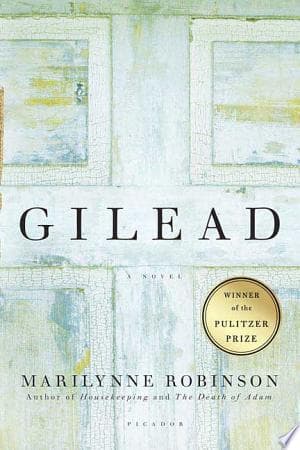
- Gilead (Oprah's Book Club)
Marilynne Robinson
3.9 (126k) average on GoodreadsFictionExplores profound spiritual themes and family legacy through a reflective, first-person narrative.
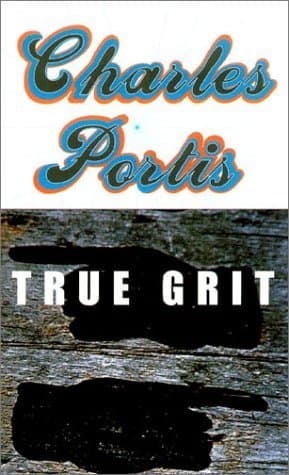
- True Grit
Charles Portis
4.1 (44k) average on GoodreadsHistorical FictionFeatures a strong, young narrator on a quest for justice in the American West, with distinct character voices.
- The Lincoln Highway: A Read with Jenna Pick
Amor Towles
Follows brothers on an unexpected journey, blending adventure with a thoughtful exploration of fate and freedom.
- The Old Man and the Sea
Ernest Hemingway
3.8 (831k) average on GoodreadsLiterary FictionA Cuban fisherman's long struggle with a giant marlin becomes a story of endurance and dignity, now retold for young adults with illustrations, phonetic guides, and writing prompts in Traditional Chinese.
- One Hundred Years of Solitude
Gabriel García Márquez
4.1 (753k) average on GoodreadsLiterary FictionThrough the multi-generational story of the Buendía family, a mythical town deals with the repeating patterns of time, love, and solitude, as the extraordinary mixes with the ordinary.
- The Goldfinch
Donna Tartt
3.9 (720k) average on GoodreadsLiterary FictionHaunted by a tragic explosion and clutching a stolen Dutch masterpiece, a young orphan navigates the opulent drawing rooms of New York and the gritty underbelly of the art world, desperately seeking connection and redemption amidst a life spiraling into crime and obsession.



Enjoyed the summary?
A summary gives you the shape of the book. The book itself has the detail, the examples and the voice.
Find Peace Like a River on AmazonAs an Amazon Associate, BookBrief earns from qualifying purchases. How we're funded