
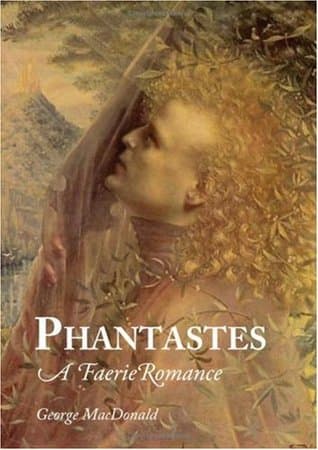
Synopsis
Covers the whole plot, including the ending.
- Difficulty
- Medium
- Pacing
- Slow
- Mood
- Dreamlike, Reflective, Spiritual, Melancholy, Mystical
- Read it if
- You enjoy classic allegorical fantasy, dreamlike narratives, or stories that explore deep spiritual and philosophical themes through a fantastical lens. Perfect for fans of C.S. Lewis who want to explore his literary inspirations.
- Skip it if
- You prefer fast-paced plots, clear-cut character arcs, or stories with explicit magic systems and world-building. This book is more about internal journey and symbolic meaning than external action.
Phantastes Plot Summary
Covers the whole plot, including the ending.
Anodos's Awakening and Entry into Fairyland
On his twenty-first birthday, Anodos, an orphaned young man, inherits his ancestral estate. While exploring his father's old desk, he meets a mysterious old woman and a small, beautiful fairy in his bedroom. The fairy, from a water-lily, tells him he is about to journey to Fairyland. As he looks into a basin of water, the room changes, and he is transported into a mystical forest. This first transition is disorienting but full of wonder and anticipation, marking the start of his spiritual quest and his first steps into an unknown world with different laws.
The Beeches and the Marble Lady
Anodos wanders through the forest, meeting talking trees, especially Beeches. He discovers some trees are good, while others are bad or indifferent. He is drawn to a magnificent marble statue of a woman, which seems to come alive and then move away, always just out of reach. This 'Marble Lady' becomes a recurring figure, representing an ideal of beauty and love he desires but cannot grasp. His pursuit of her leads him deeper into the forest, showing his initial romantic and somewhat naive quest for an external ideal.
The Old Woman and the Shadow
Anodos meets an old woman who warns him about a dangerous Black Knight. Later, he enters a chapel where he sees a beautiful woman praying. He opens an alabaster sarcophagus, releasing a malevolent Shadow that attaches itself to him. This Shadow represents his self-consciousness, fear, and doubt, darkening his perception and making others avoid him. This act of wrongdoing marks a turning point, bringing suffering and self-reproach into his journey, and showing the consequences of rash actions and the burden of ego.
The Cottage of the Old Man and the Ogre's House
The Shadow makes Anodos's interactions difficult, driving away those who might help him. He finds refuge in a humble cottage with an old man and his daughter, who are initially kind but become cautious of his unsettling companion. He then travels to the House of the Ogre, a place of oppressive darkness and despair, where he sees beautiful creatures turn into grotesque, enslaved forms. This experience deeply disturbs him, showing the presence of evil and the struggle to keep inner light amid corruption.
The Realm of the Fairy Queen and the Tower
Seeking a cure for his Shadow, Anodos enters the realm of the Fairy Queen, a place of ethereal beauty and enchanting music. He hopes she can remove his dark companion. However, his self-consciousness and the Shadow's influence stop him from fully experiencing the joy and light of her court. He is eventually imprisoned in a tower, where he endures solitude and despair, thinking about his past mistakes and his affliction. This imprisonment is a time of intense introspection and spiritual trial.
The Rescue and the Planet-Spirit's Cave
Anodos is eventually freed from the tower; how he escapes is unclear, suggesting a change in his internal state. He then meets a Planet-Spirit in a cave, a being of ancient wisdom who shares cryptic knowledge about the connectedness of all things and the nature of reality. This meeting gives Anodos a broader view of his journey and the universe, hinting at deeper truths beyond his immediate struggles and the limits of his human understanding.
The House of the Lady of the Lake and the Book
Anodos arrives at a house by a lake, a place with many books. He spends time reading, gaining knowledge and stories, which both entertain and educate him. Here, he meets a wise and kind Lady, who seems to understand his situation without him needing to explain it. Her presence is comforting and enlightening, offering a contrast to the earlier, more elusive figures. This period represents a phase of learning and quiet contemplation, where intellectual and spiritual nourishment are found.
The Black Knight and the Ultimate Sacrifice
Anodos eventually meets the Black Knight, whom he had been warned about. In a moment of selflessness, he sacrifices himself to save another person from the Knight. This act of altruism, from genuine love and a desire to protect, causes the Shadow to finally detach from him. This important event shows his spiritual purification and the triumph over his ego, marking a deep change in his character and the end of his journey of self-surrender.
The Return to the Marble Lady and the Death of Despair
Freed from the Shadow, Anodos returns to the place of the Marble Lady. Now, without the burden of his ego and self-consciousness, he sees her not as an unreachable ideal, but as a symbol of divine love and beauty. He recognizes her as a manifestation of the 'Anima,' or soul, a deeper, spiritual reality. This meeting is no longer about frustrated longing but about deep peace and understanding, showing his acceptance of a higher, more spiritual form of love and beauty.
The Final Encounter and the Rebirth
Anodos experiences a form of death in Fairyland, a symbolic end to his spiritual journey and the complete surrender of his former self. This death is not an ending but a transition. He awakens back in his own world, in his bed, finding himself deeply changed. The experiences of Fairyland, though dreamlike, have left a lasting mark on his soul, giving him a new view on life, suffering, and reality. He keeps a quiet joy and a deeper understanding of the spiritual dimensions of existence.
Principal Figures
Anodos
Protagonist
A young man on a spiritual quest through Fairyland
Anodos is a sensitive, introspective, and somewhat naive young man who inherits his family estate on his 21st birthday. He is characterized by a deep yearning for beauty and truth, but also by a significant degree of self-consciousness and a tendency towards rash actions. His journey through Fairyland is a crucible for his soul, forcing him to confront his ego, desires, and fears. He begins as an idealist seeking external beauty but evolves into a humble seeker of divine love and self-surrender.
Relationships: The Marble Lady (Object of romantic yearning and spiritual ideal); The Shadow (His dark companion, representing his ego and self-consciousness); The Fairy Queen (A powerful, ethereal ruler he seeks help from); The Old Woman (A mysterious guide and warning figure)
The Marble Lady
Symbolic Figure
An elusive embodiment of ideal beauty and spiritual love
The Marble Lady is a recurring, almost ethereal figure, initially appearing as a beautiful statue that seems to come alive and then withdraws from Anodos's grasp. She represents Anodos's initial romantic ideals, his yearning for an external, perfect love. As his journey progresses, she evolves in his understanding, eventually symbolizing a higher, divine love and the 'Anima' or soul. She is not a character in the traditional sense, but a powerful symbol driving Anodos's spiritual growth and understanding of beauty.
Relationships: Anodos (Object of his quest and spiritual ideal)
The Shadow
Antagonist/Internal Conflict
A malevolent entity representing Anodos's ego and self-consciousness
The Shadow is a dark, oppressive presence that attaches itself to Anodos after he rashly opens an alabaster sarcophagus. It grows with his self-consciousness and fear, making him repulsive to others and darkening his perception of the world. The Shadow is not merely an external antagonist but a potent manifestation of Anodos's internal flaws – his ego, pride, and inability to truly surrender. Its removal is contingent upon Anodos's ultimate act of selfless love and sacrifice, signifying his spiritual purification.
Relationships: Anodos (Attached to him, representing his internal darkness)
The Fairy Queen
Supporting Character
The ethereal ruler of a beautiful but challenging realm
The Fairy Queen presides over a realm of enchanting music and beauty, a place Anodos enters hoping to find a cure for his Shadow. She is a figure of immense power and grace, but her court demands a purity of heart and freedom from self-consciousness that Anodos, burdened by his Shadow, initially lacks. Her realm serves as a test of his spiritual readiness, and his failure to fully experience its joy leads to his temporary imprisonment, highlighting the consequences of his inner state.
Relationships: Anodos (Ruler of a realm he visits, a figure of authority and beauty)
The Old Woman (Anodos's Bedroom)
Supporting Character
The initial guide who initiates Anodos's journey
This mysterious old woman appears in Anodos's bedroom just before his entry into Fairyland. She is the first to hint at the magical transition he is about to undergo, acting as a threshold guardian or herald. Her presence is brief but crucial, setting the stage for the entire adventure and confirming the reality of the impending spiritual journey. She represents the subtle, often overlooked forces that guide individuals towards their destinies.
Relationships: Anodos (Guide to Fairyland)
The Old Woman (Forest Warning)
Supporting Character
A prophetic figure who warns Anodos about future dangers
Later in the forest, Anodos encounters another old woman who warns him specifically about the Black Knight. She possesses a prophetic insight into the dangers that lie ahead for him. Her warnings, though he doesn't fully heed them at the time, emphasize the moral choices and trials he will face. She represents wisdom and foreknowledge, highlighting the presence of both good and evil forces at play in Fairyland and the importance of discernment.
Relationships: Anodos (Warns him of dangers)
The Planet-Spirit
Supporting Character
An ancient, elemental being who imparts cosmic wisdom
Anodos encounters the Planet-Spirit in a cave, a being of profound, ancient wisdom connected to the very fabric of the cosmos. This spirit speaks in riddles and poetic truths, offering Anodos a glimpse into the interconnectedness of all existence and the deeper spiritual laws governing reality. The encounter with the Planet-Spirit provides a moment of expansive understanding for Anodos, moving beyond his personal struggles to a broader, more universal perspective on life and death.
Relationships: Anodos (Teacher of cosmic wisdom)
The Black Knight
Antagonist
A formidable and dangerous foe, embodying evil and despair
The Black Knight is a menacing figure who represents direct evil and destructive force in Fairyland. Anodos is warned about him early on, and their eventual confrontation is a pivotal moment. The Knight is not merely a physical threat but embodies spiritual despair and the malevolent forces that seek to corrupt and destroy. Anodos's selfless act of sacrifice to save another from the Black Knight is what finally liberates him from his own Shadow, making the Knight a catalyst for his ultimate redemption.
Relationships: Anodos (Adversary, catalyst for his self-sacrifice)
The Lady of the Lake (Book House)
Supporting Character
A benevolent and wise figure offering solace and guidance
Anodos meets this kind and understanding Lady in a house filled with books by a lake. Her presence is gentle and nurturing, providing a temporary haven from his struggles. She offers quiet wisdom and understanding, representing a more mature and serene form of spiritual guidance compared to the elusive Marble Lady or the cryptic Planet-Spirit. Her house symbolizes a place of learning and contemplation, where Anodos can reflect and gain insight from stories and knowledge.
Relationships: Anodos (Host and gentle guide)
Themes & Insights
Identity and Self-Discovery
Anodos's journey is a quest to understand himself, moving past his initial naive and self-centered view. Fairyland acts as a mirror, showing his inner state through external events. The constant battle with the Shadow, which represents his ego and self-consciousness, is central. His ultimate act of self-sacrifice and the Shadow's disappearance show his true self-discovery – that true identity is found not in self-assertion, but in self-surrender and selfless love.
“For my part, I would rather be a worm in a fairyland than a man in the world of men.”
The Nature of Beauty and Love
The book explores different parts of beauty and love. At first, Anodos is drawn to the external, idealized beauty of the Marble Lady, which he cannot reach. His journey teaches him that true beauty is not just aesthetic but spiritual, found in selflessness and divine love. He learns that seeking beauty for selfish reasons leads to suffering (the Shadow), while an appreciative, selfless love for beauty leads to freedom. The Marble Lady's change in his perception reflects this growing understanding.
“I knew now that the true use of suffering was to humble the soul, and that only in humility was there hope.”
Good vs. Evil and Moral Choice
Fairyland is a moral place where good and evil are clear. Anodos faces clear moral choices, such as opening the sarcophagus and releasing the Shadow, or his eventual self-sacrifice against the Black Knight. The sentient trees, the Ogre's house, and the good figures all represent different parts of this moral struggle. The book says that choices have consequences, and that spiritual growth often means facing and overcoming evil, both outside and inside.
“As I looked at the trees, I felt that they were not strangers, but that I had known them all my life.”
The Spiritual Journey and Allegory
At its core, Phantastes is a spiritual allegory, mapping the protagonist's journey through a fantastical realm onto the human soul's journey towards God or ultimate truth. Fairyland represents the spiritual world, or the deeper parts of our own. Anodos's trials, his meeting with the Shadow, his imprisonment, and his eventual freedom all symbolize the purification and transformation of the soul. The book suggests that this journey requires suffering, surrender, and an act of selfless love to achieve spiritual wholeness.
“She knew something too good to be told.”
Imagination and Reality
The novel blurs the lines between imagination, dream, and reality. Anodos's entry into Fairyland is sudden and dreamlike, and the events often defy normal logic. This shows the power of imagination not as mere escape, but as a way to see deeper spiritual truths. MacDonald suggests that what we see as 'reality' is often limited, and that the imaginative realm of Fairyland offers a more profound, though symbolic, understanding of existence. The book argues for the reality of the spiritual world accessed through imagination.
“I had left the everyday world and entered the region of the imagination, where all was possible and nothing was certain.”
Plot Devices & Literary Techniques
Allegory
The entire narrative functions as a symbolic representation of a spiritual journey
The most prominent plot device is allegory. Fairyland itself is an allegorical representation of the spiritual world, or the inner landscape of the soul. Characters like the Shadow, the Marble Lady, and the Black Knight are not merely individuals but embody abstract concepts such as ego, divine beauty, and evil. Anodos's journey, his struggles, and his ultimate transformation allegorically map the process of spiritual awakening, purification, and the surrender of the self towards a higher truth.
Dream Logic and Surrealism
The narrative follows the unpredictable, symbolic, and often non-linear flow of a dream
The events in Phantastes often unfold with a logic akin to a dream. Transitions between scenes can be abrupt, characters appear and disappear mysteriously, and the laws of physics are frequently suspended. This dream logic enhances the symbolic nature of the narrative, allowing for deeper psychological and spiritual truths to be conveyed without being bound by conventional realism. It creates a sense of wonder, disorientation, and the feeling of entering a subconscious realm where meaning is often intuitive rather than literal.
The Shadow
A physical manifestation of the protagonist's internal flaws and ego
The Shadow is a brilliant plot device that externalizes Anodos's internal conflict. By giving his self-consciousness, fear, and ego a tangible form, MacDonald allows Anodos (and the reader) to observe and grapple with these abstract psychological burdens directly. The Shadow's growth and eventual disappearance directly correspond to Anodos's spiritual state and moral choices, making it a visible barometer of his inner transformation and the central obstacle to his self-realization.
The Marble Lady
A recurring symbol representing evolving ideals of beauty and love
The Marble Lady serves as a powerful symbol rather than a conventional character. Initially, she embodies Anodos's romantic, idealized, and unattainable vision of beauty. Her elusiveness reflects his immature understanding of love and his self-centered pursuit. As Anodos undergoes his spiritual purification, her meaning for him evolves, eventually representing a higher, divine, and selfless form of love and beauty. She is a static figure whose significance changes with the protagonist's internal growth, marking his progress.
Bildungsroman (Spiritual)
A narrative focused on the protagonist's growth and moral development
While often applied to realistic coming-of-age stories, Phantastes functions as a spiritual Bildungsroman. The entire plot traces Anodos's journey from a naive, self-absorbed youth to a more mature, selfless, and spiritually enlightened individual. His experiences in Fairyland are designed to educate and transform his character, challenging his assumptions and forcing him to confront his flaws. The narrative arc is entirely driven by his internal development and moral education.
Phantastes Quotes
“I was born, like the first men, in a garden.”
“Ah, how seldom have I since found a woman's face that was to be compared with that of my beech-tree!”
“He who desires, but makes no effort, is not worthy of what he desires.”
“I saw that not in the power of the most perfect knowledge, not in the power of the most perfect will, but in the power of the most perfect love, lay the highest possibility of being.”
“The true way to be humble is not to think less of yourself but to think of yourself less.”
“Alas, I have lost my shadow!”
“The path is not straight; there is a turn in it.”
“It is by loving, and not by being loved, that one can come nearest to the soul of another.”
“No man can truly say he is humble, for the moment he says it, he ceases to be so.”
“Fairy Land is like a child's world, but it is not a child's dream.”
“The only way to get rid of a temptation is to yield to it. Resist it, and your soul grows sick with longing for the things it has forbidden to itself.”
“My own soul was my best friend and my worst enemy.”
“For the world is full of ghosts, and all the ghosts are not dead.”
“I knew that I was not alone, for the stars were with me, and the wind, and the trees, and the earth itself.”
Quiz
10 questions on the plot and the characters. Each answer comes with a short explanation.
Question 1
At the beginning of the story, how does Anodos discover the entrance to Fairyland?
- He walks through a hidden door in his garden.
- A small, mysterious woman emerges from his wash-basin and invites him in.
- He falls asleep and dreams he is there.
- He reads a spell from an ancient book.
Show answer
B. A small, mysterious woman emerges from his wash-basin and invites him in. Anodos's journey begins when a tiny woman, a fairy, steps out of his wash-basin and shrinks his room, revealing the entrance to Fairyland in a magical, unexpected way.
Question 2
What is the primary characteristic of the Shadow that frequently torments Anodos throughout his journey?
- It is a physical being that tries to kill him.
- It is a reflection of his own selfish desires and fears, growing stronger with his self-absorption.
- It is a mischievous sprite that plays pranks on him.
- It is a guardian spirit testing his worthiness.
Show answer
B. It is a reflection of his own selfish desires and fears, growing stronger with his self-absorption. The Shadow is a manifestation of Anodos's own self-centeredness and lack of faith. It grows more menacing as he yields to temptation or pride, symbolizing the internal struggle against the self.
Question 3
Which recurring female figure represents an idealized, unattainable beauty that Anodos pursues for much of his journey, often to his detriment?
- The Old Woman of the Beech Tree
- The Marble Lady
- The Maiden of the Alder Tree
- The Queen of the Fairies
Show answer
B. The Marble Lady Anodos becomes infatuated with the Marble Lady, a statue that comes to life. His pursuit of her, driven by aesthetic appreciation rather than true love or self-sacrifice, leads him into danger and ultimately contributes to his suffering.
Question 4
What happens to Anodos after he attempts to break into the palace of the Fairy Queen and is caught?
- He is imprisoned indefinitely.
- He is banished from Fairyland forever.
- He is stripped of his strength and beauty, becoming an old, withered man.
- He is given a magical quest to redeem himself.
Show answer
C. He is stripped of his strength and beauty, becoming an old, withered man. For his presumption and self-will in trying to force his way into the Fairy Queen's palace, Anodos is punished by losing his youth and vigor, becoming old and frail, symbolizing the consequences of spiritual pride.
Question 5
What is the significance of the 'Forest of the Beech Tree' in Anodos's journey?
- It is a place of great danger where he faces his greatest foe.
- It is a place where he finds solace and learns about the interconnectedness of nature.
- It is where he first encounters the Shadow.
- It is a magical training ground where he learns to wield a sword.
Show answer
B. It is a place where he finds solace and learns about the interconnectedness of nature. In the Forest of the Beech Tree, Anodos encounters the kind and wise Old Woman of the Beech Tree, who teaches him about the hidden life and feelings of nature, offering him comfort and insight into the spiritual world.
Question 6
Which of these themes is central to the spiritual quest depicted in 'Phantastes'?
- The pursuit of worldly power and influence.
- The ultimate surrender of the self for a higher good.
- The conquering of external enemies through physical strength.
- The accumulation of magical artifacts.
Show answer
B. The ultimate surrender of the self for a higher good. As noted in the description, the story is 'more truly the story of the spiritual quest that is at the core of his life's work, a quest that must end with the ultimate surrender of the self.' Anodos's journey is one of learning humility and self-sacrifice.
Question 7
What role do the 'Ogres' and 'Goblin' characters typically play in Anodos's journey?
- They are wise mentors who offer cryptic advice.
- They represent the dangers and temptations that threaten to consume him, often linked to base desires or cruelty.
- They are friendly companions who assist him on his path.
- They are neutral observers of his progress.
Show answer
B. They represent the dangers and temptations that threaten to consume him, often linked to base desires or cruelty. The Ogres and Goblins, along with other dark creatures, embody the malevolent forces and temptations that Anodos must overcome or escape. They often symbolize the destructive aspects of unchecked desire or evil.
Question 8
How does Anodos ultimately return to his own world?
- He finds a magical portal that transports him directly.
- He is killed in Fairyland and awakens in his own bed.
- He builds a ship and sails back across the sea.
- He is guided by the Fairy Queen through a secret path.
Show answer
B. He is killed in Fairyland and awakens in his own bed. After a climactic battle and his symbolic 'death' in Fairyland, Anodos awakens in his own bed, having completed his spiritual journey and transformation, mirroring the idea of death as a gateway to new life or understanding.
Question 9
What is the primary spiritual lesson Anodos learns concerning beauty and love by the end of his journey?
- True love can only be found with a fairy creature.
- Beauty is a trap if pursued for its own sake, and true love requires self-sacrifice and humility.
- Love is an illusion, and beauty is fleeting.
- The greatest beauty lies in material wealth.
Show answer
B. Beauty is a trap if pursued for its own sake, and true love requires self-sacrifice and humility. Anodos's early infatuation with the Marble Lady and other beautiful figures teaches him that pursuing beauty superficially leads to suffering. He eventually learns that true love and beauty are found through self-denial and serving others, culminating in his surrender.
Question 10
C.S. Lewis famously said that upon reading 'Phantastes' he felt he had 'crossed a great frontier.' What aspect of the book likely inspired this feeling?
- Its detailed world-building and complex magical system.
- Its profound spiritual allegory and imaginative exploration of truth and the self.
- Its groundbreaking use of time travel in a fantasy setting.
- Its satirical commentary on Victorian society.
Show answer
B. Its profound spiritual allegory and imaginative exploration of truth and the self. The provided description highlights that 'Phantastes' deeply influenced C.S. Lewis and others due to its profound spiritual depth and its ability to reveal 'our own world revealed in all of its depth and meaning,' making it a transformative experience for readers.
Phantastes FAQ
What is Phantastes about?
Phantastes is the story of Anodos, a young man who, upon turning 21, discovers a portal to Fairyland in his own bedroom. He embarks on a dreamlike journey through this mystical realm, encountering talking trees, dangerous spirits, beautiful maidens, and the elusive Marble Lady, all while searching for an ideal of beauty and undergoing a profound spiritual transformation.
Why should I read Phantastes?
You should read Phantastes for its profound spiritual allegories veiled in beautiful, dreamlike prose, which deeply influenced authors like C.S. Lewis and J.R.R. Tolkien. It's a journey of self-discovery and the surrender of ego, offering a unique blend of fantasy adventure and deep philosophical reflection on beauty, truth, and the nature of reality.
What is the background/setting of Phantastes?
The story begins in a seemingly ordinary English country house, but quickly transitions to the magical and dangerous realm of Fairyland. This land is a fluid, symbolic landscape filled with forests, mountains, castles, and rivers, where the laws of nature bend to spiritual truths and inner states, reflecting Anodos's evolving consciousness.
What are the most memorable quotes?
One memorable quote is, 'She knew something too good to be told,' hinting at the ineffable joy of spiritual realization. Another is, 'The only way to get rid of a temptation is to yield to it,' which, in context, speaks to confronting and overcoming one's inner demons rather than suppressing them.
What writing style does the author use?
George MacDonald employs a rich, poetic, and often allegorical writing style, blending vivid dream imagery with philosophical musings. His prose is descriptive and evocative, creating an immersive, almost hallucinatory experience that mirrors the subjective reality of Fairyland and Anodos's inner journey.
What minor details add significant meaning?
The motif of the shadow is a crucial detail; Anodos's shadow, which becomes a separate, malevolent entity after he breaks a branch from a tree, represents his growing ego and self-absorption. Its presence constantly thwarts his attempts at genuine connection and appreciation of beauty, symbolizing the burden of unacknowledged sin.
What are some subtle foreshadowing moments?
Early encounters with the Ogre and the various malicious creatures subtly foreshadow the internal struggles Anodos will face with his own darker impulses. The repeated warnings about the dangers of self-love and the necessity of humility also subtly prepare the reader for Anodos's eventual fall and subsequent redemption.
What unexpected character connections exist?
Anodos's encounters with various maidens, particularly the Marble Lady, are not merely romantic pursuits but representations of different facets of ideal beauty and spiritual truth. The Old Woman in the cottage, who warns him about his shadow, also connects to the ancient wisdom and spiritual guidance that permeates Fairyland, acting as a momentary guide.
What are unspoken character motivations?
Anodos's initial motivation is an unspoken yearning for an undefined ideal of beauty and love, a spiritual hunger he doesn't fully comprehend. His pursuit of the Marble Lady, though seemingly romantic, is driven by a deeper, unconscious desire for transcendence and a complete surrender of self to a higher truth.
What psychological complexities do characters exhibit?
Anodos exhibits significant psychological complexity through his struggle with his own ego and pride, personified by his shadow. He experiences cycles of hope, despair, self-pity, and moments of genuine insight, reflecting the internal battle between his lower and higher selves on his path to spiritual maturity.
What are the major emotional turning points?
A major emotional turning point is when Anodos realizes the true nature of his shadow and the harm it has caused, leading to profound remorse and humility. Another is his period of service and self-sacrifice, where he finds joy in helping others, signaling a shift from self-centeredness to altruism and spiritual growth.
How do relationship dynamics evolve?
Anodos's relationships evolve from superficial admiration (like his initial infatuation with the Marble Lady) to deeper, more meaningful connections based on empathy and service. His relationship with himself also transforms, moving from youthful arrogance and self-absorption to humility and a willingness to surrender his ego for spiritual fulfillment.
Which parts remain ambiguous or open-ended?
The precise nature of Fairyland itself remains wonderfully ambiguous; whether it is an external reality, an internal dreamscape, or a symbolic representation of the spiritual world is left open to interpretation. The ultimate fate of some minor characters and the full implications of Anodos's return to the 'real' world also retain an ethereal ambiguity.
What are controversial scenes or decisions?
Anodos's decision to break a branch from the mystical tree, despite warnings, is a controversial act that directly leads to the manifestation of his malevolent shadow, symbolizing a willful act of ego and disobedience that has profound consequences. His repeated failures to truly love and accept until his transformation are also points of contention.
Phantastes ending explained: how it ends & what it means
Anodos, having endured a cycle of death, spiritual purification, and rebirth within Fairyland, eventually returns to his original bedroom, seemingly having spent only a single night. He is profoundly changed, having shed his ego and gained a deeper understanding of love and truth. The ending signifies that the spiritual journey, though experienced in a fantastical realm, has a transformative effect on one's real-world existence, marking the beginning of a life lived with greater purpose and humility.
About the author
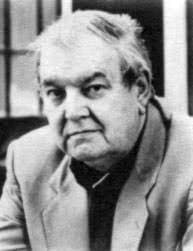
George MacDonald was a Scottish author and a pioneer of modern fantasy literature in the 19th century. He is known for his imaginative works, including "The Princess and the Goblin," "Phantastes," and "Lilith," which explore themes of morality and spirituality. His stories often blend elements of fairy tales and allegory, influencing later writers such as C.S. Lewis and J.R.R. Tolkien.
Similar books
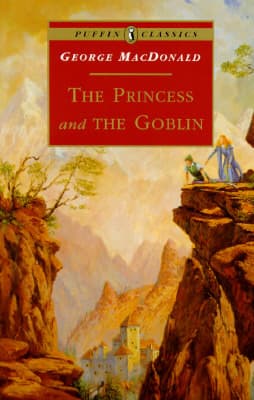
- The Princess and the Goblin
George MacDonald
4.0 (30k) average on GoodreadsFantasyAnother allegorical fairy tale by MacDonald, sharing his unique blend of fantasy and spiritual depth, though aimed at a younger audience.
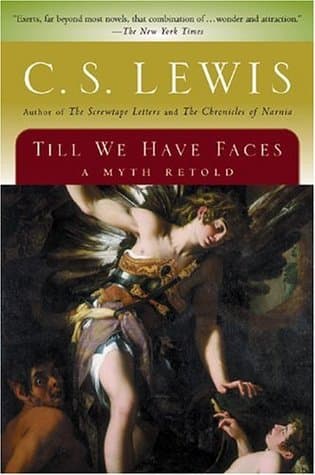
- Till We Have Faces
C.S. Lewis
4.2 (55k) average on GoodreadsFantasyA deeply philosophical and mythological retelling that, like 'Phantastes', explores themes of divine love, sacrifice, and self-discovery.
- Harry Potter and the Sorcerer's Stone
J.K. Rowling
4.5 (7M) average on GoodreadsFantasyRescued from a miserable life under the stairs, an orphaned boy discovers he's a wizard destined for a magical school, where he uncovers a dangerous secret tied to the dark wizard who murdered his parents.
- The Hunger Games
Suzanne Collins
4.3 (6.4M) average on GoodreadsFantasyIn a future where children fight to the death on live television, Katniss Everdeen volunteers for the arena, turning a death sentence into a fight for survival and a spark of rebellion.
- 1984
George Orwell
4.2 (3.1M) average on GoodreadsPoliticsIn a future where surveillance and thought control are absolute, a man's search for truth clashes with the Party, showing that hope can be a form of rebellion.
- Divergent
Veronica Roth
4.2 (2.9M) average on GoodreadsFantasyIn a society divided by virtues, a sixteen-year-old's difference from the norm starts a rebellion that threatens her world.




Enjoyed the summary?
A summary gives you the shape of the book. The book itself has the detail, the examples and the voice.
Find Phantastes on AmazonAs an Amazon Associate, BookBrief earns from qualifying purchases. How we're funded