
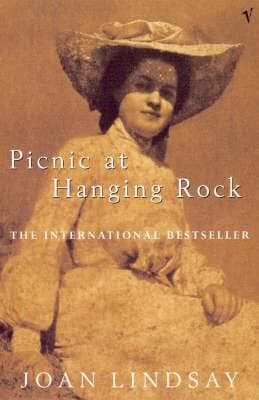
Synopsis
Covers the whole plot, including the ending.
- Difficulty
- Medium
- Pacing
- Slow
- Mood
- Atmospheric, Mysterious, Unsettling, Ethereal, Haunting
- Read it if
- You enjoy atmospheric mysteries, psychological thrillers, or stories that explore the unsettling power of the natural world and the fragility of human order, with no need for a definitive resolution.
- Skip it if
- You prefer mysteries with clear solutions, fast-paced plots, or stories where all loose ends are tied up neatly.
Picnic at Hanging Rock Plot Summary
Covers the whole plot, including the ending.
The Ill-Fated Picnic at Hanging Rock
On Valentine's Day, 1900, students and staff from Appleyard College for Young Ladies go on their yearly picnic to Hanging Rock, a rock formation in the Australian bush. Mrs. Appleyard, the strict headmistress, reluctantly allows the outing. After lunch, four senior girls—Miranda, Marion Quade, Irma Leopold, and Edith Horton—ask to explore the Rock. Their mathematics mistress, Miss McCraw, goes with them. Edith, complaining of a headache, returns to the picnic site. Miranda, Marion, Irma, and Miss McCraw then disappear. The remaining students and staff, led by Mademoiselle de Poitiers, return to the college in shock, leaving a lasting mystery.
The Immediate Aftermath and Initial Search
The alarm goes out when the picnic party returns without the missing girls and Miss McCraw. Michael Fitzhubert, a young Englishman picnicking nearby with his aunt and uncle, Mr. and Mrs. Fitzhubert, is especially affected, having seen Miranda briefly earlier. He organizes an initial search party, looking around the base of Hanging Rock, but finds nothing. The local police are called, and a larger search begins, with trackers and volunteers. Despite their efforts and growing public interest, Hanging Rock's vast and ancient landscape gives no clues, increasing the sense of dread and helplessness around the disappearances.
Michael's Obsession and the Discovery of Irma
Haunted by Miranda's image and the disappearances, Michael Fitzhubert becomes determined to find the missing group. Against his family's and the police's advice, he returns to Hanging Rock alone, driven by an instinct he cannot explain. After several days of searching, he finds Irma Leopold, unconscious and hurt, near the Rock. She is wearing only her underwear; her corset is gone. Michael, weak from his search, collapses after finding her. Irma is rescued, but she remembers nothing of what happened, only vague feelings of a 'red mist' and a 'hand.' The discovery offers few answers, only more questions.
Irma's Return and the College's Decline
Irma Leopold is taken to the Fitzhubert estate to recover. Despite many questions, she cannot remember any details of Miranda, Marion, or Miss McCraw's disappearance. Her amnesia frustrates everyone, especially the police and Mrs. Appleyard, who wants answers. Meanwhile, Appleyard College faces serious financial problems and a damaged reputation. Parents withdraw their students, and the atmosphere becomes tense and morbid. Mrs. Appleyard becomes more controlling and isolated, her health and sanity worsening under the stress. The missing girls' absence casts a long shadow over the school.
Sara Waybourne's Despair
Sara Waybourne, an orphaned student at Appleyard College, is deeply affected by Miranda's disappearance. Miranda had been her protector and closest friend. Sara, already sensitive, experiences Mrs. Appleyard's growing cruelty, especially after the headmistress learns Sara's guardian is late with her fees. Mrs. Appleyard forbids her from attending classes and keeps her at the college, threatening to send her to an orphanage. Sara hopes for Miranda's return, writing poems and drawing pictures of her. Her spirit is slowly crushed by the oppressive atmosphere and the headmistress's constant persecution.
Albert Crundall's Confession and Michael's Departure
Albert Crundall, Michael Fitzhubert's young groom, tells Michael that he also visited Hanging Rock on the day of the picnic. He says he saw the girls climbing the Rock and later found a torn piece of lace from a dress, which he keeps. He also admits to seeing a 'red object' on the Rock but gives no more details. Michael is interested but cannot get more clear information from Albert, who is often drunk. Disappointed by the lack of progress and still troubled by the mystery, Michael decides to leave Australia, hoping distance might lessen his obsession, but the Rock's puzzle continues to haunt him.
Irma's Return to College and Social Rejection
After recovering, Irma Leopold, now famous for her return, visits Appleyard College. She is met with curiosity and hostility from the remaining students. Her former friend, Rosamund, is particularly cold, suggesting Irma betrayed them by returning without the others. Sara Waybourne, desperate for news of Miranda, corners Irma, begging for information. Irma, still with amnesia, cannot offer comfort, further isolating Sara. The visit shows the divide between Irma and her past, and the lasting resentment and fear within the college community.
Sara's Tragic End
Sara Waybourne's situation at Appleyard College gets worse. Mrs. Appleyard, consumed by her own worries and financial troubles, becomes crueler to Sara, denying her food and threatening to send her away. Sara's only comfort is her memories of Miranda and the gardener's dog. On a cold morning, after a harsh encounter with Mrs. Appleyard, Sara is found dead in the college courtyard. The official cause of death is a fall from a high window, though the circumstances are unclear, suggesting suicide or a tragic accident caused by her despair and neglect.
Mrs. Appleyard's Demise
After Sara's death and Appleyard College's complete collapse, Mrs. Appleyard is broken. She dismisses the remaining staff and students, and the college closes. Troubled by guilt, financial ruin, and perhaps growing madness, she leaves the deserted college and returns to Hanging Rock on the anniversary of the picnic. She climbs the Rock, dressed in her best clothes, and is later found dead at the base, having apparently fallen. Her death, like the disappearances, remains unexplained, adding to the Rock's hold over the characters.
The Lingering Mystery
The novel ends with the official inquiries into Sara Waybourne's and Mrs. Appleyard's deaths, both ruled as accidents or suicide. The fate of Miranda, Marion Quade, and Miss McCraw is never solved. Police searches eventually stop, and public interest fades, though the local legend of Hanging Rock continues. The book offers no clear explanation for the disappearances, leaving the reader to consider the supernatural, the psychological, or simply the unfathomable nature of the Australian landscape. The events at Hanging Rock remain a lasting, unsettling puzzle.
Principal Figures
Miranda
Protagonist
One of the three girls who disappears at Hanging Rock, possessing an ethereal and serene beauty.
Miranda is portrayed as the most beautiful and enigmatic of the Appleyard College girls, often described with an almost otherworldly quality. She is calm, intuitive, and seems to possess a deep connection to nature. Her premonitory statements, like 'I won't be here much longer,' add to her mystique. She is a source of comfort and protection for Sara Waybourne. Her disappearance is the central mystery of the novel, and her memory haunts many of the surviving characters, particularly Michael Fitzhubert and Sara, embodying the inexplicable loss at the heart of the story.
Relationships: Marion Quade (close friend, fellow disappearee); Irma Leopold (friend, fellow disappearee); Sara Waybourne (protector, close friend); Michael Fitzhubert (object of his romantic fascination)
Mrs. Appleyard
Antagonist
The stern, autocratic headmistress of Appleyard College, whose rigid control crumbles after the disappearances.
Mrs. Appleyard is the formidable and unyielding headmistress of Appleyard College. She runs the institution with an iron fist, valuing discipline and reputation above all else. The disappearances at Hanging Rock shatter her world, leading to the college's decline and her own psychological unraveling. Her initial composure gives way to paranoia, financial distress, and increasing cruelty, particularly towards Sara Waybourne. Her eventual death at Hanging Rock, mirroring the girls' disappearances, suggests a tragic, perhaps karmic, end to her rigid control.
Relationships: Sara Waybourne (abusive guardian/headmistress); Mademoiselle de Poitiers (subordinate, often criticized); Miss McCraw (subordinate, fellow disappearee)
Michael Fitzhubert
Supporting
A young English gentleman whose brief glimpse of Miranda leads to an obsessive search for the missing girls.
Michael Fitzhubert is a romantic and somewhat melancholic young Englishman, visiting Australia with his aunt and uncle. He is instantly captivated by Miranda's beauty at the picnic. Her disappearance sparks an intense, almost spiritual, obsession in him to find the missing party. He tirelessly searches Hanging Rock, eventually discovering Irma Leopold. His quest is driven by a blend of love, guilt, and a deep-seated need for answers, embodying the human struggle to comprehend the inexplicable. He eventually leaves Australia, still haunted by the mystery.
Relationships: Miranda (object of his fascination); Irma Leopold (rescuer); Albert Crundall (master-servant, confidant); Mr. and Mrs. Fitzhubert (aunt and uncle, guardians)
Irma Leopold
Supporting
One of the three girls who disappears, found alive but with no memory of the event.
Irma Leopold is a wealthy and somewhat vain girl, accustomed to luxury and attention. She is one of the three girls who vanishes at Hanging Rock but is miraculously found alive by Michael Fitzhubert. However, she has complete amnesia regarding the events of her disappearance, only recalling vague, unsettling sensations. Her survival and subsequent memory loss make her both a figure of fascination and frustration, as she holds the key to the mystery but cannot unlock it. She eventually marries a wealthy lord and leaves Australia, forever marked by the inexplicable event.
Relationships: Miranda (friend, fellow disappearee); Marion Quade (friend, fellow disappearee); Michael Fitzhubert (rescuer); Sara Waybourne (former classmate, source of unfulfilled hope)
Sara Waybourne
Supporting
An orphaned student at Appleyard College, deeply attached to Miranda and suffering under Mrs. Appleyard's cruelty.
Sara Waybourne is a sensitive, artistic, and deeply vulnerable orphan at Appleyard College. She forms a strong attachment to Miranda, who acts as her protector and muse. Miranda's disappearance devastates Sara, leaving her isolated and exposed to Mrs. Appleyard's increasing tyranny. Her guardian's late payments make her a target for the headmistress's cruelty, which ultimately leads to her tragic death. Sara embodies the collateral damage of the Hanging Rock mystery, a victim of both the inexplicable event and the oppressive environment it creates.
Relationships: Miranda (closest friend, idol); Mrs. Appleyard (abusive headmistress); Albert Crundall (brief, innocent friendship)
Marion Quade
Supporting
A highly intelligent and analytical student who disappears with Miranda and Miss McCraw.
Marion Quade is one of the three girls who disappear at Hanging Rock. She is depicted as highly intelligent, academically gifted, and notably analytical, often quoting philosophical texts. Her intellectual nature makes her disappearance all the more perplexing, as it defies logical explanation. She is a close friend of Miranda and Irma, and her composed demeanor suggests a certain acceptance or understanding of the inexplicable events unfolding on the Rock. Her fate remains unknown, adding to the profound mystery.
Relationships: Miranda (close friend, fellow disappearee); Irma Leopold (friend, fellow disappearee); Miss McCraw (teacher, fellow disappearee)
Miss McCraw
Supporting
The strict mathematics mistress who disappears with the three girls.
Miss McCraw is the college's mathematics and calisthenics mistress, known for her strictness, precise nature, and almost masculine appearance. She is a woman of logic and order, making her disappearance alongside the girls particularly unsettling. Her sudden, uncharacteristic ascent of the Rock, seemingly drawn by an irresistible force, defies her rational character. She is last seen rushing up the Rock, an image that further emphasizes the inexplicable nature of the event. Her fate, like Miranda and Marion's, is never resolved.
Relationships: Miranda (student, fellow disappearee); Marion Quade (student, fellow disappearee); Irma Leopold (student, fellow disappearee)
Edith Horton
Supporting
A plump, complaining student who returns from the Rock before the others disappear.
Edith Horton is a less appealing student, characterized by her plumpness, whininess, and generally disagreeable nature. She joins Miranda, Marion, and Irma on their initial ascent of Hanging Rock but quickly becomes tired and irritable, returning to the picnic site before the others disappear. Her survival, despite being present at the fateful moment, highlights the arbitrary nature of the disappearances. She is a witness to the girls' final moments before vanishing but offers no coherent explanation, only a frightened, fragmented account.
Relationships: Miranda (classmate); Marion Quade (classmate); Irma Leopold (classmate)
Albert Crundall
Supporting
Michael Fitzhubert's groom, who also visits Hanging Rock and finds a piece of evidence.
Albert Crundall is Michael Fitzhubert's young groom, a working-class boy with a penchant for drink and a simple, direct nature. He is also at Hanging Rock on the day of the picnic, having gone there to catch a glimpse of the 'pretty girls.' He discovers a piece of lace from a corset, later identified as Irma's, near the Rock. His fragmented recollections and observations, including seeing a 'red object' and the girls climbing, provide tantalizing but ultimately inconclusive clues. He forms a brief, innocent friendship with Sara Waybourne.
Relationships: Michael Fitzhubert (master-servant, confidant); Sara Waybourne (brief, innocent friendship)
Themes & Insights
The Unknowable and the Inexplicable
A main theme of 'Picnic at Hanging Rock' is confronting the unknowable. The disappearance of the girls and Miss McCraw defies logical explanation, leaving a gap human reason cannot fill. The Rock itself is a symbol of this mystery—ancient, uncaring, and keeping its secrets. The novel offers no solutions, only the lasting fact of the vanishings, making characters and readers face the limits of understanding. Irma's amnesia and the inconclusive fates of Miranda, Marion, and Miss McCraw support this theme.
“What happened on the Rock was something that had nothing to do with God, or man, or with the world as they knew it.”
Nature as an Indifferent or Malevolent Force
Hanging Rock is not just a place but an active, almost living part of the story. The Australian bush is shown as ancient, vast, and uncaring about human affairs, even subtly hostile. The girls are drawn into its depths, seemingly absorbed by its power. The landscape's oppressive heat, strange silence, and feeling of being watched create an atmosphere where nature wins over human order and reason. The Rock takes lives, and attempts to understand it are useless, showing humanity's smallness against its raw power.
“A geological oddity... a living presence, a brooding prehistoric deity.”
The Fragility of Victorian Society and Order
The novel contrasts the strict, controlled order of Appleyard College, a small example of Victorian society, with Australia's wild, untamed nature. The disappearances break through this appearance of civility, revealing underlying weaknesses and double standards. Mrs. Appleyard's rigid control collapses, showing her own cruelties and insecurities. The girls' corsets, a symbol of societal restraint, are discarded or found undone, suggesting a shedding of artificial limits. The events at Hanging Rock dismantle the illusion of control and order, sending the characters and the institution into chaos and decline.
“The Rock was a nightmare, and nightmares belong to the past.”
Loss of Innocence and Childhood
The picnic, meant as a joyful Valentine's Day celebration, quickly becomes a tragic loss of innocence. The young girls, on the verge of adulthood, are forever changed or lost. Even survivors like Irma and Edith carry psychological scars. Sara Waybourne's tragic end, linked to the disappearances, symbolizes the destruction of childhood purity and hope. The picnic's idyllic setting is shattered, replaced by a lasting sense of dread and corruption that affects everyone involved.
“Every picnic has to end, and all that is left is the debris.”
Memory and Amnesia
Memory and its absence are central to the mystery. Irma's complete amnesia about the events on the Rock stops any resolution, showing how elusive truth is. Surviving characters are troubled by fragmented memories and unanswered questions, leading to Michael's obsession and Sara's despair. The novel suggests that some truths are simply beyond human memory or comprehension, existing in a realm memory cannot reach, which deepens the main puzzle.
“The memory, like a half-forgotten dream, had slipped away.”
Plot Devices & Literary Techniques
The Unresolved Mystery
The central narrative device, leaving the core mystery permanently unsolved.
The novel's most prominent plot device is its deliberate refusal to solve the central mystery of the disappearances. No logical explanation is ever provided for what happened to Miranda, Marion, and Miss McCraw. This lack of resolution creates a profound sense of unease and ambiguity, forcing the reader to confront the limits of human understanding. It emphasizes the theme of the unknowable and ensures that the story's unsettling power endures long after the final page, making the absence of an answer the most potent 'answer' of all.
Foreshadowing and Portents
Subtle hints and ominous warnings that build suspense and dread.
From the very beginning, the narrative is laced with subtle foreshadowing. Miranda's enigmatic statements ('I won't be here much longer'), the strange heat, the girls being drawn 'like sleepwalkers' to the Rock, and the ominous descriptions of Hanging Rock itself all build a sense of impending doom. These portents prepare the reader for the tragedy and contribute to the atmosphere of supernatural or inexplicable forces at play, suggesting that the events were somehow predetermined or irresistible.
The 'Fact or Fiction' Disclaimer
A meta-narrative device that blurs the line between reality and story.
The preface of the book famously states that 'whether Picnic at Hanging Rock is fact or fiction the reader must decide for themselves.' This meta-narrative device blurs the boundary between the novel's fictional world and historical reality. It enhances the story's eerie verisimilitude and contributes to its lasting cultural impact, making the mystery feel more profound and unsettling because it might, just might, be true. It invites the reader to engage with the narrative on a deeper, more personal level of belief or disbelief.
Symbolism of the Corset
Represents societal repression and its shedding in the face of wild nature.
The corset, a garment of extreme restriction for Victorian women, acts as a powerful symbol. The girls are wearing their corsets at the picnic, embodying the strictures of Appleyard College and society. When Irma is found, her corset is missing, suggesting a profound shedding of these constraints or a violent removal. It symbolizes the girls breaking free from or being stripped of the artificial confines of their world, encountering a primal force that disregards human conventions and expectations.
The Labyrinthine Rock
A physical and metaphorical maze, representing the confusing and unknowable.
Hanging Rock itself functions as a labyrinth, both physically and metaphorically. Its complex, ancient geological formations make it easy to get lost, mirroring the characters' confusion and the narrative's impenetrable mystery. It is a place where time and space seem to warp, where logic breaks down, and where the known world gives way to the unknown. The Rock traps the girls and confounds those who search for them, becoming a symbol of the ultimate, unconquerable enigma.
Quiz
10 questions on the plot and the characters. Each answer comes with a short explanation.
Question 1
On what specific date did the picnic at Hanging Rock take place?
- February 14, 1900
- January 1, 1900
- December 25, 1899
- March 1, 1901
Show answer
A. February 14, 1900 The story explicitly states the picnic occurred on Valentine's Day, February 14, 1900, which was a cloudless summer day in Australia.
Question 2
Which of the following teachers accompanied the girls on the picnic to Hanging Rock?
- Mademoiselle de Poitiers and Miss McCraw
- Mrs. Appleyard and Miss Lumley
- Miss French and Miss Higgins
- Mademoiselle de Poitiers and Miss Lumley
Show answer
A. Mademoiselle de Poitiers and Miss McCraw Mademoiselle de Poitiers, the French mistress, and Miss McCraw, the mathematics mistress, were the two teachers who supervised the picnic. Miss McCraw also disappeared.
Question 3
Besides the three girls who disappeared, who else from the picnic party went missing?
- Mrs. Appleyard
- Mademoiselle de Poitiers
- Miss McCraw
- Irma Leopold
Show answer
C. Miss McCraw In addition to the three girls (Miranda, Marion, and Irma), the mathematics mistress, Miss McCraw, also disappeared after heading towards the Rock.
Question 4
What unusual detail did the surviving girl, Edith Horton, report about her ascent up Hanging Rock?
- She saw a strange animal watching them.
- She saw Miss McCraw climbing in her undergarments.
- She heard strange music coming from the Rock.
- She found a hidden cave with ancient drawings.
Show answer
B. She saw Miss McCraw climbing in her undergarments. Edith Horton, the fourth girl who turned back, reported seeing Miss McCraw climbing the Rock in her petticoat and corsets, which was a very unusual and disturbing detail.
Question 5
What was the name of the young man who first discovered Irma Leopold alive after the disappearance?
- Michael Fitzhubert
- Albert Crundall
- Mr. Whitehead
- Tom
Show answer
A. Michael Fitzhubert Michael Fitzhubert, a young Englishman on holiday with his aunt, was captivated by the mystery and ventured to the Rock himself, eventually finding Irma Leopold.
Question 6
What was the name of the orphan stable-boy who worked for the Fitzhuberts and was also involved in the search?
- Arthur
- Albert Crundall
- Reginald
- John
Show answer
B. Albert Crundall Albert Crundall was the Fitzhubert's stable-boy. He accompanied Michael on his search and later played a significant role in the events surrounding the mystery, including having a connection to Sara Waybourne.
Question 7
How did Mrs. Appleyard treat the orphaned student Sara Waybourne, who was left behind from the picnic?
- With special care and attention due to her vulnerability.
- With increasing cruelty, neglect, and financial exploitation.
- She sent her to live with a distant relative.
- She arranged for her to receive extra tutoring.
Show answer
B. With increasing cruelty, neglect, and financial exploitation. Mrs. Appleyard harbored a strong dislike for Sara Waybourne, viewing her as a burden. After the disappearances, her treatment of Sara became increasingly harsh, culminating in tragic consequences for the girl.
Question 8
What ultimately happens to Mrs. Appleyard, the headmistress of Appleyard College?
- She sells the college and moves to England.
- She is arrested for her mistreatment of Sara Waybourne.
- She commits suicide by falling from Hanging Rock.
- She mysteriously disappears like the girls.
Show answer
C. She commits suicide by falling from Hanging Rock. Overwhelmed by the college's decline, financial ruin, and her own guilt and despair, Mrs. Appleyard eventually returns to Hanging Rock and throws herself off, committing suicide.
Question 9
What is the primary thematic significance of Hanging Rock itself in the novel?
- It symbolizes the untamed beauty of the Australian wilderness.
- It represents the clash between European civilization and the ancient, unknowable forces of nature.
- It serves as a metaphor for the rigid social structures of Edwardian society.
- It is merely a scenic backdrop for a tragic event.
Show answer
B. It represents the clash between European civilization and the ancient, unknowable forces of nature. Hanging Rock is not just a location but a powerful, ancient entity that seems to absorb or transcend the human characters. It embodies the mysterious, indifferent, and even hostile aspects of nature, contrasting sharply with the artificiality and repression of Appleyard College and colonial society.
Question 10
Which of the following best describes the novel's resolution regarding the disappearances?
- The mystery is fully solved by the end, revealing a logical explanation.
- The girls are found, but they have no memory of what happened.
- The mystery remains largely unsolved, emphasizing the inexplicable nature of the events.
- A confession is made by a previously unknown culprit.
Show answer
C. The mystery remains largely unsolved, emphasizing the inexplicable nature of the events. The novel famously leaves the central mystery of the disappearances largely unsolved. The lack of a clear, rational explanation is central to the book's enduring appeal and its thematic exploration of the unknowable and the limits of human understanding.
Picnic at Hanging Rock FAQ
What is Picnic at Hanging Rock about?
Picnic at Hanging Rock is a historical mystery novel set in 1900 Australia, revolving around the inexplicable disappearance of three schoolgirls—Miranda, Marion, Irma—and their governess, Miss McCraw, during a St. Valentine's Day picnic at a geological formation called Hanging Rock. The story explores the subsequent investigations, the profound impact on the surviving students and faculty of Appleyard College, and the lingering psychological effects on the nearby community.
Why should I read Picnic at Hanging Rock?
You should read Picnic at Hanging Rock for its unique blend of historical atmosphere, psychological depth, and unsettling ambiguity. It's not a conventional mystery focused on solving a crime, but rather an exploration of the unknown, the fragility of Victorian societal norms, and the devastating impact of an inexplicable event on a closed community, leaving readers to ponder its meaning long after the final page.
What is the background/setting of Picnic at Hanging Rock?
The story is set in 1900 Victoria, Australia, primarily at Appleyard College for Young Ladies, a strict boarding school, and the imposing, ancient volcanic formation known as Hanging Rock. The turn-of-the-century Australian bush provides a stark, almost primordial contrast to the rigid Victorian propriety of the college, highlighting the clash between civilization and untamed nature.
What are the most memorable quotes?
Memorable quotes include Miranda's enigmatic 'Everything begins and ends at exactly the right time and place,' which hints at a deeper, perhaps cosmic, order. Another is 'A breath of wind, a falling leaf, a shadow on the water. Such small things can unhinge the mind,' encapsulating the book's theme of fragility and the unknown.
What writing style does the author use?
Joan Lindsay employs an elegant, evocative, and somewhat detached prose style that mirrors the Victorian era in which the story is set. Her writing is rich in descriptive detail, particularly of the Australian landscape, and maintains an air of unsettling calm, even as events spiral into chaos. The narrative often shifts perspectives, providing glimpses into the various characters' internal struggles without ever fully revealing the mystery.
What minor details add significant meaning?
The repeated mention of watches stopping at midday on the Rock, including Miss McCraw's, suggests a disruption of linear time or an entry into a different dimension. Also, the seemingly insignificant detail of the girls leaving their corsets behind before climbing the Rock symbolizes their shedding of societal constraints and their readiness to succumb to a more primal, natural force.
What are some subtle foreshadowing moments?
Miranda's repeated assertion that she 'won't be here much longer' subtly foreshadows her disappearance. Additionally, the initial description of Hanging Rock as having a 'sinister' or 'ancient' presence, even before the picnic, hints at its role as more than just a backdrop, suggesting it possesses an active, perhaps malevolent, quality.
What unexpected character connections exist?
The most unexpected connection is between Michael Fitzhubert, the young English aristocrat who searches for the girls, and Albert Crundall, the Appleyard College stable boy. They both independently venture onto the Rock and discover Irma, creating a bond of shared trauma and a silent understanding of the Rock's enigmatic power that others don't possess.
What are unspoken character motivations?
Miranda's motivation for leading the girls further up the Rock remains unspoken, hinting at an almost spiritual calling or a subconscious desire to escape the confines of her world. Mrs. Appleyard's extreme cruelty and possessiveness towards Sara may stem from her own repressed past or a desperate need to maintain control in a world that is slipping away from her.
What psychological complexities do characters exhibit?
Mrs. Appleyard exhibits a profound psychological unraveling, her rigid control devolving into paranoid suspicion and ultimately self-destruction as her college's reputation crumbles. The surviving student, Irma, struggles with survivor's guilt and a deep-seated trauma that she cannot articulate, leaving her emotionally distant and alienated from society.
What are the major emotional turning points?
A major emotional turning point is the discovery of Irma, alive but amnesiac, which offers a fleeting hope that is quickly dashed by her inability to recall the event. Another is the tragic suicide of Sara Waybourne, a student left behind at the college, which highlights the devastating emotional toll the disappearances take on those left in the periphery.
How do relationship dynamics evolve?
The relationship between the students and Mrs. Appleyard deteriorates from respectful fear to outright resentment and rebellion as her tyranny intensifies. The bonds of friendship among the girls, particularly between Miranda and Sara, are irrevocably broken and haunted by the unknown, leading to isolation rather than solidarity.
Which parts remain ambiguous or open-ended?
The central mystery of what happened to the girls and Miss McCraw on Hanging Rock remains entirely ambiguous and open-ended. The novel offers no definitive explanation for their disappearance or Irma's partial amnesia, leaving readers to interpret whether it was a supernatural event, a geological anomaly, or something else entirely beyond human comprehension.
What are controversial scenes or decisions?
The author's decision to leave the central mystery completely unsolved is often seen as controversial, as it defies traditional mystery conventions. Also, the brief, unsettling 'Chapter 18' that Joan Lindsay originally removed from the published novel, which offered a fantastical explanation for the disappearances, remains a point of debate among readers and scholars.
Picnic at Hanging Rock ending explained: how it ends & what it means
The novel ends with Mrs. Appleyard's suicide by falling from Hanging Rock, mirroring the earlier disappearances. There is no resolution to the mystery of the missing girls. The ending signifies the complete collapse of the Victorian order represented by the college and its headmistress, succumbing to the untamed, inexplicable power of the Australian landscape. It means that some mysteries are not meant to be solved, emphasizing the insignificance of human endeavors against the vast, indifferent forces of nature and the unknown.
About the author
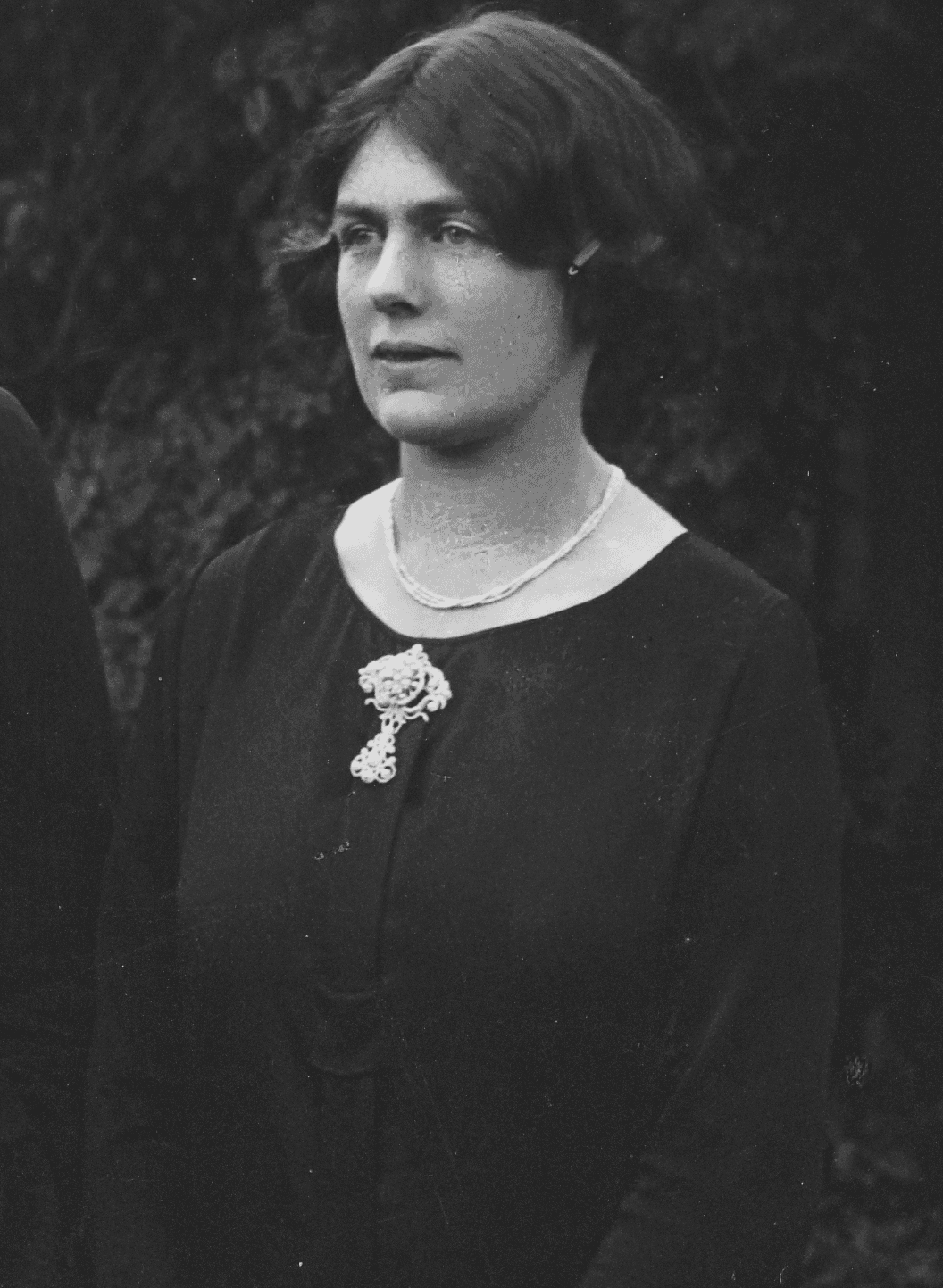
Joan Lindsay was an Australian author known for her contributions to fiction. She is best recognized for her novel "Picnic at Hanging Rock," which explores the mysterious disappearance of schoolgirls in the Australian bush. The book has gained significant attention and has been adapted into film and stage productions.
Similar books
- The Secret History
Donna Tartt
3.9 (2k) average on GoodreadsPoliticsExplores a group of students in an isolated setting, leading to a mysterious and tragic event.
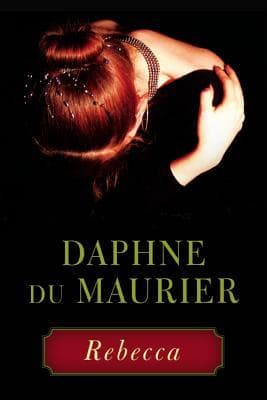
- Rebecca
Daphne du Maurier
4.2 (450k) average on GoodreadsThrillerFeatures a strong sense of place, an atmospheric mystery, and psychological tension.
- The Turn of the Screw
Henry James
3.4 (104k) average on GoodreadsMysteryA classic psychological mystery with an ambiguous, unsettling atmosphere and unexplained events.
- Oscar and Lucinda
Peter Carey
3.7 (20k) average on GoodreadsLiterary FictionCarey's novel, while also set in colonial Australia and exploring the clash of European ideals with the landscape, is more overtly satirical and character-driven. It focuses on individual eccentricity and tragicomic outcomes, in contrast to Lindsay's exploration of existential dread and collective psychological impact.
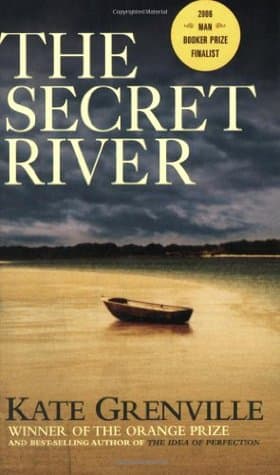
- The Secret River
Kate Grenville
3.8 (18k) average on GoodreadsLiterary FictionGrenville's work directly confronts the brutal realities of colonial frontier violence and Indigenous displacement. Lindsay's novel, while also touching on colonial themes, approaches them more subtly through the lens of European vulnerability and psychological disintegration in the face of the land's ancient power, rather than direct historical critique of human-on-human conflict.
- To Kill a Mockingbird
Harper Lee
4.3 (4.5M) average on GoodreadsHistorical FictionIn the 1930s Jim Crow South, Harper Lee writes about racial injustice, moral growth, and the quiet courage of a lawyer father, Atticus Finch, as seen through his young daughter's eyes.




Enjoyed the summary?
A summary gives you the shape of the book. The book itself has the detail, the examples and the voice.
Find Picnic at Hanging Rock on AmazonAs an Amazon Associate, BookBrief earns from qualifying purchases. How we're funded