

Synopsis
Covers the whole plot, including the ending.
- Difficulty
- Medium
- Pacing
- Moderate
- Mood
- Atmospheric, poignant, reflective, rustic, romantic, sometimes melancholic
Precious Bane Plot Summary
Covers the whole plot, including the ending.
The Burden of Beauty and the Curse of the Hare-Lip
Prue Sarn tells of her birth with a hare-lip, a mark that makes her an outcast and an object of fear in her Shropshire village. Her mother, gentle but submissive, struggles with farm life and her husband's harshness. Prue's older brother, Gideon, is ambitious and controlling, set on escaping poverty. He sees Prue's disfigurement as a curse but also as something that will keep her focused on work. The family lives a hard, isolated life. Prue finds comfort in nature and quietly observes the world, often feeling the sting of others' cruelty and suspicion.
Gideon's Vow and Prue's Sacrifice
Gideon Sarn, driven to gain wealth and become a 'gentleman farmer,' makes a deal with Prue. He promises that if she does not marry and dedicates her life to working on the farm, he will leave her a large inheritance. Prue, wanting acceptance and a place in the world, agrees. She sees this as her only path to security and a way to make up for her perceived flaw. This agreement solidifies her role as a worker, a silent partner in Gideon's pursuit of riches, while also creating a deep, if complex, bond between the siblings.
The Arrival of Kester Woodseaves
Kester Woodseaves, a skilled weaver and sensitive man, arrives in the community. Unlike others, he sees past Prue's hare-lip, recognizing her inner kindness and her connection to nature. He treats her with respect, sparking a forbidden hope in Prue's heart. Their meetings are brief but meaningful, often involving shared moments of appreciating nature. Kester's presence creates a major conflict for Prue. His gentle affection challenges her promise to Gideon and her acceptance of a loveless life, making her question her sacrifice.
Jency's Betrothal and Gideon's Cruelty
Gideon becomes engaged to Jency Beguildy, a beautiful but flighty girl from a wealthier family. His ambition grows, and he becomes more ruthless in his pursuit of money, often resorting to dishonest dealings and exploiting his workers. His treatment of Prue becomes harsher; he sees her as a tool for his gain and resents any distraction from her duties. He forbids her from seeing Kester, fearing it will jeopardize his plans. Jency, at first charmed by Gideon, begins to see his cruel nature, especially in how he treats Prue, causing her to doubt their future.
The Water-Bane and Superstition
The local community is very superstitious, especially about the 'water-bane,' a belief that a drowned person's spirit can bring bad luck. When a local man drowns, fear grows, and Prue, with her disfigurement and quiet manner, becomes an easy target for accusations of witchcraft. This fear further isolates her, strengthening her feeling of being an outsider. Gideon, though not superstitious, uses the community's fear to his advantage, further controlling Prue and ensuring her dedication to his plans, as she has no other refuge.
Jency's Unhappiness and the Broken Promise
Jency Beguildy grows increasingly unhappy with Gideon's possessive and cruel nature. He treats her not as a loved one but as another possession, a way to raise his social standing. He is abusive and controlling, demanding her complete obedience. Jency discovers Gideon's dishonesty and his true character, realizing his deep greed and the emptiness of his promises. Her disillusionment leads her to seek comfort elsewhere, eventually confiding in others and revealing Gideon's true nature, which sets the stage for their engagement's tragic end.
The Fair and Kester's Declaration
At a local fair, Prue meets Kester Woodseaves. Amidst the crowd, Kester boldly declares his love for her, seeing her goodness and beauty despite her physical flaw. He wants to marry her and build a life together, offering her a future free from Gideon's control and the village's scorn. This declaration is a turning point for Prue, breaking her acceptance of a loveless life and igniting a strong conflict between her vow to Gideon and her own desire for love and happiness. It also exposes her to Gideon's anger.
Gideon's Rage and Prue's Defiance
When Gideon learns of Kester's proposal and Prue's growing affection for him, he is filled with rage. He sees Prue's possible marriage as a betrayal of their pact and a direct threat to his financial goals. He abuses her physically and emotionally, trying to force her back into submission. However, Prue, made brave by Kester's love and her own desire for freedom, finds the courage to defy him. This confrontation marks a turning point in their relationship, as Prue sheds her passive acceptance and begins to assert her own will, challenging Gideon's absolute control.
The Tragic End of Jency
Overwhelmed by Gideon's cruelty and the public shame of their broken engagement, Jency Beguildy, unable to bear her sorrow, takes her own life by drowning herself in the mere. Her death shocks the community, and suspicion immediately falls on Gideon. This tragic event shows the full extent of Gideon's ruthless and selfish character, revealing the devastating results of his actions. It also increases the community's animosity towards him and further isolates him, bringing him closer to his downfall.
The Mob's Vengeance and Gideon's Demise
Angered by Jency's death and Gideon's long history of exploitation and cruelty, the villagers form an angry mob. They believe Gideon is responsible for Jency's death. Fueled by superstition and a desire for justice, they pursue him with violent intent. Gideon, cornered, meets a brutal end at their hands, drowned in the same mere where Jency died. This dramatic climax is a stark punishment for his sins, showing the destructive power of unchecked greed and the community's refusal to tolerate such malice.
Prue's Freedom and Kester's Steadfast Love
With Gideon's death, Prue is finally free from her brother's control and their binding vow. She inherits the farm, but more importantly, she gains the freedom to choose her own path. Kester Woodseaves, steadfast in his love, remains by her side. He reaffirms his commitment to her, seeing her not for her disfigurement but for the resilient woman she is. Their love, forged in hardship, promises a future of peace, acceptance, and true connection, allowing Prue to finally embrace happiness and her true self.
A New Beginning
Prue and Kester begin their life together, making the farm a place of harmony and kindness, a stark contrast to Gideon's greedy rule. Prue, no longer burdened by shame or obligation, finds her voice and her place. Kester's love provides a sanctuary where her spirit can grow. Their union symbolizes the triumph of love, compassion, and natural beauty over human cruelty. They build a life rooted in respect for nature and each other, embodying quiet strength and lasting hope for the future.
Precious Bane Characters
Prue Sarn
Protagonist
The disfigured woman who finds love and freedom.
Prue Sarn is the central protagonist, born with a hare-lip that marks her as an outcast in her superstitious Shropshire village. Despite her physical disfigurement and the scorn it brings, she possesses a profound inner beauty, resilience, and a deep connection to nature. She is initially submissive to her brother Gideon's will, bound by a vow to work the farm in exchange for security. Prue is observant, introspective, and longs for acceptance and love, which she eventually finds in Kester Woodseaves. Her journey is one of quiet endurance, self-discovery, and ultimately, liberation.
Relationships: Gideon Sarn (Oppressive brother, master); Kester Woodseaves (Lover, husband, savior); Jency Beguildy (Acquaintance, object of pity)
Gideon Sarn
Antagonist
Prue's ambitious and ruthless brother.
Gideon Sarn is Prue's older brother and the primary antagonist. He is driven by an insatiable greed for money and social status, willing to sacrifice anything and anyone to achieve his ambitions. He is domineering, cruel, and manipulative, viewing Prue as a mere instrument for his gain. Gideon is devoid of empathy, exploiting workers, cheating neighbors, and emotionally abusing those around him, especially Prue and Jency. His ambition ultimately consumes him, leading to his violent downfall. He represents the destructive power of unchecked materialism and human cruelty.
Relationships: Prue Sarn (Subjugated sister, tool); Jency Beguildy (Betrothed, victim of abuse); Kester Woodseaves (Rival for Prue's affection)
Kester Woodseaves
Supporting
The gentle weaver who sees Prue's true beauty.
Kester Woodseaves is a kind and sensitive weaver, embodying compassion and an appreciation for true beauty. Unlike the other villagers, he looks beyond Prue's physical disfigurement and recognizes her inner goodness, intelligence, and deep spirit. He is patient, understanding, and offers Prue unconditional love and acceptance, becoming her beacon of hope and eventual rescuer. Kester represents the antithesis of Gideon's materialism and cruelty, valuing human connection and the natural world above all else. His steadfast love provides the catalyst for Prue's liberation.
Relationships: Prue Sarn (Lover, husband, rescuer); Gideon Sarn (Rival, moral opposite)
Jency Beguildy
Supporting
Gideon's beautiful but ultimately tragic betrothed.
Jency Beguildy is a beautiful, spirited young woman from a slightly wealthier family, initially captivated by Gideon Sarn's outward charm and ambition. However, she gradually becomes a victim of his possessive and cruel nature. Jency is sensitive and vulnerable, unable to withstand the emotional and physical abuse inflicted by Gideon. Her tragic fate, driven by despair and humiliation, serves as a stark consequence of Gideon's malevolence and highlights the destructive impact of his character on those around him. Her death is a pivotal event that leads to Gideon's downfall.
Relationships: Gideon Sarn (Betrothed, abuser); Prue Sarn (Acquaintance, object of pity)
Mrs. Sarn
Supporting
Prue and Gideon's long-suffering mother.
Mrs. Sarn is Prue and Gideon's mother, a gentle and meek woman who has been worn down by a life of hardship and her husband's (and later Gideon's) harshness. She is loving towards Prue but is too timid and submissive to offer her significant protection or support against Gideon's tyranny. Her character embodies the quiet suffering of women in this era and serves as a foil to Prue's eventual defiance. She represents the resigned acceptance of fate that Prue ultimately transcends.
Relationships: Prue Sarn (Daughter, confidante); Gideon Sarn (Son, source of fear)
Beguildy (Jency's Father)
Supporting
Jency's protective but ultimately powerless father.
Beguildy is Jency's father, a relatively prosperous local farmer who is initially pleased with his daughter's match to Gideon, believing it will be advantageous. He is protective of Jency but is unable to fully comprehend the depth of Gideon's cruelty until it is too late. His grief and anger after Jency's death contribute to the community's fury against Gideon, highlighting the collective outrage against the antagonist's actions. He represents the broader community's initial trust, then betrayal, by Gideon.
Relationships: Jency Beguildy (Daughter); Gideon Sarn (Prospective son-in-law, murderer)
The Old Woman (The Wise Woman)
Supporting
A village elder with a blend of wisdom and superstition.
The Old Woman is a recurring figure in the village, often consulted for her wisdom, traditional remedies, and sometimes for her superstitious interpretations of events. She embodies the ancient folk beliefs and the blend of practicality and mysticism prevalent in the rural community. While she sometimes contributes to the fear surrounding Prue's disfigurement, she also represents a connection to a deeper, older understanding of nature and human fate. She is a voice of the collective consciousness and traditional lore.
Relationships: Prue Sarn (Object of observation, sometimes concern)
The Villagers
Supporting
The superstitious and often cruel community.
The villagers represent the collective consciousness and social pressures of the rural community. They are deeply superstitious, quick to judge based on appearances, and prone to fear and mob mentality. They ostracize Prue for her hare-lip, suspecting her of witchcraft, and initially admire Gideon's ambition. However, their patience wears thin with Gideon's increasing cruelty and dishonesty. Ultimately, they become the instruments of his violent justice, reflecting the raw, untamed nature of collective retribution in an isolated setting.
Relationships: Prue Sarn (Object of scorn and fear); Gideon Sarn (Initial admiration, later hatred and vengeance)
Precious Bane Themes
The Nature of Beauty and Ugliness
The novel explores the difference between physical appearance and inner worth. Prue's hare-lip makes her 'ugly' to society, leading to ostracism and suspicion, yet she has deep inner kindness and spiritual depth. In contrast, Gideon, though physically attractive, has an inner ugliness shown through his greed and cruelty. Kester Woodseaves is the only one who sees past the surface, recognizing Prue's inherent beauty. The theme challenges judgments based on looks and champions the beauty of character and spirit.
“For my face was a-blighted, and the folk held it for a sign of evil, and I was feared of them, and they of me.”
Greed and its Destructive Power
Gideon Sarn's greed for money and land drives the story, showing how materialism can corrupt and destroy. His ambition leads him to exploit his family, cheat his neighbors, and commit cruel acts that result in tragedy and his own violent death. The novel shows greed not just as a moral failing but as a force that separates people from humanity and nature, stripping them of empathy and leading to their downfall. It contrasts Gideon's destructive pursuit with Prue's quiet appreciation for natural wealth.
“For money was his god, and he worshipped it with a cruel heart.”
Superstition vs. Rationality
The isolated Shropshire community is full of old superstitions, especially about disfigurements, witchcraft, and 'water-bane.' This theme shows how fear and irrational belief shape social interactions and personal fates. Prue's hare-lip makes her a target of superstitious fear, while Jency's drowning is immediately blamed on a curse, leading to mob violence against Gideon. The novel contrasts this with Kester's more rational and empathetic view of the world, suggesting that compassion and understanding are better than blind adherence to old fears.
“The folk held it for a sign of evil, and I was feared of them, and they of me.”
The Power of Nature and the Land
Nature is a powerful force in 'Precious Bane,' acting as both a setting and a presence. The Shropshire landscape, with its mere, fields, and forests, reflects the moods and fates of the characters, often mirroring their kindness or violence. For Prue, nature is a source of comfort, spiritual connection, and beauty, a refuge from human cruelty. For Gideon, the land is only a resource to be used for profit. The novel emphasizes humanity's deep connection to the natural world and the consequences of either honoring or abusing it.
“The mere was a living thing to me, with all its secrets and its memories.”
Redemption and Forgiveness
While not about traditional religious redemption, the novel explores overcoming past suffering and finding peace. Prue's journey is one of self-acceptance and freedom from her disfigurement and Gideon's control. Kester's steady love offers her a form of redemption, allowing her to forgive herself and embrace a future free from shame. Gideon, however, finds no redemption; his actions lead only to destruction. The theme suggests that true redemption comes through love, kindness, and breaking free from oppressive forces, rather than through material gain.
“But Kester... he did not mind my hare-lip, but said it was a mark of my being special, and that he loved me for it.”
Plot Devices & Literary Techniques
First-Person Narrative (Prue Sarn)
Told through Prue's unique and introspective voice.
The story is narrated entirely from Prue Sarn's perspective, using her distinctive, archaic dialect. This allows the reader deep insight into her thoughts, feelings, and the profound impact of her disfigurement and the surrounding superstitions. Her voice provides a subjective, intimate, and often poetic portrayal of the harsh realities of her life, her observations of nature, and her slow awakening to love and self-worth. This narrative choice fosters empathy and grounds the fantastical elements in a human, relatable experience.
Symbolism of the Hare-Lip
Prue's disfigurement as a multifaceted symbol.
Prue's hare-lip is a powerful symbol throughout the novel. Initially, it represents her curse, her 'bane,' and the mark of an outcast in a superstitious society. It symbolizes societal prejudice and the superficiality of judging by appearance. However, as the story progresses, it transforms. For Kester, it becomes a unique mark of her specialness, symbolizing the beauty found beyond conventional standards. Ultimately, it represents her journey of overcoming adversity and finding self-acceptance, turning a perceived flaw into a testament to her resilience and the depth of her character.
The Mere (Lullingford Mere)
The lake as a mirror of fate and a place of both beauty and death.
Lullingford Mere is a significant symbolic setting. It is a place of natural beauty and solace for Prue, representing peace and reflection. However, it also embodies the darker, more mysterious aspects of nature and fate. It is associated with the 'water-bane' superstition and ultimately becomes the site of Jency's suicide and Gideon's violent death, serving as a silent witness to tragedy and retribution. The mere reflects the duality of life and death, beauty and danger, and the inescapable forces of nature and human consequence.
The Pact/Vow
The binding agreement between Prue and Gideon.
The pact between Prue and Gideon, where Prue promises to forgo marriage and work for him in exchange for an inheritance, is a crucial plot device. It establishes Gideon's control over Prue and sets up the central conflict of her loyalty versus her desire for love. This vow represents the societal and familial pressures that limit women's choices and the oppressive power of ambition. Prue's eventual breaking of this pact signifies her liberation and journey towards self-determination, making her defiance against Gideon even more powerful.
Quiz
10 questions on the plot and the characters. Each answer comes with a short explanation.
Question 1
What is the primary setting of "Precious Bane"?
- The Scottish Highlands
- Rural Shropshire in the 1800s
- Victorian London
- The English countryside during World War I
Show answer
B. Rural Shropshire in the 1800s The text explicitly states the novel is set in Shropshire in the 1800s.
Question 2
What physical characteristic does Prue Sarn possess that influences how others perceive her?
- A limp
- Poor eyesight
- A facial disfiguration
- A scar from an accident
Show answer
C. A facial disfiguration The description mentions Prue Sarn was "born with a facial disfiguration which the Fates have dictated will deny her love."
Question 3
What is Gideon Sarn's primary ambition throughout the novel?
- To become a renowned artist
- To find true love
- To travel the world
- To overcome poverty by making money
Show answer
D. To overcome poverty by making money The text states Gideon is "Determined to defeat the poverty of their farm, he devotes all his energies to making money."
Question 4
Who is Kester Woodseaves, and what is his relationship with Prue Sarn?
- He is Prue's estranged father, and he eventually reconciles with her.
- He is a village elder who advises Prue on her witchcraft.
- He is a character who develops love for Prue and sees her inner beauty.
- He is a rival to Gideon, competing for wealth and influence.
Show answer
C. He is a character who develops love for Prue and sees her inner beauty. The description identifies Kester as someone whose "love for Prue Sarn enables him to discern her natural loveliness beneath her blighted appearance."
Question 5
The text mentions that Prue is "suspected of witchcraft by her fellow townspeople." How does the narrative portray her response to this suspicion?
- She actively embraces witchcraft to gain power.
- She flees her village to escape the accusations.
- She rises above the suspicion through her spirit.
- She uses her supposed witchcraft to exact revenge.
Show answer
C. She rises above the suspicion through her spirit. The passage states that Prue "rises above them all through an all-encompassing sweetness of spirit."
Question 6
Which contemporary writer called Mary Webb "a genius"?
- G. K. Chesterton
- Hilda Addison
- Rebecca West
- Virginia Woolf
Show answer
C. Rebecca West The text quotes: "Rebecca West, a contemporary of Mary Webb, called her, simply, 'a genius.'"
Question 7
What is the central theme that connects Nature and the people in "Precious Bane"?
- Their shared desire for technological advancement.
- Their equally benevolent and violent moods.
- Their harmonious coexistence and mutual respect.
- Their struggle against a common natural disaster.
Show answer
B. Their equally benevolent and violent moods. The novel is described as being "alive with the many moods of Nature, benevolent and violent and the many moods -- equally benevolent and violent -- of the people making lives there."
Question 8
According to the provided text, what did G. K. Chesterton observe about the light in Mary Webb's stories?
- It illuminated the superficial aspects of her characters.
- It was a light that shone through things, not just on them.
- It was often obscured by melodrama.
- It was a reflection of her own inner turmoil.
Show answer
B. It was a light that shone through things, not just on them. The text states G. K. Chesterton asserted: "the light in the stories . . . is a light not shining on the things but through them."
Question 9
Hilda Addison's critique suggests that the opening of "Precious Bane" establishes a specific narrative quality. What is it?
- An immediate sense of resolution and closure.
- A straightforward introduction to the main conflict.
- A haunting curiosity that persists throughout.
- A detailed exposition of the historical context.
Show answer
C. A haunting curiosity that persists throughout. Hilda Addison is quoted saying: "The book opens with one of those simple sentences which haunt the mind until the curiosity has been satisfied . . . It strikes a note which never fails throughout."
Question 10
The New York Times Book Review's prediction for "Precious Bane" upon its American publication in 1926 suggests a high level of regard for the novel. What was this prediction?
- It would become a bestseller, topping charts for months.
- It would be adapted into a successful film within a decade.
- It would be primarily studied in academic circles for its literary merit.
- It would find an almost "hallowed place" on some bookshelves.
Show answer
D. It would find an almost "hallowed place" on some bookshelves. The review predicted: "on some bookshelves, we feel sure, Precious Bane will find almost a hallowed place."
Precious Bane FAQ
What is Precious Bane about?
Precious Bane is a historical romance set in 1800s Shropshire, England. It tells the story of Prue Sarn, a woman born with a facial disfigurement who is suspected of witchcraft but possesses great inner strength and sweetness of spirit. The novel also explores the ambitions of her brother Gideon and the steady love of Kester Woodseaves for Prue.
Who are the main characters in Precious Bane?
The central characters are Prue Sarn, the protagonist with a facial disfigurement; her ambitious brother Gideon, driven by a desire to overcome poverty through wealth; and Kester Woodseaves, a man who recognizes Prue's inner beauty and loves her.
What are the main themes in Precious Bane?
The novel explores themes of inner beauty versus outward appearance, the destructive nature of ambition and greed, the power of love and compassion, and the profound connection between humanity and nature. It also touches on societal prejudice and superstition.
What is the setting of Precious Bane?
Precious Bane is set in the rural landscape of Shropshire, England, during the 1800s. The natural environment plays a significant role, reflecting the moods of both nature and the human characters.
Is Precious Bane a romance novel?
Yes, Precious Bane is considered a historical romance, focusing on the development of love and relationships amidst challenging circumstances. Kester Woodseaves' steady love for Prue is a key element of the story.
What makes Prue Sarn a unique heroine?
Prue Sarn is an unlikely heroine due to her facial disfigurement, which society perceives as a mark of ill fortune or witchcraft. However, her strength of character, resilience, and inherent sweetness of spirit elevate her above these societal judgments.
What is the significance of nature in Precious Bane?
Nature is depicted as a powerful force in Precious Bane, mirroring the benevolent and violent moods of its human inhabitants. It serves as both a backdrop and a symbolic element, influencing the characters' lives and emotions.
When was Precious Bane published?
Precious Bane was first published in 1926. It was written by Mary Webb, an English novelist known for her evocative descriptions of the English countryside and her exploration of complex human emotions.
How is Gideon different from Prue?
While Prue possesses inner strength and compassion, her brother Gideon is driven by a fierce ambition to escape poverty through material wealth. His pursuit of money becomes a dominant, almost destructive, force in his life, contrasting with Prue's focus on spiritual well-being.
What is the overall tone of Precious Bane?
Precious Bane is characterized by an enduring air of enchantment and haunting beauty. It balances themes of passion and hardship with timeless truths about human hopes and the complexities of the human spirit.
About the author

Mary Webb was an English novelist active in the early 20th century, known for her lyrical prose and exploration of rural life. Her notable work, "Precious Bane," tells the story of a young woman in the English countryside and has been recognized for its vivid characterizations and themes of love and resilience. Webb's writing often reflects her deep connection to nature and the struggles of her characters.
Similar books
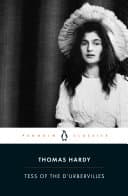
- Tess of the D'Urbervilles
Thomas Hardy
3.8 (238k) average on GoodreadsHistorical FictionBoth "Precious Bane" and "Tess of the d'Urbervilles" are tragic romances set in rural England, exploring themes of fate, social ostracization, and the destructive forces of society and circumstance on innocent protagonists. Like Tess, Prue is a victim of her environment and prejudice, striving for dignity and love against overwhelming odds. Hardy's prose is equally rich in natural description, but his fatalism is often more pronounced and less mitigated by the spiritual hope found in Webb's ending. Webb's focus on a physical deformity as the source of Prue's isolation offers a distinct angle compared to Tess's 'fallen' status, but both heroines endure immense suffering and judgment.
- Wuthering Heights
Emily Brontë
3.9 (1.3M) average on GoodreadsHistorical Fiction"Precious Bane" shares with "Wuthering Heights" an intense, almost Gothic atmosphere, a deep connection between its characters and the wild landscape, and a focus on passionate, often destructive, love. Both novels feature isolated protagonists (Prue and Heathcliff/Catherine) shaped by their harsh environments and societal constraints. While "Wuthering Heights" is driven by a more overtly violent and obsessive love, "Precious Bane" explores a more grounded, yet equally profound, yearning for acceptance and connection. Webb's portrayal of superstition and rural life feels more documentary, whereas Brontë's leans further into the supernatural and psychological extremes, but both evoke a powerful sense of place and emotional intensity.
- To Kill a Mockingbird
Harper Lee
4.3 (4.5M) average on GoodreadsHistorical FictionIn the 1930s Jim Crow South, Harper Lee writes about racial injustice, moral growth, and the quiet courage of a lawyer father, Atticus Finch, as seen through his young daughter's eyes.
- The Great Gatsby
F. Scott Fitzgerald
3.9 (3.8M) average on GoodreadsHistorical FictionIn the opulent Roaring Twenties, a mysterious millionaire's lavish parties hide his desperate, tragic pursuit of a lost love, exposing the emptiness within the American Dream.
- Pride and Prejudice
Jane Austen
4.3 (3M) average on GoodreadsHistorical FictionIn a society focused on status and money, Elizabeth Bennet navigates love and pride, challenging Mr. Darcy and social expectations to find true affection.
- Angels & Demons
Dan Brown
3.9 (2.7M) average on GoodreadsThrillerA Harvard symbologist races through Rome's ancient sites, deciphering cryptic clues to unmask the Illuminati and stop a vengeful plot to destroy the Vatican with a stolen antimatter weapon.





Enjoyed the summary?
A summary gives you the shape of the book. The book itself has the detail, the examples and the voice.
Find Precious Bane on AmazonAs an Amazon Associate, BookBrief earns from qualifying purchases. How we're funded