

Core Idea
- Difficulty
- Easy
- Read it if
- You are a young adult navigating the complexities of first love, friendship drama, and the pressure to conform, or if you enjoy narratives about personal growth under extraordinary circumstances.
- Skip it if
- You prefer serious historical biographies, deeply philosophical non-fiction, or narratives without a strong focus on adolescent experiences and romantic relationships.
Key Takeaways from Princess in Love
The Weight of the Tiara
Royal duty often overshadows personal desires and adolescent anxieties.
Mia's story shows that royalty, far from being a dream, brings heavy expectations. Her days are filled with strict preparations for her Genovian social debut, a contrast to a typical American teenager's life. This constant pressure to fit an ideal princess image, plus her grandmother Grandmère's watchful eye, leaves little room for her true self or her budding romantic interests. The book reveals princesshood as a demanding job that needs personal sacrifice and a constant balance between public duty and private longing.
“Being a princess is not the fairy tale it's supposed to be.”
In the book: Mia's extensive 'Princess Lessons' with Grandmère, focusing on etiquette, history, and public speaking, which often clash with her desire to be a normal high school student. Her dread of the Genovian ball and the constant pressure to find a suitable consort.
Try this: Recognize that outward appearances of success or privilege often mask significant internal struggles and responsibilities. Approach those in positions of power or influence with empathy, understanding that their roles come with unique pressures. Prioritize authenticity over external expectations when possible.
Related ideas: royal-duty, adolescent-anxiety, public-vs-private
Navigating Love's Labyrinth
First loves are complicated, especially when you're a reluctant royal.
Mia's romantic problems are a main theme, showing the awkward and often difficult reality of first relationships. Her "hapless boyfriend, Kenny," acts as a contrast, representing a relationship started more from convenience or social pressure than real affection. This differs sharply from her deeper, unspoken feelings for Michael Moscovitz, her best friend's brother. The story expertly captures a teenager's inner struggle with true feelings, the fear of hurting others, and society's expectations for a princess to find a suitable, politically useful partner. It explores the difference between infatuation and real connection.
“Avoiding further smooching from her hapless boyfriend, Kenny.”
In the book: Mia's internal monologues about her discomfort with Kenny's kisses and her constant yearning for Michael's attention and approval. Her attempts to avoid Kenny while simultaneously feeling guilty about it.
Try this: Be honest with yourself and others about your feelings, even when it's uncomfortable. Don't settle for relationships that don't genuinely fulfill you out of obligation or fear. Recognize that true connection often develops from friendship and shared understanding.
Related ideas: first-love, romantic-dilemma, relationship-authenticity
The Urban Jungle of Adolescence
Manhattan's chaos mirrors the internal disarray of teenage life.
The busy, often overwhelming setting of Manhattan in December acts as a strong image for Mia's inner state. The "congestion" she feels outside reflects the inner chaos of her new royal duties, her romantic confusion, and daily high school stresses. The city's fast pace and many distractions increase her feelings of being overwhelmed and out of control. This setting highlights the common experience of adolescence—a time of intense sensory input, conflicting emotions, and the struggle to find one's place amid external pressures and internal changes. The book uses the setting to emphasize Mia's growing pains.
“Slogging through the congestion unique to Manhattan in December.”
In the book: Descriptions of Mia navigating crowded streets, dealing with holiday shoppers, and the general frenetic energy of New York City during the Christmas season, which often exacerbates her stress levels and sense of being lost.
Try this: Recognize that external environments can significantly impact internal well-being. Seek moments of calm and clarity amidst chaos. Understand that periods of high stress and confusion are often temporary and part of a larger growth process.
Related ideas: urban-metaphor, adolescent-struggles, environmental-impact
The Royal Makeover Myth
Transformation is rarely instant or purely external; it's an internal journey.
Mia's journey often seems like a "royal makeover," but the book smartly turns this idea around. While there are outside changes—new clothes, etiquette lessons—the real change is internal and much more complex. Mia does not magically become a poised princess overnight; she struggles with her identity, makes mistakes, and slowly understands the responsibilities of her title. This detailed portrayal shows that real growth is a process of self-discovery and adjustment, not just a surface change in looks. The "fairy tale" ending is not about becoming someone else, but about learning to accept who you are, even with a crown.
“For Mia, being princess is not the fairy tale it's supposed to be . . . or is it?”
In the book: Mia's ongoing struggles with her appearance, her attempts (and failures) to master royal protocols, and her internal debates about whether she even *wants* to be a princess, despite the external pressures.
Try this: Focus on internal growth and self-acceptance rather than solely on external changes. Understand that personal transformation is a continuous journey, not a singular event. Appreciate the process of becoming, rather than just the destination.
Related ideas: identity-formation, personal-growth, self-acceptance
The Power of Female Mentorship (and Manipulation)
Grandmère's influence is a double-edged sword: guidance and control.
Grandmère's character offers an interesting look at female mentorship, though it includes manipulation. She is important in Mia's princess education, teaching her about Genovian history, customs, and royal behavior. However, her methods are often bossy and controlling, prioritizing tradition and public image over Mia's comfort or feelings. This dynamic shows the complexities of relationships between generations, where guidance can sometimes feel like force, and the mentor's own unfulfilled hopes can be placed on the mentee. The book questions the ethics of such strong "guidance" in shaping a young woman's future.
“Grandmère had very definite ideas about what a princess should and shouldn't do.”
In the book: Grandmère's strict 'Princess Lessons,' her dictatorial pronouncements on Mia's appearance and social life, and her underlying agenda to secure Mia's place as a suitable Genovian heir, often regardless of Mia's feelings.
Try this: When seeking or offering mentorship, differentiate between genuine guidance and controlling behavior. Ensure that mentorship fosters independence and personal growth, rather than conformity. Recognize that even well-intentioned advice can be detrimental if it overrides an individual's autonomy.
Related ideas: mentorship-dynamics, intergenerational-conflict, autonomy-vs-control
Friendship as an Anchor
Loyal friends provide stability amidst royal turbulence.
In a world where Mia's life constantly changes due to her royal status, her friendships with Lily Moscovitz and her brother, Michael, are vital anchors. These relationships offer a safe space where Mia can be her authentic, awkward self without royal expectations. Lily provides steady support and honest opinions, while Michael offers intellectual companionship and a quiet, understanding presence. Their acceptance of her, flaws and all, contrasts sharply with the judgment she faces from others, showing the value of real friendship in navigating difficult times, especially adolescence. They represent the normalcy she wants.
“Lily and Michael were the only people who truly understood.”
In the book: Mia's reliance on Lily for advice and commiseration, her comfort in Michael's company, and their shared inside jokes and understanding that predate her princess revelation. Their willingness to call her out while still supporting her.
Try this: Cultivate and cherish authentic friendships that allow you to be yourself. Lean on your support system during challenging times. Be a reliable and honest friend to others, offering a safe space for their vulnerabilities.
Related ideas: friendship-support, adolescent-social-dynamics, authenticity-in-relationships
The Media's Double-Edged Sword
Public scrutiny is an inevitable, often invasive, aspect of royal life.
Mia's sudden public life highlights the constant media scrutiny, especially for those in royal positions. Her every mistake, fashion choice, or romantic problem becomes a headline, often exaggerated. This constant watch takes away her privacy and adds more stress to her already complicated life. The book effectively shows how media attention can twist reality, create public images different from private ones, and cause huge pressure on public figures, particularly young ones. It is a warning about losing anonymity when famous.
“Every move I made was suddenly fodder for the tabloids.”
In the book: Mia's constant worry about paparazzi, her grandmother's directives about maintaining a perfect public image, and the often-unflattering articles written about her in newspapers and magazines.
Try this: Be mindful of how media portrays public figures and recognize that it often presents a curated or exaggerated reality. Protect your own privacy in the digital age. Understand the pressures faced by those in the public eye and avoid contributing to sensationalism.
Related ideas: media-scrutiny, public-image, loss-of-privacy
The Allure of the 'Other'
Fantasy often offers a temporary escape from mundane reality.
Despite being a "princess," Mia often wants to escape her complicated life, finding comfort in everyday things or fantasies. This shows a common human desire to find relief from stress and responsibility. Her inner thoughts reveal a longing for a simpler life, free from royal duties and romantic confusion. The book suggests that even those who seem to "have it all" can feel overwhelmed and dream of a different life, whether a normal high school experience or a pure fantasy. This theme resonates with anyone who has wished for another path, emphasizing the need for mental breaks and imaginative escapes.
“Sometimes I just wanted to disappear into a book, or a movie, where everything was simple.”
In the book: Mia's frequent internal complaints about her life, her desire to just be a 'normal' teenager, and her occasional escapism into her diary or imagined scenarios where her problems are resolved easily.
Try this: Recognize the importance of mental breaks and healthy escapism (e.g., hobbies, reading, creative pursuits) to manage stress. Be empathetic to others who may appear privileged but are struggling internally. Find ways to inject joy and simplicity into an otherwise complex life.
Related ideas: escapism, fantasy-vs-reality, mental-wellbeing
Defining Your Own Fairy Tale
True happiness comes from forging your own path, not following a prescribed one.
Ultimately, Mia's journey is about defining what a "fairy tale" means to her. It is not about passively waiting for a prince or fitting into a royal role, but about actively facing her challenges, making her own choices, and finding her identity amid the chaos. The book subtly criticizes the traditional fairy tale, suggesting that true empowerment comes from self-determination and authenticity, even if it means going against expectations. Her path is messy and imperfect, but it is uniquely hers, showing that the most fulfilling "happily ever after" is one you create for yourself.
“Maybe being a princess wasn't about finding a prince, but finding myself.”
In the book: Mia's internal struggles to make decisions about Kenny and Michael, her growing confidence in her own voice (even if still awkward), and her gradual acceptance of her princess role on her own terms, rather than Grandmère's.
Try this: Challenge societal expectations and conventional narratives about success and happiness. Define your own values and goals, even if they differ from what others expect. Embrace the journey of self-discovery as the ultimate 'fairy tale.'
Related ideas: self-determination, identity-redefinition, personal-empowerment
Princess in Love Quotes
“I mean, it's not like I'm going to be Queen of England or anything. I'm just a princess.”
“Being a princess is not all tiaras and waving. It's also a lot of really boring meetings and having to smile even when you don't feel like it.”
“Why do boys have to be so complicated? It's like they speak a different language.”
“Sometimes I feel like I'm just a giant walking disaster, waiting for something to go wrong.”
“It's not that I don't want a boyfriend. It's just that I want a boyfriend who isn't going to make me feel like I need to change who I am.”
“Grandmère says a princess always has to be prepared. Prepared for anything. Even a rogue tiara.”
“I think I might be in love. Or at least, in like. A lot of like.”
“Just because I'm a princess doesn't mean I don't have feelings. Or that I don't get zits.”
“Sometimes the hardest thing to do is just be yourself, especially when everyone expects you to be someone else.”
“Maybe being a princess isn't about being perfect. Maybe it's about trying your best, even when you mess up.”
“I'm not sure what's worse: having a crush on your best friend's brother, or having him actually like you back.”
“Dear Diary, I think I'm going to die. Not really, but it feels like it.”
“It's really hard to concentrate on saving the world when you're worried about whether or not your boyfriend is going to dump you.”
“Sometimes it feels like my life is just one big embarrassing moment after another.”
Quiz
10 questions on the main ideas. Each answer comes with a short explanation.
Question 1
What significant social event is Mia preparing for in Genovia?
- Her coronation ceremony
- Her official entrée into Genovian society
- A state dinner with foreign dignitaries
- A royal wedding
Show answer
B. Her official entrée into Genovian society The book explicitly states Mia is preparing for her 'nerve-racking entrée into Genovian society,' which is a key part of her princess duties.
Question 2
Which city's traffic congestion is specifically mentioned as a struggle for Mia?
- Genovian capital
- London
- Manhattan
- Paris
Show answer
C. Manhattan The synopsis mentions Mia 'slogging through the congestion unique to Manhattan in December,' indicating her location and daily struggles.
Question 3
What is Mia's primary feeling towards her boyfriend, Kenny, at the beginning of the book?
- Deep affection and excitement
- Annoyance and a desire to avoid his kisses
- Indifference, as she barely notices him
- Concern for his well-being
Show answer
B. Annoyance and a desire to avoid his kisses The text states Mia is 'avoiding further smooching from her hapless boyfriend, Kenny,' which clearly indicates her negative feelings towards their physical interactions.
Question 4
The phrase 'Princess in Love' suggests a romantic storyline. How does the book's description immediately complicate this expectation regarding Mia's current relationship?
- It reveals she is secretly in love with someone else.
- It highlights her active avoidance of her current boyfriend's affections.
- It implies she is too busy with royal duties for romance.
- It states she prefers friendships over romantic entanglements.
Show answer
B. It highlights her active avoidance of her current boyfriend's affections. While the title suggests romance, Mia's active 'avoiding further smooching from her hapless boyfriend, Kenny' immediately complicates the idea of her being 'in love' with her current partner.
Question 5
What specific time of year is mentioned, contributing to Mia's challenges in Manhattan?
- Spring break
- Summer vacation
- December
- Back-to-school season
Show answer
C. December The synopsis specifies 'slogging through the congestion unique to Manhattan in December,' indicating the holiday season contributes to her difficulties.
Question 6
The description implies a contrast between the public perception of Mia's life and her actual experience. What is the public perception often assumed about princesses?
- They are constantly stressed and overwhelmed.
- Their lives are difficult due to constant scrutiny.
- Their lives are a 'fairy tale' of ease and happiness.
- They often struggle with mundane tasks like traffic.
Show answer
C. Their lives are a 'fairy tale' of ease and happiness. The line 'For Mia, being princess is not the fairy tale it's supposed to be . . . or is it?' directly references the common 'fairy tale' perception of a princess's life.
Question 7
What is the primary internal conflict Mia faces, as suggested by the synopsis?
- Choosing between two different love interests.
- Reconciling the idealized image of a princess with her challenging reality.
- Deciding whether to abdicate her throne.
- Struggling with academic pressures at school.
Show answer
B. Reconciling the idealized image of a princess with her challenging reality. The core question 'For Mia, being princess is not the fairy tale it's supposed to be . . . or is it?' highlights her internal struggle with the reality versus the expectation of her royal role.
Question 8
The phrase 'hapless boyfriend' implies what about Kenny's character or his situation with Mia?
- He is a wealthy and influential figure.
- He is clumsy or unfortunate, particularly in his romantic efforts with Mia.
- He is a manipulative individual.
- He is a foreign dignitary Mia must impress.
Show answer
B. He is clumsy or unfortunate, particularly in his romantic efforts with Mia. 'Hapless' means unfortunate or unlucky. In context, it suggests Kenny is perhaps awkward or unsuccessful in his attempts to connect romantically with Mia, leading to her avoidance.
Question 9
By listing Mia's activities as 'preparing for her nerve-racking entrée,' 'slogging through congestion,' and 'avoiding further smooching,' what common narrative trope about royalty is the book immediately subverting?
- The idea that royalty is inherently evil.
- The portrayal of royalty as having lives free of mundane or unpleasant tasks.
- The concept that princesses are always kind and benevolent.
- The notion that princesses are always beautiful and poised.
Show answer
B. The portrayal of royalty as having lives free of mundane or unpleasant tasks. The activities listed are far from glamorous or easy, directly challenging the common trope that royal life is effortless and devoid of everyday inconveniences or awkward personal situations.
Question 10
The final rhetorical question, 'For Mia, being princess is not the fairy tale it's supposed to be . . . or is it?', serves what purpose for the reader?
- It definitively states that Mia's life is not a fairy tale.
- It provides a clear answer to Mia's internal struggle.
- It invites the reader to explore the complexities of Mia's experience and discover if there's an unexpected 'fairy tale' aspect.
- It suggests the book is purely a tragedy.
Show answer
C. It invites the reader to explore the complexities of Mia's experience and discover if there's an unexpected 'fairy tale' aspect. The rhetorical question creates intrigue, signaling that while Mia's current experience is difficult, there might be deeper, more positive aspects of being a princess that she (and the reader) will uncover.
Princess in Love FAQ
Does Princess Mia find happiness in 'Princess in Love'?
Princess Mia grapples with the pressures of royal life and her personal relationships throughout 'Princess in Love'. While she faces many challenges, the book explores her journey towards understanding what happiness truly means for her, beyond the fairy tale expectations.
What is Genovian society and its significance in the book?
Genovian society refers to the royal court and social customs of Genovia, Mia's fictional European principality. Her 'entrée' into this society is a major plot point, forcing her to confront her royal duties and public image, often clashing with her American upbringing.
How does 'Princess in Love' differ from typical princess fairy tales?
'Princess in Love' subverts traditional princess narratives by portraying Mia's royal life as far from a fairy tale. It focuses on her relatable teenage struggles, anxieties, and awkward romantic encounters, rather than an idealized, problem-free existence.
Does Mia's relationship with Kenny resolve in this book?
Mia's relationship with Kenny is a central source of her romantic dilemma in 'Princess in Love'. The book delves into her feelings of ambivalence and her attempts to navigate their dynamic amidst the chaos of her royal duties and other romantic interests.
What challenges does Mia face living in Manhattan in December?
Beyond her royal duties, Mia contends with the everyday struggles of a teenager in New York City, particularly the notorious December congestion. These mundane challenges provide a grounded contrast to her extraordinary life as a princess.
Is 'Princess in Love' a standalone story, or part of a series?
'Princess in Love' is the third installment in Meg Cabot's popular 'The Princess Diaries' series. While it has its own distinct plotline, it continues Mia's ongoing journey and character development from previous books.
What role does Grandmère play in Mia's life in this book?
Grandmère continues to be a formidable and influential figure in Mia's life, guiding (and often exasperating) her through her royal training and social obligations. Her presence adds both comedic relief and significant pressure to Mia's experiences.
Does Mia gain confidence throughout 'Princess in Love'?
Mia's journey in 'Princess in Love' is marked by a fluctuating sense of self-confidence. She faces numerous situations that challenge her self-perception, leading to moments of both insecurity and unexpected strength as she navigates her complex life.
About the author

Meg Cabot is an American author known for her engaging young adult and adult fiction. Her notable works include "Size 12 Is Not Fat," "Queen of Babble," "Princess in the Spotlight," "Missing You," "Princess in Waiting," and "Airhead," which often explore themes of romance and personal growth. Cabot has gained a significant following for her relatable characters and humorous storytelling.
Similar books
- The Princess Diaries
Meg Cabot
4.0 (624) average on GoodreadsYoung AdultThis is the preceding book in the series, establishing Mia's character and initial challenges.
- To All the Boys I've Loved Before
Jenny Han
4.2 (490k) average on GoodreadsYoung AdultExplores similar themes of first love, secret crushes, and navigating high school relationships.
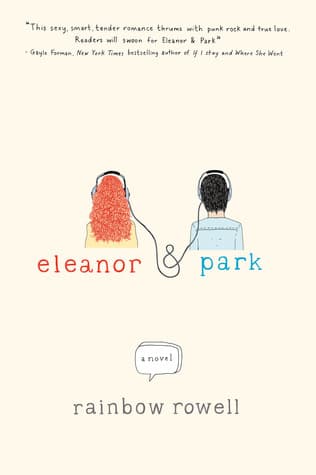
- Eleanor & Park
Rainbow Rowell
4.0 (860k) average on GoodreadsYoung AdultA coming-of-age story focused on the intense and often complicated nature of young love and identity.
- We Were Liars
E. Lockhart
3.8 (465k) average on GoodreadsThrillerLockhart's novel presents a significantly darker, more complex, and psychologically intricate exploration of wealth, privilege, and family secrets, often challenging readers with moral ambiguity and a twist ending. Princess in Love is firmly within the realm of optimistic, aspirational young adult fiction, offering a more comforting and less morally challenging narrative, focusing on personal growth and relationships rather than deep-seated family dysfunction or trauma.
- The Diary of a Young Girl
Anne Frank
4.2 (2.7M) average on GoodreadsBiographyDuring the Nazi occupation, a teenage girl's diary, written from a secret annex, shares observations on humanity, hope, and the wait for freedom.
- Eat, Pray, Love
Elizabeth Gilbert
3.6 (1.5M) average on GoodreadsLifestyleA heartbroken writer leaves her conventional life for a year-long global search for pleasure in Italy, spiritual devotion in India, and unexpected love and balance in Bali.





Enjoyed the summary?
A summary gives you the shape of the book. The book itself has the detail, the examples and the voice.
Find Princess in Love on AmazonAs an Amazon Associate, BookBrief earns from qualifying purchases. How we're funded