

Synopsis
Covers the whole plot, including the ending.
- Difficulty
- Medium
- Pacing
- Moderate
- Mood
- Reflective, Poignant, Hopeful, Historical
- Read it if
- You enjoy rich historical fiction focused on Black Canadian history and intergenerational relationships, with a strong emphasis on memory and storytelling.
- Skip it if
- You prefer fast-paced plots with constant action over character-driven narratives and reflective prose.
Rush Home Road Plot Summary
Covers the whole plot, including the ending.
An Uninvited Guest
The story begins with five-year-old Sharla Cody being dropped off at the home of eighty-two-year-old Addy Shadd by her mother, Maybelline, who says she's leaving for the summer. Sharla is a difficult child, prone to outbursts and always scowling. This is a stark contrast to the quiet life Addy has lived for decades in her small, neat home. Addy, a Black woman in a mostly white community, at first resists taking Sharla, a white child. But Maybelline's desperate plea and the child's clear vulnerability persuade her. This unexpected arrival disrupts Addy's solitary routine and brings a charged energy into her quiet life, forcing her to confront the past she has long tried to bury.
A Difficult Adjustment
Sharla proves to be a challenging child. She is defiant, rarely speaks, and often retreats into herself, making Addy's attempts at nurturing difficult. Sharla's messy appearance and disruptive behavior are a constant source of friction, and Addy's patience is tested. Sharla's only possession is a tattered doll, which she clutches tightly. Addy slowly begins to understand that Sharla's behavior comes from deeper trauma and abandonment, seeing echoes of her own past in the child's guardedness. The first days are marked by a clash of wills, with Addy trying to impose order and Sharla stubbornly resisting any control or affection.
Flickers of Memory
As Addy cares for Sharla, the child's presence begins to unlock long-dormant memories of Addy's own childhood in Rusholme, a community in rural Ontario founded by Black settlers, many of whom were fugitive slaves. These memories surface in vivid, often painful, fragments, taking Addy back to the mid-20th century. She recalls the life of the settlement, the strength of her family, and the traditions of her people. The contrast between Sharla's chaotic upbringing and Addy's rooted past becomes a central theme, as Addy grapples with these resurfacing experiences and their emotional toll.
Life in Rusholme
Addy remembers growing up in Rusholme with her parents, Sarah and Thomas Shadd, and her siblings, especially her brother, David. She describes the close-knit community, the importance of storytelling, and the challenges faced by Black families in a prejudiced society. Rusholme was a haven, a place of safety and tradition, where the descendants of slaves built lives based on hard work, faith, and mutual support. Addy's recollections detail the daily rhythms of life, the shared meals, the church gatherings, and the sense of belonging that defined her early years, painting a rich picture of a forgotten history.
First Love and Betrayal
Addy recounts her forbidden love affair with Bo, a white boy from a nearby town. Their secret meetings and growing affection went against the strict racial boundaries of the time. This relationship, at first a source of joy and excitement for young Addy, ultimately leads to betrayal and trauma. Bo's family, especially his mother, disapproves of their relationship, and the social pressures of their communities are strong. This period marks a turning point in Addy's life, shaping her understanding of love, trust, and the harsh realities of racial prejudice.
The Incident and Its Aftermath
The climax of Addy's Rusholme memories is a brutal incident that leaves her physically and emotionally scarred. Bo betrays her, leading to a violent attack by his family and their friends. This traumatic event, rooted in racial hatred and the violation of her innocence, destroys Addy's spirit and her connection to Rusholme. Unable to cope with the pain and shame, Addy makes the difficult decision to leave her family and the only home she has ever known, seeking anonymity and escape from the devastating memories. This departure marks the end of her youth and the beginning of her solitary adult life.
Addy's New Life and Solitude
After leaving Rusholme, Addy builds a life of quiet solitude. She moves to a new town, finds work, and avoids forming deep connections, effectively protecting herself from emotional vulnerability. Her home becomes a sanctuary of order and routine, a stark contrast to the chaos of her past. She suppresses the painful memories of Rusholme and the trauma she endured, believing that forgetting is the only way to survive. This period of her life is marked by a deliberate erasure of her identity and a refusal to acknowledge her roots, until Sharla's arrival forces her to confront what she's hidden.
Sharla's Breakthrough
As Addy shares her stories, Sharla subtly changes. The child, at first withdrawn and hostile, gradually begins to respond to Addy's steady presence. Small gestures of trust emerge, like Sharla allowing Addy to brush her hair or sharing a rare, hesitant smile. Addy's patience and the unconditional love she offers, even in the face of Sharla's challenging behavior, slowly chip away at the child's defenses. Through these interactions, Sharla begins to reveal glimpses of her own pain and abandonment, mirroring Addy's past trauma and creating an unspoken bond between them.
The Power of Storytelling
Addy discovers that sharing her memories of Rusholme is not just a way to pass the time with Sharla, but an act of healing for herself. As she recounts the history of her community, the love of her family, and even the pain of her past, she reclaims her identity. Sharla, in turn, is captivated by these stories, finding a sense of belonging and narrative stability that has been absent from her own life. Storytelling bridges the generational and racial divide between them, creating a shared history and a deep, empathetic connection that transforms their relationship.
Maybelline's Return and Resolution
Maybelline eventually returns, as abruptly as she left, expecting to reclaim Sharla. However, the dynamic between Sharla and Addy has changed. Sharla, once desperate for her mother's attention, now has a secure attachment with Addy. The reunion is tense, as Maybelline struggles to understand the bond that has formed. Addy, now stronger and more at peace with her past, confronts Maybelline, not with anger, but with a quiet determination to ensure Sharla's well-being. This confrontation forces Maybelline to acknowledge her shortcomings and the depth of Addy's love for Sharla.
A New Family
Ultimately, Maybelline decides to allow Sharla to stay with Addy, recognizing that Addy provides the stability and love Sharla needs. This resolution signifies the formation of an unconventional, yet loving, family unit. Addy, once a solitary figure, finds renewed purpose and connection through Sharla. Sharla, in turn, finds a safe haven and a grandmother figure who sees and loves her unconditionally. Their shared journey through memory and healing ends with a powerful affirmation of love's ability to transcend biological ties and past wounds.
Principal Figures
Addy Shadd
Protagonist
An eighty-two-year-old Black woman who reluctantly takes in Sharla Cody.
Addy Shadd is a fiercely independent and private eighty-two-year-old Black woman who lives a solitary life in rural Ontario. She is meticulous, resilient, and carries the weight of a traumatic past, having fled her home community of Rusholme decades ago after a devastating experience. Her initial reluctance to care for Sharla stems from her carefully constructed emotional walls, built to protect herself from further pain. Despite her guarded nature, Addy possesses deep wells of compassion, wisdom, and an unwavering sense of justice. She is a powerful storyteller, and her memories are the heart of the novel.
Relationships: Sharla Cody (Reluctant guardian who becomes a loving adoptive grandmother); Maybelline Cody (Sharla's mother, whom Addy initially resents but eventually understands); Bo (Her first love, whose betrayal led to her trauma); Sarah Shadd (Her mother, a source of strength and wisdom in her memories); Thomas Shadd (Her father, a respected figure in Rusholme); David Shadd (Her beloved older brother, a source of comfort in her youth)
Sharla Cody
Protagonist
A five-year-old white girl abandoned by her mother, who comes to live with Addy.
Sharla Cody is a five-year-old white girl who has experienced significant neglect and abandonment, manifesting in her difficult, often defiant behavior. She is initially withdrawn, prone to tantrums, and fiercely protective of her few possessions, particularly a tattered doll. Sharla's scowl and silence are defenses against a world that has failed her. Despite her challenging exterior, she possesses an innocent vulnerability and a deep longing for stability and love. Her presence acts as a catalyst for Addy's healing, and she slowly blossoms under Addy's consistent care.
Relationships: Addy Shadd (Her guardian who becomes her loving adoptive grandmother); Maybelline Cody (Her biological mother, who abandons her)
Maybelline Cody
Supporting
Sharla's troubled biological mother who abandons her daughter with Addy.
Maybelline Cody is Sharla's young, unstable biological mother. She is depicted as overwhelmed by her circumstances, struggling with poverty, and making impulsive, often selfish decisions, such as abandoning Sharla with Addy. While her actions are harmful, the narrative suggests a woman battling her own demons, possibly a product of her own difficult upbringing. She lacks the emotional maturity and stability to provide Sharla with a consistent home. Her eventual return and decision regarding Sharla's care highlight her growth, however minimal, and her recognition of Addy's superior capacity for love.
Relationships: Sharla Cody (Her daughter, whom she abandons and later entrusts to Addy); Addy Shadd (The woman she leaves Sharla with, and who ultimately takes over Sharla's care)
Bo
Supporting
Addy's white first love whose betrayal leads to her life-altering trauma.
Bo is a white boy from a neighboring town who becomes Addy's first love during her youth in Rusholme. Their secret romance transcends the racial boundaries of their communities, representing a brief period of innocent joy for Addy. However, Bo is ultimately weak-willed and susceptible to the prejudices of his family and peers. His betrayal, leading to a violent attack on Addy, shatters her innocence and forces her to leave Rusholme. He serves as a symbol of the pervasive racial hatred and the devastating consequences of forbidden love in a prejudiced society.
Relationships: Addy Shadd (Her first love, who tragically betrays her)
Sarah Shadd
Supporting
Addy's wise and resilient mother in Rusholme.
Sarah Shadd is Addy's mother, a strong, loving, and wise woman who embodies the spirit of the Rusholme community. She is a source of comfort, guidance, and moral strength for young Addy. Sarah's stories, her resilience in the face of hardship, and her deep faith are formative influences on Addy. Her memory inspires Addy to eventually confront her past and embrace the power of her heritage. She represents the enduring love and wisdom passed down through generations in the Black community.
Relationships: Addy Shadd (Her daughter, whom she deeply loves and guides); Thomas Shadd (Her husband and Addy's father)
Thomas Shadd
Supporting
Addy's respected and hardworking father in Rusholme.
Thomas Shadd is Addy's father, a hardworking and respected figure in the Rusholme community. He is a man of integrity and quiet strength, providing for his family and contributing to the stability of the settlement. Thomas represents the patriarch of a resilient Black family, instilling values of dignity and perseverance in his children. His presence in Addy's memories reinforces the strong family bonds and community values that shaped her early life.
Relationships: Addy Shadd (His daughter, whom he provides for and protects); Sarah Shadd (His wife and Addy's mother)
David Shadd
Supporting
Addy's beloved older brother.
David Shadd is Addy's older brother, a kind and protective figure in her childhood memories. He shares a close bond with Addy, offering her companionship and support in the vibrant community of Rusholme. His presence in Addy's recollections highlights the warmth and security of her early family life, making the eventual loss of that life even more poignant. He represents the innocent joys and simple affections of her youth before trauma struck.
Relationships: Addy Shadd (His younger sister, with whom he shares a close bond)
Themes & Insights
The Power of Memory and Storytelling
The novel shows how memory, both individual and collective, shapes identity and helps healing. Addy's journey is driven by her long-suppressed past in Rusholme. By sharing these stories with Sharla, Addy reclaims her heritage and processes her trauma, and also provides Sharla with a sense of history and belonging she lacks. Recounting the life of Rusholme, its struggles and triumphs, transforms painful individual memories into a shared narrative of resilience and connection, showing that stories are vital for understanding who we are and where we come from. This is clear in how Addy's detailed recollections of her family and community bring Rusholme to life for the reader and for Sharla.
“The past ain't never really gone, child. It's just waitin' for you to remember it right.”
The Redemptive Power of Love
Love, especially the bond between Addy and Sharla, is a transformative and redemptive force. Addy, hardened by a lifetime of solitude and trauma, finds renewed purpose and emotional connection through her reluctant care for Sharla. Similarly, Sharla, a child of neglect, grows under Addy's unconditional affection and stable presence. Their relationship shows how love can bridge generational, racial, and experiential divides, healing old wounds and creating new forms of family. This is clear when Maybelline recognizes that Addy's love for Sharla is stronger and more consistent than her own, leading to Sharla staying with Addy.
“Some folks, they got a family by blood, and some folks, they got a family by heart. And sometimes, the heart family is the one that saves you.”
Racial Prejudice and Resilience
The novel explores the impact of racial prejudice in mid-20th century Canada, particularly through Addy's experiences in Rusholme. The community itself was founded by fugitive slaves, showing the need for self-determination in the face of oppression. Addy's traumatic encounter with Bo and his racist family highlights the realities faced by Black individuals. However, the theme also emphasizes the resilience of the Black community in Rusholme, their ability to build a culture, maintain dignity, and form strong communal bonds despite systemic racism. The stories Addy shares celebrate this perseverance, ensuring that the struggles and triumphs of her people are not forgotten.
“Rusholme, it weren't just a place. It was a promise. A promise we made to ourselves, that we'd be free, no matter what they tried to do to us.”
Family, Both Chosen and Biological
The concept of family is explored in its various forms, contrasting biological ties with chosen bonds. Sharla's biological family is dysfunctional and neglectful, leading to her abandonment. In contrast, the family Addy and Sharla create is one of deep love, mutual respect, and support. The novel suggests that while biological connections are important, the quality of love, care, and commitment truly defines a family. Addy's memories of her strong, loving biological family in Rusholme provide a blueprint for the family she ultimately builds with Sharla, emphasizing the enduring power of familial love, regardless of its origin. The decision for Sharla to stay with Addy, with Maybelline's consent, solidifies this theme.
“Blood don't make you family, child. Love does. And the remembering.”
Plot Devices & Literary Techniques
Framing Device
The present-day interaction between Addy and Sharla frames Addy's past narratives.
The novel uses a framing device where the present-day interactions between Addy Shadd and Sharla Cody serve as the outer narrative, while Addy's extensive recollections of her childhood in Rusholme form the embedded, central story. This structure allows the reader to experience Addy's memories as they are triggered and processed by her, making the past feel immediate and relevant to the present. The framing device highlights how the past continuously informs and shapes the present, and how the act of sharing these memories is integral to the healing and bonding of the two protagonists.
Flashback/Stream of Consciousness
Addy's memories are presented as vivid, often non-linear recollections.
Addy's memories of Rusholme are not presented in a strictly chronological order but rather as a stream of consciousness, often triggered by Sharla's actions, a specific smell, or a passing thought. This device immerses the reader directly into Addy's subjective experience, reflecting the way memory often works in real life – fragmented, emotionally charged, and associative. It allows the author to reveal information about Addy's past gradually, building suspense and deepening the reader's understanding of her character and the historical context of Rusholme, as the pieces of her story slowly come together.
Symbolism of Home
The concept of 'home' represents safety, identity, and belonging.
The concept of 'home' is a powerful symbol in the novel, representing safety, identity, and belonging. Rusholme symbolizes a lost home, a haven from racial prejudice, and the roots of Addy's identity. Her current meticulously kept house represents a self-imposed, solitary sanctuary. Sharla, initially homeless in a literal and emotional sense, finds her first true home with Addy. The journey of the characters is largely about finding or reclaiming a sense of home, whether it's a physical place or an emotional state of belonging. The 'Rush Home Road' itself symbolizes the journey back to one's origins and true self.
Intergenerational Dialogue
The conversations and shared experiences between Addy and Sharla bridge different generations.
The dialogue and shared experiences between Addy, an octogenarian, and Sharla, a five-year-old, serve as a critical plot device. This intergenerational exchange allows for the transmission of history, wisdom, and emotional healing. Addy's stories educate Sharla about her own heritage and the resilience of her ancestors, while Sharla's youthful vulnerability and need for love prompt Addy to confront and process her long-buried trauma. The contrast in their ages and backgrounds highlights the universal human needs for connection and belonging, demonstrating how different generations can profoundly impact and enrich each other's lives through empathy and shared narrative.
Rush Home Road Quotes
“Memory is a complicated thing, a net that catches what it will.”
“You can't outrun your past, Addy. It follows you like a shadow.”
“Love ain't always pretty. Sometimes it's a fight, sometimes it's a whisper, but it's always there.”
“A good story ain't about what happened, it's about how you tell it.”
“Home ain't just a place, child. It's the people who love you.”
“Every life leaves a trace, a ripple in the water, long after the stone is gone.”
“Sometimes the things you run from are the very things that make you who you are.”
“The truth has a way of finding its own path, no matter how deep you bury it.”
“Grief is a heavy cloak, but sometimes it's the only thing that keeps you warm.”
“We carry our ancestors in our bones, their stories whispered in our blood.”
“Hope is a stubborn thing, even when you think all is lost.”
“There's a difference between living and just existing.”
“The world ain't always fair, but you gotta find your own kind of justice.”
“Stories are like threads, weaving together the fabric of who we are.”
Quiz
10 questions on the plot and the characters. Each answer comes with a short explanation.
Question 1
At what age is Sharla Cody when her mother leaves her on Addy Shadd's doorstep?
- Three
- Five
- Seven
- Ten
Show answer
B. Five The book description explicitly states that Sharla Cody is five years old when she is left with Addy Shadd.
Question 2
What is the name of the town settled by fugitive slaves where Addy Shadd grew up?
- Rush Creek
- Home Road
- Rusholme
- Shadd's Landing
Show answer
C. Rusholme Addy reminisces about her childhood in 'Rusholme,' a town settled by fugitive slaves.
Question 3
What is the primary reason Sharla's mother leaves her with Addy Shadd?
- She is going on a business trip.
- She takes off for the summer.
- She needs to find a new job.
- Sharla misbehaves constantly.
Show answer
B. She takes off for the summer. The synopsis states Sharla's mother 'takes off for the summer,' leaving Sharla with Addy.
Question 4
What is Addy Shadd's initial expectation of Sharla Cody?
- That Sharla would be a challenging child.
- That Sharla would be an angelic child.
- That Sharla would remind her of her own childhood.
- That Sharla would be quiet and reserved.
Show answer
B. That Sharla would be an angelic child. The text states, 'Although Sharla is not the angelic child Addy Shadd had pictured when she agreed to look after her...', indicating Addy's initial expectation.
Question 5
What effect does Sharla's presence have on Addy Shadd?
- It causes Addy to become more reclusive.
- It brings back memories of Addy's own childhood.
- It makes Addy want to move away from her home.
- It inspires Addy to reconnect with her estranged mother.
Show answer
B. It brings back memories of Addy's own childhood. The description highlights that 'Sharla's presence brings back memories of her own childhood in Rusholme.'
Question 6
Which of the following is NOT explicitly mentioned as a theme of 'Rush Home Road'?
- The redeeming power of love.
- The importance of forgiveness.
- The redeeming power of memory.
- Transformation through unlikely connections.
Show answer
B. The importance of forgiveness. While forgiveness might be an implicit theme, the synopsis specifically mentions 'the redeeming power of love and memory, and about two unlikely people who transform each other's lives forever.' Forgiveness is not explicitly stated.
Question 7
What significant personal event drove Addy Shadd away from her home in Rusholme?
- A disagreement with her family.
- Her first love moving away.
- A painful experience.
- The town's economic decline.
Show answer
C. A painful experience. The synopsis states Addy reminisces about 'the painful experience that drove her away from home.'
Question 8
The book is described as 'brilliantly structured' and 'achingly lyrical.' What literary device does the 'achingly lyrical' description most directly suggest?
- Complex plot twists.
- Poetic and evocative language.
- Fast-paced action sequences.
- Minimalist prose.
Show answer
B. Poetic and evocative language. 'Lyrical' in literature refers to a beautiful, expressive, and often poetic quality of writing, emphasizing evocative language and emotional depth.
Question 9
How does the narrative structure likely allow for the exploration of Addy's past in Rusholme?
- Through Addy writing a memoir.
- Through Sharla investigating Addy's family history.
- Through flashbacks triggered by Sharla's presence.
- Through a dual narrative set in different time periods.
Show answer
C. Through flashbacks triggered by Sharla's presence. The text states, 'To Addy's surprise, Sharla's presence brings back memories of her own childhood... She reminisces about her family...', strongly implying flashbacks or memory-driven narrative shifts triggered by Sharla.
Question 10
Considering the historical context of Rusholme as a town settled by fugitive slaves, what broader historical theme is likely woven into Addy's memories?
- The American Civil War.
- The Underground Railroad and the legacy of slavery.
- The Industrial Revolution's impact on small towns.
- The Great Depression's economic hardship.
Show answer
B. The Underground Railroad and the legacy of slavery. A town 'settled by fugitive slaves in the mid-1800s' directly points to the historical context of the Underground Railroad and the lasting legacy and experiences of those escaping slavery.
Rush Home Road FAQ
What is the central premise of 'Rush Home Road'?
'Rush Home Road' centers on the unlikely bond formed between five-year-old Sharla Cody, a troubled and neglected child, and the elderly Addy Shadd, who reluctantly takes her in. As they navigate their new relationship, Sharla's presence unexpectedly triggers Addy's long-suppressed memories of her childhood in Rusholme, a historic settlement founded by fugitive slaves.
Who are the two main protagonists, and how do their lives intersect?
The two main protagonists are Sharla Cody, a neglected five-year-old, and Addy Shadd, an elderly woman living a solitary life. Their lives intersect when Sharla's mother abandons her on Addy's doorstep, forcing Addy to care for a child she initially finds difficult. This forced proximity leads to a deep, transformative bond between them.
What is the significance of the town of Rusholme in the story?
Rusholme is a fictional town of immense significance, as it is the historical settlement founded by fugitive slaves in the mid-1800s where Addy Shadd grew up. Her memories of Rusholme, its community, her family, and the pivotal events that occurred there form the historical backbone of the novel, revealing the challenges and resilience of its inhabitants.
How does Sharla's presence impact Addy's life?
Sharla's presence profoundly impacts Addy's life by disrupting her quiet routine and, more importantly, by unlocking a flood of long-buried memories from her childhood in Rusholme. This forces Addy to confront her past, including painful experiences and lost loves, which she had suppressed for decades, ultimately leading to healing and reflection.
What is the primary conflict Addy faces related to her past?
Addy's primary conflict related to her past is the unresolved trauma and pain that caused her to leave Rusholme and suppress her memories for so long. She grapples with the loss of her first love, the circumstances that led to her departure, and the guilt or sorrow associated with those events, which Sharla's arrival forces her to confront.
Are there any specific historical events or figures from Rusholme that are particularly important?
While the novel doesn't highlight specific named historical figures in the broader sense, the collective experience of the fugitive slaves who settled Rusholme and their descendants is crucial. The generational stories, the struggle for land, community building, and the challenges faced by this specific Black community in Canada form the historical texture of Addy's memories.
What is the symbolic significance of the 'Rush Home Road' title?
The title 'Rush Home Road' symbolically represents Addy's journey back to her past and her emotional 'home.' It signifies the path of memory she is forced to travel, revisiting the physical and emotional landscape of Rusholme, and ultimately finding a form of peace or resolution by confronting what she left behind.
How do the alternating timelines contribute to the narrative's structure and impact?
The alternating timelines, weaving between Sharla and Addy's present and Addy's past in Rusholme, create a rich narrative tapestry. This structure allows for a gradual reveal of Addy's history, building suspense and drawing parallels between the characters' experiences of displacement and the search for belonging across generations.
Is there a specific 'painful experience' mentioned that drove Addy away from Rusholme?
Yes, the novel details a specific 'painful experience' involving the loss of Addy's first love, Gabriel, and the circumstances surrounding his death or disappearance, which deeply traumatized her. This event, combined with other community pressures and personal heartbreaks, ultimately compelled her to leave Rusholme and suppress her memories.
How does Sharla's early life trauma manifest in her behavior, and how does Addy respond to it?
Sharla's early life trauma manifests as difficult, often defiant behavior, including tantrums and emotional outbursts, reflecting her insecurity and neglect. Addy initially responds with exasperation and reluctance, but through patience and a growing understanding, she learns to see beyond Sharla's behavior to her underlying pain, responding with compassion and firm care.
What psychological journey does Addy undergo as she recalls her past?
Addy undergoes a significant psychological journey of catharsis and healing. As she recalls her past, she confronts suppressed grief, guilt, and unresolved trauma. This process, though painful, allows her to integrate her past experiences into her present identity, leading to a deeper understanding of herself and a release from decades of emotional burden.
How does the theme of memory function psychologically for both characters?
For Addy, memory serves as a therapeutic tool, bringing buried pain to the surface for processing and healing. For Sharla, while she doesn't have a long past to recall, the creation of new, positive memories with Addy is crucial for her psychological development, offering stability and a foundation for future well-being, contrasting with her traumatic early memories.
In what ways does the book explore intergenerational trauma and resilience?
The book explores intergenerational trauma through Addy's memories of Rusholme, highlighting the lasting impact of slavery, racism, and displacement on her community and family. It simultaneously showcases resilience through the community's establishment and survival, and Addy's own ability to find peace decades after experiencing profound loss and hardship.
What is the significance of the 'redeeming power of love and memory' as a central theme?
The 'redeeming power of love and memory' signifies how love, specifically the bond between Addy and Sharla, provides the catalyst for Addy to revisit her past. Memory, though painful, allows for a redemption of her past self and relationships, while the love shared helps both characters find healing, purpose, and a sense of belonging that transforms their lives.
How does the novel challenge or affirm traditional notions of family?
The novel challenges traditional notions of family by presenting a non-biological, intergenerational bond between Sharla and Addy as profoundly familial and transformative. It affirms that love, care, and shared experience, rather than blood ties alone, are the true foundations of family, offering a powerful example of chosen family.
Could Sharla be seen as a metaphorical 'key' to Addy's past?
Yes, Sharla can certainly be seen as a metaphorical 'key' to Addy's past. Her innocent yet demanding presence cracks open the emotional walls Addy built, forcing her to confront her suppressed memories. Sharla's need for care and connection mirrors Addy's own unresolved needs from her past, directly triggering the flood of recollections.
What role does the setting of Rusholme play beyond just being Addy's childhood home?
Beyond being Addy's childhood home, Rusholme functions as a character itself, embodying themes of historical resilience, community, and the persistent echoes of the past. It represents a lost world, a place of both profound joy and deep sorrow, whose spirit continues to influence Addy even decades after she left.
How does the book explore the concept of home, both physically and emotionally?
The book explores home as both a physical place (Rusholme) and an emotional state of belonging and peace. For Addy, Rusholme was her physical home, but she lost her emotional home after her trauma. Through her bond with Sharla, she rebuilds an emotional home, finding comfort and acceptance, suggesting home is ultimately where love and memory reside.
Similar books
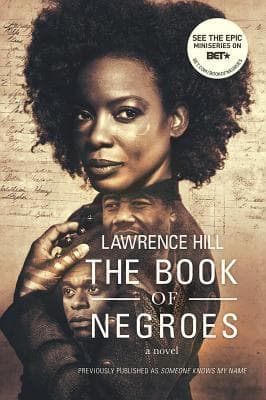
- The Book of Negroes
Lawrence Hill
4.5 (73k) average on GoodreadsHistorical FictionExplores the journey of a Black woman through slavery and freedom, with a strong historical focus.
- Beloved
Toni Morrison
3.9 (325k) average on GoodreadsLiterary FictionDeals with the lasting trauma of slavery and its impact on memory and family bonds, though more supernatural.
- The Secret Life of Bees
Sue Monk Kidd
4.1 (1.1M) average on GoodreadsHistorical FictionFeatures a young girl finding an unconventional family and a sense of belonging with strong, nurturing women.
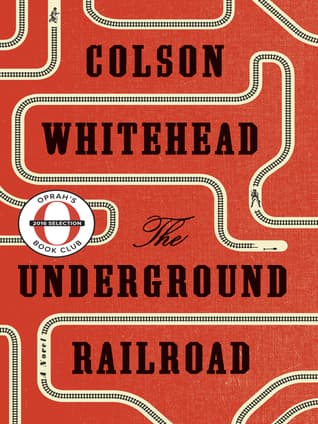
- The Underground Railroad
Colson Whitehead
4.0 (290k) average on GoodreadsLiterary FictionColson Whitehead's The Underground Railroad offers a more fantastical, allegorical approach to the historical subject of slavery in the American South, portraying the railroad as a literal train system. In contrast, Rush Home Road maintains a strict historical realism, grounding its narrative in the actual experiences and challenges faced by Black Canadians. While both novels address themes of escape, survival, and the search for freedom, Whitehead's employs magical realism to heighten the emotional impact and explore broader philosophical questions about American history. Lansens' approach is more intimate and personal, relying on the power of memory and individual testimony to illuminate historical truths, making her narrative feel more like a direct historical account filtered through a personal lens rather than a reimagining.
- To Kill a Mockingbird
Harper Lee
4.3 (4.5M) average on GoodreadsHistorical FictionIn the 1930s Jim Crow South, Harper Lee writes about racial injustice, moral growth, and the quiet courage of a lawyer father, Atticus Finch, as seen through his young daughter's eyes.
- The Great Gatsby
F. Scott Fitzgerald
3.9 (3.8M) average on GoodreadsHistorical FictionIn the opulent Roaring Twenties, a mysterious millionaire's lavish parties hide his desperate, tragic pursuit of a lost love, exposing the emptiness within the American Dream.




Enjoyed the summary?
A summary gives you the shape of the book. The book itself has the detail, the examples and the voice.
Find Rush Home Road on AmazonAs an Amazon Associate, BookBrief earns from qualifying purchases. How we're funded