
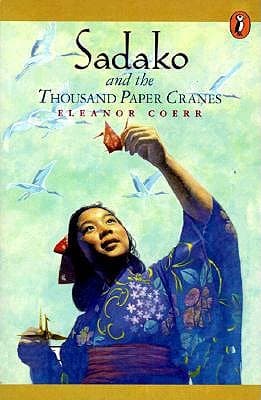
Synopsis
Covers the whole plot, including the ending.
- Difficulty
- Easy
- Pacing
- Moderate
- Mood
- Heartbreaking, Hopeful, Inspiring, Somber
- Read it if
- You want a poignant, accessible introduction to a significant historical event through the eyes of a child, and appreciate stories of hope and resilience in the face of tragedy.
- Skip it if
- You prefer complex narratives with deep character development or are sensitive to themes of childhood illness and death.
Sadako and the Thousand Paper Cranes Plot Summary
Covers the whole plot, including the ending.
A Lively Girl in Hiroshima
Sadako Sasaki is a strong, fast runner in Hiroshima, ten years after the atomic bomb was dropped. She is excited about the Peace Day festival, where she will represent her class in a race. Sadako is a typical, energetic sixth-grader, living with her family near the Ota River. Her older brother, Masahiro, often teases her, but they are close. The memory of the atomic bomb, called the 'thunderbolt,' is a part of the city's history, but for Sadako, it's a distant event; she was only two years old when it happened. Her life is filled with school, friends, and the joy of running.
The First Signs of Illness
During an important relay race at school, Sadako feels dizzy and weak, but she pushes through, determined not to let her team down. She manages to pass the stick to her teammate, but the dizziness is a new and unsettling sensation. She tries to dismiss it as a momentary weakness, possibly due to excitement or the heat. However, the dizzy spells continue, becoming more frequent. Her family notices her fatigue and paleness, though Sadako tries to hide her symptoms, fearing she might be held back from running.
Diagnosis: Leukemia
The dizzy spells worsen, and Sadako collapses during a school assembly. Her parents take her to the Red Cross Hospital, where she undergoes tests. The doctors give the news: Sadako has leukemia, which many in Hiroshima call the 'atom bomb disease.' This diagnosis shatters her family's world and forces Sadako to confront the grim reality of her illness. She is admitted to the hospital, where she faces a future of treatments and uncertainty, far from her friends and the running track.
Chizuko's Gift and the Legend of the Cranes
While Sadako is in the hospital, feeling weak and discouraged, her friend, Chizuko, visits her. Chizuko brings a golden paper crane, which she has folded, and tells Sadako about an old Japanese legend: if a sick person folds one thousand paper cranes, the gods will grant her wish and make her healthy again. This legend sparks hope in Sadako. She decides to take on the challenge, believing that folding the cranes might be her path to recovery and a return to her normal, active life.
The Crane Folding Begins
Inspired by Chizuko and the legend, Sadako begins folding paper cranes with determination. She uses whatever paper she can find — medicine wrappers, gift paper, and paper scraps given by nurses and visitors. Her brother, Masahiro, helps by hanging the finished cranes from the ceiling of her hospital room, creating a colorful canopy. Despite her increasing weakness and the pain of her treatments, Sadako finds solace and purpose in the rhythmic folding, working towards her goal of one thousand cranes. Each crane is a small victory and a renewed hope for life.
A New Friend, Kenji
In the hospital, Sadako meets Kenji, a nine-year-old boy who also has leukemia from the atomic bomb. Kenji is quiet and thoughtful, having been in the hospital for a long time. He shares his pessimistic view of their chances of recovery, which initially disheartens Sadako. However, their shared experience of illness and their quiet conversations create a bond. Kenji's eventual death affects Sadako deeply, reminding her of her own condition and strengthening her resolve to fold more cranes.
Deterioration and Continued Hope
As summer progresses, Sadako's condition worsens. She experiences more pain, her appetite wanes, and her body grows weaker. Despite the physical toll, her spirit remains strong. Her family visits frequently, bringing her favorite foods and encouraging her in her crane-folding project. They bring her more paper, and her mother reassures her, telling her that the gods will surely grant her wish. Sadako's hope, though sometimes wavering, is continually rekindled by the love and support of her family and the growing number of cranes in her room.
The Last Cranes
In October, Sadako's health takes a final, drastic turn. Her family is constantly by her bedside. She becomes very weak, barely able to speak or move. Despite her failing strength, she continues to try and fold cranes, her fingers fumbling with the paper. She manages to fold a few more, reaching a total of 644 cranes. She looks at the colorful strings of cranes hanging above her, a symbol of her fight and hope. However, her body finally gives out, and she is unable to fold the remaining cranes to reach her goal of one thousand.
Sadako's Peaceful Passing
On October 25, 1955, Sadako Sasaki passes away peacefully, surrounded by her family. Her parents and brother, Masahiro, are there as she takes her last breath. She is holding a half-finished paper crane in her hands. Though she did not reach her goal of one thousand cranes, her spirit and determination left a mark on her family and friends. Her unfinished journey becomes a symbol of the innocence lost and the enduring hope for peace in the shadow of war.
A Legacy of Peace
After Sadako's death, her classmates and friends are moved by her story. They decide to complete her goal, folding the remaining 356 cranes so that one thousand paper cranes are offered in her memory. They also begin raising money to build a monument for Sadako and all the child victims of the atomic bomb. Years later, a statue of Sadako holding a golden crane is erected in Hiroshima Peace Park. Every year, children from all over the world send paper cranes to the monument, carrying messages of peace and hope, ensuring Sadako's legacy lives on.
Principal Figures
Sadako Sasaki
Protagonist
A lively and athletic Japanese girl who contracts leukemia after the atomic bombing of Hiroshima.
Sadako is initially portrayed as a vibrant, energetic, and optimistic ten-year-old girl, excelling in running and enjoying life with her family and friends in Hiroshima. Her world is shattered by a diagnosis of leukemia, the 'atom bomb disease.' Despite her illness, she exhibits incredible bravery, resilience, and hope, fueled by the legend of the thousand paper cranes. She diligently folds cranes, seeing each one as a step towards recovery. Her determination and courage in the face of suffering make her a symbol of peace.
Relationships: Masahiro Sasaki (Older brother, supportive and loving); Chizuko Hamamoto (Best friend, introduces her to the crane legend); Kenji (Hospital friend, fellow leukemia patient); Mr. and Mrs. Sasaki (Loving and supportive parents)
Masahiro Sasaki
Supporting
Sadako's older brother, who supports her throughout her illness.
Masahiro is Sadako's older brother, initially depicted as a typical teasing sibling. However, when Sadako falls ill, he becomes her steadfast supporter. He helps her by gathering paper, hanging her folded cranes, and offering encouragement. His presence provides comfort and a connection to her life outside the hospital. He is deeply affected by her illness and death, and his love for his sister is evident in his actions and quiet support.
Relationships: Sadako Sasaki (Younger sister, whom he deeply loves and supports); Mr. and Mrs. Sasaki (Son, part of their grieving family)
Chizuko Hamamoto
Supporting
Sadako's best friend, who inspires her to fold paper cranes.
Chizuko is Sadako's loyal and caring best friend. She is the one who brings Sadako the first golden paper crane and shares the ancient legend of the thousand paper cranes, thereby giving Sadako a purpose and hope during her illness. Her act of kindness and her belief in the legend profoundly impact Sadako's journey. Chizuko's friendship is a source of comfort and motivation for Sadako in the hospital.
Relationships: Sadako Sasaki (Best friend, deeply caring and influential)
Mr. Sasaki
Supporting
Sadako's father, who provides emotional support and care.
Mr. Sasaki is Sadako's loving and concerned father. He is deeply worried about his daughter's illness and tries his best to provide comfort and hope. He is often seen at her bedside, offering words of encouragement and bringing her small gifts. His presence, along with Mrs. Sasaki's, forms the bedrock of Sadako's support system, reminding her of her family's unwavering love.
Relationships: Sadako Sasaki (Daughter, whom he loves deeply); Mrs. Sasaki (Wife, shares the burden of their daughter's illness); Masahiro Sasaki (Son)
Mrs. Sasaki
Supporting
Sadako's mother, who tends to her daughter with immense care and love.
Mrs. Sasaki is Sadako's devoted mother, who nurses her daughter with tireless love and attention throughout her illness. She constantly tries to make Sadako comfortable, brings her favorite foods, and offers words of comfort and encouragement. Her presence in the hospital is a constant source of strength for Sadako, embodying the nurturing and unconditional love of a mother facing an unimaginable tragedy.
Relationships: Sadako Sasaki (Daughter, whom she tirelessly cares for); Mr. Sasaki (Husband, shares the burden of their daughter's illness); Masahiro Sasaki (Son)
Kenji
Supporting
A young boy in the hospital, also suffering from leukemia.
Kenji is a nine-year-old boy Sadako meets in the hospital, also a victim of the 'atom bomb disease.' He is quiet, reflective, and has a more realistic, albeit pessimistic, view of their illness due to his prolonged stay and observation of other patients. His conversations with Sadako highlight the harsh reality of their condition and the widespread impact of the atomic bomb. His eventual death deeply affects Sadako, serving as a stark reminder of her own precarious situation.
Relationships: Sadako Sasaki (Hospital friend, shares a common illness)
Nurse Yasunaga
Supporting
A kind nurse who cares for Sadako in the hospital.
Nurse Yasunaga is one of the compassionate nurses who looks after Sadako in the Red Cross Hospital. She is consistently kind and attentive, bringing Sadako paper for her cranes and offering gentle words of encouragement. She represents the medical professionals who cared for the many victims of the atomic bomb, providing comfort and support in the face of overwhelming illness.
Relationships: Sadako Sasaki (Caregiver, provides medical and emotional support)
Themes & Insights
Hope and Resilience
Hope and resilience are central to Sadako's story. Despite a devastating diagnosis and the physical toll of her illness, Sadako clings to the hope that folding a thousand paper cranes will grant her a wish for health. Her determination to complete the cranes, even as her strength wanes, shows resilience. This hope extends beyond her personal wish, becoming a symbol of human spirit in the face of suffering from war. Her classmates continue this hope by finishing her cranes and advocating for peace.
“She would get well. She had to! She had the cranes to fold.”
The Horrors of War and Its Lasting Impact
The book illustrates the long-term consequences of the atomic bombing of Hiroshima, even a decade later. Sadako's leukemia, called the 'atom bomb disease,' is a direct result of the radiation exposure. This shows how war's effects linger and claim innocent lives years after the conflict ends. The suffering of Sadako and other children like Kenji is a reminder of the cruelty of nuclear weapons and the human cost of war. It emphasizes the importance of peace.
“It was the atom bomb disease. Many people in Hiroshima were getting it now.”
The Power of Friendship and Family
Sadako's journey is supported by the love of her family and the friendship of Chizuko. Chizuko's introduction of the paper crane legend gives Sadako hope and purpose. Her brother, Masahiro, and her parents visit, provide comfort, and assist her in her crane-folding efforts. This network of love and support shows the importance of human connection in overcoming adversity and facing challenging times, offering solace even when a cure is impossible.
“Chizuko was her best friend. Sadako knew Chizuko would think of something to make her happy.”
Legacy and Remembrance
Sadako's story goes beyond her individual struggle, becoming a legacy of peace and remembrance. Although she doesn't complete her thousand cranes, her classmates finish the task, and her story inspires the creation of a children's peace monument in Hiroshima. This theme shows how individual acts of courage and suffering can become catalysts for collective remembrance and a global call for peace. It ensures that victims of war are not forgotten and that their stories continue to teach future generations.
“On the base of the statue is carved: 'This is our cry, this is our prayer; peace in the world.'”
Plot Devices & Literary Techniques
The Thousand Paper Cranes
A central symbol of hope, healing, and peace.
The paper cranes are the most prominent plot device, serving as a powerful symbol throughout the narrative. Initially, they represent Sadako's personal hope for recovery and her wish to live. As her illness progresses, they transform into a symbol of resilience and determination. After her death, the cranes become a universal emblem for peace, a memorial to all child victims of war, and a tangible way for people worldwide to express their desire for a peaceful future. The act of folding them provides structure and motivation to Sadako's final days.
The 'Atom Bomb Disease'
A euphemism that highlights the insidious and delayed effects of nuclear warfare.
The term 'atom bomb disease' (leukemia) functions as a plot device to directly link Sadako's illness to the atomic bombing of Hiroshima. It serves as a constant reminder of the war's lasting and devastating impact, even years after the event. This specific diagnosis personalizes the abstract horror of nuclear weapons, showing how radiation poisoning can slowly and cruelly claim innocent lives, emphasizing the long-term human cost of such destruction rather than just the immediate devastation.
The Peace Day Festival
A recurring event that contrasts Sadako's initial health with her later illness, and symbolizes hope for the future.
The Peace Day Festival serves as a significant backdrop and recurring motif. It is introduced early in the book when Sadako is healthy and excited to participate, symbolizing a return to normalcy and a collective aspiration for a peaceful future in Hiroshima. Later, as Sadako battles her illness, the festival's symbolism becomes more poignant, representing the peace she yearns for but might not achieve. The festival ultimately reinforces the story's overarching message about the importance of peace and remembrance.
Flashback/Historical Context
Brief mentions of the atomic bombing to establish the story's historical foundation.
While not a full flashback, the book frequently uses brief mentions and references to the 'thunderbolt' or the atomic bombing that occurred ten years prior to the story's main events. This device establishes the crucial historical context for Sadako's illness and the setting of Hiroshima. It subtly but effectively reminds the reader of the catastrophic event that underpins the entire narrative, explaining why Sadako and other children are suffering from leukemia, thus grounding the personal story within a larger historical tragedy.
Sadako and the Thousand Paper Cranes Quotes
“If a sick person folds one thousand paper cranes, the gods will grant her wish and make her healthy again.”
“I will write peace on your wings and you will fly all over the world.”
“She was determined to fold one thousand cranes.”
“The golden crane was the most beautiful of all.”
“Life is like a paper crane—fragile but full of hope.”
“Sadako's spirit lives on in every paper crane.”
“She folded cranes even when her fingers grew tired.”
“The atomic bomb changed everything.”
“Peace starts with one small act.”
“Her cranes became a symbol for all children of peace.”
“Even in the hospital, she found joy in small things.”
“We must remember so it never happens again.”
“Each crane carried a piece of her wish.”
Quiz
10 questions on the plot and the characters. Each answer comes with a short explanation.
Question 1
What disease does Sadako develop in the story?
- Pneumonia
- Leukemia
- Tuberculosis
- Malaria
Show answer
B. Leukemia Sadako develops leukemia, which is referred to as the 'atom bomb disease' in the book because it was common among survivors of the Hiroshima atomic bombing.
Question 2
According to Japanese legend, what happens if a sick person folds one thousand paper cranes?
- They become wealthy
- They gain eternal youth
- The gods grant their wish for health
- They are granted one wish of any kind
Show answer
C. The gods grant their wish for health The legend states that if a sick person folds one thousand paper cranes, the gods will grant their wish to become healthy again, which motivates Sadako's efforts.
Question 3
What is Sadako's talent before she gets sick?
- Singing
- Painting
- Running
- Writing poetry
Show answer
C. Running Sadako is described as lively and athletic, and she is the star of her school's running team before she becomes ill with leukemia.
Question 4
Why is Sadako's illness called the 'atom bomb disease'?
- Because it was caused by radiation from the Hiroshima bombing
- Because it spreads like an explosion
- Because it was first discovered after the bombing
- Because it makes patients feel like they are exploding
Show answer
A. Because it was caused by radiation from the Hiroshima bombing Leukemia was common among survivors of the Hiroshima atomic bombing due to radiation exposure, which is why it's referred to as the 'atom bomb disease' in the context of the book.
Question 5
How does Sadako's friend Chizuko help her with the paper cranes?
- She teaches Sadako how to fold them
- She buys all the paper for Sadako
- She folds half of the cranes herself
- She sells the cranes to raise money
Show answer
A. She teaches Sadako how to fold them Chizuko visits Sadako in the hospital and teaches her how to fold paper cranes, introducing her to the legend and starting her on the journey to fold one thousand.
Question 6
What happens to Sadako at the end of the book?
- She recovers and returns to running
- She dies before finishing all the cranes
- She moves to America for treatment
- She becomes a famous crane-folding artist
Show answer
B. She dies before finishing all the cranes Despite her bravery and efforts, Sadako dies from leukemia before she can finish folding one thousand paper cranes, though her story inspires others.
Question 7
What is a key theme of 'Sadako and the Thousand Paper Cranes'?
- The importance of wealth and success
- The horrors of war and hope for peace
- The benefits of modern medicine
- The joys of childhood friendship
Show answer
B. The horrors of war and hope for peace The book highlights the devastating effects of the atomic bomb on individuals like Sadako, while also emphasizing hope, peace, and resilience through her story.
Question 8
How many paper cranes does Sadako actually fold before she dies?
- 500
- 644
- 999
- 1,000
Show answer
B. 644 In the book, Sadako folds 644 paper cranes before she dies. Her classmates later complete the remaining 356 to honor her memory.
Question 9
What does the paper crane symbolize in Japanese culture as depicted in the book?
- Wealth and prosperity
- Long life and good fortune
- Love and marriage
- Academic success
Show answer
B. Long life and good fortune In Japanese culture, the paper crane (orizuru) is a symbol of longevity, good fortune, and peace. In the book, it represents hope for healing and a peaceful future.
Question 10
How has Sadako's story impacted real-world memorials and movements?
- It led to the construction of a statue in her honor at the Hiroshima Peace Memorial
- It started an international paper-folding competition
- It caused the banning of atomic weapons worldwide
- It inspired a national holiday in Japan
Show answer
A. It led to the construction of a statue in her honor at the Hiroshima Peace Memorial Based on the true story, a statue of Sadako holding a golden crane was built at the Hiroshima Peace Memorial Park, and her story has become a symbol for peace and nuclear disarmament movements.
Sadako and the Thousand Paper Cranes FAQ
What is 'Sadako and the Thousand Paper Cranes' about?
The book follows Sadako Sasaki, a young girl in post-World War II Hiroshima who develops leukemia due to radiation exposure from the atomic bomb. Inspired by a Japanese legend, she begins folding one thousand paper cranes in hopes that the gods will grant her wish to recover, showcasing her resilience and hope amidst illness.
Why should I read 'Sadako and the Thousand Paper Cranes'?
It's a poignant, historically based story that humanizes the aftermath of the Hiroshima bombing through a child's perspective. Sadako's determination and the symbolic act of folding cranes offer a powerful message about peace, courage, and the impact of war on innocent lives.
What is the background/setting of 'Sadako and the Thousand Paper Cranes'?
Set in Hiroshima, Japan, in the 1950s, a decade after the atomic bomb was dropped. The story reflects the lingering effects of radiation sickness in the community, with Sadako's family and friends navigating life in a city rebuilding from devastation.
What are the most memorable quotes from the book?
Key quotes include Sadako's hopeful declaration, 'I will write peace on your wings and you will fly all over the world,' and her reflection on the crane legend, 'If a sick person folds one thousand paper cranes, the gods will grant her a wish.' These lines emphasize themes of hope and peace.
What writing style does Eleanor Coerr use in the book?
Coerr employs a simple, accessible narrative style suitable for young readers, blending factual historical context with emotional storytelling. The prose is direct and heartfelt, focusing on Sadako's inner thoughts and the symbolic imagery of the cranes to convey depth.
What minor details add significant meaning to the story?
Details like Sadako using whatever paper she can find—including medicine wrappers and candy wrappers—to fold cranes highlight her resourcefulness and desperation. The gradual weakening of her hands as she folds underscores the physical toll of her illness.
What are some subtle foreshadowing moments in the book?
Early mentions of Sadako's dizziness and fatigue during running practice foreshadow her leukemia diagnosis. References to other children in Hiroshima falling ill with the 'atom bomb disease' subtly hint at the widespread impact of radiation before Sadako's own symptoms worsen.
What unexpected character connections exist in the story?
Sadako's friend Chizuko, who introduces her to the crane legend, becomes a source of emotional support, mirroring the community's solidarity. Her family's quiet struggles, such as her mother's hidden grief, connect personal loss to the broader historical trauma of Hiroshima.
What are unspoken character motivations in the book?
Sadako's motivation extends beyond personal survival; she folds cranes as an act of defiance against her fate and to leave a legacy of peace. Her parents' encouragement masks their own fear and helplessness, driven by a desire to protect her hope.
What psychological complexities do characters exhibit?
Sadako grapples with fear and denial initially, then shifts to determined optimism through crane-folding, showing a child's coping mechanism. Her brother Masahiro's guilt over being healthy while Sadako suffers reveals survivor's guilt common in post-bomb Hiroshima.
What are the major emotional turning points in the story?
Key moments include Sadako's diagnosis, which shatters her athletic dreams; her decision to start folding cranes, marking a shift to active hope; and her deterioration despite her efforts, leading to a poignant acceptance and focus on peace.
How do relationship dynamics evolve in the book?
Sadako's relationships deepen as her illness progresses—her bond with Chizuko strengthens through shared hope, while her family becomes more protective yet supportive. The community rallies around her, symbolizing collective healing from war trauma.
Which parts of the book remain ambiguous or open-ended?
The exact number of cranes Sadako completes is ambiguous; some accounts say she folded over 1,000, while others note she fell short. The story leaves open how much her act directly inspired the peace movement, focusing instead on its symbolic legacy.
What are controversial scenes or decisions in the book?
Some readers debate the portrayal of the crane legend as potentially giving false hope to sick children. Additionally, the book's simplified handling of Hiroshima's complex history might be seen as glossing over political nuances in favor of an emotional narrative.
How does 'Sadako and the Thousand Paper Cranes' end, and what does it mean?
Sadako dies after folding many cranes, but her story lives on through a memorial and global peace movements. The ending emphasizes that her courage and the cranes symbolize hope and a call for peace, transforming personal tragedy into a universal message against war.
About the author
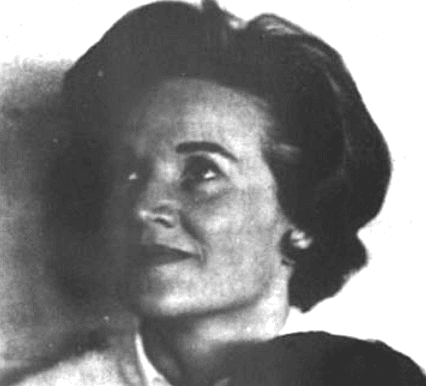
Eleanor Coerr was an author known for her contributions to children's literature, particularly in the realm of fiction. She is best known for her book "Sadako and the Thousand Paper Cranes," which tells the poignant story of a young girl affected by the Hiroshima bombing and her hope for peace through the art of origami.
Similar books
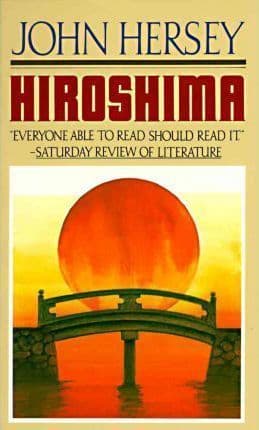
- Hiroshima
John Hersey
4.0 (61k) average on GoodreadsHistoryOffers a non-fiction account of the atomic bombing's aftermath, providing historical context to Sadako's story.
- The Diary of a Young Girl
Anne Frank
4.2 (2.7M) average on GoodreadsBiographyA classic true story of a child's experience during wartime, emphasizing resilience and the human spirit.
- Harry Potter and the Sorcerer's Stone
J.K. Rowling
4.5 (7M) average on GoodreadsFantasyRescued from a miserable life under the stairs, an orphaned boy discovers he's a wizard destined for a magical school, where he uncovers a dangerous secret tied to the dark wizard who murdered his parents.
- The Hobbit, or There and Back Again
J.R.R. Tolkien
4.3 (2.9M) average on GoodreadsFantasyA comfort-loving hobbit named Bilbo Baggins is whisked away by a mischievous wizard and a band of dwarves on an unexpected journey to reclaim stolen treasure from a fearsome dragon, discovering courage and a magical ring along the way.
- Harry Potter and the Goblet of Fire
J.K. Rowling
4.6 (2.6M) average on GoodreadsFantasyA bewildered Harry Potter, underage and thrust into a deadly Triwizard Tournament, must brave dragons, mermaids, and a resurgent dark magic to survive a year that will forever alter the wizarding world.
- Harry Potter and the Order of the Phoenix
J.K. Rowling
4.5 (2.5M) average on GoodreadsFantasyIn a year of oppressive secrets and the threat of Voldemort, Harry Potter and Dumbledore's Army secretly train for war, shown through Jim Kay and Neil Packer's dark illustrations.





Enjoyed the summary?
A summary gives you the shape of the book. The book itself has the detail, the examples and the voice.
Find Sadako and the Thousand Paper Cranes on AmazonAs an Amazon Associate, BookBrief earns from qualifying purchases. How we're funded