

Synopsis
Covers the whole plot, including the ending.
- Difficulty
- Easy
- Pacing
- Moderate
- Mood
- Heartwarming, Emotional, Hopeful
- Read it if
- You enjoy poignant stories about sibling bonds, the challenges of the foster care system, and coming-of-age narratives.
- Skip it if
- You prefer fast-paced thrillers or stories without emotional depth.
Scarlet Ibis Plot Summary
Covers the whole plot, including the ending.
The Promise of the Caroni Swamp
The story begins with Scarlet and her younger brother, Red, who has severe learning difficulties and is non-verbal. They share a deep bond, living in a dilapidated caravan with their neglectful mother. Scarlet often tells Red a story about their future escape to the Caroni Swamp in Trinidad, where thousands of scarlet ibis birds gather. This story is their shared fantasy, a symbol of their connection. Scarlet acts as Red's sole protector and interpreter, understanding his unique way of communicating, while their mother struggles with her own issues, leaving the children mostly to care for themselves.
Separation and Foster Care
Their living situation is discovered by social services. Despite Scarlet's attempts to keep them together and her protection of Red, authorities deem their home unfit. The children are separated. Scarlet is placed with Mrs. Nelson, while Red is sent to live with the Millers, a foster family specializing in children with special needs. This separation shatters Scarlet's world, as her identity is tied to caring for Red, and she feels guilt for not protecting him.
Scarlet's New Life and Lingering Hope
Living with Mrs. Nelson, Scarlet experiences a stable home for the first time. Mrs. Nelson is patient and understanding, offering Scarlet the care she never received. However, Scarlet struggles to embrace this new life. Her mind is on Red, and she feels an emptiness without him. She secretly plans to reunite with him, hoping to fulfill their Caroni Swamp dream. She starts school, a new experience, but remains distant from her peers, her thoughts on her brother.
Encounters with Mrs. Miller and Doubts
Scarlet is allowed to visit Red at the Millers' home. She meets Mrs. Miller, who seems competent and caring, but Scarlet perceives a rigidity. While seeing Red brings her joy, she notices subtle changes in him. He seems quieter, less responsive to her unique communication, and she worries he might be sedated or overly controlled. The Millers' structured environment, while beneficial, feels restrictive to Scarlet, who remembers Red's more expressive nature. These observations strengthen Scarlet's determination to 'rescue' Red.
The School Project and a New Friend
At school, Scarlet is assigned a project on birds. This reminds her of the scarlet ibis and her dream with Red. She is drawn to Sam, a quiet, artistic boy who shares her interest in nature and drawing. Sam notices Scarlet's intensity and her preoccupation. They work on the project together, and through their shared interest, Scarlet slowly opens up to him, though she keeps her plans for Red a secret. Sam's calm demeanor and artistic talent provide comfort for Scarlet.
The Escape Plan Takes Shape
Driven by her belief that Red needs her and that the Millers do not truly understand him, Scarlet begins to plan their escape. She studies maps, calculates distances, and saves what little money she has. Her goal is to take Red and travel to the coast, then find a way to get to Trinidad and the Caroni Swamp. She believes this journey is the only way to restore Red's happiness and fulfill their promise. She does not fully grasp the legal implications or dangers of her plan, seeing it as a mission of love.
The Abduction and the Journey Begins
On a visiting day, Scarlet puts her plan into action. She distracts Mrs. Miller and leads Red away from the house. Red, initially confused, follows Scarlet, trusting her. They begin their journey on foot, carrying a small bag of provisions. The thrill of their escape quickly gives way to the harsh realities of being on the run. They face hunger, cold, and fear of being discovered. Scarlet tries to keep Red's spirits up by recounting their story of the scarlet ibis, but the toll begins to mount.
Challenges on the Road
As they travel, Scarlet and Red encounter challenges. They hitchhike, sleep rough, and rely on strangers, some of whom are suspicious. Red's non-verbal communication and his unique needs make their journey difficult. Scarlet struggles to explain his condition to others, often leading to misunderstandings. She becomes protective and isolated, her resolve tested by exhaustion and the reality that their dream destination is still far away, with no clear way to reach it.
The Intervention and Realization
Eventually, Scarlet and Red are found by authorities, likely alerted by Mrs. Nelson or the Millers. The reunion with Mrs. Nelson is emotional. Scarlet, initially defiant, slowly understands the gravity of her actions and the danger she put Red in. She sees Red's distress and the fear in Mrs. Nelson's eyes. This is a turning point for Scarlet, as she begins to realize that her love for Red, while strong, might not always be what is best for him, and that others care for him too.
Reconciliation and a New Path
After their return, Scarlet is guided to understand the support systems available for Red. She has conversations with Mrs. Nelson and social workers, who help her see that Red's needs are complex and require more than just her individual care. She learns that the Millers, despite their structured approach, genuinely cared for Red and provided him with necessary routines and therapies. Scarlet slowly accepts that loving Red means allowing others to help him thrive, even if it means not being his sole protector.
Red's Progress and Scarlet's Growth
Red, after the ordeal, settles back into a routine. With consistent care and therapy, he shows small but significant signs of progress, perhaps making new sounds or showing more engagement. Scarlet, witnessing this, processes her grief and guilt. She continues to visit Red regularly, but their interactions are more balanced. She also engages more with school and her new foster family, allowing herself to build relationships and find her own identity beyond being solely Red's caregiver. She starts to draw, a shared interest with Sam, finding a new outlet for her emotions.
The New Dream
The book concludes with Scarlet and Red finding a more realistic way to share their dream of the scarlet ibis. Perhaps they visit a bird sanctuary, or Scarlet finds a way to bring the beauty of the birds to Red through pictures and stories. The Caroni Swamp remains a symbol of their bond, but it transforms from a literal escape plan into a metaphor for their enduring love and connection, understood within the context of their separate but supported lives. Scarlet learns that 'always together' does not necessarily mean physically inseparable, but rather an unbreakable bond of love and memory.
Scarlet Ibis Characters
Scarlet
Protagonist
A fiercely protective older sister determined to keep her brother safe.
Scarlet is a strong-willed, resourceful, and deeply loving girl, burdened with the responsibility of caring for her non-verbal younger brother, Red. She is fiercely independent and distrustful of adults, having grown up in neglect. Her identity is profoundly intertwined with her role as Red's protector and interpreter. She possesses a vivid imagination, using the story of the Caroni Swamp as a coping mechanism and a promise of a better future for them both. Her journey is one of learning to trust, accepting help, and redefining what it means to truly care for someone she loves.
Relationships: Red (Younger brother, her primary responsibility and emotional anchor.); Mrs. Nelson (Foster mother, a source of stability and gentle guidance.); Sam (School friend, a quiet and understanding confidante.)
Red
Supporting
Scarlet's younger brother with severe learning difficulties, central to her motivations.
Red is Scarlet's younger brother, who has severe learning difficulties and is non-verbal. He communicates through sounds, gestures, and a unique bond with Scarlet, who understands him implicitly. He is vulnerable and dependent, yet possesses an inner resilience and a deep capacity for affection. His condition is the driving force behind Scarlet's actions, and his well-being is her constant concern. He represents innocence, vulnerability, and the profound impact of love and connection, even in the face of significant challenges.
Relationships: Scarlet (Older sister and primary caregiver, his emotional anchor.); Mrs. Miller (Foster mother specializing in special needs, provides structured care.)
Mrs. Nelson
Supporting
Scarlet's kind and patient foster mother.
Mrs. Nelson is Scarlet's foster mother, a compassionate and understanding woman who provides Scarlet with the stable, loving home she desperately needs. She is patient and non-judgmental, slowly earning Scarlet's trust. She represents safety, stability, and the possibility of a healthier future. She helps Scarlet navigate her trauma and encourages her to open up and accept the help available for both herself and Red, embodying the qualities of a truly supportive parental figure.
Relationships: Scarlet (Foster daughter, whom she cares for and guides.)
Mrs. Miller
Supporting
Red's foster mother, specializing in children with special needs.
Mrs. Miller is Red's foster mother, a professional and experienced caregiver specializing in children with special needs. While Scarlet initially perceives her as rigid and perhaps uncaring, Mrs. Miller is dedicated to providing Red with the structured environment and therapies he requires. She represents the professional, sometimes challenging, side of caregiving for children with complex needs, and her role highlights the different approaches to love and support.
Relationships: Red (Foster son, whom she provides specialized care for.)
Sam
Supporting
A quiet, artistic classmate who becomes Scarlet's friend.
Sam is a quiet and observant classmate of Scarlet's, who shares an interest in art and nature, particularly birds. He is gentle, understanding, and non-intrusive, offering Scarlet a rare sense of camaraderie and a safe space to be herself without judgment. He doesn't pry but is quietly supportive, becoming an unexpected friend and a symbol of Scarlet's slow reintegration into a more normal life. His presence helps ground Scarlet and offers her a connection outside of her all-consuming focus on Red.
Relationships: Scarlet (Classmate and friend, a quiet source of support.)
Scarlet and Red's Mother
Mentioned
Neglectful biological mother whose actions lead to the siblings' separation.
Scarlet and Red's mother is largely absent from the narrative, her presence felt more through her neglect and the consequences of her inability to care for her children. She is depicted as struggling with her own issues, leading to an unstable and unsafe environment for Scarlet and Red. Her actions, or lack thereof, are the catalyst for social services' intervention and the siblings' separation, though her motivations are not deeply explored.
Relationships: Scarlet (Biological mother, neglectful.); Red (Biological mother, neglectful.)
Scarlet Ibis Themes
Unconditional Love and Sibling Bond
The most prominent theme is the deep love between Scarlet and Red. Scarlet's life revolves around protecting and caring for her brother. Their shared dream of the Caroni Swamp symbolizes their connection and hope. This love drives Scarlet's attempt to 'rescue' Red, even when it puts them in danger. The story explores the complexities of this bond, showing how fierce love can sometimes become over-protectiveness but ultimately comes from a deep devotion. Their unique communication highlights the depth of their understanding.
“Will we always be together?' 'Always,' I say. 'Just you and me in that little boat, watching the scarlet ibis flying back to the Caroni Swamp.”
The Definition of 'Home'
The novel explores what makes a true home. Initially, Scarlet and Red's 'home' is a dilapidated caravan, yet for Scarlet, it is home because Red is there. When they are separated, Scarlet's sense of home is shattered. She finds a stable physical home with Mrs. Nelson, but her emotional home remains with Red. The theme questions whether home is a physical place, a feeling of safety, or where your loved ones are. Ultimately, it suggests that a true home includes both emotional security and the necessary physical and psychological support for well-being, even if it means adapting the traditional idea of family.
“Home wasn't a place. It was Red.”
Acceptance and Trust
Scarlet's journey is about learning to accept help and trust others. Because of her past, she is fiercely independent and believes she is the only one who can truly care for Red. Her abduction of Red comes from this lack of trust in the system and other caregivers. Through her experiences with Mrs. Nelson and her understanding of Red's needs, Scarlet learns to trust that others can also care for Red, and that accepting help does not diminish her love or her role as a sister. This theme highlights the difficulty of giving up control when driven by love.
“It was hard to let go, but sometimes, letting go was the bravest thing you could do.”
The Meaning of Freedom and Belonging
The scarlet ibis, flying freely to their swamp, symbolizes freedom and belonging for Scarlet and Red. For Scarlet, freedom means being with Red, unburdened by their past and their situation. The Caroni Swamp represents a place where they can truly belong, just the two of them. However, as the story progresses, the meaning of freedom changes. Scarlet learns that true freedom for Red might mean a structured environment that allows him to thrive, and that belonging can be found in a community of care, not just in their isolated bubble. The story explores the tension between perceived freedom and actual well-being.
“The swamp was our place, where we would be free, just the two of us.”
Plot Devices & Literary Techniques
The Scarlet Ibis and the Caroni Swamp
A powerful symbol of hope, freedom, and the sibling bond.
The recurring image of the scarlet ibis and the Caroni Swamp is the central symbolic device. It represents Scarlet and Red's shared dream, their unbreakable bond, and their desire for a better, freer life away from their difficult reality. It functions as a coping mechanism for Scarlet, a promise she makes to Red, and the ultimate destination of their attempted escape. The evolution of this symbol, from a literal escape to a metaphor for enduring love and finding a sense of belonging, is crucial to the story's emotional resolution.
First-Person Narration (Scarlet's POV)
Provides intimate access to Scarlet's thoughts and emotions.
The story is told entirely from Scarlet's perspective, allowing the reader deep insight into her fierce love for Red, her anxieties, her distrust of adults, and her unwavering determination. This narrative choice immerses the reader in her emotional world, making her decisions, even the ill-advised ones, understandable from her point of view. It emphasizes her isolation and her unique understanding of Red, while also highlighting her limited worldview and gradual process of maturity and acceptance.
Red's Non-Verbal Communication
Highlights the unique bond between siblings and the challenges of special needs.
Red's inability to speak and his reliance on gestures and sounds serve as a key plot device. It underscores the extraordinary depth of Scarlet's understanding and connection to him, making her feel indispensable. It also creates communication barriers with other characters, fueling Scarlet's belief that only she can truly care for him. This device highlights the challenges faced by individuals with severe communication difficulties and the specialized care and patience required, ultimately contributing to Scarlet's realization about Red's broader needs.
Scarlet Ibis Quotes
““I’m not afraid of anything,” I said, but my voice was small, like a mouse squeaking.”
“Some birds, you know, they fly all the way from Africa to come here. Imagine that. All that way for a little bit of sunshine.”
“The truth is like a wild bird. You can try to cage it, but it will always find a way to fly free.”
“Grief is like the tide. It comes in, and it goes out, but it always leaves something behind.”
“Sometimes the bravest thing you can do is ask for help.”
“The woods were a place where I could be myself, where the whispers of the trees understood me better than anyone.”
“Secrets are heavy things. They weigh you down until you can barely breathe.”
“It’s funny how a place can hold so many memories, good and bad, all tangled up together.”
“Even the smallest bird can make a big journey.”
“Forgiveness isn’t about forgetting; it’s about letting go of the anger.”
“The past is like a shadow. It follows you, but it doesn’t have to define you.”
“Sometimes you have to break things to fix them.”
“Hope is a tiny feather, fragile but capable of flight.”
Quiz
10 questions on the plot and the characters. Each answer comes with a short explanation.
Question 1
What is the name of Scarlet's younger brother?
- Blue
- Red
- Green
- Indigo
Show answer
B. Red The book explicitly states that Scarlet's brother is named Red, and she tells him his favorite story every night.
Question 2
What specific type of bird do Scarlet and Red dream of seeing in the Caroni Swamp?
- Blue Macaw
- Kingfisher
- Scarlet Ibis
- Flamingo
Show answer
C. Scarlet Ibis The title of the book and the story Scarlet tells Red clearly reference the 'scarlet ibis' flying back to the Caroni Swamp.
Question 3
What is the primary setting for the future dream Scarlet tells Red about?
- The Amazon Rainforest
- The Sahara Desert
- The Caroni Swamp in Trinidad
- The Arctic Tundra
Show answer
C. The Caroni Swamp in Trinidad The book description explicitly mentions 'the Caroni Swamp in Trinidad' as the destination for their dream of seeing the birds.
Question 4
What significant event causes Scarlet to decide she 'has got to do whatever it takes to get her brother back'?
- They run away from home together.
- Red gets sick and needs special care.
- Scarlet and Red are split up and sent to live with different foster families.
- Their parents go on a long trip without them.
Show answer
C. Scarlet and Red are split up and sent to live with different foster families. The synopsis states, 'But when Scarlet and Red are split up and sent to live with different foster families, Scarlet knows she's got to do whatever it takes to get her brother back.'
Question 5
What does Scarlet's nightly story about the Caroni Swamp represent for her and Red?
- A plan for a future vacation.
- A symbol of their unbreakable bond and a hopeful future together.
- A way to teach Red about ornithology.
- A memory of a past trip they took.
Show answer
B. A symbol of their unbreakable bond and a hopeful future together. The story ends with Red asking, 'Will we always be together?' and Scarlet replying, 'Always,' linking the dream to their perpetual togetherness.
Question 6
How is Red primarily described in relation to Scarlet?
- He is her older, protective brother.
- He is her younger brother who is 'special - different.'
- He is her twin, identical in every way.
- He is a distant cousin who lives with them.
Show answer
B. He is her younger brother who is 'special - different.' The text states, 'Scarlet's used to looking after her brother, Red. He's special - different.' This implies he is younger and requires her care.
Question 7
The phrase 'Just you and me in that little boat, watching the scarlet ibis flying back to the Caroni Swamp' highlights which central theme of the novel?
- The importance of wildlife conservation.
- The dream of escape and the enduring strength of sibling love.
- The challenges of navigating unfamiliar territories.
- The quiet solitude of nature.
Show answer
B. The dream of escape and the enduring strength of sibling love. This quote directly follows Red's question 'Will we always be together?' and Scarlet's 'Always,' emphasizing their desired togetherness and the dream as a shared hope for their future.
Question 8
Given the description, what is the most likely emotional state of Scarlet when she decides to get her brother back?
- Indifferent and resigned.
- Determined and desperate.
- Confused and hesitant.
- Angry and vengeful.
Show answer
B. Determined and desperate. The phrase 'she's got to do whatever it takes' conveys a strong sense of determination and urgency, bordering on desperation due to their separation.
Question 9
The mention of 'Psychology, Children's' as genres for the book suggests a focus on what aspect of Red's character?
- His academic achievements.
- His physical prowess.
- His unique cognitive or developmental needs, implied by 'special - different'.
- His rebellious nature.
Show answer
C. His unique cognitive or developmental needs, implied by 'special - different'. The genre 'Psychology, Children's' combined with Red being described as 'special - different' strongly hints at the story exploring his unique mental or developmental characteristics and the psychological impact on him and Scarlet.
Question 10
Based on the provided text, what is the primary conflict that drives the plot forward after the initial setup?
- Scarlet's struggle to learn about different bird species.
- The challenge of getting to Trinidad to see the Scarlet Ibis.
- Scarlet's mission to reunite with her separated brother, Red.
- Red's difficulty in adapting to a new foster family.
Show answer
C. Scarlet's mission to reunite with her separated brother, Red. The synopsis explicitly states, 'But when Scarlet and Red are split up and sent to live with different foster families, Scarlet knows she's got to do whatever it takes to get her brother back.' This directly sets up Scarlet's quest for reunification as the central conflict.
Scarlet Ibis FAQ
What is the central premise of 'Scarlet Ibis'?
The story follows Scarlet, a young girl who has always cared for her younger brother, Red, who is 'special' or has developmental differences. Their bond is centered around a shared fantasy of escaping to the Caroni Swamp in Trinidad to see scarlet ibises. The core conflict arises when they are separated into different foster homes, prompting Scarlet's desperate quest to reunite with Red.
Who are the main characters in the book?
The two main characters are Scarlet, the protective older sister, and her younger brother, Red, who is described as 'special' and relies heavily on Scarlet. Other significant characters include the various foster parents they encounter and potentially social workers involved in their separation and placement.
What is the significance of the Caroni Swamp and the scarlet ibis in the narrative?
The Caroni Swamp in Trinidad and the scarlet ibis represent a powerful symbol of freedom, escape, and their idealized future together. It's Red's favorite story and a shared dream that anchors their relationship, serving as a beacon of hope and a metaphor for their desired reunion and a place where they can be safe and together.
What drives Scarlet's actions throughout the story?
Scarlet's actions are primarily driven by her fierce, unwavering love for Red and her deep-seated sense of responsibility for his well-being. Her desperate need to reunite with him after their separation fuels her determination to overcome obstacles and challenge the system, believing she is the only one who truly understands and can care for him.
What challenges do Scarlet and Red face once they are separated?
Once separated, Scarlet faces the emotional trauma of losing her brother and the practical difficulties of navigating new foster homes without him. Red likely struggles with the absence of his primary caregiver and the disruption to his routine, potentially leading to distress and behavioral challenges in his new environment.
Are there any subtle clues about why Scarlet and Red were initially separated from their biological family?
While the synopsis doesn't explicitly state the reasons, the fact that they are in the foster care system suggests neglect, abuse, or the inability of their biological parents to provide adequate care. The emphasis on Scarlet's care for Red hints at a history where she might have been a primary caregiver due to parental shortcomings.
Does the book hint at the specific nature of Red's 'special' condition?
The synopsis uses the term 'special - different,' which is intentionally vague, common in children's literature to allow for broader interpretation. It suggests a neurodevelopmental difference or a condition that requires significant support, making his reliance on Scarlet and her understanding of him particularly crucial.
Is there a symbolic significance to Red's name?
Red's name likely holds symbolic weight, mirroring the 'scarlet ibis' itself. Red is a color often associated with strong emotions like love, passion, and urgency, reflecting Scarlet's intense attachment to him and the vibrant, hopeful image of their dream destination.
How does Scarlet's role as Red's caregiver impact her own development?
Scarlet's role as Red's primary caregiver has likely forced her to mature quickly, taking on responsibilities beyond her years. This might lead to an underdeveloped sense of her own childhood, a strong sense of duty, and potentially difficulty trusting others to care for Red as effectively as she does.
What psychological impact does the separation have on Scarlet?
The separation likely causes Scarlet significant trauma, grief, and anxiety, akin to losing a part of herself. Her identity is deeply intertwined with caring for Red, so his absence could lead to feelings of emptiness, desperation, and a singular focus on their reunion, potentially at the expense of her own well-being.
How might Red cope with the separation, given his 'special' needs?
Red's coping mechanisms would likely be more challenging due to his 'special' needs. He might experience heightened distress, confusion, withdrawal, or behavioral regressions, as his familiar routine and primary attachment figure, Scarlet, have been abruptly removed. His ability to verbalize his feelings might also be limited.
Does Scarlet exhibit traits of a 'parentified child'?
Yes, Scarlet strongly exhibits traits of a 'parentified child.' Her deep sense of responsibility, her protective instincts, and the way she 'looks after' Red suggest she has taken on parental roles within their sibling dynamic, often a consequence of unstable home environments.
Is the Caroni Swamp a literal destination or purely a metaphor for their bond?
While the Caroni Swamp is a real place, within the context of their story, it functions as both a literal dream destination and a powerful metaphor. It represents their shared hope for a perfect, safe future together, free from the difficulties of their current lives, making it a symbol of their unbreakable bond.
Does the ending provide a definitive reunion, or is it left open to interpretation?
The synopsis focuses on Scarlet's journey to get Red back, implying a strong desire for a reunion. Whether the ending provides a definitive, happy reunion or a more nuanced, open-ended resolution about their future in foster care or finding a new 'home' together, remains to be seen, but the hope of reunion is central.
How might the story challenge readers' perceptions of family and caregiving?
The story challenges readers to consider that family isn't solely defined by biology, but by deep bonds of love, responsibility, and mutual care. It highlights the profound emotional connections between siblings and questions whether institutional systems always prioritize these vital relationships in caregiving decisions.
What is the implied message about the foster care system in the book?
The book likely presents a critical, albeit nuanced, view of the foster care system. While it may acknowledge the system's necessity, it highlights the potential trauma of sibling separation and the challenges children face in adapting to new environments, questioning whether the system always prioritizes emotional bonds.
Could the 'little boat' mentioned in the quote also be symbolic?
Yes, the 'little boat' is highly symbolic. It represents their intimate, self-contained world, a sanctuary where it's 'just you and me.' It signifies their fragile yet strong bond, navigating life's challenges together, and their shared journey towards a hopeful future, isolated from external difficulties.
How does the author use the imagery of birds and flight throughout the narrative?
The imagery of birds and flight, particularly the scarlet ibis, is central to the narrative. It symbolizes freedom, escape, hope, and the ability to transcend difficult circumstances. For Scarlet and Red, flying away represents their ultimate dream of being together, unburdened and safe, in their ideal world.
Similar books
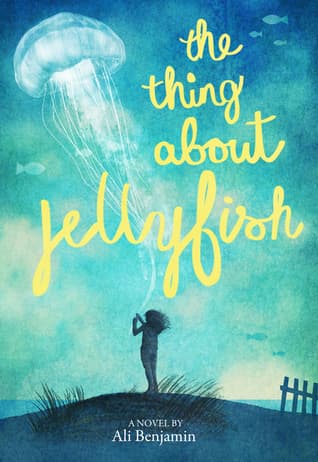
- The Thing About Jellyfish
Ali Benjamin
4.1 (27k) average on GoodreadsChildren'sExplores grief and understanding the world through a child's unique perspective.
- Counting by 7s
Holly Goldberg Sloan
4.2 (61k) average on GoodreadsChildren'sDeals with loss, finding family, and a gifted child's journey to belonging.
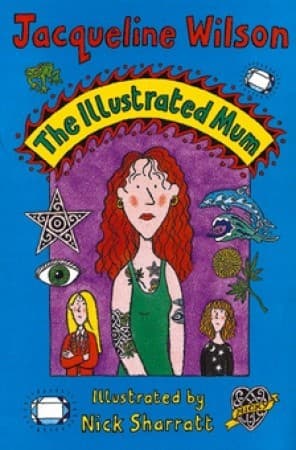
- The Illustrated Mum
Jacqueline Wilson
3.8 (14k) average on GoodreadsPsychologyWhile both books address challenging family situations and children in precarious living arrangements, Wilson's The Illustrated Mum offers a grittier and more unvarnished look at the difficulties, particularly focusing on parental mental health. Lewis's Scarlet Ibis, in contrast, interweaves its social realism with a strong element of nature and symbolism, providing a slightly more hopeful and metaphorical lens through which to view hardship.
- The Giver
Lois Lowry
4.1 (1.8M) average on GoodreadsFantasyLowry's The Giver explores themes of individuality, memory, and societal belonging within a dystopian, controlled environment. While Scarlet Ibis also deals with belonging and personal identity, it does so in a realistic contemporary setting, grounding its emotional exploration in the tangible world of foster care and natural wonders, rather than a speculative future. Lewis's approach is more focused on the immediate emotional and social challenges of a child.
- The Perks of Being a Wallflower
Stephen Chbosky
4.2 (1.3M) average on GoodreadsPsychologyThrough letters, a shy high school freshman learns to navigate first love, trauma, and self-discovery, stepping off the sidelines and into life.
- Eleanor Oliphant Is Completely Fine
Gail Honeyman
4.3 (708k) average on GoodreadsLiterary FictionA lonely woman's structured life changes when an IT guy and an elderly man help her learn to open her heart.




Enjoyed the summary?
A summary gives you the shape of the book. The book itself has the detail, the examples and the voice.
Find Scarlet Ibis on AmazonAs an Amazon Associate, BookBrief earns from qualifying purchases. How we're funded