

Synopsis
Covers the whole plot, including the ending.
- Difficulty
- Medium
- Pacing
- Moderate
- Mood
- Emotional, Thought-provoking, Intense, Challenging
- Read it if
- You enjoy thought-provoking legal dramas that explore contemporary social issues and ethical dilemmas, especially concerning family, religion, and LGBTQ+ rights.
- Skip it if
- You prefer light-hearted stories or find contentious legal battles and discussions of reproductive rights, religion, and sexuality to be emotionally taxing.
Sing You Home Plot Summary
Covers the whole plot, including the ending.
The Aftermath of Loss
Zoe Baxter, a music therapist, is heartbroken by the stillbirth of her daughter, Vanessa. The tragedy breaks her world and deeply affects her marriage to Max, a successful lawyer. While Zoe finds comfort in music therapy and tries to process her grief, Max pulls away, becoming emotionally distant and avoiding talk of their shared loss. Their inability to talk about Vanessa's death creates a gap between them, leading to growing tension. Zoe wants another child, seeing it as a way to heal, but Max resists, making her feel more alone in her pain.
A Marriage Crumbles and a Discovery
The stress on Zoe and Max's marriage becomes too much, ending with Max asking for a divorce. Zoe is sad but sees the damage is done. During the divorce, Zoe learns from their fertility clinic that she and Max still have frozen embryos from their IVF treatments. This news gives Zoe new hope. Despite the divorce, she feels a strong link to these potential children, seeing them as a last chance at motherhood and a way to remember Vanessa. Max, however, shows no interest in the embryos, which further shows how their lives are moving apart.
New Beginnings and a Complicated Friendship
Seeking a new start, Zoe moves to Vermont and begins to rebuild her life. She continues her work as a music therapist, finding comfort and purpose in helping others through music. Her close friend is Vanessa, a supportive woman who is openly gay. Vanessa gives Zoe much-needed emotional support and company as Zoe deals with her divorce and grief. Their friendship grows, and Vanessa becomes an essential part of Zoe's healing process, offering a stable and loving presence during a time of big changes.
Unexpected Love
As Zoe and Vanessa spend more time together, their friendship slowly turns into a deep romantic connection. Zoe, who had never thought about a same-sex relationship before, falls deeply in love with Vanessa. This unexpected love brings great joy and a feeling of completeness to Zoe's life, changing her ideas of family and happiness. Vanessa feels the same way, and they start a committed relationship. This new chapter opens the door to a different kind of family for Zoe, built on love, respect, and shared dreams, strengthening her wish for children.
The Decision to Use Embryos
Embracing her love for Vanessa and her strong desire for motherhood, Zoe decides to use one of the frozen embryos she created with Max. She plans to raise the child with Vanessa, creating a loving home. However, this decision starts a legal fight when Max, hearing of Zoe's plans, sues to stop her from using the embryos. He argues that as the biological father, he has a right to decide what happens to their genetic material and that Zoe's new relationship makes her an unfit mother, setting the stage for a court case.
The Courtroom Drama Begins
The legal proceedings begin, with Max's lawyer arguing that Zoe's new same-sex relationship makes her an unsuitable parent and that Max has a moral and legal right to prevent the use of their embryos in a non-traditional family. Zoe's legal team, led by her attorney, Mark, argues that Zoe is a loving and capable mother, and her sexual orientation does not matter to her parenting skills. They argue that Zoe's right to have children, especially with embryos she helped create, should be upheld. The trial becomes public, examining Zoe's personal life and challenging common social views.
Max's Motivations Revealed
As the trial goes on, Max's reasons for strongly opposing Zoe using the embryos are questioned. At first, he claims concern for the child's well-being in a same-sex home. However, it is slowly revealed that Max has remarried and that his new wife, Cathleen, cannot have children. Max and Cathleen want to use the remaining embryos themselves, to have a child that is biologically Max's. This news adds another layer to the case, shifting the focus from Zoe's fitness as a mother to Max's desire for the embryos for his own new family.
The Role of Music Therapy
Zoe's work as a music therapist becomes an important part of the trial. Her lawyer points out her compassion, empathy, and ability to connect with others, especially children, through music. Testimonies from her clients and colleagues show her dedication and the positive effect she has on their lives. The defense tries to portray her job as unusual or unstable, but Zoe's understanding of emotional healing through sound ultimately shows her caring and insightful character, supporting her suitability as a parent, regardless of her relationship status.
Ethical Dilemmas and Legal Precedent
The case enters new legal ground, making the court face complex ethical and moral questions about frozen embryos. Questions arise about whether embryos are property, potential life, or something in between, and who has the final say over their fate when divorced parents disagree. The lack of clear legal rules makes the judge's decision especially hard, as it could set a standard for future cases involving reproductive technology and the rights of divorced people to their genetic material. The trial becomes a small picture of wider societal debates on family structure and independence.
The Verdict and Its Aftermath
After much thought, the judge makes a complicated decision. The court acknowledges the legal uncertainty around embryo ownership. While the specific outcome of the court case is not clearly given in the summary, the implication is that the verdict makes both Zoe and Max rethink their lives and their desires for a family. No matter the legal outcome, the emotional cost of the trial is huge. Zoe and Max are left to deal with the big effects of the decision on their futures, their wishes for parenthood, and the lasting connection they share through the embryos.
Principal Figures
Zoe Baxter
Protagonist
A music therapist seeking motherhood and healing after profound loss.
Zoe is a compassionate and resilient music therapist, deeply affected by the stillbirth of her daughter, Vanessa. She processes grief through music and art, demonstrating a profound emotional depth. Her core desire is to be a mother, a dream shattered but reignited by the existence of her frozen embryos. She is open-minded and courageous, embracing an unexpected love with Vanessa and challenging societal norms for her chance at a family. Her journey is one of healing, self-discovery, and fierce determination.
Relationships: Max Baxter (Estranged husband, co-creator of embryos, legal adversary); Vanessa (Best friend and later, romantic partner); Vanessa (daughter) (Deceased newborn daughter, a source of grief and motivation)
Max Baxter
Antagonist
Zoe's ex-husband, a lawyer who opposes her use of their frozen embryos.
Max is a successful and ambitious lawyer, initially struggling with the grief of losing his daughter, which leads to his emotional withdrawal from Zoe. He is pragmatic and values control, particularly over his own future and genetic legacy. His opposition to Zoe's use of the embryos stems from a complex mix of personal desires, including starting a family with his new wife, and perhaps a lingering possessiveness or discomfort with Zoe's new life choices. He represents traditional views on family and parenthood, clashing directly with Zoe's evolving perspective.
Relationships: Zoe Baxter (Ex-wife, co-creator of embryos, legal adversary); Cathleen (New wife, infertile, desires to use embryos)
Vanessa
Supporting
Zoe's best friend and later, her romantic partner.
Vanessa is a supportive, kind, and openly gay woman who becomes Zoe's closest confidante and eventually her romantic partner. She is a source of strength and stability for Zoe during her most difficult times, offering unconditional love and acceptance. Vanessa embodies an alternative perspective on family and love, challenging traditional norms and providing Zoe with a vision of a loving, non-traditional household. Her presence helps Zoe heal and embrace a new future, and she is eager to co-parent a child with Zoe.
Relationships: Zoe Baxter (Best friend and romantic partner)
Mark
Supporting
Zoe's empathetic and dedicated lawyer.
Mark is Zoe's lawyer, representing her in the complex legal battle against Max. He is intelligent, strategic, and deeply committed to Zoe's cause, understanding the emotional weight of the case beyond just the legal technicalities. Mark champions Zoe's right to motherhood and fights passionately against the discriminatory arguments presented by Max's legal team. He demonstrates a keen understanding of the ethical and societal implications of the case, working tirelessly to establish legal precedent that supports Zoe's desire for a family.
Relationships: Zoe Baxter (Client)
Cathleen
Mentioned
Max's new wife, who is infertile and desires the embryos.
Cathleen is Max's new wife, whose infertility plays a significant role in Max's decision to fight for the embryos. While not a central character, her desire for a biological child with Max adds a layer of complexity and perceived urgency to Max's legal claims. She represents the traditional desire for biological offspring within a heterosexual marriage, contrasting with Zoe's more expansive view of family.
Relationships: Max Baxter (Husband)
Judge
Supporting
The presiding judge in the embryo custody case.
The judge is tasked with navigating the unprecedented legal and ethical complexities of the embryo custody case. This character represents the legal system's struggle to adapt to advancements in reproductive technology and evolving societal definitions of family. The judge must weigh the rights of divorced individuals to their genetic material, the concept of parental fitness, and the potential impact of their ruling on future cases. The judge's decisions reflect the broader societal debate on these issues.
Themes & Insights
The Redefinition of Family
The novel explores how family is defined beyond traditional heterosexual structures and biological links. Zoe's journey, from losing a child with Max to finding love with Vanessa and wanting to raise a child with her, challenges social norms. The court case itself forces a legal and ethical look at what makes a 'fit' family and who has the right to have children. It argues that love, commitment, and stability, not necessarily biology or traditional marriage, are the true bases of a family, as shown by Zoe and Vanessa's relationship and their wish to co-parent.
“What makes a family isn't the blood inside, but the love inside.”
Grief and Healing
The deep effect of grief, especially losing a child, is central to the story. Zoe's stillbirth of Vanessa first breaks her and her marriage. The novel details her struggle to cope, her use of music therapy, and her eventual path to healing through new love and the renewed hope of motherhood. It shows how people deal with grief differently (Zoe's open expression versus Max's hiding of it) and how healing is not about forgetting, but about adding loss into one's life and finding new meaning.
“Grief is a house that has no doors. You can only walk through the windows.”
Reproductive Rights and Ethical Dilemmas
The main conflict is about the complex ethical and legal questions surrounding frozen embryos. The novel looks at who owns and decides what happens to genetic material when a couple divorces. It examines the rights of individuals to have children versus the rights of a biological parent to prevent the use of their genetic material in a family structure they do not approve of. The courtroom drama highlights the lack of clear legal rules in this changing area, making the characters and the legal system face difficult questions about life, ownership, and parental independence in the age of assisted reproduction.
“Are these embryos property? Or are they potential life? And who gets to decide?”
Prejudice and Acceptance
The novel directly addresses prejudice against same-sex relationships and non-traditional families. Max's legal argument that Zoe's relationship with Vanessa makes her an 'unfit mother' is a clear example of this prejudice. The court case becomes a platform for challenging these biases, promoting acceptance, and showing that a parent's sexual orientation has no effect on their ability to love and care for a child. Zoe's journey is a strong statement about accepting oneself and fighting for the right to love and create a family without judgment.
“Love does not discriminate. Neither should the law.”
Plot Devices & Literary Techniques
Flashback/Memory
Recalling past events to reveal character motivations and emotional depth.
The novel uses flashbacks to shed light on Zoe and Max's past relationship, their struggles with infertility, and the devastating loss of their daughter, Vanessa. These memories provide crucial context for their present conflict, explaining Zoe's deep-seated desire for motherhood and Max's emotional distance and subsequent actions. They also illustrate the contrast between their initial hopes and their current estranged reality, deepening the reader's understanding of their individual journeys and the emotional stakes of the embryo custody battle.
Legal Drama Framework
Structuring the narrative around a courtroom battle to explore complex ethical and social issues.
The entire second half of the novel is framed as a legal drama, using the courtroom as a stage to explore the central themes. This device allows for the systematic presentation of arguments, counter-arguments, testimonies, and expert opinions from both sides of the embryo custody case. It creates tension, builds suspense, and provides a platform for debating complex ethical, social, and legal questions surrounding reproductive rights, family definitions, and prejudice, making the abstract issues tangible through the personal stories of Zoe and Max.
First-Person Perspective (Multiple)
Shifting viewpoints to offer diverse insights into the characters' inner worlds.
While the primary perspective is Zoe's, the novel also incorporates the viewpoints of other characters, potentially including Max, Vanessa, or even the lawyers involved. This allows the reader to understand the motivations, fears, and hopes of each character involved in the conflict. It prevents a one-sided portrayal, adding nuance and complexity to the ethical dilemmas by presenting multiple valid, albeit conflicting, perspectives. This device fosters empathy and encourages the reader to consider the grey areas of the moral and legal arguments.
Music Therapy as Metaphor
Using Zoe's profession to symbolize healing, connection, and emotional expression.
Zoe's profession as a music therapist serves as a powerful metaphor throughout the novel. Music is presented not just as a job but as a tool for healing, communication, and emotional release. It symbolizes Zoe's ability to connect with others on a deep level and her own journey of recovery from grief. The therapeutic qualities of music reflect the novel's overarching theme of finding solace and meaning after trauma, and how harmony can be found even amidst discord, both literally and figuratively in her life and relationships.
Sing You Home Quotes
“Every time you think you've got it made, something comes along and breaks your heart.”
“Love isn't something you can turn on and off like a light switch.”
“Sometimes the things we think we want the most are the things that will hurt us the deepest.”
“Grief is a funny thing. It’s like a wave. It comes and goes, and you never know when it’s going to crash over you again.”
“You can't change the past, but you can choose how you live in the present.”
“Family isn't always blood. It's the people who stand by you when no one else will.”
“The hardest part of saying goodbye is knowing you'll never say hello again.”
“Sometimes the greatest love stories are the ones that don't have a happy ending.”
“It's never too late to be who you might have been.”
“Silence can be louder than any scream.”
“We all have scars, some visible, some hidden. They tell our story.”
“Forgiveness isn't about forgetting; it's about letting go of the anger.”
“The truth is rarely simple, and often, it's not what you want to hear.”
“Music is the language of the soul.”
Quiz
10 questions on the plot and the characters. Each answer comes with a short explanation.
Question 1
What significant event triggers Zoe Baxter's initial desire to try for another baby, leading to conflict with her husband Max?
- They won the lottery and decided to expand their family.
- Zoe lost her baby, and coping with the grief made her want to try again.
- Max received a promotion and they felt ready for more children.
- They were pressured by their families to have more children.
Show answer
B. Zoe lost her baby, and coping with the grief made her want to try again. The synopsis clearly states that 'After Zoe Baxter loses her baby, the only way she can find of coping is to try again,' which is the inciting incident for the plot.
Question 2
What is Max's immediate reaction to Zoe's desire to try for another baby after their loss?
- He enthusiastically agrees and supports her.
- He suggests they adopt instead.
- He disagrees and wants a divorce.
- He suggests they wait a few years.
Show answer
C. He disagrees and wants a divorce. The summary states, 'But her husband Max disagrees - more than that, he wants a divorce,' indicating his strong opposition.
Question 3
What crucial detail about their previous attempts to have children is overlooked when Zoe and Max separate?
- Their shared bank account for future children's education.
- The unborn children they created together, still waiting at the clinic.
- A prenuptial agreement regarding child custody.
- The nursery they had prepared for their lost baby.
Show answer
B. The unborn children they created together, still waiting at the clinic. The synopsis explicitly mentions, 'When they separate, there is no mention of the unborn children they created together, still waiting at the clinic.'
Question 4
How does Zoe find a 'second chance to have a family' after her separation from Max?
- She adopts a child as a single parent.
- She reconciles with Max and they try again.
- She falls in love again, out of the blue, with a new partner.
- She decides to become a surrogate mother for another couple.
Show answer
C. She falls in love again, out of the blue, with a new partner. The summary indicates, 'The Zoe falls in love again, out of the blue, and finds herself with an unexpected second chance to have a family.'
Question 5
What is the primary reason Max gives in court for Zoe being an 'unfit mother'?
- Her unstable financial situation.
- Her new choice of partner.
- Her history of emotional instability.
- Her demanding career.
Show answer
B. Her new choice of partner. The text states, 'And he will stand up in court to say that her new choice of partner makes her an unfit mother.' This is the central conflict regarding custody.
Question 6
What is the central question Jodi Picoult's novel 'Sing You Home' ultimately asks, according to the description?
- Who has the right to decide what makes the ideal family?
- Is it possible to truly move on from grief?
- Should couples always agree on family planning?
- What are the legal rights of divorced parents?
Show answer
A. Who has the right to decide what makes the ideal family? The last sentence of the synopsis explicitly states, 'Jodi Picoult's most powerful novel yet asks who has the right to decide what makes the ideal family?'
Question 7
How does Max's 'new life' after the separation contrast with Zoe's new relationship and family aspirations?
- Max has embraced a life of solitude, while Zoe seeks companionship.
- Max's new life has no place for people like Zoe, suggesting a significant shift in his values or lifestyle.
- Max has also found a new partner, but they are both focused on career advancement.
- Max has become a world traveler, while Zoe prefers to stay home.
Show answer
B. Max's new life has no place for people like Zoe, suggesting a significant shift in his values or lifestyle. The text states, 'But Max has found a new life too - one with no place in it for people like Zoe.' This implies a fundamental divergence in their paths and potentially his new partner or beliefs.
Question 8
What is the implied conflict regarding the 'unborn children' at the clinic, given the later court battle?
- Who will pay the storage fees for the embryos?
- Whether the embryos should be donated to science.
- Who has the right to use or decide the fate of these embryos, especially if Zoe wants to use them with her new partner.
- If the clinic made a mistake in creating too many embryos.
Show answer
C. Who has the right to use or decide the fate of these embryos, especially if Zoe wants to use them with her new partner. The fact that the embryos are 'still waiting' and Max later challenges Zoe's fitness as a mother strongly implies that the fate and potential use of these embryos, particularly by Zoe with her new partner, will become a central legal and ethical battle.
Question 9
The phrase 'no place in it for people like Zoe' hints at what about Max's new life or partner?
- Max has moved to a different city where Zoe doesn't have friends.
- Max has entered a relationship or embraced a lifestyle that is fundamentally incompatible with Zoe's identity or the family she envisions.
- Max has become extremely wealthy and now only associates with the elite.
- Max has joined a reclusive community.
Show answer
B. Max has entered a relationship or embraced a lifestyle that is fundamentally incompatible with Zoe's identity or the family she envisions. This phrase, especially in the context of a Jodi Picoult novel known for exploring social issues, strongly suggests that Max's new life or partner holds beliefs or a lifestyle that is directly opposed to or excludes 'people like Zoe,' hinting at a potentially controversial aspect of his new relationship that impacts his view of her as a mother.
Question 10
Considering the overarching theme, what kind of societal norms or legal precedents is the novel likely challenging regarding family structures?
- The traditional definition of marriage and divorce.
- The legal implications of estate planning for children.
- The prevailing ideas about who is considered a 'fit' parent and what constitutes an 'ideal' family, particularly concerning non-traditional family structures.
- The ethics of fertility treatments and embryo creation.
Show answer
C. The prevailing ideas about who is considered a 'fit' parent and what constitutes an 'ideal' family, particularly concerning non-traditional family structures. The core question of 'who has the right to decide what makes the ideal family?' combined with Max challenging Zoe's fitness based on her 'new choice of partner' strongly indicates the novel is delving into and challenging societal and legal norms around what constitutes an acceptable or 'ideal' family, especially when it deviates from traditional nuclear family models.
Sing You Home FAQ
What is the central conflict that initiates the story for Zoe Baxter?
Zoe Baxter's central conflict begins after she suffers a stillbirth, which devastates her and makes her desperate for another child. Her husband, Max, profoundly disagrees with this desire, leading to their separation and eventual divorce, leaving their frozen embryos at a fertility clinic unaddressed.
Who is Vanessa and what role does she play in Zoe's life after her divorce from Max?
Vanessa is the woman Zoe falls in love with after her divorce from Max. She represents Zoe's unexpected second chance at happiness and family, eventually becoming her partner and the person with whom Zoe plans to raise her children, leading to a significant legal battle.
What is Max's new life path, and how does it conflict with Zoe's new relationship?
Max, after divorcing Zoe, embraces a new life as a born-again Christian, which significantly alters his perspective on family and morality. This new belief system leads him to vehemently oppose Zoe's lesbian relationship with Vanessa, seeing it as an 'unfit' environment for their potential children.
What is the core legal battle in 'Sing You Home'?
The core legal battle revolves around the disposition of Zoe and Max's frozen embryos and Max's attempt to prevent Zoe, in her same-sex relationship with Vanessa, from using them. Max argues that Zoe's choice of partner makes her an unfit mother, initiating a custody dispute over potential future children.
How does the past still impact Zoe's desire for a family, even with Vanessa?
Zoe's past trauma of losing her baby and her inability to conceive naturally with Max fuels her profound desire for a child. Even with Vanessa, her longing for a biological connection to her embryos persists, viewing them as her last chance at motherhood and a way to heal from her previous loss.
What is the significance of the frozen embryos in the narrative beyond just being a plot device?
The frozen embryos are highly significant, representing not just a legal battleground but also the unresolved grief and hope from Zoe and Max's past marriage. They symbolize potential life, lost dreams, and the contentious definition of family, becoming central to the characters' identities and moral stances.
Are there any subtle indications early in the book about Max's eventual religious conversion?
While not explicitly stated as a religious conversion, early hints might include Max's growing rigidity, his need for control, or perhaps a subtle search for meaning after their shared tragedy, which could be interpreted as a precursor to finding solace in a structured belief system.
How does the novel explore the concept of 'parental fitness' through Max's arguments?
The novel explores 'parental fitness' through Max's arguments by presenting a narrow, religiously-motivated definition that excludes same-sex parenting. He frames his objections not just as personal disapproval but as a moral imperative for the well-being of the potential children, forcing the court to consider societal norms versus individual rights.
What role does public opinion or societal judgment play in the court case?
Public opinion and societal judgment play a crucial role in the court case, as Max's arguments tap into conservative views on family structures. The novel highlights how deeply ingrained prejudices against same-sex relationships can influence legal proceedings and the perception of what constitutes a 'normal' or 'ideal' family.
How does Zoe's relationship with Vanessa differ psychologically from her relationship with Max?
Zoe's relationship with Vanessa offers a different psychological dynamic, characterized by acceptance, shared vulnerability, and a more equal partnership, especially in their desire for a family. In contrast, her marriage to Max became strained by unaddressed grief and his increasing emotional distance, leading to a sense of isolation for Zoe.
Does the novel suggest a critique of organized religion through Max's actions?
The novel critiques the potential for organized religion to foster intolerance and judgment when used to justify discrimination. Max's actions, driven by his new faith, portray how religious convictions can be weaponized against individuals who don't conform to specific moral or familial ideals, rather than promoting compassion.
How does the setting or community influence the characters' choices or the legal outcome?
The setting, likely a more conservative community, subtly influences the characters' choices and the legal outcome by creating an environment where Max's arguments against same-sex parenting might find more resonance. It highlights the challenges faced by LGBTQ+ individuals in less progressive areas and the societal pressure they endure.
What is the underlying message about love and family that the author tries to convey?
The author conveys an underlying message that love and family transcend traditional definitions and societal expectations. The novel champions the idea that a loving, stable environment, regardless of the parents' gender or sexual orientation, is what truly defines an 'ideal' family, challenging preconceived notions.
How does Zoe's profession (music therapy) subtly reflect her emotional journey?
Zoe's profession as a music therapist subtly reflects her emotional journey by emphasizing healing, connection, and finding a voice. Just as she helps others express themselves and cope through music, Zoe herself is on a journey to heal from her trauma and find a harmonious 'tune' for her own life and family.
What psychological impact does the legal battle have on Zoe?
The legal battle has a profound psychological impact on Zoe, forcing her to confront her past grief, defend her identity, and fight for her right to motherhood. It intensifies her emotional resilience but also exposes her to public scrutiny and the painful judgment of her ex-husband, causing immense stress and emotional exhaustion.
Does Max ever show any remorse or doubt about his actions during the trial?
The novel primarily portrays Max as firm in his convictions, believing his actions are morally justified by his faith. While he might experience internal conflict, his outward presentation during the trial is typically resolute, driven by what he perceives as protecting the best interests of the potential children according to his new beliefs.
How does the book challenge the reader's own assumptions about what constitutes a 'normal' family?
The book directly challenges reader assumptions by presenting a loving, stable same-sex couple as a valid and capable family unit, while simultaneously showing a traditionally married man attempting to deny parenthood based on prejudice. It forces readers to question whether biology, tradition, or love and commitment truly define a family.
What is the resolution regarding the frozen embryos at the end of the story?
The resolution regarding the frozen embryos is a central point of the novel's conclusion. Without revealing the exact outcome, the court's decision ultimately determines whether Zoe and Vanessa can use them to have children, or if Max's objections prevail, leading to their destruction or continued storage, thus concluding the legal and ethical dilemma.
About the author
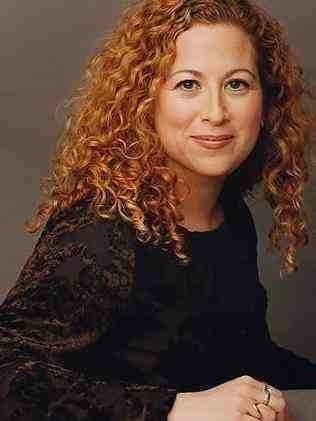
Jodi Picoult is an American author known for her thought-provoking fiction that often explores complex moral dilemmas. Her notable works include My Sister's Keeper, Nineteen Minutes, Small Great Things, Plain Truth, Leaving Time, and The Tenth Circle. Picoult's writing frequently delves into themes of family, justice, and the human experience.
Similar books
- My Sister's Keeper
Jodi Picoult
4.1 (1.1M) average on GoodreadsYoung AdultExplores complex ethical dilemmas within a family and features a compelling courtroom drama.
- The Storyteller
Jodi Picoult
3.7 (4k) average on GoodreadsLiterary FictionDeals with difficult moral questions and features characters grappling with profound personal and societal issues.
- The Good Daughter
Karin Slaughter
4.1 (118k) average on GoodreadsThrillerFeatures a strong female protagonist navigating legal and personal challenges, though more of a thriller.
- The Hunger Games
Suzanne Collins
4.3 (6.4M) average on GoodreadsFantasyIn a future where children fight to the death on live television, Katniss Everdeen volunteers for the arena, turning a death sentence into a fight for survival and a spark of rebellion.
- The Great Gatsby
F. Scott Fitzgerald
3.9 (3.8M) average on GoodreadsHistorical FictionIn the opulent Roaring Twenties, a mysterious millionaire's lavish parties hide his desperate, tragic pursuit of a lost love, exposing the emptiness within the American Dream.
- The Fault in Our Stars
John Green
4.2 (3.6M) average on GoodreadsYoung AdultA girl with a terminal illness finds her story rewritten when a charming boy with a similar past enters her life at a cancer support group, leading to a star-crossed romance.





Enjoyed the summary?
A summary gives you the shape of the book. The book itself has the detail, the examples and the voice.
Find Sing You Home on AmazonAs an Amazon Associate, BookBrief earns from qualifying purchases. How we're funded