

Core Idea
- Difficulty
- Medium
- Read it if
- You are interested in gritty, emotional sagas about overcoming extreme poverty and abuse in a historical UK setting, and enjoy stories where characters are forced into difficult moral choices for survival.
- Skip it if
- You prefer light-hearted reads, shy away from themes of child abuse and violence, or dislike narratives with morally complex protagonists where redemption is not guaranteed.
Key Takeaways from Sins of the Father
The Weight of Early Responsibility
Forced into adulthood too soon, Emma carries the burden of her family's survival.
Emma's story clearly shows the deep and often damaging impact of premature responsibility. At just 17, she becomes a mother figure for eight younger siblings, dealing with their physical needs and the emotional and financial strain of a household without a responsible adult. This early hardship, marked by hunger and domestic abuse, shapes her view of the world and her decisions. It gives her a strong survival instinct and a desperate need for security, even if it comes at a high personal cost. This experience highlights how much early trauma can shape a person, building resilience but also leaving deep scars that influence all later choices.
“Left to raise eight siblings after her mother's death, 17-year-old Emma Chambers faces a daily battle with hunger and her father's drunken rages.”
In the book: Emma's immediate assumption of care for her eight siblings after her mother's death, coupled with her father's neglect and abuse, forcing her to be the primary provider and protector.
Try this: Reflect on how early life experiences, particularly those involving significant responsibility or trauma, can create deeply ingrained patterns of behavior and decision-making. Understand that desperate circumstances can lead individuals to make choices they might not otherwise consider, prioritizing survival over personal well-being or happiness in the short term.
Related ideas: childhood-trauma, premature-adulthood, survival-instinct, family-burden
The Illusion of Escape
Marriage as a desperate bid for security can lead to an even darker form of entrapment.
Emma's decision to marry Horace Bell, a man twenty years older, shows the desperate measures people take when facing overwhelming poverty and few options. This marriage, initially seen as an escape from her poor life, quickly becomes a different, more harmful kind of imprisonment. The 'comfort' Horace's wealth promised is an illusion, replaced by his sadistic nature and emotional abuse. This point emphasizes that financial security, when sought at the expense of personal freedom and safety, can lead to deeper, more psychologically damaging suffering. It highlights the vulnerability of individuals, especially women in historical contexts, who had limited ways to control their own lives.
“If she marries landlord Horace Bell - twenty years her senior - Emma can swap abject poverty for comfort.”
In the book: Emma's arranged marriage to Horace Bell, driven by the promise of escaping poverty, only to reveal his 'true, sadistic colours' and subject her to further degradation.
Try this: Examine the motivations behind choices that promise immediate relief but may compromise long-term well-being. Recognize that 'escape' from one bad situation can sometimes lead directly into another, especially when underlying power imbalances are not addressed. Prioritize personal safety and respect over perceived material gain.
Related ideas: arranged-marriage, false-security, domestic-abuse, power-imbalance
From Victim to Strategist
Emma's transformation from a passive recipient of abuse to an active manipulator of her circumstances.
After Horace leaves her, again penniless, Emma undergoes a key psychological change. The repeated experiences of being exploited and taken advantage of by men—her father, Horace—ignite a strong desire for control. Her realization that 'it's time to turn the tables' marks her shift from victim to strategic survivor. This is not necessarily a moral change, but a practical one, born from necessity. She learns to use her experiences and understanding of human nature, especially male vulnerabilities, to build her own security. This shows how continuous hardship can harden people, forcing them to use unconventional and sometimes morally ambiguous tactics to ensure their survival and advancement.
“All her life, men have taken advantage of her. Now it's time to turn the tables.”
In the book: The narrative explicitly states Emma's realization that 'all her life, men have taken advantage of her' and her subsequent decision to 'turn the tables' after Horace abandons her.
Try this: Understand that extreme hardship can force individuals to develop complex coping mechanisms and survival strategies that may involve manipulating their environment or others. Recognize that a history of being exploited can lead to a desire for control and a willingness to use similar tactics to prevent future victimization.
Related ideas: survival-strategy, agency, manipulation, revenge-motivation, resilience
The Price of Self-Made Success
Building an empire from the streets comes with hidden costs and persistent threats.
Emma's journey from poverty to building a successful business on South London's toughest streets shows her exceptional determination and strategic skill. However, this success comes with significant drawbacks and constant dangers. Operating in a harsh, unforgiving environment, especially as a woman who defied social expectations, means Emma's achievements are built on constant watchfulness and potential threat. Her past actions, born from desperation, likely create enemies or leave loose ends that could unravel her carefully built life. This takeaway emphasizes that success achieved through unconventional or morally grey means often carries a heavy, ongoing price, requiring continuous defense against those who might seek to exploit or destroy it.
“Years later, and Emma has built up a successful business on South London's meanest streets.”
In the book: The description of Emma's business thriving on 'South London's meanest streets' and the subsequent 'tragedy' that strikes, indicating external threats.
Try this: Consider that success built outside conventional frameworks, especially in challenging environments, often requires continuous effort to maintain and defend. Recognize that past actions, even those justified by survival, can have long-term repercussions and create vulnerabilities that adversaries can exploit.
Related ideas: entrepreneurship-hardship, underworld-success, consequences-of-past, vulnerability-of-power
The Echoes of the Past
No matter how far one climbs, the 'sins of the father' and past actions will always catch up.
The sudden 'tragedy' that strikes Emma's seemingly secure life is a harsh reminder that the past is never truly gone. Her early life, marked by her father's failures and her own desperate choices, casts a long shadow. The appearance of an unseen enemy, 'intent on revenge,' confirms that the 'sins of the father'—both her actual father's neglect and the metaphorical 'sins' she committed to survive—have come full circle. This point highlights that consequences are unavoidable, suggesting that even when someone tries to create a new identity or life, the threads of their past will inevitably return, demanding a reckoning. It is a powerful comment on karma and the lasting impact of historical grievances.
“But then tragedy strikes - and it becomes clear that someone has been watching Emma, intent on revenge…”
In the book: The sudden 'tragedy' and the revelation that 'someone has been watching Emma, intent on revenge,' directly linking to her past actions and relationships.
Try this: Understand that past actions and unresolved conflicts, particularly those involving injustice or harm, rarely disappear entirely. Be prepared for the long-term repercussions of choices made under duress or for survival. Recognize that the pursuit of revenge can be a powerful, delayed motivator for others.
Related ideas: karma, unresolved-past, revenge-plot, consequences-of-actions, generational-trauma
Survival at All Costs
When faced with extreme adversity, moral lines blur in the pursuit of self-preservation.
Emma's journey is a clear look at the 'survival at all costs' mentality. From her early fights with hunger and abuse to her strategic moves as an adult, her actions are always driven by an urgent need for self-preservation and to protect what little she has. The book quietly questions traditional ideas of morality when people are pushed to their absolute limits. Emma's willingness to 'turn the tables' on those who exploited her, even if it involves morally complex tactics, is presented not as purely evil but as a natural, though hardened, response to a lifetime of victimization. This point forces reflection on the grey areas of ethics when basic needs and safety are constantly threatened.
“All her life, men have taken advantage of her. Now it's time to turn the tables.”
In the book: Emma's shift in perspective and actions after being abandoned by Horace, leading her to consciously decide to exploit others as she had been exploited, to secure her own future.
Try this: Consider how extreme circumstances can fundamentally alter an individual's moral compass, prioritizing survival over conventional ethical standards. Understand that judging such actions requires empathy for the desperation that fueled them, rather than a purely black-and-white moral assessment.
Related ideas: moral-ambiguity, desperate-measures, self-preservation, ethics-in-crisis, victim-mentality-shift
The Cycle of Abuse and Empowerment
Victimhood can transform into a drive for power, sometimes replicating harmful patterns.
Emma's life is a poignant example of how abuse can, paradoxically, drive a relentless pursuit of power and control. After being systematically degraded and exploited by her father and then Horace, she develops a deep aversion to vulnerability. Her 'turn the tables' moment signifies a conscious decision to move from being exploited to becoming the exploiter, or at least the one in control. While this offers her a form of empowerment, it raises the uncomfortable question of whether she unintentionally continues a cycle of manipulation and distrust, even if from a position of strength. This point challenges readers to consider the complex psychological aftermath of trauma and how it can shape a person's interactions with the world, sometimes leading them to adopt the very tactics they once suffered under.
“All her life, men have taken advantage of her. Now it's time to turn the tables.”
In the book: Emma's conscious decision to use men and situations to her advantage, mirroring, in a twisted way, how she was used, but now with her as the agent.
Try this: Examine how past experiences of being controlled or abused can lead to a strong desire for power and control in later life. Reflect on whether such a pursuit of power truly breaks the cycle of harm, or merely shifts its dynamics, as the individual may adopt similar coercive tactics they once resented.
Related ideas: cycle-of-abuse, trauma-response, power-dynamics, psychological-empowerment, coercion
The Enduring Scars of Poverty
Even with success, the trauma of early deprivation leaves an indelible mark.
Despite Emma's eventual business success, the story strongly suggests that the deep trauma of her early poverty and deprivation never truly leaves her. Her relentless drive, cautious nature, and inability to fully trust or relax are likely direct results of her 'daily battle with hunger' and her father's abuse. Even when she achieves material comfort, the psychological scars of such a formative period remain, influencing her decisions, relationships, and overall view of the world. This point underscores the long-term, widespread impact of extreme poverty and childhood trauma, suggesting that while circumstances can change, the inner self shaped by those experiences often stays, guiding a person's approach to life long after the immediate threat has passed.
“Emma Chambers faces a daily battle with hunger and her father's drunken rages.”
In the book: Emma's initial experiences of severe hunger and domestic abuse, which would inevitably shape her future motivations and anxieties, even when she later achieves financial stability.
Try this: Recognize that the psychological impact of severe poverty and childhood trauma can be long-lasting, influencing an individual's behavior and outlook even in times of prosperity. Cultivate empathy for those whose present actions may be deeply rooted in past struggles with deprivation and insecurity.
Related ideas: poverty-trauma, childhood-deprivation, psychological-scars, resilience-cost, inner-conflict
Sins of the Father Quotes
“The past, she reflected, was like a shadow, always there, just out of sight, waiting to trip you up when you least expected it.”
“There were some secrets, Mary knew, that were best left buried, no matter how much they gnawed at your soul.”
“Love, even when it was tainted by deceit, still had a way of binding people together, for better or worse.”
“A mother's heart, no matter how broken, would always try to protect her children, even from the truth.”
“Poverty wasn't just about lacking money; it was about lacking hope, dignity, and a future.”
“The East End had a way of shaping you, hardening you, but also binding you to its people with an unbreakable thread.”
“Forgiveness was a luxury they couldn't always afford, especially when the wounds ran so deep.”
“Some men, she realized, were like shadows themselves, leaving darkness wherever they went.”
“Hope was a fragile thing, easily crushed, but sometimes, just a tiny spark was enough to keep going.”
“The weight of unspoken words could be heavier than any physical burden.”
“Family was supposed to be your refuge, but sometimes, it was the very place you needed to escape from.”
“Justice, she learned, wasn't always swift or clean, and sometimes, it never came at all.”
“The strength of a woman was often found in the quiet endurance of what life threw at her.”
Quiz
10 questions on the main ideas. Each answer comes with a short explanation.
Question 1
What is Emma Chambers' primary motivation for considering marriage to Horace Bell?
- She is deeply in love with Horace Bell.
- To escape the poverty-stricken life and her father's drunken rages.
- Horace Bell is a childhood friend offering her a new life.
- She wants to take over Horace Bell's business.
Show answer
B. To escape the poverty-stricken life and her father's drunken rages. The synopsis clearly states Emma's motivation: 'If she marries landlord Horace Bell - twenty years her senior - Emma can swap abject poverty for comfort.'
Question 2
How many siblings is Emma left to raise after her mother's death?
- Five
- Six
- Seven
- Eight
Show answer
D. Eight The synopsis explicitly mentions, 'Left to raise eight siblings after her mother's death, 17-year-old Emma Chambers faces a daily battle with hunger and her father's drunken rages.'
Question 3
What is Emma's initial reaction when Horace Bell abandons her?
- She is devastated and heartbroken.
- She is thankful, until she realizes her dire financial situation.
- She immediately seeks revenge against him.
- She celebrates her newfound freedom.
Show answer
B. She is thankful, until she realizes her dire financial situation. The text states, 'Emma is thankful when he eventually abandons her - until she realises she is again penniless and in peril.'
Question 4
What significant shift in mindset does Emma experience after Horace abandons her and she is penniless?
- She decides to seek help from her father.
- She resolves to turn the tables and take advantage of men.
- She plans to marry another wealthy man for security.
- She gives up hope and retreats from society.
Show answer
B. She resolves to turn the tables and take advantage of men. After realizing her peril, 'A chance meeting plants an idea in her mind. All her life, men have taken advantage of her. Now it's time to turn the tables.'
Question 5
What kind of business does Emma build up years later?
- A legitimate textile factory.
- A successful business on South London's meanest streets.
- A network of underground tunnels.
- A charitable organization for orphans.
Show answer
B. A successful business on South London's meanest streets. The synopsis mentions, 'Years later, and Emma has built up a successful business on South London's meanest streets.' The nature of the business isn't specified beyond its location and success.
Question 6
What event signals a new threat to Emma after she has established her business?
- Her father reappears in her life.
- Horace Bell returns seeking reconciliation.
- Tragedy strikes, revealing someone is watching her intent on revenge.
- Her siblings try to reclaim her fortune.
Show answer
C. Tragedy strikes, revealing someone is watching her intent on revenge. The final section states, 'But then tragedy strikes - and it becomes clear that someone has been watching Emma, intent on revenge…'
Question 7
The phrase 'Sins of the Father' in the title most likely refers to:
- The literal sins committed by Emma's abusive father.
- The broader concept of how the actions of male figures (like her father and Horace) negatively impact Emma's life and choices.
- A specific religious doctrine Emma follows.
- The crimes committed by the person seeking revenge on Emma.
Show answer
B. The broader concept of how the actions of male figures (like her father and Horace) negatively impact Emma's life and choices. Given Emma's experiences with her drunken father and the sadistic Horace Bell, and her subsequent decision to 'turn the tables' on men, the title likely refers to the generational and personal impact of male figures' negative actions on her life.
Question 8
Emma's decision to 'turn the tables' on men after being abandoned by Horace Bell indicates a shift from which of the following?
- From a life of comfort to one of peril.
- From passive victimhood to active manipulation or control.
- From honesty to a life of crime.
- From despair to religious devotion.
Show answer
B. From passive victimhood to active manipulation or control. Having been taken advantage of by men (father, Horace), her decision to 'turn the tables' implies she will no longer be a passive recipient of their actions but will actively use her own means to gain power or advantage, likely in a reciprocal manner.
Question 9
Which of the following character descriptions best fits Horace Bell based on the provided synopsis?
- A benevolent landlord offering genuine salvation.
- A wealthy but ultimately kind-hearted older man.
- A deceptive and sadistic individual who exploits Emma.
- A tragic figure forced to abandon his wife due to circumstances.
Show answer
C. A deceptive and sadistic individual who exploits Emma. The synopsis explicitly states, 'But Horace soon reveals his true, sadistic colours. Emma is thankful when he eventually abandons her...', painting him as a cruel and exploitative figure.
Question 10
The antagonist seeking revenge against Emma is motivated by which of the following, according to the synopsis?
- A desire to reclaim property Emma stole.
- A personal vendetta stemming from Emma's past actions.
- A general disapproval of her business practices.
- They are a rival business owner.
Show answer
B. A personal vendetta stemming from Emma's past actions. The synopsis states, 'it becomes clear that someone has been watching Emma, intent on revenge…' This implies a personal grievance rather than a general or business-related one.
Sins of the Father FAQ
What is the main plot of 'Sins of the Father'?
'Sins of the Father' follows Emma Chambers, a young woman in poverty-stricken London who marries an older landlord, Horace Bell, to escape her circumstances. After enduring his cruelty, she builds a successful business, only to face a mysterious threat seeking revenge.
Who is Emma Chambers in 'Sins of the Father'?
Emma Chambers is the protagonist, a resilient 17-year-old forced to care for her eight siblings after her mother's death. She seeks an escape from poverty and her father's abuse, leading her down a path of difficult choices and eventual self-reliance.
Does Emma find happiness after escaping her first marriage?
While Emma successfully builds a prosperous business after Horace abandons her, her past continues to haunt her. The narrative suggests that her hard-won comfort is threatened by someone from her past, implying that true happiness remains elusive and imperiled.
What kind of challenges does Emma face in 'Sins of the Father'?
Emma faces severe challenges including extreme poverty, the responsibility of raising eight siblings, her father's drunken rages, and the sadistic abuse from her first husband. Later, she confronts the dangers of building a business in South London's tough streets and a vengeful enemy.
How does 'Sins of the Father' compare to other historical fiction novels about strong women?
'Sins of the Father' stands out with its gritty depiction of early 20th-century London poverty and a protagonist who actively turns the tables on those who exploited her. Unlike some narratives, Emma's strength is forged through a direct, often morally ambiguous, response to her suffering.
Is 'Sins of the Father' a standalone novel?
Yes, 'Sins of the Father' is presented as a standalone novel with a complete narrative arc for Emma Chambers. While it explores deep themes, it is not part of a series.
What is the significance of the title 'Sins of the Father'?
The title likely refers to the generational impact of poverty, abuse, and difficult choices, possibly hinting at how Emma's father's actions, or the societal 'sins' against her, shape her life and lead to a cycle of consequences and revenge.
Will readers find redemption for Emma Chambers in this story?
Readers will find Emma striving for self-sufficiency and empowerment, but the story suggests a complex path rather than simple redemption. Her journey involves morally ambiguous choices as she seeks to reclaim control, making her 'redemption' a nuanced and hard-fought victory against her past.
How does Kitty Neale typically portray her female characters?
Kitty Neale is known for portraying resilient, determined female characters who overcome immense hardship in challenging historical settings. Her heroines often demonstrate incredible strength and resourcefulness in the face of adversity, much like Emma Chambers.
What kind of setting can readers expect in 'Sins of the Father'?
Readers can expect a vivid and often harsh portrayal of early 20th-century South London, from its poverty-stricken tenements to its 'meanest streets' where Emma builds her business. The setting is integral to understanding the challenges and opportunities Emma faces.
Similar books
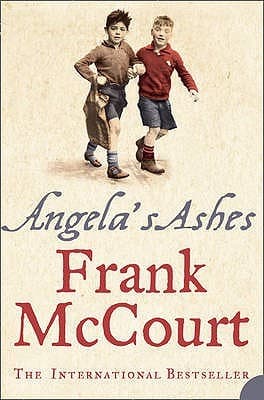
- Angela's Ashes
Frank McCourt
4.1 (540k) average on GoodreadsBiographyAutobiographical account of extreme poverty and a difficult childhood, highlighting resilience.
- A Tree Grows in Brooklyn
Betty Smith
4.3 (388k) average on GoodreadsHistorical FictionComing-of-age story set amidst poverty, focusing on a young girl's struggles and aspirations.
- The Diary of a Young Girl
Anne Frank
4.2 (2.7M) average on GoodreadsBiographyDuring the Nazi occupation, a teenage girl's diary, written from a secret annex, shares observations on humanity, hope, and the wait for freedom.
- Twisted 1. Twisted love
Ana Huang
3.7 (1.7M) average on GoodreadsA quiet billionaire with a difficult past finds his guarded heart opening to the woman he must protect, but their growing passion uncovers dangerous secrets and a shared, traumatic history.
- Eat, Pray, Love
Elizabeth Gilbert
3.6 (1.5M) average on GoodreadsLifestyleA heartbroken writer leaves her conventional life for a year-long global search for pleasure in Italy, spiritual devotion in India, and unexpected love and balance in Bali.
- Night
Elie Wiesel
4.3 (970k) average on GoodreadsBiographyIn the darkness of Auschwitz and Buchenwald, a teenage Elie Wiesel faces the extermination of his family, the loss of his faith, and the lasting scars of humanity's deepest cruelty.





Enjoyed the summary?
A summary gives you the shape of the book. The book itself has the detail, the examples and the voice.
Find Sins of the Father on AmazonAs an Amazon Associate, BookBrief earns from qualifying purchases. How we're funded