

Synopsis
Covers the whole plot, including the ending.
- Difficulty
- Medium
- Pacing
- Slow
- Mood
- Heartwarming, Inspirational, Wholesome, Reflective
- Read it if
- You enjoy classic allegorical tales about the power of innocence and goodness, set against a backdrop of historical Scotland, with a focus on moral and spiritual growth.
- Skip it if
- You prefer fast-paced plots, cynical characters, or stories with complex moral ambiguities rather than a clear message of virtue.
Sir Gibbie Plot Summary
Covers the whole plot, including the ending.
Gibbie's Early Life in the Ghetto and Loss of His Father
Gibbie is a mute, ragged boy living in the poor 'ghetto' of Glasgow around the turn of the 19th century. His only known parent is his alcoholic father, Sanny Macruadh, a street porter who, despite his faults, loves Gibbie. Gibbie often fends for himself, surviving on scraps and the kindness of strangers. He is pure-hearted and quick to help others, often sharing his meager findings. One cold night, Sanny, after heavy drinking, falls into the icy Clyde River and drowns. Gibbie, seeing what happened, is left completely alone, his already difficult life now without support.
Life on the Streets and the Kindness of Mrs. Sclater
After his father's death, Gibbie continues to live on the streets. His muteness and lack of family make him vulnerable. He often sleeps in barrels or under market stalls. He becomes friends with Mrs. Sclater, a kind market woman who sells fish. She feels sorry for him and offers him food and a place to sleep in her small, crowded home when she can. Gibbie, in turn, helps her with chores and watches her younger children, showing his goodness and willingness to serve. This time shows Gibbie's resourcefulness and his ability to inspire affection despite his situation, forming one of his first stable, though temporary, human connections.
Encounter with Donal Grant and the Journey to the Highlands
Gibbie's life changes significantly when he meets Donal Grant, a young student from the Highlands working in Glasgow to pay for his studies. Donal is struck by Gibbie's innocence and selflessness. When Gibbie is wrongly accused of theft and faces a harsh future in the city, Donal understands Gibbie's vulnerability. He decides to take the boy back to his family's croft in the remote Scottish Highlands. This journey marks Gibbie's leaving the poverty of Glasgow and his introduction to a different, more natural and peaceful environment. This sets the stage for his spiritual and personal growth.
Life with the Grants at the Crofter's Cottage
At the Grants' humble croft, 'The Bodach,' Gibbie receives a warm welcome from Donal's parents, Peter and Janet Grant. Despite his muteness, Gibbie quickly wins over the family with his helpfulness, diligence, and sweet nature. He learns to help with daily chores, tending to animals, helping in the fields, and fetching water. The Grants treat him as their own son, giving him love, stability, and spiritual guidance. This time is important for Gibbie's development, as he experiences unconditional love and belonging for the first time, growing under their care in the wild beauty of the Highlands.
The Introduction of the Laird, Sir George Galbrath
Sir George Galbrath, the local laird, is an important figure in the community. He is often distant and busy with his own affairs. He owns the estate that includes the Grants' croft. Unknown to Gibbie or the Grants, Sir George is Gibbie's uncle, though he does not know Gibbie exists or who he is. This connection is a subtle part of the story, hinting at Gibbie's true heritage and the eventual reveal of his noble birth. Sir George's presence shows the social structure of the Highlands and sets the stage for future interactions that will bring Gibbie's family line to light.
The Flood and Gibbie's Heroism
A severe storm causes the river to rise dramatically, leading to a flood that threatens the valley. Many families are trapped in their homes, and lives are at risk. Gibbie, with his knowledge of the moors and his fearless spirit, becomes a hero. He bravely navigates the dangerous waters, rescuing several people, including a child, and helping to secure livestock. His actions during the flood show his goodness and courage, making him a beloved and respected member of the community, despite his inability to speak. This event further shows his willingness to sacrifice for others.
The Discovery of Gibbie's Identity and Inheritance
Through events and the efforts of Mr. Sclater, the fishmonger from Glasgow, and later Donal Grant, Gibbie's true identity is uncovered. It is revealed that Gibbie is Sir Gilbert Galbrath, the rightful heir to the estate of Glashgar, and the nephew of Sir George Galbrath. His father, Sanny Macruadh, was the illegitimate son of the previous Sir Gilbert, making Gibbie the true baronet. This discovery changes Gibbie's status from an orphaned street boy to a wealthy landowner, though his pure heart remains unchanged by his new fortune.
Gibbie's Education and Growth at Glashgar
With his identity confirmed, Gibbie moves to Glashgar, his ancestral home. Donal Grant, now a close friend, becomes his tutor and companion. Despite his muteness and lack of formal education, Gibbie has a keen mind and a strong desire to learn. Donal teaches him to read, write, and understand the responsibilities of his new position. Gibbie's kindness and spiritual understanding continue to guide him. He begins to use his wealth and influence to help the people on his estate, showing a kind and caring approach to his new power.
The Marriage of Donal and Janet and Gibbie's Benevolence
As Gibbie matures, he helps his friend and tutor, Donal Grant, marry Janet, the daughter of the local minister, Mr. Sclater (a different character from the fishmonger). Gibbie, now a wealthy baronet, provides for them generously, ensuring their happiness and stability. He continues to live a simple, humble life despite his riches, always using his resources to improve the lives of those around him. He establishes schools, improves living conditions for his tenants, and acts as a silent, benevolent guardian of his community, showing Christian charity and selflessness in his every action.
Gibbie's Enduring Legacy of Love and Goodness
Sir Gibbie lives a long and fulfilling life, always true to the pure, selfless spirit he had as a child on the streets of Glasgow. He never regains his speech, but his actions speak volumes, showing love, compassion, and faith to everyone he meets. He becomes a respected figure in the Highlands, known for his silent wisdom, generosity, and ability to inspire goodness in others. His life is a powerful example of how true wealth is not in material possessions, but in a pure heart and a life dedicated to serving God and humanity, leaving a legacy of love and quiet kindness.
Principal Figures
Sir Gibbie Macruadh/Galbrath
Protagonist
A mute, orphaned boy who inherits a baronetcy and embodies pure goodness.
Gibbie is the central character, a mute boy of unknown parentage, initially living in the slums of Glasgow. Despite his harsh upbringing and inability to speak, he possesses an extraordinary purity of heart, selflessness, and an innate understanding of right and wrong. He is quick to help others, fearless in the face of danger, and deeply spiritual, often communicating through his actions and expressive eyes. His journey from a street urchin to a baronet never corrupts his innocent nature; instead, he uses his newfound wealth to benefit others, remaining humble and dedicated to service. He represents Christ-like love and unconditional charity.
Relationships: Sanny Macruadh (Alcoholic biological father); Mrs. Sclater (fishmonger) (Kind benefactor and friend in Glasgow); Donal Grant (Best friend, tutor, and spiritual guide); Peter and Janet Grant (Adoptive parents and loving family); Sir George Galbrath (Unknowing paternal uncle)
Donal Grant
Supporting
A kind and intelligent student who becomes Gibbie's closest friend and tutor.
Donal is a young, earnest, and intellectually curious student from the Highlands. He encounters Gibbie in Glasgow and is immediately struck by the boy's unique spirit. Donal takes Gibbie under his wing, bringing him to his family's croft and later becoming his tutor and trusted advisor when Gibbie inherits his title. He is a man of strong moral character, deeply religious, and committed to education and justice. Donal's patience and belief in Gibbie are instrumental in Gibbie's intellectual and personal development, and he serves as a moral compass and practical guide for the mute baronet.
Relationships: Sir Gibbie (Best friend, protégé, and later student/ward); Peter and Janet Grant (Parents); Janet Sclater (minister's daughter) (Wife)
Peter Grant
Supporting
Donal's father, a wise and devout Highland crofter who adopts Gibbie.
Peter Grant is a humble, hardworking crofter in the Scottish Highlands. He is a man of deep faith, quiet wisdom, and immense kindness. Along with his wife, Janet, he welcomes Gibbie into their home and treats him as his own son, providing the boy with love, stability, and a strong moral foundation. Peter embodies the simple, honest virtues of Highland life and Christian piety. His acceptance of Gibbie, despite his muteness and unknown origins, showcases his compassionate nature and his belief in inherent goodness.
Relationships: Janet Grant (Wife); Donal Grant (Son); Sir Gibbie (Adoptive son)
Janet Grant
Supporting
Donal's mother, a loving and maternal figure who cares for Gibbie.
Janet Grant is Peter's wife and Donal's mother. She is a warm, nurturing woman who quickly takes Gibbie into her heart and home. Her maternal instincts provide Gibbie with the unconditional love and care he had lacked his entire life. She teaches him about the practicalities of croft life and offers him emotional comfort, seeing beyond his muteness to the pure spirit within. Her kindness is essential to Gibbie's early development in the Highlands, helping him to heal from his traumatic past and to understand the meaning of family.
Relationships: Peter Grant (Husband); Donal Grant (Son); Sir Gibbie (Adoptive son)
Mrs. Sclater (Fishmonger)
Supporting
A kind-hearted Glasgow market woman who offers Gibbie temporary shelter and food.
Mrs. Sclater is a compassionate fishmonger in the Glasgow market. She is one of the few adults who consistently shows kindness to Gibbie during his time on the streets, offering him food, a place to sleep, and a moment of human connection. Despite her own struggles and poverty, she possesses a generous spirit. Her early kindness to Gibbie is a crucial demonstration that even in the harshest environments, human compassion can thrive. She later plays a small role in the efforts to uncover Gibbie's true identity.
Relationships: Sir Gibbie (Benefactor/friend); Mr. Sclater (husband) (Husband)
Sanny Macruadh
Mentioned
Gibbie's alcoholic biological father, a street porter in Glasgow.
Sanny Macruadh is Gibbie's biological father, an impoverished and alcoholic street porter in the Glasgow slums. Despite his severe addiction and inability to properly care for Gibbie, he possesses a genuine, if flawed, love for his son. His death by drowning early in the novel leaves Gibbie an orphan but also sets in motion the events that lead Gibbie out of the ghetto. His character serves to highlight the harsh realities of Gibbie's early life and the vulnerability of children in poverty.
Relationships: Sir Gibbie (Biological father); Sir Gilbert Galbrath (previous) (Biological father)
Sir George Galbrath
Supporting
The current Laird of Glashgar and Gibbie's unknowing paternal uncle.
Sir George Galbrath is the Laird of Glashgar, a man of some standing and property. He is initially unaware that Gibbie, the mute boy living on his estate, is his nephew and the rightful heir to the baronetcy. He represents the established gentry, often preoccupied with his own affairs. His character provides the familial link for Gibbie's inheritance and the social context of the Highlands, though he is not a central figure in Gibbie's personal development. He is generally a decent man, if somewhat detached.
Relationships: Sir Gibbie (Paternal uncle); Sir Gilbert Galbrath (previous) (Brother)
Janet Sclater (Minister's Daughter)
Supporting
The daughter of the local minister, who eventually marries Donal Grant.
Janet Sclater is the intelligent and kind daughter of the minister in the Highland community. She is well-educated and shares a strong spiritual foundation with Donal Grant, whom she eventually marries. Her presence adds to the supportive and morally upright community surrounding Gibbie, and her marriage to Donal solidifies the bonds between Gibbie's chosen family. She represents intellectual and spiritual companionship for Donal and a gentle, refined presence in Gibbie's life.
Relationships: Donal Grant (Husband); Mr. Sclater (minister) (Father)
Themes & Insights
Innocence and Purity Amidst Corruption
The main theme is Gibbie's innocence and pure heart, which lasts despite his upbringing in the poor, corrupt slums of Glasgow. His muteness often shows his unspoiled nature, as he cannot speak ill or deceive. This theme shows that true goodness can exist no matter the environment or social standing. Gibbie's actions, such as sharing his small amount of food or risking his life in the flood, consistently show a selfless love that contrasts with the greed and indifference he often meets, especially in the city. His presence often inspires others to act with more kindness.
“For Gibbie was one of those who are born with a heart that can do nothing but love, and a will that can do nothing but obey.”
The Power of Unconditional Love and Compassion
The novel shows how unconditional love and compassion can change lives. Gibbie, despite his muteness and initial poverty, inspires deep affection in characters like Mrs. Sclater, Donal Grant, and especially Peter and Janet Grant. Their willingness to take him in, care for him, and love him without expectation lets Gibbie grow. Gibbie's own boundless love and compassion, shown through his actions, affect everyone he meets, often softening hearts or inspiring greater goodness. This theme suggests that love is a fundamental, redemptive force.
“He did not speak, but he loved. And love is the only language that is understood by all.”
Spiritual Growth and Divine Providence
A spiritual dimension supports the entire story. Gibbie's journey is often shown as guided by divine providence, with his innocence reflecting a deeper connection to God. The Grants' Christian faith gives Gibbie a spiritual home, and their teachings reinforce his innate goodness. Gibbie's actions, especially his selfless service and quiet thought about nature, are often shown as acts of worship. The novel suggests that true wealth and happiness come from a life dedicated to God and serving others, with Gibbie himself representing a Christ-like figure whose silent love redeems and uplifts.
“God's ways are not ours; they are better.”
Social Class and True Nobility
The story compares inherited social status and true character. Gibbie starts as an outcast from the lowest social class but is revealed to be a baronet by birth. However, his true character is shown to be his moral purity, selflessness, and compassion, not his title or wealth. The novel criticizes the superficiality of class distinctions by showing that a 'gentleman' is defined by actions and heart, rather than family line or possessions. Gibbie uses his eventual wealth to serve his tenants and community, proving that true leadership comes from kindness and humility.
“It is not the coat that makes the man, but the heart that beats beneath it.”
Plot Devices & Literary Techniques
The Muteness of Gibbie
A central characteristic that deepens themes of innocence and communication.
Gibbie's inability to speak is a fundamental plot device. It initially highlights his vulnerability in the harsh world of Glasgow but later becomes a symbol of his pure, uncorrupted nature, as he cannot lie or engage in malicious gossip. His communication through actions, expressions, and a profound empathy emphasizes that true understanding and love transcend verbal language. This device forces other characters to look beyond superficial communication and connect with Gibbie on a deeper, spiritual level, thereby revealing their own true character. It also allows the narrator to interpret Gibbie's inner thoughts, giving the reader unique access to his pure perspective.
The Highland Setting
A symbolic backdrop for spiritual growth and natural purity.
The stark contrast between the grim, industrial Glasgow slums and the wild, beautiful Scottish Highlands serves as a powerful symbolic device. Glasgow represents corruption, poverty, and human degradation, while the Highlands, with its mountains, lochs, and moors, symbolizes purity, spiritual upliftment, and a closer connection to God and nature. Gibbie's journey from the city to the Highlands mirrors his spiritual and personal growth, suggesting that a natural, simple life, free from urban vices, is conducive to developing a virtuous character. The landscape itself becomes a character, shaping Gibbie's understanding of the world and providing him with solace and inspiration.
The Orphaned Protagonist
A classic literary device that emphasizes self-reliance and the search for belonging.
Gibbie's status as an orphan, first with an alcoholic father and then completely alone, is a key plot device. It immediately establishes his extreme vulnerability and the challenges he faces, eliciting sympathy from the reader. This device also allows for Gibbie's journey of finding a true 'family' (the Grants) and eventually his true lineage, highlighting themes of belonging, adoption, and the formation of familial bonds beyond blood. His initial lack of family ties makes his eventual inheritance and the love he finds all the more impactful, underscoring the idea that a loving home is more valuable than any material wealth.
Symbolism of Light and Darkness
Used to represent moral states and spiritual understanding.
The novel frequently employs imagery of light and darkness to symbolize moral and spiritual states. The squalor and moral decay of Glasgow are often described in terms of darkness and shadow, reflecting Gibbie's initial environment. In contrast, Gibbie himself is frequently associated with light, his pure spirit shining through his ragged appearance and muteness. The Highlands are depicted with a natural, clear light, representing spiritual clarity and goodness. This symbolism reinforces the novel's Christian themes, where light is associated with divine presence, truth, and redemption, while darkness signifies sin, ignorance, and despair. Gibbie's journey is one from literal and metaphorical darkness into light.
Sir Gibbie Quotes
“There are no such things as little sins. There are only sins, and every sin is a great sin. We cannot tell how great it is because we cannot tell how much good it prevents.”
“The one thing that can be said to be the cause of all evil is the yielding to temptation.”
“Truth is the only thing that can stand the test of time and the scrutiny of God.”
“The heart that is not open to love is a heart that is closed to God.”
“No man can truly know God who does not love his fellow man.”
“It is not what we take up, but what we give up, that makes us rich.”
“The greatest good you can do for another is not just to share your riches, but to reveal to him his own.”
“Silence is often the best answer, for it contains the wisdom of God.”
“God does not want us to be good; He wants us to be like Him.”
“The only way to get rid of a temptation is to yield to it. Resist it, and your soul will sicken with longing for it.”
“A man's reach should exceed his grasp, or what's a heaven for?”
“To be good is noble, but to teach others how to be good is nobler, and no trouble.”
“The one thing that can make a man happy is to know that he is loved.”
“There is no death, only change.”
Quiz
10 questions on the plot and the characters. Each answer comes with a short explanation.
Question 1
What is Sir Gibbie's most significant personal challenge at the beginning of the story?
- He is blind.
- He cannot read or speak.
- He is deaf.
- He has a severe physical disability.
Show answer
B. He cannot read or speak. At the beginning of the story, Gibbie is a street child who is unable to read or speak, making communication and formal education significant challenges for him.
Question 2
Where does much of Gibbie's early survival take place?
- In a secluded monastery.
- On the bustling streets of a Scottish town.
- In a remote castle.
- Within a wealthy family's estate.
Show answer
B. On the bustling streets of a Scottish town. Gibbie, having no mother and an alcoholic father, must survive on the streets as a child, learning to fend for himself in the urban environment.
Question 3
What is a central theme exemplified by Sir Gibbie's actions throughout the book?
- The pursuit of material wealth.
- The importance of social status.
- The ability to sacrifice self and help others.
- The power of revenge.
Show answer
C. The ability to sacrifice self and help others. The book explicitly states that Sir Gibbie teaches about 'the ability to sacrifice self, and to strive for a world more honest and pure than our own,' making self-sacrifice and altruism a core theme.
Question 4
What is the primary setting for Gibbie's adventures?
- The bustling markets of London.
- The wild moors of Scotland's Highlands.
- The quiet villages of rural England.
- The busy ports of Ireland.
Show answer
B. The wild moors of Scotland's Highlands. The book description specifies that Gibbie's adventures take him 'through the moors of Scotland's Highlands,' establishing this as the primary setting.
Question 5
How does Gibbie typically 'win the hearts of his neighbors' despite his initial disadvantages?
- By demonstrating his superior intelligence in academic pursuits.
- By sharing his inherited wealth generously.
- Through his kindness, innocence, and willingness to help.
- By performing impressive feats of strength.
Show answer
C. Through his kindness, innocence, and willingness to help. Despite his inability to speak, Gibbie's pure heart, selfless actions, and innate goodness are what endear him to those around him, winning their affection and respect.
Question 6
What distinguishes Gibbie's impact on others, both adults and children?
- He inspires them to seek adventure and travel the world.
- He teaches them about the value of material possessions.
- He teaches them about self-sacrifice and striving for purity.
- He encourages them to pursue political power.
Show answer
C. He teaches them about self-sacrifice and striving for purity. The book explicitly states that 'Sir Gibbie teaches adults and children alike about the ability to sacrifice self, and to strive for a world more honest and pure than our own.'
Question 7
Why is Gibbie's background as a 'child unable to read or speak' particularly significant to the story's overall message?
- It highlights the importance of formal education as the only path to success.
- It emphasizes that true goodness and impact come from character and actions, not just conventional abilities.
- It serves as a critique of the Scottish education system of the time.
- It foreshadows his eventual discovery of a hidden talent for writing.
Show answer
B. It emphasizes that true goodness and impact come from character and actions, not just conventional abilities. Gibbie's inability to speak or read underscores the novel's theme that one's intrinsic goodness, selfless acts, and purity of heart are more profound and impactful than traditional forms of communication or intelligence.
Question 8
How does Gibbie's 'offering what little he has to help others' contribute to his character development and the narrative?
- It demonstrates his naivety and inability to protect his own interests.
- It establishes him as a manipulative character who seeks favors in return.
- It highlights his inherent generosity and reinforces his role as a Christ-like figure of selfless love.
- It is a plot device used to introduce him to wealthy benefactors.
Show answer
C. It highlights his inherent generosity and reinforces his role as a Christ-like figure of selfless love. Gibbie's consistent generosity, even with his limited resources, is central to his character, portraying him as a figure of pure, unconditional love and self-sacrifice, aligning with the novel's spiritual undertones.
Question 9
The time period of the story is described as 'more than a century ago'. What historical context does this imply for Gibbie's experiences?
- A modern era with advanced social welfare programs.
- A time when child labor laws and social safety nets were largely nonexistent, making street survival harsh.
- A period of widespread technological advancement and industrial prosperity.
- An ancient, pre-industrial age without urban centers.
Show answer
B. A time when child labor laws and social safety nets were largely nonexistent, making street survival harsh. More than a century ago, particularly in the context of street survival for children, implies a time before modern social welfare, where life for the poor and orphaned was extremely difficult, often involving child labor and significant hardship.
Question 10
Which genre best encapsulates the book's blend of a young boy's journey through hardship, set in a specific historical period, while conveying moral lessons?
- Science Fiction.
- Mystery Thriller.
- Historical Fiction and Young Adult, with strong thematic elements.
- Contemporary Romance.
Show answer
C. Historical Fiction and Young Adult, with strong thematic elements. The book description explicitly lists 'Historical Fiction' and 'Young Adult' as genres. The focus on a young boy's journey, moral lessons, and specific historical setting perfectly aligns with these categories.
Sir Gibbie FAQ
What is Sir Gibbie about?
Sir Gibbie follows the journey of Gibbie, a mute orphan boy living in the impoverished streets of Rothieden, Scotland. After his alcoholic father's death, Gibbie flees to the Highlands, where his inherent goodness and selfless nature allow him to thrive, win the hearts of various benefactors like the godly farmer Sanny and his wife Janet, and eventually reclaim his rightful inheritance as Sir George Galbraith.
Why should I read Sir Gibbie?
You should read Sir Gibbie for its profound exploration of Christian themes like self-sacrifice, unconditional love, and the inherent goodness of humanity, even in the face of adversity. It's a heartwarming tale that demonstrates how purity of heart can overcome social barriers and bring light to a dark world, offering a unique blend of pastoral beauty and spiritual depth.
What is the background/setting of Sir Gibbie?
The story is set in the Scottish Highlands and the fictional town of Rothieden during the late 18th or early 19th century. It vividly portrays the harsh realities of urban poverty and contrasts them with the rugged beauty and simpler life of the moors, emphasizing the spiritual and moral purity found in nature and among humble, God-fearing folk.
What are the most memorable quotes?
One memorable quote is, 'The greatest thing a man can do for his Heavenly Father is to be kind to some of His other children.' Another is, 'God made him: he had no father nor mother, and never cried.' These quotes encapsulate Gibbie's divine innocence and the book's central message of selfless love and compassion.
What writing style does the author use?
George MacDonald employs a lyrical and often poetic prose style, rich with descriptive language, particularly when depicting the Scottish landscape. He blends elements of realism with allegorical and spiritual undertones, frequently interjecting authorial commentary and moral reflections, characteristic of Victorian didactic literature.
What minor details add significant meaning?
Gibbie's muteness is a crucial detail, forcing him to communicate through actions and expressions, which highlights his pure heart and innate goodness more effectively than words ever could. Also, the recurring imagery of water, from the filthy streets to the cleansing rivers and mountain springs, symbolizes spiritual purification and renewal throughout his journey.
What are some subtle foreshadowing moments?
The early descriptions of Gibbie's unusual, almost angelic demeanor, despite his squalid upbringing, subtly foreshadow his inherent nobility and eventual discovery of his true identity as Sir George Galbraith. Also, the kindness shown to him by various strangers, like the cobbler and the stable boy, hints at the widespread impact his innocence will have.
What unexpected character connections exist?
An unexpected connection is between Gibbie and Donal Grant, who becomes his tutor and closest friend. Donal, a scholar with a deep intellect, initially represents the mind, while Gibbie, with his pure heart, represents the spirit; their friendship beautifully symbolizes the integration of intellect and faith. Also, Mrs. Sclater, who initially dismisses Gibbie, later becomes a key figure in his education.
What are unspoken character motivations?
Many characters are motivated by an unspoken desire for spiritual fulfillment and genuine connection, which Gibbie's presence often awakens. For example, Sir Gibbie's foster parents, Sanny and Janet, are driven by their deep Christian faith to offer unconditional love and care, seeing their role as a divine calling, even before knowing his true identity.
What psychological complexities do characters exhibit?
While Gibbie himself is presented as almost purely good, characters like Donal Grant grapple with intellectual doubts and the struggle to reconcile faith with reason. Mr. Sclater, the minister, initially exhibits a rigidity of theological thought that is softened and expanded by Gibbie's living example of Christ-like love, showcasing a journey from intellectual faith to heartfelt compassion.
What are the major emotional turning points?
A major emotional turning point is Gibbie's flight to the mountains after his father's death, where he finds solace and discovers a deep connection with nature and his own spiritual resilience. Another is when he meets Sanny and Janet, experiencing true parental love for the first time, which solidifies his capacity for selfless giving and belonging.
How do relationship dynamics evolve?
Relationship dynamics consistently evolve towards greater understanding and deeper love, often initiated by Gibbie's influence. For instance, the initial pity or curiosity many feel for Gibbie transforms into profound respect and affection. His relationship with Donal Grant evolves from a teacher-student dynamic to a profound spiritual brotherhood, culminating in Donal marrying Gibbie's beloved Janet.
Which parts remain ambiguous or open-ended?
While the main plot lines are resolved, some spiritual implications and the full extent of Gibbie's future influence on the broader world are left somewhat open-ended. The reader is encouraged to imagine how Gibbie, as Sir George, will continue to embody and spread his Christ-like love in a society that still grapples with injustice and spiritual blindness.
What are controversial scenes or decisions?
One might find the near-idealized portrayal of Gibbie's goodness, almost to the point of being a saintly figure, to be controversial, as it deviates from typical human complexity. Also, the abruptness of some character conversions or changes of heart, while serving the novel's spiritual message, might be seen as less realistic by some readers.
Sir Gibbie ending explained: how it ends & what it means
The book ends with Gibbie, now Sir George Galbraith, having reclaimed his inheritance and married his childhood friend, Janet, who is also Donal Grant's sister. He establishes a school and continues to live a life of profound generosity and selfless love, using his wealth and influence to uplift others. The ending signifies the triumph of pure-hearted goodness and the potential for spiritual transformation to impact society, demonstrating that true nobility lies in character, not just birthright.
About the author
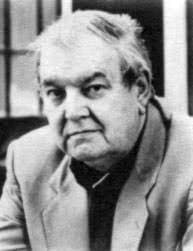
George MacDonald was a Scottish author and a pioneer of modern fantasy literature in the 19th century. He is known for his imaginative works, including "The Princess and the Goblin," "Phantastes," and "Lilith," which explore themes of morality and spirituality. His stories often blend elements of fairy tales and allegory, influencing later writers such as C.S. Lewis and J.R.R. Tolkien.
Similar books
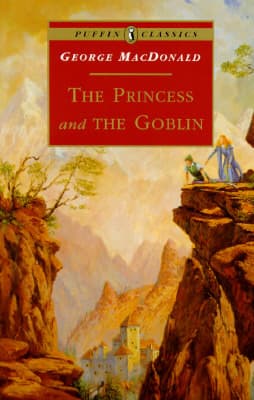
- The Princess and the Goblin
George MacDonald
4.0 (30k) average on GoodreadsFantasyShares a similar allegorical style and focus on spiritual themes from the same author.
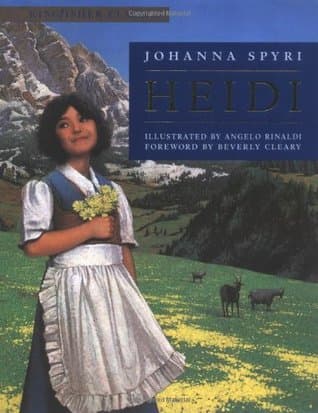
- Heidi
Johanna Spyri
4.0 (173k) average on GoodreadsChildren'sFeatures an orphaned child finding solace and goodness in a natural, rural setting, impacting those around them.
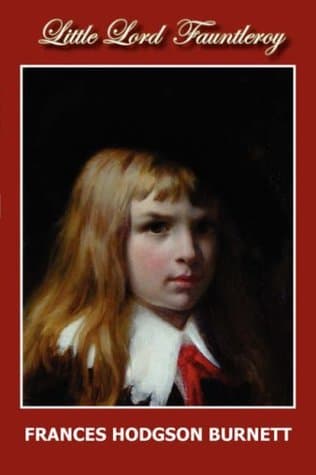
- Little Lord Fauntleroy
Frances Hodgson Burnett
3.9 (19k) average on GoodreadsChildren'sExplores an innocent child's positive influence on a cynical adult and the discovery of a noble inheritance.
- Harry Potter and the Sorcerer's Stone
J.K. Rowling
4.5 (7M) average on GoodreadsFantasyRescued from a miserable life under the stairs, an orphaned boy discovers he's a wizard destined for a magical school, where he uncovers a dangerous secret tied to the dark wizard who murdered his parents.
- The Hunger Games
Suzanne Collins
4.3 (6.4M) average on GoodreadsFantasyIn a future where children fight to the death on live television, Katniss Everdeen volunteers for the arena, turning a death sentence into a fight for survival and a spark of rebellion.
- 1984
George Orwell
4.2 (3.1M) average on GoodreadsPoliticsIn a future where surveillance and thought control are absolute, a man's search for truth clashes with the Party, showing that hope can be a form of rebellion.



Enjoyed the summary?
A summary gives you the shape of the book. The book itself has the detail, the examples and the voice.
Find Sir Gibbie on AmazonAs an Amazon Associate, BookBrief earns from qualifying purchases. How we're funded