
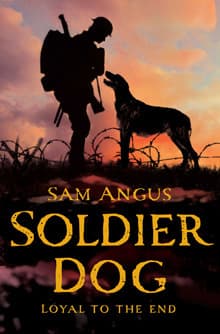
Synopsis
Covers the whole plot, including the ending.
- Difficulty
- Medium
- Pacing
- Moderate
- Mood
- Heartwarming, Hopeful, Perilous, Emotional
- Read it if
- You enjoy historical fiction set during WWI with a focus on human-animal bonds and themes of courage and resilience.
- Skip it if
- You prefer fast-paced action over character-driven stories or are sensitive to depictions of war (though it's a children's book, it doesn't shy away from peril).
Soldier Dog Plot Summary
Covers the whole plot, including the ending.
A Life of Grief and Greyhounds
Stanley lives a lonely life in rural England with his distant father, Mr. Elton. Since his mother's death and his older brother Tom's enlistment in the Great War, Mr. Elton has grieved, finding comfort only in his greyhound, Rocket. Stanley often feels ignored and unloved, his only solace coming from quiet moments with Rocket. He wants purpose and connection, often dreaming of the war, but his father dismisses his hopes as childish. The tension at home pushes Stanley to seek an escape from his sad reality.
The Decision to Enlist
After a particularly harsh talk with his father, who belittles his desire to help the war and dismisses his feelings, Stanley makes a drastic choice. He secretly packs a small bag, takes a last look at Rocket, and slips away from home in the dark. He heads to the nearest recruitment office, hoping to enlist. Though underage, Stanley, driven by desperation, patriotism, and a deep need to escape his stifling home life, believes he can pass for older. He is determined to find a place where he feels valued and useful, like his brother Tom.
A New Path: Dog Handler Training
Stanley, using a false age, convinces the recruiting officer he is old enough for the army. To his surprise, he is assigned to the new War Dog School, not the infantry. Here, he finds a chance to combine his love for animals with his desire to serve. At this training camp, he meets Bones, a large, clumsy, but gentle Great Dane. Bones is hard to handle at first, with more enthusiasm than discipline, but Stanley feels an instant connection. He commits to training Bones, seeing a reflection of his own awkwardness and potential in the dog.
Building a Bond
Life at the War Dog School is tough, with training sessions designed to prepare handlers and dogs for the realities of the front lines. Stanley quickly shows he is a natural dog handler, with patience and understanding many peers lack. He and Bones spend hours together, learning obstacle courses, commands, and how to carry messages. Their bond deepens daily, becoming a strong friendship. Bones becomes Stanley's confidant and anchor, providing the unconditional affection Stanley has longed for. Their mutual trust becomes key to their team's effectiveness.
Deployment to France
After training, Stanley and Bones are sent to the Western Front in France. The journey is long, and upon arrival, Stanley immediately faces the terrifying reality of trench warfare. The constant shelling, mud, stench, and fear are far from the training grounds. Bones, despite his size, stays calm and focused, sensing Stanley's anxiety and offering quiet comfort. Their first jobs involve carrying messages between trench positions, often through dangerous, shell-pocked land. Stanley relies on Bones's sharp senses and loyalty to navigate the treacherous landscape and deliver important communications.
First Missions and Close Calls
Stanley and Bones quickly become important to their unit. Their first missions are dangerous, requiring them to cross 'No Man's Land' under fire to deliver critical messages. Bones's speed and agility, with Stanley's careful planning, help them succeed where human runners often fail. They have several close calls, including dodging shell fragments and gas attacks. During one intense mission, Bones gets a minor injury, causing Stanley great distress and showing the constant danger they face. Their shared experiences in the face of death strengthen their bond.
The Search for Tom
Amidst the war, Stanley receives bad news: his brother, Tom, is missing. Overwhelmed with worry and a desperate need to find his only remaining family member, Stanley becomes even more determined. He starts asking about Tom's last known location, using every chance during his missions to gather information. The search for Tom adds urgency to Stanley's already dangerous life. Bones, sensing Stanley's deep distress, remains a constant source of comfort and strength, always by his side as they navigate the battlefields and emotional turmoil.
A Perilous Rescue
Stanley learns Tom's unit was in a fierce fight and Tom might be injured and trapped behind enemy lines. Against orders and risking court-martial, Stanley, with Bones, begins a dangerous, unauthorized mission to find his brother. They go deep into a heavily shelled, abandoned area, relying on Bones's sense of smell and Stanley's map knowledge. The journey is full of danger, from hidden snipers to unexploded bombs. Bones's courage and Stanley's resolve are tested as they push into the desolate land, driven by hope and brotherly love.
Reunion and Retreat
After hours of searching, Bones leads Stanley to a collapsed trench where they find a severely wounded and disoriented Tom. The reunion is brief but emotional, marked by their urgent situation. Tom is barely conscious. Stanley, with Bones's help, improvises a way to help Tom, using his uniform and a makeshift stretcher. They begin the perilous journey back, now slower and more vulnerable with Tom. Enemy patrols are near, and they must rely on Bones's stealth and Stanley's wits to navigate the dangerous terrain and get back to Allied lines alive.
The Long Journey Home
Against all odds, Stanley, Tom, and Bones avoid capture and reach Allied lines. Tom immediately gets medical attention, his life saved by Stanley and Bones's bravery. Stanley, though initially facing discipline for his unauthorized mission, is commended for his heroism. The war ends, and Stanley, now a decorated veteran, prepares to return home with Bones. The bond between the boy, the dog, and the recovering brother is stronger than ever. They have faced humanity's worst and emerged with their humanity intact, ready to rebuild their lives.
A Changed Family
Stanley returns to his family home in England, no longer the lonely, overlooked boy who ran away. He is with Bones, who has become a part of his life. His father, Mr. Elton, is changed. News of Tom's survival and Stanley's heroism has softened his grief and awakened him to his sons' sacrifices. The war has made Mr. Elton confront his emotional distance, and he greets Stanley with a warmth and pride that was absent before. The family, though scarred by war and loss, begins to heal and reconnect, with Bones as a quiet, comforting presence in their new dynamic.
New Beginnings
With the war over, Stanley, Tom, and Mr. Elton begin a new future. Tom, recovering, is home, and the family is reunited. Stanley's relationship with his father has become one of mutual respect and affection. Bones, the loyal Great Dane, settles into civilian life, a beloved member of the Elton household. Stanley, no longer searching for purpose, has found it in his courage, compassion, and bond with Bones. He looks forward to a future of home, family, and the companionship of his soldier dog, carrying the lessons and resilience from his experiences.
Soldier Dog Characters
Stanley Elton
Protagonist
A lonely boy who becomes a courageous war dog handler.
Stanley is a sensitive, quiet boy living in rural England. Initially overlooked and feeling unloved by his grieving father, he yearns for purpose and connection. He possesses a deep empathy for animals, particularly his father's greyhound, Rocket. Despite his youth, he displays remarkable courage, resilience, and an unwavering loyalty that drives him to enlist and later risk his life for his brother. He grows from an insecure boy into a brave and capable young man.
Relationships: Mr. Elton (distant and strained initially, evolving into mutual respect and love); Tom Elton (deep brotherly love and concern); Bones (profound, unbreakable bond of companionship and trust); Rocket (early source of comfort and connection)
Bones
Supporting
Stanley's loyal and brave Great Dane war dog.
Bones is a large, initially clumsy Great Dane who becomes Stanley's partner at the War Dog School. Despite his size, he possesses a gentle nature, keen intelligence, and unwavering loyalty. He is highly trainable and, under Stanley's guidance, develops into an exceptional messenger dog. Bones is not just an animal; he is a character with his own personality, providing emotional support, protection, and companionship to Stanley throughout their harrowing experiences. His presence is a constant source of comfort and strength.
Relationships: Stanley Elton (profound, unbreakable bond of companionship and trust)
Mr. Elton
Supporting
Stanley's grief-stricken, emotionally distant father.
Mr. Elton is Stanley's father, initially portrayed as a man consumed by grief after the death of his wife and the enlistment of his eldest son, Tom. He is emotionally distant and often harsh towards Stanley, finding solace only in his greyhound, Rocket. His inability to express his feelings creates a suffocating atmosphere for Stanley. However, he is not intentionally cruel, but rather a man deeply wounded by loss. The war, and the eventual return of both his sons, forces him to confront his grief and reconnect with Stanley.
Relationships: Stanley Elton (distant and strained initially, evolving into mutual respect and love); Tom Elton (deep fatherly love, initially expressed through worry); Rocket (source of comfort and distraction from grief)
Tom Elton
Supporting
Stanley's older brother, a soldier missing in action.
Tom is Stanley's older brother, who enlists in the army before the start of the story. He represents the ideal of bravery and duty that Stanley aspires to. Though his direct presence in the early parts of the book is minimal, his absence and later his 'missing in action' status are powerful motivators for Stanley. He is a catalyst for Stanley's journey and a symbol of the war's personal cost. When Stanley finds him, Tom is severely wounded, highlighting the brutal reality of the conflict.
Relationships: Stanley Elton (deep brotherly love and concern); Mr. Elton (deep fatherly love, initially expressed through worry)
Rocket
Mentioned
Mr. Elton's prize-winning greyhound.
Rocket is Mr. Elton's prized greyhound and, initially, Stanley's only friend and source of comfort at home. He symbolizes the fleeting joys and the quiet companionship Stanley yearns for before he leaves. Rocket represents the 'normal' life Stanley leaves behind and the deep connection Stanley has with animals, foreshadowing his bond with Bones. He is a loyal and gentle dog, reflecting the potential for warmth in the Elton household.
Relationships: Stanley Elton (early source of comfort and connection); Mr. Elton (source of comfort and distraction from grief)
Sergeant Davies
Supporting
Stanley's commanding officer and mentor at the War Dog School.
Sergeant Davies is a stern but fair officer at the War Dog School who initially oversees Stanley's training. He is pragmatic and experienced, quickly recognizing Stanley's natural talent with dogs. He pushes Stanley to excel, understanding the critical role the dog handlers will play on the front lines. While he maintains military discipline, he also shows a degree of understanding and respect for Stanley's dedication and the bond he forms with Bones. He represents the military authority figure who guides Stanley's early development.
Relationships: Stanley Elton (mentor and commanding officer)
Soldier Dog Themes
The Power of Human-Animal Bonds
A main theme is the strong and life-saving connection between humans and animals, especially Stanley and Bones. Their bond is more than just training; it becomes a source of emotional support, courage, and survival in war. Bones gives Stanley unconditional love and purpose, filling the void left by his family's grief. Stanley's care and trust allow Bones to do amazing things. This theme is clear during their dangerous missions in 'No Man's Land' and during Tom's rescue, where their combined efforts are vital. Their relationship shows how animals can offer comfort and heroism in the darkest times.
“He didn't need to speak. Bones knew. Bones always knew.”
Loss, Grief, and Healing
The novel explores how loss and grief affect individuals and families. Stanley's home life is defined by his father's deep grief over his wife's death and Tom's enlistment, which leads to emotional neglect of Stanley. War itself is a constant source of loss, from missing soldiers like Tom to countless casualties. Stanley's journey is partly about healing his own emotional wounds and mending his broken family. The reunion of Stanley and Tom, and Mr. Elton's softened demeanor, mark the start of a long healing process, showing that while scars remain, life can move forward.
“Grief, Stanley knew, was a heavy cloak his father wore, and it smothered everything else.”
Finding Purpose and Identity
Stanley's journey is about self-discovery and finding purpose. Feeling unvalued at home, he runs away to join the army, seeking a place where he can contribute and be recognized. His assignment to the War Dog School and his bond with Bones give him a clear identity as a dog handler and an important part of the war effort. The challenges he faces on the front lines make him mature quickly and find inner strength he didn't know he had. His heroism in rescuing Tom solidifies his identity as a courageous and capable young man, different from the overlooked boy he once was.
“He wasn't just Stanley anymore. He was Stanley, the soldier dog handler, and he had a job to do.”
The Horrors and Realities of War
While a children's book, 'Soldier Dog' shows the grim realities of World War I. The trenches, 'No Man's Land,' gas attacks, constant shelling, and the constant threat of death are clearly shown through Stanley's experiences. The novel highlights the physical and psychological toll of war on soldiers, including Tom's severe injuries and the widespread fear. It shows how war takes away innocence and forces young men to face unimaginable brutality, emphasizing the great sacrifices made. The use of messenger dogs also shows the desperate and new methods used in such a devastating conflict.
“The world here was mud, blood, and the constant, deafening roar of the guns.”
Plot Devices & Literary Techniques
Foreshadowing
Hints at future events or character developments.
The early scenes of Stanley's bond with Rocket, his father's greyhound, subtly foreshadow his profound connection with Bones and his aptitude for dog handling. Stanley's initial longing for purpose and his interest in his brother's military service hint at his eventual enlistment. The descriptions of the harsh home environment also foreshadow Stanley's decision to run away. These early details prepare the reader for Stanley's journey and his ultimate role as a soldier dog handler.
Symbolism
Objects or characters representing deeper ideas.
Bones, the Great Dane, symbolizes loyalty, courage, and unconditional love, representing the emotional anchor Stanley finds amidst the chaos of war. 'No Man's Land' symbolizes the terrifying, desolate space between safety and danger, life and death, reflecting the psychological and physical chasm Stanley must repeatedly cross. Rocket, the greyhound, symbolizes Stanley's lost innocence and the quiet comfort of home he leaves behind. The trenches themselves symbolize the brutal, dehumanizing nature of the war.
Journey Motif
A character's physical and emotional progression.
Stanley's story is structured as a classic journey motif. It begins with his physical departure from his unhappy home, leading him on a literal journey to the War Dog School and then to the battlefields of France. This physical journey is mirrored by his profound emotional and psychological transformation. He journeys from a lonely, insecure boy to a courageous, purposeful young man, discovering his identity and strength along the way. The journey culminates in his return home, a changed individual who has found his place in the world.
Parallelism
Similar situations or characters highlighting comparisons.
The relationship between Stanley and Bones parallels Stanley's earlier, albeit less profound, connection with Rocket, highlighting Stanley's innate ability to bond with animals. The 'missing in action' status of Tom parallels the emotional 'absence' of Stanley from his father's attention, creating a symmetry of longing and loss within the family. Both Stanley and Tom are young men thrust into the harsh realities of war, representing different facets of the soldier's experience and the sacrifices made.
Soldier Dog Quotes
“There’s no such thing as a bad dog, just a bad owner.”
“Sometimes you have to be brave for someone else, even when you're scared yourself.”
“A dog's loyalty is a precious thing, not to be taken for granted.”
“War makes strange bedfellows of us all.”
“The trenches were a world unto themselves, a muddy, bloody, noisy purgatory.”
“Hope was a tiny flicker, easily extinguished, but impossible to live without.”
“Even in the darkest places, there can be a light.”
“A good dog hears what you don't say.”
“You never truly know what you're capable of until you have no other choice.”
“The greatest battles are often fought within ourselves.”
“Home isn't a place, it's a feeling, and sometimes it's carried in your heart.”
“Every life lost was a world extinguished.”
“Sometimes the smallest creatures carry the biggest hearts.”
“The silence after the guns was often more terrifying than the noise.”
Quiz
10 questions on the plot and the characters. Each answer comes with a short explanation.
Question 1
What kind of dog is Rocket, Stanley's father's prizewinning dog?
- Great Dane
- Greyhound
- Alsatian
- Terrier
Show answer
B. Greyhound Rocket is described as Stanley's dad's prizewinning greyhound.
Question 2
Why does Stanley decide to run away and enlist in the army?
- He wants to find his older brother who is already fighting in France.
- He is inspired by patriotic fervor and wants to defend his country.
- His father is distant and grieving, making Stanley feel alone and seeking purpose.
- He wants to escape his responsibilities at home and seek adventure.
Show answer
C. His father is distant and grieving, making Stanley feel alone and seeking purpose. Stanley's father hasn't been the same since his wife died and his eldest son went to war, leaving Stanley feeling isolated and prompting him to run away.
Question 3
What type of dog does Stanley train to be a messenger dog handler with in the army?
- Rocket, his father's greyhound
- A Labrador named Ace
- A Great Dane named Bones
- A German Shepherd named Kaiser
Show answer
C. A Great Dane named Bones Stanley is soon heading to France with a Great Dane called Bones by his side, after training as a messenger dog handler.
Question 4
What is the primary role of the dogs Stanley works with in the war?
- To act as guard dogs for trenches.
- To provide companionship to lonely soldiers.
- To carry messages between command posts and the front lines.
- To sniff out enemy tunnels and hidden explosives.
Show answer
C. To carry messages between command posts and the front lines. Stanley enlists in the army to train as a messenger dog handler, indicating their primary role.
Question 5
What does Stanley's father's emotional state after his wife's death and eldest son's departure reveal about the impact of war on families at home?
- It shows that families quickly adapt to the absence of loved ones.
- It highlights the profound grief and disruption experienced by those left behind.
- It suggests that families become more resilient and self-sufficient.
- It demonstrates a common sense of relief for sons joining the war effort.
Show answer
B. It highlights the profound grief and disruption experienced by those left behind. Stanley's dad hasn't been the same since his wife died and his eldest son went off to fight, illustrating the devastating emotional toll on families at home.
Question 6
How does Stanley's relationship with Bones evolve during their time in France?
- It remains strictly professional, focusing only on their duties.
- It becomes a source of comfort and mutual reliance amidst the horrors of war.
- Stanley grows increasingly frustrated with Bones's performance under pressure.
- Bones frequently tries to run away, causing tension with Stanley.
Show answer
B. It becomes a source of comfort and mutual reliance amidst the horrors of war. In the context of war, a bond with an animal like Bones would naturally become a vital source of emotional support and trust for a young soldier.
Question 7
What is the significance of Rocket, Stanley's father's greyhound, to Stanley's initial decision to run away?
- Rocket's racing success motivates Stanley to seek his own fame.
- Rocket's declining health makes Stanley realize he needs to earn money for his care.
- As Stanley's only friend, Rocket highlights his profound loneliness and lack of human connection at home.
- Stanley wants to prove to his father that he can be as good a dog handler as his dad is a racer.
Show answer
C. As Stanley's only friend, Rocket highlights his profound loneliness and lack of human connection at home. The text states, 'Now Stanley's only friend is his dad's prizewinning greyhound, Rocket,' emphasizing his isolation and the emotional void that contributes to his decision to leave.
Question 8
How does Stanley's experience as a messenger dog handler challenge his youthful perceptions of war?
- He finds the war to be an exciting adventure, just as he imagined.
- He realizes the harsh realities of combat and the constant danger faced by soldiers and their dogs.
- He discovers that his primary role is to care for the dogs, not to participate in direct combat.
- He learns that the war is quickly coming to an end, easing his anxieties.
Show answer
B. He realizes the harsh realities of combat and the constant danger faced by soldiers and their dogs. While not explicitly stated, the context of a child enlisting in WWI as a messenger dog handler implies facing harsh realities and dangers, shattering any romanticized views of war.
Question 9
What broader historical context does 'Soldier Dog' explore through Stanley's narrative?
- The technological advancements in weaponry during World War II.
- The role of animals, specifically dogs, in the trench warfare of World War I.
- The socio-economic conditions in Britain during the Victorian era.
- The struggles of post-war recovery and rehabilitation for veterans.
Show answer
B. The role of animals, specifically dogs, in the trench warfare of World War I. The premise of Stanley enlisting to train messenger dogs and heading to France places the story squarely within the context of World War I and the specific use of animals in that conflict.
Question 10
Considering Stanley's initial motivation to run away, how does his new role as a dog handler potentially offer him a sense of purpose he lacked at home?
- It provides a clear structure and responsibility, a stark contrast to his aimless life before.
- He earns a significant salary, which gives him financial independence.
- He gains recognition as a war hero, fulfilling a desire for fame.
- He is able to forget about his family and previous life entirely.
Show answer
A. It provides a clear structure and responsibility, a stark contrast to his aimless life before. Stanley felt alone and his father was distant. Being a messenger dog handler provides him with a crucial, life-or-death responsibility and a bond with Bones, offering a purpose and connection he lacked.
Soldier Dog FAQ
What is the central premise of 'Soldier Dog'?
'Soldier Dog' follows Stanley, a young boy from England, who, after experiencing family tragedy and neglect, runs away to join the army during World War I. He becomes a messenger dog handler, forming a deep bond with his Great Dane, Bones, as they face the horrors of the Western Front.
Who is Rocket and what is his significance to Stanley early in the story?
Rocket is Stanley's father's prized greyhound, and initially, Stanley's only true friend and confidant after his mother's death and his father's emotional withdrawal. Their bond highlights Stanley's innate connection with animals and foreshadows his future role with Bones.
Why does Stanley decide to run away and join the army?
Stanley runs away primarily due to the emotional neglect from his grief-stricken father and the profound loneliness he feels after his mother's death and his brother's departure for war. He seeks purpose, belonging, and an escape from his desolate home life.
Describe Stanley's relationship with Bones and how it evolves.
Stanley's relationship with Bones begins as a professional handler-dog partnership but quickly deepens into an unbreakable bond of mutual trust and affection. Bones becomes Stanley's protector, companion, and a source of emotional stability amidst the chaos and trauma of war, representing a new family.
What kind of missions do Stanley and Bones undertake on the Western Front?
Stanley and Bones primarily serve as messenger dog teams, carrying vital dispatches across dangerous battlefields, often under heavy fire. Their missions are critical for communication between trenches and command posts, frequently involving traversing no-man's-land and navigating treacherous terrain.
Are there any parallels between Rocket and Bones in Stanley's life?
Yes, both Rocket and Bones represent unwavering loyalty and companionship for Stanley at different, difficult stages of his life. Rocket is his initial escape from loneliness, while Bones becomes his lifeline and family substitute during the extreme isolation and danger of war, fulfilling a similar emotional need.
Does Stanley ever regret his decision to enlist, especially after experiencing the war's realities?
While Stanley is undoubtedly traumatized by the war's realities, his deep bond with Bones and his sense of duty often override overt regret about enlisting. He finds purpose and a unique form of belonging within his role, making his personal mission to protect Bones paramount.
How does the author use the setting of WWI to highlight themes beyond just combat?
The WWI setting is used to explore themes of resilience, the innocence lost, the power of interspecies bonds, and the human capacity for kindness amidst brutality. It underscores the profound psychological impact of war, not just through physical violence but through emotional endurance and the search for connection.
What is the significance of the 'soldier dog' concept in the book's title and narrative?
The 'soldier dog' concept emphasizes the vital, often unsung, role animals played in the war effort, elevating them beyond mere tools to comrades. It also reflects how Stanley, despite his youth, is forced to become a 'soldier' alongside his dog, highlighting their shared burdens and bravery.
How does Stanley's father's grief impact Stanley's psychological development?
His father's profound, isolating grief creates a void in Stanley's life, forcing him to mature quickly and seek emotional support elsewhere, primarily from animals. This early neglect contributes to his resilience and his intense need for connection, which he ultimately finds with Bones.
In what ways does Bones provide psychological comfort and stability for Stanley?
Bones offers Stanley unconditional love, a sense of responsibility, and a tangible focus for his affection, which is crucial for his mental well-being in the war zone. Their bond provides a grounding presence, mitigating the psychological impact of trauma and loneliness, and giving Stanley a reason to keep fighting.
How does Stanley cope with the constant threat of death and the loss he witnesses?
Stanley copes largely by focusing on his immediate mission and, crucially, on Bones's safety and well-being. His deep bond with Bones acts as a psychological anchor, providing a sense of purpose and a distraction from the overwhelming despair, allowing him to channel his fear into protective instincts.
What psychological journey does Stanley undergo from a neglected boy to a wartime hero?
Stanley transforms from a vulnerable, neglected boy seeking escape into a courageous, responsible young man. His journey is marked by finding his purpose, developing immense resilience, and forming profound emotional bonds, ultimately understanding that heroism isn't just about fighting, but about loyalty and endurance.
Is 'Soldier Dog' primarily an anti-war novel, or does it focus more on personal growth?
While 'Soldier Dog' vividly depicts the brutality of war, making a strong implicit anti-war statement, its primary focus is on Stanley's personal growth, his resilience, and the extraordinary bond he forms with Bones. The war serves as a crucible for his transformation and the backdrop for their unique story.
How does the book challenge traditional notions of heroism?
The book challenges traditional heroism by focusing on the quiet courage of a young boy and his dog, whose acts of bravery are often about endurance, loyalty, and survival rather than grand battlefield triumphs. It highlights the heroism in maintaining humanity and connection amidst inhumane conditions.
What message does the author convey about the human-animal bond through Stanley and Bones?
The author powerfully conveys that the human-animal bond can be a source of profound emotional sustenance, resilience, and even salvation. Through Stanley and Bones, it shows how this connection can provide purpose, comfort, and an unbreakable form of loyalty even in the most devastating circumstances.
Could Stanley's initial desire to join the army be seen as a form of escapism, and if so, how does the reality of war change this perception?
Yes, Stanley's enlistment can initially be seen as escapism from his grim home life. However, the harsh reality of war quickly strips away any romanticized notions. His purpose shifts from escaping to surviving and, most importantly, protecting Bones, transforming his escapism into a focused, albeit dangerous, commitment.
What is the lasting impact of the war on Stanley's character by the end of the book?
By the end, Stanley is profoundly changed, carrying the scars of war but also the strength forged through his experiences and his bond with Bones. He has lost his innocence but gained immense resilience, a deep understanding of loyalty, and a mature perspective on life and loss, forever shaped by his time as a soldier dog handler.
About the author

Sam Angus is a fiction author known for her novel "Soldier Dog," which explores themes of loyalty and bravery during wartime. Her writing often focuses on historical contexts and the experiences of young protagonists. Angus's work has garnered attention for its emotional depth and engaging storytelling.
Similar books
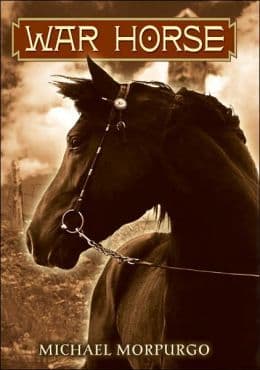
- War Horse
Michael Morpurgo
4.1 (42k) average on GoodreadsChildren'sFeatures a strong animal-human bond during WWI and themes of perseverance.
- Private Peaceful
Michael Morpurgo
4.2 (21k) average on GoodreadsChildren'sExplores the experiences of young soldiers in WWI and the bond between brothers.
- Harry Potter and the Sorcerer's Stone
J.K. Rowling
4.5 (7M) average on GoodreadsFantasyRescued from a miserable life under the stairs, an orphaned boy discovers he's a wizard destined for a magical school, where he uncovers a dangerous secret tied to the dark wizard who murdered his parents.
- The Hobbit, or There and Back Again
J.R.R. Tolkien
4.3 (2.9M) average on GoodreadsFantasyA comfort-loving hobbit named Bilbo Baggins is whisked away by a mischievous wizard and a band of dwarves on an unexpected journey to reclaim stolen treasure from a fearsome dragon, discovering courage and a magical ring along the way.
- Harry Potter and the Goblet of Fire
J.K. Rowling
4.6 (2.6M) average on GoodreadsFantasyA bewildered Harry Potter, underage and thrust into a deadly Triwizard Tournament, must brave dragons, mermaids, and a resurgent dark magic to survive a year that will forever alter the wizarding world.
- Harry Potter and the Order of the Phoenix
J.K. Rowling
4.5 (2.5M) average on GoodreadsFantasyIn a year of oppressive secrets and the threat of Voldemort, Harry Potter and Dumbledore's Army secretly train for war, shown through Jim Kay and Neil Packer's dark illustrations.





Enjoyed the summary?
A summary gives you the shape of the book. The book itself has the detail, the examples and the voice.
Find Soldier Dog on AmazonAs an Amazon Associate, BookBrief earns from qualifying purchases. How we're funded