

Core Idea
- Difficulty
- Medium
- Read it if
- You are interested in graphic memoirs that tackle difficult childhood experiences, medical trauma, and the power of art for healing and self-expression. You appreciate visual storytelling that adds depth to a biographical narrative.
- Skip it if
- You are uncomfortable with themes of childhood illness, parental neglect, or medical procedures, or prefer memoirs that are purely text-based without visual elements.
Key Takeaways from Stitches
The Tyranny of Silence
Unexpressed emotions fester, creating a toxic environment that stunts personal growth and communication.
David Small's memoir clearly shows how damaging emotional repression in a family can be. His mother, Elizabeth, enforced a strict 'cone of silence,' where feelings, especially difficult ones, were never discussed. This created deep isolation and misunderstanding. Children in such homes often learn to suppress their own emotions, leading to anxiety, confusion, and an inability to process trauma. A lack of open communication stops healing and continues cycles of dysfunction. Small's story suggests this emotional vacuum largely contributed to his parents' inability to connect with him and address his physical and emotional needs in a healthy way. It reminds us that silence, while sometimes seen as peace, can be destructive.
“The Small household operated under a cone of silence where emotions, especially her own, were hidden.”
In the book: The overall atmosphere of the Small household, where Elizabeth's 'tyrannically stingy and excessively scolding' nature was met with silence and hidden emotions, particularly hers.
Try this: Actively foster open communication in your relationships. Encourage the expression of all emotions, positive and negative, and create a safe space for dialogue. Regularly check in with loved ones about their feelings and practice active listening without judgment.
Related ideas: emotional-repression, family-dysfunction, communication-barriers
Medical Misinformation & Betrayal
Blind trust in authority, especially medical, can have catastrophic and life-altering consequences when information is withheld.
One of the most shocking parts of 'Stitches' is the medical betrayal David experienced. His parents, especially his doctor father, hid the truth about his cancer diagnosis and the seriousness of his condition. The 'harmless operation' that removed a vocal cord and scarred his throat was a terrible shock to a boy kept completely in the dark. This omission, whether from misguided protection or fear, destroyed David's trust and his control over his own body and future. It highlights how important informed consent is, especially for minors, and the ethical need for medical professionals and guardians to give complete and honest information, even when it is difficult. The long-term psychological impact of such a betrayal is huge, causing deep-seated anxiety and a feeling of powerlessness.
“The fourteen-year-old boy had not been told that he had cancer and was expected to die.”
In the book: David waking up after surgery to discover he was a virtual mute, his throat slashed and stitched, without ever being told he had cancer or the true nature of his operation.
Try this: Always seek second opinions for significant medical procedures. Advocate for yourself or your children by asking direct questions and demanding clear, comprehensive explanations of diagnoses, treatments, and potential outcomes. Never hesitate to question medical advice if something feels unclear or incomplete.
Related ideas: medical-ethics, informed-consent, patient-advocacy, childhood-trauma
The Burden of Parental Projection
Parents' unresolved issues can be unconsciously projected onto their children, shaping their identities and experiences negatively.
Small's memoir painfully shows how children can become unknowing carriers of their parents' unresolved psychological issues. His father, a doctor, may have projected his own anxieties and perhaps a misplaced sense of control onto David's health, leading to possibly harmful over-treatment with radiation. His mother, Elizabeth, channeled her frustrations and emotional repression into tyrannical behavior and excessive scolding. David, as 'a highly anxious yet supremely talented child,' absorbed these projections, taking on their dysfunction and carrying the weight of their unresolved problems. This dynamic can cause a child to develop a distorted self-perception, feeling responsible for parental unhappiness, or becoming overly anxious trying to meet unstated expectations. It stresses the need for parents to reflect on themselves and address their own psychological health to avoid harming their children.
“David—a highly anxious yet supremely talented child—all too often became the unwitting object of his parents’ buried frustration and rage.”
In the book: Edward Small, a Detroit physician, 'vented his own anger by hitting a punching bag' and 'was convinced that he could cure his young son’s respiratory problems with heavy doses of radiation, possibly causing David’s cancer.' Elizabeth's 'tyrannically stingy and excessively scolding' nature.
Try this: As a parent, actively engage in self-reflection and therapy if needed to understand and process your own past traumas and emotional patterns. Be mindful of how your words and actions might be influenced by your own unresolved issues, and strive to provide an environment where your child can develop their own identity free from your projections.
Related ideas: parental-trauma, intergenerational-trauma, child-psychology, unresolved-issues
Art as Survival and Voice
For those silenced or marginalized, creative expression can become a powerful means of reclaiming agency and finding a voice.
David Small's journey from being nearly mute to becoming an award-winning children's illustrator shows how art can save lives. With his physical voice taken away and his emotional voice suppressed by his family, drawing became his main way of communicating and expressing himself. His decision to run away at sixteen, with only the goal of being an artist, was not just rebellion but a desperate, vital grab for survival and self-definition. Art gave him an escape, a way to process his trauma, and ultimately, a way to tell his story. This speaks to the deep human need for expression and how, when normal paths are blocked, creativity can become a strong force for healing, empowerment, and reclaiming one's story. Small literally drew his way out of his nightmare.
“His risky decision to run away from home at sixteen—with nothing more than the dream of becoming an artist—will resonate as the ultimate survival statement.”
In the book: David's transformation into a 'virtual mute' and his subsequent career as an 'award-winning children’s illustrator and author.' His decision to run away at sixteen 'with nothing more than the dream of becoming an artist.'
Try this: Encourage creative outlets for yourself and others, especially children who may be struggling to express themselves verbally. Explore different art forms – writing, drawing, music, dance – as tools for processing emotions, stress, and trauma. Recognize that creative pursuits are not just hobbies but can be essential for mental and emotional well-being.
Related ideas: art-therapy, creative-expression, self-expression, trauma-recovery
The Unseen Scars of Childhood
Trauma experienced in childhood, even if not physically violent, leaves deep, lasting psychological imprints.
While 'Stitches' describes physical scarring and medical trauma, its main message is about the unseen, psychological wounds inflicted during childhood. David's experience was not just about a lost vocal cord; it was about growing up in a 'gothic family drama' marked by emotional neglect, fear, and a constant feeling of being misunderstood. His parents' actions, though perhaps well-intentioned in their own way, created a deeply anxious and troubled teenager. The memoir shows that a lack of love, truth, and emotional safety can be as damaging, if not more so, than overt abuse. These early experiences shape a person's worldview, relationships, and self-worth for decades. Small's ability to turn this 'nightmare into fairy tale' through art highlights the deep and lasting nature of these scars, even as they are processed and reframed.
“Depicting this coming-of-age story with dazzling, kaleidoscopic images that turn nightmare into fairy tale...”
In the book: The description of David as 'a highly anxious yet supremely talented child' and the 'gothic family drama' where he became 'the unwitting object of his parents’ buried frustration and rage.'
Try this: Acknowledge and validate the impact of your own childhood experiences, even those that seem subtle. If you are a parent, prioritize creating an emotionally safe and transparent environment for your children, understanding that psychological well-being is as crucial as physical health. Seek professional help to address lingering childhood traumas.
Related ideas: childhood-trauma, emotional-neglect, psychological-scars, resilience
The Peril of Good Intentions
Well-meaning actions, when misguided or uninformed, can lead to devastating and unintended consequences.
A central, sad irony of 'Stitches' is that David's parents, especially his father, truly believed they were acting in his best interest. Edward Small, as a doctor, was convinced radiation was the cure for David's respiratory problems, possibly causing the very cancer he later treated. His mother, Elizabeth, likely believed her strict silence and scolding were forms of discipline or protection. This shows an important lesson: good intentions are not enough. Without proper information, self-awareness, and a willingness to truly understand the impact of one's actions, even 'well-meaning' efforts can cause great harm. The book is a warning against unchecked authority and the dangers of acting from limited understanding, especially when dealing with vulnerable people.
“Believing that they were trying to do their best, David’s parents did just the reverse.”
In the book: Edward Small 'was convinced that he could cure his young son’s respiratory problems with heavy doses of radiation, possibly causing David’s cancer.' The statement: 'Believing that they were trying to do their best, David’s parents did just the reverse.'
Try this: Before making significant decisions, especially concerning others, gather as much information as possible from diverse, reliable sources. Reflect on your own biases and assumptions. Seek feedback and consider alternative perspectives to ensure that your 'good intentions' align with truly beneficial outcomes.
Related ideas: unintended-consequences, parental-responsibility, misguided-actions, critical-thinking
The Body as a Battleground
When personal autonomy is denied, the body can become a site of conflict, trauma, and a desperate struggle for control.
David Small's physical body becomes a literal battleground in his memoir. From unexplained radiation treatments to the traumatic surgery that left his throat 'slashed and stitched,' his body was subjected to interventions without his knowledge or consent. This experience robbed him of bodily autonomy and made his own physical form a source of terror and alienation. The image of his throat, like a 'bloody boot,' suggests brutality and violation. For David, reclaiming his life meant not just escaping his family but also finding a way to make peace with a body that had been so deeply altered and traumatized. This takeaway stresses how important physical integrity and the right to informed consent are to one's sense of self and well-being, and how violating them can lead to deep dissociation and psychological distress.
“His throat slashed and stitched together like a bloody boot...”
In the book: The physical description of David's post-operative throat: 'a vocal cord removed, his throat slashed and stitched together like a bloody boot.' The lack of information given to him about his condition and treatment.
Try this: Prioritize bodily autonomy for yourself and others. Educate yourself on patient rights and advocate for full disclosure and informed consent in all medical procedures. Teach children about their right to say 'no' to unwanted physical touch and to understand what is happening to their bodies.
Related ideas: bodily-autonomy, medical-trauma, physical-scars, self-reconciliation
Escaping the Narrative Trap
To heal and thrive, one must eventually break free from the narrative imposed by a dysfunctional upbringing.
David Small's decision to run away at sixteen was not childish defiance but a crucial break from a suffocating and damaging family story. He was trapped in a narrative where he was a sickly child, a cancer patient, and the focus of his parents' unspoken frustrations. To survive, he had to physically and psychologically remove himself from that environment and begin to write his own story. This act of self-emancipation is key for anyone caught in a dysfunctional dynamic. It takes immense courage to challenge the ingrained beliefs and expectations of one's upbringing and to create an independent path. Small shows that true healing often begins with creating distance and actively building a new identity, separate from the one imposed by past trauma.
“His risky decision to run away from home at sixteen... will resonate as the ultimate survival statement.”
In the book: David's choice to run away from home at sixteen 'with nothing more than the dream of becoming an artist' as his 'ultimate survival statement.'
Try this: Identify and challenge the limiting narratives or roles you may have inherited from your upbringing. Seek therapy or support groups to process past experiences and build a new, healthier self-concept. Actively pursue interests and relationships that affirm your true self, even if it means creating distance from past influences.
Related ideas: self-emancipation, breaking-cycles, identity-formation, personal-growth
The Power of Visual Storytelling
Graphic memoirs offer a unique and visceral way to convey complex emotional truths and traumatic experiences.
'Stitches' is a masterclass in visual storytelling. Small, an accomplished illustrator, uses the graphic memoir format to convey the unspeakable and the emotionally complex in a way that prose alone might not. The 'dazzling, kaleidoscopic images' do not just go with the text; they are the text, creating an immersive and often unsettling experience for the reader. The visual medium allows him to literally show the 'nightmare' of his childhood, making the reader a direct witness to his trauma, fear, and eventual resilience. This format works well for stories involving childhood trauma and communication breakdowns, as it can reach emotional levels that words sometimes cannot, turning deeply personal suffering into a universally resonant story.
“Depicting this coming-of-age story with dazzling, kaleidoscopic images that turn nightmare into fairy tale...”
In the book: The very nature of 'Stitches' as a graphic memoir by an 'award-winning children’s illustrator and author,' and the description of its 'dazzling, kaleidoscopic images.'
Try this: Explore graphic novels and memoirs to understand how visual narratives can deepen emotional understanding and convey complex ideas. If you're a creator, consider how visual elements could enhance your own storytelling, especially when dealing with difficult or abstract themes. Appreciate the unique power of sequential art.
Related ideas: graphic-memoir, visual-narrative, sequential-art, storytelling-techniques
Stitches Quotes
“Children, of course, don’t know they’re in a memoir. They just live their lives.”
“I lived in a house where the walls were always closing in.”
“My mother loved me, I think, in the way a cat loves a bird it's caught.”
“Silence was the family language.”
“My parents had a special talent for making me feel invisible.”
“The tumor was a secret, like everything else.”
“Sometimes, the things you don't say are the loudest.”
“I was a boy made of glass, and they kept throwing stones.”
“The hospital was a place of sterile horrors.”
“Art became my way out, my escape.”
“You can't go back and fix the past, but you can understand it.”
“The scars were not just on my neck; they were on my soul.”
“Drawing was the only time I felt truly safe.”
“My voice had been taken, but my hand could still speak.”
Quiz
10 questions on the main ideas. Each answer comes with a short explanation.
Question 1
What was the primary medical procedure David Small underwent that led to his transformation into a 'virtual mute'?
- Tonsillectomy
- Appendectomy
- Vocal cord removal
- Brain surgery
Show answer
C. Vocal cord removal The book explicitly states that a vocal cord was removed, leaving David a 'virtual mute' and his throat 'slashed and stitched together.'
Question 2
What was David's father's profession, and what potentially harmful 'cure' did he administer for David's respiratory problems?
- Teacher; herbal remedies
- Engineer; experimental surgery
- Detroit physician; heavy doses of radiation
- Lawyer; strict dietary restrictions
Show answer
C. Detroit physician; heavy doses of radiation The text identifies Edward Small as a 'Detroit physician' who 'was convinced that he could cure his young son’s respiratory problems with heavy doses of radiation, possibly causing David’s cancer.'
Question 3
How did David's mother, Elizabeth, primarily manage the household and express her emotions?
- Through open communication and emotional support.
- With excessive scolding and by creating a 'cone of silence' where emotions were hidden.
- By encouraging creative expression and artistic pursuits.
- Through lavish spending and frequent social gatherings.
Show answer
B. With excessive scolding and by creating a 'cone of silence' where emotions were hidden. Elizabeth is described as 'tyrannically stingy and excessively scolding,' running the household 'under a cone of silence where emotions, especially her own, were hidden.'
Question 4
At what age did David make the 'risky decision to run away from home'?
- Twelve
- Fourteen
- Sixteen
- Eighteen
Show answer
C. Sixteen The summary states David was 'the troubled teen whose risky decision to run away from home at sixteen' was a key moment.
Question 5
What literary style or author is used in the description to convey the terrifying event of David's transformation?
- Mark Twain
- Jane Austen
- Kafka
- Ernest Hemingway
Show answer
C. Kafka The text states, 'Small... re-creates this terrifying event in a life story that might have been imagined by Kafka.'
Question 6
What was David's primary aspiration when he ran away from home, which the book describes as his 'ultimate survival statement'?
- To become a doctor like his father.
- To become an artist.
- To join the military.
- To start a family.
Show answer
B. To become an artist. David ran away 'with nothing more than the dream of becoming an artist—will resonate as the ultimate survival statement.'
Question 7
How does the memoir visually depict David's coming-of-age story, according to the description?
- Through stark, monochromatic photographs.
- With detailed, realistic oil paintings.
- With dazzling, kaleidoscopic images that turn nightmare into fairy tale.
- Using minimalist line drawings and sparse text.
Show answer
C. With dazzling, kaleidoscopic images that turn nightmare into fairy tale. The book is described as 'Depicting this coming-of-age story with dazzling, kaleidoscopic images that turn nightmare into fairy tale.'
Question 8
The summary suggests David's parents 'believing that they were trying to do their best, David’s parents did just the reverse.' What does this imply about their parenting approach?
- Their intentions were good, but their actions had severely negative, unintended consequences.
- They intentionally tried to harm David despite outward appearances.
- They were indifferent to David's well-being, leading to neglect.
- Their strict discipline ultimately prepared David for success.
Show answer
A. Their intentions were good, but their actions had severely negative, unintended consequences. This statement highlights the tragic irony that despite their belief in doing good, their methods (like the radiation and emotional repression) were deeply damaging to David.
Question 9
The memoir describes David's family drama as 'gothic.' What elements in the summary support this classification?
- Frequent travel and exotic locations.
- A focus on romantic relationships and societal norms.
- Themes of hidden emotions, oppressive environments, potential medical malpractice, and a sense of dread/suffering.
- Lighthearted humor and satirical observations.
Show answer
C. Themes of hidden emotions, oppressive environments, potential medical malpractice, and a sense of dread/suffering. Gothic elements often include oppressive atmospheres, family secrets, psychological torment, and a sense of the grotesque or macabre, which are all present in the descriptions of the 'cone of silence,' hidden rage, and the terrifying medical events.
Question 10
How does David's father, Edward Small, typically vent his anger, as mentioned in the summary?
- By shouting at his family members.
- By withdrawing into silence.
- By hitting a punching bag.
- By writing angry letters.
Show answer
C. By hitting a punching bag. The summary explicitly states that Edward Small 'vented his own anger by hitting a punching bag.'
Stitches FAQ
What is 'Stitches' by David Small about?
'Stitches' is a graphic memoir by David Small that recounts his traumatic childhood, focusing on a botched operation at age fourteen that left him a virtual mute, and the dysfunctional family dynamics that shaped his early life.
What kind of art style does David Small use in 'Stitches'?
David Small employs a distinctive black-and-white, often dreamlike and Expressionistic art style in 'Stitches'. His illustrations are highly detailed and emotionally charged, effectively conveying the psychological landscape of his childhood trauma.
Does David Small's operation in 'Stitches' work as intended?
No, the operation in 'Stitches' did not work as intended; it was a devastating medical error. David Small was not informed he had cancer, and the surgery, which involved removing a vocal cord and extensive stitching, left him profoundly altered and unable to speak properly.
What is the role of David Small's parents in his story?
David Small's parents are central to his story, depicted as well-meaning but ultimately damaging figures. His father, a doctor, may have inadvertently caused David's cancer with radiation, while his mother maintained a tyrannical and emotionally repressive household.
How does 'Stitches' differ from other graphic memoirs about childhood trauma?
'Stitches' stands out for its unique blend of gothic family drama and Kafkaesque body horror, told through dazzling, often nightmarish imagery. It particularly emphasizes the silence and hidden emotions within a dysfunctional household and the profound impact of medical negligence.
What is the significance of David Small running away from home?
David Small's decision to run away from home at sixteen, with only the dream of becoming an artist, is presented as his ultimate act of survival and self-liberation. It marks his journey from a sickly, traumatized child to an individual taking control of his own destiny.
Is 'Stitches' suitable for all readers?
'Stitches' deals with mature themes of medical trauma, child neglect, and family dysfunction. While a powerful and important work, its intense emotional content and disturbing imagery may be more suitable for older teens and adult readers.
What is the 'cone of silence' concept in 'Stitches'?
The 'cone of silence' refers to the repressive atmosphere in the Small household where emotions, especially those of David's mother, were hidden and never discussed. This created an environment where important truths, like David's cancer diagnosis, were kept from him.
Did David Small's parents know he had cancer?
The memoir implies that David Small's parents, particularly his father who was a physician, were aware of his cancer diagnosis but chose not to inform David. This withholding of critical information is a central element of the book's trauma.
About the author

David Small is a renowned graphic novelist and illustrator, celebrated for his award-winning memoir "Stitches." This critically acclaimed work delves into his childhood struggles with illness and family trauma, earning him an Eisner Award. Small's distinctive visual style and unflinching honesty have solidified his place as a significant voice in contemporary autobiographical comics.
Similar books
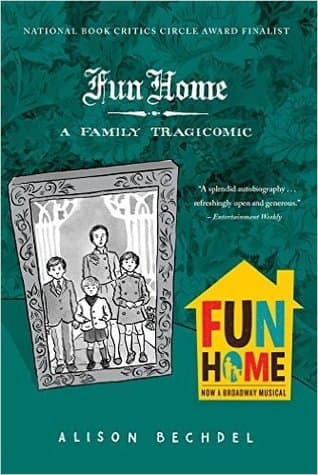
- Fun Home: A Family Tragicomic
Alison Bechdel
4.1 (130k) average on GoodreadsBiographyA graphic memoir exploring complex family dynamics, identity, and the impact of parental figures.
- Persepolis: The Story of a Childhood
Marjane Satrapi
4.3 (158k) average on GoodreadsBiographyA graphic memoir depicting a challenging childhood and political upheaval, focusing on self-discovery.
- The Diary of a Young Girl
Anne Frank
4.2 (2.7M) average on GoodreadsBiographyDuring the Nazi occupation, a teenage girl's diary, written from a secret annex, shares observations on humanity, hope, and the wait for freedom.
- Eat, Pray, Love
Elizabeth Gilbert
3.6 (1.5M) average on GoodreadsLifestyleA heartbroken writer leaves her conventional life for a year-long global search for pleasure in Italy, spiritual devotion in India, and unexpected love and balance in Bali.
- Night
Elie Wiesel
4.3 (970k) average on GoodreadsBiographyIn the darkness of Auschwitz and Buchenwald, a teenage Elie Wiesel faces the extermination of his family, the loss of his faith, and the lasting scars of humanity's deepest cruelty.
- Steve Jobs
Walter Isaacson
4.1 (957k) average on GoodreadsBusinessSteve Jobs was a visionary who fused creativity and technology to revolutionize six industries and shape our digital world.





Enjoyed the summary?
A summary gives you the shape of the book. The book itself has the detail, the examples and the voice.
Find Stitches on AmazonAs an Amazon Associate, BookBrief earns from qualifying purchases. How we're funded