
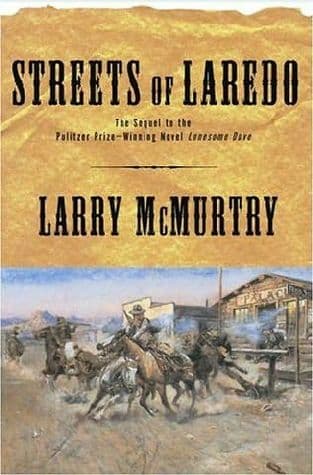
Synopsis
Covers the whole plot, including the ending.
- Difficulty
- Medium
- Pacing
- Moderate
- Mood
- Gritty, Melancholy, Epic, Reflective, Violent
- Read it if
- You want a gritty, realistic Western with complex characters and a strong sense of place, and are a fan of the Lonesome Dove series.
- Skip it if
- You prefer fast-paced action over character development and philosophical musings, or are sensitive to graphic violence.
Streets of Laredo Plot Summary
Covers the whole plot, including the ending.
The Proposal from Denver
The novel opens with Woodrow Call, an old and solitary bounty hunter, living in Texas. Charles Goodnight, a rich railroad owner, offers him a lot of money to find Joey Garza, a young, brutal Mexican bandit who robs trains and kills railroad workers. Call, despite his age and a lifetime of chasing outlaws, takes the job, driven by duty and perhaps a desire for one last hunt. He starts to gather a small, unlikely group for the hard journey into the dangerous frontier.
Assembling the Hunt
Call first recruits Pea Eye Parker, his loyal, simple former friend from the Hat Creek outfit, now a farmer with his wife, Lorena. Pea Eye, though he doesn't want to leave his comfortable life, agrees out of loyalty to Call. They are joined by Ned Stone, a refined man from New York who works for Goodnight and insists on going with Call to record the trip and ensure the bandit's capture. Finally, they pick up Deputy Ted Plunkert, a well-meaning but incompetent young lawman. His lack of experience makes him a problem, but Call lets him join.
Lorena's Journey and the Buffalo Hunters
While Call and his men chase Garza, Lorena, feeling alone and restless, decides to leave Pea Eye and go her own way. She ends up with a group of brutal buffalo hunters led by the cruel Mox Mox, known for scalping. Lorena, tough from her past and surprisingly resilient, finds herself in a dangerous spot, seeing terrible violence and fighting to survive among these ruthless men. Her path differs greatly from Pea Eye's, showing the different lives people led on the frontier.
The First Encounter with Joey Garza
The chase leads Call and his men into Mexico, where they first meet Joey Garza. They find him with his strong mother, Maria, who is as clever and dangerous as her son. The fight is tense and violent, with injuries on both sides. Call is wounded, and Plunkert proves useless, but Garza escapes, showing he is a more elusive and dangerous enemy than expected. This meeting strengthens Call's grim resolve to bring the young bandit to justice, despite the growing cost to him and his small group.
Call's Injury and the Continuing Pursuit
During a later ambush, Joey Garza shoots Call, badly injuring his leg. The wound is serious, threatening Call's life and making the chase very difficult. Despite the pain and Ned Stone's bad prognosis, Call refuses to give up. His legendary stubbornness keeps him going. Pea Eye, always loyal, cares for Call's wound as best he can, and the group continues their hunt, though much slower. Call's injury shows the brutal reality of the frontier and the personal cost of his lifelong dedication to law and order.
Mox Mox's Atrocities and Lorena's Escape
Lorena continues to live a terrible life with Mox Mox and his buffalo hunters. She sees their evil, including their scalping and casual cruelty. Despite the danger, Lorena's inner strength helps her survive. When a chance comes, she makes a daring escape from Mox Mox's camp, showing her resilience and determination to be free. Her escape shows her lasting spirit, even after years of hardship and trauma, and marks a turning point away from a life of being controlled.
The Fate of Deputy Plunkert
Deputy Ted Plunkert, whose clumsy and naive nature has caused frustration and danger, finally dies. In a moment of foolishness, he tries to catch a rattlesnake and is fatally bitten. His death, while sad, comments grimly on the unforgiving nature of the frontier and the dangers faced by those unprepared for it. Plunkert's death emphasizes that only the strongest survive in the wild West, highlighting the contrast with Call's seasoned resilience.
Maria's Vengeance and Ned Stone's Death
Maria, Joey Garza's mother, proves to be a strong and vengeful enemy. She ambushes Call's group, seeking revenge for their pursuit of her son. During this attack, Ned Stone, the cultured man from the East, is brutally killed. His death is a shocking and violent end for a character who seemed out of place in the rugged West, showing the random nature of frontier violence. Maria's actions show her fierce loyalty to her son and her willingness to do extreme things to protect him, further complicating Call's difficult mission.
Call's Final Confrontation with Joey Garza
The chase ends in a final fight between Woodrow Call and Joey Garza. Call, despite his bad leg injury, corners the young bandit. The fight is quick and brutal, with Call killing Joey Garza. However, the win comes at a high cost; Call is severely weakened, and his body is broken. This final act of justice, while completing his mission, marks the physical and emotional end of his career as a lawman, leaving him greatly changed and facing an uncertain future.
Pea Eye and Lorena Reunited
After their separate and hard journeys, Pea Eye Parker and Lorena are reunited. Both have suffered greatly and seen terrible things, but their reunion offers hope and comfort. Lorena, hardened by her time with Mox Mox, is not the same woman who left Pea Eye, but her love for him remains. Their reunion shows a return to a sense of home and stability amidst the chaos of the frontier, highlighting the lasting power of human connection even after great trauma.
Call's Return to Lonesome Dove
With Joey Garza dead and his mission done, a badly wounded and aging Call begins the long, painful journey back to Lonesome Dove. He is with Pea Eye and Lorena, who care for him. During this hard trip, Call has time to think about his long, difficult life, his past with Gus McCrae, and the changing West. His body is failing, but his mind is sharp, grappling with the meaning of his life and his legacy in a world that no longer needs men like him.
The End of an Era
Woodrow Call eventually arrives back in Lonesome Dove, a shadow of his former self, his leg wound infected and his strength fading. He spends his last days thinking about the great changes in the West, the end of the open range, and the taming of the wilderness he once knew. His life, dedicated to a harsh code, now feels like something from a past era. Call's quiet end marks the closing chapter of the romanticized cowboy and lawman, showing the shift from the wild frontier to a more settled, modern world.
Principal Figures
Captain Woodrow F. Call
Protagonist
An aging, stoic, and legendary former Texas Ranger turned bounty hunter.
Call is a man of few words and immense personal integrity, driven by a rigid code of duty and justice. He is fiercely independent, almost pathologically so, and carries the weight of a lifetime of difficult choices and personal sacrifices. His physical prowess is diminished by age, but his will remains unbreakable. He struggles with loneliness and the changing world around him, feeling increasingly out of place. He is haunted by the past, particularly his relationship with Gus McCrae and his son, Newt, though he rarely expresses these feelings openly.
Relationships: Augustus 'Gus' McCrae (Deceased former partner, constant unspoken presence and foil.); Pea Eye Parker (Loyal, long-suffering companion and former subordinate.); Joey Garza (His final, formidable quarry and antagonist.); Newt Call (Deceased son, a source of unspoken regret and sorrow.)
Pea Eye Parker
Supporting
Call's loyal, simple-hearted, and long-suffering former Ranger.
Pea Eye is a kind, unassuming man who values stability and his wife, Lorena, above all else. He is not particularly intelligent or brave, but possesses an unwavering loyalty to Call, often to his own detriment. He yearns for a quiet life but is repeatedly drawn into Call's dangerous pursuits. He represents the common man caught in the epic sweep of the West, often providing a grounded, human perspective amidst the grander struggles. His primary motivation is to return home to Lorena.
Relationships: Captain Woodrow F. Call (His revered, often exasperating, and lifelong leader.); Lorena Wood Parker (His beloved wife, whom he constantly worries about and seeks to protect.)
Joey Garza
Antagonist
A young, ruthless, and highly skilled Mexican bandit.
Joey Garza is a terrifyingly efficient and remorseless killer, driven by a desire for wealth and a complete disregard for human life. He is cunning, resourceful, and possesses an almost supernatural ability to evade capture. Despite his youth, he is already a legend of violence, embodying the new generation of lawlessness that challenges the old order. He has a strong, almost symbiotic relationship with his equally dangerous mother, Maria, and shows no fear, even when facing Call.
Relationships: Captain Woodrow F. Call (His relentless pursuer and ultimate killer.); Maria (His fiercely protective and equally dangerous mother.)
Lorena Wood Parker
Supporting
Pea Eye's resilient and resourceful wife, a survivor of immense trauma.
Lorena is a woman who has endured extraordinary hardship throughout her life, including prostitution and abduction. She is quiet, often withdrawn, but possesses an incredible inner strength and a fierce will to survive. She craves stability and love, and her relationship with Pea Eye offers her a glimpse of a normal life. When abandoned again, she demonstrates her resourcefulness and capacity for self-preservation in the face of extreme danger, highlighting her transformation from a victim to a survivor.
Relationships: Pea Eye Parker (Her loving and devoted husband.); Mox Mox (Her brutal captor and tormentor for a period.)
Ned Stone
Supporting
A cultured, well-educated Easterner accompanying Call to document the hunt.
Ned Stone represents the encroaching 'civilized' world upon the wild West. He is intelligent, articulate, and initially somewhat naive about the harsh realities of the frontier. He is sent by Charles Goodnight to ensure the mission's success and to record the events, acting as an observer and chronicler. Despite his initial detachment, he gradually experiences the brutal truths of the West firsthand, challenging his preconceived notions. He is ultimately a tragic figure, unprepared for the violence he encounters.
Relationships: Captain Woodrow F. Call (His employer's representative and companion on the hunt.); Charles Goodnight (His employer.)
Deputy Ted Plunkert
Supporting
A naive, utterly incompetent, and ultimately tragic young lawman.
Plunkert is a well-meaning but hopelessly out-of-his-depth deputy. He is characterized by his lack of common sense, his excessive talking, and his inability to grasp the dangers of the frontier. He serves as comic relief but also as a stark reminder of the perils faced by those unprepared for the West. His ineptitude constantly puts himself and others in danger, making him a liability rather than an asset to Call's mission. His demise is a poignant, if somewhat darkly humorous, lesson in survival.
Relationships: Captain Woodrow F. Call (His exasperated but somewhat tolerant leader.)
Maria
Supporting
Joey Garza's fiercely protective and equally dangerous mother.
Maria is a formidable and ruthless woman, as dangerous and cunning as her bandit son, Joey Garza. She is fiercely loyal to her family and will stop at nothing to protect Joey, even engaging in direct violence against Call's party. She embodies a primal, vengeful force, rooted in the harsh realities of her life on the borderlands. Her actions are driven by a deep, almost animalistic maternal instinct, making her a formidable and unpredictable adversary for Call.
Relationships: Joey Garza (Her beloved and protected son.); Captain Woodrow F. Call (Her sworn enemy and her son's pursuer.)
Mox Mox
Antagonist
A brutal and sadistic leader of a buffalo hunting and scalp-taking gang.
Mox Mox is a truly monstrous figure, representing the darkest aspects of the frontier. He is characterized by his extreme cruelty, his love of scalping, and his complete lack of human empathy. He leads a gang of equally depraved buffalo hunters and embodies pure, unadulterated evil. His presence in the story highlights the lawless and barbaric elements that existed on the fringes of society, and he poses a grave threat to Lorena during her time with his group. He is a force of chaos and destruction.
Relationships: Lorena Wood Parker (Her brutal captor and tormentor.)
Charles Goodnight
Mentioned
A wealthy and influential railroad magnate who hires Call.
Charles Goodnight is a historical figure, a successful cattleman and businessman. In the novel, he represents the forces of progress and civilization that are taming the West. He hires Call to bring order to his railroad operations, symbolizing the shift from individual justice to corporate interests. Though he appears briefly, his decision to employ Call sets the entire plot in motion, linking the old ways with the new economy. He respects Call's legend but operates from a position of modern power.
Relationships: Captain Woodrow F. Call (His employee for the bounty hunting mission.)
Themes & Insights
The End of the Old West
The novel explores the end of the frontier era, showing Call as an old-timer in a changing world. Railroads, fences, and towns mean civilization is growing, making legendary lawmen and wild spaces outdated. Call's last journey is less about conquering the wilderness and more about his struggle to adapt to, or just survive in, a world that no longer needs his kind of justice. His physical decline matches the fading of the wild West, as he thinks about the changes from open range to settled land on his long trip back to Lonesome Dove.
“It was a fine land once, but it ain't no more. The towns are coming, and the fences. It's all going to be gone.”
Duty, Honor, and Obsession
Woodrow Call is a man defined by his strong sense of duty and strict personal honor. His hunt for Joey Garza is not just a job; it is a moral need, an almost obsessive commitment to justice that goes beyond personal comfort and health. This is clear in his refusal to stop hunting even after being badly hurt by Garza. His relentless drive, however, often costs him personal relationships and a peaceful life, showing the two sides of such strong dedication. His life shows his chosen path, even as it makes him alone.
“A man's word was his bond, and his duty was his life. He had lived by that, and he would die by it.”
The Brutality and Resilience of Life on the Frontier
The novel shows the harsh, unforgiving nature of the American West, where violence is common and survival is a constant fight. Characters like Lorena endure terrible things, from being abandoned to the evil of Mox Mox's gang, yet they find the strength to survive and escape. The deaths of Ned Stone and Deputy Plunkert highlight the random dangers, from human cruelty to nature. This theme shows the physical and mental toll the frontier takes, but also the great strength and adaptability needed to live in such a world, showing how much the human spirit can endure.
“The West was a hard school, and it taught its lessons with a whip.”
Loneliness and Legacy
Call's journey is filled with loneliness, both the physical isolation of his job and the emotional solitude of a man who has outlived his closest friends and his time. He often thinks about Gus McCrae, his dead partner, and the son he never truly accepted, Newt. As he faces his own death, Call thinks about the meaning of his life and what he will leave behind. The vast, empty landscapes he travels through mirror his inner emptiness, showing his struggle to find meaning in a world that is moving on without him, leaving him to consider the final value of his lifelong pursuits.
“He had lived a hard life, and a lonely one, and he wondered if it had been worth the living.”
Plot Devices & Literary Techniques
The Quest
Call's final, arduous pursuit of Joey Garza.
The entire novel is structured around Call's quest to track down and capture Joey Garza. This traditional narrative device drives the plot forward, providing a clear objective for the protagonist. However, it's not merely a physical journey; it's also a metaphorical quest for Call to reaffirm his purpose in a changing world and to confront his own mortality. The difficulties and detours encountered along the way serve to test Call's resolve and highlight the harsh realities of the dwindling frontier, elevating the quest beyond a simple manhunt.
Parallel Journeys
The simultaneous but separate journeys of Call's group and Lorena.
The narrative employs parallel journeys, following Call's pursuit of Garza while simultaneously depicting Lorena's struggle for survival after leaving Pea Eye. This device allows McMurtry to explore different facets of the frontier experience: Call's journey represents the dying code of the lawman, while Lorena's embodies the brutal resilience required by ordinary individuals. The occasional convergence and eventual reunion of these paths highlight the interconnectedness of lives in the vast West and underscore the theme of survival and the human cost of the era.
The Anti-Hero Antagonist
Joey Garza as a ruthless but compelling figure.
Joey Garza functions as an anti-hero antagonist. While undeniably cruel and violent, he is not a mustache-twirling villain. He is presented as a product of his harsh environment, incredibly skilled, and possessing a primal loyalty to his mother. His youth and effectiveness make him a formidable challenge to the aging Call, representing a new, more chaotic form of lawlessness that is harder to contain. This portrayal adds complexity to the conflict, making Call's pursuit less about pure good versus evil and more about the clash of different codes and eras.
The Fading Legend
Call as a living legend grappling with his own decline and the end of his era.
Call is presented as a legendary figure whose reputation precedes him, but the narrative constantly reminds the reader of his age and physical decline. This device emphasizes the theme of the end of the Old West, as Call's fading strength mirrors the fading of the frontier itself. His struggle to complete his mission, despite his injuries, reinforces his legendary status while simultaneously humanizing him, showing the immense personal cost of such a life. It forces him and the reader to confront the reality that even legends must eventually face their end.
Streets of Laredo Quotes
“It ain't easy, being a cowboy. It ain't even easy being a man.”
“The only thing worse than being shot, is being shot and not dying.”
“He had ridden too long in the saddle of his own will.”
“Some things, once done, can never be undone. You just have to live with them.”
“A man could ride a long way and still not ride away from himself.”
“The wind was always blowing, and the dust was always rising.”
“He had seen enough dying to know that it was never neat and seldom quick.”
“Most men died of loneliness, not bullets.”
“There was a lot of country to cross, and not much time to cross it.”
“He felt the years on him like a heavy blanket, full of dust and memories.”
“It was hard to know what was right and what was wrong when you were just trying to survive.”
“The past was a road you couldn't travel back on, no matter how much you wished to.”
“He had done his duty, and that was all a man could do.”
“The world was full of surprises, mostly bad ones.”
Quiz
10 questions on the plot and the characters. Each answer comes with a short explanation.
Question 1
Who hires Captain Woodrow Call to track down the brutal young Mexican bandit?
- The Texas Rangers
- A wealthy rancher seeking revenge
- A railroad company official
- The U.S. Army
Show answer
C. A railroad company official Captain Call is hired by a railroad company official to hunt down the bandit Joey Garza, who has been preying on their trains.
Question 2
Which character from the original Hat Creek outfit accompanies Call on his bounty hunting expedition?
- Newt Call
- Pea Eye Parker
- Deets
- Jake Spoon
Show answer
B. Pea Eye Parker Pea Eye Parker, a loyal member of the Hat Creek outfit, rides with Call on this final adventure.
Question 3
What is the name of the 'hellhole' town the group encounters during their chase?
- Rattlesnake Gulch
- Crow Town
- Scorpion Pass
- Vulture's Roost
Show answer
B. Crow Town The narrative explicitly mentions 'Crow Town' as a significant, dangerous location during their pursuit of the bandit.
Question 4
What is the primary motivation for the young Mexican bandit, Joey Garza, in his criminal activities?
- Political rebellion against the Mexican government
- Personal vendetta against Captain Call
- Greed and a love for violence
- To provide for his impoverished family
Show answer
C. Greed and a love for violence Joey Garza is depicted as a ruthless individual driven by a desire for wealth and a callous enjoyment of violence, rather than a deeper political or familial motive.
Question 5
How does Pea Eye Parker's wife, Lorena, react to his decision to join Call on this dangerous mission?
- She encourages him, seeing it as a last adventure.
- She is deeply distressed and tries to prevent him from going.
- She remains indifferent, accustomed to his wanderings.
- She decides to accompany him, disguised as a man.
Show answer
B. She is deeply distressed and tries to prevent him from going. Lorena is portrayed as having a strong aversion to Pea Eye's continued involvement in dangerous expeditions and expresses significant distress at his departure.
Question 6
What significant physical injury does Captain Call sustain during his pursuit of the bandit?
- He loses an eye in a knife fight.
- He is shot in the leg, leading to a severe amputation.
- He suffers a debilitating head injury.
- His arm is broken in a fall, rendering it useless.
Show answer
B. He is shot in the leg, leading to a severe amputation. Call is shot in the leg by Joey Garza, an injury that eventually necessitates the amputation of his leg, profoundly impacting his final days.
Question 7
What role does the character Mox Mox play in the narrative?
- He is a loyal Comanche scout who aids Call.
- He is a notorious killer and associate of Joey Garza.
- He is the corrupt sheriff of Crow Town.
- He is a kindly doctor who treats Call's injuries.
Show answer
B. He is a notorious killer and associate of Joey Garza. Mox Mox is a particularly brutal and infamous character, known for his gruesome acts, who is connected to Joey Garza's criminal enterprise.
Question 8
A recurring theme in 'Streets of Laredo' is the changing nature of the American West. How does Call's journey reflect this theme?
- He finds vast, untouched wilderness, reinforcing the idea of an endless frontier.
- He encounters increasing signs of civilization, railroads, and the decline of the traditional cowboy way of life.
- His journey is primarily focused on preserving the old ways of the West.
- He becomes a proponent for modern industrial development in the West.
Show answer
B. He encounters increasing signs of civilization, railroads, and the decline of the traditional cowboy way of life. The book vividly portrays the encroaching modernity—represented by railroads and settlements—and the fading of the wild, untamed West that Call once knew, making him a relic of a bygone era.
Question 9
What is the ultimate fate of Captain Woodrow Call at the end of 'Streets of Laredo'?
- He settles down with Lorena and Pea Eye to live a peaceful life.
- He dies peacefully after a long, arduous journey back to Texas.
- He becomes a reclusive hermit in the mountains.
- He is killed in a final shootout with a rival bounty hunter.
Show answer
B. He dies peacefully after a long, arduous journey back to Texas. After a long and painful journey following his injury, Call eventually dies and is buried in a quiet, unassuming manner, bringing his legendary life to a somber close.
Question 10
How does the novel explore the theme of legacy, particularly concerning the legendary figures of the West like Call?
- It suggests that their legacies are universally celebrated and remembered accurately.
- It portrays their legacies as often misunderstood, romanticized, and ultimately fading with the changing times.
- It argues that the West needs new, modern heroes to replace the old ones.
- It focuses on how their actions directly shaped the modern political landscape of Texas.
Show answer
B. It portrays their legacies as often misunderstood, romanticized, and ultimately fading with the changing times. 'Streets of Laredo' often reflects on the mythologizing of figures like Call, contrasting the grand legends with the harsh, often lonely realities of their declining years and the diminishing relevance of their 'heroic' deeds in a changing world.
Streets of Laredo FAQ
What is the central premise of 'Streets of Laredo' and how does it connect to 'Lonesome Dove'?
'Streets of Laredo' follows an aging Captain Woodrow Call, now a bounty hunter, as he pursues the ruthless young Mexican bandit, Joey Garza. It serves as the final installment in the 'Lonesome Dove' tetralogy, depicting Call's last great adventure and the twilight of the Old West, contrasting his legendary past with the harsh realities of a changing frontier.
Who is Joey Garza and what makes him such a formidable antagonist?
Joey Garza is a young, exceptionally cruel and cunning Mexican bandit who specializes in robbing trains and killing with cold indifference. His youth, lack of empathy, and proficiency with a rifle make him a terrifying and unpredictable adversary, embodying the new breed of lawless individuals emerging in the fading West, starkly different from the 'honorable' outlaws of Call's era.
What role does Pea Eye Parker play in this story, and how has he changed since 'Lonesome Dove'?
Pea Eye Parker, one of the last remaining members of the Hat Creek outfit, reluctantly accompanies Call on his hunt for Joey Garza. He is older, more settled with Lorena, and increasingly weary of Call's relentless pursuit of duty and danger. Pea Eye serves as a foil to Call's stoicism, often questioning the purpose of their journey and longing for the comforts of home.
Who are the new characters introduced in Call's posse, and what do they bring to the narrative?
Call's posse includes Mox Mox, a dangerous and somewhat insane tracker who has a history with Joey Garza, and Ned Stone, an inexperienced but well-meaning Eastern city slicker who serves as a deputy. They represent the diverse and often ill-suited individuals drawn into the harsh realities of the frontier, highlighting the decline in the quality of men available for such perilous tasks.
What significant personal loss does Call experience early in the book, and how does it affect him?
Call suffers a devastating injury early in his pursuit of Joey Garza, losing both of his legs. This profound physical loss is a major turning point, forcing the once-indomitable ranger to confront his own mortality and dependence. It symbolizes the breaking of the legendary figure and the end of his physical prowess, forcing him to rely on others.
How does Lorena Parker (formerly Wood) contribute to the story, and what is her relationship with Pea Eye?
Lorena, now married to Pea Eye and a schoolteacher, represents stability and civilization, contrasting sharply with Call's itinerant life. She eventually leaves her comfortable life to search for Pea Eye, driven by a deep love and concern for him. Her journey highlights the sacrifices made by women on the frontier and her unwavering loyalty to Pea Eye.
What is the significance of Crow Town in the narrative?
Crow Town is depicted as a lawless, squalid settlement, a haven for outlaws and desperate individuals. It serves as a grim reflection of the decaying frontier, embodying the moral and social decay that has taken hold in places beyond the reach of law and order. It is a place where violence and despair are rampant, a far cry from the more romanticized towns of earlier Westerns.
How does the character of Mox Mox foreshadow the dangers and brutality of the new West?
Mox Mox, with his past as a scalp hunter and his unpredictable, violent nature, embodies the extreme brutality that Call's generation often overlooked or suppressed. His presence in Call's posse, and his eventual betrayal, highlights the moral degradation and the rise of truly remorseless individuals, signaling a bleaker future for the frontier.
Are there any subtle callbacks or references to Gus McCrae in 'Streets of Laredo'?
While Gus McCrae is deceased, his presence is felt through Call's memories and his continued, unspoken influence. Call often reflects on Gus's wisdom, his love for adventure, and his contrasting worldview. The entire journey can be seen as Call's final act, perhaps subconsciously fulfilling a legacy that Gus would have understood, even if Call himself doesn't articulate it.
How does Call's stoicism and sense of duty evolve or break down in 'Streets of Laredo'?
Call's stoicism remains largely intact, but it is deeply tested by his physical incapacitation and the futility of his pursuit. While he never fully breaks, his reliance on others and his quiet contemplation of his past reveal a chink in his legendary armor. He shows moments of profound weariness and regret, particularly regarding his relationship with Newt.
What psychological impact does Joey Garza's sheer amorality have on the characters who pursue him?
Joey Garza's complete lack of remorse and his casual brutality are deeply disturbing to Call and his companions. He represents a new kind of evil that transcends the rough-and-tumble outlaws of the past. This amorality forces the older characters to confront a world where traditional codes of honor and justice no longer apply, leading to despair and a questioning of their own values.
Discuss the psychological burden Pea Eye carries due to his loyalty to Call versus his desire for a peaceful life.
Pea Eye is torn between his ingrained loyalty and affection for Call, which stems from decades of shared experience, and his profound desire for a quiet life with Lorena. This internal conflict causes him significant distress, manifesting in his constant complaining and his deep-seated fear of death, highlighting the emotional toll of following a legendary but ultimately destructive figure.
How does the novel explore the theme of regret, particularly through Call's reflections?
Call's reflections, especially after his injury, are heavily laden with regret, most notably concerning his son, Newt. He acknowledges his failures as a father and the emotional distance he maintained, a stark contrast to Gus's open affection. These moments reveal a softer, more human side to the legendary ranger, showing the profound cost of his lifelong dedication to duty.
Is 'Streets of Laredo' ultimately a story of heroism or a tragic deconstruction of the Western hero myth?
'Streets of Laredo' is arguably more a tragic deconstruction. While Call displays immense resilience, his journey is marked by futility, suffering, and the dismantling of his physical prowess. The 'heroism' is overshadowed by the grim reality of the changing West, suggesting that the era of legendary figures is over and their continued pursuit of old ways leads only to pain and obsolescence.
How does the novel portray the decline of the Old West?
The novel vividly portrays the decline of the Old West through several lenses: the aging and physical debilitation of its legendary figures like Call, the rise of a new, more ruthless breed of outlaw like Joey Garza, and the moral decay seen in places like Crow Town. The vast, untamed wilderness is shrinking, and the romantic ideals of the frontier are being replaced by harsh, often brutal realities.
What is the significance of the ending for Captain Call?
The ending sees Call, severely crippled and dependent, finally giving up his relentless pursuit and finding a measure of peace, albeit a painful one. His final moments, often spent in quiet contemplation, signify the end of his active life and the passing of his era. It's a poignant conclusion to a life defined by duty, acknowledging both his legacy and his profound human cost.
Does the novel offer any hope for the future of the characters or the West?
Hope in 'Streets of Laredo' is sparse and often personal. Lorena and Pea Eye find a semblance of peace and stability, suggesting that domesticity and love can endure. However, for the broader 'West' as Call knew it, the future is depicted as bleak, marked by lawlessness and the fading of heroic ideals, offering little societal optimism but perhaps individual solace.
How does the author use the landscape to reflect the changing themes of the story?
The vast, relentless plains and harsh landscapes mirror Call's internal struggles and the unforgiving nature of the changing West. Initially, the landscape is a backdrop for adventure, but as the story progresses, it becomes a symbol of the characters' weariness, the futility of their journey, and the indifferent, often cruel forces that dominate their lives. The wildness is still present, but it feels less inviting, more desolate.
About the author
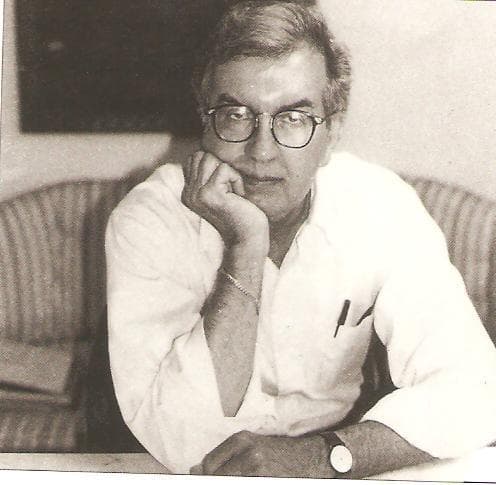
Larry Jeff McMurtry was an American novelist, essayist, prominent book collector, bookseller and screenwriter whose work was predominantly set in either the Old West or contemporary Texas. His novels included Horseman, Pass By (1962), The Last Picture Show (1966), and Terms of Endearment (1975), which were adapted into films. Films adapted from McMurtry's works earned 34 Oscar nominations.
Similar books
- Lonesome Dove
Larry McMurtry
4.5 (149k) average on GoodreadsHistorical FictionIt is the direct prequel and part of the same tetralogy, sharing characters and thematic depth.
- Blood Meridian
Cormac McCarthy
4.2 (227k) average on GoodreadsFictionExplores the extreme violence and moral desolation of the American West with a similar unflinching prose.
- True Grit
Charles Portis
4.1 (44k) average on GoodreadsHistorical FictionFeatures a relentless pursuit of an outlaw across the frontier with a distinct voice and memorable characters.
- To Kill a Mockingbird
Harper Lee
4.3 (4.5M) average on GoodreadsHistorical FictionIn the 1930s Jim Crow South, Harper Lee writes about racial injustice, moral growth, and the quiet courage of a lawyer father, Atticus Finch, as seen through his young daughter's eyes.
- The Great Gatsby
F. Scott Fitzgerald
3.9 (3.8M) average on GoodreadsHistorical FictionIn the opulent Roaring Twenties, a mysterious millionaire's lavish parties hide his desperate, tragic pursuit of a lost love, exposing the emptiness within the American Dream.
- Pride and Prejudice
Jane Austen
4.3 (3M) average on GoodreadsHistorical FictionIn a society focused on status and money, Elizabeth Bennet navigates love and pride, challenging Mr. Darcy and social expectations to find true affection.




Enjoyed the summary?
A summary gives you the shape of the book. The book itself has the detail, the examples and the voice.
Find Streets of Laredo on AmazonAs an Amazon Associate, BookBrief earns from qualifying purchases. How we're funded