

Synopsis
Covers the whole plot, including the ending.
- Difficulty
- Medium
- Pacing
- Moderate
- Mood
- Melancholy, Reflective, Intimate, Hopeful
- Read it if
- You enjoy character-driven literary fiction exploring themes of alienation, family estrangement, and the search for meaning in a modern American setting, with a focus on interiority and relationships.
- Skip it if
- You prefer fast-paced plots, clear-cut resolutions, or stories with minimal introspection and philosophical digressions.
Sunset Park Plot Summary
Covers the whole plot, including the ending.
The Hospital for Broken Things
Miles Heller, a man in his late twenties, works for a "trash-out" company in southern Florida, clearing out foreclosed homes. He photographs the abandoned personal items he finds, building a large collection of lost lives. Miles lives alone, separated from his wealthy parents, Morris Heller (a publisher) and Mary-Lee Swann (an actress), after a traumatic incident seven years earlier involving his step-brother, Bobby. Bobby died in a car accident while Miles was driving, leading to Miles's self-imposed exile and guilt. He has a relationship with Pilar Sanchez, a seventeen-year-old high school student, knowing it is risky due to her age and his own legal vulnerability.
A Life in Exile and a Forbidden Love
Miles's relationship with Pilar Sanchez becomes more serious, despite his internal conflict about her age. He feels a connection and purpose with her, but his past and the illegality of their relationship are a constant worry. Miles constantly fears being discovered and the possible consequences, especially from Pilar's family. He avoids contact with his parents, despite their attempts to reach him, clinging to his self-imposed penance for Bobby's death. His work photographing the remains of broken lives in foreclosed homes reflects his own fractured existence.
The Call to Brooklyn
Pilar's family eventually learns about her relationship with Miles, leading to a confrontation. Fearing legal trouble and further harm to Pilar, Miles decides to leave Florida. He realizes he cannot stay with Pilar and must disappear to protect her. With nowhere else to go and no desire to reconnect with his parents, Miles thinks of his old friend, Bing Nathan, who lives in Brooklyn. He heads to New York City, hoping to find refuge and an anonymous life, though still shadowed by his past mistakes.
Arrival at Sunset Park
Miles arrives in Brooklyn and contacts his old friend, Bing Nathan, who is squatting in an abandoned house in Sunset Park with a small group of artists and thinkers. Bing, a struggling artist and repairman, welcomes Miles, offering him a place to stay. Miles meets the other residents: Ellen, a painter; Alice, a graduate student studying sociology; and later, the elderly and mysterious Stanley, who becomes a mentor. The house, called 'The Hospital for Broken Things' by Bing, is a safe place for its residents, where they try to fix not only objects but also their own broken lives during the economic downturn.
Life in the Squat
Miles adjusts to life in the Sunset Park squat. He shares parts of his story with his new housemates, though he leaves out the full details of his past and his relationship with Pilar. He finds a strange comfort in the shared poverty and intellectual discussions, especially with Alice, who is writing a thesis on crowd psychology. Miles starts working odd jobs, often helping Bing with his repair business. The house becomes a temporary sanctuary, letting him escape the immediate pressures of his past, but the underlying anxieties of his life and his connection to Pilar remain strong.
The Ghosts of the Past and Present
Despite the relative calm of the squat, Miles is still troubled by Bobby's death and his separation from Pilar. He often thinks of Pilar, wondering about her well-being and the results of their relationship. The economic crisis and the foreclosure stories he heard in Florida echo the instability of their own lives in the squat. Miles finds a shared understanding with Stanley, the elderly resident, who shares his own experiences of loss and disappointment. Miles's photographs from Florida become a topic of discussion among the housemates, symbolizing the larger societal breakdown.
Morris Heller's Struggles
Meanwhile, Miles's father, Morris Heller, an independent publisher, struggles with the severe impact of the 2008 economic collapse on his business. His publishing house is close to bankruptcy, and he tries desperately to keep it going. His marriage to Mary-Lee Swann, Miles's mother, is also strained, partly due to their son's disappearance and the unresolved grief over Bobby's death. Morris worries about Miles, believing his son is still punishing himself for the accident. He continues to search for Miles, using a private investigator, hoping for a reconciliation before it is too late.
Mary-Lee's Return to the Stage
Miles's mother, Mary-Lee Swann, a famous actress, prepares for a return to Broadway after a long break. Her career comeback brings both excitement and anxiety, as she deals with performance pressures and the lingering pain of her family's broken state. Mary-Lee carries her own burden of guilt and grief over Bobby's death and Miles's disappearance. She wants her son to return, believing his presence is essential for the family to heal. Her artistic pursuits become a way to express her complex emotions.
The Threat of Discovery
Miles's past begins to catch up with him. Pilar's family, having learned Miles's identity, contacts his parents, Morris and Mary-Lee, informing them of the situation and the possible legal trouble Miles could face. This revelation intensifies Morris's search for his son. At the same time, the squatters receive an eviction notice, threatening their fragile home. The residents rush to find solutions, but the impending loss of their home adds another layer of instability to their already uncertain lives. Miles feels trapped, both by his personal past and their shared present.
The Confrontation and the Future
Morris and Mary-Lee's private investigator finally finds Miles at the Sunset Park squat. A tense and emotional reunion occurs, where Miles confronts his parents' pain and their wish for him to come home. The truth about Pilar and the legal implications are discussed. Miles is torn between his loyalty to the squatters and the chance to mend his family relationships. The novel ends with Miles making a difficult decision, choosing to leave the squat and return with his parents, facing the consequences of his actions and the long road to reconciliation, while the squatters' fate remains uncertain.
Principal Figures
Miles Heller
Protagonist
A guilt-ridden young man living in self-imposed exile.
Miles Heller is a sensitive, intelligent young man in his late twenties, haunted by the death of his step-brother, Bobby, in a car accident for which he blames himself. He lives in self-imposed exile, estranged from his wealthy and famous parents, Morris Heller and Mary-Lee Swann. Miles works menial jobs, first as a 'trash-out' worker in Florida, meticulously photographing abandoned objects, and later finding refuge in a Brooklyn squat. He is deeply introspective, burdened by guilt, and seeks anonymity as a form of penance. His relationship with Pilar, a minor, further complicates his moral landscape.
Relationships: Morris Heller (Estranged son); Mary-Lee Swann (Estranged son); Pilar Sanchez (Forbidden romantic partner); Bing Nathan (Childhood friend and current housemate); Ellen (Housemate); Alice (Housemate and intellectual confidante); Stanley (Elderly housemate and mentor figure)
Morris Heller
Supporting
Miles's father, a struggling independent publisher.
Morris Heller is Miles's father, a dedicated but financially struggling independent publisher. He is a man of intellectual integrity, deeply affected by the economic crisis of 2008, which threatens his life's work. Morris is consumed by worry and grief over Miles's disappearance and the unresolved tragedy of Bobby's death. He desperately seeks to find Miles, believing that his son's return is crucial for the family's healing and for his own peace of mind. He represents the older generation grappling with both personal loss and societal collapse.
Relationships: Miles Heller (Estranged father); Mary-Lee Swann (Husband); Bobby (Step-father (Bobby was Mary-Lee's son from a previous relationship))
Mary-Lee Swann
Supporting
Miles's mother, a celebrated actress returning to the stage.
Mary-Lee Swann is Miles's mother, a renowned actress preparing for a Broadway comeback. Elegant and resilient, she carries the profound grief of losing her son Bobby and the subsequent estrangement from Miles. Her artistic endeavors are intertwined with her personal pain, serving as both an escape and a means of expression. She longs for her family to be whole again and actively participates in the search for Miles, believing that his return is essential for their collective healing. She embodies the resilience and vulnerability of an artist facing personal and professional challenges.
Relationships: Miles Heller (Estranged mother); Morris Heller (Wife); Bobby (Son (from a previous relationship))
Pilar Sanchez
Supporting
A seventeen-year-old high school student who falls in love with Miles.
Pilar Sanchez is a vibrant and intelligent seventeen-year-old high school student from Florida who enters into a relationship with Miles Heller. She provides Miles with a sense of connection and purpose, temporarily pulling him out of his solitude. Despite the age difference and the inherent risks, Pilar genuinely cares for Miles. Her discovery by her family ultimately forces Miles to flee, setting the main plot in motion. She represents the innocent, yet complicated, catalyst for Miles's journey.
Relationships: Miles Heller (Forbidden romantic partner)
Bing Nathan
Supporting
Miles's childhood friend and the leader of the Sunset Park squat.
Bing Nathan is Miles's childhood friend, a struggling artist, and the de facto leader of the Sunset Park squat. He operates 'The Hospital for Broken Things,' a repair shop for discarded objects, symbolizing his own attempts to mend broken lives and things. Bing is generous, loyal, and philosophical, providing Miles with a haven when he arrives in Brooklyn. He represents the communal spirit and the resilience of those marginalized by society, trying to create a meaningful existence outside conventional structures.
Relationships: Miles Heller (Childhood friend and housemate); Ellen (Housemate); Alice (Housemate)
Ellen
Supporting
An aspiring painter and resident of the squat.
Ellen is one of the residents of the Sunset Park squat, an aspiring painter who works as a waitress to support herself. She is observant and somewhat reserved, often commenting on the dynamics within the house. Her art is a means of processing her experiences and the world around her. She represents the artistic struggle and the search for meaning amidst economic hardship, finding a fragile community in the squat.
Relationships: Miles Heller (Housemate); Bing Nathan (Housemate); Alice (Housemate)
Alice
Supporting
A sociology graduate student researching the psychology of crowds.
Alice is another resident of the Sunset Park squat, a graduate student working on a thesis about the psychology of crowds. She is intelligent, analytical, and articulate, often engaging in deep philosophical discussions with Miles and the others. Her academic pursuits provide an intellectual framework for understanding their own precarious existence and the broader societal issues. She represents the intellectual curiosity and critical thinking that thrives even in marginalized environments.
Relationships: Miles Heller (Housemate and intellectual confidante); Bing Nathan (Housemate); Ellen (Housemate)
Stanley
Supporting
An elderly, enigmatic resident of the squat, offering wisdom and perspective.
Stanley is the elderly, enigmatic resident of the Sunset Park squat, a quiet man who occasionally offers profound insights and observations. He has lived a long and varied life, and his presence adds a layer of wisdom and historical perspective to the group. He becomes a mentor figure to Miles, sharing his own experiences of loss and disillusionment. Stanley represents the enduring human spirit and the quiet dignity found in old age, even amidst hardship.
Relationships: Miles Heller (Housemate and mentor figure); Bing Nathan (Housemate); Ellen (Housemate); Alice (Housemate)
Bobby
Mentioned
Miles's deceased step-brother, whose death is the catalyst for Miles's guilt.
Bobby is Miles's step-brother, Mary-Lee Swann's son from a previous marriage, who died in a car accident while Miles was driving. Although never directly appearing in the narrative, Bobby's death is the central traumatic event that shapes Miles's life, leading to his self-imposed exile and profound guilt. He serves as a powerful symbol of loss, responsibility, and the lingering effects of tragedy on a family.
Relationships: Miles Heller (Step-brother); Mary-Lee Swann (Son); Morris Heller (Step-son)
Themes & Insights
Guilt and Atonement
The novel explores Miles Heller's deep guilt over his step-brother Bobby's death and his subsequent self-imposed exile as a form of atonement. His work photographing abandoned objects in Florida (Plot Summary 1) can be seen as a ritual to acknowledge loss, reflecting his own unresolved grief. His reluctance to reconnect with his family (Plot Summary 2) and his choice of a precarious, anonymous life (Plot Summary 4) directly show his desire to punish himself. The eventual confrontation with his parents (Plot Summary 10) marks the start of his journey towards true atonement, moving beyond self-punishment to active reconciliation.
“He had done his best to disappear, to make himself small and invisible, to be nowhere and no one, and for seven years he had largely succeeded.”
Loss and Abandonment
Loss and abandonment appear throughout the story, both personally and societally. Miles's initial work in Florida involves documenting the abandoned possessions of evicted families (Plot Summary 1), which symbolizes the widespread human cost of the 2008 economic collapse. Personally, Miles experiences the loss of his step-brother, the abandonment of his family, and the forced separation from Pilar (Plot Summary 3). The Sunset Park squat itself (Plot Summary 4) is a refuge for people who feel abandoned or disconnected from mainstream society. The characters often deal with what they have lost, whether it is a home, a loved one, or a sense of stability.
“He was a ghost among ghosts, surrounded by the remnants of lives that no longer existed.”
Family Disintegration and Reconciliation
The Heller family is a central focus, showing the deep breakdown caused by tragedy and unresolved grief. Miles's separation from Morris and Mary-Lee (Plot Summary 2) after Bobby's death leaves a significant wound in their lives. Morris's desperate search for Miles (Plot Summary 7) and Mary-Lee's desire for her son to return (Plot Summary 8) highlight the lasting pain and the wish for healing. The novel builds towards the difficult, yet necessary, confrontation and the tentative steps towards reconciliation (Plot Summary 10), suggesting that true healing requires facing the past, no matter how painful.
“A son was missing, and the silence had been eating away at them for years.”
The American Dream in Crisis
Set during the 2008 economic collapse, the novel clearly shows the shattering of the American Dream. Miles's job clearing out foreclosed homes in Florida (Plot Summary 1) directly illustrates the widespread financial ruin and the loss of once-stable lives. Morris Heller's struggling publishing business (Plot Summary 7) further shows the economic downturn's impact on established institutions. The Sunset Park squat (Plot Summary 4), where young people live outside conventional society, represents a response to this crisis—a search for alternative communities and ways of living when traditional paths are no longer possible. The novel critiques the fragility of prosperity and the human cost of economic instability.
“All those lives, all those dreams, swept away by the tide of debt and broken promises.”
Art and Repair
The novel explores art as a way to process trauma, understand the world, and even repair. Miles's obsessive photography of abandoned objects (Plot Summary 1) is an artistic effort to document and remember loss, giving a voice to the voiceless. Bing's 'Hospital for Broken Things' (Plot Summary 4) literally repairs discarded objects, but also metaphorically serves as a place where broken lives can find temporary mending and community. Ellen's painting (Character: Ellen) and Mary-Lee's return to acting (Plot Summary 8) are other examples of characters using artistic expression to navigate their pain and find meaning, suggesting that creativity can be a strong force for resilience and healing.
“Broken things, he thought, were merely things that had forgotten how to be whole.”
Plot Devices & Literary Techniques
The Hospital for Broken Things (Literal and Metaphorical)
A repair shop and a squat that symbolizes mending and refuge.
This device functions on multiple levels. Literally, it's Bing Nathan's repair business and the name the squatters give to their shared home in Sunset Park (Plot Summary 4). Metaphorically, it represents a place where discarded objects—and by extension, broken lives and spirits—can find a temporary haven and a chance at repair. It highlights the novel's themes of loss, resilience, and the search for community among those marginalized by society. It's where Miles finds temporary solace and a sense of belonging, and where the characters attempt to piece together their fractured existences.
Miles's Photographs of Abandoned Objects
A visual archive of loss that reflects Miles's internal state and societal collapse.
Miles's obsessive photography of abandoned personal effects in foreclosed homes (Plot Summary 1) serves as a powerful visual motif. These photographs are not just a record of economic devastation but also a mirror to Miles's own sense of abandonment and his guilt over Bobby's death. The act of documenting these forgotten objects is a form of silent witness and a ritualistic act of remembrance, connecting his personal trauma to a broader societal crisis. They provide a concrete manifestation of the theme of loss and the human cost of the economic downturn.
The 2008 Economic Collapse
The pervasive backdrop that shapes characters' circumstances and motivations.
The 2008 economic collapse is not just a setting but a crucial plot device that drives many of the characters' circumstances and motivations. It directly causes the foreclosures Miles works on in Florida (Plot Summary 1), threatens Morris Heller's publishing business (Plot Summary 7), and contributes to the precarious living situations of the squatters in Sunset Park (Plot Summary 4). This pervasive crisis amplifies the novel's themes of loss, precarity, and the fragility of the American Dream, creating an atmosphere of uncertainty and desperation that forces characters to confront their vulnerabilities and seek new ways of living.
The Film 'The Best Years of Our Lives'
A recurring cultural reference that parallels the characters' struggles with reintegration.
The 1946 film 'The Best Years of Our Lives,' about WWII veterans struggling to reintegrate into civilian life, is a recurring reference and point of discussion among the squatters. This film serves as an intertextual device, drawing parallels between the veterans' post-war trauma and the characters' own struggles with loss, displacement, and the difficulty of finding their place in a broken world. It offers a historical lens through which to view contemporary anxieties, suggesting that the challenges of adaptation and healing are timeless, whether after a war or an economic crisis.
Sunset Park Quotes
“The past is a country we can never return to. But it is also a country that never entirely leaves us.”
“Every man is an island, but some islands are connected by bridges.”
“You can spend your whole life trying to get away from your family, but in the end, you always come back to them.”
“Books are not just stories; they are worlds. And sometimes, the only way to survive in this world is to escape into another.”
“We are all strangers in a strange land, even when we are in our own homes.”
“The greatest tragedy in life is not death, but life without meaning.”
“Love is not a choice; it is a destiny.”
“There are some things you can never outrun, no matter how fast you go.”
“Every secret has a life of its own, and sometimes it grows larger than the person who keeps it.”
“The city is a living thing, always changing, always breathing, always devouring.”
“Sometimes the only way to move forward is to let go of everything you thought you were.”
“The absence of something can be as powerful as its presence.”
“We live in the space between what we want and what we get.”
“There's a point where you stop running and start standing your ground, no matter what.”
Quiz
10 questions on the plot and the characters. Each answer comes with a short explanation.
Question 1
What is Miles Heller's primary job in southern Florida at the beginning of the novel?
- A real estate agent selling foreclosed homes
- A trash-out worker clearing abandoned properties
- A photographer documenting the economic crisis
- A construction worker building new homes
Show answer
B. A trash-out worker clearing abandoned properties Miles works as a trash-out worker, clearing out houses left behind by evicted families, which is where he photographs the abandoned objects.
Question 2
What is the name of the place in Brooklyn where the young people, including Miles, are squatting?
- Greenpoint Loft
- Williamsburg Warehouse
- Sunset Park apartment
- Bushwick Studio
Show answer
C. Sunset Park apartment The squatters, including Miles, reside in an apartment in the Sunset Park neighborhood of Brooklyn, giving the novel its title.
Question 3
What is the name of the establishment that specializes in repairing broken artifacts, where Miles's friend Bing works?
- The Relic Restoration Center
- The Museum of Found Objects
- The Hospital for Broken Things
- The Antiquity Emporium
Show answer
C. The Hospital for Broken Things Bing works at 'The Hospital for Broken Things,' a unique establishment that repairs and restores abandoned or broken artifacts, reflecting a theme of mending what is lost.
Question 4
What significant event in American history serves as the backdrop for the novel's timeline?
- The Dot-com Bubble Burst of 2000
- The 2008 economic collapse
- The September 11th attacks
- The Gulf War
Show answer
B. The 2008 economic collapse The novel is explicitly set during the 'dark months of the 2008 economic collapse,' which deeply influences the characters' circumstances and the prevalence of abandoned homes.
Question 5
What is the primary reason Miles Heller initially left New York and estranged himself from his family?
- He was involved in a serious car accident that killed his stepbrother.
- He stole money from his father's publishing business.
- He was responsible for the death of his stepbrother, Bobby, in a swimming pool accident.
- He had a falling out with his father over his career choices.
Show answer
C. He was responsible for the death of his stepbrother, Bobby, in a swimming pool accident. Miles has been living in self-imposed exile for years due to the guilt and trauma from a childhood accident where his stepbrother, Bobby, drowned while Miles was supervising him.
Question 6
What is the profession of Miles's father, David Heller?
- A celebrated Broadway actor
- An independent publisher
- A university professor
- A successful architect
Show answer
B. An independent publisher David Heller is an independent publisher who is struggling to save his business amidst the economic downturn, a point of significant stress for him and his wife.
Question 7
Which classic film is frequently referenced and discussed by the characters, particularly Miles, serving as a thematic touchstone?
- Casablanca
- It's a Wonderful Life
- The Best Years of Our Lives
- Citizen Kane
Show answer
C. The Best Years of Our Lives William Wyler's 1946 film, 'The Best Years of Our Lives,' about soldiers returning from WWII, is a recurring motif, reflecting themes of loss, readjustment, and finding meaning after trauma.
Question 8
What does Miles Heller obsessively photograph while working as a trash-out worker?
- The empty houses themselves
- The new families moving into the homes
- Thousands of abandoned objects left behind by evicted families
- The financial documents of the foreclosures
Show answer
C. Thousands of abandoned objects left behind by evicted families Miles's photography project involves documenting the 'thousands of abandoned objects' left behind in the foreclosed homes, which becomes a poignant record of lost lives and the economic crisis.
Question 9
What is the relationship between Miles and Ellen, the celebrated actress preparing to return to Broadway?
- She is his estranged aunt.
- She is his mother.
- She is an old friend from college.
- She is a former lover.
Show answer
B. She is his mother. Ellen is Miles's mother, a celebrated actress who is dealing with her own professional and personal challenges, including her son's long absence.
Question 10
A central theme of 'Sunset Park' revolves around the idea of 'ghosts.' What do these 'ghosts' primarily represent in the context of the novel?
- Literal supernatural apparitions haunting the abandoned houses.
- The lingering presence of past traumas, lost loved ones, and vanished lives due to economic hardship and personal history.
- The forgotten architectural styles of old Brooklyn.
- The spirits of the characters' ancestors guiding their decisions.
Show answer
B. The lingering presence of past traumas, lost loved ones, and vanished lives due to economic hardship and personal history. The 'ghosts' refer to the invisible but powerful presence of past events, personal tragedies (like Bobby's death), the former inhabitants of the abandoned homes, and the economic devastation that has altered lives, creating a sense of loss and memory.
Sunset Park FAQ
What is the central premise of 'Sunset Park' and who is Miles Heller?
'Sunset Park' revolves around Miles Heller, a young man who has exiled himself from his family for seven years after a traumatic incident involving his stepbrother, Bobby. He works as a 'trash-out' worker in Florida, photographing abandoned objects, before finding refuge with a group of squatters in Sunset Park, Brooklyn, during the 2008 economic collapse.
Who are the other main characters Miles encounters in the Sunset Park apartment?
Miles shares the apartment with Bing Nathan, a struggling musician and the de facto leader; Alice Bergstrom, a doctoral student writing about 'The Best Years of Our Lives'; and Ellen Brice, a talented artist navigating her own emotional complexities. These individuals form an unconventional family unit, each grappling with personal anxieties and societal pressures.
What is the significance of the 'Hospital for Broken Things' in the novel?
The 'Hospital for Broken Things' is Bing's workshop, where he repairs discarded objects, giving them new life. This concept serves as a powerful metaphor for the characters themselves, many of whom feel broken or discarded by society, and are seeking repair or a second chance.
How does the 2008 economic collapse influence the characters' lives?
The 2008 economic collapse serves as a pervasive backdrop, directly impacting the characters' precarious financial situations and their sense of future. Miles's trash-out work is a direct consequence, and the squatting arrangement itself is born out of economic necessity, highlighting widespread societal instability and uncertainty.
What is the relationship between Miles and his family, particularly his father, Morris Heller?
Miles is estranged from his celebrated actress mother, Mary-Lee, and his independent publisher father, Morris Heller, following an incident where Miles's younger stepbrother, Bobby, was killed in a car accident for which Miles felt responsible. Morris, in particular, desperately longs for reconciliation with his son, a central emotional thread of the narrative.
What hidden connection exists between Miles's photography and his past?
Miles's obsessive photography of abandoned objects in Florida is a direct manifestation of his guilt and unresolved trauma over Bobby's death. Each discarded item symbolizes the lives and memories left behind, mirroring his own feeling of having abandoned his past and his family, and his inability to move on.
How does the film 'The Best Years of Our Lives' function as a hidden detail or motif?
Alice's doctoral thesis on 'The Best Years of Our Lives' serves as a profound motif, mirroring the characters' struggles to reintegrate into society and find meaning after personal or societal upheaval. The film's themes of returning soldiers finding their place resonate with Miles's own sense of displacement and the broader anxieties of post-crisis America.
What is the significance of the baseball memorabilia in Morris Heller's life?
Morris Heller's collection of baseball memorabilia, particularly his attachment to the Brooklyn Dodgers, represents a longing for a simpler, more stable past and a connection to his own youth. It symbolizes a form of idealism and a yearning for things that have been lost, much like his relationship with Miles.
How does Miles's self-imposed exile reflect a deeper psychological need?
Miles's seven years of self-imposed exile are a severe form of penance and self-punishment, driven by overwhelming guilt and a perceived need to atone for Bobby's death. This isolation prevents him from processing his trauma in a healthy way, trapping him in a cycle of avoidance and emotional paralysis.
Analyze the psychological motivations behind Morris Heller's desperate attempts to reconnect with Miles.
Morris's desperation stems from profound grief over Bobby's death and the subsequent loss of his relationship with Miles, which has left a gaping wound in his life. He seeks reconciliation not just for Miles's sake, but also to heal his own paternal anguish and restore a sense of completeness to his fractured family.
What psychological role does the Sunset Park apartment play for the squatters?
The Sunset Park apartment functions as a psychological sanctuary for the squatters, a temporary haven from the harsh realities of the outside world and their personal struggles. It provides a sense of community, belonging, and stability, however fragile, allowing them to collectively process their anxieties and find mutual support.
How does Ellen's art reflect her inner psychological state?
Ellen's art, characterized by its intensity and often unsettling themes, serves as an externalization of her inner turmoil and emotional complexities. It allows her to process difficult emotions and experiences, offering a channel for expression that might otherwise be suppressed, and revealing her unique perspective on the world.
Is Miles Heller truly a 'mysterious' figure, or is his enigma a product of his trauma?
Miles's 'mysterious' aura is largely a product of his deep-seated trauma and the elaborate emotional defenses he has built around himself. His reticence and solitary nature are not inherent enigmatic traits, but rather coping mechanisms developed to avoid confronting his past and the pain associated with it.
How does Auster use the concept of 'ghosts' in the novel, both literally and metaphorically?
Auster uses 'ghosts' to represent both the literal specter of Bobby's death haunting Miles and Morris, and the metaphorical 'ghosts' of the past, lost dreams, and abandoned futures that haunt all the characters. The abandoned objects Miles photographs are also 'ghosts' of lives that once were, reflecting a broader societal sense of loss.
Debate: Is the ending of 'Sunset Park' ultimately hopeful or melancholic?
The ending offers a complex mix of hope and melancholy. While there is a fragile reconciliation between Miles and Morris, and a sense of potential for Miles to finally begin healing, the resolution is not definitive or entirely happy. The characters' futures remain uncertain, reflecting the ongoing challenges of life and the lingering scars of their pasts.
What is the thematic significance of repair and brokenness in 'Sunset Park'?
Repair and brokenness are central themes, epitomized by Bing's 'Hospital for Broken Things.' This metaphor extends to the characters themselves, who are all, in various ways, broken by trauma, loss, or economic hardship. The novel explores their attempts to repair themselves, their relationships, and their lives, even if imperfectly.
How does Paul Auster's signature style manifest in 'Sunset Park'?
Auster's signature style is evident in 'Sunset Park' through its introspective narrative, focus on chance encounters, exploration of identity and alienation, and a melancholic yet luminous tone. The novel also features a precise, almost minimalist prose that delves deeply into the psychological landscapes of its characters, characteristic of his work.
What role does literature and art play in the characters' lives?
Literature and art serve as crucial coping mechanisms, sources of intellectual engagement, and mirrors for the characters' experiences. Alice's thesis, Ellen's art, and Morris's publishing career all highlight how creative expression and engagement with stories offer solace, meaning, and a way to understand and navigate a complex world.
About the author

Paul Benjamin Auster is an American writer and film director. His notable works include The New York Trilogy (1987), Moon Palace (1989), The Music of Chance (1990), The Book of Illusions (2002), The Brooklyn Follies (2005), Invisible (2009), Sunset Park (2010), Winter Journal (2012), and 4 3 2 1 (2017). His books have been translated into more than forty languages.
Similar books
- A Little Life
Hanya Yanagihara
4.3 (212k) average on GoodreadsLiterary FictionExplores deep friendships, trauma, and the lives of a group of characters over time in a New York setting.
- The Corrections
Jonathan Franzen
3.8 (156k) average on GoodreadsLiterary FictionFocuses on a dysfunctional American family grappling with personal and societal changes.
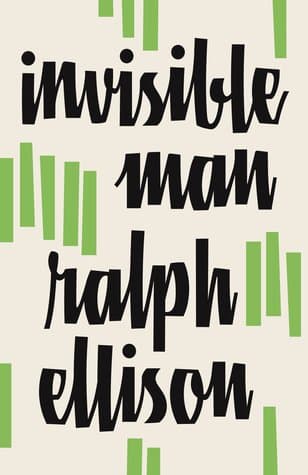
- Invisible Man
Ralph Ellison
3.9 (157k) average on GoodreadsLiterary FictionFeatures a protagonist grappling with his identity and place in society, with strong social commentary.
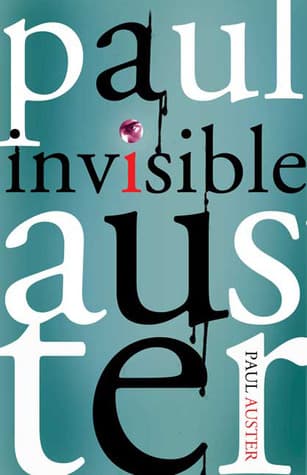
- Invisible
Paul Auster
3.7 (808) average on GoodreadsYoung AdultWhile both Sunset Park and Invisible (2009) explore themes of forbidden love and the long shadow of the past, Invisible delves deeper into the psychological complexities of its protagonist, Adam Walker, and employs a more fragmented, multi-narrator structure. Sunset Park is more linear and focuses on a collective sense of displacement rather than the individual's struggle with identity and moral ambiguity that defines Invisible. Auster's use of unreliable narration is more pronounced in Invisible, creating a heightened sense of mystery and psychological depth that Sunset Park, with its more direct narrative, does not fully replicate.
- The Road
Cormac McCarthy
4.0 (716k) average on GoodreadsScience FictionBoth Sunset Park and McCarthy's The Road (2006) feature protagonists living in a state of precarious exile, but their contexts differ vastly. Sunset Park explores a personal, psychological exile within a recognizable, albeit economically strained, contemporary setting. The Road, conversely, depicts a stark, post-apocalyptic physical exile, where survival is the sole preoccupation. While Auster's characters grapple with existential angst and past traumas, McCarthy's father and son confront immediate, visceral threats to their existence. The hope, however faint, in Sunset Park stems from human connection and the possibility of redemption, whereas in The Road, hope is a more elusive, almost mythical concept tied to the continuation of life itself. Auster's prose is introspective; McCarthy's is stark and observational, focusing on the brutal realities of a collapsed world.
- The Old Man and the Sea
Ernest Hemingway
3.8 (831k) average on GoodreadsLiterary FictionA Cuban fisherman's long struggle with a giant marlin becomes a story of endurance and dignity, now retold for young adults with illustrations, phonetic guides, and writing prompts in Traditional Chinese.




Enjoyed the summary?
A summary gives you the shape of the book. The book itself has the detail, the examples and the voice.
Find Sunset Park on AmazonAs an Amazon Associate, BookBrief earns from qualifying purchases. How we're funded