

Synopsis
Covers the whole plot, including the ending.
- Difficulty
- Easy
- Pacing
- Slow
- Mood
- Humorous, Nostalgic, Whimsical, Lighthearted
- Read it if
- You enjoy gentle, character-driven humor and nostalgic portrayals of small-town life with a focus on social satire.
- Skip it if
- You prefer fast-paced plots, complex character arcs, or high-stakes drama.
Sunshine Sketches of a Little Town Plot Summary
Covers the whole plot, including the ending.
The Train Arrives: An Introduction to Mariposa
The book starts with the narrator describing the train's arrival in Mariposa, an important event for the small, quiet town. He describes Mariposa as a place where time moves slowly, and life is shaped by simple pleasures and unique characters. We meet people like Mr. Smith, the station agent, and get a sense of the relaxed, provincial atmosphere. The narrator sets a nostalgic, affectionate, and slightly ironic tone, preparing for the stories that follow. He shows the town's self-contained nature and how its citizens approach their daily routines, even if those routines include small problems and misunderstandings.
Mr. Smith's Financial Woes and the Bank Manager
Mr. Smith, who owns the Mariposa House hotel, faces a difficult financial situation. His hotel, though central to town life, is not doing well, and Smith owes a lot of money to the Commercial Bank. Mr. Peter Pupkin, the bank manager, is a man who thinks he is important and follows strict financial rules. The story humorously describes Pupkin's attempts to collect the debt and Smith's various, often funny, ways to avoid paying, such as offering Pupkin free drinks and engaging him in long, distracting conversations. This episode shows how informal and personal business and finance are in Mariposa, where professional dealings are closely connected with social relationships.
The Mariposa Belle Steamboat Disaster
The Mariposa Belle, the town's steamboat, takes its yearly trip across Lake Wissanotti. Captain Jefferson Thorpe, the barber and owner, proudly steers the boat, filled with Mariposa's best citizens. But because of a mistake – a leaky boiler and the captain's wrong estimate of the lake's depth – the steamboat gets stuck a short distance from shore. The passengers, at first scared, soon realize the water is only waist-deep. The 'disaster' becomes a funny event as everyone wades ashore, with Captain Thorpe pretending to be a hero. The event, a minor inconvenience, becomes a famous story in Mariposa, growing bigger with each retelling.
The Candidacy of Josh Smith
Josh Smith, who owns the Mariposa House hotel, decides to run for Member of Parliament. His campaign is less about policy and more about his popularity and the townspeople's general good will. The narrator humorously describes the election process in Mariposa, where political rallies are social events, and candidates' speeches are often rambling and lack serious content. Smith's campaign is run by a committee of local figures, including Mr. Pupkin and Judge Pepperleigh, who care more about appearances and enjoying the festivities than about serious political debate. The episode makes fun of the superficiality of local politics and the charming innocence of the voters.
The Charms of Miss Minerva Doakes
Miss Minerva Doakes, a stylish and educated woman from the city, visits her aunt in Mariposa. Her presence immediately attracts the town's single men, especially Mr. Pupkin, the bank manager, and the local lawyer, Mr. Macartney. The narrator playfully describes their awkward attempts to court Miss Doakes, showing their provincial manners and her sophisticated indifference. The episode is a gentle satire on small-town courtship rituals and the perceived superiority of city life. In the end, Miss Doakes stays somewhat distant, leaving the Mariposa men to their unreturned admiration and the town to its usual social rhythms.
The Awkward Courtship of Mr. Pupkin
After his interest in Miss Doakes, Mr. Pupkin, the bank manager, focuses on other Mariposa women, especially Zena Pepperleigh, Judge Pepperleigh's daughter. The narrator describes Pupkin's earnest but often clumsy attempts at courtship, which involve carefully planned but unromantic outings and conversations. His social awkwardness and focus on his status as bank manager often overshadow his true feelings. This chapter further explores Mariposa's social dynamics, where everyone knows everyone else's business, and romantic pursuits are watched and discussed by the whole community. Pupkin's persistent, if awkward, efforts provide much of the chapter's humor.
The Speculations of Jefferson Thorpe
Jefferson Thorpe, the town barber and owner of the Mariposa Belle, is a man who likes big, if unwise, financial plans. He constantly looks for ways to get rich quickly, often investing in questionable ventures and relying on bad advice. The narrator tells of Thorpe's various speculative efforts, such as buying shares in a non-existent gold mine or investing in a miraculous hair tonic, all of which always result in losses. Despite his many failures, Thorpe remains hopeful, showing the lasting, if misguided, spirit of enterprise in Mariposa. His financial problems are a running joke, illustrating the town's mix of ambition and innocence.
The Mariposa Fire Brigade's Grand Parade
The Mariposa Fire Brigade, a volunteer group, is a source of pride and occasional amusement for the town. The narrator describes their annual parade, an event with patriotism, ill-fitting uniforms, and a general sense of disorganized good intentions. The brigade's equipment, especially the old fire engine, is more symbolic than useful, and their drills are often more theatrical than effective. This chapter humorously shows the Mariposa residents' dedication to civic duty, even if their methods are unusual. The parade is a grand show, embodying the town's charming mix of earnestness and inefficiency.
The Spiritualistic Manifestations of the Rev. Mr. Drone
The arrival of the Rev. Mr. Drone, a new clergyman for the Presbyterian church, brings something unusual to Mariposa. Mr. Drone believes strongly in spiritualism and tries to introduce his congregation to séances and talking with the dead. The townspeople, at first curious, react with a mix of doubt, fascination, and slight alarm. The narrator humorously describes the awkward attempts at spiritual manifestations and the confusion among the Mariposa residents, who are more used to traditional religious services. The episode gently makes fun of religious fads and the difficulty of bringing new ideas into a traditional community.
Lancelot Pooh-Bah and the Mariposa Elections
The narrator looks more closely at the provincial election process in Mariposa, focusing on Lancelot Pooh-Bah, a local figure who takes his political duties with great, if somewhat misguided, seriousness. Pooh-Bah, often seen as a general helper, becomes deeply involved in organizing campaign events and ensuring the 'correct' democratic process. The chapter satirizes the manipulation and superficiality of political campaigns, where promises are vague, and public opinion is easily swayed by local personalities and loud rallies. The Mariposa citizens approach the elections with lasting enthusiasm, no matter the actual political importance.
The Hostility of Mr. Smith and Mr. Pupkin
The long-standing, friendly rivalry between Mr. Smith of the Mariposa House and Mr. Pupkin, the bank manager, is explored further. Their relationship includes business dealings, social interactions, and a subtle sense of competition. Smith's constant attempts to avoid paying his debts and Pupkin's equally persistent efforts to collect them are a recurring funny part of the story. The narrator details their various interactions, from Smith's clever evasions to Pupkin's stern statements, all within Mariposa's close-knit community. Their 'hostility' is ultimately a source of amusement, showing the small but endearing quarrels that define small-town life.
The Farewell to Mariposa
In the last chapter, the narrator thinks about his time in Mariposa and the lasting impression the town and its people have made on him. He describes his eventual departure from Mariposa but stresses that the town remains a cherished memory, a symbol of a simpler, more authentic way of life. He repeats his affection for the unique qualities and genuine warmth of the Mariposa residents, from Judge Pepperleigh to Jefferson Thorpe. The narrator suggests that while Mariposa might seem small to outsiders, it has a unique spirit and lasting charm that makes it a special place, a small example of human nature with all its flaws and good qualities. The book ends with gentle nostalgia and a deep appreciation for the 'little town'.
Principal Figures
The Narrator
Protagonist/Observer
An affectionate, slightly ironic observer of Mariposa life
The unnamed narrator serves as the primary lens through which Mariposa is viewed. He is an outsider who has lived in the town and developed a deep, affectionate understanding of its inhabitants. His tone is nostalgic, humorous, and gently satirical, often highlighting the charming absurdities of small-town life without being unkind. He acts as a guide, interpreting the events and characters for the reader, and frequently interjects with his own philosophical musings or personal anecdotes. He is a 'wise' man who appreciates the simple dignity of Mariposa's citizens.
Mr. Smith
Supporting
Proprietor of the Mariposa House hotel, perpetually in debt
Mr. Smith is the jovial, somewhat portly proprietor of the Mariposa House, the town's central hotel and social hub. He is perpetually in financial arrears to the Commercial Bank, a situation he handles with a mix of charm, cunning, and evasiveness. Smith is a master of deflection, often offering free drinks or engaging in lengthy conversations to avoid discussing his debts. Despite his financial woes, he is well-liked and a central figure in Mariposa's social and political life, even running for MP. He embodies the easygoing, slightly irresponsible spirit of the town.
Relationships: Mr. Peter Pupkin (Debtor/Creditor, friendly rivals)
Mr. Peter Pupkin
Supporting
Manager of the Commercial Bank, a man of perceived importance
Mr. Peter Pupkin is the manager of the Commercial Bank of Mariposa, a position that grants him significant social standing in the town. He is a meticulous, somewhat formal man, deeply concerned with financial rectitude and his public image. Pupkin attempts to maintain an air of sophistication, often imitating city manners, but his provincial roots are always evident. He is earnest in his romantic pursuits, though often clumsy, and his attempts to collect debts from Mr. Smith are a recurring source of humor. He represents the more 'serious' side of Mariposa, often comically at odds with its laid-back nature.
Relationships: Mr. Smith (Creditor/Debtor, friendly rivals); Miss Minerva Doakes (Unrequited admirer); Zena Pepperleigh (Romantic interest)
Jefferson Thorpe
Supporting
Town barber, steamboat captain, and enthusiastic, misguided speculator
Jefferson Thorpe is the Mariposa barber, a man of many hats and even more financial schemes. He owns the Mariposa Belle steamboat and is its proud, if somewhat incompetent, captain. Thorpe is a perpetual optimist, always on the lookout for the next big investment opportunity, whether it's a gold mine or a hair tonic. His ventures inevitably fail, but his spirit remains undaunted. He is a good-natured, talkative man, whose financial misadventures provide much comic relief. He embodies the small-town entrepreneur, full of ambition but lacking in shrewdness.
Judge Pepperleigh
Supporting
Respected town judge and a pillar of the community
Judge Pepperleigh is a prominent and respected figure in Mariposa, serving as the town's judge. He is a man of considerable local influence, participating in various civic activities, including political campaigns. The Judge is generally portrayed as a sensible and well-meaning individual, though not immune to the small-town eccentricities that define Mariposa. He has a daughter, Zena, who becomes a romantic interest for Mr. Pupkin. His presence helps ground the more outlandish characters, representing the established social order and conventional wisdom of the community.
Relationships: Zena Pepperleigh (Father/Daughter)
Miss Minerva Doakes
Supporting
Sophisticated visitor from the city who stirs up Mariposa's bachelors
Miss Minerva Doakes is a beautiful and sophisticated young woman from the city who visits her aunt in Mariposa. Her arrival causes a stir among the town's eligible bachelors, particularly Mr. Pupkin and Mr. Macartney. She is portrayed as elegant, intelligent, and somewhat detached, observing the provincial courtship rituals with a polite but cool demeanor. Miss Doakes serves as a foil to the Mariposa residents, highlighting their rustic charm and occasional awkwardness when contrasted with urban refinement. She represents an 'outside' perspective, even if her own thoughts are not fully explored.
Relationships: Mr. Peter Pupkin (Object of unrequited admiration); Mr. Macartney (Object of unrequited admiration)
Zena Pepperleigh
Supporting
Daughter of Judge Pepperleigh, a romantic interest for Mr. Pupkin
Zena Pepperleigh is the daughter of Judge Pepperleigh and a young woman who becomes the focus of Mr. Pupkin's romantic attentions after his infatuation with Miss Minerva Doakes wanes. She is a typical Mariposa girl, part of the town's social fabric, and represents the kind of eligible bachelorette that a man like Pupkin would naturally pursue within his community. While not deeply characterized, her presence allows for further exploration of small-town courtship rituals and the social dynamics of Mariposa.
Relationships: Judge Pepperleigh (Daughter/Father); Mr. Peter Pupkin (Romantic interest)
Captain Jefferson Thorpe
Supporting
Owner and captain of the Mariposa Belle, prone to dramatic pronouncements
As the owner and captain of the Mariposa Belle, Captain Jefferson Thorpe takes immense pride in his vessel, despite its frequent mechanical issues. He is a dramatic figure, prone to grand pronouncements and maintaining a heroic facade, even during the comical 'disaster' of the steamboat running aground. His role as captain is intertwined with his identity as the town barber and speculator. He embodies the Mariposa spirit of making the most of what one has, often with a flair for the theatrical.
Rev. Mr. Drone
Mentioned
Presbyterian minister with an interest in spiritualism
The Rev. Mr. Drone is the new Presbyterian minister who briefly causes a stir in Mariposa with his unconventional interest in spiritualism and séances. His attempts to introduce these practices to his congregation are met with a mixture of curiosity, skepticism, and mild confusion from the traditional townspeople. He serves as a catalyst for a humorous episode that highlights the community's conservative nature and its reactions to new, unusual ideas. He represents a brief, amusing deviation from Mariposa's usual religious and social norms.
Themes & Insights
Nostalgia and the Idealized Past
The entire collection is full of nostalgia, as the narrator looks back at Mariposa from a distance, seeing its charm and simplicity in an ideal way. Events like the steamboat disaster or Mr. Smith's financial troubles, while possibly serious, are told with a gentle, humorous tone that lessens their impact. The narrator often compares Mariposa's 'real' life with the perceived complexities of city life, suggesting he prefers the former. This theme is clear in the loving descriptions of the town's characters and their unchanging routines, showing Mariposa as a timeless haven.
“I like Mariposa, and I like the people who live in it. It is not a place where one could make a fortune, but it is a place where one could spend a lifetime.”
The Charm of Provincial Life
Leacock celebrates the unique charm and qualities of small-town living. Mariposa is shown as a small example of humanity, where everyone knows everyone else, and life moves at a slower, more personal pace. The humor often comes from the contrast between big ambitions and provincial realities, such as Josh Smith's political campaign or Jefferson Thorpe's financial plans. The community's interconnectedness, where business and personal lives are closely linked, is a recurring idea, showing the warmth and closeness of a small town, despite its occasional absurdities.
“Mariposa is not a place where one could make a fortune, but it is a place where one could spend a lifetime.”
Human Folly and Good Nature
A main theme is the lasting good nature of people, even when individuals are prone to various mistakes and small deceptions. Characters like Mr. Smith (avoiding debts) or Jefferson Thorpe (making risky investments) are never criticized but presented with affectionate humor. Their flaws are part of their charm, and their struggles are often more funny than sad. The town as a whole accepts these flaws, creating a community where small misdeeds are overlooked for general friendliness and mutual understanding. This theme shows a gentle optimism about human character.
“It is wonderful how little things become great things in a little town.”
Satire of Social and Political Institutions
Leacock uses gentle satire to comment on various social and political institutions, such as banking, local politics, and even religion. The Commercial Bank, run by Mr. Pupkin, operates on personal relationships rather than strict financial rules. Political campaigns, like Josh Smith's, are more about social events and personal popularity than serious policy debates. The Mariposa Belle disaster makes fun of the inefficiency of local business. This satire is never harsh or cynical; instead, it shows the endearing inefficiencies and human elements that shape these institutions in a small, close-knit community.
“In Mariposa, we had no politics, only elections.”
Plot Devices & Literary Techniques
Episodic Structure
A collection of self-contained vignettes rather than a continuous plot
The book is structured as a series of twelve largely independent episodes or 'sketches,' each focusing on a particular event, character, or aspect of Mariposa life. While characters recur, there isn't a single overarching plot that progresses linearly. Instead, each chapter offers a complete, humorous narrative, contributing to a cumulative portrait of the town. This episodic nature allows Leacock to explore different facets of Mariposa without being constrained by a conventional plot, emphasizing the enduring, cyclical nature of small-town life rather than dramatic change.
First-Person Narrator as Observer
An unnamed, omniscient yet personal narrator who guides the reader
The use of an unnamed, first-person narrator who claims to have lived in Mariposa (or at least observed it closely) is crucial. He acts as both an intimate participant and a slightly detached, reflective observer. This allows for subjective commentary, nostalgic reflection, and ironic humor. The narrator often addresses the reader directly, sharing his insights and affection for the town, creating a sense of shared experience and intimacy. His presence lends authority and a consistent, benevolent tone to the entire collection, shaping the reader's perception of Mariposa.
Humor and Irony
Gentle, affectionate humor often derived from exaggeration and understatement
Leacock's primary stylistic device is his distinctive brand of humor, which is gentle, often ironic, and rooted in exaggeration and understatement. He finds comedy in the mundane, the small-town aspirations, and the minor mishaps of his characters (e.g., the Mariposa Belle disaster). The humor is never mean-spirited but rather affectionate, highlighting human folly with a knowing smile. Irony is frequently used to contrast the characters' self-perception or grand ambitions with their more humble realities, creating comic effect without diminishing their inherent good nature.
Character Archetypes
Characters embodying recognizable small-town roles and personalities
Leacock populates Mariposa with a cast of characters who, while specific, also function as recognizable archetypes of small-town life. There's the perpetually indebted hotelier (Mr. Smith), the aspiring but clumsy bank manager (Mr. Pupkin), the well-meaning but misguided speculator (Jefferson Thorpe), and the respected judge (Judge Pepperleigh). These archetypes contribute to the universality of the stories, allowing readers to recognize similar figures in their own experiences, while also making the specific Mariposa setting feel authentic and relatable. They represent different facets of human nature within a confined social setting.
Sunshine Sketches of a Little Town Quotes
“Mariposa is not a real town. On the contrary, it is about seventy or eighty of them.”
“The great advantage of a hotel is that it's a refuge from home life.”
“In Mariposa, if you want to know what a man is, you ask his wife.”
“A bank in a small town is a place where they lend you an umbrella in fair weather and ask for it back when it begins to rain.”
“It is not good to be too clever in Mariposa. It is not even safe.”
“The whole of life in Mariposa is like that—a series of little episodes that don't seem to mean much at the time, but that you remember afterwards.”
“In Mariposa, the people are all just as good as they can be, and just as bad as they have to be.”
“The great thing about a small town is that everybody knows what you are doing, and before you've done it.”
“There is no such thing as a secret in Mariposa. Everything is known, even the things that aren't true.”
“The art of conversation in Mariposa consists not in saying anything new, but in saying the same thing over and over again.”
“In Mariposa, the past is always present, and the present is always past.”
“The beauty of Mariposa is that nothing ever happens, and yet everything happens.”
“A man in Mariposa is judged not by what he does, but by what he doesn't do.”
“The sun always shines in Mariposa, even when it rains.”
Quiz
10 questions on the plot and the characters. Each answer comes with a short explanation.
Question 1
What is the name of the fictional small town where 'Sunshine Sketches of a Little Town' is set?
- Mariposa
- Orillia
- Leacock
- Sunshine
Show answer
A. Mariposa The book is set in the fictional town of Mariposa, which is based on Orillia, Ontario, where Stephen Leacock spent much of his life. The name 'Mariposa' is used to represent a typical small Canadian town.
Question 2
In the episode 'The Hostelry of Mr. Smith', what is the main conflict involving Josh Smith?
- He is trying to win a political election
- He is accused of running an illegal hotel
- He is in debt and must sell his property
- He is feuding with a neighbor over land
Show answer
B. He is accused of running an illegal hotel Josh Smith faces legal trouble because his hotel, the Mariposa Belle, is operating without a proper license, leading to a humorous trial that highlights the town's quirks and community dynamics.
Question 3
What is the central theme explored through the character of Peter Pupkin in 'The Marine Excursion of the Knights of Pythias'?
- The importance of wealth and social status
- The absurdity and humor in small-town life
- The dangers of maritime travel
- The conflict between tradition and modernity
Show answer
B. The absurdity and humor in small-town life Peter Pupkin's misadventures, such as his comical attempts at heroism during the excursion, exemplify the book's theme of finding humor and absurdity in the everyday events of small-town life.
Question 4
Who is the narrator of 'Sunshine Sketches of a Little Town', and what is his role?
- Stephen Leacock himself, as an omniscient observer
- A local journalist reporting on Mariposa events
- Josh Smith, sharing his personal experiences
- An anonymous resident of Mariposa
Show answer
A. Stephen Leacock himself, as an omniscient observer Stephen Leacock narrates the book in a humorous, omniscient voice, offering satirical commentary on the town's inhabitants and events, which adds to the book's charm and critical perspective.
Question 5
In 'The Ministrations of the Rev. Mr. Drone', what humorous incident occurs during the church service?
- The church catches fire
- Reverend Drone falls asleep while preaching
- A dog runs into the church and causes chaos
- The congregation starts singing off-key
Show answer
B. Reverend Drone falls asleep while preaching Reverend Drone dozes off during his own sermon, leading to a comical situation that underscores the book's theme of the mundane and humorous aspects of small-town religious life.
Question 6
What is the significance of the Mariposa Belle in the book?
- It is a symbol of Mariposa's economic prosperity
- It serves as a central setting for social events and mishaps
- It is used for smuggling operations by Josh Smith
- It represents technological advancement in the town
Show answer
B. It serves as a central setting for social events and mishaps The Mariposa Belle, a steamboat, is featured in episodes like 'The Marine Excursion of the Knights of Pythias', where it hosts community outings that often lead to humorous disasters, highlighting the town's social life and foibles.
Question 7
Which character is known for his exaggerated stories and tall tales in Mariposa?
- Jeff Thorpe
- Peter Pupkin
- Reverend Drone
- Judge Pepperleigh
Show answer
A. Jeff Thorpe Jeff Thorpe is a barber in Mariposa who entertains customers with outlandish stories, such as claiming to have met famous historical figures, which adds to the book's satire of small-town gossip and exaggeration.
Question 8
In 'The Great Election in Missinaba County', what humorous tactic does Josh Smith use to win votes?
- He promises to lower taxes for everyone
- He distributes free alcohol to voters
- He hires a band to play at rallies
- He spreads false rumors about his opponent
Show answer
B. He distributes free alcohol to voters Josh Smith gains support by providing free drinks to potential voters, a tactic that satirizes the corruption and absurdity often found in small-town politics, as depicted in Leacock's humorous narrative.
Question 9
How does Stephen Leacock use irony in 'Sunshine Sketches of a Little Town' to critique small-town life?
- By portraying Mariposa as a perfect utopia
- By highlighting the characters' self-importance and petty conflicts
- By focusing on tragic events to evoke sympathy
- By using complex scientific explanations
Show answer
B. By highlighting the characters' self-importance and petty conflicts Leacock employs irony to humorously expose the vanity, gossip, and trivial disputes of Mariposa's residents, such as in episodes like 'The Hostelry of Mr. Smith', where minor issues are blown out of proportion, critiquing the insular nature of small communities.
Question 10
What is the outcome of the bank crisis in Mariposa, as described in 'The Whirlwind Campaign in Mariposa'?
- The bank fails and many residents lose their savings
- The community rallies to save the bank through a fundraising campaign
- The government intervenes and bails out the bank
- Josh Smith buys the bank and turns it into a hotel
Show answer
B. The community rallies to save the bank through a fundraising campaign When the bank faces collapse, the townspeople come together in a comically earnest effort to raise funds, ultimately saving it. This episode satirizes both the panic and the communal spirit in small towns, ending on a humorous note of resilience.
Sunshine Sketches of a Little Town FAQ
What is 'Sunshine Sketches of a Little Town' about?
The book is a collection of twelve humorous episodes depicting the everyday life and eccentricities of the fictional small town of Mariposa, Ontario, in the early 20th century. It follows characters like Josh Smith, the hotel owner, and Jefferson Thorpe, the barber, as they navigate local politics, social pretensions, and community events, satirizing small-town Canadian life with warmth and wit.
Why should I read 'Sunshine Sketches of a Little Town'?
It offers a charming and insightful satire of small-town Canadian life, blending humor with affectionate observations about human nature and community dynamics. Stephen Leacock's witty writing and memorable characters, such as the pompous Dean Drone or the scheming Josh Smith, make it both entertaining and a classic of Canadian literature.
What is the background/setting of 'Sunshine Sketches of a Little Town'?
Set in the fictional town of Mariposa, Ontario, in the early 1900s, the book reflects the social and economic realities of small-town Canada during that era. The setting includes landmarks like the Mariposa Belle steamboat, Smith's Hotel, and the local church, which serve as backdrops for the town's comical yet relatable events.
What are the most memorable quotes from the book?
Notable quotes include: 'Mariposa is not a real town. On the contrary, it is about seventy or eighty of them,' highlighting its satirical universality, and 'The great advantage of a hotel is that it's a refuge from home life,' spoken by Josh Smith, encapsulating the book's humor about domestic and social pretensions.
What writing style does Stephen Leacock use in this book?
Leacock employs a humorous and satirical style, blending irony, exaggeration, and affectionate mockery to depict Mariposa's residents. His narrative is episodic, with a conversational tone that often breaks the fourth wall, as seen in the narrator's direct addresses to the reader about the town's absurdities.
What minor details add significant meaning to the story?
Details like the 'Mariposa Belle' steamboat's frequent mishaps symbolize the town's charming incompetence, while the constant renovations to Smith's Hotel reflect the characters' pretensions and desire for status. These small elements underscore the book's themes of community folly and resilience.
What are some subtle foreshadowing moments in the book?
In 'The Hostelry of Mr. Smith,' early mentions of Smith's financial schemes hint at his later downfall, while discussions about the church's debt in 'The Ministrations of the Rev. Mr. Drone' foreshadow the community's collective efforts to resolve it through humorous events like the bazaar.
What unexpected character connections exist in Mariposa?
Characters like Peter Pupkin, the bank teller in love with Zena Pepperleigh, and Judge Pepperleigh, Zena's father, are interconnected through social hierarchies and romantic subplots. The town's gossip network, led by figures like Mrs. Diston, reveals how everyone's lives are intertwined in surprising ways.
What are the unspoken motivations of characters like Josh Smith?
Josh Smith's drive to expand his hotel and gain social standing stems from a deep-seated desire for respect and validation in Mariposa's tight-knit community, masking insecurities about his rough background. Similarly, Dean Drone's pompous sermons hide a need for admiration and control over his congregation.
What psychological complexities do characters exhibit?
Jefferson Thorpe, the barber who becomes a speculative investor, shows how ambition and greed can lead to self-delusion, while characters like Peter Pupkin display youthful idealism clashing with social pressures. Their actions reveal universal traits like vanity, fear, and the longing for belonging.
What are the major emotional turning points in the book?
Key moments include the collapse of Josh Smith's financial schemes, which humbles him and shifts town dynamics, and the resolution of the church debt through community effort, fostering a sense of unity. Peter Pupkin's successful courtship of Zena Pepperleigh also marks a personal triumph over social obstacles.
How do relationship dynamics evolve among Mariposa's residents?
Relationships shift from initial pretensions and rivalries, as seen in social climbers like Josh Smith, to moments of collective support, such as during the church bazaar. Romantic arcs, like Peter and Zena's, progress from secret admiration to public acceptance, reflecting the town's gradual embrace of authenticity.
Which parts of the book remain ambiguous or open-ended?
The narrator's reliability is ambiguous, as he often exaggerates or romanticizes events, leaving readers to question the truth of Mariposa's tales. Additionally, the fate of characters after the episodes end, such as whether Josh Smith's reforms last, is left open, emphasizing the ongoing nature of small-town life.
What are controversial scenes or decisions in the story?
Josh Smith's manipulative business practices, like his hotel schemes, spark debate about ethics versus entrepreneurship. The community's sometimes hypocritical reactions, such as shunning Smith only to later rely on him, highlight moral ambiguities in how Mariposa judges its members.
How does the book end and what does it mean?
The book concludes with the narrator reflecting on Mariposa as a microcosm of human experience, suggesting that despite its follies, the town embodies enduring values of community and humor. This ending reinforces the theme that small-town life, with all its absurdities, is universally relatable and cherished.
About the author
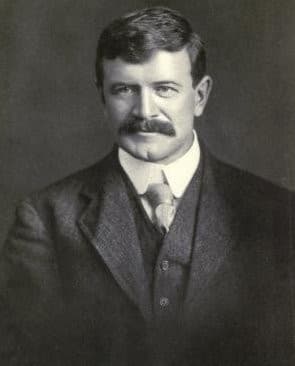
Stephen Leacock was a Canadian author and humorist, active in the early 20th century. He is best known for his witty and satirical works, including "Sunshine Sketches of a Little Town," which offers a humorous portrayal of small-town life in Canada. Leacock's writing often reflects his keen observations of society and human nature.
Similar books
- The Adventures of Tom Sawyer
Mark Twain
3.9 (758k) average on GoodreadsChildren'sCaptures the spirit of small-town mischief and character-based humor in a bygone era.
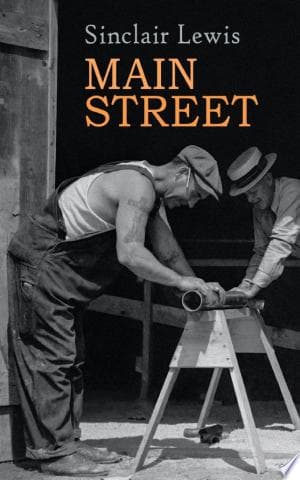
- Main Street
Sinclair Lewis
3.8 (24k) average on GoodreadsLiterary FictionBoth Sunshine Sketches and Sinclair Lewis's Main Street (1920) critically examine small-town life, but their approaches and tones diverge sharply. Leacock's Mariposa is portrayed with a gentle, nostalgic humor, where even the town's absurdities are viewed with a certain affection by the narrator. The satire is light, often celebrating the charm alongside the foibles. In contrast, Lewis's Gopher Prairie in Main Street is depicted with a biting, often cynical realism, through the eyes of Carol Kennicott, who finds the town suffocatingly provincial, narrow-minded, and aesthetically barren. Lewis's critique is far more scathing and explicit, aiming to expose the intellectual and cultural stagnation of American small towns, lacking the warmth and forgiving nature present in Leacock's work. While both are historical fiction, Lewis's novel is a much harsher social critique, whereas Leacock's is a fond, albeit critical, portrait.
- To Kill a Mockingbird
Harper Lee
4.3 (4.5M) average on GoodreadsHistorical FictionIn the 1930s Jim Crow South, Harper Lee writes about racial injustice, moral growth, and the quiet courage of a lawyer father, Atticus Finch, as seen through his young daughter's eyes.
- The Great Gatsby
F. Scott Fitzgerald
3.9 (3.8M) average on GoodreadsHistorical FictionIn the opulent Roaring Twenties, a mysterious millionaire's lavish parties hide his desperate, tragic pursuit of a lost love, exposing the emptiness within the American Dream.
- Pride and Prejudice
Jane Austen
4.3 (3M) average on GoodreadsHistorical FictionIn a society focused on status and money, Elizabeth Bennet navigates love and pride, challenging Mr. Darcy and social expectations to find true affection.
- Angels & Demons
Dan Brown
3.9 (2.7M) average on GoodreadsThrillerA Harvard symbologist races through Rome's ancient sites, deciphering cryptic clues to unmask the Illuminati and stop a vengeful plot to destroy the Vatican with a stolen antimatter weapon.





Enjoyed the summary?
A summary gives you the shape of the book. The book itself has the detail, the examples and the voice.
Find Sunshine Sketches of a Little Town on AmazonAs an Amazon Associate, BookBrief earns from qualifying purchases. How we're funded