

Synopsis
Covers the whole plot, including the ending.
- Difficulty
- Medium
- Pacing
- Moderate
- Mood
- Atmospheric, Emotional, Mysterious, Reflective
- Read it if
- You enjoy Southern Gothic mysteries blended with a strong sense of place and emotional depth, exploring themes of family secrets and healing.
- Skip it if
- You prefer fast-paced thrillers or dislike stories that delve into historical family sagas and personal grief.
The Beach Trees Plot Summary
Covers the whole plot, including the ending.
The Disappearance of Chloe
The story begins with the lasting trauma of Chloe Holt's disappearance when Julie was twelve. Chloe, an imaginative five-year-old, vanished from their backyard in Atlanta without a trace. This event greatly affected the Holt family, damaging their relationships. Julie's parents, overwhelmed by grief, became emotionally distant. Julie herself struggled with guilt and a deep sense of loss. The police investigation found no clues, leaving the family with an agonizing void that shaped Julie's adolescence and early adulthood, causing her to suppress emotions and focus on a successful, though emotionally detached, career.
A Chance Encounter with Monica
Years later, Julie Holt is a successful art curator in Atlanta, carefully controlling her life. At a local art show, she is drawn to the work of a young artist, Monica Demarcus. Monica's style and, more strikingly, her resemblance to a grown-up Chloe, especially her bright, curious eyes, immediately captivate Julie. A deep connection forms between them. Julie feels an urge to protect Monica, seeing in her the vulnerability and artistic spirit that reminds her of her lost sister, even though Monica's background is different.
Monica's Urgent Plea
Monica, dealing with financial problems and a recent breakup, confides in Julie. She reveals she inherited a dilapidated house in Belle Isle, Louisiana, a coastal town damaged by Hurricane Katrina. Monica believes the house holds secrets about her past and her estranged family, particularly her grandmother, whom she barely knew. She wants to sell the property but is hesitant to return alone. Feeling a sense of responsibility and a strong connection to Monica, Julie agrees to go with her to Belle Isle, hoping to help her friend and perhaps find some closure for her own unresolved grief.
Arrival in Belle Isle and the Beach Trees
Upon arriving in Belle Isle, Julie and Monica face the reality of post-Katrina destruction. The inherited house, known as 'The Beach Trees,' is severely damaged, overgrown, and filled with memories of its past inhabitants. Amidst the debris, Julie is struck by the resilience of the ancient live oak trees surrounding the property, which have survived many storms. These trees become symbolic throughout their stay. The house, despite its decay, has a strong sense of history, and Julie begins to feel that this place is more significant than just Monica's inheritance.
Uncovering the Past: Monica's Family History
As Julie and Monica begin cleaning and salvaging what they can from The Beach Trees, they uncover old photographs, letters, and journals. These items reveal parts of Monica's family history, especially concerning her grandmother, Lillian Demarcus, and Lillian's sister, Josephine. They learn about Lillian's complicated life, her artistic talents, and the challenges she faced in the mid-20th century South. The more they explore Lillian's story, the more parallels Julie draws between Lillian's hidden pain and her own family's suppressed grief. She realizes that secrets can echo through generations.
The Enigmatic Lillian Demarcus
Through Lillian's journals, Julie and Monica piece together the story of Lillian's forbidden romance with a man named Jack and the birth of their daughter, Josephine. Lillian's entries describe a vibrant, artistic spirit limited by societal expectations and Josephine's tragic loss under mysterious circumstances. This loss, hidden in secrecy and grief, deeply resonates with Julie's experience of Chloe's disappearance. The journals hint at a cover-up and a family determined to keep up appearances, even at the cost of truth. Julie recognizes the familiar pattern of silence and unresolved sorrow.
The Local Connection and Rumors
While in Belle Isle, Julie and Monica meet several long-time residents, including Mrs. Dubois, who offers help and local gossip, and the enigmatic groundskeeper, Beau. These interactions offer insights into the Demarcus family's past. Townspeople remember Lillian and Josephine as somewhat reclusive and recall whispers of scandal and tragedy around them. Julie begins to understand that the Demarcus family, especially Lillian, was ostracized for reasons connected to Josephine's birth and disappearance. The town's collective memory, though fragmented, confirms a deep-seated secret.
The Revelation of Josephine's Fate
Their investigation reveals the full truth about Josephine. Lillian, struggling to raise her illegitimate daughter in a conservative society, was forced to make difficult choices. Josephine, a spirited child, either ran away or was taken, leading to Lillian's lifelong grief. The journals and local accounts suggest Josephine died, possibly due to an accident, but the exact circumstances remained hidden by shame. This revelation greatly affects Monica, making her re-evaluate her grandmother and the sacrifices made for her family's reputation.
Julie's Personal Breakthrough
Witnessing Monica's journey of discovery and healing, and immersing herself in Lillian's story, forces Julie to confront her own long-suppressed emotions about Chloe's disappearance. The parallels are clear: the sudden loss of a young girl, the lingering questions, and the profound, unaddressed grief that shaped the survivors. Julie realizes she has been living a life of emotional detachment as a coping mechanism. Helping Monica uncover her family's past helps Julie finally acknowledge her pain and begin grieving Chloe, allowing herself to feel the loss she had avoided for decades.
Healing and Moving Forward
By the end of their time in Belle Isle, both Julie and Monica have changed. Monica, with the truth about her family, finds a sense of belonging and understanding, ready to embrace her artistic future with a clearer identity. Julie, having confronted her grief, feels a sense of release and a renewed capacity for emotional connection. Their shared experience at The Beach Trees creates a strong bond between them. They leave Belle Isle with peace and the strength to move forward, changed by the past's secrets and resilience.
Principal Figures
Julie Holt
Protagonist
An art curator haunted by her sister's disappearance, seeking emotional closure.
Julie Holt is a successful, driven art curator in Atlanta, meticulous and somewhat emotionally detached. Her life has been shaped by the traumatic disappearance of her younger sister, Chloe, when Julie was twelve. This event instilled in her a deep-seated guilt and a need for control, leading her to suppress her emotions. She is intelligent, observant, and initially guarded, but possesses a strong sense of empathy that draws her to Monica. Her journey to Belle Isle is driven by a subconscious need to resolve her own past through helping Monica.
Relationships: Chloe Holt (Younger sister, disappeared mysteriously, source of Julie's profound grief and guilt.); Monica Demarcus (Friend and mentee; a surrogate sister figure whose story mirrors Julie's own loss, leading to mutual healing.)
Monica Demarcus
Supporting Character / Catalyst
A struggling artist seeking answers about her estranged family and inheritance.
Monica Demarcus is a young, talented, but struggling artist whose ethereal style and physical resemblance to Chloe immediately draw Julie's attention. She is emotionally vulnerable, having recently gone through a difficult breakup and facing financial instability. Monica inherited 'The Beach Trees' in Belle Isle, Louisiana, a house she believes holds secrets about her estranged grandmother, Lillian. Her quest to uncover her family's past is the primary driver of the plot, serving as a catalyst for Julie's own healing journey. She is hopeful, resilient, and deeply connected to her artistic expression.
Relationships: Julie Holt (Friend and mentor; a protective figure who helps Monica uncover her family's past and finds her own healing in the process.); Lillian Demarcus (Grandmother; a mysterious figure whose journals reveal the family's secrets and struggles.)
Chloe Holt
Mentioned / Central to Plot
Julie's younger sister whose disappearance defines Julie's life and motivations.
Chloe Holt is Julie's younger sister, who disappeared without a trace at the age of five. Though only appearing in memories and flashbacks, Chloe's absence is the central trauma that shapes Julie's character and motivations throughout the novel. She is remembered as vibrant, imaginative, and full of life. Her disappearance creates a void in the Holt family, leading to emotional distance and unresolved grief. Chloe's story is a direct parallel to Josephine's, allowing Julie to process her own loss by investigating Monica's family history.
Relationships: Julie Holt (Older sister; her disappearance is the defining event of Julie's life.)
Lillian Demarcus
Supporting Character (through past narrative)
Monica's artistic grandmother whose tragic past mirrors Julie's own loss.
Lillian Demarcus is Monica's grandmother, a central figure in the historical narrative uncovered through her journals and letters found in 'The Beach Trees.' She was a talented artist and a woman of strong will who faced significant societal challenges in the mid-20th century South. Lillian's life was marked by a passionate, forbidden love affair and the subsequent birth and mysterious disappearance of her illegitimate daughter, Josephine. Her story of loss, secrecy, and resilience provides a profound parallel to Julie's own experience with Chloe, allowing Julie to process her own grief by proxy.
Relationships: Monica Demarcus (Grandmother; her life story is the mystery Monica seeks to unravel.); Josephine (Daughter; her disappearance is the central tragedy of Lillian's life.)
Josephine
Supporting Character (through past narrative)
Lillian's daughter whose mysterious disappearance parallels Chloe's.
Josephine is Lillian Demarcus's daughter, born from a forbidden love affair. Her existence and subsequent disappearance are the central secrets of Lillian's past. Josephine is depicted as a spirited child, much like Chloe. Her fate, shrouded in mystery and shame, deeply affects Lillian and the entire Demarcus family. The investigation into Josephine's life and death by Julie and Monica provides the core of the historical mystery, serving as a direct mirror to Chloe's story and allowing Julie to work through her unresolved grief.
Relationships: Lillian Demarcus (Mother; her disappearance causes Lillian lifelong grief and secrecy.)
Jack
Mentioned
Lillian's forbidden love interest and Josephine's father.
Jack is the man with whom Lillian Demarcus had a passionate, forbidden love affair, resulting in the birth of their daughter, Josephine. He represents the romantic and rebellious spirit of Lillian's youth, but also the constraints of their society that prevented their union. His role is primarily revealed through Lillian's journals, highlighting the social pressures and consequences of their relationship. His absence from Josephine's upbringing underscores the challenges Lillian faced as a single mother in a conservative era.
Relationships: Lillian Demarcus (Lover and father of her child, Josephine.)
Mrs. Dubois
Supporting
A kind Belle Isle resident who provides local insight and assistance.
Mrs. Dubois is a long-time resident of Belle Isle, a kind and somewhat gossipy woman who provides assistance and local context to Julie and Monica. She represents the collective memory of the town, offering fragmented but crucial insights into the Demarcus family's reputation and the events surrounding Lillian and Josephine. Her warmth and neighborly spirit contrast with the lingering shadows of the past, offering a touch of community and normalcy amidst the wreckage of Katrina and the unfolding family secrets.
Relationships: Julie Holt (Helper and local informant.); Monica Demarcus (Helper and local informant.)
Beau
Supporting
The enigmatic groundskeeper of The Beach Trees.
Beau is the local groundskeeper who occasionally tends to The Beach Trees property. He is a quiet, observant man who seems to know more about the Demarcus family than he lets on. His presence adds a layer of mystery and local color to Belle Isle. While not directly involved in uncovering the secrets, his subtle reactions and occasional comments hint at the town's hidden history and the unspoken truths surrounding Lillian and Josephine. He represents the enduring presence of the past in the community.
Relationships: Julie Holt (Acquaintance; a source of subtle local knowledge.); Monica Demarcus (Acquaintance; a source of subtle local knowledge.)
Themes & Insights
The Enduring Impact of Unresolved Grief and Loss
Both Julie's modern trauma and Lillian's historical tragedy come from the unresolved loss of a young girl. Julie's life is defined by Chloe's disappearance, leading to emotional detachment. Lillian's life was similarly shaped by Josephine's loss, forcing her into secrecy and silent sorrow. The novel shows how unacknowledged grief can fester, affecting relationships and well-being across generations. The journey to Belle Isle helps both protagonists confront and begin to heal these deep wounds, highlighting the need to process loss.
“Grief, I'd learned, was not a thing you worked through. It was a thing you lived with. A constant companion that sometimes sat quietly beside you and other times screamed in your ear.”
The Power of Secrets and Family Legacy
The novel explores how family secrets, especially those about illegitimacy and loss, can greatly influence later generations. Lillian's decision to hide Josephine's true parentage and fate due to societal pressure creates a legacy of silence and mystery that Monica inherits. Similarly, the Holt family's inability to discuss Chloe's disappearance openly leads to emotional distance. Uncovering these secrets, though painful, is ultimately liberating. It shows that truth, even difficult truth, is essential for healing and building a stronger sense of identity and connection.
“Some secrets are like beach trees, their roots so tangled and deep they hold up everything, even if you can't see them.”
The Redemptive Nature of Connection and Empathy
The bond between Julie and Monica is central to the novel's theme of redemption. Julie's initial protective instinct towards Monica, seeing echoes of Chloe, grows into a deep, empathetic connection. By helping Monica unravel her family's past, Julie begins to heal her own. This reciprocal relationship shows how empathy and shared vulnerability can aid healing, allowing individuals to confront past traumas and find comfort in human connection. Their journey together demonstrates that healing can come not just for oneself, but also by helping others.
“Sometimes, the only way to find yourself again is to get lost in someone else's story.”
The Resilience of Place and Memory
Belle Isle and 'The Beach Trees' house symbolize resilience and the enduring nature of memory. Despite Hurricane Katrina's damage, the ancient live oak trees stand firm, reflecting the strength of the human spirit. The house itself, though damaged, holds the tangible and intangible memories of Lillian and Josephine, waiting to be discovered. The setting emphasizes how a physical place can embody history, secrets, and the spirits of those who lived there, ultimately helping in the healing process for those who return to confront its past.
“The house, like the beach trees around it, had seen too much to ever truly be silent.”
Plot Devices & Literary Techniques
Parallel Narratives
Two distinct timelines of loss and mystery mirroring each other.
The novel employs parallel narratives, interweaving Julie's contemporary journey to Belle Isle with the historical story of Lillian Demarcus and Josephine. Julie's present-day investigation into Monica's family secrets directly mirrors her own unresolved grief over Chloe's disappearance. This device allows the reader to draw connections between the two timelines, highlighting the timeless nature of loss, secrecy, and resilience. The historical narrative provides context and a 'template' for Julie's emotional breakthrough, demonstrating how understanding the past can illuminate and heal the present.
The Inherited House ('The Beach Trees')
A physical setting that serves as a repository of family secrets and a catalyst for discovery.
'The Beach Trees' in Belle Isle is not merely a setting but a crucial plot device. The hurricane-damaged house, filled with debris and hidden artifacts like journals and photographs, acts as a tangible repository of Lillian Demarcus's past. Its dilapidated state reflects the fractured nature of the family's history and the emotional damage of its secrets. The act of cleaning and restoring the house physically and metaphorically parallels Julie and Monica's journey of uncovering and piecing together the family's truth, leading to emotional reconstruction and healing.
The Journals and Letters
Primary source documents that reveal the historical narrative and drive the mystery.
Lillian Demarcus's journals and letters serve as a critical plot device, providing direct access to the historical narrative. These personal writings are the primary means by which Julie and Monica uncover the secrets surrounding Lillian's forbidden love and Josephine's disappearance. The fragmented nature of the entries, often requiring interpretation and detective work, builds suspense and allows the reader to experience the mystery alongside the characters. They are crucial for establishing Lillian's character, motives, and the emotional impact of her experiences, directly influencing Julie's own journey of self-discovery.
Symbolism of the Beach Trees
Ancient live oak trees representing resilience, endurance, and deep-rooted family ties.
The ancient live oak trees surrounding the Demarcus house, known as 'The Beach Trees,' serve as a potent symbol throughout the novel. Having weathered countless hurricanes and storms, they represent resilience, endurance, and the deep, tangled roots of family history. Their survival amidst the destruction of Katrina mirrors the enduring strength of human spirit and the lasting impact of family legacies, even in the face of tragedy. They symbolize the steadfastness of life and memory, providing a silent, powerful backdrop to the unfolding human drama and offering a sense of hope amidst despair.
The Beach Trees Quotes
“There are some things you can't outrun, no matter how fast you are or how much you try. Sometimes, the past just catches up.”
“The truth has a way of revealing itself, even when you try to bury it under years of silence.”
“Sometimes the greatest love stories are the ones that are never fully told, the ones that live in the silence between people.”
“A house holds memories, not just in its walls, but in its very air. You can feel the echoes of lives lived there.”
“Grief is a tricky thing. It doesn't fade; it just changes shape, like a river carving a new path.”
“Family isn't always blood. It's the people who stand by you, who know your heart, and love you despite everything.”
“Some stories aren't meant to be forgotten. They're meant to be remembered, even if they hurt.”
“The sea has a way of washing away the old and bringing in the new, but it also keeps its secrets buried deep.”
“Forgiveness isn't about forgetting; it's about making peace with what happened and choosing to move forward.”
“We all carry ghosts, whether we realize it or not. They whisper to us from the past, guiding our steps.”
“Sometimes, you have to break a few rules to find out who you really are.”
“The strongest ties are often the ones you can't see, woven into the fabric of shared history and unspoken understanding.”
“Love, like the tide, comes and goes, but its imprint on the sand remains, shaping the shore long after it recedes.”
“It's not about finding the answers, but about having the courage to ask the questions.”
Quiz
10 questions on the plot and the characters. Each answer comes with a short explanation.
Question 1
What significant event from Julie Holt's childhood deeply impacted her family?
- Her parents' divorce
- Her family losing their home to a fire
- The disappearance of her little sister
- A severe illness that affected her brother
Show answer
C. The disappearance of her little sister At the age of twelve, Julie's little sister disappeared, a loss that profoundly affected her family.
Question 2
What is Julie Holt's profession as an adult?
- A lawyer
- An artist
- A doctor
- She has a prestigious job in the arts
Show answer
D. She has a prestigious job in the arts The synopsis states that Julie has a prestigious job in the arts as an adult.
Question 3
What natural disaster plays a significant role in leading Julie to a house on the Gulf Coast?
- A tornado
- An earthquake
- Hurricane Katrina
- A severe flood unrelated to a hurricane
Show answer
C. Hurricane Katrina Julie is led to a house on the Gulf Coast that was ravaged by Hurricane Katrina.
Question 4
What characteristic of the struggling artist Julie meets makes her feel protective?
- The artist reminds her of her mother
- The artist reminds her of her lost sister
- The artist has a similar career path as Julie
- The artist is from Julie's hometown
Show answer
B. The artist reminds her of her lost sister Julie feels protective of the struggling artist because the artist reminds her so much of her disappeared sister.
Question 5
How did the disappearance of Julie's sister affect her family bonds?
- It strengthened their resolve to find her
- It slowly eroded the family bonds she once relied on
- It made them closer as they grieved together
- It had no lasting impact on their relationships
Show answer
B. It slowly eroded the family bonds she once relied on The synopsis states that the loss of her sister 'slowly eroded the family bonds she once relied on.'
Question 6
What is the primary emotional process that Julie begins through her friendship with the artist?
- A new romantic relationship
- A process of artistic creation
- A long and painful process of healing
- A journey to find her missing sister
Show answer
C. A long and painful process of healing The friendship with the artist begins 'a long and painful process of healing for Julie.'
Question 7
The stories of family Julie uncovers upon arriving at the Gulf Coast house primarily take her in what direction?
- Deep into her future
- Deep into the past
- To other parts of the world
- Into a mystery involving her current job
Show answer
B. Deep into the past The synopsis states that the stories of family 'take her deep into the past.'
Question 8
Given the genres listed (Historical Fiction, Mystery, Romance), which element is most directly hinted at by Julie's journey into the 'stories of family that take her deep into the past'?
- The romance aspect
- The mystery aspect, regarding the past events
- The historical fiction aspect, exploring past eras
- The contemporary setting of her art career
Show answer
C. The historical fiction aspect, exploring past eras While there is mystery, the phrase 'deep into the past' strongly suggests the historical fiction element, where the past itself becomes a setting for exploration.
Question 9
How does Julie's initial encounter with the struggling artist connect to her personal trauma?
- The artist is a distant relative of her lost sister
- The artist is a victim of a similar tragedy, making Julie feel empathetic
- The artist's resemblance to her lost sister triggers Julie's protective instincts and begins her healing
- The artist helps Julie solve the mystery of her sister's disappearance directly
Show answer
C. The artist's resemblance to her lost sister triggers Julie's protective instincts and begins her healing The artist reminds Julie of her sister, leading to a protective feeling and initiating her healing process, directly linking to her childhood trauma.
Question 10
What is the overarching theme suggested by Julie's journey from a childhood tragedy to her adult life and eventual healing process?
- The importance of artistic expression as a career path
- The inevitability of family disintegration after loss
- The enduring impact of trauma and the potential for healing and rediscovery of family connections
- The destructive power of natural disasters on communities
Show answer
C. The enduring impact of trauma and the potential for healing and rediscovery of family connections The narrative arc described, from a 'random tragedy' eroding bonds to a 'long and painful process of healing' and 'stories of family,' points to the enduring impact of trauma and the journey toward mending and rediscovering familial ties.
The Beach Trees FAQ
What is the central mystery that drives Julie Holt's journey?
The central mystery is the disappearance of Julie's younger sister, Lily, when Julie was twelve. This unresolved loss haunts Julie and her family for decades, prompting her search for understanding and closure as an adult, which ultimately leads her to the Gulf Coast.
How does the character of Chloe connect to Julie's past?
Chloe is a struggling artist whom Julie meets and feels an immediate, strong protectiveness towards, largely because Chloe reminds her so much of Lily. This connection to Chloe acts as a catalyst for Julie to confront her unresolved grief and begin her healing process, drawing parallels between Chloe's vulnerability and Lily's disappearance.
What role does Hurricane Katrina play in the narrative?
Hurricane Katrina serves as a significant plot device, both literally and metaphorically. It ravages the house on the Gulf Coast that Julie inherits, forcing her to confront the physical damage and, in doing so, unearth the metaphorical 'debris' of her family's past and secrets tied to the property and its former inhabitants.
Who are the key historical figures or families whose stories Julie uncovers?
Julie uncovers the intertwined histories of the Beauchamp and Dubois families, particularly focusing on the lives of Marguerite Beauchamp and her family during the early 20th century. Their stories, filled with love, loss, and difficult choices, provide context and echoes for Julie's own family dynamics and secrets.
What is the significance of the 'beach trees' in the title?
The 'beach trees' likely refer to the live oak trees common along the Gulf Coast, which are resilient and witness to generations of stories. They symbolize endurance, rootedness, and the silent observers of the past, connecting Julie's contemporary journey with the historical narratives embedded in the land and the house.
Are there any subtle clues early in the book that hint at the true nature of Lily's disappearance?
Yes, there are subtle clues, particularly in the fragmented memories and the family's avoidance of discussing Lily directly. The strained relationships between Julie's parents and the unspoken tension surrounding the event suggest that it was more complex than a simple 'disappearance,' hinting at deeper family involvement or secrets.
How does the historical narrative of Marguerite Beauchamp parallel Julie's own struggles?
Marguerite's story of forbidden love, difficult choices, and the loss of a child mirrors Julie's themes of grief, family secrets, and the enduring impact of the past. Both women grapple with the consequences of unspoken truths and the longing for connection and resolution, despite generational divides.
What is the true identity of the 'struggling artist' Chloe and her connection to the Gulf Coast house?
Chloe is revealed to be related to the historical families connected to the Gulf Coast house, specifically a descendant of the Beauchamp or Dubois lineage. Her artistic talent and her personal struggles are deeply rooted in the legacy and unresolved issues of her ancestors, making her more than just a random acquaintance for Julie.
Is there a specific item or artifact in the house that serves as a key to unlocking the past?
Yes, a collection of old letters, journals, or perhaps a hidden locket found within the damaged house serves as a crucial artifact. These items directly connect Julie to Marguerite's story, providing first-hand accounts and emotional insights that piece together the historical narrative and its link to Lily's fate.
How does Julie's unresolved grief for Lily manifest psychologically in her adult life?
Julie's unresolved grief manifests as a deep-seated protectiveness, a fear of loss, and emotional detachment in her relationships. Her inability to fully commit or trust stems from the trauma of Lily's disappearance, making her wary of forming deep bonds and leading to a sense of emotional isolation until she confronts her past.
What psychological impact does the family's silence about Lily's disappearance have on Julie?
The family's silence creates a psychological void for Julie, fostering feelings of guilt, confusion, and a distorted sense of responsibility. This lack of open communication prevents healthy processing of grief, leaving Julie with unspoken questions and a lingering sense of betrayal or abandonment that shapes her identity.
How does the process of restoring the hurricane-damaged house contribute to Julie's psychological healing?
Restoring the house becomes a symbolic act of rebuilding Julie's own fractured self. Each repair and discovery in the house helps her piece together her family's history and confront her own emotional damage, allowing her to process grief, accept imperfections, and ultimately create a new foundation for her future.
What psychological transformation does Julie undergo from the beginning to the end of the novel?
Julie transforms from an emotionally guarded, haunted individual seeking external answers to a woman who finds inner peace and acceptance. She moves from a place of deep-seated trauma and avoidance to one of emotional openness, forgiveness (both for others and herself), and a renewed capacity for love and connection.
To what extent is the ending ambiguous regarding the future of the Beauchamp/Dubois legacy?
The ending leaves some ambiguity, particularly regarding the full reconciliation of the historical families and the ongoing impact of their shared past. While Julie finds personal closure, the broader future of the ancestral property or the complete healing of the generational rifts might remain open-ended, suggesting that some legacies continue to unfold.
Is the novel suggesting that some family secrets are better left buried?
No, the novel strongly suggests the opposite: that burying family secrets leads to lasting pain and psychological damage across generations. Through Julie's journey, the book argues that confronting difficult truths, no matter how painful, is essential for healing, understanding, and breaking cycles of silence and grief.
How does the romance subplot contribute to Julie's overall character arc?
The romance subplot with the architect or contractor involved in the house's restoration serves as a crucial element in Julie's arc, challenging her emotional barriers. It forces her to confront her fears of intimacy and trust, ultimately demonstrating her growth as she learns to open her heart and embrace love after processing her past traumas.
What is the overarching message about the nature of family and memory conveyed by the book?
The book conveys that family is a complex tapestry woven with love, secrets, and shared history, and that memory, while sometimes painful, is vital for understanding identity. It emphasizes that while the past shapes us, it doesn't have to define us, and that honesty and forgiveness are key to true familial connection.
Could Lily's disappearance have been interpreted differently if Julie hadn't found the historical documents?
Yes, without the historical documents, Lily's disappearance would likely remain a tragic, unsolved mystery, potentially fueling Julie's guilt and the family's ongoing grief without resolution. The documents provide critical context and reveal the complex circumstances that explain, though not excuse, the events surrounding Lily.
Similar books
- The Midnight Library
Matt Haig
Explores themes of regret, alternate lives, and finding peace after loss.
- Where the Crawdads Sing
Delia Owens
4.5 (975k) average on GoodreadsHistorical FictionCombines a strong sense of place with mystery and a protagonist overcoming past trauma.
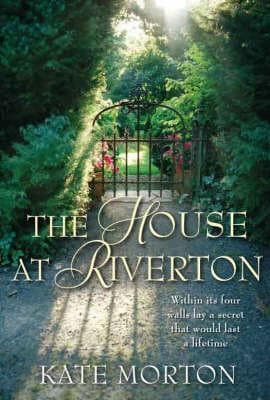
- The House at Riverton
Kate Morton
3.9 (103k) average on GoodreadsHistorical Fiction"The Beach Trees" shares a similar strength in its dual timeline narrative structure and the gradual uncovering of long-buried family secrets, keeping the reader engaged through historical intrigue. Both authors excel at creating atmospheric settings that enhance the mystery.
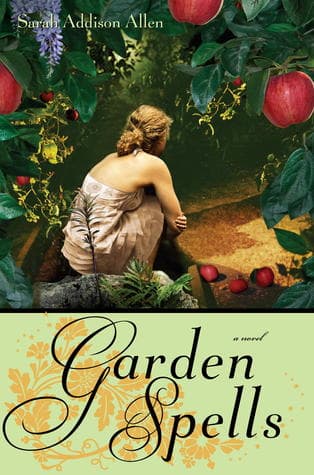
- Garden Spells
Sarah Addison Allen
4.1 (87k) average on GoodreadsFantasyWhile both books feature a strong sense of place and focus on family secrets, "The Beach Trees" grounds its mystery more firmly in historical fact and interpersonal drama. Allen's work often incorporates magical realism and a more whimsical tone, which is absent in White's more grounded narrative.
- To Kill a Mockingbird
Harper Lee
4.3 (4.5M) average on GoodreadsHistorical FictionIn the 1930s Jim Crow South, Harper Lee writes about racial injustice, moral growth, and the quiet courage of a lawyer father, Atticus Finch, as seen through his young daughter's eyes.
- The Great Gatsby
F. Scott Fitzgerald
3.9 (3.8M) average on GoodreadsHistorical FictionIn the opulent Roaring Twenties, a mysterious millionaire's lavish parties hide his desperate, tragic pursuit of a lost love, exposing the emptiness within the American Dream.




Enjoyed the summary?
A summary gives you the shape of the book. The book itself has the detail, the examples and the voice.
Find The Beach Trees on AmazonAs an Amazon Associate, BookBrief earns from qualifying purchases. How we're funded