
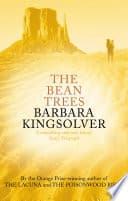
Synopsis
Covers the whole plot, including the ending.
- Difficulty
- Easy
- Pacing
- Moderate
- Mood
- Heartwarming, Hopeful, Thought-provoking, Humorous
- Read it if
- You enjoy character-driven stories about unconventional families, resilience, and social justice, with a touch of humor and heartwarming moments.
- Skip it if
- You prefer fast-paced thrillers or stories with complex plot twists, or if you dislike narratives focused on social commentary.
The Bean Trees Plot Summary
Covers the whole plot, including the ending.
Leaving Pittman County and the Unexpected Passenger
Marietta "Taylor" Greer, a young woman from rural Pittman County, Kentucky, decides to avoid early pregnancy and a life tied down. She saves money, buys a '55 Volkswagen bug, and drives west, planning to stop only when her car breaks down. In rural Oklahoma, a desperate woman places a small, silent, and abused Native American child into Taylor's car. She says the child's mother is dead and her father does not want her. The woman leaves before Taylor can refuse, giving Taylor no information about the child. Taylor, at first overwhelmed, takes the child with her, naming her Turtle because of her strong grip on Taylor's finger.
Arrival in Tucson and New Beginnings
After a long drive, Taylor and Turtle arrive in Tucson, Arizona, when her car breaks down. With little money and no plan, Taylor finds the Jesus Is Lord Used Tires shop, owned by Mattie. Mattie, a kind and helpful woman, offers Taylor a job and a place to stay upstairs. Taylor quickly learns that Mattie's shop is also a safe house for undocumented immigrants, mostly from Central America. Turtle starts to show small signs of life, mostly by watching the world around her, especially the desert plants.
Meeting Lou Ann and Forming a Household
Taylor meets Lou Ann Ruiz, a fellow Kentuckian who is also a single mother, recently left by her husband, Angel. Lou Ann lives with her two children, Dwayne Ray and a newborn daughter named Alice, and her mother-in-law and brother-in-law, who soon return to Montana. Taylor, needing a more stable living situation and finding a friend in Lou Ann, suggests they move in together. They create a shared household, combining their resources and supporting each other. Despite their different personalities—Taylor's adventurous spirit and Lou Ann's timid worries—they quickly form a close bond, living their new lives in Tucson.
Turtle's Growing Connection to Nature
As Taylor settles into her new routine, working at Mattie's and living with Lou Ann, she sees Turtle's slow awakening. Turtle remains mostly silent but gets interested in the desert, especially the wisteria vine and the bean trees outside their home. She points out different plants, identifying them with a word or gesture. Taylor realizes that Turtle has a special connection to nature. However, Turtle's quietness and signs of past abuse still worry Taylor, who struggles to care for a child with such a traumatic past.
Estevan and Esperanza Enter Their Lives
Mattie introduces Taylor to Estevan and Esperanza, a young, gentle couple from El Salvador who also live at Mattie's safe house. They are refugees, fleeing political persecution in their home country, where they lost their child, Ismene, to the government. Taylor and Estevan quickly connect, drawn to each other's kindness and shared sense of loss. Esperanza, however, stays withdrawn and depressed, still grieving for her daughter and the trauma she endured. Taylor feels a strong desire to protect and help them, especially after learning the tragic details of their past.
The Wisteria and Turtle's Awakening
A significant event happens when Turtle, playing in the park, points to a wisteria vine and says her first word: 'bean.' This moment fills Taylor with joy and hope, showing Turtle's slow but steady recovery from her trauma. The wisteria vine, with its strong roots and blossoms, becomes a symbol of resilience and growth for both Turtle and Taylor. Turtle's vocabulary slowly grows, mostly related to plants, showing her deep connection to the natural world and her gradual re-engagement with life. This milestone strengthens Taylor's resolve to provide a loving and stable home for Turtle.
The CPS Interview and the Need for Adoption
A social worker, Mrs. Parsons, visits Taylor and Lou Ann's home after a neighbor reports Turtle was unsupervised in the yard. During the interview, Taylor finds it hard to explain Turtle's origin without revealing the illegal circumstances of her arrival. Mrs. Parsons expresses concern about Turtle's lack of legal documents and unclear guardianship. This interaction makes Taylor realize how uncertain their situation is and how urgently she needs to legally adopt Turtle to ensure her safety and future. The fear of losing Turtle motivates Taylor to find a permanent solution for their family.
The Journey to Oklahoma and Legal Challenges
To adopt Turtle, Taylor, with Estevan and Esperanza, travels back to Oklahoma, hoping to find Turtle's biological relatives or a legal way to adopt her. Mattie helps arrange the trip, understanding the urgency. During the journey, Estevan and Esperanza pretend to be Turtle's biological parents, hoping to make the adoption process easier by presenting a more conventional family unit to the Cherokee Nation. This pretense is emotionally hard for Esperanza, as it brings back the pain of losing her own child, Ismene. The group faces bureaucratic problems and the emotional cost of their deception.
The Cherokee Nation and a New Identity
In Oklahoma, Taylor, with Estevan and Esperanza's help, goes to the Cherokee Nation offices. They navigate the legal system by presenting Estevan and Esperanza as Turtle's biological parents, who are supposedly giving her up for adoption to Taylor. This fabrication is necessary because Turtle is a Native American child, and tribal law has specific rules for her adoption. The officials are convinced, and Taylor gets temporary custody, with the way clear for a full adoption. This experience strengthens Taylor's commitment to Turtle and changes her idea of family, showing that love and commitment, not biology, make a family.
Saying Goodbye and Returning Home
After successfully getting Turtle's adoption, Taylor makes the difficult decision to leave Estevan and Esperanza at a safe house in Oklahoma. From there, they will be taken to a safer life in a different part of the country through a network of sanctuary cities. The goodbyes are emotional, especially for Taylor and Estevan, who have grown close. Taylor promises to keep their story alive. She and Turtle then drive back to Tucson, a legally recognized family. Taylor thinks about her journey, her early fears of commitment, and the deep love she now feels for Turtle, embracing her new identity as a mother and her chosen family.
Principal Figures
Taylor Greer
Protagonist
A spirited young woman who leaves Kentucky and unexpectedly becomes a mother to Turtle.
Taylor, originally Marietta, is a headstrong and independent woman from rural Kentucky who is determined to escape a life of early marriage and motherhood. She is pragmatic, resilient, and possesses a sharp wit. Despite her initial reluctance towards responsibility, she embraces her role as Turtle's guardian with fierce love and dedication. Her journey is one of self-discovery, challenging her preconceived notions about family and community. She works at Mattie's tire shop, showing her resourcefulness and ability to adapt to new environments. Taylor's growth from a commitment-phobic individual to a loving, protective mother is central to the narrative.
Relationships: Turtle (Adopted mother-daughter); Lou Ann Ruiz (Best friend and housemate); Mattie (Employer and mentor); Estevan (Close friend and potential romantic interest); Esperanza (Friend and fellow refugee supporter)
Turtle
Supporting
A silent, abused Native American child adopted by Taylor, who slowly emerges from her trauma.
Turtle is a three-year-old Native American child, severely abused and traumatized, who is thrust upon Taylor. She is initially silent, withdrawn, and exhibits signs of neglect and fear. Her only outward sign of life is a tenacious grip. Throughout the book, she slowly begins to heal and connect with the world, particularly through her fascination with plants, eventually speaking her first word, 'bean.' Her journey symbolizes resilience and the power of love and nurture to overcome profound trauma. Turtle's presence is the catalyst for Taylor's transformation and her understanding of unconditional love.
Relationships: Taylor Greer (Adopted daughter-mother); Lou Ann Ruiz (Caretaker and family friend); Estevan (Caretaker and family friend); Esperanza (Caretaker and family friend)
Lou Ann Ruiz
Supporting
A timid, anxious Kentuckian single mother who becomes Taylor's housemate and close friend.
Lou Ann is a young woman from Kentucky who, like Taylor, has moved to Tucson. She is initially portrayed as timid, anxious, and overly concerned with potential dangers, often dwelling on worst-case scenarios. She is a single mother, raising her son Dwayne Ray and later her daughter Alice, after her husband, Angel, leaves her. Despite her anxieties, Lou Ann is kind-hearted, generous, and a loving mother. Her friendship with Taylor provides mutual support and allows her to gain confidence and a stronger sense of self, eventually finding work and becoming more independent. She represents the domestic and nurturing aspect of the chosen family.
Relationships: Taylor Greer (Best friend and housemate); Dwayne Ray (Son); Alice (Daughter); Angel Ruiz (Estranged husband)
Mattie
Supporting
The wise and compassionate owner of Jesus Is Lord Used Tires, who provides sanctuary for refugees.
Mattie is a resourceful, kind, and spiritually grounded woman who owns and operates the Jesus Is Lord Used Tires shop. More than just a business owner, she is a central figure in the Tucson community, providing employment, housing, and sanctuary for undocumented immigrants, particularly those from Central America. She is a quiet activist, deeply committed to social justice and helping those in need, embodying a practical, everyday form of grace. Mattie serves as a mentor and a steadying presence for Taylor, offering wisdom, support, and a safe haven. Her home is a symbol of refuge and resilience.
Relationships: Taylor Greer (Employer and mentor); Estevan (Benefactor and friend); Esperanza (Benefactor and friend); Various refugees (Protector and guide)
Estevan
Supporting
A gentle and intelligent Salvadoran refugee, a former English teacher, seeking asylum.
Estevan is a kind, intelligent, and deeply compassionate Salvadoran refugee. He was an English teacher in El Salvador before fleeing political persecution, which also led to the loss of his daughter, Ismene. He carries a profound sadness but maintains a gentle demeanor and a strong sense of morality. He forms a deep, unspoken bond with Taylor, sharing a mutual understanding and respect. His story highlights the plight of refugees and the human cost of political violence. He represents intellectualism, kindness, and the enduring spirit of those who have lost everything but still strive for hope.
Relationships: Esperanza (Wife); Taylor Greer (Close friend); Mattie (Benefactor and friend); Ismene (Deceased daughter)
Esperanza
Supporting
Estevan's wife, a deeply traumatized Salvadoran refugee grieving the loss of her child.
Esperanza is Estevan's wife, also a Salvadoran refugee. She is deeply traumatized and withdrawn, suffering from profound grief and depression over the loss of her daughter, Ismene, who was taken from them by the Salvadoran government. Her silence and sadness are a constant presence, highlighting the devastating psychological impact of political violence and displacement. She struggles to connect with others, particularly Turtle, due to her unresolved grief. Her journey is one of slow, painful healing, culminating in a moment of emotional release that marks a turning point in her recovery. She embodies the silent suffering of refugees.
Relationships: Estevan (Husband); Taylor Greer (Friend); Mattie (Benefactor and friend); Ismene (Deceased daughter)
Angel Ruiz
Supporting
Lou Ann's estranged husband, a rodeo cowboy who leaves her and their children.
Angel is Lou Ann's estranged husband and the father of Dwayne Ray and Alice. He is a rodeo cowboy with a prosthetic leg, a result of a rodeo accident. He is portrayed as somewhat unreliable, restless, and ultimately abandons Lou Ann and their children. His departure forces Lou Ann to become more independent. He occasionally reappears, causing Lou Ann emotional turmoil, but ultimately he is unable to commit to family life. Angel represents the conventional male figures that Taylor and Lou Ann are trying to escape or redefine in their lives, highlighting themes of abandonment and self-reliance.
Relationships: Lou Ann Ruiz (Estranged husband); Dwayne Ray (Son); Alice (Daughter)
Mrs. Parsons
Mentioned
A social worker who investigates Turtle's living situation.
Mrs. Parsons is the social worker who visits Taylor and Lou Ann's home after a neighbor reports Turtle's unsupervised presence. She represents the bureaucratic hurdles and societal expectations that Taylor must navigate to legally adopt Turtle. While not overtly hostile, her questions highlight the precariousness of Taylor's guardianship and the need for proper documentation. Her visit serves as a catalyst for Taylor to seek a legal solution for Turtle's adoption, underscoring the challenges faced by unconventional families.
Edna Poppy
Supporting
An elderly, blind neighbor who provides lighthearted companionship.
Edna Poppy is an elderly, blind woman who lives next door to Taylor and Lou Ann. She is often seen dressed in vibrant colors and is known for her cheerful disposition. Despite her blindness, she maintains an active social life, often relying on her friend Virgie Mae. Edna provides a touch of eccentricity and warmth to the neighborhood, and her presence adds to the sense of community. She occasionally helps with childcare, demonstrating the informal support network that forms around Taylor and Lou Ann.
Relationships: Virgie Mae Parsons (Close friend and companion); Taylor Greer (Neighbor); Lou Ann Ruiz (Neighbor)
Virgie Mae Parsons
Supporting
Edna Poppy's friend and companion, who often shares news and opinions.
Virgie Mae Parsons is Edna Poppy's constant companion and guide. She is often the one to narrate events for Edna and share neighborhood gossip or observations. She provides a practical counterpoint to Edna's more whimsical nature. Virgie Mae's interactions with Taylor and Lou Ann contribute to the feeling of a close-knit, if sometimes intrusive, community. She is a source of information and opinions, reflecting the local perspective on events and people.
Relationships: Edna Poppy (Close friend and companion); Taylor Greer (Neighbor); Lou Ann Ruiz (Neighbor)
Themes & Insights
Chosen Family and Community
The novel explores the idea that family is not only defined by biological ties but by love, commitment, and support. Taylor, Lou Ann, Turtle, Mattie, Estevan, and Esperanza form an unconventional but loving family in Tucson. This theme appears in Taylor's decision to adopt Turtle, Lou Ann and Taylor's shared home, and Mattie's role as a sanctuary provider. The Tucson community, a mix of resilient individuals from different backgrounds, nurtures and protects its members, showing the strength found in solidarity and compassion, especially for those on the edges of society.
“It was just a little green bean of a thing, and I'd had it on my mind to keep it. I decided that this was the kind of miracle I'd been expecting.”
Motherhood and Nurturing
Motherhood is a central theme, imagined beyond traditional biological roles. Taylor, at first against motherhood, becomes a devoted mother to Turtle. Lou Ann, a biological mother, also grows into a more confident parent through her shared life with Taylor. The novel emphasizes the active, nurturing role of a mother, regardless of biology, highlighting the sacrifices and love involved. Mattie also acts as a mother figure, caring for and protecting many, including the refugees. The theme suggests that nurturing is a strong, healing force.
“What happened to you, little kid? I thought. I didn't know the answer. But I knew one thing: if I kept her, I'd have to make sure nothing like that ever happened again.”
Identity and Self-Discovery
Both Taylor and Lou Ann go through journeys of self-discovery. Taylor leaves Kentucky to define herself outside of traditional expectations, only to find her true identity as a mother and a member of a supportive community. Lou Ann, at first defined by her worries and her relationship with Angel, gradually finds her own strength and independence. The characters learn to navigate new environments, face their fears, and take on unexpected roles. Their experiences show how a unique identity forms, often through challenges and new relationships, ultimately finding strength in their changing selves.
“I had been running away from something, and now I was running towards something.”
Resilience and Survival
The novel has characters who show resilience when facing hardship. Turtle's slow recovery from trauma, Estevan and Esperanza's survival of political persecution and loss, and Taylor and Lou Ann's ability to build new lives in a new city all show this theme. The 'bean trees' themselves symbolize resilience, growing in harsh conditions. The characters' ability to adapt, heal, and find hope despite their struggles shows the human capacity for endurance and the strong spirit of life, like desert plants that bloom against odds.
“The wisteria vine was the most tenacious, ill-tempered plant in the world. It had the kind of tenacity that was admirable, even if it was a pain in the neck.”
Social Justice and Immigration
Kingsolver includes themes of social justice, especially concerning undocumented immigrants and Native American rights. Mattie's tire shop as a sanctuary for Central American refugees like Estevan and Esperanza brings the political realities of their situation into the home. The bureaucratic problems Taylor faces in adopting Turtle, a Native American child, highlight issues of tribal law and the complexities of guardianship. The novel supports compassion and human rights, advocating for those who are marginalized and unheard, showing how ordinary people can make a difference through kindness and solidarity.
“These people are running for their lives. What else are we supposed to do?”
Plot Devices & Literary Techniques
The Wisteria and Bean Trees
Symbolic plants representing resilience, growth, and interconnectedness.
The wisteria vine, specifically the 'bean trees' that Turtle points out, serves as a powerful symbol throughout the novel. Initially, Turtle's first word, 'bean,' connects her to the plant, marking her awakening and recovery from trauma. The plants, with their tenacious roots and ability to thrive in harsh desert conditions, mirror the resilience of the characters, particularly Turtle, Taylor, Estevan, and Esperanza. They symbolize growth, interconnectedness, and the idea that beauty and life can emerge even from difficult circumstances, reinforcing the theme of survival and the formation of a chosen family rooted together.
First-Person Narrative (Taylor's Voice)
Provides an intimate, humorous, and authentic perspective on the events.
The story is told from Taylor Greer's first-person perspective, allowing readers direct access to her thoughts, fears, and observations. This narrative choice imbues the story with Taylor's distinctive Kentucky voice, marked by humor, colloquialisms, and a down-to-earth sensibility. It creates an intimate connection with the protagonist, making her journey of unexpected motherhood and self-discovery deeply personal and relatable. Her honest, often humorous, reflections on her experiences and the people she encounters shape the reader's understanding of the themes and events, making the narrative engaging and authentic.
The Desert Setting
A symbolic backdrop representing harshness, beauty, and unexpected life.
The Arizona desert, with its unique flora and fauna, serves as a significant symbolic setting. Initially perceived as harsh and alien by Taylor, it gradually reveals its hidden beauty and capacity for life, much like the characters themselves. The desert plants, particularly the wisteria, symbolize resilience and survival against challenging odds. The starkness of the landscape highlights the characters' vulnerability while also emphasizing their tenacity. It becomes a place of unexpected growth, community, and transformation, contrasting with Taylor's lush but restrictive Kentucky origins and symbolizing the new, unconventional life she builds.
The Jesus Is Lord Used Tires Shop
A sanctuary and symbol of practical compassion and community.
Mattie's tire shop is more than just a place of employment; it functions as a literal and symbolic sanctuary. It provides safe haven, employment, and community for marginalized individuals, particularly undocumented refugees like Estevan and Esperanza. The act of 'fixing tires' can be seen as a metaphor for Mattie's work in helping 'fix' broken lives and situations. It represents a space where practical help, compassion, and quiet activism converge, illustrating how ordinary places can become centers of profound social good and support networks for those in need, embodying the novel's theme of chosen family and social justice.
The Bean Trees Quotes
“There is no point treating a depressed person as though she were just feeling sad, saying, 'There now, hang on, you'll get over it.' Sadness is more or less like a head cold—with patience, it passes. Depression is like cancer.”
“The way I see it, a person isn't nothing more than a scarecrow. You, me, the President, the Queen of England—we're all just made out of the same stuff. The only difference between one person and another is the way they're put together.”
“You can't just sit there and wait for people to give you that golden dream. You've got to get out there and make it happen for yourself.”
“Home is where you know the names of the trees.”
“There are still flowers blooming in the desert, even if you can't see them from the road.”
“The most important thing about a person is always the thing you don't know.”
“I had decided early on that if I couldn't dress elegant, I'd dress memorable.”
“You can't just pick out the parts you like and ignore the rest, because the whole thing's a package deal.”
“Sometimes you have to let go of the life you planned to find the life that's waiting for you.”
“A mother is the only person who can turn a grocery list into a love letter.”
“The world is full of bastards, the number increasing rapidly the further one gets from Missoula, Montana.”
“It's funny how you can be in a place for years and never really see it until you're about to leave.”
“Hope is a funny thing. It's the only thing stronger than fear.”
“You don't have to be blood to be family.”
Quiz
10 questions on the plot and the characters. Each answer comes with a short explanation.
Question 1
What is the name of the protagonist who leaves Kentucky at the beginning of the novel?
- Lou Ann Ruiz
- Taylor Greer
- Mattie
- Esperanza
Show answer
B. Taylor Greer Taylor Greer is the main character who drives away from her hometown in Kentucky to escape her roots and avoid pregnancy, setting the story in motion.
Question 2
How does Taylor acquire the child she names Turtle?
- She adopts her legally from an agency in Tucson
- She finds her abandoned in a park in Oklahoma
- A stranger leaves the child with her at a rest stop in Oklahoma
- She rescues her from an abusive family in Kentucky
Show answer
C. A stranger leaves the child with her at a rest stop in Oklahoma While traveling through Oklahoma, a woman approaches Taylor at a rest stop and leaves the three-year-old Native American girl with her, saying Taylor should take her, which leads to Taylor naming her Turtle.
Question 3
Where does Taylor find work after settling in Tucson with Turtle?
- At a diner called the Coffee Cup
- At Jesus Is Lord Used Tires
- As a teacher in a local school
- At a plant nursery
Show answer
B. At Jesus Is Lord Used Tires Taylor gets a job at Jesus Is Lord Used Tires, run by Mattie, which becomes a central location in the novel and connects her to a community of immigrants and friends.
Question 4
What is the significance of the wisteria vines that Turtle points out in the novel?
- They symbolize Taylor's longing to return to Kentucky
- They represent Turtle's growth and resilience after trauma
- They are a source of food for the characters in Tucson
- They are used as a metaphor for the tire business
Show answer
B. They represent Turtle's growth and resilience after trauma Turtle's fascination with the wisteria vines, which thrive in poor soil by fixing nitrogen, mirrors her own ability to grow and heal despite her difficult past, highlighting themes of resilience and belonging.
Question 5
Which character helps Taylor and Turtle by providing legal assistance and friendship?
- Estevan
- Mattie
- Virgie Mae
- Angel
Show answer
B. Mattie Mattie, the owner of Jesus Is Lord Used Tires, not only employs Taylor but also offers support, legal advice, and a safe haven for immigrants, playing a key role in Taylor's and Turtle's lives.
Question 6
Why does Taylor change her name from Marietta to Taylor at the start of the novel?
- To honor a family member who passed away
- To avoid being tracked by authorities from Kentucky
- To assert her independence and create a new identity
- Because she dislikes the sound of her original name
Show answer
C. To assert her independence and create a new identity Taylor changes her name as she leaves Kentucky to symbolize her break from her past and her desire to forge her own path, reflecting themes of self-reinvention and escape.
Question 7
What major challenge does Taylor face regarding Turtle's custody?
- Turtle's biological parents sue for custody in court
- Social services threaten to take Turtle away due to Taylor's lack of legal guardianship
- Turtle runs away to find her original family
- Taylor considers giving Turtle up for adoption to a wealthier family
Show answer
B. Social services threaten to take Turtle away due to Taylor's lack of legal guardianship Taylor struggles with the legalities of keeping Turtle, as she never formally adopted her, leading to tensions with authorities and driving part of the plot's conflict.
Question 8
How does the novel explore the theme of 'found family'?
- By depicting Taylor's reunion with her biological relatives in Arizona
- Through Taylor's relationships with Turtle, Lou Ann, Mattie, and others in Tucson
- By focusing solely on Taylor's romantic relationships
- Through Turtle's integration into a traditional Cherokee community
Show answer
B. Through Taylor's relationships with Turtle, Lou Ann, Mattie, and others in Tucson The novel emphasizes how Taylor, Turtle, and characters like Lou Ann and Mattie form a supportive, non-biological family in Tucson, illustrating themes of belonging and community over blood ties.
Question 9
What role do Estevan and Esperanza play in the story?
- They are tourists who befriend Taylor and help her find a job
- They are immigrants from Guatemala who are hiding from authorities, and their story parallels Taylor's struggles
- They are Turtle's biological parents who reappear to claim custody
- They are missionaries who try to convert Taylor to their religion
Show answer
B. They are immigrants from Guatemala who are hiding from authorities, and their story parallels Taylor's struggles Estevan and Esperanza are Guatemalan refugees staying with Mattie; their experiences of loss and displacement mirror Taylor's and Turtle's journeys, adding depth to themes of immigration and resilience.
Question 10
In what way does the title 'The Bean Trees' metaphorically relate to the novel's content?
- It refers to a type of tree Taylor plants in her Kentucky hometown
- It symbolizes the economic importance of agriculture in Tucson
- It represents the idea of growth and nurturing in harsh conditions, much like the characters' lives
- It is the name of a restaurant where key scenes take place
Show answer
C. It represents the idea of growth and nurturing in harsh conditions, much like the characters' lives The title alludes to the wisteria vines (sometimes called 'bean trees') that Turtle notices, which thrive by fixing their own nitrogen in poor soil, serving as a metaphor for the characters' ability to flourish and support each other despite adversity.
The Bean Trees FAQ
What is 'The Bean Trees' about?
The novel follows Taylor Greer, a young woman from rural Kentucky who drives west to escape her hometown's expectations. In Oklahoma, she unexpectedly becomes the guardian of a 3-year-old Cherokee girl she names Turtle, and they settle in Tucson, Arizona, where Taylor finds work at Jesus Is Lord Used Tires and builds a makeshift family with other displaced characters.
Why should I read 'The Bean Trees'?
It's a heartwarming yet realistic story about found family, resilience, and belonging, blending humor with poignant social commentary. Kingsolver's accessible prose and memorable characters make it an engaging exploration of motherhood, immigration, and environmental themes in 1980s America.
What is the background/setting of 'The Bean Trees'?
The story begins in rural Kentucky, moves through Oklahoma, and settles in Tucson, Arizona, during the 1980s. Tucson's dusty landscape and the backdrop of Central American refugees fleeing violence highlight themes of displacement and survival in the American Southwest.
What are the most memorable quotes?
Notable quotes include Taylor's reflection, 'The way I see it, a person isn't nothing more than a scarecrow... the only difference between one that stands up good and one that blows over is what kind of stick they're stuck on there,' and her observation about Turtle, 'She was like a little tree that had been left to grow in the shade.'
What writing style does the author use?
Kingsolver employs a first-person narrative from Taylor's perspective, using clear, conversational dialogue and vivid imagery. The style blends folksy humor with lyrical descriptions of nature, particularly plants and the Arizona desert, to underscore themes of growth and adaptation.
What minor details add significant meaning?
The wisteria vines Turtle plants symbolize resilience and unexpected growth, mirroring her recovery from trauma. Taylor's job at the tire shop, named 'Jesus Is Lord,' subtly critiques religious hypocrisy while highlighting community support among outsiders.
What are some subtle foreshadowing moments?
Early on, Taylor's fear of tires blowing out foreshadows the literal and metaphorical 'blowouts' in her journey, such as Turtle's abduction. Turtle's initial silence and attachment to plants hint at her Cherokee heritage and eventual connection to the land.
What unexpected character connections exist?
Taylor's friend Lou Ann, also a single mother from Kentucky, becomes a surrogate sister in Tucson. Mattie, the tire shop owner, secretly shelters Central American refugees, linking Taylor's personal struggles to broader political issues of sanctuary and immigration.
What are unspoken character motivations?
Taylor's drive to avoid pregnancy stems from seeing her hometown's limited opportunities for women, but she unconsciously seeks purpose through caring for Turtle. Estevan and Esperanza, Guatemalan refugees, hide their grief over a lost child, motivating their protective bond with Turtle.
What psychological complexities do characters exhibit?
Turtle shows signs of trauma through selective mutism and fear of men, yet she demonstrates resilience by nurturing plants. Taylor grapples with imposter syndrome as an unprepared mother, masking her insecurities with humor and practicality.
What are the major emotional turning points?
Key moments include Turtle calling Taylor 'Mama' for the first time, solidifying their bond; Turtle's abduction by child services, which forces Taylor to confront her legal and emotional responsibilities; and the decision to help Estevan and Esperanza find safety, deepening Taylor's understanding of sacrifice.
How do relationship dynamics evolve?
Taylor and Turtle's relationship grows from accidental guardianship to genuine maternal love, marked by Turtle's increasing verbal and emotional openness. Taylor's friendship with Lou Ann evolves from shared loneliness to a cooperative household, embodying the novel's theme of chosen family.
Which parts remain ambiguous or open-ended?
The fate of Estevan and Esperanza after they leave Tucson is left uncertain, reflecting the precariousness of refugees' lives. Turtle's full recovery from her traumatic past is implied but not guaranteed, leaving her future growth open to interpretation.
What are controversial scenes or decisions?
Taylor's illegal adoption of Turtle without formal paperwork sparks debate about ethical parenting versus bureaucratic neglect. Her decision to help Estevan and Esperanza, potentially risking legal trouble, raises questions about civil disobedience in the face of unjust immigration policies.
'The Bean Trees' ending explained: how it ends & what it means
The novel ends with Taylor legally adopting Turtle and planning to return to Oklahoma to visit family, symbolizing her acceptance of roots and responsibility. It suggests that belonging isn't about geography but about the love and community one builds, with the bean trees (wisteria) representing hope and interconnectedness.
What symbolism is tied to the title 'The Bean Trees'?
The 'bean trees' refer to wisteria vines, which Turtle plants and which thrive in harsh conditions, symbolizing resilience, growth, and the idea that life can flourish unexpectedly. They also connect to Turtle's Cherokee heritage and the novel's themes of nurturing and environmental adaptation.
About the author

Barbara Kingsolver is a Pulitzer Prize winning American novelist, essayist and poet. She was raised in rural Kentucky and lived briefly in the Congo in her early childhood. Kingsolver earned degrees in biology at DePauw University and the University of Arizona and worked as a freelance writer before she began writing novels. Her widely known works include The Poisonwood Bible, the tale of a missionary family in the Congo, and Animal, Vegetable, Miracle, a non-fiction account of her family's attempts to eat locally.
Similar books
- Where the Crawdads Sing
Delia Owens
4.5 (975k) average on GoodreadsHistorical FictionFeatures a strong female protagonist finding her way in an isolated environment, with a focus on nature and resilience.
- Gilead (Oprah's Book Club)
Marilynne Robinson
3.9 (126k) average on GoodreadsFictionExplores themes of community, compassion, and the human spirit through introspective prose.
- Educated
Tara Westover
4.5 (796k) average on GoodreadsBiographyA powerful story of self-discovery and overcoming adversity, with a strong, independent female voice.
- A Tree Grows in Brooklyn
Betty Smith
4.3 (388k) average on GoodreadsHistorical FictionBoth novels feature strong female protagonists navigating poverty and striving for a better life, often through unconventional means. However, Smith's novel is more rooted in historical realism and the grim realities of early 20th-century urban life, whereas Kingsolver's maintains a more contemporary, hopeful, and slightly more idealized tone regarding community support and environmental themes.
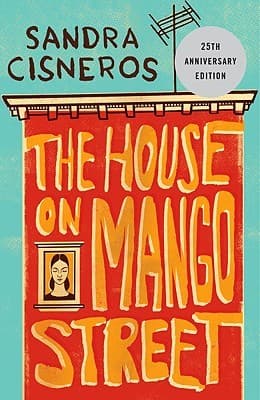
- The House on Mango Street
Sandra Cisneros
3.6 (126k) average on GoodreadsYoung AdultBoth books explore themes of identity, belonging, and the formation of self within a community, often from a female perspective. Cisneros's work is notable for its poetic, episodic structure and its focus on the Chicana experience in Chicago, offering a more fragmented and introspective view of coming-of-age. Kingsolver's narrative is more linear and expansive, focusing on a broader range of social issues and the formation of a chosen family across cultural lines.
- The Old Man and the Sea
Ernest Hemingway
3.8 (831k) average on GoodreadsLiterary FictionA Cuban fisherman's long struggle with a giant marlin becomes a story of endurance and dignity, now retold for young adults with illustrations, phonetic guides, and writing prompts in Traditional Chinese.





Enjoyed the summary?
A summary gives you the shape of the book. The book itself has the detail, the examples and the voice.
Find The Bean Trees on AmazonAs an Amazon Associate, BookBrief earns from qualifying purchases. How we're funded