
Synopsis
Covers the whole plot, including the ending.
- Difficulty
- Medium
- Pacing
- Moderate
- Mood
- Gritty, Inspiring, Tense, Reflective
- Read it if
- You enjoy historical fiction set during WWII, especially stories focused on personal resilience and the moral complexities faced by individuals during extreme political upheaval. Perfect for readers interested in the power of sports and mentorship in challenging times.
- Skip it if
- You prefer lighthearted stories or are sensitive to detailed depictions of antisemitism and violence during the Holocaust era.
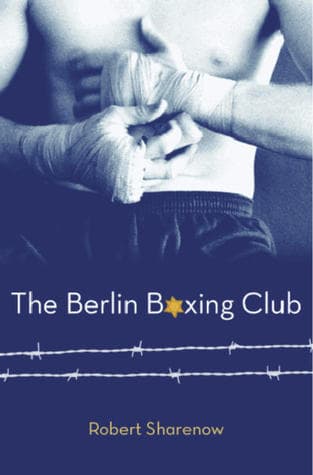
The Berlin Boxing Club Plot Summary
Covers the whole plot, including the ending.
A New Reality in Nazi Berlin
In 1930s Berlin, thirteen-year-old Karl Stern lives a fairly normal life, focused on drawing cartoons. But the Nazi regime's rise quickly changes his world. He and his younger sister, Hildy, face more antisemitic bullies at school, leading to violent fights. After a particularly bad attack where a group of boys beats Karl, his father, a veterinarian, looks for a solution. An opportunity comes when famous German boxing champion Max Schmeling brings his dog, Susie, to Dr. Stern's clinic for treatment. In exchange for the doctor's expert care and a promise to keep a politically sensitive matter quiet, Schmeling offers to teach Karl to box at his private club. He sees it as a way for Karl to defend himself and gain confidence.
Entering the Boxing World
Karl, who prefers art and is unsure about boxing, reluctantly starts training at Schmeling's private gym. He meets Paul, Schmeling's trainer, a rough but experienced man who quickly sees Karl's ability. Karl lacks natural aggression but learns fast, developing agility and strategic thinking. Boxing becomes an escape from the increasingly hostile outside world and gives him new self-respect. He also connects with Schmeling, who, despite his public image as a German hero, shows Karl real kindness and guidance. Schmeling's presence temporarily protects the Stern family from some immediate threats, as his celebrity makes them less direct targets for a while.
Growing Tensions and a Public Face
Karl commits to boxing, training daily and getting much better. He starts winning fights against other boys in the club, earning respect from his peers and trainers. Meanwhile, Germany's political situation keeps getting worse. Jewish businesses are boycotted, and the Stern family faces more discrimination. Max Schmeling, as a national hero, is pressured by Nazi officials, especially Propaganda Minister Joseph Goebbels, to use his platform for political goals. This includes divorcing his Czech wife, Anny Ondra, who is not considered 'Aryan.' Schmeling resists these demands, trying to keep his integrity while navigating the dangerous political situation, but the regime watches and manipulates his public appearances more and more.
Kristallnacht and its Aftermath
The night of November 9-10, 1938, known as Kristallnacht or the 'Night of Broken Glass,' destroys any remaining safety for Jewish families in Berlin. Synagogues burn, Jewish businesses are destroyed, and Jewish men are arrested in large numbers and sent to concentration camps. Karl's father is among those taken by the Gestapo. The Stern family's apartment is searched, and they must leave their home. Karl, stronger and more confident from his boxing training, feels responsible for protecting his mother and Hildy. This event changes things; Karl's fight in the ring becomes a comparison for his fight for survival and his family's safety.
Seeking Refuge and Schmeling's Intervention
After Kristallnacht, the Stern family has no home and no father. Karl, his mother, and Hildy must hide, staying with various sympathetic friends and neighbors, always fearing discovery. During this desperate time, Max Schmeling, despite the great personal risk, secretly helps. He uses his influence and connections to help get Dr. Stern released from Sachsenhausen concentration camp. Schmeling also arranges for the Stern family to hide in his own apartment for a time. This shows his deep moral courage and loyalty to the Sterns, even as he publicly pretends to go along with the Nazi regime to protect himself and those he helps. This act strengthens Karl's respect and admiration for Schmeling.
A New Plan for Escape
Dr. Stern returns from the concentration camp, physically and emotionally hurt but alive, thanks to Schmeling's help. The experience makes it clear that staying in Germany is no longer possible. The family starts to plan their emigration, a difficult and dangerous process needing visas, money, and safe passage. Max Schmeling continues to give secret assistance, using his network and resources to help the Sterns get through the paperwork and find a way out of the country. Karl, now more mature and focused, understands that his boxing skills, while useful for self-defense, are less important than the urgent goal of saving his family.
The Final Fight and Farewell
As their escape date approaches, Karl has one last important boxing match. This fight is not just about winning; it completes his journey, showing the strength and resilience he has gained. It is a symbolic goodbye to the life he knew and the sport that changed him. Max Schmeling is there, giving his quiet support and encouragement. The fight shows Karl's growth, his ability to stand strong against trouble. After the match, Karl and Schmeling share a quiet moment, a silent recognition of their bond and the hidden dangers ahead for the Stern family.
Escape to Safety
With Max Schmeling's continued, secret help, the Stern family gets their passage out of Germany. The escape is full of tension and danger; they must avoid Nazi patrols and pass border controls. Karl, his mother, father, and Hildy leave everything they know behind, carrying only what they can. The journey is a terrible experience, showing the great risks and sacrifices made by those fleeing persecution. They eventually reach a safe place. The specific destination is left somewhat vague, focusing on the relief of escape rather than a new beginning in a particular place. The family's survival shows their resilience and Max Schmeling's quiet bravery.
A New Life and Lingering Memories
After successfully escaping Germany, the Stern family starts the hard process of rebuilding their lives in a new country. They carry the lasting scars of their experiences, but also the strength and unity formed through trouble. Karl keeps drawing, finding comfort and expression in his art, which now holds a deeper meaning and understanding of the human condition. The memories of Berlin, the persecution, and Max Schmeling's quiet bravery stay with him. They are safe, but the past's trauma is always present in their new life. Karl thinks about his change from a vulnerable boy to a protective young man, always thankful for the lessons learned in the Berlin Boxing Club and the unexpected friendship with Max Schmeling.
The Berlin Boxing Club Characters
Karl Stern
Protagonist
A Jewish cartoonist who transforms into a boxer to defend himself and his family in Nazi Berlin.
Karl is a thirteen-year-old Jewish boy living in Berlin, passionate about drawing cartoons. Initially shy, unathletic, and somewhat naive about his Jewish identity, he is forced to confront the harsh realities of rising anti-Semitism. His encounter with Max Schmeling and subsequent boxing training transforms him from a victim into a confident and capable young man. He grapples with his identity, both as a Jew and as a boxer, ultimately finding a balance between his artistic sensibilities and his newfound physical strength. His primary drive becomes the protection of his family.
Relationships: Max Schmeling (Mentor and protector); Dr. Stern (Father) (Loving but initially overwhelmed father); Mrs. Stern (Mother) (Supportive and resilient mother); Hildy Stern (Younger sister, whom he protects); Paul (Boxing trainer and secondary mentor)
Max Schmeling
Supporting
World-famous German boxing champion who secretly aids Karl and his family.
Max Schmeling is a real-life German boxing hero, portrayed as a complex figure. Publicly, he is a national icon, pressured by the Nazi regime to conform to their ideology. Privately, he is a man of integrity and moral courage, deeply uncomfortable with the Nazis' anti-Semitism. He takes Karl under his wing, not just teaching him to box but also using his influence and resources to protect the Stern family, even hiding them in his apartment after Kristallnacht. His actions demonstrate quiet heroism and a profound sense of humanity in the face of immense danger.
Relationships: Karl Stern (Mentor and friend); Dr. Stern (Friend and benefactor (Schmeling helps him)); Anny Ondra (His Czech wife, whom he fiercely protects from Nazi pressure)
Dr. Stern
Supporting
Karl's father, a veterinarian who secures Max Schmeling's help for his son.
Dr. Stern is Karl's father, a respected veterinarian in Berlin. He is initially a loving but somewhat ineffectual parent in the face of the rising Nazi threat, struggling to protect his family. His decision to approach Max Schmeling for help with Karl's bullying demonstrates his desperation and resourcefulness. He is later arrested during Kristallnacht and imprisoned in a concentration camp, only to be released through Schmeling's intervention. His experience in the camp leaves him deeply traumatized but reinforces the family's urgent need to escape Germany.
Relationships: Karl Stern (Father); Mrs. Stern (Husband); Hildy Stern (Father); Max Schmeling (Patient's owner, then benefactor)
Mrs. Stern
Supporting
Karl's mother, a resilient and practical woman who holds the family together.
Mrs. Stern is Karl's mother, a pragmatic and strong woman who tries to maintain a sense of normalcy and hope for her family amidst the escalating persecution. She is a source of emotional strength for Karl and Hildy, demonstrating resilience and adaptability during their displacement and attempts to escape. She supports Karl's boxing, recognizing its benefits for his confidence and self-defense. Her focus is always on the safety and well-being of her children.
Relationships: Karl Stern (Mother); Dr. Stern (Wife); Hildy Stern (Mother)
Hildy Stern
Supporting
Karl's younger sister, who experiences the persecution alongside him.
Hildy is Karl's younger sister, a spirited and observant girl. She, like Karl, experiences the direct impact of anti-Semitism, facing bullying and the loss of her home. Her innocence highlights the cruelty of the Nazi regime, and her vulnerability strengthens Karl's resolve to protect his family. She often provides a sense of normalcy and childhood perspective amidst the chaos, reminding Karl of what they are fighting to preserve.
Relationships: Karl Stern (Brother); Dr. Stern (Daughter); Mrs. Stern (Daughter)
Paul
Supporting
Max Schmeling's gruff but effective boxing trainer.
Paul is Max Schmeling's long-time boxing trainer. He is a gruff, no-nonsense man with a deep understanding of boxing technique and strategy. Despite his initial skepticism about Karl's potential, he quickly recognizes Karl's aptitude and dedicates himself to training him. Paul becomes a secondary mentor to Karl, imparting not just boxing skills but also discipline, resilience, and a sense of self-worth. He is loyal to Schmeling and implicitly understands the sensitive nature of Schmeling's relationship with Karl.
Relationships: Karl Stern (Trainer/Mentor); Max Schmeling (Trainer/Friend)
Anny Ondra
Mentioned
Max Schmeling's Czech wife, targeted by Nazi propaganda.
Anny Ondra is Max Schmeling's wife, a Czech actress. She is targeted by Nazi officials who pressure Schmeling to divorce her because she is not considered 'Aryan.' Schmeling's unwavering loyalty to Anny, despite the immense political pressure, highlights his moral character and resistance to Nazi ideology. While not a direct character in terms of interaction with Karl, her existence and Schmeling's defense of her are crucial to understanding Schmeling's integrity.
Relationships: Max Schmeling (Wife)
Joseph Goebbels
Antagonist
Nazi Propaganda Minister who pressures Max Schmeling.
Joseph Goebbels is the historical figure of the Nazi Propaganda Minister, who represents the oppressive force of the Nazi regime. He is depicted as manipulative and ruthless, constantly pressuring Max Schmeling to align himself more closely with Nazi ideology and use his fame for propaganda purposes. He embodies the political danger and moral corruption that Schmeling and the Stern family must contend with. His demands on Schmeling indirectly create the circumstances that allow Schmeling to help Karl by providing cover for his actions.
Relationships: Max Schmeling (Political oppressor/manipulator)
The Berlin Boxing Club Themes
Identity and Self-Discovery
Karl's journey explores identity. He initially does not see himself as strongly Jewish, but the Nazi regime forces him to confront this heritage. Boxing gives him a new identity, changing him from a bullied artist into a strong protector. He learns to combine his artistic self with his physical abilities. He finds an identity based on resilience and defending his family. His struggle shows the wider challenge many assimilated Jews faced in Nazi Germany.
“I was still Karl, the cartoonist, but I was also Karl, the boxer. And that meant I wasn't just a victim anymore.”
Courage and Resistance
The book explores different kinds of courage. Karl's courage shows when he steps into the boxing ring and, more importantly, when he protects his family against great odds. Max Schmeling shows quiet, moral courage, risking his career and life to defy the Nazis and help the Sterns. Dr. Stern also shows courage by seeking help for Karl and surviving the concentration camp. The theme shows that resistance is not always obvious; sometimes it is found in acts of kindness and defiance against tyranny.
“True strength wasn't just about hitting hard. It was about standing up, even when you were afraid.”
The Power of Mentorship
Max Schmeling mentors Karl, teaching him boxing skills, resilience, discipline, and self-worth. Schmeling's guidance goes beyond the ring; he uses his influence to protect the Stern family, becoming a life-saving figure. Paul, the trainer, also helps shape Karl's physical and mental strength. This theme shows how experienced people's guidance can greatly affect a young person's growth, especially during a crisis.
“He taught me how to fight, but more than that, he taught me how to stand.”
The Personal Cost of Political Extremism
The novel clearly shows how political extremism, specifically Nazism, destroys individual lives and families. Karl's innocent childhood ends, his family is displaced, and his father is hurt. The constant fear, losing their home, and forced emigration are direct results of the regime's policies. Even Max Schmeling, a national hero, is not safe. He faces great pressure and must compromise his public image to keep his moral integrity. The story shows that political ideas have very personal and often sad results.
“The world was changing, and it wasn't just the bullies at school. It was everywhere.”
Art vs. Survival
Karl's first passion is drawing, a creative and expressive activity. But the growing violence forces him to focus on survival skills, leading him to boxing. This theme explores the conflict between pursuing artistic passions and needing practical skills for self-preservation. While boxing initially feels like a betrayal of his artistic self, Karl eventually realizes that the discipline and strength from boxing can exist with his creativity and even inform it, giving his art a deeper understanding of human struggle.
“My hands were for drawing. They weren't for fighting. But now, it seemed, they had to be for both.”
Plot Devices & Literary Techniques
Bildungsroman (Coming-of-Age Story)
Traces Karl Stern's moral and psychological growth from boy to young man.
The novel follows Karl's development from a naive, artistic boy to a resilient young man capable of defending himself and protecting his family. His journey is marked by significant emotional, intellectual, and physical changes brought about by the traumatic events of the Holocaust and his boxing training. He learns about his identity, courage, and responsibility, culminating in his family's escape and his newfound sense of self in a new country. This device effectively frames the personal impact of historical events.
Historical Fiction
Grounds the narrative in the real events and atmosphere of Nazi Germany.
The novel is set against the meticulously researched backdrop of 1930s Berlin and the rise of the Nazi regime, incorporating real historical figures like Max Schmeling and Joseph Goebbels, and events like Kristallnacht. This device provides authenticity and gravitas to Karl's personal story, illustrating how large-scale historical events directly impact individual lives. The author's note further emphasizes the factual inspirations, blending fiction with documented history to educate and immerse the reader.
Symbolism of Boxing
Represents Karl's struggle, self-defense, and inner strength.
Boxing serves as a powerful symbol throughout the narrative. Initially, it represents Karl's reluctant foray into physical self-defense. As he progresses, it symbolizes his growing inner strength, discipline, and resilience in the face of adversity. The ring becomes a microcosm of his larger struggle against the Nazi regime, where he learns to stand his ground, take hits, and fight back. Ultimately, it signifies his transformation from a victim to a survivor and protector, a skill that transcends the sport itself.
The Mentor Figure (Max Schmeling)
A real-life hero who offers guidance and protection to the protagonist.
Max Schmeling functions as a classic mentor figure, providing Karl with both practical skills (boxing) and moral guidance. His real-life status as a German national hero, juxtaposed with his secret acts of defiance against the Nazis, makes him a compelling and complex figure. He represents the possibility of individual goodness and courage even within a corrupt system, offering hope and a crucial lifeline to Karl and his family. His mentorship is instrumental in Karl's physical and emotional survival.
The Berlin Boxing Club Quotes
“I was a Jew, and I was a boxer. In Nazi Germany, that made me a contradiction.”
“Boxing is not about hurting someone. It's about not getting hurt.”
“In the ring, you are alone. No one can help you. That is the truth of life.”
“Art is a weapon. Use it to fight back.”
“Sometimes the only way to survive is to become invisible.”
“Fear is like a punch. If you see it coming, you can block it.”
“We are not defined by what others call us, but by what we choose to become.”
“A true champion fights not just with his fists, but with his heart.”
“The world is a ring, and we are all fighters in it.”
“Silence can be louder than any scream.”
“Every punch tells a story. Make sure yours is worth hearing.”
“In darkness, even a small light can guide you home.”
“To be a Jew in Germany now is to be a boxer every day.”
“Courage is not the absence of fear, but the decision to move forward despite it.”
Quiz
10 questions on the plot and the characters. Each answer comes with a short explanation.
Question 1
What is Karl Stern's primary artistic talent that he uses throughout the novel?
- Playing the piano
- Writing poetry
- Drawing cartoons
- Sculpting
Show answer
C. Drawing cartoons Karl is a skilled cartoonist who uses drawing as an outlet and later to document his experiences, which is a key aspect of his character development in the book.
Question 2
Why does Max Schmeling agree to give Karl boxing lessons?
- Karl's father pays him a large sum of money
- Max sees natural talent in Karl during a street fight
- Karl's father trades valuable art for the lessons
- Max feels sorry for Karl due to school bullying
Show answer
C. Karl's father trades valuable art for the lessons Karl's father, an art dealer, makes a deal with Max Schmeling to trade valuable artwork (a painting by George Grosz) in exchange for boxing lessons for Karl, which sets the main plot in motion.
Question 3
What historical event dramatically escalates the danger for Karl's Jewish family in Berlin?
- The Night of the Long Knives
- The Munich Agreement
- Kristallnacht (Night of Broken Glass)
- The Reichstag Fire
Show answer
C. Kristallnacht (Night of Broken Glass) Kristallnacht in November 1938, when Nazis violently attacked Jewish homes, businesses, and synagogues, forces Karl to take on a protective role for his family and marks a turning point in the novel's tension.
Question 4
How does Karl initially feel about his Jewish heritage at the beginning of the novel?
- He proudly embraces it and attends synagogue regularly
- He is indifferent and doesn't think of himself as Jewish
- He actively hides it from everyone at school
- He resents it and wishes his family would convert
Show answer
B. He is indifferent and doesn't think of himself as Jewish Karl has never been in a synagogue and his family doesn't practice religion, so he doesn't accept his Jewish identity initially, which makes the Nazi persecution particularly confusing and painful for him.
Question 5
What causes Karl to begin questioning Max Schmeling's true sympathies regarding the Nazis?
- Max refuses to give Karl any more boxing lessons
- Karl sees Max socializing with Hitler and Nazi elites
- Max makes anti-Semitic comments during training
- Max joins the SS and wears a Nazi uniform
Show answer
B. Karl sees Max socializing with Hitler and Nazi elites As Max's fame grows, Karl observes him associating with Hitler and other high-ranking Nazis at public events, which creates moral conflict about whether his hero truly supports the regime or is just playing along.
Question 6
What practical skill does Karl develop through boxing that helps him protect his family?
- Financial management to save money for escape
- Foreign language skills to communicate with allies
- Physical strength and self-defense techniques
- Medical knowledge to treat injuries
Show answer
C. Physical strength and self-defense techniques The boxing lessons give Karl physical confidence and fighting skills that become crucial when he must physically defend his family from Nazi violence during increasingly dangerous situations in Berlin.
Question 7
Which real historical figure is Max Schmeling based on in this novel?
- Joe Louis
- Max Baer
- Max Schmeling (the actual boxer)
- Jack Dempsey
Show answer
C. Max Schmeling (the actual boxer) The novel is loosely inspired by the true story of German boxer Max Schmeling, who was a national hero but had complex relationships with the Nazi regime, as detailed in the author's note.
Question 8
What major internal conflict does Karl face throughout the story?
- Choosing between becoming a professional boxer or cartoonist
- Balancing boxing ambitions with family protection duties
- Deciding whether to join the Nazi youth movement
- Choosing between his German and Jewish identities
Show answer
B. Balancing boxing ambitions with family protection duties Karl struggles to pursue his dream of boxing greatness through Schmeling's training while simultaneously taking on increasing responsibility to protect his Jewish family from Nazi persecution as violence escalates.
Question 9
How does Karl's relationship with his father change throughout the novel?
- It deteriorates as Karl blames him for their Jewish heritage
- It remains distant and unchanged
- Karl grows to understand and appreciate his father's sacrifices
- They become business partners in the art trade
Show answer
C. Karl grows to understand and appreciate his father's sacrifices Initially somewhat distant, Karl comes to recognize his father's cleverness in securing the boxing lessons and his efforts to protect the family, leading to greater mutual respect as they face increasing danger together.
Question 10
What symbolic significance does boxing have for Karl beyond physical training?
- It represents his rejection of all German culture
- It serves as a metaphor for his struggle against oppression
- It symbolizes his desire to become exactly like Max Schmeling
- It represents his abandonment of artistic pursuits
Show answer
B. It serves as a metaphor for his struggle against oppression Boxing becomes a metaphor for Karl's larger fight—not just in the ring, but against Nazi persecution, for his family's survival, and for his own identity in a society that wants to eliminate people like him.
The Berlin Boxing Club FAQ
What is 'The Berlin Boxing Club' about?
The novel follows Karl Stern, a Jewish teenager in 1930s Berlin who doesn't identify with his Jewish heritage until Nazi persecution forces him to confront it. Through boxing lessons with German champion Max Schmeling, Karl seeks to prove his worth and protect his family as anti-Semitic violence escalates, while questioning where his hero's true loyalties lie amidst Schmeling's association with Nazi elites.
Why should I read 'The Berlin Boxing Club'?
This Sydney Taylor Award-winning novel offers a unique perspective on Nazi-era Germany through the lens of boxing and identity. It explores complex themes of hero worship, moral ambiguity, and survival while being loosely based on Max Schmeling's real-life experiences, making it both historically grounded and emotionally compelling for young adult and adult readers alike.
What is the background/setting of 'The Berlin Boxing Club'?
Set in Berlin during the rise of Nazi Germany, the story unfolds against the backdrop of increasing anti-Semitic violence, including Kristallnacht. The historical context shapes every aspect of Karl's life, from school bullying to his family's precarious situation, while boxing gyms and Schmeling's celebrity world provide contrasting environments that highlight the era's contradictions.
What are the most memorable quotes?
Key quotes include Karl's reflection, 'I had never thought of myself as a Jew, but the Nazis had decided for me,' highlighting forced identity. Another is Schmeling's ambiguous advice, 'In the ring, you fight for yourself. Outside, you fight for what you believe in,' which Karl later questions as he sees Schmeling's Nazi associations.
What writing style does the author use?
Robert Sharenow employs a first-person narrative from Karl's perspective, blending historical detail with personal introspection. The prose is accessible yet evocative, using Karl's passion for cartooning as a metaphor for observation and self-expression, while boxing scenes are vividly described to mirror the era's tension and Karl's internal struggles.
What minor details add significant meaning?
Karl's cartooning hobby subtly underscores themes of perception and identity; his drawings often reveal truths he can't express verbally. The recurring mention of Schmeling's 1936 fight against Joe Louis, which made him a Nazi propaganda tool, foreshadows Karl's disillusionment with his hero as political pressures mount.
What are some subtle foreshadowing moments?
Early scenes where Karl is bullied for being Jewish, despite his non-practicing background, foreshadow the inevitable escalation of Nazi violence that will force him to embrace his heritage. Schmeling's initial reluctance to discuss politics during boxing lessons hints at his later moral compromises with the Nazi regime.
What unexpected character connections exist?
Karl's father, an art dealer, secures boxing lessons by trading a valuable painting to Schmeling, linking art and sport as survival tools. Additionally, Karl's sister Greta's quiet resistance through small acts of defiance contrasts with Karl's physical boxing, showing different forms of courage within the same family.
What are unspoken character motivations?
Karl's desire to box stems not just from proving himself but from a deep-seated need to control his fate in a world where Jews are stripped of agency. Schmeling's motivations are ambiguous; he may genuinely care for Karl while also using the lessons to maintain a public image of decency amidst Nazi collaboration.
What psychological complexities do characters exhibit?
Karl grapples with internalized anti-Semitism, initially rejecting his Jewish identity before embracing it as a source of strength. Schmeling embodies moral conflict, torn between his personal integrity as a sportsman and the pressures of fame in a totalitarian state, making him a flawed mentor rather than a clear-cut hero.
What are the major emotional turning points?
Key moments include Karl's first successful boxing match, which boosts his confidence but also isolates him from Jewish peers; witnessing Kristallnacht's violence, which shatters his illusion of safety; and realizing Schmeling's Nazi ties, which forces Karl to reconcile his admiration with his family's survival needs.
How do relationship dynamics evolve?
Karl's relationship with Schmeling shifts from hero-worship to cautious mentorship and finally to disillusionment as political realities intrude. His bond with his family deepens from typical teenage resentment to protective devotion, especially after his father's business is destroyed and they face increasing danger together.
Which parts remain ambiguous or open-ended?
Schmeling's true feelings about the Nazis are left ambiguous; the novel suggests he may be a reluctant collaborator rather than a true believer, but never fully confirms this. Karl's ultimate fate after the story ends is open-ended, emphasizing the ongoing uncertainty faced by Jews in pre-war Germany.
What are controversial scenes or decisions?
Schmeling's decision to associate with Hitler and Nazi elites, despite privately helping Jews like Karl, sparks debate about moral compromise versus survival. Karl's initial denial of his Jewish identity may be controversial, as it reflects internalized oppression, but it also makes his eventual acceptance more poignant.
'The Berlin Boxing Club' ending explained: how it ends & what it means
The novel ends with Karl and his family planning to flee Berlin as Nazi persecution intensifies, with Karl using boxing skills to protect them. This conclusion emphasizes that physical strength alone isn't enough; survival requires embracing one's identity and making difficult choices, leaving readers to ponder the costs of heroism in oppressive times.
How does Karl's cartooning influence his perspective?
As a skilled cartoonist, Karl observes and documents the world visually, which helps him see through Nazi propaganda and understand people's true natures. His drawings serve as a private outlet for emotions he can't express in boxing, symbolizing the power of art to resist oppression and preserve identity.
What role does Max Schmeling's real-life history play?
Schmeling's actual actions, such as reportedly hiding Jewish children during Kristallnacht, inspire the novel's ambiguous portrayal. This historical basis adds depth, showing how public figures navigated moral dilemmas in Nazi Germany, and challenges readers to consider the complexity of heroism beyond black-and-white judgments.
How does the novel address themes of identity?
Karl's journey from denying his Jewishness to defending it highlights how identity can be imposed by others but must be claimed personally. Boxing becomes a metaphor for this struggle, as Karl learns to fight not just physically but for his sense of self against societal hatred and internal doubt.
Similar books
- The Book Thief
Markus Zusak
4.4 (1.8M) average on GoodreadsHistorical FictionFeatures a young protagonist navigating life in Nazi Germany amidst hardship and the power of human connection.
- Number the Stars
Lois Lowry
4.2 (448k) average on GoodreadsChildren'sLowry's book focuses on Danish resistance and rescue efforts, offering a more direct narrative of covert operations. Sharenow's novel, by contrast, delves deeper into the psychological impact of escalating antisemitism on a Jewish child's daily life and identity, using the unique lens of the boxing world.
- To Kill a Mockingbird
Harper Lee
4.3 (4.5M) average on GoodreadsHistorical FictionIn the 1930s Jim Crow South, Harper Lee writes about racial injustice, moral growth, and the quiet courage of a lawyer father, Atticus Finch, as seen through his young daughter's eyes.
- The Great Gatsby
F. Scott Fitzgerald
3.9 (3.8M) average on GoodreadsHistorical FictionIn the opulent Roaring Twenties, a mysterious millionaire's lavish parties hide his desperate, tragic pursuit of a lost love, exposing the emptiness within the American Dream.
- Pride and Prejudice
Jane Austen
4.3 (3M) average on GoodreadsHistorical FictionIn a society focused on status and money, Elizabeth Bennet navigates love and pride, challenging Mr. Darcy and social expectations to find true affection.
- Angels & Demons
Dan Brown
3.9 (2.7M) average on GoodreadsThrillerA Harvard symbologist races through Rome's ancient sites, deciphering cryptic clues to unmask the Illuminati and stop a vengeful plot to destroy the Vatican with a stolen antimatter weapon.




Enjoyed the summary?
A summary gives you the shape of the book. The book itself has the detail, the examples and the voice.
Find The Berlin Boxing Club on AmazonAs an Amazon Associate, BookBrief earns from qualifying purchases. How we're funded