

Synopsis
Covers the whole plot, including the ending.
- Difficulty
- Easy
- Pacing
- Moderate
- Mood
- Dramatic, Romantic, Melancholy, Resilient
- Read it if
- You enjoy sweeping historical sagas with strong female protagonists, intricate family dynamics, and a blend of romance, drama, and social commentary.
- Skip it if
- You prefer fast-paced thrillers or stories without significant romantic or dramatic elements, or if you dislike lengthy historical narratives.
The Black Candle Plot Summary
Covers the whole plot, including the ending.
Bridget Dean Mordaunt Takes the Reins
In 1876, nineteen-year-old Bridget Dean Mordaunt finds herself suddenly in charge of her deceased father's businesses in the coal-mining village of Fellburn, Northumberland. This includes a drapery, a grocery, and a number of cottages. Despite her youth, Bridget has a business mind and a strong will, quickly earning the respect of her employees and the community. Her cousin, Victoria, a beautiful but naive girl, lives with Bridget and her Aunt Hannah, after Victoria's own parents died. Bridget is protective of Victoria, who is her only close living relative, and tries to provide her with a secure and happy life, often putting Victoria's needs before her own. Bridget's early years include hard work and a commitment to maintaining her family's legacy and the well-being of her workers.
Victoria's Dangerous Infatuation
Victoria, now in her early twenties, becomes infatuated with Lionel Filmore, the elder son of the impoverished but aristocratic Filmore family who reside at Grove House. Lionel is handsome, charming, and a fortune-hunter, a fact Bridget immediately perceives. Despite Bridget's warnings and her efforts to steer Victoria away from him, Victoria is blinded by love and Lionel's smooth words. The Filmores, particularly Lionel's mother, Mrs. Filmore, and his younger brother, Arthur, know of Lionel's intentions and the Mordaunt family's wealth. Lionel, seeing an opportunity to restore his family's fortunes, pursues Victoria, knowing that her connection to Bridget's wealth makes her a desirable match, despite his lack of genuine affection for her.
A Marriage of Convenience and a Tragic Loss
Against Bridget's better judgment, Victoria marries Lionel Filmore. Bridget, wanting her cousin to be happy, even offers a substantial dowry, though she ensures it is protected for Victoria's future. The marriage is difficult, as Lionel's true nature as a gambler and spendthrift quickly emerges, causing Victoria distress. Tragically, Victoria dies in a carriage accident shortly after giving birth to a daughter, whom she names Victoria. The accident occurs while Lionel is driving carelessly. Bridget is devastated by Victoria's death and heartbroken for her orphaned niece. She immediately steps in to care for the infant Victoria, bringing her into her own home and taking on the role of a surrogate mother, determined to protect the child from the Filmore family's influence and Lionel's neglect.
The Struggle for Little Victoria
Following Victoria's death, Bridget is protective of her niece, little Victoria. Lionel Filmore, interested only in the financial benefits, makes sporadic and unsettling attempts to assert his paternal rights, primarily to gain access to his late wife's inheritance through the child. The Filmore family, particularly Mrs. Filmore, also try to claim the child, seeing her as their rightful heir and a way to maintain their social standing and potentially access wealth. Bridget, however, is unyielding. She legally secures guardianship of little Victoria and raises her with love and stability, shielding her from the atmosphere of Grove House and Lionel's erratic behavior. This period establishes animosity between Bridget and the Filmores, especially Lionel, who resents Bridget's control over his daughter and her money.
Arthur Filmore's Unrequited Love
Throughout the ongoing conflict with Lionel and the Filmore family, Arthur Filmore, Lionel's younger brother, is an unexpected ally and confidant for Bridget. Unlike his brother, Arthur is honorable, intelligent, and principled. He dislikes Lionel's ways and the family's snobbery. Arthur secretly loves Bridget, admiring her strength, integrity, and kindness. He often provides Bridget with information about Lionel's schemes and offers quiet support and friendship. Their relationship is complex; Bridget values his friendship and counsel but remains emotionally guarded due to her past experiences and her focus on little Victoria. Arthur's presence is a constant, steadying force in Bridget's life, offering a stark contrast to the chaos brought by Lionel.
Lionel's Downfall and the Black Candle
Lionel Filmore's life spirals into increasing debt and debauchery. His gambling addiction intensifies, leading him to squander what little money he has and to borrow heavily. He attempts various schemes to gain control of little Victoria's inheritance, all thwarted by Bridget's vigilance. One night, a fire breaks out at Grove House, coinciding with Lionel's desperate attempts to find hidden money or valuables. Lionel dies in the fire under mysterious circumstances. Rumors circulate about the cause, with some suspecting foul play or an act of self-destruction. The 'black candle' of the title, a superstitious symbol of impending doom or evil, is often mentioned in connection with the Filmore family's decline, particularly Lionel's fate and the dark secrets within Grove House.
Grove House and New Beginnings
Following Lionel's death and the financial ruin of the Filmore family, Grove House is put up for sale. To the surprise of many, Bridget Mordaunt purchases the dilapidated estate. Her decision is driven by a desire to provide a stable, beautiful home for little Victoria, free from the lingering shadows of the Filmore past, and to prevent it from falling into unscrupulous hands. Bridget starts a renovation project, transforming the decaying mansion into a warm and welcoming home. This act symbolizes her triumph over the Filmores' destructive influence and her commitment to creating a positive legacy for Victoria. The acquisition of Grove House marks a new chapter, not just for the property, but for Bridget's personal life, allowing her to finally consider her own happiness beyond her responsibilities.
The Arrival of Christopher and a Budding Romance
During the renovations of Grove House, Bridget hires Christopher, a skilled and kind architect/builder. Christopher is drawn to Bridget's strength, intelligence, and independent spirit. He is patient and understanding, recognizing her past hurts and guarded nature. As they work together on the house, a mutual respect and affection blossom between them. Bridget, who has long put her own emotional needs aside, finds herself falling in love with Christopher. He represents stability, genuine affection, and a future free from the manipulative games she endured with the Filmores. Their romance is a slow burn, built on shared values and a quiet understanding, contrasting with the tumultuous and deceitful relationships of her past.
Little Victoria's Growth and the Filmore Legacy
Little Victoria grows into a bright, independent young woman under Bridget's loving care. Bridget educates her about her heritage, balancing the truth of her parents' lives with the need to protect her. Victoria is aware of her Filmore lineage and the societal expectations that come with it, but she is also grounded by Bridget's practical values and her understanding of hard work. She grapples with the legacy of her parents – her mother's naivety and her father's villainy – and the complex relationship between the Mordaunts and the Filmores. Bridget ensures she has a strong sense of self and an understanding of right and wrong, preparing her for her own future and preventing her from repeating the mistakes of the past.
Arthur's Sacrifice and Bridget's Choice
Arthur Filmore, who has continued to silently love Bridget and support her, makes a sacrifice that further aids Bridget and little Victoria. His actions, often behind the scenes, help to solidify Bridget's position and protect her interests. While Bridget deeply values Arthur's friendship and loyalty, she cannot return his romantic feelings, as her heart now belongs to Christopher. Arthur, recognizing this, gracefully steps aside, ensuring Bridget's happiness even at the cost of his own. His selflessness allows Bridget to fully commit to Christopher without lingering emotional complications or guilt, finally allowing her to build a life of her own choosing, free from the shadow of the Filmore family and the burdens she carried for so long.
A Future Secured
Bridget and Christopher marry, formalizing their love and commitment. Their union creates a stable and loving family unit for little Victoria, who thrives under their combined care. Bridget, who had always prioritized duty and the well-being of others, finally finds personal happiness and fulfillment. Her life, once defined by the challenges of her businesses and the Filmores, is now enriched by genuine love and companionship. The transformation of Grove House mirrors the transformation of Bridget's own life – from decay and sorrow to beauty, warmth, and hope. The story concludes with Bridget, Christopher, and little Victoria looking towards a peaceful and prosperous future, having overcome the shadows of the past.
The Black Candle Characters
Bridget Dean Mordaunt
Protagonist
A strong-willed and principled businesswoman who becomes the guardian of her niece.
Bridget is the central protagonist, a woman of immense strength, integrity, and business acumen. Inheriting her father's enterprises at a young age, she manages them with confidence and fairness. Her deep sense of responsibility drives her actions, particularly her fierce protectiveness of her cousin Victoria, and later, her niece, little Victoria. Despite her outward resilience, Bridget carries emotional scars from the betrayals and manipulations of the Filmore family. She is initially guarded in matters of the heart, having witnessed the destructive power of infatuation and greed. Her journey is one of overcoming adversity, finding personal happiness, and establishing a legacy built on honesty and love.
Relationships: Victoria (cousin) (deeply protective and loving); Little Victoria (niece) (guardian, surrogate mother, fiercely protective); Lionel Filmore (antagonistic, sees through his deceit); Arthur Filmore (trusted friend and confidant, recipient of his unrequited love); Christopher (romantic partner, eventual husband)
Victoria Mordaunt (Bridget's cousin)
Supporting
Bridget's beautiful but naive cousin, who falls victim to Lionel Filmore's charms.
Victoria is Bridget's beautiful and gentle cousin, raised alongside her. She is portrayed as somewhat innocent and easily swayed by charm and flattery, particularly when it comes to Lionel Filmore. Her deep infatuation with Lionel, despite Bridget's warnings, leads to her tragic marriage and early death. Victoria represents the vulnerability of women in her era who lacked Bridget's strength and discernment. Her unfortunate choices and subsequent death are a catalyst for much of the novel's plot, forcing Bridget to step into the role of guardian for Victoria's daughter and creating the enduring conflict with the Filmore family.
Relationships: Bridget Dean Mordaunt (cousin, loved and protected by Bridget); Lionel Filmore (husband, deeply infatuated with him); Little Victoria (mother)
Lionel Filmore
Antagonist
The charming but manipulative fortune-hunter who causes much suffering.
Lionel is the primary antagonist, a handsome but utterly unscrupulous man from an impoverished aristocratic family. He is a gambler, a spendthrift, and a master manipulator, solely interested in wealth and social status. He preys on Victoria's naivety to secure a marriage that he believes will solve his financial woes. Lionel's character embodies greed, deceit, and moral decay, and his actions drive much of the conflict in the story, particularly his constant attempts to gain control of his daughter's inheritance. His eventual downfall and mysterious death are a direct consequence of his destructive lifestyle and choices.
Relationships: Victoria (cousin) (husband, manipulative and exploitative); Little Victoria (niece) (father, interested only in her inheritance); Bridget Dean Mordaunt (antagonistic, resents her strength and control); Arthur Filmore (brother, antagonistic due to Arthur's integrity)
Arthur Filmore
Supporting
Lionel's honorable younger brother, who silently loves Bridget.
Arthur is Lionel's younger brother, a man of integrity, intelligence, and quiet strength. He is the antithesis of Lionel, despising his brother's mercenary ways and the snobbery of his family. Arthur secretly harbors a deep, unrequited love for Bridget, admiring her character and resilience. He acts as Bridget's confidant and ally, often providing crucial information and moral support against his own family. His selflessness and loyalty make him one of the most sympathetic characters, and his willingness to step aside for Bridget's happiness underscores his noble character. He represents the possibility of good within a morally compromised family.
Relationships: Bridget Dean Mordaunt (trusted friend, unrequited romantic love); Lionel Filmore (brother, disapproves of his actions); Mrs. Filmore (mother, often at odds with her expectations)
Little Victoria Filmore
Supporting
Bridget's orphaned niece, whose future is a central point of contention.
Little Victoria is the daughter of Victoria and Lionel, orphaned at birth and raised by Bridget. She is the innocent heir to a complicated legacy, representing both the Mordaunt practicality and the Filmore aristocratic lineage. Her upbringing under Bridget's loving and principled guidance shapes her into a well-adjusted, intelligent young woman, despite the shadows of her past. Her well-being and inheritance are central to the ongoing conflict between Bridget and Lionel. Her character embodies hope for the future, demonstrating that love and good upbringing can overcome the negative influences of one's biological heritage.
Relationships: Bridget Dean Mordaunt (guardian, surrogate mother, deeply loved); Victoria (cousin) (biological mother (deceased)); Lionel Filmore (biological father (deceased))
Mrs. Filmore
Supporting
Lionel and Arthur's aristocratic mother, obsessed with social standing and wealth.
Mrs. Filmore is the matriarch of the impoverished Filmore family, characterized by her snobbery, pride, and obsession with maintaining her family's social status. She initially encourages Lionel's pursuit of Victoria for her wealth and later attempts to claim little Victoria, seeing her as a means to restore the family's fortunes. She is cold, manipulative, and often dismissive of Bridget, viewing her as socially inferior despite Bridget's superior character and wealth. Her character highlights the decay of the old aristocracy and their desperate attempts to cling to past glory through advantageous marriages.
Relationships: Lionel Filmore (son, enables his fortune-hunting); Arthur Filmore (son, often disapproves of his lack of ambition); Bridget Dean Mordaunt (antagonistic, views her as an upstart)
Christopher
Supporting
The kind and honorable architect who falls in love with Bridget.
Christopher is introduced later in the novel as the architect/builder hired by Bridget to renovate Grove House. He is a man of integrity, patience, and deep affection. He sees beyond Bridget's formidable exterior to her kind heart and inner strength, respecting her independence. Christopher offers Bridget the stability and genuine love she has long deserved but never sought for herself. His presence represents a new chapter of happiness and personal fulfillment for Bridget, free from the shadows of the past. He is a grounding and loving partner, providing emotional support and a stable future.
Relationships: Bridget Dean Mordaunt (romantic partner, eventual husband); Little Victoria (stepfather figure, loving and supportive)
Aunt Hannah
Supporting
Bridget's kind and supportive aunt.
Aunt Hannah is Bridget's aunt and initially lives with Bridget, providing a supportive and comforting presence in her household. She is a gentle and loving figure, often acting as a maternal presence for both Bridget and Victoria. While not as strong-willed as Bridget, she offers emotional support and a sense of family stability, especially after Victoria's death and during little Victoria's early years. She represents the domestic warmth and traditional values that Bridget strives to maintain amidst the challenges she faces.
Relationships: Bridget Dean Mordaunt (aunt, supportive and loving); Victoria (cousin) (aunt, caring figure); Little Victoria (great-aunt, loving figure)
The Black Candle Themes
Strength and Resilience of Women
The novel features Bridget Dean Mordaunt's strength and resilience in a male-dominated Victorian society. She not only manages her late father's businesses but also protects her family, particularly her niece, against the manipulative Filmore family. Bridget's resolve in the face of emotional turmoil, financial threats, and social pressure shows the inner fortitude required for women to navigate a challenging world. Her ability to thrive independently and build a new life for herself and little Victoria demonstrates her spirit, contrasting with Victoria's fragility.
“Bridget Dean Mordaunt was a woman of consequence in her own part of the world. Inheriting her father's businesses at the age of nineteen, by the time she was twenty-three in 1880, she was running them as confidently as any man.”
Class and Social Status vs. Moral Worth
The conflict between the Mordaunts and the Filmores shows the tension between inherited social status and moral worth. The Filmores, despite their aristocratic lineage and 'Grove House,' are shown to be morally bankrupt, driven by greed and snobbery. Bridget, a successful businesswoman from a less exalted background, embodies integrity, hard work, and compassion. The narrative consistently champions Bridget's practical virtue over the Filmores' decaying grandeur and deceit. This theme explores how true nobility is not in birthright but in character and actions, showing the triumph of the 'new money' of industry over the 'old money' of a declining aristocracy.
“The Filmores might have the name and the house, but it was Bridget Mordaunt who had the true worth, both in coin and in character.”
Love, Betrayal, and Forgiveness
The novel explores various forms of love and its intertwining with betrayal. Victoria's naive love for Lionel leads to her betrayal and tragic end. Bridget's protective love for her family drives her actions, but she also experiences betrayal from Lionel's deceit. The love of Arthur Filmore for Bridget, which she does not return, is an example of selfless affection, contrasting with Lionel's mercenary approach. While forgiveness is implicitly extended to Victoria's memory, Bridget's journey also involves learning to trust and embrace love again with Christopher, moving past the betrayals of her past to find genuine connection and happiness.
“Love, she had learned, could be a blinding force, leading one down paths of both joy and bitter sorrow.”
The Weight of Legacy and Inheritance
The concept of legacy, both financial and moral, is central to the plot. Bridget is burdened by her father's successful business legacy and the responsibility to protect it, while also inheriting the care of her cousin and niece. The Filmore family is consumed by their decaying aristocratic legacy and the desperate need for inheritance to maintain their illusion of grandeur. The struggle over little Victoria's inheritance and the future of Grove House symbolizes the battle between two different kinds of legacies: one built on honest enterprise and care, the other on outdated pride and greed. The eventual transformation of Grove House under Bridget's ownership signifies a positive redefinition of legacy.
“The very stones of Grove House seemed to whisper of a past that refused to lie down, a legacy both grand and cursed.”
Plot Devices & Literary Techniques
The Black Candle
A symbolic object representing doom, evil, and the Filmore family's decline.
The 'black candle' is a recurring symbolic motif throughout the novel, often mentioned in whispers and superstitions surrounding the Filmore family. It represents ill omens, impending doom, and the dark undercurrents of greed and moral decay within Grove House. While not a literal object that drives the plot, its metaphorical presence foreshadows Lionel's destructive path and the ultimate downfall of the Filmore family's pride and fortune. It serves as a constant reminder of the malevolent forces at play and the dark secrets that linger within the old estate, particularly during times of crisis or tragedy.
Grove House
A symbolic setting reflecting the state of the Filmore family and Bridget's transformative power.
Grove House is more than just a setting; it acts as a powerful symbol. Initially, its decayed grandeur mirrors the Filmore family's faded glory and moral decline – a once magnificent facade hiding emptiness and financial ruin. After Bridget purchases and renovates it, Grove House transforms into a warm, loving home, reflecting Bridget's own journey of healing and her ability to create beauty and stability from ruin. Its physical transformation parallels the emotional and social transformation wrought by Bridget, symbolizing the triumph of good over evil and the creation of a new, positive legacy.
Dramatic Irony
The audience's awareness of Lionel's true character, contrasting with Victoria's naivety.
Dramatic irony is heavily employed, particularly in the early stages of Victoria's infatuation with Lionel. The reader, along with Bridget, is immediately aware of Lionel's mercenary intentions and manipulative nature, while Victoria remains blissfully ignorant, blinded by his charm. This creates a sense of foreboding and tension, as the audience anticipates the inevitable heartbreak and tragedy that will befall Victoria. This device heightens the reader's sympathy for Victoria and deepens their admiration for Bridget's perceptiveness and protective instincts.
Parallel Character Arcs (Bridget vs. Victoria)
Contrasting the fates and choices of two cousins.
The novel uses the parallel arcs of Bridget and Victoria to highlight the central themes. Victoria, beautiful and naive, chooses a path based on superficial charm and emotional impulsiveness, leading to tragedy and early death. Bridget, strong and discerning, makes choices based on integrity, responsibility, and hard work, ultimately leading to personal fulfillment and success. Their contrasting fates serve to emphasize the consequences of character and choice, and to underscore the novel's message about female strength and independence versus vulnerability and dependence on others.
The Black Candle Quotes
“Love was a peculiar thing, wasn't it? It could lift you to the stars or plunge you into the deepest pit.”
“There was a strength in silence, a power that words often lacked.”
“Life had a way of testing you, pushing you to your limits, but it also showed you what you were made of.”
“The past was a shadow that always followed, no matter how fast you ran.”
“Hope was a fragile thing, easily broken, but essential for survival.”
“Sometimes, the hardest choices were the ones that ultimately set you free.”
“A woman's place was not just in the home, but wherever she could make a difference.”
“The truth, like a persistent weed, always found a way to surface.”
“Forgiveness was a gift you gave yourself, not just the other person.”
“Poverty was a cruel master, dictating lives and crushing spirits.”
“There was a fierce joy in simple pleasures, especially when life offered so few.”
“A good name was worth more than gold, and harder to keep unsullied.”
“The human heart was a complex maze, full of hidden passages and unexpected turns.”
Quiz
10 questions on the plot and the characters. Each answer comes with a short explanation.
Question 1
At what age did Bridget Dean Mordaunt inherit her father's businesses?
- Seventeen
- Nineteen
- Twenty-one
- Twenty-three
Show answer
B. Nineteen The book description states that Bridget inherited her father's businesses at the age of nineteen.
Question 2
By what year was Bridget confidently running her businesses?
- 1875
- 1878
- 1880
- 1882
Show answer
C. 1880 The text explicitly mentions that by the time she was twenty-three in 1880, she was running them confidently.
Question 3
Who is Victoria's cousin, and the protagonist of the story?
- Catherine Cookson
- Bridget Dean Mordaunt
- Lionel Filmore
- Grove House
Show answer
B. Bridget Dean Mordaunt Bridget Dean Mordaunt is identified as the central character, and Victoria is her feckless cousin.
Question 4
What is Lionel Filmore's primary motivation, according to Bridget?
- To restore Grove House to its former glory
- To genuinely fall in love with Victoria
- To gain wealth through marriage
- To establish a successful business venture
Show answer
C. To gain wealth through marriage The description states Lionel Filmore is a 'fortune-hunting elder son,' and Bridget 'had no illusions about Lionel,' implying his interest was financial.
Question 5
What is the name of the 'decayed grandeur' house associated with the impoverished Filmore family?
- Blackwood Manor
- Filmore Estate
- Grove House
- Mordaunt Hall
Show answer
C. Grove House The text explicitly names 'Grove House' as the residence of the Filmores, characterized by its 'decayed grandeur'.
Question 6
What is Bridget's primary concern regarding Victoria's infatuation with Lionel?
- Her own financial security
- Victoria's happiness
- The reputation of her family
- The future of her businesses
Show answer
B. Victoria's happiness The book summary states, 'Bridget had no illusions about Lionel, but Victoria's happiness was paramount to her,' indicating her cousin's well-being was her top priority.
Question 7
How does the story suggest Bridget's life will become intertwined with the Filmores?
- Through a direct business partnership with Lionel
- By purchasing Grove House from them
- Through a 'pattern' of events involving good and evil that inexorably links her to them and their house
- By becoming a distant relative through marriage of a different family member
Show answer
C. Through a 'pattern' of events involving good and evil that inexorably links her to them and their house The text states, 'So a pattern began to form that would shape the lives of generations to come, a pattern of some good and some great evil, but all of it inexorably linking Bridget ever more closely with the Filmores and their house.'
Question 8
What common theme in Catherine Cookson's work is highlighted in the description of 'The Black Candle'?
- Tales of seafaring adventures
- Exploration of human strengths and frailties
- Mysteries set in futuristic societies
- Fantasy quests with magical elements
Show answer
B. Exploration of human strengths and frailties The description praises Cookson's 'shrewd perception of human strengths and frailties,' which is a hallmark of her narrative style.
Question 9
What is the primary genre of 'The Black Candle' as described?
- Science Fiction and Thriller
- Historical Fiction and Romance
- Fantasy and Adventure
- Mystery and Crime
Show answer
B. Historical Fiction and Romance The genre is explicitly stated at the beginning of the book description as 'Historical Fiction, Romance'.
Question 10
The 'pattern' described in the book summary suggests a long-term impact on whose lives?
- Only Bridget and Victoria
- The entire village where they live
- Generations to come
- Only the Filmore family members
Show answer
C. Generations to come The summary states, 'So a pattern began to form that would shape the lives of generations to come,' indicating a wide and lasting impact.
The Black Candle FAQ
What is "The Black Candle" about?
"The Black Candle" is a historical romance set in 1880, focusing on Bridget Dean Mordaunt, a strong-willed woman who inherits and successfully manages her father's businesses. Her life becomes inextricably linked with the aristocratic but impoverished Filmore family, particularly through her cousin Victoria's infatuation with the fortune-hunting Lionel Filmore, leading to a complex web of relationships and consequences that span generations.
Why should I read "The Black Candle"?
You should read "The Black Candle" for its compelling portrayal of a resilient female protagonist, Bridget Dean Mordaunt, navigating the social complexities and business world of 1880s England. It offers a rich tapestry of human drama, exploring themes of family loyalty, ambition, class struggle, and enduring love, all delivered with Catherine Cookson's characteristic narrative skill and insight into human nature.
What is the background/setting of "The Black Candle"?
The book is set in 1880s England, primarily in the world of Bridget Dean Mordaunt's burgeoning businesses and the decaying grandeur of Grove House, home to the aristocratic but financially struggling Filmore family. The setting highlights the class distinctions and societal expectations of the Victorian era, particularly for women in business and those entangled in arranged marriages or fortune hunting.
What writing style does the author use?
Catherine Cookson employs a narrative style characterized by strong storytelling, vivid character development, and a shrewd perception of human strengths and frailties. Her prose is accessible yet detailed, drawing readers into the historical setting and the emotional lives of her characters, often with a focus on realism and the enduring spirit of her protagonists.
What minor details add significant meaning?
The contrast between Bridget's self-made wealth and the Filmores' decaying grandeur of Grove House is a minor detail that underscores the changing social landscape of the era and the clash between old aristocracy and new industrial money. The 'black candle' itself, though not explicitly detailed in the summary, likely serves as a symbolic object or event that foreshadows or represents the darker aspects and curses within the Filmore family's history.
What are some subtle foreshadowing moments?
The summary mentions that a 'pattern began to form that would shape the lives of generations to come, a pattern of some good and some great evil,' immediately foreshadowing long-term consequences and inherited struggles stemming from Bridget's initial involvement with the Filmores. Lionel Filmore being described as a 'fortune-hunting elder son' subtly hints at his manipulative nature and the inevitable heartbreak or conflict he will cause.
What unexpected character connections exist?
The primary unexpected connection, as hinted by the summary, is the inexorable linking of Bridget Dean Mordaunt, a successful businesswoman, with the Filmores through her cousin Victoria's infatuation. This initial connection sets the stage for a much deeper, perhaps romantic or adversarial, bond between Bridget and a member of the Filmore family beyond just Lionel, impacting 'generations to come.'
What are unspoken character motivations?
Bridget's unspoken motivation, beyond simply supporting Victoria's happiness, likely includes a strong sense of responsibility and perhaps a desire to protect her loved ones from the predatory nature of characters like Lionel. For Lionel, his primary unspoken motivation is undoubtedly financial gain and social climbing, masked by charm, given his 'fortune-hunting' descriptor and his family's impoverished state.
What psychological complexities do characters exhibit?
Bridget Dean Mordaunt exhibits the complexity of being a successful, independent woman in a male-dominated era, potentially struggling with the societal expectations of marriage versus her desire for autonomy and control. Victoria's infatuation with Lionel Filmore showcases psychological complexities of naivety and perhaps a yearning for status, despite Bridget's clear-eyed assessment of Lionel's character.
What are the major emotional turning points?
A major emotional turning point would be Victoria's initial infatuation with Lionel and Bridget's decision to support her cousin despite her own reservations, as this act 'began to form a pattern' for future generations. Any subsequent betrayals or revelations involving Lionel Filmore, or significant personal sacrifices Bridget makes for her family or the Filmores, would also constitute major emotional shifts.
How do relationship dynamics evolve?
The relationship dynamics evolve from Bridget's protective stance towards Victoria and her initial, perhaps reluctant, involvement with the Filmores, to an 'inexorable linking' with their house and family. This suggests that what starts as a secondary concern for Bridget transforms into a central, perhaps fated, connection that profoundly impacts her life and possibly leads to unexpected romantic or familial bonds with other Filmores.
Which parts remain ambiguous or open-ended?
The summary leaves the specific nature of the 'great evil' and the precise 'pattern' that links Bridget to the Filmores ambiguous. It also doesn't detail the ultimate fate of Victoria and Lionel, or the exact nature of Bridget's own romantic entanglements. The significance of 'The Black Candle' itself is left to the reader's interpretation, hinting at deeper, perhaps darker, family secrets.
What are controversial scenes or decisions?
Bridget's decision to support Victoria's infatuation with Lionel, despite knowing he is a fortune-hunter, could be seen as a controversial decision, as it sets in motion a chain of events with potentially devastating consequences. Any future actions where Bridget might have to choose between her own happiness or business interests and the welfare of the Filmore family, especially if it involves moral compromises, would also be controversial.
"The Black Candle" ending explained: how it ends & what it means
The provided summary does not detail the ending of "The Black Candle." However, given the themes, it likely culminates in Bridget Dean Mordaunt finding a resolution to the generational 'pattern of some good and some great evil' linked to the Filmores. It would probably signify either her ultimate triumph over adversity and the establishment of lasting happiness, or a poignant understanding of the sacrifices made, leaving a legacy shaped by her unwavering spirit and resilience.
About the author
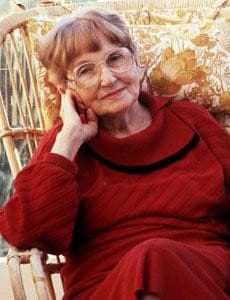
Catherine Cookson was a prolific British author celebrated for her gripping tales of working-class life in the North East of England. Her novels, including the popular 'The Black Candle,' often explored themes of love, loss, and resilience. Cookson's accessible storytelling and vivid characterizations earned her a dedicated readership and widespread commercial success, making her one of Britain's best-selling authors.
Similar books
- The Thorn Birds
Colleen McCullough
4.2 (314k) average on GoodreadsHistorical FictionA multi-generational saga with themes of forbidden love, family drama, and resilience against a sweeping historical backdrop.
- Jamaica Inn
Daphne du Maurier
3.9 (32k) average on GoodreadsThrillerFeatures a determined young woman facing danger and uncovering dark secrets in a historical, atmospheric setting, though with more suspense.
- To Kill a Mockingbird
Harper Lee
4.3 (4.5M) average on GoodreadsHistorical FictionIn the 1930s Jim Crow South, Harper Lee writes about racial injustice, moral growth, and the quiet courage of a lawyer father, Atticus Finch, as seen through his young daughter's eyes.
- The Great Gatsby
F. Scott Fitzgerald
3.9 (3.8M) average on GoodreadsHistorical FictionIn the opulent Roaring Twenties, a mysterious millionaire's lavish parties hide his desperate, tragic pursuit of a lost love, exposing the emptiness within the American Dream.
- Pride and Prejudice
Jane Austen
4.3 (3M) average on GoodreadsHistorical FictionIn a society focused on status and money, Elizabeth Bennet navigates love and pride, challenging Mr. Darcy and social expectations to find true affection.
- Angels & Demons
Dan Brown
3.9 (2.7M) average on GoodreadsThrillerA Harvard symbologist races through Rome's ancient sites, deciphering cryptic clues to unmask the Illuminati and stop a vengeful plot to destroy the Vatican with a stolen antimatter weapon.





Enjoyed the summary?
A summary gives you the shape of the book. The book itself has the detail, the examples and the voice.
Find The Black Candle on AmazonAs an Amazon Associate, BookBrief earns from qualifying purchases. How we're funded