

Synopsis
Covers the whole plot, including the ending.
- Difficulty
- Medium
- Pacing
- Moderate
- Mood
- Melancholy, Reflective, Witty, Despairing, Existential
- Read it if
- You appreciate literary fiction that explores profound themes of faith, grief, and the search for meaning through personal tragedy, with a unique blend of wit and despair.
- Skip it if
- You prefer lighthearted stories or find existential crises and prolonged grief too heavy, especially when dealing with the loss of a child.
The Blood of the Lamb Plot Summary
Covers the whole plot, including the ending.
Childhood and Calvinist Roots
Don Wanderhop begins his story by describing his childhood in a Dutch Calvinist family in Chicago during the 1930s. He shows the strict religious environment, where sin and divine judgment felt ever-present. His father, a milkman, embodies the family’s deep faith, while his mother struggles with the rules. Don’s early life involves tension between his strict upbringing and his growing awareness of the outside world. He shares stories of his brother, Louie, who, despite his own faith, introduces Don to small rebellions against their strict rules, subtly challenging Don’s understanding of sin and salvation. This period sets up the spiritual foundation from which Don will later move away.
The Loss of Louie and Questioning Faith
A key event in Don’s youth is the death of his older brother, Louie, from a sudden illness. Louie’s death shatters Don’s innocent belief in a kind God. He struggles with the injustice of a loving God taking someone so young and good, especially within the predestination framework taught by his church. This tragedy plants the first significant seeds of doubt in Don’s Calvinist faith. He begins to question the random nature of suffering and God’s seeming indifference, a struggle that will shape much of his adult life. Losing Louie is a deep trauma that starts Don’s intellectual and spiritual rebellion against his upbringing.
Adulthood and Intellectual Pursuits
As Don grows up, he moves away from his Calvinist background, embracing an intellectual and academic life. He attends college, where he encounters philosophy, literature, and secular thought, which further weaken his religious beliefs. Don develops a sharp wit and a sarcastic view of the world, often using humor as a defense and a way to criticize perceived absurdities. He becomes a writer and editor, working in intellectual circles largely separate from traditional religious belief. Despite his outward skepticism, his Calvinist upbringing and its questions about suffering and meaning continue to resonate within him, creating a complex inner world.
Marriage to Carol and Shifting Beliefs
Don meets and marries Carol, a woman who, though not as strictly religious as his family, has a quiet, more intuitive spirituality. Carol represents a softer, more accepting approach to life’s mysteries, contrasting with Don’s intellectual skepticism and his lingering resentment toward his childhood faith. Their relationship has deep affection but also subtle tension from their different worldviews. Carol’s gentle nature and capacity for simple joy balance Don’s often cynical outlook. Their marriage brings a period of relative stability and happiness, even as Don continues to struggle with existential questions and shadows from his past.
The Birth of Sharon
Don and Carol celebrate their daughter, Sharon’s, birth. Sharon’s arrival brings great joy and a new dimension to Don’s life. He adores his daughter, finding a deep, unconditional love that temporarily overshadows his philosophical struggles. Sharon is a smart, spirited child, full of life and curiosity. Her presence grounds Don in the present, offering purpose and beauty beyond his intellectual worries. The family enjoys a period of domestic happiness, with Sharon at the center of their world, representing innocence and hope against Don’s internal conflicts.
Sharon's Illness
The family’s happiness ends when Sharon is diagnosed with a severe, degenerative illness, later found to be leukemia. The news devastates Don and Carol, leading to hospital visits, treatments, and the painful realization of their daughter’s worsening condition. Don, who had long stopped traditional prayer, faces the ultimate test of his worldview. His intellectual defenses begin to crumble against such raw, unexplained suffering. The diagnosis forces him to revisit his relationship with faith, not from conviction, but from a desperate hope for a miracle for his daughter.
Don's Despair and Search for Meaning
As Sharon’s illness gets worse, Don falls into deep despair. He rages against the injustice, questioning existence and the idea of a loving God. His intellectual wit turns bitter, and his humor becomes a shield against unbearable pain. He reads widely, exploring philosophy and theology, desperately seeking an explanation or framework to make sense of his daughter’s suffering. He revisits his Calvinist upbringing, not to embrace it, but to rage against its doctrines of predestination and arbitrary suffering. Don’s search for meaning becomes a frantic, agonizing quest for any shred of hope or understanding.
Carol's Acceptance and Grief
In contrast to Don’s turmoil, Carol faces Sharon’s illness with quiet, dignified grief and a resilient, though fragile, acceptance. While she too suffers greatly, her spirituality, less rigid than Don’s upbringing, allows her to find moments of peace and connection. She focuses on caring for Sharon, cherishing every moment, and finding comfort in simple acts of love and tenderness. Her approach shows a different way of confronting tragedy, one rooted in maternal love and a more intuitive, less analytical understanding of the world. Carol’s strength and her ability to find beauty amidst pain contrast with Don’s intellectual anguish.
Sharon's Final Days and Death
Sharon’s condition worsens, leading to her death. Don describes her final agonizing days in vivid, heartbreaking detail, showing the unbearable pain of watching his child die. Her death is the final blow, shattering Don’s world and leaving him with a vast, empty space. The scene of her passing is shown with stark realism and deep emotional weight. Don and Carol are left to navigate their grief, each in their own way. Sharon’s death is the novel’s central tragedy, the 'blood of the lamb' sacrificed, forcing Don to confront the ultimate questions of faith, suffering, and the meaning of life without easy answers.
The Aftermath and Don's Reckoning
After Sharon’s death, Don is consumed by grief, rage, and a desperate search for meaning. He engages in internal monologues and talks to the reader, struggling with theological and philosophical questions. He rails against God, fate, and existence’s absurdity, yet simultaneously longs for some transcendence or understanding. He explores various paths, from a brief thought of a monastery to a deep engagement with humanistic thought, but finds no clear answers. His journey shows the human need to make sense of suffering, even when sense is absent, and to find a way to live on despite unbearable loss.
Reflections on Faith and Absurdity
Following Sharon’s death, Don continues his inner struggle with faith and doubt. He thinks about life’s irony and absurdity, finding dark humor in the contrast between deep tragedy and the mundane. He revisits his Calvinist past, not to reclaim it, but to understand its lasting effect on his mind and his view of suffering. He acknowledges the human need for belief, even as he cannot fully accept it. His thoughts show an honest, intellectual rigor, as he grapples with the unanswerable questions his daughter’s death brought, finding a complex, nuanced stance that accepts both pain and life’s enduring, if fragile, beauty.
The Blood of the Lamb Characters
Don Wanderhop
Protagonist
A cynical, intellectual writer grappling with profound loss and his Calvinist upbringing.
Don Wanderhop is the central character and narrator, a man of sharp intellect and biting wit. Raised in a strict Dutch Calvinist household, he rebels against his religious roots to become an agnostic writer and editor. Despite his outward skepticism, he is deeply affected by the theological questions of sin, suffering, and divine will. He uses humor as a defense mechanism but is ultimately a deeply sensitive and loving individual, especially towards his daughter, Sharon. His journey is one of profound grief and an agonizing search for meaning in the face of unbearable tragedy.
Relationships: Louie Wanderhop (Brother, early influence on rebellion and source of first major grief.); Carol (Wife, provides emotional stability and a contrasting, gentler spiritual perspective.); Sharon Wanderhop (Daughter, the primary source of his joy and, tragically, his profound grief.)
Carol
Supporting
Don's loving wife, who possesses a quiet, resilient spirituality.
Carol is Don's wife and a compassionate, understanding presence in his life. Unlike Don, she doesn't engage in intellectual debates about faith but possesses a more intuitive and accepting spirituality. She is practical, loving, and deeply devoted to her family. In the face of Sharon's illness, Carol displays immense strength and a quiet dignity, focusing on care and cherishing the present moments, offering a contrast to Don's more analytical and anguished response to suffering. Her resilience provides a vital emotional anchor for Don.
Relationships: Don Wanderhop (Husband, source of intellectual stimulation and shared grief.); Sharon Wanderhop (Daughter, whom she loves deeply and cares for tirelessly.)
Sharon Wanderhop
Supporting
Don and Carol's spirited daughter, whose illness and death drive the central tragedy.
Sharon is the beloved daughter of Don and Carol. She is depicted as a bright, lively, and intelligent child, full of curiosity and a vibrant spirit. Her innocence and joy bring immense happiness to her parents. Her tragic illness and eventual death are the central catalyst for Don's profound grief and his renewed, agonizing confrontation with questions of faith, suffering, and the meaning of life. She represents pure, unadulterated love and hope, making her loss all the more devastating for Don.
Relationships: Don Wanderhop (Father, deeply loved and adored.); Carol (Mother, deeply loved and cared for by.)
Louie Wanderhop
Supporting
Don's older brother, whose early death plants the first seeds of doubt in Don's faith.
Louie is Don's older brother, who appears primarily in Don's childhood recollections. He is depicted as a kind and somewhat rebellious spirit, despite his Calvinist upbringing. Louie subtly introduces Don to experiences outside their strict religious confines and serves as Don's first significant loss. His premature death from illness is a pivotal event, initiating Don's lifelong struggle with questions of divine justice and the arbitrary nature of suffering, laying the groundwork for his later crisis of faith.
Relationships: Don Wanderhop (Brother, early companion and influence.)
Don's Father
Supporting
A devout milkman who embodies the strict Calvinist faith of Don's childhood.
Don's father is a central figure in his childhood, representing the rigid, unyielding tenets of their Dutch Calvinist faith. A milkman by profession, he is a man of simple devotion and strict adherence to religious doctrine. His unwavering belief in predestination and divine will shapes Don's early understanding of God and sin. Though not unkind, his stern piety contributes to Don's later rebellion against organized religion, serving as a powerful symbol of the faith Don ultimately rejects.
Relationships: Don Wanderhop (Father, source of his strict religious upbringing.); Don's Mother (Wife, shares a life of religious devotion.)
Don's Mother
Supporting
Don's mother, who navigates the strictures of Calvinism with quiet grace.
Don's mother is portrayed as a more gentle and perhaps less dogmatic figure than his father, though still deeply embedded in their Calvinist community. She supports her husband's faith but often seems to struggle more with its harsher implications. She embodies a quieter, more maternal form of piety. Her presence in Don's childhood memories highlights the emotional nuances within their religious household, offering a slightly softer counterpoint to the paternal strictness.
Relationships: Don Wanderhop (Mother, provides a nurturing presence in his childhood.); Don's Father (Husband, shares a life of religious devotion.)
The Blood of the Lamb Themes
Loss and Grief
Loss and grief are central to the novel. Don’s life has several losses: his brother Louie, his faith, his wife, and his daughter Sharon. The novel explores the psychological and emotional impact of these losses, especially the agonizing grief over Sharon’s death. Don’s journey through despair, rage, and a desperate search for meaning after Sharon’s illness and death forms the core of the story, showing how grief can destroy and transform. It highlights the human struggle to cope with the unexplainable pain of losing a loved one.
“How can a man be a man without a child?”
Faith vs. Doubt
This theme is key to Don’s character. Raised in strict Dutch Calvinism, Don gradually sheds his religious beliefs as an adult, embracing intellectual skepticism. However, life’s tragedies, especially Sharon’s illness, force him to confront his abandoned faith, not to reclaim it, but to grapple with the existential questions it once tried to answer. The novel explores the tension between the comfort and cruelty of religious dogma, the intellectual appeal of atheism, and the human desire for transcendence when facing suffering. Don’s struggle is not about finding God, but about understanding the human condition in a world where God might be absent or indifferent.
“I had lost the faith, but I had not lost the habit of faith.”
The Absurdity of Suffering
De Vries directly addresses the seemingly random and unjust nature of suffering, particularly that of innocent children. Sharon’s illness and death show life’s inherent absurdity, challenging any idea of a kind, just God or a rational universe. Don’s rage targets the unfairness, the lack of clear meaning or purpose behind such deep pain. The novel suggests that while humans desperately seek meaning in suffering, often there is none, and the only response is to endure and to rage against the injustice.
“The lamb, the blood of the lamb. It was Sharon. It was always Sharon.”
The Role of Humor
Despite its tragic subject, the novel includes De Vries’s characteristic wit and dark humor. Humor serves many purposes: as a defense for Don against overwhelming pain, a way to criticize societal and religious absurdities, and a way to highlight life’s incongruities. Even in deep despair, Don finds moments for sarcastic observation, showing human resilience and how humor can exist with, or even come from, deep grief. It shows the author’s belief that even in tragedy, there are elements of the comic.
“The trouble with God is that he's a lot like a man.”
Parental Love and Devotion
The intense, unconditional love of a parent for their child is a strong underlying theme. Don’s love for Sharon is his purest and deepest connection, making her loss utterly devastating. The novel explores the depths of this love, the joy it brings, and the unimaginable pain when that love is threatened or broken. Both Don and Carol’s actions throughout Sharon’s illness are driven by this boundless devotion, showing the unique bond between parent and child and the willingness to sacrifice everything for their well-being.
“The child is the very center of the universe, and when that center collapses, so does everything else.”
Plot Devices & Literary Techniques
First-Person Narrative with Direct Address
Don Wanderhop narrates the story directly to the reader, creating intimacy and immediacy.
The novel is told in the first person by Don Wanderhop, who frequently breaks the fourth wall to address the reader directly. This device creates a deeply intimate and personal tone, drawing the reader into Don's internal struggles and grief. It allows for a more immediate sharing of his thoughts, philosophical musings, and emotional turmoil, making the reader a confidante in his journey. This direct address enhances the autobiographical feel of the novel and emphasizes the universal nature of his questions about suffering and faith.
Autobiographical Elements
The plot closely mirrors tragic events from the author's own life.
The novel is heavily imbued with autobiographical elements, most notably the death of Don's daughter, which directly parallels Peter De Vries's own experience of losing his daughter to leukemia. This device lends immense emotional weight and authenticity to the narrative. The real-life foundation of the tragedy makes Don's grief, philosophical struggles, and raw anger feel deeply genuine and provides a powerful, unflinching exploration of personal suffering. It blurs the line between fiction and memoir, inviting a deeper empathy from the reader.
Irony and Paradox
The use of ironic and paradoxical situations and statements to highlight life's absurdities.
De Vries frequently employs irony and paradox, often through Don's internal monologue and dialogue. This device highlights the absurdities of life, particularly in the face of profound suffering. For instance, Don's intellectual skepticism often clashes with his desperate, almost prayer-like pleas for his daughter's recovery, or his Calvinist upbringing's emphasis on a loving God is juxtaposed with the arbitrary cruelty of fate. This literary technique underscores the complex, often contradictory nature of human experience and belief, especially when confronted with tragedy.
Religious Allusion
Frequent references to biblical stories and Calvinist theology.
The novel is rich with religious allusions, particularly to biblical narratives and the doctrines of Calvinism, such as predestination and original sin. These allusions serve to frame Don's internal conflict, as he constantly grapples with the faith he abandoned. The title itself, 'The Blood of the Lamb,' is a direct biblical reference, transforming Sharon into a sacrificial figure and highlighting the profound, almost theological, nature of her suffering in Don's mind. These references provide a constant backdrop against which Don's personal tragedy unfolds and is interpreted.
The Blood of the Lamb Quotes
“We are all in the same boat, in a stormy sea, and we owe each other a terrible loyalty.”
“The world is a hell of a place, but it's all we've got.”
“Faith is not a matter of the intellect, but of the will.”
“God is not so much a Person as He is a Process.”
“The trouble with life is that it's so daily.”
“To be human is to be a question.”
“Sorrow is a kind of spiritual metabolism.”
“We live in an age of faith, all right, but it's faith in the lack of faith.”
“Humor is a prelude to faith and laughter a confession of it.”
“The final wisdom is to know that one knows nothing.”
“Grief is a private country, but it needs a passport.”
“The greatest tragedy is not death, but life without meaning.”
“To believe in God is to know that the best is yet to be.”
Quiz
10 questions on the plot and the characters. Each answer comes with a short explanation.
Question 1
Don Wanderhop's family in Chicago during his childhood were primarily members of what religious denomination?
- Lutheran
- Catholic
- Calvinist
- Methodist
Show answer
C. Calvinist The novel explicitly states that Don Wanderhop grew up in an immigrant Calvinist family in Chicago.
Question 2
Which of the following losses does Don Wanderhop experience over the course of the novel?
- His job, his house, and his car
- His brother, his faith, and his daughter
- His parents, his friends, and his reputation
- His inheritance, his health, and his sanity
Show answer
B. His brother, his faith, and his daughter The synopsis highlights that Don loses a brother, his faith, his wife, and finally his daughter.
Question 3
The tragic loss of Don Wanderhop's daughter is directly drawn from what aspect of Peter De Vries's life?
- A fictional embellishment to heighten the drama
- A historical event in Chicago in the 1950s
- A tragedy drawn directly from De Vries's own life
- An anecdote shared by a close friend of De Vries
Show answer
C. A tragedy drawn directly from De Vries's own life The synopsis explicitly states that the tragedy of the daughter's loss was 'drawn directly from De Vries's own life', emphasizing the autobiographical nature of the novel.
Question 4
Despite its foundation in misfortune, what characteristic sensibility is still present in 'The Blood of the Lamb'?
- A sense of overwhelming despair and nihilism
- The comic sensibility for which De Vries was famous
- An unwavering adherence to religious dogma
- A detached, journalistic reporting style
Show answer
B. The comic sensibility for which De Vries was famous The synopsis notes, 'Despite its foundation in misfortune, The Blood of the Lamb offers glimpses of the comic sensibility for which De Vries was famous.'
Question 5
How does Peter De Vries engage with the reader in 'The Blood of the Lamb'?
- Through a distant, omniscient narrator
- By incorporating academic essays and footnotes
- By engaging directly with the reader in a manner that buttresses the personal intimacy of the story
- Primarily through dialogue between characters, with minimal narration
Show answer
C. By engaging directly with the reader in a manner that buttresses the personal intimacy of the story De Vries's style is described as 'Engaging directly with the reader in a manner that buttresses the personal intimacy of the story,' highlighting a unique narrative approach.
Question 6
What is the primary emotional blend used by De Vries in writing this novel?
- Indifference, boredom, and cynicism
- Joy, celebration, and triumph
- Grief, love, wit, and fury
- Fear, paranoia, and suspicion
Show answer
C. Grief, love, wit, and fury The synopsis explicitly states that De Vries 'writes with a powerful blend of grief, love, wit, and fury.'
Question 7
Which of these themes is NOT explicitly mentioned as a significant aspect of Don Wanderhop's journey?
- Loss of faith
- Immigrant experience
- Struggle for political power
- Coping with personal tragedy
Show answer
C. Struggle for political power While the novel deals with faith, immigrant background, and tragedy, there is no mention of a struggle for political power as a central theme for Don Wanderhop.
Question 8
How does the novel's autobiographical nature specifically influence its poignancy and intimacy?
- By allowing De Vries to distance himself emotionally from the narrative.
- It provides a factual, journalistic account, devoid of personal feeling.
- The direct connection to De Vries's own life experiences, particularly the loss of his daughter, imbues the story with profound personal grief and authenticity, making it deeply moving.
- It enables De Vries to create entirely fictional characters and events without any real-world basis.
Show answer
C. The direct connection to De Vries's own life experiences, particularly the loss of his daughter, imbues the story with profound personal grief and authenticity, making it deeply moving. The novel's autobiographical foundation, especially the shared tragedy of losing a daughter, is what makes it 'the most poignant' and provides its deep personal intimacy and authenticity.
Question 9
Given the blend of 'grief, love, wit, and fury,' how might the 'comic sensibility' function within the narrative's overall tragic framework?
- It undermines the seriousness of the tragic events, making the novel less impactful.
- It serves as a form of coping mechanism or dark humor, highlighting the absurdity of suffering or offering momentary relief from profound sorrow, rather than negating it.
- It suggests that the novel is not truly tragic but rather a lighthearted comedy of errors.
- The comic sensibility is entirely separate from the tragic elements and never intersects.
Show answer
B. It serves as a form of coping mechanism or dark humor, highlighting the absurdity of suffering or offering momentary relief from profound sorrow, rather than negating it. The presence of comic sensibility amidst profound tragedy often functions as a coping mechanism, a way to process grief, or to highlight the ironies and absurdities of life, rather than negating the tragedy itself.
Question 10
The description states 'The Blood of the Lamb is also the most autobiographical' of De Vries's novels. What does this suggest about the typical nature of his other works?
- His other works are exclusively non-fiction memoirs.
- His other works likely contain autobiographical elements, but 'The Blood of the Lamb' integrates them more deeply or significantly, making it stand out as particularly personal.
- His other works are entirely devoid of any personal connection or experience.
- His other works are primarily academic texts with no narrative focus.
Show answer
B. His other works likely contain autobiographical elements, but 'The Blood of the Lamb' integrates them more deeply or significantly, making it stand out as particularly personal. If 'The Blood of the Lamb' is the *most* autobiographical, it implies that other works may also contain autobiographical elements, but to a lesser degree, making this novel uniquely personal in his bibliography.
The Blood of the Lamb FAQ
What is the central tragedy that defines Don Wanderhop's adult life in 'The Blood of the Lamb'?
The central tragedy is the death of his young daughter, Carol, from cancer. This devastating loss shatters Don's already wavering faith and forces him to confront the profound unfairness and suffering in the world, serving as the ultimate test of his spiritual and emotional resilience.
How does Don's Calvinist upbringing influence his early understanding of faith and suffering?
Don's childhood in an immigrant Calvinist family in 1950s Chicago instills in him a rigid, often fear-based understanding of God's sovereignty and predestination. This foundation makes his later losses, particularly Carol's illness, profoundly difficult to reconcile with a benevolent deity, leading to intense spiritual struggle and eventual apostasy.
Despite its tragic core, how does De Vries's characteristic comic sensibility manifest in the novel?
De Vries injects humor through Don's witty observations, cynical asides, and encounters with eccentric characters, often using irony and wordplay. These moments of levity provide a necessary counterpoint to the pervasive grief, showcasing Don's coping mechanisms and De Vries's ability to find absurdity even in the deepest sorrow.
What is the significance of the novel's direct address to the reader?
The direct address creates an intimate, confessional tone, drawing the reader into Don's personal journey of grief and questioning. This narrative device enhances the autobiographical feel of the story, making Don's struggles with faith and loss feel immediate and deeply personal, almost as if he is speaking to a trusted confidante.
How does the loss of Don's brother early in the novel foreshadow later tragedies?
The death of Don's brother introduces him to profound grief and the arbitrary nature of loss at a young age. This early experience plants the seeds of doubt about God's plan and prepares the emotional groundwork for the even more devastating losses he will endure later, particularly the death of his daughter, Carol.
Are there specific religious allusions or parodies that reflect De Vries's own background?
Yes, De Vries frequently uses allusions to Calvinist doctrine, biblical stories, and hymns, often with an ironic or questioning tone. These references, drawn from his own Dutch Reformed background, highlight the tension between Don's ingrained faith and his intellectual and emotional rebellion against it, particularly in the face of suffering.
How does Don's professional life as a writer or intellectual connect to his spiritual journey?
Don's intellectual pursuits and his work with words often become a vehicle for him to articulate his doubts, express his grief, and grapple with philosophical questions. His literary sensibility allows him to engage with his pain through language, seeking meaning or at least expression in the face of the ineffable, though it doesn't always provide solace.
What role does humor play as a psychological defense mechanism for Don Wanderhop?
Humor serves as a crucial psychological defense for Don, allowing him to distance himself from overwhelming pain and maintain a semblance of control. His wit and irony enable him to articulate his rage and despair in a less direct, more palatable way, preventing him from succumbing entirely to nihilism or despair.
How does Don's relationship with his wife evolve in response to their shared grief?
Their shared grief, particularly over Carol's illness and death, puts immense strain on their relationship. While it initially binds them in mutual suffering, the differing ways they cope and process the loss can also create distance, highlighting the isolating nature of profound sorrow even within a marriage.
In what ways does Don exhibit elements of survivor's guilt throughout the novel?
Don displays elements of survivor's guilt, especially after the deaths of his brother and later his daughter, Carol. He questions why he was spared while they suffered, leading to introspection and self-blame, compounding his grief with a sense of unworthiness or existential bewilderment.
How does Don's 'fury' (as mentioned in the synopsis) manifest, and against whom is it directed?
Don's fury manifests as intense anger, primarily directed at a seemingly indifferent or cruel God, and at the injustice of suffering, especially innocent suffering like Carol's. It's a rage born of profound grief and betrayal, challenging the very foundations of his earlier faith and worldview.
Is the novel ultimately an affirmation of faith, a rejection of it, or something more ambiguous?
The novel is profoundly ambiguous regarding faith. While Don explicitly rejects his childhood Calvinism and struggles with the concept of a benevolent God, the narrative doesn't necessarily settle on atheism. Instead, it explores a raw, unvarnished encounter with suffering that leaves faith shattered but perhaps opens the door to a more nuanced, less dogmatic form of spirituality or acceptance.
To what extent is 'The Blood of the Lamb' a critique of organized religion, particularly Calvinism?
The novel offers a significant critique of organized religion, especially the rigid doctrines of Calvinism, which Don finds inadequate and even cruel in the face of profound personal tragedy. It challenges the notion of a God who predestines suffering and highlights the psychological toll of trying to reconcile such beliefs with lived experience.
How does De Vries use the character of Carol to explore themes of innocence and suffering?
Carol embodies pure innocence, making her suffering and death particularly poignant and unjust. Her character serves as the ultimate test of Don's faith and worldview, highlighting the profound moral problem of evil and suffering, especially when inflicted upon the blameless. Her loss represents the ultimate betrayal of any benevolent cosmic order.
What is the significance of the title, 'The Blood of the Lamb,' in a novel so deeply steeped in doubt and loss?
The title, 'The Blood of the Lamb,' is deeply ironic and poignant. It references Christ's sacrifice, traditionally a symbol of redemption and salvation. In Don's shattered world, however, it underscores the profound absence of such redemption, or perhaps questions the efficacy and meaning of such sacrifice in the face of seemingly meaningless suffering. It highlights the chasm between religious promise and lived reality.
Does Don Wanderhop achieve any form of peace or resolution by the end of the novel?
Don doesn't achieve a conventional peace or resolution in the sense of regaining his old faith or finding definitive answers. Instead, he reaches a form of exhausted acceptance, a raw understanding of life's inherent suffering, often laced with continued irony and a refusal to sugarcoat reality. His journey is more about enduring and articulating grief than overcoming it.
How does the novel's autobiographical nature enhance its impact on the reader?
The novel's autobiographical foundation, drawn from De Vries's own experience of losing a daughter, imbues the narrative with profound authenticity and emotional weight. This personal intimacy makes Don's grief, anger, and spiritual questioning feel incredibly real and visceral, allowing readers to connect deeply with his suffering and struggles.
What role do other characters, beyond Don and Carol, play in Don's spiritual and emotional development?
Other characters, such as Don's wife, his parents, and various eccentric acquaintances, serve as sounding boards for his doubts, sources of different perspectives on faith and suffering, or simply reminders of the diverse ways people cope with life's challenges. They often highlight Don's intellectual isolation or provide moments of unexpected human connection amidst his profound grief.
About the author

Peter De Vries was an American author known for his works of fiction that often explore themes of faith and human experience. His notable book, The Blood of the Lamb, delves into the complexities of life, loss, and spirituality. De Vries's writing is characterized by its wit and insight, reflecting his background in both literature and journalism.
Similar books
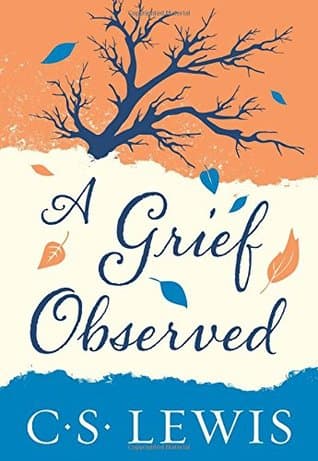
- A Grief Observed
C.S. Lewis
4.2 (58k) average on GoodreadsBiographyExplores profound personal grief and questioning of faith after the loss of a spouse.
- The Road
Cormac McCarthy
4.0 (716k) average on GoodreadsScience FictionDeals with profound despair and a father's love in the face of overwhelming tragedy, though in a different setting.
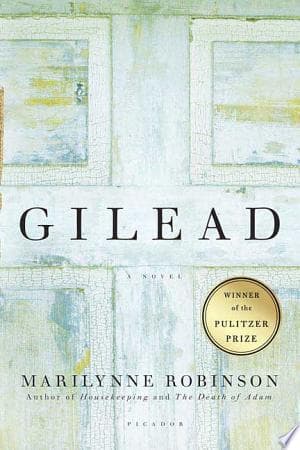
- Gilead (Oprah's Book Club)
Marilynne Robinson
3.9 (126k) average on GoodreadsFictionFeatures deep theological reflection and a strong sense of place within a Calvinist tradition, though with a different emotional tone.
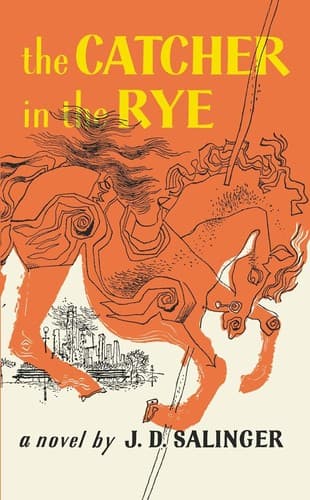
- The Catcher in the Rye
J.D. Salinger
3.8 (2.7M) average on GoodreadsYoung AdultBoth novels feature young protagonists grappling with disillusionment and the complexities of the adult world, leading to their classification, in part, as 'Young Adult' literature. However, Salinger's Holden Caulfield expresses a more generalized angst and alienation from societal 'phoniness,' focusing on adolescent rebellion and identity. De Vries's Don Wanderhope, while experiencing childhood and young adult challenges, delves into much deeper theological and existential crises rooted in profound personal loss and the questioning of divine justice, making his journey far more spiritually weighty than Holden's.
- The Old Man and the Sea
Ernest Hemingway
3.8 (831k) average on GoodreadsLiterary FictionA Cuban fisherman's long struggle with a giant marlin becomes a story of endurance and dignity, now retold for young adults with illustrations, phonetic guides, and writing prompts in Traditional Chinese.
- One Hundred Years of Solitude
Gabriel García Márquez
4.1 (753k) average on GoodreadsLiterary FictionThrough the multi-generational story of the Buendía family, a mythical town deals with the repeating patterns of time, love, and solitude, as the extraordinary mixes with the ordinary.



Enjoyed the summary?
A summary gives you the shape of the book. The book itself has the detail, the examples and the voice.
Find The Blood of the Lamb on AmazonAs an Amazon Associate, BookBrief earns from qualifying purchases. How we're funded