The Child's Perspective on Atrocity
Trauma is filtered through a lens of innocence, creating a unique and often disarming narrative.
Quote
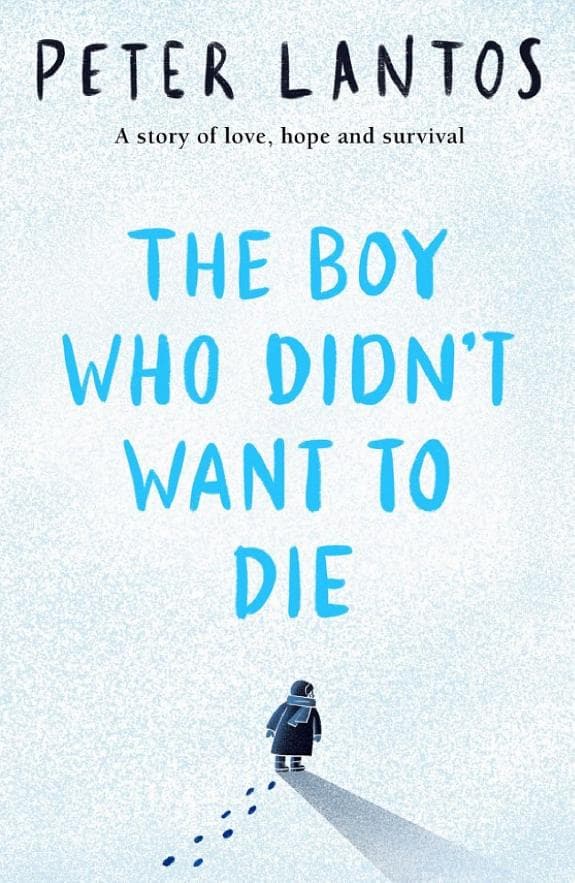
watching bombs falling from the blue sky outside Vienna, learning maths from his mother in Belsen.
This book's strongest insight is its demonstration of how a child experiences horror. Peter Lantos recounts his journey through the Holocaust not as a political or historical analysis, but as a series of clear, often fragmented sensory impressions. The terror of war is juxtaposed with the mundane, the horrific with the curious. Bombs become 'falling objects,' concentration camps are places where 'maths is learned.' This perspective shows the child's mind trying to normalize the abnormal, and the strong role of parental love in creatin...
Supporting evidence
Lantos's recounting of catching butterflies in meadows while on the run, or discovering a disused brick factory, intermingled with descriptions of starvation and death, exemplifies this dual perspective.
Apply this
When discussing traumatic historical events, especially with younger audiences, consider framing the narrative through the personal, sensory experiences of those who lived through it, rather than solely through abstract historical facts. This can foster empathy and understanding.