
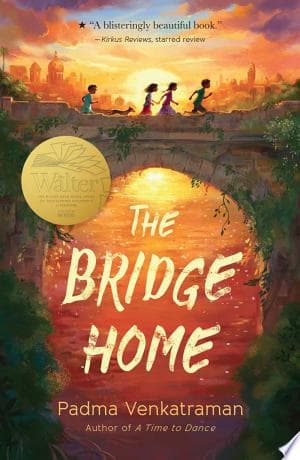
Core Idea
- Difficulty
- Medium
- Read it if
- You are interested in a poignant story about resilience, sisterhood, and the lives of street children in India, with themes of poverty, survival, and unexpected family.
- Skip it if
- You prefer books with fast-paced plots driven by external conflict over character-driven narratives focused on internal struggles and emotional depth.
Key Takeaways from The Bridge Home
The Fragility of Freedom
Homeless children navigate the razor's edge between independence and dire vulnerability.
For children like Viji and Rukku, escaping an abusive home brings a brief sense of freedom, but immediately puts them into a new, dangerous reality on the streets. This 'freedom' is complicated: it means independence from oppressive adults, but also exposure to the elements, hunger, and exploitation. Their independence is tested by a lack of basic needs and the constant threat of illness or danger. The book shows that for these children, freedom is not an abstract idea but a daily, uncertain negotiation for survival, often costing safety and security. It makes readers face the truth that many children define freedom not by opportunity, but by the absence of immediate threat, however temporary.
“Very quickly, eleven-year-old Viji discovers how vulnerable they are in this uncaring, dangerous world.”
In the book: Viji and Rukku's initial escape from an abusive father, only to find themselves scavenging for food and shelter on the streets of Chennai.
Try this: Reflect on how privileged societies often romanticize freedom without acknowledging the foundational safety nets required for true autonomy. Advocate for programs that offer secure, supportive environments for children in crisis, allowing them to build genuine freedom, not just escape.
Related ideas: child-homelessness, vulnerability, autonomy
Family Beyond Blood
Shared adversity forges unbreakable bonds, creating new forms of family.
When Viji and Rukku meet Muthi and Arul on the abandoned bridge, they do not just find companions; they build a new family. This chosen family provides emotional support, physical protection, and a sense of belonging that was missing in their biological homes. Each member helps the group survive, whether by scavenging, caring for others, or just listening. The shared experience of homelessness and mutual reliance go beyond traditional definitions of family, showing that strong connections can form in the most challenging situations. This shows the human need for connection and children's ability to create support systems when none exist.
“With two homeless boys, Muthi and Arul, the group forms a family of sorts.”
In the book: The four children sharing food, protecting Rukku, and collectively deciding on their daily activities and responsibilities on the bridge.
Try this: Recognize and support diverse family structures, particularly those formed out of necessity and mutual aid. Volunteer for or donate to organizations that help create safe, community-based environments for displaced youth.
Related ideas: chosen-family, resilience, community
The Power of Grit and Ingenuity
Survival on the streets demands quick thinking and unwavering determination.
The children's daily lives show creativity. From finding shelter on an abandoned bridge to sifting through trash for sellable items, their survival depends on their ability to adapt and innovate. Viji, the oldest and most practical, often leads decision-making, while Rukku's artistic talents find unexpected uses, even in their bad situation. Muthi and Arul contribute their street smarts and physical labor. This constant problem-solving, far from being a burden, often becomes a source of pride and a sign of their strength. It challenges the idea that homeless individuals are passive victims, instead showing their active agency and resourcefulness.
“And while making a living scavenging the city's trash heaps is the pits, the kids find plenty to laugh about and take pride in too.”
In the book: Their system for scavenging, finding buyers for their salvaged goods, and creating a 'home' on the bridge with found materials.
Try this: Cultivate a problem-solving mindset in daily life, embracing challenges as opportunities for ingenuity. Support initiatives that teach practical skills and foster entrepreneurship among marginalized youth, empowering them with tools for self-sufficiency.
Related ideas: resourcefulness, survival-skills, agency
The Unseen Lives
The novel offers an unflinching glimpse into the harsh realities of childhood homelessness.
The Bridge Home shows the grim realities faced by homeless children, from constant hunger and exposure to the elements to the fear of exploitation and illness. It reminds us that millions of children globally endure such conditions daily, often unseen by society. The book humanizes these statistics, giving voice and story to children who are often overlooked or stereotyped. It makes readers confront the systemic failures that lead to such suffering and emphasizes the need for greater awareness and action. This look into their lives is not just a story; it is a call to acknowledge and act on a global crisis.
“Padma shares with us an unflinching peek into the reality millions of homeless children live every day...”
In the book: The children's constant search for food, the dangers they face from adults, and Rukku's debilitating illness due to their living conditions.
Try this: Educate yourself and others about the realities of childhood homelessness. Support organizations that provide direct aid, shelter, and advocacy for street children, working to make their lives visible and improve their conditions.
Related ideas: social-inequality, child-welfare, humanitarian-crisis
The Cost of Self-Reliance
Maintaining independence can mean refusing help, even when desperately needed.
A recurring issue in the story is the children's deep distrust of adults and institutions, a learned response from past trauma and the dangers of the street. This self-reliance, while a way to survive, becomes a problem when serious issues arise, such as Rukku's illness. Viji faces a hard choice: seek help from potentially untrustworthy strangers and risk losing their autonomy, or stubbornly hold onto their independence and watch her sister suffer. This choice shows the psychological impact of their experiences, where the 'freedom' they value is linked to isolation and a fear of vulnerability. It is an exploration of how past hurts can affect present decisions, even to one's detriment.
“But when illness strikes, Viji must decide whether to risk seeking help from strangers or to keep holding on to their fragile, hard-fought freedom.”
In the book: Viji's internal struggle and hesitation to approach adults for medical help for Rukku, fearing separation or further harm.
Try this: When working with vulnerable populations, understand that trust must be earned, and past traumas profoundly influence behavior. Create safe, non-judgmental spaces that prioritize the individual's agency while offering support without coercion.
Related ideas: trust-issues, autonomy, vulnerability
Hope Amidst Despair
Despite immense hardship, the human spirit's capacity for joy and optimism endures.
Even in the hardest circumstances, the children find moments of joy, laughter, and pride. Their ability to appreciate small victories—a successful day of scavenging, a shared meal, a moment of play—shows the power of hope. Rukku's artistic spirit, in particular, offers light, turning discarded items into beautiful creations. These moments are not just brief distractions; they are essential for psychological survival, showing that the human spirit can find beauty and meaning even in hard environments. The book balances the harsh realities with these glimpses of light, keeping the story from being only grim and instead offering a message of resilience.
“...but also infuses her story with hope and bravery that will inspire readers and stay with them long after turning the final page.”
In the book: The children's shared laughter, Rukku's talent for stringing together beads and making beautiful creations from trash, and their collective pride in their 'home' on the bridge.
Try this: Actively seek out and celebrate small joys and victories in your own life and encourage others to do the same. Support art and play initiatives for children in challenging circumstances, recognizing their vital role in fostering hope and emotional well-being.
Related ideas: resilience, optimism, human-spirit
The Unspoken Language of Care
Love and devotion are expressed through actions, especially in the absence of traditional comforts.
The love between Viji and Rukku, and later among the four children, is shown through consistent acts of care and protection. Viji's devotion to Rukku, ensuring her safety and well-being despite their struggles, is a strong example. Similarly, Muthi and Arul's acceptance and protection of the girls show a deep, unspoken bond. These actions—sharing food, offering comfort during fear, standing up for one another—form their new family. In a world without traditional comforts, these gestures become the most profound expressions of affection and loyalty, showing that true care goes beyond material possessions or formal family ties.
“Life is harsh in Chennai's teeming streets, so when runaway sisters Viji and Rukku arrive, their prospects look grim.”
In the book: Viji's constant vigilance over Rukku, especially given Rukku's developmental differences; the boys' protective stance towards the girls.
Try this: Practice expressing care through tangible actions and consistent support for loved ones. Recognize that love manifests in diverse ways, particularly in challenging environments, and value acts of service as much as words.
Related ideas: unconditional-love, devotion, acts-of-service
The Burden of Responsibility
Children thrust into survival often bear adult-sized burdens, forcing premature maturity.
Eleven-year-old Viji takes on a motherly role, not only for her younger sister Rukku but also, to some extent, for their makeshift family. She has the main responsibility for decision-making, safety, and getting food, a burden too heavy for a child her age. This early maturity, while helping them survive, takes away her own childhood. The constant stress and weight of these responsibilities shape her perspective, making her cautious and practical, but also showing the injustice of children having to navigate complex and dangerous situations without adult guidance. It is a reminder of the lost innocence in childhood homelessness.
“Very quickly, eleven-year-old Viji discovers how vulnerable they are in this uncaring, dangerous world.”
In the book: Viji's constant planning for food and shelter, her protection of Rukku, and her ultimate decision to seek help when Rukku falls ill.
Try this: Support policies and programs that aim to alleviate the burden on child caregivers and provide safe, nurturing environments where children can reclaim their childhood. Recognize the unseen emotional and psychological toll on children forced into adult roles.
Related ideas: child-labor, lost-innocence, premature-maturity
The Bridge Home Quotes
“Home isn't a place. It's the people who love you.”
“We were like two little birds, huddled together against the storm.”
“Sometimes the bravest thing you can do is ask for help.”
“Rukku saw the world in colors and shapes, not in words.”
“We built our home from scraps, but it was filled with more love than any palace.”
“The city was a monster that swallowed children whole.”
“Every rupee we earned was a victory against hunger.”
“Muthu taught me that family can be chosen, not just given.”
“Hope is a fragile thing, but it's the only thing that keeps us going.”
“Rukku's laughter was the music that kept our hearts from breaking.”
“We were invisible to most, but to each other, we were everything.”
“The bridge was our shelter, but it was also our prison.”
“In the darkness, we learned to see the light in small kindnesses.”
Quiz
10 questions on the main ideas. Each answer comes with a short explanation.
Question 1
What is the primary setting of 'The Bridge Home'?
- Mumbai's slums
- Chennai's streets and an abandoned bridge
- A rural village in India
- An orphanage in Delhi
Show answer
B. Chennai's streets and an abandoned bridge The story is set in Chennai, India, where the homeless children live on the streets and find shelter on an abandoned bridge, forming their makeshift home.
Question 2
Who are the two sisters that run away at the beginning of the novel?
- Muthi and Arul
- Viji and Rukku
- Aisha and Amal
- Padma and Venkatraman
Show answer
B. Viji and Rukku Viji and Rukku are the sisters who escape their difficult home life to survive on the streets of Chennai, as described in the book's summary.
Question 3
How do the children primarily make a living in Chennai?
- By begging on street corners
- By working in a factory
- By scavenging the city's trash heaps
- By selling handmade crafts
Show answer
C. By scavenging the city's trash heaps The book mentions that the children scavenge trash heaps to survive, highlighting their resourcefulness and the harsh realities of homelessness.
Question 4
What key theme does the book explore through the children's formation of a family on the bridge?
- The importance of formal education
- The corruption of government systems
- The resilience and hope found in chosen family
- The benefits of urban development
Show answer
C. The resilience and hope found in chosen family The story emphasizes how Viji, Rukku, Muthi, and Arul create a supportive family unit, showcasing themes of hope, bravery, and resilience despite their circumstances.
Question 5
Why does Viji initially value their life on the bridge over seeking help from adults?
- Because adults are always abusive
- Because she enjoys the freedom and independence
- Because she doesn't know any adults in Chennai
- Because the bridge is more comfortable than shelters
Show answer
B. Because she enjoys the freedom and independence Viji and the others take pride in being 'bosses of themselves' and avoiding untrustworthy adults, valuing their hard-fought freedom despite the dangers.
Question 6
What practical challenge forces Viji to reconsider her stance on independence?
- A food shortage
- Threats from other homeless groups
- Illness striking one of the children
- The bridge being demolished
Show answer
C. Illness striking one of the children When illness hits, Viji faces a critical decision: risk seeking help from strangers or maintain their fragile freedom, highlighting the tension between safety and independence.
Question 7
Which character dynamic best illustrates the book's message about hope amidst adversity?
- Viji's protective role over Rukku
- The children's laughter and pride while scavenging
- Their constant fear of the police
- The description of Chennai's crowded streets
Show answer
B. The children's laughter and pride while scavenging Despite their grim circumstances, the children find joy and dignity in their work, as noted in the summary, reinforcing the theme of hope and bravery.
Question 8
How does the book's portrayal of homelessness aim to impact readers, according to the provided description?
- By advocating for political reform in India
- By providing a statistical analysis of child homelessness
- By offering an unflinching peek into reality while inspiring with hope
- By criticizing the children's life choices
Show answer
C. By offering an unflinching peek into reality while inspiring with hope The description states that the book gives an 'unflinching peek' into the lives of homeless children but also infuses the story with hope and bravery to inspire readers.
Question 9
What does the formation of the group with Muthi and Arul symbolize in the context of the children's survival?
- A loss of individual identity
- A strategic alliance for better scavenging
- A substitute for broken family structures and a source of mutual support
- A temporary arrangement until they find real homes
Show answer
C. A substitute for broken family structures and a source of mutual support The children form a 'family of sorts' on the bridge, representing how chosen bonds can provide emotional and practical support in the absence of traditional family, key to their resilience.
Question 10
In what way does Viji's character development reflect the book's central conflict?
- She learns to trust all adults unconditionally
- She realizes that independence is always preferable to safety
- She grapples with balancing self-reliance and the need for external help
- She abandons her sister to pursue personal dreams
Show answer
C. She grapples with balancing self-reliance and the need for external help Viji's journey involves navigating the tension between her desire for freedom and the practical necessities of survival, especially when illness forces her to consider seeking help, embodying the book's exploration of grit versus vulnerability.
The Bridge Home FAQ
What is 'The Bridge Home' about?
'The Bridge Home' is a middle-grade novel about four homeless children in Chennai who form a makeshift family while struggling to survive on the streets. The story follows sisters Viji and Rukku as they befriend two boys, Muthi and Arul, and create a life together under an abandoned bridge, facing dangers and illness while clinging to hope and independence.
Is 'The Bridge Home' based on a true story?
While not a direct true story, the novel is inspired by the real-life experiences of millions of homeless children worldwide. Author Padma Venkatraman draws from research and observations to portray the harsh realities and resilience of street children in India, making it a realistic and empathetic depiction.
How is 'The Bridge Home' different from other middle-grade books about homelessness?
Unlike many middle-grade books that may focus on adult rescue or sentimental solutions, 'The Bridge Home' emphasizes the children's agency, grit, and self-reliance. It balances unflinching realism with hope, showing how the kids build their own community and find joy amidst adversity, rather than relying solely on external saviors.
Does 'The Bridge Home' have a happy ending?
The ending is hopeful but realistic, reflecting the complexities of homelessness. Without spoilers, it portrays bravery and resilience, with the children facing tough choices about seeking help versus maintaining their hard-won freedom, leaving readers inspired but aware of ongoing struggles.
What age group is 'The Bridge Home' suitable for?
It's aimed at middle-grade readers, typically ages 8-12, but its themes of survival, family, and social issues make it engaging for older readers and adults too. The content is handled sensitively, with moments of hardship balanced by uplifting elements, making it appropriate for discussions in classrooms or families.
What are the main themes in 'The Bridge Home'?
Key themes include survival and resilience, the meaning of family and friendship, independence versus vulnerability, and social injustice. The novel explores how children navigate poverty and danger while holding onto hope, bravery, and the bonds they create with each other.
How does 'The Bridge Home' compare to 'Amal Unbound' by Aisha Saeed?
Both are middle-grade novels set in South Asia addressing social issues, but 'Amal Unbound' focuses on indentured servitude and education for girls, while 'The Bridge Home' centers on homelessness and child autonomy. They share a commitment to realistic, hopeful storytelling that empowers young readers to understand and confront injustice.
Is 'The Bridge Home' appropriate for classroom use?
Yes, it's an excellent choice for classrooms, offering opportunities to discuss homelessness, resilience, and global social issues. Its accessible writing and emotional depth can spark conversations about empathy, resourcefulness, and children's rights, with potential tie-ins to social studies or character education.
What is the significance of the bridge in the story?
The bridge symbolizes both shelter and fragility for the children. It represents their makeshift home and the community they build away from untrustworthy adults, but also their precarious existence—highlighting how their safety and freedom are constantly at risk in an uncaring world.
Does 'The Bridge Home' work as a read-aloud or book club pick?
Absolutely, its compelling narrative and short chapters make it great for read-aloud sessions, while its rich themes of survival, friendship, and social issues provide ample material for book club discussions. It encourages reflection on homelessness, bravery, and what it means to be a family.
About the author

Padma Venkatraman is an author known for her works of fiction, particularly aimed at young readers. Her notable books include "The Bridge Home," which explores themes of friendship and resilience, and "Climbing the Stairs," a coming-of-age story set against the backdrop of India's struggle for independence.
Similar books
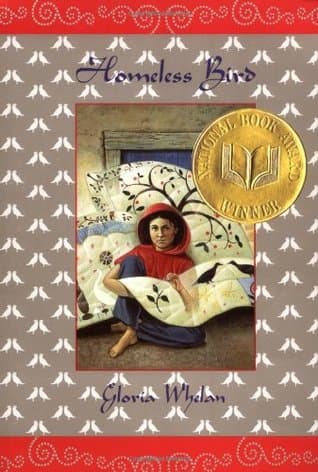
- Homeless Bird
Gloria Whelan
4.0 (12k) average on GoodreadsChildren'sFocuses on the struggles of a young girl in India, dealing with societal pressures and seeking independence, though in a different context.
- The Diary of a Young Girl
Anne Frank
4.2 (2.7M) average on GoodreadsBiographyDuring the Nazi occupation, a teenage girl's diary, written from a secret annex, shares observations on humanity, hope, and the wait for freedom.
- Twisted 1. Twisted love
Ana Huang
3.7 (1.7M) average on GoodreadsA quiet billionaire with a difficult past finds his guarded heart opening to the woman he must protect, but their growing passion uncovers dangerous secrets and a shared, traumatic history.
- Eat, Pray, Love
Elizabeth Gilbert
3.6 (1.5M) average on GoodreadsLifestyleA heartbroken writer leaves her conventional life for a year-long global search for pleasure in Italy, spiritual devotion in India, and unexpected love and balance in Bali.
- Night
Elie Wiesel
4.3 (970k) average on GoodreadsBiographyIn the darkness of Auschwitz and Buchenwald, a teenage Elie Wiesel faces the extermination of his family, the loss of his faith, and the lasting scars of humanity's deepest cruelty.
- Steve Jobs
Walter Isaacson
4.1 (957k) average on GoodreadsBusinessSteve Jobs was a visionary who fused creativity and technology to revolutionize six industries and shape our digital world.





Enjoyed the summary?
A summary gives you the shape of the book. The book itself has the detail, the examples and the voice.
Find The Bridge Home on AmazonAs an Amazon Associate, BookBrief earns from qualifying purchases. How we're funded