

Synopsis
Covers the whole plot, including the ending.
- Difficulty
- Medium
- Pacing
- Slow
- Mood
- Melancholic, Poetic, Philosophical, Romantic, Tragic
- Read it if
- You appreciate poetic prose, philosophical reflections on love and loss, and a poignant, tragic romance set against traditional societal constraints.
- Skip it if
- You prefer fast-paced plots, happy endings, or are not interested in melancholic, spiritually introspective narratives.
The Broken Wings Plot Summary
Covers the whole plot, including the ending.
A Fateful Encounter
The story begins with the narrator, Kahlil, thinking about a love that shaped his youth. He tells of the day he first met Selma Karamy at the home of his uncle, Farris Effandi, a respected and wealthy man in Beirut. Selma, the daughter of Farris Effandi's close friend Prince Karim, is visiting with her father. Kahlil is immediately drawn to Selma's beauty, grace, and the depth in her eyes. Their first conversation is brief but impactful, leaving Kahlil with a sense of wonder and a new affection. He feels an inexplicable connection, as if their souls recognized each other.
Budding Affection and Shared Solitude
After their first meeting, Kahlil and Selma find ways to be together. They often meet in secluded spots, like a garden or by a stream, away from society's view. During these secret meetings, they share their deepest thoughts, aspirations, and views on life, love, and the divine. Selma shows her poetic soul and her desire for a love that goes beyond earthly limits, mirroring Kahlil's own spiritual leanings. Their bond grows with each encounter, becoming a deep and pure love that feels sacred and destined. They find comfort and understanding in each other, a rare connection in their traditional world.
The Shadow of Tradition
Their idyllic romance is suddenly threatened by society's strict rules. Bishop Bulos Galib, an influential and greedy religious leader, wants Prince Karim's wealth and prestige. To gain power and enrich his family, he arranges a marriage between Selma and his nephew, Mansour Bey. Mansour is described as a man without real affection or intellect, interested only in social standing and money. Despite Selma's and Prince Karim's unspoken reluctance, the Bishop's influence and societal pressure make it almost impossible to refuse such a 'distinguished' match, trapping Selma in a web of obligation.
A Doomed Engagement
The news of Selma's upcoming engagement to Mansour Bey devastates both Selma and Kahlil. Selma confides in Kahlil, expressing her despair at being forced into a loveless union. She feels like a bird with broken wings, unable to fly towards her true love. Kahlil, equally heartbroken, struggles with their helplessness, knowing that challenging the Bishop's will and societal norms would be pointless and potentially ruinous for Selma and her father. Their dreams of a shared future are cruelly taken away, replaced by the harsh reality of a forced marriage that will bind Selma to a man she does not love.
The Solace of Secret Meetings
Despite her marriage to Mansour Bey, Selma and Kahlil cannot break their emotional bond. They continue to meet in secret, usually in the secluded garden they once frequented. These clandestine encounters become their only source of true happiness and spiritual connection. Selma, now living a life of quiet desperation and emotional neglect with Mansour, finds temporary comfort and validation in Kahlil's presence. Kahlil, seeing her suffering, feels a deep pity and an even deeper love for her. Their meetings are bittersweet, filled with the joy of their shared affection but also the pain of their impossible situation and the constant fear of discovery.
Selma's Growing Despair
Selma's life as Mansour Bey's wife is deeply unhappy. She is treated as a possession, her spiritual and emotional needs ignored. Mansour is often absent, indulging in his own pleasures, and when present, he is cold and indifferent. Selma finds no intellectual companionship or emotional warmth in her marriage. The vibrant spirit Kahlil once knew begins to fade, replaced by sadness and a sense of entrapment. Her health, both physical and emotional, starts to worsen under the weight of her sorrow and the suffocating environment of her gilded cage. She longs for freedom and genuine connection but sees no escape.
The Death of Prince Karim
Further tragedy strikes when Prince Karim, Selma's loving father, dies. His death is a devastating blow to Selma; he was her only remaining source of family affection and protection. With his passing, Selma is left alone and completely at the mercy of Mansour Bey and Bishop Bulos Galib. Her father's wealth and property, meant for her, are now largely controlled by the Bishop and his nephew, further cementing their hold over her life. This loss deepens Selma's despair, severing her last ties to a life of love and care, and intensifying her isolation.
A Glimmer of Hope and a Tragic Turn
Unexpectedly, Selma becomes pregnant. This news brings a momentary flicker of hope into her desolate life, a potential new purpose and a reason to endure. She cherishes the thought of motherhood, imagining a child who might bring her some joy and love. However, this hope is brief. During childbirth, Selma experiences severe complications. She gives birth to a frail baby boy, but both she and the infant are gravely weakened. The medical practices of the time are insufficient, and their conditions rapidly worsen, signaling a heartbreaking end.
The Final Farewell
Kahlil learns of Selma's critical condition and rushes to her side, managing to enter her room despite the family's presence. He finds her on her deathbed, holding her newborn son, who is also dying. In her final moments, Selma recognizes Kahlil. With her last breaths, she expresses her eternal love for him, lamenting their broken wings but finding peace in their shared spiritual bond. Kahlil, overwhelmed with grief, holds her hand as she and her infant son die. He witnesses the extinguishing of her beautiful spirit, a moment that forever scars his heart and shapes his understanding of love, loss, and the human condition.
A Legacy of Love and Sorrow
After Selma's death, Kahlil is left with a huge void and deep sorrow. He attends her funeral, observing the hypocrisy of society and the superficial grief of those who had condemned her to an unhappy life. He reflects on Selma's pure spirit, her unfulfilled potential, and the injustice of her fate. Her love, though tragic, becomes a foundational experience for him, deepening his spiritual insights and shaping his philosophical outlook. He realizes that true love transcends physical presence and societal constraints, existing eternally in the soul. Selma's memory becomes a guiding light, inspiring his future works and his understanding of human suffering and divine love.
The Broken Wings Characters
Kahlil
Protagonist
A young, sensitive, and spiritually inclined poet who experiences his first profound love.
Kahlil is the narrator and protagonist of the story, a young man with a deeply contemplative and artistic soul. He is highly sensitive, empathetic, and possesses a strong spiritual inclination, often reflecting on the deeper meanings of life, love, and existence. His love for Selma Karamy is pure and idealized, seeing her as a manifestation of divine beauty and truth. He struggles with the societal constraints that separate them but remains steadfast in his devotion, even after her death. His experiences with Selma profoundly shape his philosophical and spiritual development.
Relationships: Selma Karamy (Fated, pure, and tragic love interest); Farris Effandi (Uncle, a respected elder who initially facilitates Kahlil's meetings with Selma)
Selma Karamy
Love Interest / Tragic Heroine
A beautiful, intelligent, and spiritually rich woman trapped by societal conventions.
Selma Karamy is the object of Kahlil's affection and the tragic heroine of the story. She is portrayed as exquisitely beautiful, intelligent, and possessing a profound spiritual depth that resonates with Kahlil. She embodies purity and an unfulfilled yearning for true love and freedom. Despite her gentle nature, she is strong enough to secretly defy societal expectations by continuing her relationship with Kahlil after her forced marriage. Her life is a poignant illustration of how societal and religious corruption can crush an innocent spirit, leading to a life of sorrow and an untimely death.
Relationships: Kahlil (Fated, pure, and tragic love interest); Prince Karim (Loving and protective father); Mansour Bey (Husband in a loveless, forced marriage); Bishop Bulos Galib (Manipulative and corrupt figure who orchestrates her forced marriage)
Bishop Bulos Galib
Antagonist
A powerful, corrupt, and avaricious religious leader who manipulates lives for personal gain.
Bishop Bulos Galib is the primary antagonist, representing the corrupt and hypocritical aspects of religious and societal power. He is depicted as a man driven by greed, ambition, and a desire to consolidate wealth and influence. He uses his position to manipulate Prince Karim and force Selma into a marriage with his nephew, Mansour Bey, solely for financial and social gain, without any regard for Selma's happiness or well-being. He embodies the 'broken wings' of the title, as his actions metaphorically break the wings of love and freedom for Selma and Kahlil.
Relationships: Selma Karamy (Victim of his schemes); Mansour Bey (Nephew, whom he uses as a pawn for his ambitions); Prince Karim (Friend and associate whom he manipulates)
Mansour Bey
Supporting / Antagonistic
Bishop Bulos Galib's nephew, Selma's unloving and indifferent husband.
Mansour Bey is Selma's husband, chosen for her by Bishop Bulos Galib. He is portrayed as a superficial, unfeeling, and self-absorbed individual, devoid of any genuine affection, intellectual curiosity, or spiritual depth. He sees Selma merely as a beautiful possession and a means to elevate his social standing, rather than a beloved partner. His indifference and emotional neglect contribute significantly to Selma's profound unhappiness and eventual demise. He is a symbol of the hollow, materialistic values that contrast sharply with the spiritual love shared by Kahlil and Selma.
Relationships: Selma Karamy (Wife in a loveless, forced marriage); Bishop Bulos Galib (Uncle, whose schemes he benefits from)
Prince Karim
Supporting
Selma's wealthy and respected father, a victim of the Bishop's manipulation.
Prince Karim is Selma's father, a respected and wealthy man in Beirut. He deeply loves his daughter but is caught in the societal web of obligation and deference to powerful religious figures like Bishop Bulos Galib. Despite his wealth, he is unable to protect Selma from the Bishop's machinations, eventually succumbing to the pressure to marry her to Mansour Bey. His death leaves Selma utterly vulnerable and alone, further solidifying her tragic fate. He represents the well-meaning but ultimately powerless individuals within a corrupt system.
Relationships: Selma Karamy (Daughter, whom he loves deeply); Bishop Bulos Galib (Friend and associate who manipulates him)
Farris Effandi
Supporting / Mentioned
Kahlil's uncle, a respected figure who introduces Kahlil to Selma.
Farris Effandi is Kahlil's uncle, a respected and influential man in Beirut. He is the host where Kahlil first meets Selma Karamy, thereby inadvertently setting the stage for their tragic romance. While not a major active player in the unfolding drama, his home serves as the initial setting for their fateful encounter. He represents a more traditional, yet benevolent, aspect of society, far removed from the corruption of Bishop Bulos Galib.
Relationships: Kahlil (Nephew); Prince Karim (Friend and associate)
The Broken Wings Themes
The Conflict Between Love and Societal Convention
This is the main theme, exploring how genuine, spiritual love is often crushed by rigid societal norms, religious hypocrisy, and materialistic desires. Kahlil and Selma's pure love is the opposite of the arranged marriage dictated by Bishop Bulos Galib for financial gain. Selma is a victim of a society that values status and wealth over individual happiness. Her 'broken wings' symbolize her love's inability to thrive due to the chains of tradition and duty, as seen when she is forced to marry Mansour Bey despite her heart belonging to Kahlil.
“Love is the only freedom in the world because it so elevates the spirit that the laws of humanity and the phenomena of nature do not alter its course.”
Spiritual Love vs. Materialistic Desire
The novel contrasts the spiritual, idealized love of Kahlil and Selma with the materialistic desires of figures like Bishop Bulos Galib and Mansour Bey. Kahlil and Selma's connection is based on shared souls, poetic understanding, and a deep appreciation for beauty and truth. In contrast, the Bishop's motives are purely financial and power-driven, viewing marriage as a transaction. Mansour Bey represents the emptiness of a life without spiritual connection, interested only in appearances. This theme highlights Gibran's belief that true love transcends the physical and material world.
“And the love that is not all-encompassing is but a portion of the heart, and not the heart itself.”
The Hypocrisy of Religious Authority
Bishop Bulos Galib represents the criticism of corrupt religious institutions Gibran often expressed. The Bishop uses his sacred office not for spiritual guidance, but for personal enrichment and worldly power. He manipulates Prince Karim and forces Selma into a tragic marriage, showing how religious authority, when separated from genuine spirituality, can become a tool of oppression. His actions directly lead to Selma's suffering and death, exposing the moral bankruptcy hidden beneath a facade of piety.
“The greatest evil in the world is not sin itself, but the hypocrisy that covers it.”
The Nature of Suffering and Loss
The entire story is filled with the theme of suffering and loss, especially through Selma's tragic fate and Kahlil's grief. Selma's life is a journey from joy to deep despair, marked by the loss of her true love, her freedom, her father, and ultimately, her life and child. Kahlil's suffering is the pain of witnessing his beloved's destruction and the helplessness of being unable to save her. However, the novel suggests that suffering, while agonizing, can also lead to spiritual growth and deeper understanding, creating a more profound appreciation of life and love's eternal nature.
“Sorrow is but a wall between two gardens.”
Plot Devices & Literary Techniques
Symbolism of Broken Wings
Metaphor for unfulfilled love and crushed aspirations.
The 'broken wings' in the title and throughout the narrative symbolize the inability of Kahlil and Selma's love to fully take flight due to societal constraints and tragic circumstances. Selma, in particular, feels like a bird whose wings have been clipped, unable to soar towards her destined love and freedom. It represents the crushing of spirit, hope, and potential when pure intentions and natural desires are thwarted by external forces, particularly rigid traditions and corrupt authority. This device powerfully conveys the sense of loss and entrapment experienced by the lovers.
First-Person Retrospective Narration
The story is told by an older, wiser Kahlil looking back on his youth.
The novel is narrated in the first person by Kahlil, who recounts his youthful romance with Selma Karamy from a later, more mature perspective. This retrospective viewpoint allows the narrator to imbue the events with philosophical reflections, spiritual insights, and a profound sense of melancholy and wisdom gained through the passage of time and the experience of loss. It adds a layer of poetic depth and emotional resonance, as the events are not merely described but are also analyzed and understood through the lens of a transformed soul. This device allows for commentary on the broader human condition.
Foil Characters
Characters who highlight the protagonist's qualities through contrast.
Mansour Bey and Bishop Bulos Galib serve as foil characters to Kahlil and Selma. Mansour Bey's superficiality, indifference, and materialistic nature highlight Kahlil's spiritual depth, passionate devotion, and sensitivity. Bishop Bulos Galib's corruption, greed, and hypocrisy starkly contrast with the purity, innocence, and genuine spirituality of Selma. These foils emphasize the central conflict between true love and societal corruption, making the tragic fate of Selma even more poignant and highlighting the values that Kahlil and Selma represent.
Nature Imagery
Use of natural settings to reflect emotional states and spiritual connection.
Gibran frequently uses vivid descriptions of nature—gardens, streams, trees, and the changing seasons—to mirror the emotional states of the characters and to symbolize the purity and naturalness of Kahlil and Selma's love. Their secret meetings often take place in idyllic natural settings, which serve as a sanctuary from the artificial and corrupt human world. This imagery imbues their love with a sense of the divine and the eternal, suggesting that their bond is as fundamental and beautiful as nature itself, contrasting with the man-made societal structures that ultimately destroy it.
The Broken Wings Quotes
“The most pitiful among men is he who turns his dreams into silver and gold.”
“Love is the only freedom in the world because it so elevates the spirit that the laws of humanity and the phenomena of nature do not alter its course.”
“Our life is but a heart-beat in the life of the universe, a fleeting moment in the stream of time.”
“For in truth, what is life but a dream, and what is love but a phantom of that dream?”
“We are all prisoners, but some of us are in cells with windows and some without.”
“The earth is a living body, and we are its cells.”
“Sadness is but a wall between two gardens.”
“There is a space in the soul that has never been touched by the world, and it is in this space that we are truly free.”
“The human heart is like a tree that has been planted in the earth, and its roots are in the hidden depths of the soul.”
“And when love beckons to you, follow him, though his ways are hard and steep.”
“Beauty is eternity gazing at itself in a mirror. But you are eternity and you are the mirror.”
“The world is but a bridge, pass over it, but build no house upon it.”
“The soul is a garden where thoughts grow.”
“We are what we think. All that we are arises with our thoughts. With our thoughts, we make the world.”
Quiz
10 questions on the plot and the characters. Each answer comes with a short explanation.
Question 1
Who is the central female character with whom the narrator falls in love?
- Layla
- Selma Karamy
- Miriam
- Zahra
Show answer
B. Selma Karamy The narrator's beloved is Selma Karamy, a central figure in the tragic romance.
Question 2
What social convention ultimately dooms the love between the narrator and Selma?
- A blood feud between their families
- Selma being forced into marriage with another man
- The narrator's decision to leave Beirut
- A difference in religious beliefs
Show answer
B. Selma being forced into marriage with another man The story explicitly states that their love is 'doomed by a social convention which forces Selma into marriage with another man.'
Question 3
In what city does the story primarily take place?
- Damascus
- Cairo
- Beirut
- Jerusalem
Show answer
C. Beirut The book describes Selma Karamy as 'the girl of Beirut,' indicating the primary setting.
Question 4
What does the title 'The Broken Wings' symbolize in the context of the story?
- The narrator's inability to fly after an accident
- The shattered dreams and constrained freedom of love due to societal norms
- A literal flock of birds that are injured
- The physical weakness of the main characters
Show answer
B. The shattered dreams and constrained freedom of love due to societal norms The 'broken wings' metaphorically represent the love and aspirations of the narrator and Selma that are crushed by societal constraints and forced separation.
Question 5
What specific emotion, alongside happiness, does Gibran portray in his relationship with Selma?
- Indifference
- Infinite sorrow
- Anger
- Jealousy
Show answer
B. Infinite sorrow The synopsis states Gibran portrays 'the happiness and infinite sorrow of his relationship with Selma.'
Question 6
What broader philosophical concept does Gibran explore alongside the romantic narrative?
- The principles of economic trade
- The history of ancient civilizations
- The spiritual meaning of human existence
- The science of astronomy
Show answer
C. The spiritual meaning of human existence The description highlights Gibran's probing of 'the spiritual meaning of human existence with profound compassion.'
Question 7
Who is the primary antagonist or the figure representing the societal force that separates the lovers?
- Selma's brother
- The man Selma is forced to marry
- The narrator's father
- A rival suitor who challenges the narrator
Show answer
B. The man Selma is forced to marry While not explicitly named, the 'other man' Selma is forced to marry represents the societal pressure and the main obstacle to the narrator's love, making him the de facto antagonist in the romance.
Question 8
How does the narrator describe Selma's role in his life regarding love?
- She introduced him to the pain of rejection.
- She first unfolded to him the secrets of love.
- She taught him about the importance of family.
- She showed him the path to spiritual enlightenment.
Show answer
B. She first unfolded to him the secrets of love. The synopsis states Selma 'first unfolded to him the secrets of love,' highlighting her profound impact on the narrator's understanding of affection.
Question 9
What aspect of 'Oriental tradition' is specifically highlighted as being in conflict with the lovers' passion?
- Strict dietary laws
- Taboos that lead to arranged marriages
- The practice of fasting
- Rules regarding public speaking
Show answer
B. Taboos that lead to arranged marriages The description mentions 'love that beats desperately against the taboos of Oriental tradition' and the specific taboo is Selma being 'forced into marriage with another man,' implying arranged marriages or similar societal pressures.
Question 10
What quality of Gibran's writing is mentioned when describing his portrayal of his passion for Selma?
- His bluntness
- His humor
- Great sensitivity
- His detachment
Show answer
C. Great sensitivity The text explicitly states, 'With great sensitivity, Gibran describes his passion as a youth for Selma Karamy.'
The Broken Wings FAQ
What is the central conflict in 'The Broken Wings'?
The central conflict revolves around the narrator's pure, spiritual love for Selma Karamy clashing with the rigid societal traditions and religious laws of Beirut, which dictate arranged marriages and patriarchal control. Selma is forced into a marriage with Farris Effandi Karamy's nephew, Mansour Bey Galib, despite her heart belonging to the narrator, leading to their tragic separation.
Who is Selma Karamy and what is her significance to the narrator?
Selma Karamy is the beautiful and virtuous young woman with whom the narrator, Kahlil Gibran, falls deeply in love. She represents an idealized, almost divine, form of love and beauty for him, unveiling the mysteries of his own heart and the spiritual dimensions of existence. Her tragic fate becomes a symbol of the suffering caused by oppressive social norms.
How does the narrator first meet Selma Karamy?
The narrator meets Selma when his father takes him to visit Farris Effandi Karamy, a prominent and wealthy man in Beirut, at his home. Selma is Farris Effandi's only daughter, and their initial encounter is marked by an immediate, profound connection that transcends mere politeness, hinting at their destined, albeit tragic, bond.
What role does Bishop Bulos Galib play in Selma's tragic fate?
Bishop Bulos Galib, a powerful and corrupt religious figure, manipulates Farris Effandi Karamy into marrying Selma to his nephew, Mansour Bey Galib, primarily for the Karamy family's wealth and social standing. He embodies the hypocrisy and self-interest of the religious establishment, directly causing Selma's misery and eventual demise.
What is the primary message Gibran conveys through the 'broken wings' metaphor?
The 'broken wings' metaphor symbolizes the crushing of pure love and spiritual freedom by the weight of societal conventions, religious corruption, and material greed. It illustrates how the human spirit, particularly that of Selma and the narrator, is prevented from soaring and realizing its true potential due to external pressures.
Are there any subtle allusions to Gibran's own life or spiritual journey within the narrative?
Yes, 'The Broken Wings' is highly autobiographical, reflecting Gibran's personal experience of a profound, unfulfilled love in his youth and his disillusionment with the religious and social institutions of his native Lebanon. The narrator's philosophical musings and spiritual awakening directly mirror Gibran's own evolving worldview and rejection of dogmatism.
How does the setting of Beirut contribute to the story's themes?
Beirut, as a city caught between ancient traditions and nascent modernity, serves as a microcosm for the story's central conflicts. Its blend of beauty and underlying social rigidity highlights the constraints placed on individual freedom, while its vibrant, yet ultimately stifling, atmosphere underscores the tragedy of Selma's fate.
What specific imagery does Gibran use to contrast spiritual love with worldly materialism?
Gibran frequently uses natural imagery like flowers, stars, and moonlight to depict the purity and transcendence of the narrator's love for Selma, often contrasting it with the 'dust' and 'chains' associated with worldly possessions and the corrupt clergy. The beauty of nature reflects the divine essence of their connection, while the man-made structures of society symbolize its limitations.
Is there any symbolism in Selma's eventual death and the birth of her child?
Selma's death during childbirth is deeply symbolic, representing the ultimate sacrifice of innocence and pure love to a cruel, unyielding system. The child, who also dies, symbolizes the extinguishing of any potential future or legacy for their love within that oppressive society, reinforcing the tragedy and the 'broken wings' motif.
How does Selma's forced marriage psychologically impact her?
Selma endures profound psychological suffering, leading to a state of spiritual imprisonment and deep melancholy. She lives a life devoid of joy, feeling like a caged bird, and experiences a constant internal conflict between her heart's true desire and her forced marital duties. This trauma eventually contributes to her physical decline.
Analyze the narrator's emotional journey throughout the book.
The narrator undergoes a transformative emotional journey, moving from an innocent, youthful infatuation to a profound understanding of spiritual love, sorrow, and philosophical disillusionment. He experiences the ecstasy of pure connection, the agony of loss, and ultimately finds a deeper, albeit melancholic, wisdom regarding human existence and suffering.
What is the psychological role of memory and nostalgia for the narrator?
Memory and nostalgia are crucial for the narrator, serving as a sanctuary for his idealized love for Selma and a source of both comfort and pain. He constantly revisits their moments together, preserving the purity of their bond in his mind, which allows him to endure his present solitude but also intensifies his grief for what was lost.
How does Gibran portray the psychology of the oppressive figures like Bishop Bulos Galib?
Gibran portrays figures like Bishop Bulos Galib as driven by avarice, ego, and a desire for power, masquerading under the guise of religious authority. Their actions stem from a corrupted inner state, where spiritual values are sacrificed for worldly gain, highlighting a profound hypocrisy and lack of genuine compassion.
Is 'The Broken Wings' primarily a condemnation of religion, or of its misuse?
'The Broken Wings' is not a condemnation of spirituality or true faith itself, but rather a fierce critique of the misuse and corruption of religious institutions and their leaders. Gibran champions a personal, pure, and compassionate spirituality, contrasting it sharply with the dogmatism, hypocrisy, and materialism practiced by figures like Bishop Bulos Galib.
To what extent can Selma Karamy be seen as a universal symbol?
Selma Karamy transcends her individual story to become a universal symbol of innocence, purity, and the human spirit oppressed by societal conventions and patriarchal control. Her suffering represents the plight of countless individuals whose genuine desires and potential are stifled by external forces, making her a timeless figure of tragic beauty.
How does Gibran's philosophical perspective on love differ from conventional romantic notions?
Gibran's philosophy of love, as expressed in the book, elevates it beyond mere romantic attraction to a spiritual and divine connection, a 'great secret' that unveils the universe. Unlike conventional romance, his love for Selma is pure, selfless, and endures beyond physical presence or even death, becoming a transformative force for the soul.
What is the lasting impact of Selma's death on the narrator's worldview?
Selma's death profoundly shapes the narrator's worldview, solidifying his understanding of suffering, the transience of life, and the enduring power of spiritual love. It deepens his compassion for humanity and fuels his critique of societal injustices, transforming him into a more profound philosopher and advocate for truth and beauty.
Does the book offer any hope amidst its tragic narrative?
While deeply tragic, the book offers hope through the narrator's enduring spiritual connection to Selma and his belief in a love that transcends earthly limitations. His ability to find beauty and wisdom in sorrow, and his commitment to sharing their story, suggests that genuine love and truth, though broken, can still inspire and illuminate.
How does 'The Broken Wings' contribute to Gibran's broader literary themes?
'The Broken Wings' is foundational to Gibran's broader literary themes, establishing his unique voice that blends poetic prose, philosophical inquiry, and spiritual yearning. It introduces his recurring critiques of hypocrisy, his celebration of nature, and his profound exploration of love, sorrow, and the human condition, which he would further develop in works like 'The Prophet'.
About the author
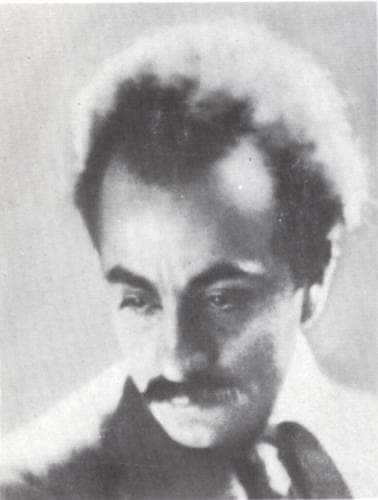
Kahlil Gibran was a Lebanese-American writer and philosopher known for his poetic prose and philosophical themes. His notable works include "The Prophet," a collection of poetic essays, "The Broken Wings," a tale of love and sacrifice, and "The Madman," which explores the nature of existence. Gibran's writings often reflect his spiritual and mystical beliefs.
Similar books
- The Prophet
Kahlil Gibran
4.2 (235k) average on GoodreadsSpiritualityShares Gibran's unique poetic and philosophical style, exploring themes of love, life, and spirituality.
- Love Story
Erich Segal
3.6 (13k) average on GoodreadsYoung AdultA classic tragic romance with a focus on deep, fated love and heartbreaking loss.
- Wuthering Heights
Emily Brontë
3.9 (1.3M) average on GoodreadsHistorical FictionExplores an intense, passionate, and ultimately doomed love affair against a backdrop of societal expectations and tragedy.
- The Great Gatsby
F. Scott Fitzgerald
3.9 (3.8M) average on GoodreadsHistorical FictionWhile both explore idealized and doomed love, Gibran's work lacks Fitzgerald's sharp social commentary and intricate character motivations tied to the American Dream and class. Gatsby's tragedy is deeply rooted in socio-economic factors, whereas Gibran's is more universally framed around pure love versus oppressive tradition, with a distinct spiritual dimension.
- Eat, Pray, Love
Elizabeth Gilbert
3.6 (1.5M) average on GoodreadsLifestyleA heartbroken writer leaves her conventional life for a year-long global search for pleasure in Italy, spiritual devotion in India, and unexpected love and balance in Bali.
- Educated
Tara Westover
4.5 (796k) average on GoodreadsBiographyRaised in the Idaho mountains by fundamentalist survivalists, a young woman forges her own path to education, battling fierce family loyalty and personal demons to discover a world beyond her isolated upbringing.




Enjoyed the summary?
A summary gives you the shape of the book. The book itself has the detail, the examples and the voice.
Find The Broken Wings on AmazonAs an Amazon Associate, BookBrief earns from qualifying purchases. How we're funded