
Core Idea
- Difficulty
- Easy
- Read it if
- You want an engaging, simplified, yet thematically rich introduction to Homer's Iliad and Odyssey, or are looking for a classic retelling of Greek mythology for young adults.
- Skip it if
- You prefer to read the original, unabridged Homeric epics, or are looking for a modern, complex interpretation of the myths.
Key Takeaways from The Children's Homer
The Price of Pride and Prophecy
Even divine favor cannot avert the consequences of hubris and foretold destiny.
The Trojan War, as Colum tells it, shows how human pride and divine prophecy can lead to terrible results. Paris taking Helen, driven by Aphrodite's promise and Paris's own desire, starts a war that consumes a whole civilization. Even with the Trojans' strength and their city's strong walls, their defeat is hinted at repeatedly and eventually sealed, not just by Greek cleverness, but by the gods' direct involvement and the Trojans' overconfidence (for example, ignoring warnings about the wooden horse). This shows that even with divine favor or strength, ignoring fate's signs or being too proud leads to a sad end.
“For the sake of Helen, a war was waged that brought down mighty Troy, and many heroes perished, their fates sealed by the will of the gods and their own choices.”
In the book: The narrative arc of the Trojan War, from Paris's abduction of Helen, the prophecies surrounding Achilles's short life and glory, Hector's fated death, and the ultimate deception of the Trojan Horse, all demonstrate a predetermined path despite heroic efforts.
Try this: Recognize the dangers of unchecked pride and heed warnings, even if they seem improbable. Understand that some events are set in motion by forces beyond immediate control, and adaptability rather than rigid defiance is often the wiser course.
Related ideas: hubris, fate, prophecy, trojan-war
The Enduring Power of Loyalty and Friendship
Bonds forged in battle and shared adversity prove stronger than fear or temptation.
Colum's retelling shows the importance of loyalty and friendship among the Greek heroes. The strong bond between Achilles and Patroclus is the emotional center of the Iliad. Patroclus's death, by Hector, doesn't just make Achilles sad; it changes him completely, bringing him back to battle with an unstoppable, vengeful anger. Similarly, Odysseus's steady loyalty to his men, even when they make mistakes, and their loyalty to him, is a recurring idea throughout his difficult journey. These relationships provide motivation, comfort, and the will to keep going against huge odds, showing that human connection is a strong, often overlooked, force in epic struggles.
“Achilles wept for Patroclus, his dear friend, and his grief was such that it stirred him to vengeance and a fury that none could withstand.”
In the book: Achilles's withdrawal from battle after his dispute with Agamemnon, and his subsequent return to avenge Patroclus's death, is a prime example. Odysseus's efforts to rescue his men from Circe and the Cyclops, and their eventual reunion in Ithaca, also showcase this.
Try this: Cultivate strong, loyal relationships. Understand that true allies provide not just practical support but also emotional resilience and purpose, especially during challenging times. Prioritize these bonds.
Related ideas: loyalty, friendship, comradeship, achilles-patroclus
The Wiles of the Gods and Their Human Playthings
Divine intervention is a constant, unpredictable force shaping human destinies.
One striking part of Colum's story is the constant and often unpredictable involvement of the Olympian gods. They are not just watching; they are active, interfering in battles, influencing human emotions, and directly changing outcomes. Hera and Athena always support the Achaeans, while Apollo and Aphrodite favor the Trojans. Their reasons are often personal, driven by small rivalries, hurt pride, or favored heroes. This constant divine interference makes human actions feel uncertain, but it also explains seemingly impossible feats and sudden changes in fortune. It describes a world where humanity is often subject to greater, sometimes random, powers, forcing heroes to manage a world where even their best efforts can be undone by a god's whim.
“For the gods on high Olympus often took sides in the war, some favoring the Achaeans, and some the Trojans, and their quarrels often spilled down upon the fields of men.”
In the book: Athena's intervention to stop Achilles from striking Agamemnon, Apollo sending a plague upon the Achaeans, Zeus weighing the fates of heroes in his scales, and Poseidon creating storms for Odysseus are all direct examples.
Try this: Recognize that external forces, beyond individual control, significantly impact outcomes. While striving for personal excellence, also prepare for unexpected challenges and adapt to circumstances that may seem divinely orchestrated or simply out of your hands.
Related ideas: divine-intervention, olympian-gods, fate-vs-free-will, capricious-gods
The Odyssey of the Mind: Cunning Over Brute Strength
Intelligence, adaptability, and strategic thinking are the ultimate survival tools.
While the Iliad celebrates the warrior's strength, the Odyssey, as Colum tells it, shows the power of intelligence and strategic thinking. Odysseus, unlike the strong Achilles or Ajax, uses his 'many-sided' mind to get through the many dangers of his journey home. From outsmarting the Cyclops Polyphemus with the 'Noman' trick to resisting the Sirens' song and planning the Trojan Horse, his intelligence is his main weapon. This shows that adaptability, foresight, and clever deception can overcome seemingly impossible physical threats, making cleverness more valuable than brute force in long struggles and complex challenges.
“Odysseus, the man of many twists and turns, was known not just for his strength in battle, but for the cunning of his mind, which often saved him and his men from certain doom.”
In the book: Odysseus's blinding of Polyphemus, his use of wax and ropes to avoid the Sirens, his patient disguise upon returning to Ithaca, and his strategic planning for the Trojan Horse are all prime examples of his cunning.
Try this: Prioritize critical thinking and problem-solving skills. Faced with obstacles, seek innovative solutions rather than relying solely on direct confrontation. Develop mental agility and foresight.
Related ideas: cunning, intelligence, strategy, odysseus, adaptability
The Perils of Temptation and Distraction
The journey toward a goal is fraught with enticing detours that demand discipline.
Odysseus's long journey home is a test of physical strength and also a test of mental and moral strength against various temptations. The Sirens' enchanting song promises knowledge but leads to death; Circe's hospitality offers comfort but turns men into pigs and keeps Odysseus for a year; the Lotus-Eaters offer pleasant forgetfulness. Each meeting is a strong distraction, a tempting alternative to the hard path of duty and homecoming. Odysseus's ability to resist, or cleverly avoid, these temptations shows how important it is to stay focused on one's main goal, even when faced with seemingly irresistible pleasures or escapes. It is a lesson in delayed gratification and the cost of giving in to immediate desires.
“Many a man has been lost to the allure of the Sirens' song, or transformed by the enchantments of Circe, forgetting their homes and their purpose.”
In the book: Odysseus's men being turned into swine by Circe, the crew's desire to stay with the Lotus-Eaters, and the danger posed by the Sirens' song all highlight these perils.
Try this: Identify and actively guard against distractions and temptations that pull you away from your long-term goals. Practice self-discipline and remember your 'why' when faced with appealing detours.
Related ideas: temptation, distraction, self-discipline, delayed-gratification, circe
The Indomitable Spirit of Return
The yearning for home and identity provides the ultimate motivation for perseverance.
The main reason for Odysseus's twenty-year journey is a strong desire to return home to Ithaca and get back his family and kingdom. This longing is not just a passive wish but an active force that pushes him through unimaginable difficulties. It gives him the mental strength needed to face monsters, outsmart gods, and overcome personal despair. Colum emphasizes that this deep connection to one's roots and identity—the feeling of belonging and purpose found in 'home'—is a strong, perhaps the strongest, reason for enduring suffering and overcoming hardship. It is a timeless look at what truly grounds us and gives meaning to our struggles.
“Though he faced monsters and gods, storms and enchantresses, Odysseus's heart always yearned for Ithaca, for Penelope, and for his son, Telemachus. This longing was his anchor and his guide.”
In the book: Odysseus's repeated lamentations for Ithaca, his rejection of Calypso's offer of immortality, and his disguise and patient strategy upon returning home to reclaim his rightful place are all evidence.
Try this: Identify your 'Ithaca' – your ultimate goal, your sense of belonging, or your core values. Let this deep-seated purpose be the unwavering motivation that guides you through challenges and keeps you resilient.
Related ideas: homecoming, identity, perseverance, purpose, odysseus-journey
The Value of Counsel and Listening
Wise advice, whether from gods or mortals, offers crucial guidance in complex times.
Even though they are heroes, many characters in Colum's retelling, including Odysseus, often seek and benefit from advice. Athena often advises Odysseus, guiding his actions and giving him important information. Circe, despite her earlier hostility, offers vital instructions for getting past Scylla and Charybdis and the Sirens. Even the dead prophet Tiresias gives Odysseus important insights in the Underworld. This shows that even the most capable people do not have all knowledge or foresight. The willingness to listen to advice, whether supernatural or human, and to trust expert guidance, is shown as a good quality essential for survival and success, preventing costly mistakes and providing clarity in confusing situations.
“Even Odysseus, the man of many devices, often sought the counsel of the gods or the wisdom of seers, knowing that no man knows all things.”
In the book: Athena's constant guidance to Odysseus, Circe's instructions for navigating the Straits of Messina, and Tiresias's prophecy in the Underworld are all examples of crucial counsel.
Try this: Actively seek out mentors and expert advice. Be open to feedback and different perspectives, even from unexpected sources. Recognize the limits of your own knowledge and the value of collaborative wisdom.
Related ideas: mentorship, wisdom, advice, guidance, listening
The Inevitability of Suffering and Loss
Great achievements and journeys are invariably accompanied by profound sorrow and sacrifice.
Colum shows the great suffering and loss in both the Trojan War and Odysseus's journey. The deaths of Patroclus, Hector, Achilles, and many other heroes show the brutal reality of war. Odysseus's crew is destroyed by monsters, storms, and their own foolishness, leaving him as the only survivor. This widespread theme of sacrifice and sorrow shows that even glorious victories and triumphant homecomings come at a huge personal and group cost. It is a reminder that life's grand stories have their dark parts, and that enduring pain is often necessary for reaching important goals, making the final triumph even more meaningful.
“Many heroes fell before the walls of Troy, and many more perished on the long journey home. Such is the way of war and great adventures.”
In the book: The numerous deaths of prominent heroes in the Trojan War (Achilles, Hector, Ajax), and the progressive loss of Odysseus's entire crew throughout his journey, exemplify this theme.
Try this: Accept that suffering and loss are an intrinsic part of any significant endeavor. Build resilience and learn to process grief, understanding that these experiences, while painful, can also forge character and deepen appreciation for success.
Related ideas: suffering, loss, sacrifice, resilience, grief
The Hero's Imperfections and Humanity
Even legendary figures are prone to flaws, making their struggles more relatable and powerful.
Colum's portrayal of the heroes, while epic, does not hide their significant flaws. Achilles's uncontrolled rage and pride lead to his leaving battle and ultimately to Patroclus's death. Agamemnon's arrogance nearly dooms the Greek forces. Odysseus, despite his cleverness, is often driven by curiosity or a desire for glory that puts his men in danger (for example, staying to confront Polyphemus). These imperfections make the heroes more complex and relatable, showing that even those meant for greatness are deeply human. Their struggles often come from internal conflicts as much as external threats, reinforcing the idea that true heroism is not about being flawless, but about trying despite, or even because of, one's imperfections.
“Achilles's wrath was mighty, but it also brought him great sorrow. Odysseus was cunning, but his curiosity often led his men into danger.”
In the book: Achilles's 'wrath' and subsequent sulking, Agamemnon's hubris in taking Briseis, and Odysseus's decision to wait for the Cyclops out of curiosity are all examples of heroic flaws.
Try this: Embrace your own imperfections and recognize them in others. Understand that flaws are part of the human condition and can even be catalysts for growth or moments of profound insight. Strive for progress, not perfection.
Related ideas: heroic-flaws, humanity, imperfection, relatability, character-development
The Power of Storytelling and Legacy
Epic tales serve not just to entertain, but to transmit cultural values and lessons across generations.
Padraic Colum's act of retelling Homer's epics for younger readers shows the lasting power of storytelling. The original Homeric poems were oral traditions, meant to pass on history, mythology, and moral lessons. Colum's version continues this, making these basic stories easy to access and engaging. This shows that stories are not just entertainment; they are important ways to keep cultural memory, ethical instruction, and identity alive. They allow future generations to learn from past successes and failures, to understand heroism and villainy, and to deal with universal human experiences. "The Children's Homer" itself shows the deep and lasting impact of good stories.
“And so, the tales of Troy and the journeys of Odysseus were told and retold, so that the deeds of heroes would never be forgotten, and their wisdom would live on.”
In the book: The continued retelling and adaptation of Homer's epics for centuries, including Colum's own work, demonstrates the enduring power and importance of these narratives.
Try this: Engage with stories, both by consuming and creating them, to understand and transmit valuable lessons and cultural heritage. Recognize the power of narrative in shaping perspectives and preserving knowledge.
Related ideas: storytelling, legacy, cultural-transmission, mythology, oral-tradition
The Children's Homer Quotes
“I am Odysseus, son of Laertes, who am known among men for all manner of wiles, and my fame reaches unto heaven.”
“There is nothing better than when the heart is merry and the feast is spread, and the minstrel sings to the company.”
“The gods do not give all their gifts to one man.”
“Better to be a slave on earth than a king in the land of the dead.”
“The day of return is the sweetest of all days.”
“A man who has been through bitter experiences and travelled far enjoys even his sufferings after a time.”
“It is not right for a man to be without a king, without a city, and without a home.”
“The gods have given you more than your share of beauty, but they have not given you a heart that knows pity.”
“There is a time for many words, and there is a time for sleep.”
“I have a heart that is not used to trembling; I have been in many wars and many waves.”
“The wine-dark sea has many wonders, but none so wonderful as man.”
“Even his griefs are a joy long after to one that remembers all that he wrought and endured.”
“The gods love not the deeds of violence; they love justice and the gentle heart.”
“There is no good in being too wise; it makes a man too full of cares.”
Quiz
10 questions on the main ideas. Each answer comes with a short explanation.
Question 1
In 'The Children's Homer', which Greek hero is known for his cunning and long journey home after the Trojan War?
- Achilles
- Agamemnon
- Odysseus
- Hector
Show answer
C. Odysseus Odysseus is the central figure of the Odyssey portion of the book, renowned for his intelligence and the decade-long voyage back to Ithaca, facing monsters like Scylla and enchantresses like Circe.
Question 2
What is the name of the one-eyed giant that Odysseus and his men encounter in 'The Children's Homer'?
- Polyphemus
- Cyclôpes
- Scylla
- Charybdis
Show answer
A. Polyphemus Polyphemus is the specific Cyclops that traps Odysseus and his men in his cave, leading to the famous escape where Odysseus blinds him and hides under sheep.
Question 3
Which goddess aids Odysseus throughout his journey in 'The Children's Homer', often appearing in disguise?
- Hera
- Aphrodite
- Athena
- Artemis
Show answer
C. Athena Athena, the goddess of wisdom and warfare, is Odysseus's protector, frequently guiding him and intervening on his behalf, such as when she helps him reclaim his throne in Ithaca.
Question 4
In the Iliad section of 'The Children's Homer', what causes Achilles to withdraw from battle, leading to Greek losses?
- A prophecy that he will die if he fights
- A dispute with Agamemnon over a captured woman
- An injury from an arrow
- A command from the gods to stop fighting
Show answer
B. A dispute with Agamemnon over a captured woman Agamemnon takes Briseis, a woman awarded to Achilles, leading to Achilles's anger and refusal to fight, which is a key plot point driving the Trojan War narrative.
Question 5
How does Odysseus manage to escape the enchantress Circe's spell in 'The Children's Homer'?
- By fighting her with his sword
- By using a magical herb given by Hermes
- By convincing her with his words
- By hiding from her sight
Show answer
B. By using a magical herb given by Hermes Hermes gives Odysseus the herb moly, which protects him from Circe's magic, allowing him to resist her spell and eventually secure the release of his men.
Question 6
What practical lesson does 'The Children's Homer' illustrate through Odysseus's encounter with the Sirens?
- The importance of listening to beautiful music
- The value of curiosity over caution
- The need for restraint and planning to avoid temptation
- The power of brute strength in overcoming obstacles
Show answer
C. The need for restraint and planning to avoid temptation Odysseus has his crew plug their ears with wax and tie him to the mast so he can hear the Sirens' song without succumbing, demonstrating strategic foresight and self-control.
Question 7
In 'The Children's Homer', which Trojan hero is killed by Achilles in revenge for Patroclus's death?
- Paris
- Hector
- Aeneas
- Priam
Show answer
B. Hector Hector, the greatest Trojan warrior, kills Patroclus, Achilles's close friend, leading Achilles to re-enter the war and slay Hector in a pivotal battle.
Question 8
What key theme in 'The Children's Homer' is highlighted by Odysseus's long struggle to return home?
- The inevitability of fate
- The pursuit of glory in war
- The power of loyalty and perseverance
- The conflict between gods and mortals
Show answer
C. The power of loyalty and perseverance Odysseus's enduring determination to reunite with his family in Ithaca, despite numerous supernatural and human challenges, underscores themes of faithfulness and resilience.
Question 9
How does 'The Children's Homer' frame the role of the gods in human affairs, based on the stories of Achilles and Odysseus?
- As distant observers with no real influence
- As arbitrary forces causing chaos for entertainment
- As active participants who shape events and fates
- As symbols of human virtues without direct action
Show answer
C. As active participants who shape events and fates The book shows gods like Athena, Poseidon, and Zeus directly intervening in battles, aiding or hindering heroes, reflecting Homer's portrayal of divine involvement in mortal lives.
Question 10
In the conclusion of 'The Children's Homer', what does Odysseus do to reclaim his kingdom in Ithaca?
- He negotiates peace with the suitors
- He reveals his identity and defeats the suitors in a contest
- He enlists the help of neighboring kings to attack
- He uses magic to make the suitors leave
Show answer
B. He reveals his identity and defeats the suitors in a contest Disguised as a beggar, Odysseus proves his identity by stringing his bow and winning an archery contest, then, with his son Telemachus, kills the suitors who have plagued his home.
The Children's Homer FAQ
What is 'The Children's Homer' about?
'The Children's Homer' is a collection of fifteen stories adapted from Homer's 'The Iliad' and 'The Odyssey', retelling classic Greek myths like the Trojan War and Odysseus's journey in an accessible way for younger readers.
Is 'The Children's Homer' suitable for kids?
Yes, Padraic Colum specifically adapted these stories for children, simplifying the language and narrative while preserving the core adventures, drama, and characters from Homer's original epics.
How different is 'The Children's Homer' from the original Homer?
It condenses and simplifies Homer's complex epics into shorter, more digestible stories for young readers, focusing on key events and characters while omitting some adult themes and intricate details found in the original Greek texts.
Does 'The Children's Homer' include the story of the Trojan Horse?
Yes, as it adapts 'The Iliad', it covers major events of the Trojan War, including the cunning use of the Trojan Horse by the Greeks to defeat Troy.
What age group is 'The Children's Homer' best for?
It's typically recommended for middle-grade readers, around ages 8-12, but can be enjoyed by older children and adults looking for an accessible introduction to Greek mythology.
How different is 'The Children's Homer' from other children's mythology books?
Unlike many myth collections, it focuses specifically on Homer's epics with a narrative flow that mimics the original's drama, written by a Newbery Honor-winning author known for engaging storytelling.
Does 'The Children's Homer' work as an educational tool?
Yes, it's often used in schools to introduce students to Greek literature and mythology, providing a foundation for understanding classical stories and cultural references in an engaging format.
What is the significance of Padraic Colum's adaptation?
Colum's adaptation is praised for retaining the epic spirit of Homer while making it accessible, helping preserve these timeless stories for new generations through clear and powerful storytelling.
Does 'The Children's Homer' include Odysseus's encounter with the Cyclops?
Yes, it covers key episodes from 'The Odyssey', such as Odysseus's perilous meeting with the Cyclops Polyphemus, highlighting his cleverness and the challenges of his journey home.
How does 'The Children's Homer' handle themes like gods and monsters?
It presents gods, monsters, and mythical elements like Scylla and Charybdis in a vivid but age-appropriate way, emphasizing adventure and moral lessons without overly frightening details.
About the author

Padraic Colum was an Irish author known for his contributions to literature, particularly in the early 20th century. He is recognized for works such as "The Children's Homer," which retells the stories of the "Iliad" and "Odyssey" for younger audiences. Colum's writings often explore themes from Irish folklore and mythology.
Similar books
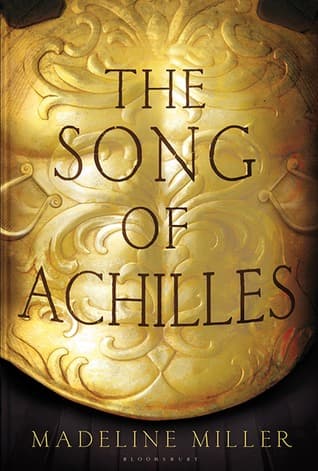
- The Song of Achilles
Madeline Miller
4.3 (228k) average on GoodreadsFantasyA more adult, character-driven novel exploring the events of the Iliad with a focus on Achilles and Patroclus, offering a different perspective on the same source material.
- The Diary of a Young Girl
Anne Frank
4.2 (2.7M) average on GoodreadsBiographyDuring the Nazi occupation, a teenage girl's diary, written from a secret annex, shares observations on humanity, hope, and the wait for freedom.
- Twisted 1. Twisted love
Ana Huang
3.7 (1.7M) average on GoodreadsA quiet billionaire with a difficult past finds his guarded heart opening to the woman he must protect, but their growing passion uncovers dangerous secrets and a shared, traumatic history.
- Eat, Pray, Love
Elizabeth Gilbert
3.6 (1.5M) average on GoodreadsLifestyleA heartbroken writer leaves her conventional life for a year-long global search for pleasure in Italy, spiritual devotion in India, and unexpected love and balance in Bali.
- Night
Elie Wiesel
4.3 (970k) average on GoodreadsBiographyIn the darkness of Auschwitz and Buchenwald, a teenage Elie Wiesel faces the extermination of his family, the loss of his faith, and the lasting scars of humanity's deepest cruelty.
- Steve Jobs
Walter Isaacson
4.1 (957k) average on GoodreadsBusinessSteve Jobs was a visionary who fused creativity and technology to revolutionize six industries and shape our digital world.





Enjoyed the summary?
A summary gives you the shape of the book. The book itself has the detail, the examples and the voice.
Find The Children's Homer on AmazonAs an Amazon Associate, BookBrief earns from qualifying purchases. How we're funded