

Synopsis
Covers the whole plot, including the ending.
- Difficulty
- Easy
- Pacing
- Slow
- Mood
- Heartwarming, Gentle, Inspiring, Historical
- Read it if
- You enjoy gentle historical fiction for young readers, stories about overcoming fear, or tales of early American frontier life.
- Skip it if
- You prefer fast-paced plots, complex character development, or stories with modern settings and themes.
The Courage of Sarah Noble Plot Summary
Covers the whole plot, including the ending.
A Journey Begins: Leaving Home for the Wilderness
In the autumn of 1707, eight-year-old Sarah Noble prepares to leave her home in Westfield, Massachusetts, with her father, John Noble. Her mother, Martha Noble, gives her a yellow cloak and reminds her to 'Keep up your courage, Sarah Noble.' The family is moving to New Milford, Connecticut, a place then considered a wilderness, where John plans to build a house for his wife and their other four children to join them later. Sarah is tasked with caring for her father and cooking during their journey. She is nervous but determined to be brave, remembering her mother's words as they set off into the unknown forests.
Through the Wild Woods
Sarah and her father travel for several days, seeing dense forests, wild animals like deer and bears, and many Native American trails. They sleep under the open sky, with Sarah often scared by the unfamiliar sounds of the wilderness at night. Her father reassures her and teaches her how to build a fire and cook simple meals. Sarah does her duties, remembering her mother's advice. One evening, a bear approaches their camp, frightening Sarah, but her father's quick thinking and their dog, Captain, scare it away. This shows Sarah's dependence on her father's strength and protection.
Arrival in New Milford and First Encounters
After a long journey, John and Sarah arrive in New Milford, a clearing in the wilderness. John immediately starts cutting trees to build their new house. Sarah helps by gathering firewood and keeping their small camp organized. Soon, Native American children from a nearby village cautiously approach their camp, curious about the new settlers. Sarah is initially shy and a little afraid, remembering stories she'd heard. However, her father encourages her to be friendly, and she offers them some of the dried apples her mother had packed. This starts an interaction with her new neighbors.
A Temporary Home and New Friendships
As winter approaches and the house is still under construction, John Noble realizes it will be too cold for Sarah to stay in their lean-to. He arranges for her to live with a friendly Native American family, the family of Tall John, for the winter months. Sarah is initially scared and lonely, missing her own family. However, she gradually adapts to their customs and learns some of their language. She becomes especially close to Tall John's daughter, who is about her age. They share games and stories, and Sarah teaches her some English words, finding comfort and friendship in an unexpected place.
Learning and Adapting
Living with Tall John's family, Sarah learns many new things. She learns to grind corn, weave baskets, and understand the rhythms of the forest. She sees their respect for nature and their resourcefulness. Although she occasionally feels homesick, her courage grows as she lives in this new world. She learns to communicate through a mix of gestures and the few Native American words she learns. The initial fear she held towards the Native Americans turns into understanding and affection, especially for Tall John's Daughter, whom she now considers a friend.
Winter Passes, Family Returns
As winter ends and spring comes, John Noble returns to Tall John's village to get Sarah. He has completed the basic structure of their new house and has traveled back to Westfield to bring the rest of the family. Sarah is happy to see her father and eager to reunite with her mother and siblings. She says goodbye to Tall John's family, especially her friend, promising to visit. Her time with them has changed her, making her more resilient and understanding of different ways of life. She is now ready to help her family settle into their new home.
A New Home, A New Life
Sarah and her father return to the new house, which is still rough but now has walls and a roof. Sarah helps her father clean and prepare the house, looking forward to her family's arrival. She feels a sense of ownership and pride in the home they have built together. She thinks about her journey, the fears she overcame, and the friends she made. The wilderness no longer seems as scary, and she realizes that her mother's words, 'Keep up your courage,' were not just about facing fear, but about embracing new experiences and finding strength within herself. She is no longer just a scared little girl but a brave and capable young woman.
Family Reunion and Future Hope
Finally, Sarah's mother, Martha, and her four siblings arrive in New Milford. The reunion is joyful and emotional. Sarah proudly shows them the new house and tells them about her adventures and her Native American friends. She has grown in confidence and maturity, surprising her mother with her newfound independence. The book concludes with the Noble family settling into their new home, ready to face the challenges and joys of frontier life. Sarah, with her experiences and friendships, is a bridge between the settler and Native American communities, showing the true meaning of courage.
The Courage of Sarah Noble Characters
Sarah Noble
Protagonist
An eight-year-old girl who finds courage and resilience during a challenging frontier journey.
Sarah Noble is an eight-year-old girl at the heart of the story. Initially, she is a typical child, somewhat timid and prone to fear, especially of the unknown wilderness and its inhabitants. Her mother's constant refrain, 'Keep up your courage,' becomes her mantra, guiding her through moments of doubt. Sarah is diligent, obedient, and eager to please her father. Her journey transforms her from a scared child into a brave and understanding young girl who learns to adapt, make friends across cultural divides, and find strength within herself. She represents the resilience needed for frontier life.
Relationships: John Noble (Father, protector, guide); Martha Noble (Mother, source of comfort and wisdom); Tall John's Daughter (First Native American friend); Tall John (Native American host, temporary guardian)
John Noble
Supporting
Sarah's father, a determined and protective frontiersman building a new home.
John Noble is Sarah's father, a strong, resourceful, and kind man. He is the driving force behind the family's move to New Milford, motivated by the desire to build a better life. He is a skilled woodsman and a patient father, teaching Sarah practical skills and reassuring her during their journey. He demonstrates an open-minded attitude towards the Native Americans, arranging for Sarah to stay with Tall John's family. His steady presence and quiet strength provide Sarah with the security she needs to face her fears and grow.
Relationships: Sarah Noble (Daughter, travel companion); Martha Noble (Wife, partner in their new life); Tall John (Native American neighbor, trusted friend)
Martha Noble
Supporting
Sarah's mother, who instills courage and provides a sense of home and comfort.
Martha Noble is Sarah's mother, a wise and loving woman who remains in Westfield for the initial journey. Although she is not physically present for most of the story, her words, 'Keep up your courage, Sarah Noble,' serve as a powerful guiding force for Sarah throughout her ordeal. She packs Sarah's yellow cloak and dried apples, symbols of comfort and home. Her character represents the stability and love that Sarah carries with her, even in the wilderness, and her eventual arrival signifies the completion of the new home.
Relationships: Sarah Noble (Daughter, inspiration); John Noble (Husband, partner)
Tall John
Supporting
A kind Native American man who hosts Sarah during the winter.
Tall John is a Native American man who lives in the village near New Milford. He is depicted as a kind, welcoming, and trustworthy individual. He agrees to host Sarah in his wigwam during the harsh winter months while her father finishes building their house. His family's hospitality allows Sarah to experience Native American culture firsthand, fostering understanding and friendship. He represents the peaceful and cooperative interactions that were possible between settlers and Native Americans, challenging Sarah's initial fears and prejudices.
Relationships: John Noble (Neighbor, trusted acquaintance); Sarah Noble (Temporary ward, guest); Tall John's Daughter (Daughter)
Tall John's Daughter
Supporting
A Native American girl who becomes Sarah's first friend in the wilderness.
Tall John's Daughter is a Native American girl, approximately Sarah's age, who lives in the village. She is initially curious about Sarah and eventually becomes her closest friend during Sarah's stay with her family. She teaches Sarah about Native American customs, games, and language, and in turn, learns some English words from Sarah. Their friendship highlights the innocence of childhood and the ability to bridge cultural divides through shared experiences and empathy. She helps Sarah overcome her fear and loneliness, making her wilderness experience richer and more meaningful.
Relationships: Sarah Noble (Friend, cultural exchange partner); Tall John (Father)
Captain
Mentioned
The Noble family's dog, who offers protection and companionship.
Captain is the Noble family's dog, who accompanies John and Sarah on their journey. He is a loyal companion and provides a sense of security during their travels. He helps to ward off a bear that approaches their camp one night, showcasing his protective nature. While not a speaking character, Captain's presence emphasizes the realities of frontier life and the role of animals in providing comfort and safety.
Relationships: John Noble (Owner); Sarah Noble (Companion, fellow traveler)
The Courage of Sarah Noble Themes
Courage and Resilience
The central theme is Sarah's journey of finding courage. Her mother's words, 'Keep up your courage, Sarah Noble,' are a recurring idea, guiding Sarah through her fears of the wilderness, wild animals, and the unfamiliar Native American people. Sarah's resilience is shown through her ability to adapt to new environments, perform duties beyond her years, and overcome loneliness and fear to embrace new experiences and friendships. The book shows that courage is not the absence of fear, but the ability to act despite it, growing stronger through challenges.
“Keep up your courage, Sarah Noble.”
Adaptation and Frontier Life
The book shows the challenges of adapting to frontier life in early America. Sarah and her father must deal with the harsh wilderness, build a home from scratch, and live off the land. Sarah's stay with Tall John's family further shows adaptation, as she learns their customs, language, and survival skills. This theme highlights the resourcefulness and flexibility needed to thrive in a new, undeveloped territory, showing how individuals learn to make a home in unfamiliar surroundings.
“It was not easy to feel brave inside.”
Cross-Cultural Understanding and Friendship
A significant theme is the development of understanding and friendship between the English settlers and the Native American community. Sarah initially fears the 'Indians' based on common prejudices. However, through her direct interactions and especially her stay with Tall John's family, she learns to see them as kind, hospitable, and intelligent people. Her friendship with Tall John's Daughter bridges cultural divides, showing that empathy and shared humanity can overcome fear and prejudice, leading to peaceful coexistence.
“Now she was not afraid of Indians.”
Family and Home
Family and the creation of a new home is a main theme. The entire journey is undertaken to establish a new home for the Noble family. Sarah's longing for her mother and siblings shows the importance of family bonds. The building of the house symbolizes the creation of a safe and loving space. The story ends with the reunion of the family in their new dwelling, marking the successful establishment of their new life and the lasting strength of family connections, even across vast distances and challenging circumstances.
“She was so glad to see the house that was to be her home.”
Plot Devices & Literary Techniques
The Yellow Cloak
A tangible symbol of comfort, home, and her mother's love.
The yellow cloak given to Sarah by her mother serves as a powerful symbolic object throughout her journey. It represents the warmth, comfort, and familiarity of her home and her mother's enduring love and presence. When Sarah feels scared or lonely, she often clutches the cloak, drawing strength from its association with her family. It's a physical reminder of her origins and the love that awaits her, reinforcing her courage and helping her endure the hardships of the wilderness.
The Phrase 'Keep up your courage, Sarah Noble'
A recurring mantra that guides and inspires the protagonist.
This phrase, spoken by Sarah's mother at the beginning of the journey, acts as a recurring motif and a psychological anchor for Sarah. It is repeated directly and alluded to several times, serving as an internal monologue that helps Sarah overcome her fears and continue her duties. This device highlights the power of encouragement and the internal strength children can draw from parental wisdom, demonstrating how a simple phrase can become a profound source of resilience and self-reliance.
The Wilderness as a Character
The natural environment acts as both an antagonist and a teacher.
The wilderness of Connecticut in 1707 functions almost as a character itself, presenting challenges and opportunities for growth. It is initially portrayed as a frightening, unknown entity with wild animals and unfamiliar sounds, acting as an antagonist to Sarah's comfort and safety. However, as Sarah adapts, the wilderness also becomes a teacher, forcing her to learn new skills, appreciate nature, and develop resilience. It is the crucible in which Sarah's courage is forged, transforming her perception from fear to familiarity and respect.
First-Person Limited Perspective (Implied)
The narrative primarily follows Sarah's emotional and physical journey.
While written in the third person, the story's perspective is closely tied to Sarah's experiences and emotional state. The reader sees the world through her eyes, feeling her fears, her loneliness, and eventually her growing courage and understanding. This focus allows for a deep connection with Sarah's internal journey, making her growth and the lessons she learns more impactful and relatable for young readers. The simplicity of the language also reflects a child's understanding of the world.
The Courage of Sarah Noble Quotes
“It is a fearful thing, and a brave thing, to go into the wilderness.”
“Keep up your courage, Sarah Noble.”
“Her father said, 'You are a brave girl, Sarah Noble.'”
“The woods were very quiet. Only the wind made a sound, a sighing sound.”
“She learned that to be a friend, you must be a friend.”
“She looked at the little brown hands and thought of her own white hands.”
“She had to make a new home in a new place, and that was a very big thing to do.”
“Even though she was afraid, she did not cry.”
“She was learning to understand the language of the forest.”
“It was not easy to be brave all the time.”
“The smoke of the fire went up, up into the sky, carrying the smell of cooking meat.”
“She was a small girl, but she had a big job to do.”
“The stars were very bright, like tiny holes poked in a dark blanket.”
“It was good to have a friend, even if the friend did not speak the same words.”
Quiz
10 questions on the plot and the characters. Each answer comes with a short explanation.
Question 1
What year does Sarah Noble's journey with her father begin?
- 1607
- 1707
- 1807
- 1776
Show answer
B. 1707 The book explicitly states that Sarah Noble and her father traveled in 1707 to build a new home.
Question 2
What was Sarah's mother's repeated advice to her?
- Always be polite, Sarah Noble.
- Keep up your courage, Sarah Noble.
- Stay close to your father, Sarah Noble.
- Remember your prayers, Sarah Noble.
Show answer
B. Keep up your courage, Sarah Noble. Sarah's mother's iconic advice, 'Keep up your courage, Sarah Noble,' is a central theme and is mentioned early in the book.
Question 3
How old was Sarah Noble when she embarked on her journey with her father?
- Six years old
- Seven years old
- Eight years old
- Nine years old
Show answer
C. Eight years old The book clearly states that Sarah was only eight years old, which adds to the significance of her bravery.
Question 4
What was the primary purpose of Sarah and her father's journey?
- To trade goods with Native American tribes.
- To explore new territories for the colonial government.
- To build a new home for their family in the wilderness.
- To find a new source of water for their village.
Show answer
C. To build a new home for their family in the wilderness. The core plot revolves around their journey to establish a new homestead for their family in the wilderness.
Question 5
What does Sarah learn about courage by the end of her journey?
- That true courage means never being afraid.
- That courage comes from always being with someone else.
- That to be afraid and to be brave is the greatest courage of all.
- That courage is only necessary when facing wild animals.
Show answer
C. That to be afraid and to be brave is the greatest courage of all. The book's central theme and ultimate lesson for Sarah is that true courage isn't the absence of fear, but rather acting bravely despite being afraid.
Question 6
How does Sarah primarily contribute to caring for her father during their journey?
- She hunts for food and builds their shelter.
- She keeps his spirits up and helps with daily tasks like cooking.
- She navigates through the wilderness using a map.
- She protects him from dangers like wild animals.
Show answer
B. She keeps his spirits up and helps with daily tasks like cooking. As a young child, Sarah's contributions would be more focused on emotional support and assisting with domestic duties like preparing meals, rather than physically demanding tasks like hunting or building.
Question 7
What specific group of people does Sarah befriend in the wilderness?
- French fur traders
- Other colonial settlers
- Indian neighbors
- Explorers from England
Show answer
C. Indian neighbors The synopsis specifically mentions that Sarah 'befriends her Indian neighbors,' highlighting a key aspect of her experience and character development.
Question 8
Why was the wilderness particularly daunting for Sarah?
- It was filled with harsh weather and constant storms.
- She was afraid of getting lost and being separated from her father.
- It was dark and full of wild animals and unfamiliar Indian people.
- Her father often left her alone for long periods to hunt.
Show answer
C. It was dark and full of wild animals and unfamiliar Indian people. The text explicitly states, 'The dark woods were full of animals and Indians, too, and Sarah was only eight!' These elements contributed to her fear.
Question 9
The New York Times Book Review described the book as one 'to be long remembered for its beautifully written simplicity and dignity.' What does 'simplicity' primarily refer to in this context?
- The straightforward nature of the plot with few complex twists.
- The easy-to-understand language and themes suitable for young readers.
- The minimal number of characters involved in the story.
- The basic survival skills demonstrated by Sarah and her father.
Show answer
A. The straightforward nature of the plot with few complex twists. While the language is simple for children, the review's use of 'simplicity' in conjunction with 'dignity' often refers to the uncluttered, direct storytelling and profound themes presented without unnecessary complexity. The plot is indeed straightforward, focusing on Sarah's internal journey and external challenges without intricate subplots.
Question 10
What makes Sarah's story 'true' and 'inspiring' as described in the synopsis?
- It is a fictional tale based on common colonial experiences.
- It is a historical account of a real person's journey and growth in the face of challenges.
- It describes historical events that shaped the founding of the United States.
- It teaches practical survival skills for living in the wilderness.
Show answer
B. It is a historical account of a real person's journey and growth in the face of challenges. The synopsis explicitly states, 'The true story of Sarah’s journey is inspiring.' This indicates that the book is based on real historical events and a real individual, making her personal growth and courage particularly resonant.
The Courage of Sarah Noble FAQ
What is 'The Courage of Sarah Noble' about?
'The Courage of Sarah Noble' is a historical fiction children's book set in 1707, following eight-year-old Sarah Noble as she accompanies her father into the Connecticut wilderness to build a new home for their family. It chronicles her journey of overcoming fear and learning bravery while adapting to a strange new environment and interacting with Native American neighbors.
Why should I read 'The Courage of Sarah Noble'?
You should read 'The Courage of Sarah Noble' for its inspiring true story of a young girl's bravery and resilience in the face of the unknown. It offers a gentle introduction to historical challenges, cross-cultural understanding, and the profound lesson that true courage isn't the absence of fear, but acting despite it, all told with 'beautifully written simplicity and dignity.'
What is the background/setting of 'The Courage of Sarah Noble'?
The book is set in 1707 in the wilderness of colonial Connecticut, specifically in the area that would become New Milford. Sarah and her father journey from their established home into dense forests and uncultivated land, where they build a cabin and interact with the local Native American tribes, primarily the Mahican people.
What are the most memorable quotes from 'The Courage of Sarah Noble'?
The most memorable and recurring quote is Sarah's mother's advice: 'Keep up your courage, Sarah Noble.' This phrase serves as a constant reminder and source of strength for Sarah throughout her journey and encapsulates the book's central theme.
What writing style does Alice Dalgliesh use in 'The Courage of Sarah Noble'?
Alice Dalgliesh employs a simple, direct, and elegant writing style, characteristic of children's classics. The language is accessible yet evocative, allowing young readers to easily connect with Sarah's experiences and emotions while maintaining a sense of historical authenticity and dignity.
What minor details add significant meaning in 'The Courage of Sarah Noble'?
The detail of Sarah's yellow cloak, given to her by her mother, is significant. It's not just a piece of clothing but a tangible link to her family and a symbol of comfort and familiarity in the unfamiliar wilderness, providing a small piece of 'home' wherever she goes.
What are some subtle foreshadowing moments in the book?
Early in their journey, Sarah's father reassures her about the 'Indians' being their friends and neighbors, not threats, subtly foreshadowing the positive and supportive relationship Sarah will develop with the Native American children and families later in the story, dispelling her initial fears.
What unexpected character connections exist in 'The Courage of Sarah Noble'?
An unexpected connection forms between young Sarah and the Native American children, particularly through play and shared experiences, despite initial language and cultural barriers. This connection highlights the universal nature of childhood and forms the basis for Sarah's understanding and acceptance of her new neighbors.
What are unspoken character motivations in the story?
Sarah's father's unspoken motivation is his deep love for his family and his desire to provide a better life for them, driving him to endure the hardships of pioneering. He carries the silent burden of responsibility, knowing his choices directly impact his wife and children's future well-being.
What psychological complexities do characters exhibit?
Sarah exhibits the psychological complexity of an eight-year-old grappling with intense fear and homesickness, contrasted with her innate resilience and desire to please her father. She experiences an internal conflict between her youthful anxieties about the unknown and her growing strength and adaptability.
What are the major emotional turning points for Sarah?
A major emotional turning point for Sarah occurs when she is left alone with the Native American family while her father returns for the rest of their family. This period forces her to fully immerse herself in a new culture, confront her fears head-on, and truly embrace her courage, leading to deep bonds and self-reliance.
How do relationship dynamics evolve in 'The Courage of Sarah Noble'?
The relationship dynamics between Sarah and her father evolve from one of dependence and reassurance to one of mutual support and understanding. Sarah grows from a fearful child needing comfort to a capable helper who shares in the challenges, while her father increasingly relies on her growing bravery and companionship.
Which parts of 'The Courage of Sarah Noble' remain ambiguous or open-ended?
The specific details of the Noble family's long-term integration into the new settlement and their future interactions with all the Native American tribes are left somewhat open-ended. While the book concludes with a sense of hope and Sarah's successful transition, the ongoing challenges of colonial life and inter-cultural relations are only hinted at.
What are controversial scenes or decisions in the book?
While generally praised, some contemporary discussions might arise around the portrayal of Native Americans, specifically the 'noble savage' trope, even though the book aims for respectful representation. The decision to leave a young child, Sarah, with a Native American family for an extended period, while historically accurate for the context, could also be a point of discussion regarding parental decisions.
'The Courage of Sarah Noble' ending explained: how it ends & what it means.
The book ends with Sarah's mother, siblings, and the family's belongings arriving at their new home, reuniting the entire Noble family. Sarah, now more mature and courageous, has fully embraced her new life and friends among the Native Americans. The ending signifies the successful establishment of their home, Sarah's personal growth, and the profound meaning of her mother's words – that true courage comes from facing fears and finding strength within, even when things are strange and new.
About the author

Alice Dalgliesh was a beloved author and educator, celebrated for her children's historical fiction. Her most famous work, 'The Courage of Sarah Noble,' published in 1954, remains a classic, lauded for its engaging storytelling and historical accuracy. Dalgliesh's career spanned decades, impacting countless young readers and aspiring writers.
Similar books
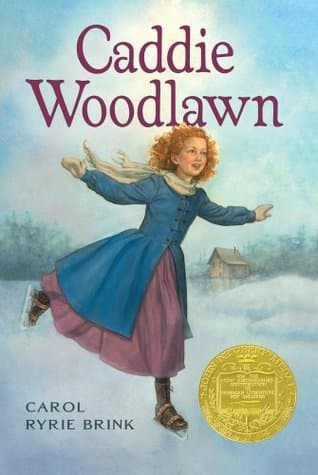
- Caddie Woodlawn
Carol Ryrie Brink
4.0 (48k) average on GoodreadsChildren'sBoth are Newbery-winning historical fiction about courageous young girls growing up on the American frontier.
- Little House in the Big Woods
Laura Ingalls Wilder
4.2 (233k) average on GoodreadsChildren'sBoth depict the daily life and challenges of pioneer families settling in the American wilderness, from a child's perspective.
- Little House on the Prairie
Laura Ingalls Wilder
4.2 (256k) average on GoodreadsChildren'sWilder's series offers a more expansive and detailed multi-volume account of pioneer life, covering a longer period and broader family experiences. While both deal with frontier challenges, Dalgliesh's book is more concise and intensely focused on a single child's immediate emotional and physical journey, whereas Wilder's provides a wider lens on community building and the passage of time. Both have faced criticism for their portrayal of Native Americans.
- The Witch of Blackbird Pond
Elizabeth George Speare
4.0 (135k) average on GoodreadsChildren'sSet in a similar colonial Connecticut period, Speare's novel presents a far more complex historical narrative, exploring themes of social ostracism, religious intolerance, and women's roles in Puritan society. While Dalgliesh focuses on personal courage and adaptation, Speare delves into deeper political and social conflicts, offering a richer and more challenging historical context suitable for older children. Speare's character development and plot intricacies are also more advanced.
- Harry Potter and the Sorcerer's Stone
J.K. Rowling
4.5 (7M) average on GoodreadsFantasyRescued from a miserable life under the stairs, an orphaned boy discovers he's a wizard destined for a magical school, where he uncovers a dangerous secret tied to the dark wizard who murdered his parents.
- The Hobbit, or There and Back Again
J.R.R. Tolkien
4.3 (2.9M) average on GoodreadsFantasyA comfort-loving hobbit named Bilbo Baggins is whisked away by a mischievous wizard and a band of dwarves on an unexpected journey to reclaim stolen treasure from a fearsome dragon, discovering courage and a magical ring along the way.



Enjoyed the summary?
A summary gives you the shape of the book. The book itself has the detail, the examples and the voice.
Find The Courage of Sarah Noble on AmazonAs an Amazon Associate, BookBrief earns from qualifying purchases. How we're funded