

Synopsis
Covers the whole plot, including the ending.
- Difficulty
- Medium
- Pacing
- Moderate
- Mood
- Epic, Poignant, Resilient, Reflective
- Read it if
- You enjoy sweeping historical sagas following multiple generations of a family, exploring themes of identity, prejudice, and resilience in the face of adversity.
- Skip it if
- You prefer fast-paced plots with clear-cut heroes and villains, or shy away from stories that depict systemic discrimination and hardship.
Pachinko Plot Summary
Covers the whole plot, including the ending.
Sunja's Shame and a Missionary's Offer
In the early 1900s, in the small Korean fishing village of Yeongdo, Sunja, the daughter of a crippled fisherman, falls in love with Koh Hansu, a charismatic and wealthy fish broker. Sunja discovers she is pregnant with his child and that he is already married with a family in Japan. Devastated, and refusing to become his mistress, Sunja faces social ostracism and a difficult future. Her mother, Yangjin, is heartbroken but supportive. At this time, Baek Isak, a kind, sickly Christian minister on his way to Osaka, Japan, offers to marry Sunja and claim the child as his own, saving her from disgrace. Sunja accepts his proposal, recognizing the large sacrifice and chance for a new life. She leaves her home and mother to go to Japan with Isak.
Arrival in Osaka and New Beginnings
Sunja arrives in Osaka, Japan, with Isak. She is welcomed into the humble home of Isak's older brother, Baek Yoseb, and his wife, Kyunghee. The family lives in a crowded Korean ghetto, facing constant discrimination and poverty as Zainichi Koreans. Yoseb, though stern and traditional, works hard in a biscuit factory to support them. Kyunghee becomes a loving sister to Sunja. Sunja gives birth to her first son, Noa, who is Hansu's biological child. Despite the difficulties, Sunja finds a sense of belonging and community among other Koreans in the ghetto. Isak, despite his frail health, works in his ministry, offering comfort and hope to their struggling community. Sunja learns to adjust to her new environment, trying to be a dutiful wife and mother.
Hansu's Shadow and the Birth of Mozasu
Years pass, and Sunja gives birth to her second son, Mozasu, Isak's biological child. During a time of extreme poverty and hardship, with Isak struggling to find consistent work and Yoseb's small income not enough, Hansu reappears in Sunja's life. He offers them financial help. Sunja initially refuses, but eventually accepts for her starving family, not knowing the full extent of Hansu's underworld connections. Hansu arranges for Noa to attend a respected Japanese school, giving him a better education than most Korean children could hope for. Hansu's presence is a constant, unsettling reminder of her past. He is a source of both fear and reluctant thanks for the opportunities he provides for her sons, especially Noa.
Isak's Imprisonment and Tragic End
As World War II intensifies, the Japanese authorities become more oppressive towards Koreans. Isak, because of his Christian faith and perceived anti-state activities, is arrested and imprisoned. Sunja, Kyunghee, and the children face immense struggles without him. After a long and brutal time in prison, Isak is released, but his health is broken, and he dies shortly after returning home. Sunja is left a widow with two young sons and no way to support them. Desperate, she decides to take a job selling kimchi in the market. Yoseb's traditional views are against this, but Kyunghee supports her and joins her. This is a big turning point, as Sunja begins to make her own way as a resilient provider.
Kimchi Business and the Introduction of Mrs. Han
Sunja and Kyunghee work hard, making and selling kimchi at the market. Their business slowly grows, providing a stable income for their family. Their reputation for delicious kimchi spreads, eventually catching the attention of Mrs. Han, a wealthy and influential woman who runs a boarding house for young Korean men. Mrs. Han is impressed by Sunja's hard work and the quality of her product. She offers Sunja and Kyunghee a steady contract to supply kimchi for her boarding house. This arrangement greatly boosts their finances and introduces Sunja to a new network of people, further integrating her into the Korean community in Osaka. The boarding house becomes a central place for the family.
Noa's Revelation and Disappearance
Noa does well in his studies, getting into Waseda University in Tokyo, a respected achievement for a Zainichi Korean. Just as he is about to start his promising future, Hansu tells Noa that he is his biological father, not Isak. This devastating truth shatters Noa's identity and his admiration for Isak. Feeling betrayed by his mother and disappointed by his origins, Noa leaves his university studies and disappears from his family's life. This leaves a deep emptiness and great sadness for Sunja and Mozasu. His disappearance is a direct result of Hansu's involvement and Noa's inability to reconcile his identity with his heritage.
Mozasu's Path into Pachinko
After Noa's disappearance, Mozasu, less academic than his brother, finds work in the pachinko industry. This is a profitable but often criticized business run primarily by Koreans. He is first employed by a kind boss, Goro, and learns the trade. Hansu, who has an interest in the pachinko world, subtly guides Mozasu's career, providing opportunities and connections without direct involvement. Mozasu, unlike Noa, accepts his Korean identity and the opportunities available to him. He rises to become a successful and respected pachinko parlor owner. He also marries and has a daughter, Hana, though his marriage eventually ends.
Solomon's American Dream and Return to Japan
Mozasu's son, Solomon, grows up in comfort because of his father's success. He attends respected international schools and eventually studies at an American university. He represents his family's hopes for a future free from discrimination. Solomon, a bright and ambitious young man, tries to get a job in a major American bank in Tokyo, hoping to connect his Japanese and American identities. However, he quickly encounters the subtle but widespread racism and xenophobia within the Japanese corporate world. He realizes that his Zainichi heritage still limits his opportunities despite his education and fluency. He struggles to find a sense of belonging in a society that sees him as an outsider.
Hana's Tragedy and Solomon's Crisis
Solomon has a close, complicated relationship with his cousin Hana, Mozasu's daughter from his first marriage. Hana is a rebellious, independent woman who works as a hostess and lives a life on the edge of society, often taking risks. She is diagnosed with AIDS, a result of her lifestyle, and her health quickly gets worse. Solomon tries to help her, bringing her home to be cared for by Sunja and Mozasu. Hana's tragic death deeply affects Solomon, forcing him to face the harsh realities many Zainichi Koreans deal with. Her death, along with his professional setbacks, pushes Solomon to a breaking point, leading him to give up his corporate goals.
Solomon's Embrace of Pachinko and Sunja's Enduring Legacy
After his corporate dreams collapse and Hana dies, Solomon changes deeply. He realizes that his attempts to fit into mainstream Japanese society have not worked and that his true place is within his family and the world they have built. He decides to join his father, Mozasu, in the pachinko business, embracing his heritage and the industry that has supported his family for generations. The novel ends with Sunja, now an elderly woman, thinking about her life and the choices she made. She visits Isak's grave, acknowledging her lasting love for him and the sacrifices she made for her family. Her journey, spanning decades, shows the endurance and perseverance of Zainichi Koreans.
Principal Figures
Sunja Baek
Protagonist
The matriarch of the Baek family, whose choices define the generations that follow.
Sunja is a resilient and determined woman who, as a teenager, makes a life-altering decision to leave Korea for Japan after an illicit pregnancy. She embodies the strength and perseverance of Zainichi Korean women. Despite facing immense hardship, poverty, and discrimination, she tirelessly works to provide for her family, first through her kimchi business and later by supporting her sons' endeavors. Her unwavering love for her children, Noa and Mozasu, drives her actions, even when those actions lead to heartbreak. She is deeply moral, refusing to compromise her dignity, yet pragmatic enough to accept help when necessary.
Relationships: Koh Hansu (First lover, biological father of Noa); Baek Isak (Husband, adoptive father of Noa, biological father of Mozasu); Baek Yoseb (Brother-in-law); Kyunghee (Sister-in-law, closest confidante); Noa Baek (Eldest son); Mozasu Baek (Younger son)
Koh Hansu
Antagonist/Supporting
A powerful and enigmatic yakuza boss who casts a long shadow over Sunja's family.
Hansu is a wealthy, charismatic, and ruthless Korean fish broker with deep connections to the yakuza. He is Noa's biological father and remains a significant, though often unseen, influence on the Baek family throughout their lives. Despite his criminal dealings, he genuinely cares for Sunja and Noa, offering them financial support and opportunities, albeit on his own terms. His actions, like revealing Noa's paternity, often have devastating consequences. He represents the darker, more opportunistic side of survival in a hostile world, but also a complex figure of protection and power.
Relationships: Sunja Baek (First lover, mother of his son Noa); Noa Baek (Biological son)
Baek Isak
Supporting
A compassionate Christian minister who marries Sunja and offers her a new life.
Isak is a kind-hearted, sickly Christian minister who selflessly marries Sunja to save her from shame, knowing her child is not his. He is a man of deep faith and moral conviction, often putting others before himself. He brings a sense of quiet dignity and unwavering love to Sunja's life, despite their poverty. His dedication to his ministry and his community ultimately leads to his imprisonment and death under Japanese wartime oppression. He serves as a moral compass and a symbol of integrity and sacrifice within the family.
Relationships: Sunja Baek (Husband); Noa Baek (Adoptive father); Mozasu Baek (Biological father); Baek Yoseb (Brother); Kyunghee (Sister-in-law)
Kyunghee Baek
Supporting
Sunja's devoted sister-in-law and closest friend.
Kyunghee is Yoseb's wife and Sunja's sister-in-law, who becomes her most loyal confidante and partner. She is gentle, supportive, and resilient, enduring her husband's traditionalism and the harsh realities of their lives with grace. When Sunja needs to work, Kyunghee stands by her, helping to establish their kimchi business. She provides emotional stability and unwavering solidarity for Sunja, navigating the complexities of their family life and the challenges of being Zainichi Koreans. Her bond with Sunja is one of the strongest in the novel.
Relationships: Sunja Baek (Sister-in-law, best friend); Baek Yoseb (Husband); Noa Baek (Aunt); Mozasu Baek (Aunt)
Baek Yoseb
Supporting
Isak's elder brother, a traditional and proud Korean man struggling in Japan.
Yoseb is Isak's older brother and the patriarch of the Baek family in Osaka. He is a proud, traditional Korean man who struggles to provide for his family in a discriminatory Japanese society. While he works tirelessly, he can be stern, patriarchal, and resistant to change, particularly regarding women working outside the home. Despite his flaws, he deeply cares for his family and feels the immense burden of his responsibilities. His character highlights the cultural clashes and generational differences within the Zainichi Korean community.
Relationships: Baek Isak (Brother); Kyunghee (Wife); Sunja Baek (Sister-in-law)
Noa Baek
Supporting
Sunja's intelligent eldest son, grappling with his identity and origins.
Noa is Sunja's intelligent and sensitive eldest son, biologically Hansu's child but raised by Isak. He excels academically and dreams of assimilating into Japanese society. His discovery of his true paternity shatters his sense of self and his idealized image of his family, leading him to abandon his promising future and disappear. He struggles deeply with the shame and stigma of his Zainichi identity and his father's criminal background. His inability to reconcile his origins with his aspirations ultimately leads to his tragic demise.
Relationships: Sunja Baek (Mother); Baek Isak (Adoptive father); Koh Hansu (Biological father); Mozasu Baek (Half-brother)
Mozasu Baek
Supporting
Sunja's younger son, who finds success in the pachinko industry.
Mozasu is Sunja's younger son, Isak's biological child. Unlike Noa, he is less academic but more pragmatic and resilient. He embraces the opportunities available to him, finding success in the pachinko industry, a path often taken by Zainichi Koreans. He is loyal, hardworking, and devoted to his mother and son, Solomon. Mozasu represents a different kind of success and adaptation for Zainichi Koreans, thriving within the niches available to them rather than attempting to assimilate into mainstream Japanese society. He is a loving father and a pillar of support for his family.
Relationships: Sunja Baek (Mother); Baek Isak (Father); Noa Baek (Half-brother); Solomon Baek (Son); Hana (Daughter)
Solomon Baek
Supporting
Mozasu's son, representing the third generation's struggle with identity and belonging.
Solomon is Mozasu's son, representing the third generation of Zainichi Koreans. Educated in America and fluent in multiple languages, he attempts to bridge the gap between his Korean heritage, Japanese upbringing, and Western education. He initially seeks to assimilate into Japanese corporate society but faces subtle yet persistent discrimination. His journey highlights the ongoing struggle for identity and acceptance. After facing professional setbacks and the tragic death of his cousin Hana, he ultimately chooses to embrace his family's legacy and the pachinko business, finding peace in his roots.
Relationships: Mozasu Baek (Father); Sunja Baek (Grandmother); Hana (Cousin)
Hana
Supporting
Mozasu's rebellious daughter, who embodies the struggles and defiance of a marginalized generation.
Hana is Mozasu's daughter from his first marriage and Solomon's cousin. She is fiercely independent, rebellious, and lives a life on the fringes of respectable society, working as a hostess. Her character embodies the defiance and despair of some Zainichi Koreans who reject conventional paths and grapple with a sense of rootlessness. She is sharp-witted and pragmatic but also vulnerable. Her tragic illness and death from AIDS highlight the harsh realities and often self-destructive paths taken by those struggling with societal rejection and a lack of belonging.
Relationships: Mozasu Baek (Father); Solomon Baek (Cousin); Sunja Baek (Grandmother)
Yangjin
Supporting
Sunja's devoted mother in Korea, who endures hardship with quiet strength.
Yangjin is Sunja's mother, a strong and loving woman who raises Sunja after her husband's death. She embodies the traditional Korean virtues of resilience, hard work, and maternal devotion. When Sunja becomes pregnant out of wedlock, Yangjin faces the shame with her daughter, supporting her difficult decision to marry Isak and leave for Japan. Her quiet strength and unwavering love provide Sunja with a foundational sense of self and family, even across continents. Her character represents the enduring ties to the homeland and the sacrifices made by the first generation.
Relationships: Sunja Baek (Daughter)
Themes & Insights
Identity and Belonging
The novel explores the complex and often painful search for identity among Zainichi Koreans. Characters like Noa try hard to fit in, only to be rejected and ultimately broken by the truth of their origins. Solomon, a third-generation Korean, faces similar struggles in the corporate world, realizing that his education and fluency cannot remove his 'otherness.' The pachinko industry, often looked down upon, becomes a place where many Zainichi Koreans, like Mozasu, can build successful lives and find a sense of community and belonging. They embrace an identity that is neither fully Korean nor fully Japanese.
“History has failed us, but no matter.”
Family and Sacrifice
Family is the foundation of 'Pachinko.' Generations make sacrifices for each other's survival and success. Sunja's initial decision to marry Isak and leave Korea is a big sacrifice to protect her unborn child and mother from shame. Throughout her life, she works hard, dealing with poverty and discrimination, always putting her sons first. Mozasu, in turn, works hard to give Solomon opportunities he never had. The novel shows how these sacrifices, often made quietly and with great personal cost, hold the family together and allow them to endure.
“A woman’s life is a battle she has to fight for herself.”
Prejudice and Discrimination
The constant discrimination faced by Zainichi Koreans in Japan is a central theme. From being denied proper housing and jobs to experiencing social exclusion and violence, the characters constantly navigate a hostile environment. Yoseb's refusal to let Sunja work, fearing more Japanese scorn, and the challenges Solomon faces in the corporate world show how deeply rooted this prejudice is. The novel details the systemic and personal forms of racism, showing its lasting impact on individuals and generations.
“In Japan, Koreans were considered the lowest of the low.”
Resilience and Survival
Despite facing great hardship—war, poverty, discrimination, and personal tragedy—the Baek family consistently shows incredible endurance. Sunja's journey from a shamed girl to a strong matriarch, building a kimchi business from scratch, shows this. Mozasu's success in the pachinko industry, a field often viewed negatively, also shows adaptability and a will to thrive against all odds. The novel celebrates the human spirit and the ability to find hope and build lives, even when history and society seem determined to break them.
“Living every day, that’s the real work.”
Fate vs. Free Will
The story often deals with the tension between fate and individual choice. Sunja's initial choice to reject Hansu's offer and marry Isak starts the whole story. This is a powerful act of free will against societal expectations. However, the characters' lives are also greatly influenced by the larger historical forces of Japanese colonialism and discrimination, which often limit their choices. Hansu, with his seemingly all-knowing control, sometimes appears as an agent of fate. Yet, the characters continually make decisions that shape their own destinies within those limits.
“There was no way to make sense of the world. It was a place of endless hard work and ceaseless good fortune and misfortune.”
Plot Devices & Literary Techniques
Generational Saga
Traces the lives of a Korean family across multiple generations, spanning over 80 years.
The novel employs a generational saga structure, beginning in the early 20th century with Sunja and extending to her grandchildren in the late 20th century. This allows the author to explore the long-term impact of historical events, individual choices, and systemic discrimination on a single family. It highlights how the struggles and decisions of one generation profoundly shape the opportunities, challenges, and identities of the next, providing a panoramic view of the Zainichi Korean experience through time.
Third-Person Omniscient Narration
Provides a broad, insightful perspective into the characters' inner lives and the wider historical context.
The narrative is told from a third-person omniscient point of view, allowing the reader access to the thoughts, feelings, and motivations of various characters across different time periods. This perspective also enables the author to seamlessly weave in historical context and societal commentary, providing a comprehensive understanding of the Zainichi Korean experience without being confined to a single character's limited viewpoint. It creates a sense of epic scope and emotional depth.
Symbolism of Pachinko
Represents the precariousness of life, the search for fortune, and a path for marginalized Koreans.
Pachinko, a Japanese pinball-like gambling game, serves as a powerful symbol. It represents the precariousness of life for Zainichi Koreans, where success is often a matter of chance and navigating a rigged system. It also symbolizes a path to economic survival and even prosperity for a community largely excluded from mainstream Japanese industries. For Mozasu and Solomon, it becomes a family business, a space where they can exert control and find success, even as it remains a stigmatized profession, embodying their acceptance of their 'otherness' and their ability to thrive within it.
The Korean Diaspora Experience
The central historical context and driving force behind the characters' struggles.
While not a 'device' in the traditional sense, the Korean diaspora experience in Japan (Zainichi Koreans) functions as the overarching plot device and thematic backbone. The entire narrative is shaped by the historical reality of Koreans migrating to Japan during colonial rule and the subsequent discrimination they faced. Every character's motivation, every obstacle, and every choice is intrinsically linked to this specific historical and social context, making it the inescapable framework for the multi-generational story.
Pachinko Quotes
“Living every day in the presence of those who refuse to acknowledge your humanity takes great courage.”
“We cannot help but be interested in the stories of people that history pushes aside so thoughtlessly.”
“A woman's lot is to suffer.”
“History has failed us, but no matter.”
“It was not fair, but it was life.”
“You want to see a very bad man? Make an ordinary man successful beyond his imagination.”
“For a woman, the man you marry will determine the quality of your life completely.”
“There was consolation in being with others who were also lost.”
“She had learned that people could surprise you—in good ways and bad.”
“In life, there was no such thing as a true ending; there were only pauses.”
“A good mother does not let her children see her cry.”
“The world was not a fair place, and it was foolish to expect it to be.”
“You must never shame yourself. Shame is a thief.”
“Sometimes, the best way to get what you want is to pretend you don't want it.”
Quiz
10 questions on the plot and the characters. Each answer comes with a short explanation.
Question 1
What is the primary reason Sunja decides to marry Isak instead of staying with Hansu?
- She wants to move to Japan for better opportunities
- She discovers Hansu is married and refuses to be his mistress
- Her father forces her to marry Isak for financial security
- She falls in love with Isak at first sight
Show answer
B. She discovers Hansu is married and refuses to be his mistress Sunja learns that Hansu is already married when she becomes pregnant with his child. Despite his wealth and promises, she refuses to be bought or become his mistress, choosing instead to marry Isak, a kind minister who offers her respectability and a fresh start in Japan.
Question 2
What is the significance of the pachinko parlors in the novel?
- They represent the legal and accepted path to success for Korean immigrants in Japan
- They symbolize the gambling-like risks and marginalization faced by Koreans in Japan
- They are where the characters go for entertainment and social gatherings
- They serve as a backdrop for romantic encounters between main characters
Show answer
B. They symbolize the gambling-like risks and marginalization faced by Koreans in Japan Pachinko parlors, though associated with the criminal underworld, become one of the few avenues where Koreans in Japan can achieve economic success despite systemic discrimination. They metaphorically represent the precarious, chance-driven lives of Korean immigrants, much like the game itself.
Question 3
Who is Noa, and how does his story arc develop?
- He is Sunja's first son with Hansu who becomes a successful businessman but struggles with his identity
- He is Isak's brother who helps the family financially in Japan
- He is a pachinko parlor owner who mentors Sunja's grandson
- He is Sunja's father who dies early in the novel
Show answer
A. He is Sunja's first son with Hansu who becomes a successful businessman but struggles with his identity Noa is Sunja's first son, fathered by Hansu but raised as Isak's son. He excels academically and strives to assimilate into Japanese society, but upon discovering his true parentage, he grapples with shame and identity, ultimately leading to a tragic outcome.
Question 4
What historical event forces Sunja and her family to flee Korea for Japan?
- The Korean War
- Japanese colonization of Korea and the resulting economic hardships
- A natural disaster that destroys their home
- Persecution by the Korean government for their religious beliefs
Show answer
B. Japanese colonization of Korea and the resulting economic hardships During the early 1900s, Japan colonizes Korea, leading to oppression and economic struggles. Sunja and Isak move to Japan in search of better opportunities, reflecting the broader migration of Koreans during this period.
Question 5
How does Hansu re-enter Sunja's life after she moves to Japan?
- He becomes a business partner with Sunja's husband Isak
- He secretly provides financial support and protection for Sunja and her family
- He marries Sunja after Isak's death
- He opens a pachinko parlor next to their home
Show answer
B. He secretly provides financial support and protection for Sunja and her family Despite Sunja's initial rejection, Hansu remains connected to her life in Japan. He uses his wealth and influence as a yakuza-associated businessman to help the family, especially during crises like World War II, though often from the shadows.
Question 6
What major theme is explored through the character of Mozasu?
- The conflict between tradition and modernity in Korea
- The pursuit of education as a means to overcome discrimination
- The moral compromises made for survival and success in a hostile society
- The importance of religious faith in times of hardship
Show answer
C. The moral compromises made for survival and success in a hostile society Mozasu, Sunja's second son, builds a successful pachinko business despite its association with crime. His story highlights how Korean immigrants in Japan often face limited options, forcing them into morally gray areas to provide for their families and achieve stability.
Question 7
Which character serves as a bridge between the older and younger generations in the novel?
- Sunja
- Hansu
- Solomon
- Yoseb
Show answer
A. Sunja Sunja is the matriarch whose life spans from early 1900s Korea to late 1980s Japan. Her experiences, sacrifices, and values directly influence her children and grandchildren, making her central to the multi-generational narrative.
Question 8
What is the outcome of Solomon's attempt to secure a major real estate deal in Tokyo?
- He succeeds and becomes wealthy, gaining acceptance in Japanese society
- He fails due to discrimination against his Korean heritage, leading to a career change
- He is betrayed by his grandfather Hansu, who takes over the deal
- He abandons the deal to return to Korea and reclaim his roots
Show answer
B. He fails due to discrimination against his Korean heritage, leading to a career change Solomon, Sunja's grandson, works hard as a banker in Japan but faces subtle racism that undermines his deal. This failure forces him to reconsider his identity and eventually join the family pachinko business, illustrating persistent barriers for Koreans in Japan.
Question 9
How does the novel portray the role of women in Korean and Japanese societies?
- As passive figures who rely entirely on male relatives for survival
- As resilient individuals who often bear the emotional and practical burdens of family survival
- As primarily focused on religious devotion and community service
- As successful entrepreneurs who easily overcome gender discrimination
Show answer
B. As resilient individuals who often bear the emotional and practical burdens of family survival Characters like Sunja, Kyunghee, and later generations show women navigating patriarchy, war, and immigration with strength. They make sacrifices, run businesses, and hold families together, often with little recognition, highlighting their crucial yet undervalued roles.
Question 10
What symbolic meaning is attached to the sea in the opening scenes of the novel?
- It represents the boundless opportunities awaiting Sunja in Japan
- It symbolizes the unpredictable and transformative nature of life, mirroring Sunja's journey
- It serves as a metaphor for the isolation of Sunja's family in Korea
- It highlights the dangers of fishing as a livelihood in the early 1900s
Show answer
B. It symbolizes the unpredictable and transformative nature of life, mirroring Sunja's journey The sea near Sunja's home in Yeongdo is where she meets Hansu, setting her life on an unexpected course. Its vastness and changeability reflect the novel's themes of fate, migration, and the sweeping historical forces that shape the characters' lives across generations.
Pachinko FAQ
What is 'Pachinko' about?
'Pachinko' follows the multi-generational saga of a Korean family from the early 1900s through the late 1980s, beginning with teenaged Sunja who becomes pregnant by a married yakuza-affiliated fish broker, Koh Hansu. She marries a sickly Christian minister, Isak, and moves to Japan, where her family faces discrimination as ethnic Koreans (Zainichi). The story traces their struggles through World War II and beyond, with later generations navigating identity, survival, and the pachinko gambling industry.
Why should I read 'Pachinko'?
You should read 'Pachinko' for its epic, emotionally resonant exploration of Korean diaspora experiences in Japan, spanning eight decades with rich historical detail. Min Jin Lee masterfully portrays themes of sacrifice, resilience, and identity through complex characters like Sunja, her sons Noa and Mozasu, and grandson Solomon, making it both a compelling family drama and a significant work of historical fiction.
What is the background/setting of 'Pachinko'?
The novel begins in 1910 in a small fishing village in Japanese-occupied Korea, then shifts primarily to Osaka and Yokohama, Japan, from the 1930s to the 1980s. Key settings include the gritty Ikaino district where ethnic Koreans live, pachinko parlors representing the underground economy, and post-war Japan's evolving social landscape, all against the backdrop of historical events like World War II and Japan's economic boom.
What are the most memorable quotes?
Memorable quotes include: 'History has failed us, but no matter' (opening line), reflecting the characters' resilience; Sunja's realization, 'A woman's lot is to suffer'; and Koh Hansu's advice, 'Learn everything. Fill your mind with knowledge—it's the only thing they can't take from you.' These capture the novel's themes of endurance, gender roles, and the pursuit of dignity.
What writing style does the author use?
Min Jin Lee employs a straightforward, immersive third-person omniscient narrative with clear, descriptive prose that focuses on character interiority and historical detail. The style is episodic, covering multiple generations without sensationalism, allowing the emotional weight of events like Noa's suicide or Sunja's sacrifices to resonate through understated storytelling.
What minor details add significant meaning?
Minor details like the dried fish Sunja's mother sells, representing their humble origins and resilience, and the pachinko balls in Mozasu's parlors, symbolizing chance and Korean marginalization in Japan, add layers of meaning. The recurring image of sea and shore ties to displacement, while characters' names (e.g., Sunja meaning 'obedient') subtly comment on societal expectations.
What are some subtle foreshadowing moments?
Early foreshadowing includes Koh Hansu's mysterious wealth and connections hinting at his yakuza ties, which later impact Noa's life. Isak's frail health as a minister suggests his early death, and Sunja's initial refusal to be 'bought' by Hansu foreshadows her lifelong independence. Noa's academic success and shame about his heritage subtly lead to his tragic end.
What unexpected character connections exist?
Unexpected connections include Koh Hansu being the biological father of both Noa and Mozasu, though only Noa knows initially, and his secret financial support for the family. Later, Solomon's love interest, Hana, is revealed to be connected to the pachinko underworld, echoing Hansu's influence, and minor characters like Etsuko link different generations through shared struggles as Zainichi women.
What are unspoken character motivations?
Sunja is motivated by a deep desire to protect her family's honor and avoid shame, driving her marriage to Isak and later her work in markets. Koh Hansu's ongoing support stems from guilt and a twisted sense of love, though he never fully acknowledges it. Noa's pursuit of academic excellence is fueled by a hidden shame over his illegitimacy and Korean identity, leading to his internal conflict.
What psychological complexities do characters exhibit?
Characters exhibit complexities like Sunja's blend of stubborn pride and self-sacrifice, Koh Hansu's manipulative yet protective nature as a yakuza figure, and Noa's internalized self-hatred as a Zainichi Korean striving for Japanese acceptance. Mozasu shows resilience through the pachinko business but grapples with his father's legacy, while Solomon represents a generation caught between assimilation and roots.
What are the major emotional turning points?
Major emotional turning points include Sunja discovering Koh Hansu is married and choosing to marry Isak, Isak's death leaving her a widow in a foreign land, Noa's suicide after learning Hansu is his father, and Mozasu's rise in the pachinko world despite discrimination. Solomon's failed deal in 1980s Tokyo and return to family roots also marks a poignant shift toward acceptance.
How do relationship dynamics evolve?
Relationship dynamics evolve from Sunja's initial dependence on men to her becoming the family matriarch, with her bond with sister-in-law Kyunghee growing into a lifelong partnership. Father-son relationships are strained, as seen with Hansu and Noa's rejection, while Mozasu and Solomon navigate more open but still complex ties. Marriages shift from practical arrangements (Sunja-Isak) to more modern struggles (Solomon-Hana).
Which parts remain ambiguous or open-ended?
Ambiguous elements include Koh Hansu's true feelings for Sunja—whether love, possession, or guilt—and the ultimate impact of Solomon's decision to leave finance and embrace his family's pachinko legacy. The novel's ending, with Sunja reflecting on her life, leaves open how future generations will reconcile their Korean heritage in Japan, suggesting ongoing struggles with identity.
What are controversial scenes or decisions?
Controversial scenes include Sunja's decision to marry Isak despite loving Hansu, which some readers see as sacrificial and others as pragmatic; Noa's suicide, debated as a tragic result of internalized racism or a failure of resilience; and Hansu's ongoing manipulation, which raises questions about redemption. The portrayal of pachinko as a necessary but morally gray industry also sparks discussion.
'Pachinko' ending explained: how it ends & what it means
The novel ends in 1989 with an elderly Sunja visiting Korea, reflecting on her life and losses, while Solomon, after a failed business deal, chooses to work in the family's pachinko business. This signifies a return to roots and acceptance of their Zainichi identity, suggesting that survival and family loyalty transcend societal marginalization. The ending emphasizes resilience over resolution, with history's 'failure' met by personal endurance.
What does the pachinko machine symbolize?
The pachinko machine symbolizes the precarious lives of Zainichi Koreans in Japan—it represents chance, marginalization, and the underground economy they often rely on due to discrimination. For characters like Mozasu, it's a means of survival and success, but it also ties them to a stigmatized world, reflecting the novel's themes of fate versus agency in the face of historical indifference.
How does the novel handle themes of discrimination?
The novel handles discrimination through visceral experiences of Zainichi Koreans, such as Noa hiding his heritage to attend university, Mozasu facing prejudice in business, and daily slurs like 'senjing' (a derogatory term). It shows how systemic racism shapes opportunities, from limited jobs to forced fingerprinting, while also depicting characters' resilience, as seen in Sunja's market work or Mozasu's pachinko parlors.
What role does religion play in the story?
Religion, particularly Christianity through Isak's ministry, offers initial salvation and community for Sunja's family in Japan, but its influence wanes over generations. It symbolizes moral guidance and sacrifice, as with Isak's death, but later characters like Mozasu and Solomon are less religious, reflecting a shift toward secular survival in a harsh world, though faith still underpins themes of redemption and endurance.
How are gender roles portrayed?
Gender roles are portrayed through strong, often suffering women like Sunja and Kyunghee, who bear domestic and economic burdens while men like Hansu and Isak wield power or provide spiritual guidance. Over generations, roles evolve, with characters like Etsuko challenging norms, but the novel critiques patriarchal constraints, showing women's resilience as central to family survival amid societal pressures.
What historical events impact the plot?
Key historical events include Japanese colonization of Korea (1910-1945), which forces Sunja's migration; World War II and its aftermath, causing poverty and discrimination in Osaka; and post-war economic changes that allow Mozasu's pachinko business to thrive. The 1980s bubble economy sets the stage for Solomon's corporate struggles, weaving personal fates with broader historical arcs.
About the author

Min Jin Lee is a Korean-American author known for her fiction that explores themes of identity, family, and the immigrant experience. Her notable works include "Pachinko," a multi-generational saga about a Korean family in Japan, and "Free Food for Millionaires," which follows a young woman's struggles in New York City. Lee's writing has garnered significant attention and critical acclaim.
Similar books
- Homegoing
Yaa Gyasi
4.4 (175k) average on GoodreadsLiterary FictionExplores the multi-generational impact of historical trauma and identity across different continents.
- A Thousand Splendid Suns
Khaled Hosseini
4.4 (1.2M) average on GoodreadsHistorical FictionFollows the intertwined lives of strong women enduring immense hardship and societal oppression.
- The Joy Luck Club
Amy Tan
3.9 (598k) average on GoodreadsHistorical FictionDepicts the complex relationships and cultural clashes between mothers and daughters in an immigrant family.
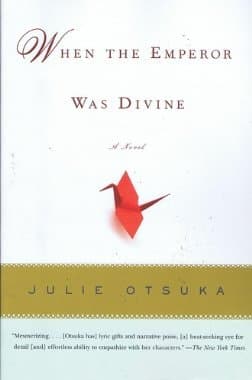
- When the Emperor Was Divine
Julie Otsuka
3.8 (18k) average on GoodreadsHistorical FictionOtsuka's novel offers a poignant, collective voice account of the Japanese American internment during WWII. 'Pachinko,' in contrast, covers a much longer historical period (from the early 20th century to the late 1980s) and delves into a different, yet equally severe, form of racial and national discrimination faced by Koreans in Japan. While both address historical injustice and identity, Lee's work provides a more sprawling, character-driven saga versus Otsuka's more concentrated, impressionistic portrayal of a specific event.
- The Old Man and the Sea
Ernest Hemingway
3.8 (831k) average on GoodreadsLiterary FictionA Cuban fisherman's long struggle with a giant marlin becomes a story of endurance and dignity, now retold for young adults with illustrations, phonetic guides, and writing prompts in Traditional Chinese.
- One Hundred Years of Solitude
Gabriel García Márquez
4.1 (753k) average on GoodreadsLiterary FictionThrough the multi-generational story of the Buendía family, a mythical town deals with the repeating patterns of time, love, and solitude, as the extraordinary mixes with the ordinary.





Enjoyed the summary?
A summary gives you the shape of the book. The book itself has the detail, the examples and the voice.
Find Pachinko on AmazonAs an Amazon Associate, BookBrief earns from qualifying purchases. How we're funded