

Synopsis
Covers the whole plot, including the ending.
- Difficulty
- Medium
- Pacing
- Moderate
- Mood
- Philosophical, melancholic, redemptive, introspective, dreamlike
- Read it if
- you enjoy philosophical short stories, existential themes, explorations of human nature, and redemptive narratives. It's perfect for those who appreciate Dostoyevsky's introspective style and don't mind a melancholic start that leads to profound insight.
- Skip it if
- you prefer fast-paced plots, lighthearted stories, or avoid themes of suicide and despair. If you dislike philosophical musings or allegorical storytelling, this might not be for you.
The Dream Of A Ridiculous Man Plot Summary
Covers the whole plot, including the ending.
The Ridiculous Man's Revelation
The narrator, who calls himself a 'ridiculous man,' describes his journey toward complete indifference to life. He admits he was always ridiculous, even as a child, and this awareness has made him feel deeply alienated. Walking through St. Petersburg on a bleak November evening, he thinks about his plan to commit suicide that night with a revolver he bought two months earlier. He has decided that nothing matters, a realization that has freed him from all worldly worries. This indifference is so complete that he feels no regret or pity for anyone, including himself, and believes his death would be meaningless, like his life.
The Encounter with the Little Girl
As the ridiculous man walks home, thinking about his suicide, he meets a small, distressed girl on the street. She is poorly dressed, shivering, and clutches her chest, looking up at him with pleading eyes. She begs him to help her mother, who she says is dying. The man, lost in his nihilistic indifference, dismisses her harshly and walks away. However, the girl's image and her desperate plea stay with him. He feels a pang of shame and pity, a feeling he thought he could no longer experience. This unexpected emotion begins to chip away at his philosophy of indifference, causing him to doubt his resolve to die.
The Seed of Doubt
Back in his room, sitting in his armchair with the loaded revolver on the table, the ridiculous man cannot pull the trigger. The image of the little girl remains in his mind, and he begins to question his absolute indifference. He wonders why he felt pity for her, a feeling that goes against his belief that nothing matters. He realizes that if nothing matters, then his feeling of pity shouldn't matter either, yet it clearly does. This inner conflict, the unexpected return of human empathy, stops him from committing suicide. He falls asleep in the armchair, the revolver untouched, his mind struggling with this new emotional turmoil.
The Dream of Paradise
While asleep, the ridiculous man has a vivid and life-changing dream. He shoots himself in the heart, but instead of dying, he finds himself in a grave. A drop of water falls on his closed eye, showing he still exists. He is then transported through space, eventually landing on a planet identical to Earth, but untouched by human sin and suffering. This Earth is a paradise, inhabited by beautiful, innocent people who live in perfect harmony with nature and each other. They are joyful, loving, and understand the universe deeply without needing science or technology. The man is overwhelmed by their pure happiness and the beauty of their lives.
Life in the Golden Age
In his dream, the ridiculous man watches the inhabitants of this utopian planet. They live in a 'golden age,' a society with communal living, no property, crime, or jealousy, and a natural connection to the cosmos. They communicate through love and joy, their knowledge coming from direct experience and spiritual insight rather than intellectual study. There is no death as we know it, only a peaceful transition. He is deeply moved by their innocence and the sheer bliss of their lives, feeling a love for them he had never experienced before. He lives among them, experiencing their pure joy and understanding, feeling completely at peace.
The Corruption of Paradise
Sadly, the ridiculous man, despite his love for these pure beings, cannot stop their corruption. He describes how he, through his presence and perhaps his own human flaws, gradually introduces falsehoods, jealousy, and the idea of individual ownership to them. He teaches them about deceit, lust, and the desire for power, and they, with their innocent curiosity, quickly absorb these new ideas. Slowly, their perfect society begins to fall apart. They start to lie, to fight, to build cities, and to develop science and technology, all of which lead to suffering and a loss of their original harmony and innocence. He watches in despair as they descend into the same misery that afflicts his own Earth.
The Fall from Grace
As the corruption deepens, the dream people become more and more like humans on Earth. They learn about good and evil, but in doing so, they lose their natural goodness. They begin to value intellect over love, science over spirituality, and individual gain over communal harmony. Wars break out, diseases spread, and they create systems of justice and punishment. The ridiculous man sees their descent into suffering and moral decay, realizing he caused their fall. He tries to preach to them, to remind them of their former paradise, but they only laugh at him, calling him mad. He is tormented by the realization that he has destroyed their perfect world.
The Plea for Crucifixion
Overwhelmed by guilt and despair at the destruction he has caused, the ridiculous man confronts the now-corrupted people. He confesses his role in their fall from grace and begs them to crucify him, believing his death might purify them or make up for his sin. He offers himself as a sacrifice, hoping his suffering could remind them of their lost innocence. However, the people, now hardened and indifferent, simply dismiss his pleas. They see him as a madman, and his earnest confession is met with scorn and indifference. His offer of self-sacrifice is rejected, further showing the depth of their moral decay and his own helplessness.
Awakening and Transformation
The ridiculous man awakens from his dream, profoundly changed. The despair and nihilism that had consumed him are gone, replaced by an overwhelming sense of love and purpose. He clutches the revolver, but now it has no power over him. The dream has shown him a truth: suffering is not necessary for human happiness, and paradise is possible on Earth through love and genuine connection. He feels a strong desire to preach this truth, even if he is ridiculed. The memory of the little girl also returns, no longer a source of shame but a symbol of humanity's interconnectedness and the importance of compassion. He decides to find her and help her.
The Proclamation of Truth
With his new conviction, the ridiculous man is transformed. He is no longer indifferent but filled with an ardent love for humanity and a strong desire to share the truth he found in his dream. He declares that he has seen the truth, and though others may call him mad, he will dedicate his life to preaching it. The truth, he believes, is simple: love others as yourself, and paradise will be restored on Earth. He admits it may be difficult, and he may be ridiculed, but he is determined. His first step is to find the little girl he turned away, a symbolic act of his renewed commitment to compassion and action.
Principal Figures
The Ridiculous Man
Protagonist
A nihilistic intellectual transformed by a profound dream.
Initially, the ridiculous man is a profound nihilist, marked by an all-consuming indifference to life and a deep sense of alienation. He perceives himself as ridiculous, a label he embraces, which allows him to dismiss all earthly concerns and responsibilities. He is highly introspective, prone to philosophical musings, and has a sharp, albeit cynical, intellect. His initial state is one of profound despair, leading him to the brink of suicide. He is a detached observer of humanity, believing himself superior to the 'ordinary' people he encounters.
Relationships: The little girl (initial indifference, later profound empathy and a catalyst for change); The dream people (initial love and admiration, later guilt and responsibility for their corruption)
The Little Girl
Supporting
A desperate child whose plea sparks the man's transformation.
The little girl is a minor but pivotal character, appearing only briefly in the physical world. She is depicted as poor, shivering, and desperate, seeking help for her dying mother. Her innocence and vulnerability are starkly contrasted with the ridiculous man's cold indifference. Her tearful plea and the subsequent pang of shame and pity it evokes in the man serve as the initial crack in his nihilistic worldview, preventing him from committing suicide and setting the stage for his transformative dream.
Relationships: The Ridiculous Man (initial rejection, later profound influence and symbolic importance)
The Dream People
Supporting
Inhabitants of a utopian world, representing humanity's potential for innocence and corruption.
The dream people are the inhabitants of the uncorrupted Earth in the ridiculous man's dream. They are portrayed as beautiful, innocent, and pure, living in perfect harmony with nature and each other. They embody a 'golden age' of humanity, free from sin, jealousy, and suffering. They communicate through love, possess innate knowledge, and live in a state of profound joy. They are initially open and trusting, but are tragically susceptible to corruption once introduced to vices by the ridiculous man, eventually mirroring the suffering and moral decay of Earth's humanity.
Relationships: The Ridiculous Man (initial reverence and love, later scorn and rejection as they become corrupted)
Themes & Insights
Nihilism and the Search for Meaning
The story begins with the protagonist's deep nihilism, his belief that 'nothing matters,' which pushes him to the brink of suicide. This theme explores the existential crisis of finding purpose in a seemingly meaningless universe. Through his dream, the man discovers that meaning is not inherent but can be created through love, compassion, and the pursuit of a higher truth. This directly refutes his initial nihilistic stance and offers a way to overcome despair.
“And it was just then that I found out that nothing mattered. I had felt it long before, but the full realization came to me suddenly last year. I suddenly felt that it was all the same to me whether the world existed or whether there had never been anything at all: it was all the same to me.”
The Nature of Good and Evil
Dostoyevsky explores the origins and results of good and evil through the dream. The uncorrupted people live in a state of natural goodness, unaware of sin. The ridiculous man's introduction of falsehoods, jealousy, and self-interest corrupts them, leading to 'evil' and suffering. This suggests that evil is not a natural human trait but a learned behavior, a departure from an original state of harmony, and that knowing good and evil can, ironically, lead to the loss of true goodness.
“They learnt to lie, and grew fond of lying, and discovered the charm of a lie... Oh, why did I not understand then that it was only the beginning of the end!”
Utopia and the Fall from Grace
The dream shows a clear picture of a utopian paradise, a 'golden age' where humanity lives in perfect harmony, free from suffering. This ideal state is contrasted with the later 'fall from grace,' caused by the ridiculous man's influence. This theme examines how fragile paradise is and humanity's capacity for corruption, suggesting that even in an ideal world, the introduction of negative human traits can destroy it, mirroring biblical stories of Eden.
“It was the earth, utterly undefiled by the Fall; on it lived people who had not sinned, who lived in such a paradise as, before the Fall, our first parents lived in.”
The Power of Love and Compassion
Initially without empathy, the ridiculous man's change is sparked by a brief moment of pity for a little girl and then strengthened by the deep love he feels for the dream people. His ultimate revelation is that love and compassion are the basic truths of existence, capable of restoring paradise on Earth. This theme highlights Dostoyevsky's belief in the redemptive power of altruistic love and its ability to overcome despair and nihilism, offering a path to human happiness and spiritual fulfillment.
“The main thing is to love others as yourself, that's the main thing, and that's all, nothing else is needed: you'll find out immediately how to arrange things.”
Plot Devices & Literary Techniques
The Dream Sequence
A transformative, allegorical journey.
The central plot device is the elaborate and vivid dream experienced by the protagonist. This dream is not merely a psychological event but an allegorical journey that transports the ridiculous man to a utopian parallel Earth. It serves as a vehicle for philosophical exploration, allowing Dostoyevsky to present his ideas on human nature, sin, and redemption. The dream is a profound spiritual experience that directly challenges and ultimately shatters the protagonist's nihilistic worldview, leading to his complete transformation and newfound purpose.
First-Person Narration
An intimate, confessional perspective.
The story is told entirely from the ridiculous man's first-person perspective, providing intimate access to his thoughts, feelings, and philosophical struggles. This narrative choice allows the reader to deeply understand his initial nihilism, experience the internal conflict caused by the little girl, and witness the profound impact of his dream. The confessional tone creates a sense of direct address, drawing the reader into his existential crisis and subsequent spiritual awakening, making his transformation more personal and impactful.
The Little Girl as a Catalyst
A symbol of forgotten humanity.
The encounter with the distressed little girl serves as a crucial plot device, acting as the initial catalyst for the ridiculous man's transformation. Her desperate plea for help, though initially rejected, stirs a forgotten sense of pity and shame within him, disrupting his absolute indifference. She represents the innocent suffering that his nihilistic philosophy had dismissed, forcing him to confront the reality of human connection and compassion. Her image continues to haunt him, preventing his suicide and setting the stage for his transformative dream.
The Dream Of A Ridiculous Man Quotes
“I am ridiculous because I am not doing anything.”
“It was not that I had killed myself, but that I had killed a picture of myself.”
“I wanted to kill myself, and I did not have the courage.”
“I had nowhere to go.”
“If I had been a man of science, I should have said that it was a case of delirium.”
“I had a dream, and in my dream I saw myself.”
“And I saw that I was a man.”
“And I saw that I was happy.”
“And I saw that I had always been happy.”
“It was so simple.”
“They did not know that they were happy.”
“And I understood that they were all good.”
“And I knew that I loved them.”
“And I said to myself: 'I will not go away.'”
Quiz
10 questions on the plot and the characters. Each answer comes with a short explanation.
Question 1
What is the initial setting of the story?
- A quiet countryside village
- The bustling streets of St. Petersburg
- A desolate, abandoned church
- A crowded marketplace
Show answer
B. The bustling streets of St. Petersburg The story explicitly states the man is walking the streets of St. Petersburg.
Question 2
What is the main philosophical theme the protagonist is grappling with at the beginning of the story?
- The nature of free will
- The search for artistic inspiration
- The meaninglessness and lack of purpose in life
- The conflict between good and evil
Show answer
C. The meaninglessness and lack of purpose in life The text mentions his musings upon 'how ridiculous his life is, as well as its distinct lack of meaning or purpose.'
Question 3
What drastic action does the protagonist resolve to take due to his existential crisis?
- To leave the city and travel the world
- To dedicate his life to charity
- To commit suicide
- To write a philosophical treatise
Show answer
C. To commit suicide He resolves to commit suicide using a previously-acquired gun.
Question 4
What event interrupts the protagonist's suicide plan?
- A sudden storm
- A chance encounter with a distressed little girl
- The arrival of a police officer
- A loud noise from a nearby building
Show answer
B. A chance encounter with a distressed little girl The text states a 'chance encounter with a distressed little girl in the street derails his drastic plans.'
Question 5
What does the protagonist's initial contemplation of suicide suggest about his state of mind?
- He is experiencing a temporary bout of melancholy.
- He has found a profound sense of peace.
- He is deeply disillusioned and feels his existence is without value.
- He is seeking attention from others.
Show answer
C. He is deeply disillusioned and feels his existence is without value. His thoughts about the ridiculousness and lack of meaning in his life, leading to the idea of suicide, indicate deep disillusionment.
Question 6
The story was written in which year?
- 1867
- 1877
- 1887
- 1857
Show answer
B. 1877 The provided text states the short story was written in 1877.
Question 7
The protagonist's decision to consider suicide is triggered by his perception of his own life as:
- Too complicated and overwhelming
- Meaningless and absurd
- Unjust and unfair
- Boring and uneventful
Show answer
B. Meaningless and absurd He muses upon how 'ridiculous his life is, as well as its distinct lack of meaning or purpose,' which directly leads to his suicidal thoughts.
Question 8
The 'chance encounter' with the little girl serves as a narrative device to:
- Introduce a new philosophical concept
- Provide a moment of comic relief
- Shift the protagonist's focus away from his despair
- Reveal a hidden motive for his despair
Show answer
C. Shift the protagonist's focus away from his despair The encounter 'derails his drastic plans,' indicating it changes his immediate trajectory and focus from suicide.
Question 9
Considering the protagonist's initial state and the interruption, what can be inferred about the story's potential direction?
- It will likely explore the protagonist's descent further into despair.
- It may delve into themes of redemption or the re-evaluation of life's value.
- It will focus on the little girl's backstory.
- It will become a political commentary on St. Petersburg.
Show answer
B. It may delve into themes of redemption or the re-evaluation of life's value. The interruption of a suicide plan by an encounter with a distressed child suggests a potential turning point, possibly towards finding meaning or a reason for living.
Question 10
The phrase 'ridiculousness' of his life, as pondered by the protagonist, most closely aligns with which philosophical concept?
- Stoicism
- Nihilism
- Utilitarianism
- Existentialism
Show answer
B. Nihilism The feeling of life being 'ridiculous' and lacking inherent meaning or purpose is a core element of nihilism, which posits that life is without objective meaning, purpose, or intrinsic value.
The Dream Of A Ridiculous Man FAQ
What is the main theme of "The Dream Of A Ridiculous Man"?
The central theme explores the search for meaning and purpose in life, contrasting nihilistic despair with the potential for redemption and the beauty of existence. It questions the nature of reality and our perception of it.
What prompts the protagonist to consider suicide?
The protagonist is overwhelmed by a profound sense of meaninglessness and the perceived absurdity of his life. He feels disconnected from the world and believes his existence lacks any value or purpose, leading him to contemplate ending it.
Who is the protagonist in "The Dream Of A Ridiculous Man"?
The protagonist is an unnamed man living in St. Petersburg who is deeply disillusioned with his life. He views himself as "ridiculous" due to his existential despair and lack of purpose.
How does the encounter with the little girl change the protagonist's plans?
The distressed little girl, whom he initially dismisses, triggers a moment of profound empathy and a realization of his own callousness. This encounter awakens his dormant compassion and makes him question his suicidal resolve, offering a glimpse of hope.
What is the significance of the dream in the story?
The dream represents a utopian vision of a perfect world, untouched by sin or suffering. It is a stark contrast to the protagonist's waking life and serves as a catalyst for his spiritual awakening and newfound appreciation for life.
What does the story suggest about human nature?
The story suggests that despite the potential for despair and nihilism, humans possess an innate capacity for love, empathy, and redemption. It implies that meaning can be found not in grand philosophical truths, but in simple human connection and compassion.
Is "The Dream Of A Ridiculous Man" a philosophical work?
Yes, "The Dream Of A Ridiculous Man" is deeply philosophical. It delves into existential questions about the meaning of life, suicide, the nature of reality, and the human condition, exploring themes of despair, hope, and spiritual awakening.
What is the setting of the story?
The story is set in St. Petersburg, Russia, during the late 19th century. The bleak and often melancholic atmosphere of the city reflects the protagonist's internal state of despair.
What does the protagonist learn from his dream?
In his dream, the protagonist encounters a utopian society that lives in perfect harmony and innocence. He experiences their joy and love, which contrasts sharply with his own cynical worldview and leads him to a profound reevaluation of his life and the world around him.
What is the ultimate message of "The Dream Of A Ridiculous Man"?
The ultimate message is that even in the face of profound despair and perceived meaninglessness, life holds inherent value and beauty. It champions the power of empathy, compassion, and the simple act of living as sources of purpose and redemption.
About the author

Fyodor Mikhailovich Dostoevsky, sometimes transliterated as Dostoyevsky, was a Russian novelist, short story writer, essayist and journalist. Numerous literary critics regard him as one of the greatest novelists in all of world literature, as many of his works are considered highly influential masterpieces.
Similar books
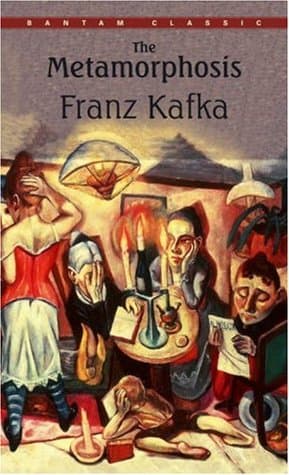
- The Metamorphosis
Franz Kafka
3.8 (643k) average on GoodreadsFantasyFeatures a protagonist grappling with alienation and the absurdity of existence, presented through a surreal and allegorical narrative.
- Thus Spoke Zarathustra
Friedrich Nietzsche
4.0 (111k) average on GoodreadsPsychologyWhile both Dostoevsky's 'Ridiculous Man' and Nietzsche's 'Zarathustra' feature a prophet-like figure imparting a new philosophy, their messages diverge significantly. Zarathustra preaches the 'will to power' and the Übermensch, advocating for individual transcendence through self-overcoming and the creation of one's own values in a godless universe. The Ridiculous Man, conversely, discovers universal love and the inherent goodness of humanity, advocating for a return to a state of innocent, communal bliss. Nietzsche's work is more overtly critical of traditional morality and religion, whereas Dostoevsky, while critiquing nihilism, ultimately champions a form of Christian idealism, albeit one re-discovered through personal revelation rather than dogma.
- Brave New World
Aldous Huxley
4.0 (1.4M) average on GoodreadsFantasyIn a future where happiness comes from chemicals and individuality is gone, one man's desire for real experience threatens the calm, controlled society.
- Life of Pi
Yann Martel
3.9 (1.3M) average on GoodreadsFantasyStranded in the vast Pacific, a young Indian boy forms an unlikely bond with a Bengal tiger, questioning belief and survival.
- The Picture of Dorian Gray
Oscar Wilde
4.1 (966k) average on GoodreadsFantasyA beautiful young man's soul decays within a cursed portrait, mirroring the grotesque cost of his hedonistic pursuit of eternal youth and illicit pleasure.
- Tuesdays with Morrie
Mitch Albom
4.1 (782k) average on GoodreadsBiographyA dying professor's weekly lessons from his bedside change a former student, giving him ideas on life, love, and letting go.





Enjoyed the summary?
A summary gives you the shape of the book. The book itself has the detail, the examples and the voice.
Find The Dream Of A Ridiculous Man on AmazonAs an Amazon Associate, BookBrief earns from qualifying purchases. How we're funded