

Synopsis
Covers the whole plot, including the ending.
- Difficulty
- Easy
- Pacing
- Fast
- Mood
- Whimsical, Adventurous, Heartwarming
- Read it if
- You love classic children's fantasy with simple morals, imaginative worlds, and a focus on friendship and personal growth.
- Skip it if
- You prefer complex narratives, dark themes, or modern fantasy with intricate world-building.
The Folk of the Faraway Tree Plot Summary
Covers the whole plot, including the ending.
Connie's Arrival and Initial Disdain
Jo, Bessie, and Fanny are upset when their cousin, Connie, arrives for a visit. Connie is snobbish, bossy, and skeptical of anything beyond what she understands. The children, who regularly visit the magical Faraway Tree, are excited to show her its wonders, but Connie calls their stories about the tree and its inhabitants, Moon-Face, Silky, and the Saucepan Man, childish nonsense. Her superior attitude and refusal to join their imaginative play create an immediate problem, making the children's usual adventures less fun and forcing them to deal with her constant criticism.
First Visit to the Faraway Tree and the Land of Spells
Despite Connie's complaints, the children decide to take her to the Faraway Tree. They climb up, meeting their friends Moon-Face, Silky, and the Saucepan Man. At the top of the tree, they find the Land of Spells has settled. This land is full of strange enchantments; for instance, anything spoken aloud immediately comes true, often with annoying results. Connie, still not believing, accidentally wishes for a giant spider to appear, causing a fright. The children try to manage the land's tricky rules, learning to be very careful with their words, while Connie remains unimpressed and critical, though she experiences the strange effects herself.
Escaping the Land of Spells and Connie's Continued Skepticism
The children, along with their magical friends, get into several problems because of the Land of Spells' strange rules. They have to carefully undo wishes and deal with unexpected results. Moon-Face’s Pop Biscuits help them escape some tight spots. Eventually, they manage to find the way back down the Faraway Tree, relieved to leave the unpredictable land behind. Despite the clear magic, Connie says everything is coincidence or trickery, refusing to believe the fantasy of their adventures. Her stubborn disbelief continues to frustrate Jo, Bessie, and Fanny.
The Land of Treats and Connie's Momentary Delight
On another day, the children convince Connie to join them again. At the top of the Faraway Tree, they discover the Land of Treats. This land is a child's paradise, filled with delicious sweets, cakes, and fun games. There are lemonade fountains and trees with lollipops. Even Connie, despite her usual doubt, enjoys the many treats and the carefree atmosphere. For a short time, she relaxes and participates in the fun, much to the surprise and delight of Jo, Bessie, and Fanny, who hope this experience might finally change her mind.
Trouble in the Land of Treats and a Lesson Learned
While in the Land of Treats, Connie, despite her earlier doubts, becomes quite greedy. She tries to take too many sweets and hoard some for later, against the warnings of the others. This leads to her getting stuck in a sticky toffee river, or having her pockets magically seal up with sweets. Her overindulgence causes minor trouble, needing help from her cousins and the Faraway Tree folk to get her out of the problem. Though she doesn't fully admit to the magic, the experience teaches her a small lesson about greed and perhaps a bit of appreciation for her companions.
The Land of Secrets and the Whispering Woods
The Faraway Tree brings the Land of Secrets to its topmost branch. This land has whispering woods where trees reveal secrets when approached, and magical ponds show hidden truths. The children, along with Moon-Face, Silky, and the Saucepan Man, explore this interesting place. Some secrets revealed are harmless and amusing, while others are slightly embarrassing, like Jo's love for chocolate or Fanny's fear of spiders. Connie, initially dismissive, finds herself interested by the revelations, even if she tries to pretend otherwise. The experience makes her think about secrets and perhaps her own.
Connie's Fear and the Land of Nasty Spells
A particularly unsettling land, the Land of Nasty Spells, appears at the top of the Faraway Tree. This land is full of unpleasant and frightening enchantments, such as objects coming to life with bad intentions or paths that lead nowhere good. Connie, for the first time, is truly scared. Her usual confidence breaks down, and she clings to Jo and Bessie, relying on their experience and the quick thinking of Moon-Face and the Saucepan Man to get through the dangers. This experience shakes her confidence and starts to break down her walls of skepticism and superiority, as she sees undeniable, terrifying magic.
Connie's Change of Heart
After several more adventures to various lands like the Land of Goodies and the Land of Clever People, where Connie experiences both delight and challenges, her attitude slowly changes. The clear reality of the magic, combined with the kindness and patience of Jo, Bessie, Fanny, and their Faraway Tree friends, slowly melts her initial dislike. She starts to participate more willingly, shows genuine amusement, and even expresses concern for her cousins. Her bossiness lessens, and she begins to appreciate the joy and wonder of their fantasy world, becoming a more pleasant companion.
The Last Adventure and Connie's Farewell
As Connie's visit ends, the children go on one final adventure to a new land at the top of the Faraway Tree. This time, Connie is an eager and willing participant, laughing, helping, and truly enjoying herself. She has fully embraced the magic and her friendship with Jo, Bessie, Fanny, Moon-Face, Silky, and the Saucepan Man. When it's time for her to leave, she expresses real sadness and thanks for the experiences. She promises to remember the Faraway Tree and its inhabitants, showing that her time there has changed her perspective and character, making her a kinder and more open-minded person.
Principal Figures
Connie
Supporting/Antagonist (initially)
The stuck-up cousin who learns to embrace wonder and friendship.
Connie is initially introduced as a rather unpleasant character – bossy, snobbish, and highly skeptical of anything imaginative or fantastical. She dismisses the Faraway Tree and its magical lands as childish nonsense, constantly criticizing Jo, Bessie, and Fanny. Her arrival disrupts the children's usual joyful adventures. However, through repeated exposure to the magical lands and the unwavering kindness of her cousins and the tree-folk, Connie's hard exterior gradually softens. She experiences fear, delight, and challenges that force her to confront her preconceived notions and eventually embrace the wonder she initially scorned.
Relationships: Jo (cousin, initially adversarial, later friendly); Bessie (cousin, initially adversarial, later friendly); Fanny (cousin, initially adversarial, later friendly); Moon-Face (initially dismissive, later friendly); Silky (initially dismissive, later friendly); Saucepan Man (initially dismissive, later friendly)
Jo
Protagonist
The eldest of the three siblings, adventurous and protective.
Jo is the eldest of the three siblings and often takes on a leadership role during their adventures. He is brave, resourceful, and protective of his younger sisters, Bessie and Fanny. Jo is deeply connected to the magic of the Faraway Tree and its inhabitants, always eager for new adventures. He shows patience and understanding towards Connie, despite her difficult behavior, consistently trying to include her and help her see the wonder of their world. His determination to share the magic with Connie is a driving force in her eventual transformation.
Relationships: Bessie (sister, close bond); Fanny (sister, close bond); Connie (cousin, initially frustrated, later supportive); Moon-Face (close friend, adventure companion); Silky (close friend, adventure companion); Saucepan Man (friend, adventure companion)
Bessie
Protagonist
The middle sister, kind-hearted and often the voice of reason.
Bessie is the middle child, known for her kind and gentle nature. She is often the most empathetic of the siblings, feeling sorry for Connie even when she's being difficult. Bessie is sensible and tries to mediate between Jo's adventurousness and Fanny's occasional timidity. She enjoys the magical lands immensely and is particularly fond of Silky. Her consistent warmth and willingness to share her magical experiences contribute to Connie's gradual thawing, as Bessie often tries to explain things to Connie with patience.
Relationships: Jo (brother, close bond); Fanny (sister, close bond); Connie (cousin, initially frustrated, later supportive); Moon-Face (close friend, adventure companion); Silky (very close friend, adventure companion); Saucepan Man (friend, adventure companion)
Fanny
Protagonist
The youngest sister, often timid but full of wonder.
Fanny is the youngest of the three siblings. She is often depicted as being a bit more timid than Jo and Bessie, sometimes easily frightened by the more unusual aspects of the magical lands. However, her wonder and excitement for the adventures are boundless. Fanny is particularly attached to the magical folk of the Faraway Tree. Her innocent delight in the magic contrasts sharply with Connie's cynicism, highlighting the joy that Connie is missing. Her vulnerability often brings out a protective instinct in her older siblings and even, eventually, in Connie.
Relationships: Jo (brother, close bond); Bessie (sister, close bond); Connie (cousin, initially frustrated, later supportive); Moon-Face (close friend, adventure companion); Silky (close friend, adventure companion); Saucepan Man (friend, adventure companion)
Moon-Face
Supporting
A jovial, round-faced creature who lives in the Faraway Tree and owns a slide.
Moon-Face is one of the main magical inhabitants of the Faraway Tree and a dear friend to the children. He lives in a house built into the tree trunk and is known for his round, moon-like face and his famous 'slippery-slip' – a slide that goes all the way down the tree, offering a quick and fun way to descend. He is always cheerful, full of good ideas, and often provides useful magical items, like his Pop Biscuits, which can make people float. Moon-Face is patient with Connie, often trying to explain the magic to her in simple terms.
Relationships: Jo (close friend, adventure companion); Bessie (close friend, adventure companion); Fanny (close friend, adventure companion); Silky (best friend, housemate); Saucepan Man (friend, adventure companion); Connie (initially ignored, later friend)
Silky
Supporting
A gentle fairy with long, silken hair, Moon-Face's best friend.
Silky is a kind and gentle fairy, Moon-Face's best friend and housemate in the Faraway Tree. She is known for her long, silken hair and her sweet nature. Silky is often the most sensitive of the magical folk, quick to comfort or worry. She is particularly fond of Bessie and Fanny. Silky's presence adds a touch of grace and warmth to the adventures. She is initially saddened by Connie's unkindness but remains hopeful that Connie will eventually see the light, offering her gentle friendship and support.
Relationships: Jo (close friend, adventure companion); Bessie (very close friend, adventure companion); Fanny (very close friend, adventure companion); Moon-Face (best friend, housemate); Saucepan Man (friend, adventure companion); Connie (initially ignored, later friend)
The Saucepan Man
Supporting
A peculiar man covered in saucepans and kitchen utensils, prone to losing his memory.
The Saucepan Man is one of the most eccentric inhabitants of the Faraway Tree. He is literally covered from head to toe in saucepans, kettles, and other kitchen utensils, which clatter noisily as he moves. He is good-natured but often forgetful, frequently losing his memory or getting into comical scrapes due to his absentmindedness. His peculiar appearance and forgetfulness provide much of the book's humor. Despite his quirks, he is a loyal friend to the children and the other tree-folk, always willing to join an adventure, even if he needs a little reminding along the way.
Relationships: Jo (friend, adventure companion); Bessie (friend, adventure companion); Fanny (friend, adventure companion); Moon-Face (friend, adventure companion); Silky (friend, adventure companion); Connie (initially ignored, later friend)
Themes & Insights
The Power of Imagination and Wonder
This theme is central to the entire book, contrasting the imaginative world of the Faraway Tree with Connie's initial skepticism. The children's belief in magic allows them to experience joy and adventure, while Connie's refusal to believe blinds her to the wonders around her. Her journey is about opening her mind to imagination. The magical lands themselves, like the Land of Treats or the Land of Secrets, show this theme, displaying the many possibilities that come from an open and imaginative mind. The book supports the importance of having a sense of wonder.
“A land at the top of a tree!' said Connie. 'I don't believe a word of it.”
Friendship and Acceptance
The lasting friendship between Jo, Bessie, Fanny, and the tree-folk is a core element. Despite Connie's initially rude and dismissive behavior, the children and their magical friends consistently invite her on adventures and show her patience and kindness. Their acceptance, even when she is difficult, helps her change. Moon-Face, Silky, and the Saucepan Man never give up on her, always including her in their plans. This theme shows how true friendship can overcome differences and help people grow and change for the better, creating a sense of belonging.
“Never mind, Connie,' said Bessie kindly. 'We'll help you get out.”
Overcoming Skepticism and Prejudice
Connie shows skepticism and prejudice against anything she calls 'childish' or 'unbelievable.' Her journey challenges these traits. Each visit to a magical land, with its clear fantasy elements, reduces her disbelief. The book shows that holding onto rigid beliefs can prevent one from experiencing joy and growth. By experiencing the magic firsthand and seeing the consistent happiness of her cousins, Connie learns to drop her old ideas and embrace new experiences, showing that an open mind leads to richer experiences.
“It's all nonsense,' said Connie stubbornly. 'I expect it was just a trick of the light.”
The Joy of Adventure and Exploration
At its heart, the book is about adventure. The children's constant eagerness to climb the Faraway Tree and discover what new land awaits them at the top drives the story. Each land presents unique challenges, delights, and lessons. The variety of the lands – from the Land of Spells to the Land of Treats – emphasizes the excitement of the unknown and the rewards of curiosity. This theme encourages readers to embrace new experiences and find joy in exploration, both literal and metaphorical, and shows the fun that comes from stepping outside one's comfort zone.
“Oh, what a lovely new land!' cried Fanny. 'Let's go and explore it at once!”
Plot Devices & Literary Techniques
The Faraway Tree
A magical, ever-growing tree that hosts different lands at its top.
The Faraway Tree is the central magical element and a vital plot device. It serves as a portal to various fantastical worlds, as new lands 'settle' at its topmost branch regularly. This ensures a fresh adventure in each chapter, preventing the narrative from becoming stagnant. The tree itself is home to the main supporting characters (Moon-Face, Silky, Saucepan Man) and features magical elements like the slippery-slip. Its unpredictable nature drives the plot, as the children never know what magical realm they will encounter next, facilitating their adventures and Connie's exposure to magic.
The Rotating Lands
Different magical lands that appear and disappear at the top of the Faraway Tree.
The concept of 'lands' appearing and disappearing at the top of the Faraway Tree is the primary mechanism for episodic plot progression. Each land (e.g., Land of Spells, Land of Treats, Land of Secrets) offers unique magical rules, challenges, and opportunities for character interaction and development. This device allows for a diverse range of mini-adventures within the larger narrative arc of Connie's transformation. It keeps the story fresh and unpredictable, providing a continuous stream of new experiences that ultimately break down Connie's skepticism through direct, varied encounters with magic.
Moon-Face's Slippery-Slip
A magical slide that provides a quick and fun descent from the Faraway Tree.
Moon-Face's Slippery-Slip is a recurring plot device that offers a convenient and exciting way for the characters to return to the bottom of the Faraway Tree. It often serves as a fun conclusion to an adventure, and its magical nature (it's always slippery and goes all the way down) reinforces the whimsical atmosphere of the tree. While primarily a mode of transport, its presence also highlights the unique, joyful elements of the Faraway Tree, contrasting with the more mundane world Connie comes from and acting as a symbol of the effortless fun available in the magical realm.
Moon-Face's Pop Biscuits
Magical biscuits that make the eater float.
Moon-Face's Pop Biscuits are a clever 'deus ex machina' type of device used to solve various predicaments. When eaten, they cause the consumer to float upwards, which proves invaluable for escaping sticky situations, reaching high places, or simply adding a magical touch to their journeys. These biscuits often appear just when the children are in a fix, providing a convenient and fantastical solution to their problems in the ever-changing magical lands. Their magical properties reinforce the whimsical and benevolent nature of the Faraway Tree's magic.
The Folk of the Faraway Tree Quotes
“The Land of Topsy-Turvy is the funniest place you ever saw! Everything is upside down, and people walk on their hands.”
“The Faraway Tree is the oldest tree in the world, and it is so tall that its top reaches right up to the clouds.”
“Moon-Face is the nicest person in the tree, and he has a slippery-slip that goes right down the middle.”
“Oh, do let's go up and see what land is there today!”
“Saucepan Man is always dropping his kettles and pans, and he makes such a noise!”
“The Land of Do-As-You-Please is the best land of all, because you can do exactly what you like.”
“Watch out for Dame Washalot! She's always emptying her wash-water down the tree.”
“We must always be careful to come back before the land moves on, or we'll be stuck there!”
“Silky is so pretty, with her golden hair and her nice ways.”
“The Land of Birthdays is full of presents and parties all day long.”
“Oh, I do wish we could live in the Faraway Tree forever!”
“Angry Pixie is always cross, but he's really quite kind if you get to know him.”
“The Land of Toys is where all the broken toys go to be mended.”
“We'll have to climb down quickly—I can hear the land beginning to move!”
Quiz
10 questions on the plot and the characters. Each answer comes with a short explanation.
Question 1
What is the name of the tree that Jo, Bessie, and Fanny climb to visit magical lands?
- The Enchanted Tree
- The Faraway Tree
- The Whispering Willow
- The Magic Oak
Show answer
B. The Faraway Tree The Faraway Tree is the central setting of the book, a magical tree that leads to different lands at its top through a cloud.
Question 2
Who is the character that initially does not believe in the magical lands at the top of the tree?
- Jo
- Bessie
- Fanny
- Connie
Show answer
D. Connie Connie is described as stuck-up and bossy, and she expresses disbelief about the magical lands, saying 'I don't believe a word of it' in the book's description.
Question 3
Which of these is NOT one of the tree-friends mentioned in the book description?
- Silky
- Moon-Face
- The Saucepan Man
- The Angry Pixie
Show answer
D. The Angry Pixie Silky, Moon-Face, and the Saucepan Man are explicitly listed as tree-friends in the description, while the Angry Pixie is a character from other books in the series but not mentioned here.
Question 4
According to the book description, what do the children climb through to reach the magical lands?
- A secret door
- A magical portal
- A cloud at the top of the tree
- A spiral staircase
Show answer
C. A cloud at the top of the tree The description states they 'climb through the cloud at the top of the Faraway Tree' to visit the wonderful places, making this a key plot detail.
Question 5
What is one of the magical lands visited by the children, as mentioned in the book description?
- The Land of Secrets
- The Land of Giants
- The Land of Dreams
- The Land of Spells
Show answer
A. The Land of Secrets The Land of Secrets is specifically listed in the description as one of the wonderful places they visit, along with the Land of Treats.
Question 6
Why are Jo, Bessie, and Fanny initially fed up with Connie?
- She is shy and quiet
- She is stuck-up and bossy
- She is clumsy and breaks things
- She is afraid of heights
Show answer
B. She is stuck-up and bossy The description explicitly states that Connie is 'so stuck-up and bossy,' which causes the other children to be fed up with her at the beginning.
Question 7
What lesson does Connie learn by the end of the story, based on the book description?
- To be more adventurous
- To behave herself
- To appreciate nature
- To make new friends
Show answer
B. To behave herself The description concludes that 'Connie learns to behave herself!' indicating a key character development theme in the book.
Question 8
Who illustrated the cover of the book as mentioned in the description?
- Enid Blyton
- Bob Harvey
- John Tenniel
- Arthur Rackham
Show answer
B. Bob Harvey The description ends with 'Cover illustration by Bob Harvey,' making this a specific detail about the book's publication.
Question 9
Based on the description, what genre best fits 'The Folk of the Faraway Tree'?
- Historical Fiction
- Science Fiction
- Fantasy
- Mystery
Show answer
C. Fantasy The description lists 'Fantasy' as one of the genres, along with Children's and Young Adult, due to its magical elements like the Faraway Tree and enchanted lands.
Question 10
What is the primary conflict introduced in the book description?
- A battle against evil creatures in the magical lands
- The children's struggle to find their way home from the tree
- Connie's initial disbelief and poor behavior versus the magical adventures
- A rivalry between Silky and Moon-Face
Show answer
C. Connie's initial disbelief and poor behavior versus the magical adventures The description highlights Connie's stuck-up attitude and disbelief, which contrasts with the fun magical adventures, setting up a conflict that resolves as she learns to behave.
The Folk of the Faraway Tree FAQ
What is 'The Folk of the Faraway Tree' about?
The story follows siblings Jo, Bessie, and Fanny, who live near the magical Faraway Tree. When their cousin Connie visits, they introduce her to their tree-dwelling friends—Silky the fairy, Moon-Face, and the Saucepan Man—and take her on adventures through the cloud at the top of the tree to visit fantastical lands like the Land of Secrets and the Land of Treats, all while helping Connie overcome her stuck-up attitude.
Why should I read 'The Folk of the Faraway Tree'?
This book offers a charming blend of whimsical fantasy and moral lessons, perfect for young readers. It features imaginative settings like rotating magical lands atop the tree, endearing characters like the forgetful Saucepan Man, and a heartwarming arc where Connie learns humility and friendship through her adventures.
What is the background/setting of 'The Folk of the Faraway Tree'?
The story is set in the English countryside near an enchanted forest containing the Faraway Tree, a massive tree with a ladder inside leading to its top. At the cloud-covered summit, a rotating door accesses different magical lands, such as the Land of Secrets and the Land of Treats, which change regularly, adding an element of surprise to the adventures.
What are the most memorable quotes from the book?
Key quotes include Connie's skeptical line, 'A land at the top of a tree! I don't believe a word of it,' which highlights her initial disbelief, and moments where the Saucepan Man mishears things due to his clattering pots, adding humor. These lines capture the book's themes of wonder and transformation.
What writing style does Enid Blyton use in this book?
Enid Blyton employs a simple, engaging narrative style with vivid descriptions of magical elements, such as the Faraway Tree's ladder and the ever-changing lands. The dialogue is lively and child-friendly, often using repetition and humor—like the Saucepan Man's misunderstandings—to appeal to young readers while conveying moral lessons subtly.
What minor details add significant meaning to the story?
Small details like the Saucepan Man's constant clattering and mishearing of words symbolize how distractions can hinder communication, yet his kindness remains unwavering. The rotating nature of the lands atop the tree emphasizes the theme of change and adaptability, teaching characters to embrace new experiences without fear.
What are some subtle foreshadowing moments in the book?
Connie's initial refusal to believe in the Faraway Tree foreshadows her eventual transformation as she learns to trust and enjoy the magical worlds. Early mentions of the Land of Secrets hint at later adventures where characters must solve puzzles or keep confidences, reinforcing themes of trust and discovery.
What unexpected character connections exist in the story?
While Connie starts as an outsider, her bond with the tree-friends—especially Silky, who helps her see the magic in kindness—becomes a key connection. The Saucepan Man's friendship with Moon-Face, despite their contrasting personalities (forgetful vs. practical), shows how differences can complement each other in their shared adventures.
What are the unspoken character motivations in the book?
Connie's bossiness stems from a desire for control due to feeling out of place, which she overcomes by seeking acceptance through the adventures. Jo, Bessie, and Fanny's patience with Connie reveals their underlying wish to share the joy of the Faraway Tree, motivated by a sense of family loyalty and kindness.
What psychological complexities do characters exhibit?
Connie displays a shift from arrogance to humility as she confronts her fears in magical lands, showing how exposure to wonder can foster personal growth. The Saucepan Man's cheerful demeanor masks a deeper resilience, as he navigates his forgetfulness with humor, highlighting adaptability in the face of challenges.
What are the major emotional turning points in the story?
A key turning point occurs when Connie first enters a magical land and experiences genuine awe, softening her attitude. Another is when she apologizes for her behavior after an adventure, marking her emotional growth. The siblings' relief at her change deepens their bond and underscores the theme of forgiveness.
How do relationship dynamics evolve between the characters?
Initially, Connie's bossiness creates tension with Jo, Bessie, and Fanny, but through shared adventures in lands like the Land of Treats, they develop mutual respect and friendship. Her interactions with Silky and Moon-Face teach her empathy, transforming her from a critic into a valued member of their magical circle.
Which parts of the book remain ambiguous or open-ended?
The exact mechanism of how the lands rotate atop the Faraway Tree is left mysterious, inviting readers to imagine the magic. The origins of characters like the Saucepan Man are not fully explained, allowing for curiosity about their pasts and how they came to live in the tree.
What are controversial scenes or decisions in the story?
Some readers might debate Connie's rapid transformation from stuck-up to well-behaved as unrealistic, though it serves the moral lesson. The decision to take Connie on dangerous adventures despite her initial disbelief could be seen as risky, but it ultimately teaches her responsibility and trust.
How does 'The Folk of the Faraway Tree' end, and what does it mean?
The story concludes with Connie having learned to behave herself and appreciate the magic of the Faraway Tree, returning home as a changed person. This ending emphasizes themes of personal growth and the power of friendship, suggesting that openness to wonder can transform attitudes and strengthen bonds.
About the author
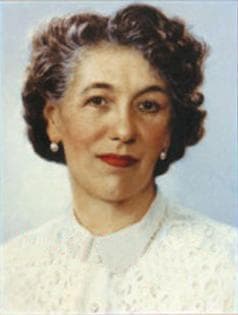
Enid Blyton was a British author known for her children's fiction, particularly adventure stories. Her notable works include "Five on a Treasure Island," "First Term at Malory Towers," "The Folk of the Faraway Tree," "Five Go Adventuring Again," "Five Run Away Together," and "Five on Kirrin Island Again," which have captivated young readers for generations.
Similar books
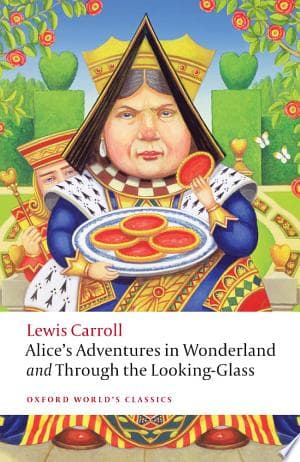
- Alice's Adventures in Wonderland
Lewis Carroll
4.0 (245k) average on GoodreadsFantasyFeatures a child protagonist entering a series of fantastical, often nonsensical, worlds.
- The Sword in the Stone
T.H. White
3.9 (23k) average on GoodreadsFantasyWhite's novel delves into far more profound philosophical questions about power, justice, and human nature. It features richly developed characters and a sophisticated narrative voice that challenges readers more deeply than Blyton's direct, unembellished style. White's work aims for intellectual engagement alongside fantasy, a dimension largely absent in Blyton's focus on pure escapism.
- Harry Potter and the Sorcerer's Stone
J.K. Rowling
4.5 (7M) average on GoodreadsFantasyRescued from a miserable life under the stairs, an orphaned boy discovers he's a wizard destined for a magical school, where he uncovers a dangerous secret tied to the dark wizard who murdered his parents.
- The Hunger Games
Suzanne Collins
4.3 (6.4M) average on GoodreadsFantasyIn a future where children fight to the death on live television, Katniss Everdeen volunteers for the arena, turning a death sentence into a fight for survival and a spark of rebellion.
- 1984
George Orwell
4.2 (3.1M) average on GoodreadsPoliticsIn a future where surveillance and thought control are absolute, a man's search for truth clashes with the Party, showing that hope can be a form of rebellion.
- Divergent
Veronica Roth
4.2 (2.9M) average on GoodreadsFantasyIn a society divided by virtues, a sixteen-year-old's difference from the norm starts a rebellion that threatens her world.





Enjoyed the summary?
A summary gives you the shape of the book. The book itself has the detail, the examples and the voice.
Find The Folk of the Faraway Tree on AmazonAs an Amazon Associate, BookBrief earns from qualifying purchases. How we're funded