
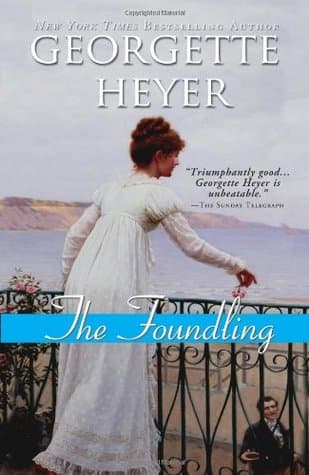
Synopsis
Covers the whole plot, including the ending.
- Difficulty
- Medium
- Pacing
- Moderate
- Mood
- Witty, Charming, Adventurous, Romantic
- Read it if
- You enjoy classic Regency romance with a dash of adventure, mistaken identities, and a charmingly awkward hero coming into his own.
- Skip it if
- You prefer fast-paced modern thrillers or stories without historical language and social conventions.
The Foundling Plot Summary
Covers the whole plot, including the ending.
The Duke's Discontent
Adolphus Gillespie Vernon Ware, the young Duke of Sale, known as Gilly, is a shy man of twenty-four, constantly watched by his uncle, Lord Lavenham, and his valet, Grimsby. Despite his wealth and title, Gilly feels stifled by their careful management of his life, which covers his diet, clothing, and social engagements. He wants adventure and a chance to prove his independence, often dreaming of daring escapades. His life is routine, and he resents being treated as an invalid, wanting to break free from his gilded cage and experience the world on his own terms, away from constant supervision.
A Mysterious Foundling and a Cousin's Predicament
Gilly overhears a quiet conversation between Lord Lavenham and his cousin, Captain Gideon Ware. Gideon is in a predicament, seemingly involved with a mysterious foundling named Belinda, rumored to be blackmailing him. The details are vague, but the mention of a beautiful woman, a secret, and a potential scandal immediately sparks Gilly's adventurous spirit. He sees this as a perfect chance to escape his restrictive life and prove himself. The idea of intervening in such a delicate affair, especially one involving a captivating, unknown woman, offers the excitement he has always wanted, giving him a goal for his rebellion against his guardians.
The Escape and the Impersonation
Determined to investigate Belinda and help Gideon, Gilly plans his escape. He manages to elude Grimsby and Lord Lavenham, leaving a cryptic note. To avoid immediate detection and to gain access to Belinda, he decides to impersonate his cousin, Captain Gideon Ware. Gilly believes that by pretending to be Gideon, he can approach Belinda without suspicion and uncover the truth behind the alleged blackmail. This deception is a big step for the typically timid Duke, marking his first real independent action and a departure from his sheltered existence, giving him a thrill of both fear and excitement.
Belinda and the First Encounter
Gilly, still posing as Gideon, tracks Belinda to a quiet lodging. He finds her to be a spirited, intelligent, and strikingly beautiful young woman, far from the conniving blackmailer he imagined. Belinda is surprised by his visit, having expected Gideon, but she quickly realizes Gilly is not who he claims to be. Their initial conversation is tense, with Gilly trying to get information about the supposed blackmail, and Belinda, in turn, being wary and defensive. Gilly is instantly captivated by her quick wit and independent spirit, realizing his first assumptions about her were wrong.
The True Nature of the Foundling's Secret
Belinda eventually confides in Gilly, revealing she is not blackmailing Gideon. Instead, she is searching for her true parentage and believes Gideon holds a clue. It is revealed that Belinda is the illegitimate daughter of a deceased nobleman, and Gideon, a distant relative, was entrusted with papers about her birth. Belinda's only desire is to uncover her identity and secure her place in society, not to extort money. Gilly is impressed by her integrity and resolve, and his admiration for her grows, shifting his focus from solving a scandal to genuinely helping her.
Intrigue and Kidnapping
As Gilly and Belinda look into the mystery of her parentage, they discover that the papers about her birth are not just a family secret but are wanted by others with bad intentions. They soon find themselves targeted by figures who want to prevent Belinda from discovering her true identity, likely due to inheritance or social standing. This leads to dangerous encounters, including a kidnapping attempt on Belinda. Gilly, despite his inexperience, bravely protects her, showing a courage he never knew he had, further solidifying his commitment to her cause.
Gideon's Arrival and the Complication
The real Captain Gideon Ware eventually appears, having learned of Gilly's disappearance and his impersonation. Gideon is initially angry with Gilly for his reckless actions, which have accidentally drawn more attention to Belinda's sensitive situation. His arrival creates a comedic but tense dynamic, as Gilly must now explain his elaborate deception to both Gideon and Belinda. Despite the initial friction, Gideon, realizing Belinda's danger and Gilly's genuine intentions, reluctantly agrees to cooperate with Gilly in uncovering the truth and protecting Belinda. This alliance, though uneasy, is important for their investigation.
Unraveling the Conspiracy
Working together, Gilly, Belinda, and Gideon piece together the puzzle of Belinda's parentage and the conspiracy around her. They discover that a greedy relative, Lord Wrexham, is trying to suppress Belinda's claim to an inheritance by destroying evidence of her birth. They gather clues, follow leads, and narrowly escape further attempts by Wrexham's henchmen to silence them. Gilly's observation skills and Belinda's intelligence are valuable in navigating the deception, while Gideon's experience adds a needed strategic element to their efforts. Their combined strengths bring them closer to the truth.
The Confrontation and Resolution
The climax arrives with a confrontation where Gilly, Belinda, and Gideon expose Lord Wrexham's villainy and present the evidence of Belinda's birth. Through Gilly's new assertiveness, Belinda's clear defense, and Gideon's strategic moves, Wrexham's plot unravels before witnesses. Belinda's true identity as the legitimate daughter of a prominent family is acknowledged, securing her place and inheritance. The danger ends, and justice is served, marking a triumphant moment for the trio and a personal victory for Belinda.
Gilly's Transformation
Gilly returns to his estate, no longer the timid, sheltered Duke who had run away. His experiences with Belinda and the dangers they faced have made him a confident, self-assured man. He confronts Lord Lavenham and Grimsby, asserting his independence and demanding to be treated as an adult capable of making his own decisions. While still kind, Gilly now has a backbone and a clear vision for his future, showing a personal growth that astonishes his former guardians and signals a complete shift in his life.
A Developing Romance
Throughout their adventures, Gilly's initial interest in Belinda grew into deep admiration and, finally, love. Her courage, intelligence, and spirited nature captivated him, and their shared experiences formed a strong bond. After her parentage was resolved, Gilly acknowledges his deep feelings. He realizes that Belinda is not just an an adventure but the woman he wants to spend his life with, recognizing that she complements his new confidence and desire for a life less ordinary. This realization marks a significant emotional turning point for the once-reserved Duke.
The Proposal and a Future Together
With Belinda's identity secured and her future bright, Gilly, now confident, approaches her with a heartfelt proposal of marriage. He expresses his love and his desire to share his life and title with her. Belinda, having seen Gilly's change from a diffident Duke to a brave and caring man, returns his feelings. She accepts his proposal, looking forward to a future of love, adventure, and mutual respect. Their union promises a partnership that defies societal expectations, built on genuine affection and shared experiences, solidifying Gilly's complete transformation and Belinda's new happiness.
Principal Figures
Adolphus Gillespie Vernon Ware (Gilly), Duke of Sale
Protagonist
A shy, sheltered Duke who longs for adventure and independence.
Gilly is a young man of twenty-four, immensely wealthy but stifled by the overprotective care of his uncle and valet. He is naturally diffident, prone to blushing, and inexperienced in the ways of the world. Despite his timid exterior, he possesses a rebellious spirit and a vivid imagination, dreaming of heroic deeds. He is kind-hearted, observant, and possesses an inherent sense of justice, which fuels his desire to help Belinda. His initial motivation is self-discovery and a break from monotony, but he quickly becomes genuinely invested in Belinda's well-being.
Relationships: Lord Lavenham (Overprotective uncle, guardian); Grimsby (Overprotective valet, almost a surrogate father); Belinda (Love interest, partner in adventure); Captain Gideon Ware (Cousin, initial object of impersonation, later ally)
Belinda
Love Interest / Deuteragonist
A spirited and intelligent foundling searching for her true identity.
Belinda is a beautiful, intelligent, and independent young woman who has grown up as a foundling, constantly aware of her uncertain origins. She is resilient, resourceful, and possesses a sharp wit, unafraid to speak her mind even to those of higher social standing. Her primary motivation is to uncover her true parentage and secure her rightful place in society, driven by a deep desire for belonging and recognition. Despite her vulnerable position, she maintains her dignity and integrity, refusing to be a victim of circumstances. She is practical and courageous, proving to be an equal partner in their adventures.
Relationships: Adolphus Gillespie Vernon Ware (Gilly) (Love interest, protector, ally); Captain Gideon Ware (Relative, holder of clues to her past); Lord Wrexham (Antagonist, conspirator against her inheritance)
Captain Gideon Ware
Supporting
Gilly's dashing and pragmatic cousin, initially entangled with Belinda.
Gideon is Gilly's older cousin, a handsome and worldly military officer. He is more pragmatic and less idealistic than Gilly, initially annoyed by Gilly's meddling and impersonation. However, he is also honorable and responsible, having been entrusted with the papers concerning Belinda's parentage. He is quick-witted and capable, providing a grounded counterpoint to Gilly's initial naiveté. Despite his initial gruffness, he proves to be a loyal ally once he understands the true nature of the situation and Gilly's genuine intentions.
Relationships: Adolphus Gillespie Vernon Ware (Gilly) (Cousin, initially annoyed by Gilly, later ally); Belinda (Distant relative, entrusted with her information)
Lord Lavenham
Supporting
Gilly's overprotective and well-meaning uncle.
Lord Lavenham is Gilly's uncle and one of his primary guardians. He is a kind but overly solicitous man, convinced that Gilly is delicate and requires constant supervision. His actions, though stifling, stem from genuine affection and a sense of responsibility for his nephew's well-being. He represents the restrictive societal expectations and the 'mollycoddling' that Gilly desperately wishes to escape. His character provides a humorous contrast to Gilly's adventurous spirit, and his eventual acceptance of Gilly's independence marks a significant shift in their relationship.
Relationships: Adolphus Gillespie Vernon Ware (Gilly) (Uncle, guardian); Grimsby (Co-guardian, shares concern for Gilly)
Grimsby
Supporting
Gilly's meticulous and devoted valet, a figure of authority.
Grimsby is Gilly's long-suffering and meticulously organized valet. He is fiercely devoted to Gilly but treats him more like a fragile child than a grown man, overseeing every aspect of his life from his diet to his wardrobe. He is efficient, loyal, and somewhat humorless, representing the rigid routine Gilly wishes to break free from. His constant presence and detailed observations make Gilly's escape a considerable challenge, highlighting the extent of his confinement. Despite his initial distress over Gilly's disappearance, he ultimately accepts Gilly's transformation.
Relationships: Adolphus Gillespie Vernon Ware (Gilly) (Valet, guardian figure); Lord Lavenham (Co-guardian, shares concern for Gilly)
Lord Wrexham
Antagonist
A greedy relative attempting to suppress Belinda's claim to an inheritance.
Lord Wrexham is the primary antagonist of the story, a conniving and avaricious relative who stands to benefit significantly if Belinda's true parentage remains hidden. He is ruthless and unscrupulous, willing to resort to kidnapping and other illicit means to protect his ill-gotten gains and prevent Belinda from claiming her rightful inheritance. He represents the societal corruption and self-interest that Gilly and Belinda must overcome. His character provides the driving conflict and danger that forces Gilly to grow and Belinda to fight for her rights.
Relationships: Belinda (Antagonistic, attempting to suppress her claim); Adolphus Gillespie Vernon Ware (Gilly) (Opponent, foiled by Gilly's intervention)
Lady Lavenham
Mentioned
Gilly's aunt, a kind but somewhat ineffectual figure.
Lady Lavenham is Gilly's aunt and Lord Lavenham's wife. She is generally kind-hearted but shares her husband's concern for Gilly's delicate health, though perhaps less overtly. Her role is primarily to reinforce the protective environment Gilly lives in, often expressing worry about his well-being. She is a background figure who contributes to the overall picture of Gilly's sheltered existence, without playing a direct role in the main plot's progression.
Relationships: Adolphus Gillespie Vernon Ware (Gilly) (Aunt, caring but overprotective); Lord Lavenham (Husband)
Themes & Insights
The Quest for Independence and Self-Discovery
The main theme is Gilly's journey from a sheltered, diffident Duke to a self-assured and independent man. His initial escape is a desperate act of rebellion against his guardians' 'mollycoddling.' Through his adventures, especially his decision to impersonate his cousin and his efforts to protect Belinda, Gilly discovers his courage, resourcefulness, and ability to make decisions. This theme appears in his growing confidence, his assertive confrontations with his uncle and valet upon his return, and his ultimate embrace of a life less ordinary, ending in his proposal to Belinda.
“He had been born to rule, but he had never been allowed to choose.”
Identity and Belonging
This theme is explored through Belinda's story, as she is a foundling seeking to uncover her true parentage and secure her place in society. Her quest for identity is not just about a name or title, but about understanding her origins and finding belonging. The conspiracy against her highlights the societal importance of birthright and lineage in the Regency era. Gilly's journey also touches on this, as he struggles to reconcile his public identity as the Duke of Sale with his personal desire for individuality and purpose beyond his inherited title. Their combined quests lead them to find belonging with each other.
“To be a foundling was to be nothing, to have no past, no future, save what one could carve out for oneself.”
Love and Partnership
The romance between Gilly and Belinda develops naturally from their shared adventures and mutual respect. It is a love built on admiration for each other's strengths and a deep understanding formed in moments of danger and vulnerability. Gilly is drawn to Belinda's spirit and intelligence, while Belinda is impressed by Gilly's new courage and kindness. Their relationship is one of partnership, where they complement each other's weaknesses and support each other's goals. This theme emphasizes that true love transcends social status and comes from genuine connection and shared experience, rather than societal expectations.
“He had found his adventure, and it had a name: Belinda.”
The Illusion of Weakness vs. Inner Strength
Both Gilly and Belinda show this theme. Gilly is seen as weak and delicate by his guardians, but beneath his shy exterior is a strong will and capacity for bravery. His journey proves that appearances can deceive, and true strength comes from within. Belinda, despite her vulnerable position as a foundling, shows resilience, intelligence, and courage. She refuses to be a victim and actively fights for her rights. The novel challenges the idea that physical or social weakness means a lack of character, showing how both protagonists defy such preconceptions through their actions.
“He had always been told he was delicate; he was beginning to suspect it was a lie.”
Plot Devices & Literary Techniques
Mistaken Identity / Impersonation
Gilly assumes his cousin's identity to initiate his adventure.
Gilly's decision to impersonate Captain Gideon Ware is the catalyst for his escape and his initial encounter with Belinda. This device creates comedic situations, as Gilly, unaccustomed to deception, struggles to maintain the façade, but also allows him to gain access to Belinda and her story. It highlights his nascent desire for independence and provides a convenient way for the plot to unfold, thrusting him into a world where his true identity as the Duke of Sale would have been an impediment. The eventual reveal of his true identity adds layers of complexity to his relationship with Belinda and Gideon.
The MacGuffin: Belinda's Papers
The documents proving Belinda's parentage drive the central conflict.
The papers detailing Belinda's true parentage serve as the central MacGuffin of the story. Their existence and the efforts to either find or suppress them drive the entire plot, leading to intrigue, kidnapping attempts, and the unraveling of a conspiracy. While the papers themselves are important for Belinda's identity, their primary function is to propel the narrative forward, create conflict, and force the characters, particularly Gilly, into action. The search for these documents unites Gilly and Belinda and provides a clear objective for their adventures.
The Overprotective Guardians
Lord Lavenham and Grimsby's constant vigilance provides the initial motivation for Gilly's escape.
The excessive care and 'mollycoddling' of Lord Lavenham and Grimsby serve as the primary motivation for Gilly's initial rebellion and escape. Their well-meaning but suffocating protection creates the restrictive environment from which Gilly desperately wishes to break free. This device establishes Gilly's starting point as a sheltered and inexperienced individual, making his subsequent transformation all the more significant. Their reactions to his disappearance and his eventual return further highlight his growth and newfound independence, providing a humorous yet poignant contrast to his earlier self.
The Foundling Trope
Belinda's unknown parentage is a classic romance and adventure plot device.
The 'foundling' trope is central to Belinda's character and the overarching mystery. Her unknown origins create her vulnerable social position and drive her quest for identity and belonging. This device generates suspense and intrigue, as the search for her parents' identity uncovers a hidden history and a conspiracy. It allows for a dramatic reveal of her true lineage and provides a strong motivation for both the protagonist and antagonist. In a romance context, it also allows for a heroine who, despite her lack of social standing, proves her worth through character and intellect.
The Foundling Quotes
“One could not, after all, expect a man to be a paragon of virtue.”
“It was impossible to be angry with a person who looked so exactly like a particularly engaging puppy.”
“The Duke, who had been brought up to believe that he had only to express a wish for it to be granted, found this an extremely novel and unpleasant experience.”
“A man who had no vices was a man to be avoided, for he was sure to have some very disagreeable virtues.”
“He was not, he reflected, a man given to introspection. He preferred to deal with facts.”
“It was generally agreed that the Duke of Audley was a vastly amiable young man, and quite harmless.”
“He had always held the belief that if one wanted a thing done properly, one must do it oneself.”
“There was nothing like a good scrape to clear the cobwebs from one's brain.”
“One could not always be guided by what was proper, when what was proper was so confoundedly inconvenient.”
“He felt a sudden, wholly unaccustomed surge of protectiveness.”
“The world, as he was discovering, was not quite so simple as he had always imagined it to be.”
“It was astonishing how many difficulties could be overcome by the simple expedient of not thinking about them too much.”
“He had always been taught that one should never show one's hand, but this was a situation that called for rather more drastic measures.”
Quiz
10 questions on the plot and the characters. Each answer comes with a short explanation.
Question 1
What is the Duke of Sale's given name, which he is often called by a shortened version of?
- Adolphus
- Gillespie
- Vernon
- Gilly
Show answer
D. Gilly The Duke of Sale's full name is Adolphus Gillespie Vernon Ware, but he is affectionately known as Gilly.
Question 2
How old is Gilly at the beginning of the story?
- Eighteen
- Twenty-one
- Twenty-four
- Twenty-eight
Show answer
C. Twenty-four Gilly has endured twenty-four years of mollycoddling, indicating his age at the start of the novel.
Question 3
Who has largely been responsible for Gilly's 'rigorous mollycoddling' throughout his life?
- His aunt and governess
- His uncle and valet
- His guardian and tutor
- His grandmother and housekeeper
Show answer
B. His uncle and valet The synopsis states Gilly has 'endured twenty-four years of rigorous mollycoddling from his uncle and valet.'
Question 4
What event or rumor prompts Gilly to abscond and seek adventure?
- A duel fought by his cousin
- News of a mysterious beauty named Belinda who is supposedly blackmailing his cousin
- An invitation to a scandalous masquerade ball
- A challenge from a rival duke
Show answer
B. News of a mysterious beauty named Belinda who is supposedly blackmailing his cousin Gilly 'hears of Belinda, the beautiful foundling who appears to be blackmailing his cousin,' which provides him with an opportunity to escape his sheltered life.
Question 5
What characteristic does Gilly's 'natural diffidence' conceal?
- A cynical outlook
- An artistic talent
- A rebellious spirit
- An insatiable greed
Show answer
C. A rebellious spirit The text explicitly states that 'his natural diffidence conceals a rebellious spirit,' which drives his actions.
Question 6
What is the primary motivation for Gilly's rebellion against his sheltered life?
- To find a suitable wife
- To escape the constant supervision and prove himself capable
- To inherit a hidden fortune
- To expose a family secret
Show answer
B. To escape the constant supervision and prove himself capable The synopsis highlights Gilly's desire to break free from mollycoddling and prove himself, driven by his rebellious spirit.
Question 7
Upon entering the 'new and dangerous world,' what types of events does Gilly immediately become embroiled in?
- Balls, garden parties, and card games
- Intrigue, kidnapping, adventure, and surprises
- Political debates, legal battles, and diplomatic missions
- Archaeological digs, scientific experiments, and philosophical discussions
Show answer
B. Intrigue, kidnapping, adventure, and surprises The description states he is 'plunged into a frenzy of intrigue, kidnapping, adventure, and surprises at every turn.'
Question 8
Which of the following best describes the initial perception of Belinda, the foundling, by Gilly's family?
- A respected lady of society
- A potential blackmailer of his cousin
- A long-lost family member
- A renowned philanthropic figure
Show answer
B. A potential blackmailer of his cousin Gilly 'hears of Belinda, the beautiful foundling who appears to be blackmailing his cousin,' indicating the initial negative perception.
Question 9
The title 'The Foundling' most directly refers to which character in the initial synopsis?
- Gilly, as he feels lost and unparented
- Gilly's cousin, who is involved in a scandal
- Belinda, the mysterious beauty
- The valet, who has raised Gilly
Show answer
C. Belinda, the mysterious beauty The synopsis explicitly refers to 'Belinda, the beautiful foundling,' making her the direct subject of the title in this context.
Question 10
Given the genre of 'Historical Fiction, Romance,' what can be inferred about the ultimate outcome of Gilly's adventure with Belinda?
- Gilly will likely face severe punishment for his rebellious actions.
- The adventure will lead to a romantic entanglement and a resolution of Belinda's situation.
- Gilly will discover a hidden treasure and become even wealthier.
- The story will end with Gilly returning to his mollycoddled life, unchanged.
Show answer
B. The adventure will lead to a romantic entanglement and a resolution of Belinda's situation. As a romance novel, it is highly probable that Gilly's interactions with Belinda will lead to a romantic relationship, and his adventure will resolve the mystery surrounding her.
The Foundling FAQ
What is the central premise of 'The Foundling'?
The central premise revolves around Adolphus Gillespie Vernon Ware, the young Duke of Sale, who, tired of his sheltered existence and mollycoddling by his uncle and valet, decides to embark on an adventure. He seizes the opportunity presented by the mysterious Belinda, a 'foundling' accused of blackmailing his cousin, to escape his constrained life and prove his own capabilities.
Who is the Duke of Sale, and what is his primary motivation at the beginning of the story?
The Duke of Sale, known as Gilly, is a shy, twenty-four-year-old nobleman who has never known his parents and has been overprotected his entire life. His primary motivation is to escape the stifling control of his uncle and valet, and to experience life, adventure, and prove that he is not the helpless individual everyone perceives him to be.
Who is Belinda, and how does she become involved with the Duke of Sale?
Belinda is a beautiful young woman referred to as a 'foundling' who is suspected of blackmailing Gilly's cousin. Gilly hears about her plight and sees it as the perfect excuse to leave his protected environment, believing he can help her and simultaneously find the adventure he craves, thus initiating their intertwined journey.
What kind of challenges does Gilly face once he leaves his sheltered life?
Once Gilly leaves his sheltered life, he is immediately plunged into a series of challenges including intrigue, a kidnapping attempt, and various surprising encounters that test his resourcefulness and courage. He must navigate a world far more dangerous and unpredictable than his carefully curated existence, forcing him to adapt quickly.
Is 'The Foundling' primarily a romance, an adventure, or a coming-of-age story?
'The Foundling' is a blend of all three, but predominantly a coming-of-age story for Gilly, intertwined with adventure and mystery. While there is a romantic element, the core narrative focuses on Gilly's journey of self-discovery, his growth from diffidence to assertiveness, and his proving his capabilities in a world of intrigue.
What is the significance of Gilly's valet and uncle in shaping his initial character?
Gilly's valet and uncle are instrumental in shaping his initial character by subjecting him to twenty-four years of rigorous mollycoddling and overprotection. This upbringing, intended to keep him safe, inadvertently fosters his shyness and fuels his deep-seated desire for rebellion and independence, creating the catalyst for his adventure.
How does the 'foundling' aspect of Belinda's character contribute to the plot's intrigue?
Belinda's status as a 'foundling' is a key driver of the plot's intrigue, as her unknown origins and the mystery surrounding her parentage are central to the blackmail accusations and the subsequent adventure. Her identity is a puzzle that Gilly seeks to solve, leading them deeper into danger and discovery.
Are there any subtle clues early on that Gilly is more capable than he appears?
Yes, subtle clues include his 'natural diffidence concealing a rebellious spirit' and his quick decision to abscond with glee when the opportunity arises, rather than hesitating. His keen observation skills and underlying intelligence, often masked by his shyness, also hint at his latent capabilities.
How does Gilly's upbringing impact his ability to trust others and form relationships?
Gilly's overprotective upbringing initially makes him naive and somewhat isolated, limiting his experience in trusting others outside his immediate, controlling circle. However, his innate good nature and desire for genuine connection enable him to form bonds with Belinda and other unexpected allies, despite his initial social awkwardness.
What psychological transformation does Gilly undergo throughout the story?
Gilly undergoes a significant psychological transformation from a diffident, sheltered young man to a confident, assertive individual capable of making his own decisions and facing danger. He sheds his learned helplessness, embraces his courage, and develops a strong sense of self-reliance and purpose.
How does Belinda's character challenge Gilly's preconceived notions about women and society?
Belinda's independent spirit, intelligence, and her precarious position as a 'foundling' challenge Gilly's sheltered aristocratic views on women and social status. She proves to be resourceful and resilient, forcing Gilly to see beyond superficial appearances and appreciate inner strength and character, regardless of societal standing.
In what ways does Gilly's 'rebellious spirit' manifest itself beyond just absconding?
Beyond merely leaving home, Gilly's rebellious spirit manifests in his refusal to be intimidated by threats, his willingness to engage in dangerous situations to protect Belinda, and his growing assertiveness in challenging authority figures who underestimate him. He actively defies expectations and takes charge of his own destiny.
Could Gilly's initial 'diffidence' be interpreted as a form of social anxiety rather than just shyness?
While not explicitly diagnosed, Gilly's 'diffidence' could certainly be interpreted as bordering on social anxiety, stemming from his extreme isolation and lack of social practice. His discomfort in new situations and with unfamiliar people, combined with his desire to avoid scrutiny, aligns with aspects of social anxiety.
Is Belinda truly a 'foundling,' or is there a deeper secret to her identity?
The narrative strongly suggests that Belinda's status as a 'foundling' is a central mystery that needs to be unraveled. While she is perceived as such, the deeper secret to her identity and her true parentage is a key element that drives much of the intrigue and plot resolution.
How does the author use humor to lighten the otherwise serious plot elements of intrigue and kidnapping?
Georgette Heyer expertly uses situational irony, witty dialogue, and Gilly's often understated reactions to absurd situations to inject humor. His internal monologues, his attempts to appear sophisticated while bumbling, and the eccentricities of supporting characters provide comedic relief amidst the genuine dangers and mysteries.
What is the ultimate message or theme that 'The Foundling' conveys about personal growth and identity?
The ultimate message is that true identity and personal growth are not defined by birthright or societal expectations, but by one's actions, courage, and willingness to step outside comfort zones. Gilly's journey emphasizes that self-discovery often requires facing challenges and embracing independence, leading to a stronger sense of self.
How does the historical setting of the Regency era influence the plot and character dynamics?
The Regency era setting significantly influences the plot through its rigid social hierarchy, expectations for nobility, and the limited roles for women, especially those without clear parentage like Belinda. These societal constraints directly fuel Gilly's desire for rebellion and create the very intrigue and challenges he faces.
Are Gilly's uncle and valet villains, or simply misguided in their care for him?
Gilly's uncle and valet are largely portrayed as misguided rather than outright villains. Their actions, though stifling, stem from a desire to protect him due to his perceived delicate nature and their sense of duty. They are ultimately caricatures of overprotective guardians, rather than malicious figures.
About the author
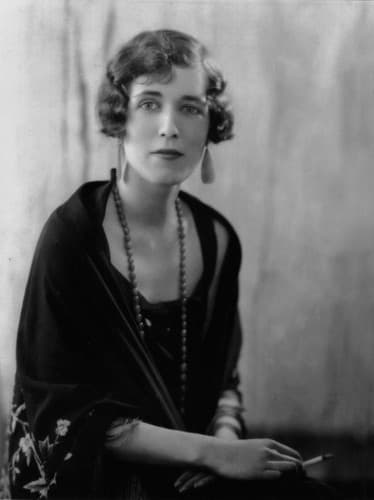
Georgette Heyer was a British author known for her historical fiction and romance novels, particularly set in the Regency era. Among her notable works are "The Grand Sophy," which features a spirited heroine navigating society, and "The Foundling," a tale of mistaken identity and adventure. Heyer's writing has influenced the genre and continues to attract readers today.
Similar books
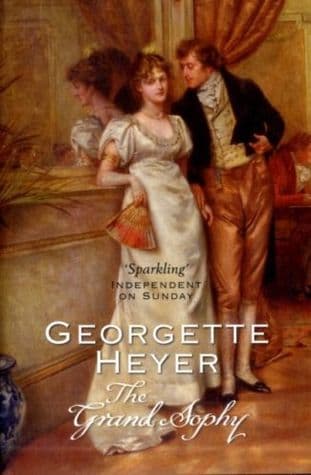
- The Grand Sophy
Georgette Heyer
4.2 (26k) average on GoodreadsHistorical FictionShowcases a strong, independent female lead and a hero who must adapt to her spirited nature.
- Pride and Prejudice
Jane Austen
4.3 (3M) average on GoodreadsHistorical FictionA foundational Regency romance with witty dialogue, social commentary, and character development.
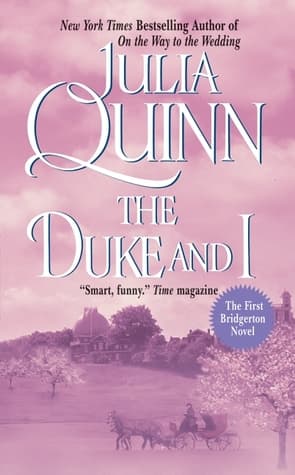
- The Duke and I
Julia Quinn
4.0 (87k) average on GoodreadsHistorical FictionQuinn's novel is less historically rigorous, prioritizing modern sensibilities and humor over strict period accuracy. Heyer's "The Foundling" offers a more authentic and detailed portrayal of the Regency era, immersing the reader in a more historically faithful world, whereas Quinn's work is more generalized and anachronistic.
- Emma
Jane Austen
3.2 (13k) average on GoodreadsRomanceAusten's novel, a contemporary work of the Regency, provides a deep psychological study and social commentary. Heyer's "The Foundling" is a historical reconstruction, focusing more on plot mechanics, social comedy, and vibrant historical detail. Heyer transports the reader to the past, while Austen offers an incisive critique of human nature and society within that past.
- To Kill a Mockingbird
Harper Lee
4.3 (4.5M) average on GoodreadsHistorical FictionIn the 1930s Jim Crow South, Harper Lee writes about racial injustice, moral growth, and the quiet courage of a lawyer father, Atticus Finch, as seen through his young daughter's eyes.
- The Great Gatsby
F. Scott Fitzgerald
3.9 (3.8M) average on GoodreadsHistorical FictionIn the opulent Roaring Twenties, a mysterious millionaire's lavish parties hide his desperate, tragic pursuit of a lost love, exposing the emptiness within the American Dream.



Enjoyed the summary?
A summary gives you the shape of the book. The book itself has the detail, the examples and the voice.
Find The Foundling on AmazonAs an Amazon Associate, BookBrief earns from qualifying purchases. How we're funded