
Synopsis
Covers the whole plot, including the ending.
- Difficulty
- Medium
- Pacing
- Moderate
- Mood
- Introspective, Thought-provoking, Melancholy, Resonant
- Read it if
- You enjoy deep explorations of faith, art, and identity, particularly within a specific cultural context, and appreciate character-driven narratives with philosophical undertones.
- Skip it if
- You prefer fast-paced plots with minimal introspection or are uncomfortable with religious themes and cultural specificity.
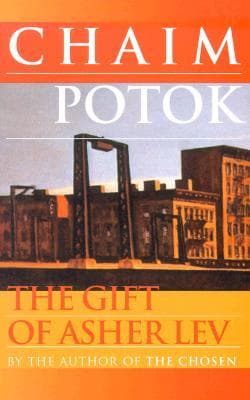
The Gift of Asher Lev Plot Summary
Covers the whole plot, including the ending.
Return to Brooklyn
Asher Lev, a renowned artist in France with his wife Devorah and their two children, Rochele and Avrumel, hears devastating news: his Uncle Yitzchok, a central figure and link to his past, has died suddenly in Brooklyn. Despite decades spent cultivating his art and life away from his Ladover Hasidic community, Asher feels an immediate pull to return for the shiva. This unexpected death forces Asher to confront the world he left behind, bringing his family into a community that both respects and condemns his art, and making him reconcile his present identity with his complex past.
Confronting the Past
In Brooklyn, Asher, Devorah, and the children are immediately immersed in the intense mourning rituals and community life of the Ladover Hasidim. Asher attends the shiva for Uncle Yitzchok, reuniting with his parents, Rivkeh and Aryeh Lev, and other family members. The return is tense; while many in the community respect his success, his art, especially the controversial 'Brooklyn Crucifixion,' remains a scandal. He also has a private audience with the Ladover Rebbe, a figure of spiritual authority, who acknowledges Asher's gift and subtly reminds him of his responsibilities to his heritage, rekindling Asher's long-standing internal struggle.
The Burden of Legacy
Asher's father, Aryeh Lev, a prominent and devout Ladover member, expects Asher to stay in Brooklyn and take on a more active, religiously compliant role, perhaps as a benefactor for Ladover institutions. This expectation conflicts with Asher's identity as an artist. Aryeh sees Asher's art as a distraction, a frivolous pursuit, and a source of shame for the family, especially the 'Brooklyn Crucifixion,' which depicted his mother's suffering. Asher feels the pressure of his father's disapproval and the weight of his family's Hasidic lineage, struggling to balance his heritage with his artistic calling.
Devorah's Discomfort
Devorah, who is not Hasidic and is used to the artistic circles of Europe, finds the sudden immersion into the strict, insular Ladover community deeply uncomfortable. The gender segregation, dress codes, and intense scrutiny are alienating. She struggles to understand Asher's family dynamics and the spiritual pull the community has on him. Her discomfort highlights the cultural gap between Asher's European life and his Brooklyn roots, adding tension to their visit and forcing Asher to navigate her feelings alongside his own.
A New Artistic Crisis
Despite his international fame, Asher Lev has been experiencing an artistic crisis, feeling stagnation in his work and uncertainty about his future. Uncle Yitzchok's death and his return to Brooklyn worsen this. He feels a need to create, but inspiration is elusive, and old subject matter seems insufficient. He is searching for a new way to express his spiritual and emotional turmoil, but the path forward is unclear, adding to his internal conflict between art and faith.
Memories of Yitzchok
Uncle Yitzchok's death brings a flood of memories for Asher. Yitzchok, a successful diamond merchant, was important in Asher's early life, providing financial support and emotional encouragement for his art when his parents disapproved. He was a bridge between Asher's secular artistic world and his religious family, a man who understood and appreciated both. Asher remembers Yitzchok's quiet wisdom, pragmatic advice, and unwavering belief in Asher's gift. These reflections show the profound loss and void left by his uncle, making Asher consider his legacy.
The Rebbe's Counsel
In private audiences, the Ladover Rebbe, with his wisdom and spiritual insight, discusses Asher's art, soul, and place in the world. The Rebbe acknowledges Asher's gift and the spiritual nature of his creativity, suggesting that true art, even when seemingly transgressive, can serve a divine purpose. He challenges Asher to reconcile his artistic vision with his Jewish identity, not by abandoning one for the other, but by integrating them. This guidance slowly shifts Asher's perspective, offering a potential path out of his artistic and spiritual impasse.
A Vision of Redemption
Asher continues to deal with his artistic block, haunted by his uncle's memory and unresolved past tensions. During intense introspection and spiritual struggle, he has an artistic vision. He sees his Uncle Yitzchok, not as a victim, but as a figure bearing the suffering of the Jewish people, like a crucified figure. This vision, combined with the Rebbe's teachings about 'klipah' (shells that conceal holiness and must be broken for redemption), provides a breakthrough. Asher realizes his new artistic mission: to depict the suffering and potential for redemption within his own people, even if it means using controversial imagery.
The Farewell and the Promise
Having found a new artistic direction and a deeper understanding of his spiritual identity, Asher prepares to return to France with Devorah and their children. He has a final, poignant conversation with his parents, where unspoken understandings pass between them, though fundamental differences remain. Asher leaves Brooklyn with a renewed sense of purpose, understanding that his art is not a rejection of his heritage but a unique expression of it. He carries the weight of his family's expectations, the Rebbe's wisdom, and Uncle Yitzchok's memory, all fueling his next creative endeavor.
The Paris Crucifixion
Back in his Parisian studio, Asher begins work on his new masterpiece, 'The Paris Crucifixion.' This painting, a companion to his infamous 'Brooklyn Crucifixion,' depicts Uncle Yitzchok in a pose that evokes Christ's suffering, yet is imbued with a Jewish spiritual context. It is Asher's way of honoring his uncle's sacrifice and his people's suffering, while also expressing his complex relationship with his faith and his art. The painting is a culmination of his journey, showing his ability to transcend boundaries and create art that is both deeply personal and universally resonant, fulfilling the Rebbe's challenge.
Principal Figures
Asher Lev
Protagonist
A world-renowned artist grappling with his Hasidic heritage and artistic calling.
Asher Lev is an internationally acclaimed painter, living in France, who struggles to reconcile his profound artistic talent with the strictures of his Ladover Hasidic upbringing. He is deeply sensitive, introspective, and driven by an insatiable need to create, often at great personal cost. His art is his life's purpose, but it often puts him at odds with his family and community. He seeks to understand suffering and redemption through his paintings, constantly pushing the boundaries of what is acceptable within his religious framework.
Relationships: Devorah Lev (wife, supportive but often bewildered by his Hasidic world); Rivkeh Lev (mother, a source of both love and profound artistic inspiration/suffering); Aryeh Lev (father, a devout and demanding figure who disapproves of his art); Uncle Yitzchok (beloved uncle, a mentor and financial supporter of his art); The Rebbe (spiritual leader, a source of guidance and challenge)
Devorah Lev
Supporting
Asher's secular wife who struggles to understand his Hasidic past.
Devorah is Asher's intelligent and loving wife, a former student of art history. She is supportive of Asher's artistic career and has built a life with him in France, far from his Hasidic roots. However, she finds the insular and traditional world of the Ladover community alienating and uncomfortable. Her struggle to adapt highlights the cultural chasm Asher constantly navigates, and she often serves as his anchor to the secular world, though she genuinely tries to understand the complex pull of his heritage.
Relationships: Asher Lev (husband, deeply devoted but often strained by his internal conflicts); Rochele Lev (daughter); Avrumel Lev (son)
Aryeh Lev
Supporting
Asher's devout father, a Ladover leader who disapproves of his son's art.
Aryeh Lev is Asher's father, a deeply pious and respected member of the Ladover Hasidic community, dedicated to the Rebbe and the perpetuation of Jewish life. He is a man of unwavering faith and duty, who views Asher's artistic pursuits as a secular indulgence and a source of family shame, particularly the 'Brooklyn Crucifixion.' He struggles to comprehend Asher's artistic drive and wishes for him to return to a more religiously compliant life, embodying the rigid expectations of Asher's heritage. Despite his disapproval, there is an underlying love for his son.
Relationships: Asher Lev (son, a source of both pride and profound disappointment); Rivkeh Lev (wife); The Rebbe (spiritual leader, to whom he is utterly devoted)
Rivkeh Lev
Supporting
Asher's mother, a woman who suffered greatly and became an artistic muse.
Rivkeh Lev is Asher's mother, a woman who has endured significant suffering throughout her life, particularly after the death of her brother and the subsequent emotional distance from her husband. She is a compassionate and intelligent woman, whose struggles and silent pain profoundly influenced Asher's early art, most notably in his 'Brooklyn Crucifixion.' She understands Asher's artistic compulsion more than his father, having witnessed his struggles firsthand, and often acts as a quiet mediator between Asher and Aryeh. She represents the personal cost and inspiration behind Asher's controversial work.
Relationships: Asher Lev (son, deeply connected through shared suffering and artistic inspiration); Aryeh Lev (husband, with whom she has a complex and often strained relationship); Uncle Yitzchok (brother, whose death deeply affects her)
Uncle Yitzchok
Supporting
Asher's beloved uncle, a pragmatic businessman and early supporter of his art.
Uncle Yitzchok, Rivkeh's brother, was a successful diamond merchant and a pivotal figure in Asher's life. He was a pragmatic and worldly man who, unlike Asher's father, understood and quietly supported Asher's artistic talent from a young age, even providing financial assistance for his studies. He served as a bridge between Asher's artistic world and his religious family, embodying a more flexible interpretation of Ladover life. His sudden death is the catalyst for Asher's return to Brooklyn and becomes the central focus of Asher's new artistic inspiration.
Relationships: Asher Lev (nephew, a mentor and confidant); Rivkeh Lev (sister, with whom he shared a close bond)
The Rebbe
Supporting
The spiritual leader of the Ladover Hasidim, a source of profound wisdom.
The Rebbe is the wise and revered spiritual leader of the Ladover Hasidic community, a figure of immense authority and insight. He possesses a deep understanding of human nature and spiritual truths, guiding his community with compassion and firmness. He recognizes Asher's unique and divinely given artistic talent, even while acknowledging its controversial nature within the community. Through his counsel, the Rebbe challenges Asher to find a way to integrate his art with his Hasidic identity, offering a path towards a deeper, more profound form of creative and spiritual expression.
Relationships: Asher Lev (spiritual guide and mentor); Aryeh Lev (spiritual leader, to whom Aryeh is utterly devoted)
Jacob Kahn
Mentioned
Asher's former mentor, a renowned secular artist.
Jacob Kahn is Asher's former art mentor, a secular and celebrated artist who taught Asher the technical skills and philosophical underpinnings of his craft. Though not physically present in this novel, his influence on Asher's artistic development is profound. Kahn represents the pure, unadulterated pursuit of art for art's sake, a worldview that often clashes with Asher's religious upbringing. His teachings shaped Asher's early understanding of artistic freedom and expression.
Relationships: Asher Lev (mentor and teacher)
Themes & Insights
The Conflict Between Art and Faith
This central theme explores the tension Asher experiences between his artistic calling and the strict demands of his Hasidic faith. His art, especially the use of 'forbidden' imagery like the crucifixion, is seen as a betrayal by his community and family, particularly his father. Yet, Asher sees his artistic gift as a sacred trust, a way to express spiritual truths and human suffering. The novel examines whether these two forces can coexist or if one must triumph, as seen in Asher's internal struggle and his conversations with the Rebbe, who challenges him to find a synthesis.
“A Jew must live with his people. A Jew must suffer with his people. A Jew must find his joy with his people. And a Jew must bring his people to God.”
Identity and Belonging
Asher Lev constantly deals with his identity as both a renowned artist and a Ladover Hasid. He is an outsider in both worlds: too religious for the secular art world, and too secular for his religious community. His return to Brooklyn forces him to confront his identity's roots and the deep sense of belonging he feels to his people, despite the pain his art causes. The novel explores the difficulty of forging a unique identity when deeply embedded in a powerful cultural and religious heritage, particularly through his wife Devorah's struggle to fit into his Hasidic world.
“I was a man who lived in the world, and I was a man who lived in a world apart. I was a man who belonged to a people, and I was a man who was alone.”
Suffering and Redemption
The novel explores the nature of suffering, both personal and communal, and the potential for redemption. Asher's art often comes from suffering — his mother's pain, the historical suffering of the Jewish people, and his own anguish. Uncle Yitzchok's death becomes a focal point for this theme, as Asher seeks to understand and depict his uncle's suffering in a way that goes beyond mere pain and points towards spiritual meaning. The Rebbe's concept of 'klipah' (shells that conceal holiness) guides Asher to see suffering not as an end, but as a path to deeper understanding and revelation, leading to his new artistic vision.
“The world is full of klipah, Asher. Shells. Husks. And inside the husks, there is holiness. We must break the husks to get to the holiness.”
The Artist's Sacrifice and Responsibility
Asher's journey shows the personal sacrifice required of a true artist and the responsibility that comes with such a gift. He has sacrificed familial approval, communal acceptance, and personal peace for his art. The novel asks what an artist owes to their community, their heritage, and their own truth. Asher's struggle is to find a way to create art that is authentic to his vision without entirely cutting ties to his people, ultimately accepting the burden of being a bridge between worlds, even if it means misunderstanding and pain.
“My work was not a choice. It was a summons.”
Plot Devices & Literary Techniques
The 'Brooklyn Crucifixion'
A controversial painting that symbolizes Asher's artistic rebellion and familial pain.
This painting, created in the previous novel, serves as a powerful symbol of Asher's artistic genius and his profound break from his Hasidic community. It depicted his suffering mother in a pose reminiscent of a crucifixion, an image deeply offensive within Judaism. In 'The Gift of Asher Lev,' it continues to represent the unresolved conflict between Asher's art and his faith, constantly brought up by his father and the community. Its existence forces Asher to continually justify his artistic choices and confront the pain it caused, setting the stage for his new artistic challenge.
Uncle Yitzchok's Death
The inciting incident that forces Asher to return to his past and confront his identity.
The sudden death of Asher's Uncle Yitzchok is the primary catalyst for the novel's events. It compels Asher to leave his comfortable life in France and return to the Brooklyn Hasidic community he had largely distanced himself from. This return is not merely a family obligation; it is a spiritual and artistic necessity. Yitzchok, having been a supportive figure in Asher's artistic journey, posthumously serves as a source of both grief and inspiration, pushing Asher to seek a new understanding of his art and his place within his heritage, ultimately becoming the subject of Asher's next great work.
The Rebbe's Counsel
Spiritual guidance that helps Asher reconcile his dual identities.
The Rebbe's wisdom and spiritual authority function as a crucial plot device, providing the intellectual and spiritual framework Asher needs to overcome his artistic and existential crisis. Through their dialogues, the Rebbe doesn't condemn Asher's art but challenges him to find its spiritual purpose within a Jewish context, introducing concepts like 'klipah.' This guidance is instrumental in shifting Asher's perspective, allowing him to see a path where his art can be an expression of his faith, rather than a rejection of it. The Rebbe acts as a spiritual mentor, steering Asher towards a resolution.
'The Paris Crucifixion'
The new masterpiece that signifies Asher's artistic and spiritual synthesis.
This painting, created at the novel's conclusion, is the culmination of Asher's journey. It mirrors the controversial imagery of 'The Brooklyn Crucifixion' but is imbued with a deeper, more integrated spiritual meaning, depicting Uncle Yitzchok's suffering in a way that transcends mere Christian symbolism to express universal and particularly Jewish themes of sacrifice and redemption. It serves as proof of Asher's growth, demonstrating his ability to reconcile his artistic vision with his heritage, embodying the 'gift' of his unique perspective and his continued, though perhaps still controversial, contribution to both art and his people.
The Gift of Asher Lev Quotes
“My father said I was a sin. My mother said I was a curse. My rebbe said I was a demon. My father said I was a monster. My mother said I was a plague. My rebbe said I was a devil. My father said I was a disease. My mother said I was a blight. My rebbe said I was a abomination.”
“A man is not a man until he has a son.”
“Art is not a game. It is a way of seeing the world. It is a way of understanding the world. It is a way of changing the world.”
“There are no easy answers. There are only choices.”
“The world is full of beauty, if only you know how to look for it.”
“Every artist is a rebel. Every artist is an outsider. Every artist is a prophet.”
“To be an artist is to be lonely. To be an artist is to be misunderstood. To be an artist is to be exiled.”
“The greatest gift a man can give his son is the freedom to be himself.”
“A true artist does not paint what he sees, but what he feels.”
“Sometimes, the only way to save a thing is to let it go.”
“The world is full of suffering. And the artist's job is to make that suffering visible.”
“My father saw the world in terms of good and evil. I saw the world in terms of light and shadow.”
“Every stroke of the brush is a prayer. Every color is a blessing. Every painting is a sermon.”
“To be an artist is to live with a wound. And to heal that wound, you must create.”
Quiz
10 questions on the plot and the characters. Each answer comes with a short explanation.
Question 1
What is Asher Lev's profession as a world-renowned artist at the beginning of 'The Gift of Asher Lev'?
- Sculptor
- Painter
- Musician
- Writer
Show answer
B. Painter The book explicitly states Asher Lev is a world-renowned artist, and his primary medium is painting, a core element of his artistic and spiritual struggles.
Question 2
In what country is Asher Lev living with his family when he receives the news of his uncle's death?
- Italy
- Israel
- France
- England
Show answer
C. France The provided synopsis clearly states Asher Lev is a world-renowned artist living in France when he learns of his uncle's death.
Question 3
What event causes Asher and his family to return to Brooklyn, bringing him back to the world he thought he had left behind?
- A gallery opening for his new exhibition
- His mother's serious illness
- The sudden death of his beloved uncle
- A request from his Rebbe to return
Show answer
C. The sudden death of his beloved uncle The synopsis explicitly states, 'When his beloved uncle dies suddenly, Asher and his family rush back to Brooklyn.'
Question 4
What is the name of Asher Lev's wife?
- Anna
- Rachel
- Devorah
- Sarah
Show answer
D. Sarah Asher Lev's wife, who travels with him and his children, is named Sarah.
Question 5
What is the primary internal conflict Asher Lev grapples with regarding his art and his heritage upon his return to Brooklyn?
- Whether to paint abstract or realistic works
- The tension between his artistic expression and his Orthodox Jewish faith
- His desire to paint landscapes versus portraits
- The financial struggle of being a full-time artist
Show answer
B. The tension between his artistic expression and his Orthodox Jewish faith The core of Asher's struggle throughout both books is the profound tension between his divinely inspired artistic calling, which often leads him to create controversial works, and the strictures and expectations of his Hasidic Jewish community and faith.
Question 6
Which of the following is NOT one of the children Asher Lev has with his wife, Sarah?
- Riva
- Yossi
- Rifkele
- Avrumel
Show answer
A. Riva Asher and Sarah have three children: Yossi, Rifkele, and Avrumel. Riva is not one of their children.
Question 7
What is the name of the series of controversial paintings Asher created in the first novel, which deeply alienated him from his community?
- The Brooklyn Bridge Series
- The Crucifixion of Jacob Kahn
- The Brooklyn Crucifixions
- The Rebbe's Portrait
Show answer
C. The Brooklyn Crucifixions In 'My Name is Asher Lev,' Asher creates the 'Brooklyn Crucifixions,' which depict his mother's suffering using Christian iconography, causing immense scandal and pain within his devout Jewish community.
Question 8
What specific artistic direction is Asher uncertain of at the beginning of 'The Gift of Asher Lev,' even as a world-renowned artist?
- Whether to continue painting with oils or switch to watercolors
- His return to representational art after years of abstract work
- How to reconcile his spiritual need to paint with his community's disapproval of his past work and current themes
- If he should open his own art school or continue as an independent artist
Show answer
C. How to reconcile his spiritual need to paint with his community's disapproval of his past work and current themes The synopsis states he is 'still uncertain of his artistic direction.' This uncertainty stems from his ongoing struggle to find a way to express his profound spiritual and emotional truths through art without further alienating himself from his religious heritage, especially as he returns to Brooklyn.
Question 9
What is the significance of the title 'The Gift of Asher Lev' in relation to the protagonist's journey and struggles?
- It refers to the material wealth Asher has accumulated through his art, which he gives to charity.
- It symbolizes the burden and blessing of his unique artistic talent, which is both a divine gift and a source of profound conflict.
- It refers to a specific painting Asher creates as a gift for his beloved Rebbe.
- It represents the gift of forgiveness his community eventually offers him for his past transgressions.
Show answer
B. It symbolizes the burden and blessing of his unique artistic talent, which is both a divine gift and a source of profound conflict. The 'gift' is Asher's extraordinary artistic talent, which is simultaneously a profound blessing from God (a gift) and a source of immense personal suffering and alienation from his community (a burden). The novel explores how he navigates this complex 'gift.'
Question 10
What role does the memory and legacy of his mentor, Jacob Kahn, play in Asher's artistic and spiritual journey in 'The Gift of Asher Lev'?
- Kahn's legacy pushes Asher to abandon religious themes in favor of secular art.
- Kahn's influence provides Asher with a framework for integrating his artistic passion with a broader understanding of his Jewish identity, albeit in a non-traditional way.
- Asher actively tries to distance himself from Kahn's style and philosophy to forge his own path.
- Kahn's teachings are largely irrelevant to Asher's artistic struggles in this second novel.
Show answer
B. Kahn's influence provides Asher with a framework for integrating his artistic passion with a broader understanding of his Jewish identity, albeit in a non-traditional way. Jacob Kahn, Asher's mentor from the first book, taught him to draw from his deepest self and his heritage, even if it meant challenging norms. His teachings continue to be a significant influence, guiding Asher in finding a way to express his spiritual truths through art, even when it is unconventional for his community.
The Gift of Asher Lev FAQ
What is the central conflict Asher Lev faces upon his return to Brooklyn?
Asher Lev's central conflict upon his return to Brooklyn is the re-emergence of the tension between his artistic calling and the demands of his Hasidic heritage. The death of his Uncle Yudel forces him to confront the community and family he left behind, reigniting the struggle to reconcile his artistic expression with religious piety and duty, especially as he considers painting a memorial for Yudel.
Who is Uncle Yudel, and what role does his death play in the narrative?
Uncle Yudel is Asher Lev's beloved maternal uncle, a successful businessman and a more secular, understanding figure in Asher's early life compared to his father. His sudden death from a heart attack is the catalyst that brings Asher, his wife Devorah, and their children back from France to Brooklyn, forcing Asher to re-engage with his family and the Ladover Hasidic community he had distanced himself from.
How has Asher Lev's artistic style and focus evolved since 'My Name is Asher Lev'?
Twenty years after 'My Name is Asher Lev,' Asher's artistic style has matured, and he is a world-renowned artist, but he feels a certain uncertainty about his current direction. He is still deeply committed to exploring themes of suffering and transcendence, but his work now also reflects his experiences living in Europe and raising a family, moving beyond the direct rebellion of his youth while still grappling with its origins.
What is the significance of Asher's decision to paint a memorial for Uncle Yudel?
Asher's decision to paint a memorial for Uncle Yudel is deeply significant because it represents his attempt to bridge the chasm between his art and his heritage, and to honor a man who understood him. It is a personal act of mourning and reconciliation, an artistic kaddish, but it also inevitably brings him into conflict with the Ladover Rebbe and other community members who view representational art, especially of a religious nature, with suspicion.
Who is Rav Baruch, and what is his relationship with Asher?
Rav Baruch is a respected Ladover scholar and a close confidante of the Rebbe, who becomes a significant figure in Asher's life upon his return. He acts as an intermediary and a spiritual guide, helping Asher navigate the complexities of his faith and his art. Rav Baruch offers a more nuanced understanding of Asher's struggles than many others in the community, providing intellectual and spiritual support.
Are there any subtle allusions to real-world artists or artistic movements that influenced Asher's journey?
While not explicitly named as direct influences, Asher's struggles with religious themes, suffering, and the human form echo the works of artists like Georges Rouault and Marc Chagall, who similarly explored spirituality within a modern context. His early controversial works, particularly the 'Brooklyn Crucifixions,' bear a strong resemblance to Christian iconography, a deliberate and provocative choice that links him to a broader tradition of religious art while challenging his own community's norms.
What is the implied significance of Asher's children, Rochi and Avrumel, in his artistic and personal life?
Asher's children, Rochi and Avrumel, represent the next generation and the potential for a different path, or at least a different understanding. Their presence in his life in France, and then their exposure to the Brooklyn community, highlights the generational transmission of culture and faith. They are a source of both joy and additional complexity, as Asher grapples with how to raise them within his unique blend of artistic freedom and inherited tradition.
How do the 'Brooklyn Crucifixions' from the first book continue to cast a shadow over Asher in 'The Gift of Asher Lev'?
The 'Brooklyn Crucifixions' continue to cast a long, polarizing shadow over Asher, even two decades later. They are mentioned as a source of ongoing controversy and pain within the Ladover community, symbolizing his ultimate transgression and exile. The memory of these paintings underscores the deep rift between Asher and his heritage, making his attempts at reconciliation even more challenging and fraught with historical baggage.
What is the underlying psychological impact of Asher's constant need for validation, particularly from his father and the Rebbe?
Asher's constant need for validation, especially from his father and the Rebbe, stems from a deep-seated desire for belonging and acceptance within his primary community. Despite his success, the early emotional void created by his father's disapproval and the Rebbe's eventual banishment left a lasting psychological scar. This unfulfilled longing drives much of his internal conflict, manifesting as a persistent yearning for his art to be understood and embraced by those he respects most within his tradition.
How does Asher's artistic process serve as a form of self-therapy or psychological processing for him?
Asher's artistic process serves as a profound form of self-therapy, allowing him to externalize and process his internal conflicts, grief, and spiritual struggles. Painting becomes a language for emotions he cannot articulate verbally, a means to grapple with the suffering he witnesses and experiences. Through his art, he seeks to find meaning and transcendence in the pain, transforming personal anguish into universal expression, as seen in his efforts to create Uncle Yudel's memorial.
Discuss the psychological weight of 'chosenness' and 'burden' that Asher feels regarding his artistic gift.
Asher experiences his artistic gift as both a divine 'chosenness' and a profound 'burden.' He believes his talent is a mandate from God, compelling him to create, but this calling simultaneously alienates him from his community and family, who perceive it as a deviation from tradition. This dual perception creates immense psychological pressure, as he grapples with the responsibility of his unique vision while enduring the pain of separation and misunderstanding.
How does Asher's relationship with his mother, Rivkeh, continue to evolve and influence him in this book?
Asher's relationship with his mother, Rivkeh, remains a cornerstone of his emotional life, evolving into one of deep understanding and shared silent suffering. She continues to be his most steadfast, though often conflicted, supporter, providing a crucial emotional anchor amidst his spiritual and artistic turmoil. Her quiet strength and enduring love offer Asher a sense of belonging that his father cannot, even as she herself navigates her son's controversial path within the Ladover community.
To what extent is Asher Lev's return to Brooklyn a genuine attempt at reconciliation versus a necessary act of duty?
Asher Lev's return to Brooklyn is a complex blend of both duty and a genuine, albeit deeply conflicted, desire for reconciliation. While Uncle Yudel's funeral is a clear duty, Asher's decision to engage with the community, especially the Rebbe, and his internal struggle to create a respectful memorial, suggests a yearning to bridge the divide. However, the lasting pain and his established life in France indicate that full reconciliation on the community's terms might be impossible, making it more an act of personal peace-making than a full return.
Can Asher Lev ever truly reconcile his artistic identity with his Hasidic heritage, or must one always dominate the other?
The novel suggests that Asher Lev's artistic identity and Hasidic heritage will likely always exist in a dynamic, often tense, relationship rather than a complete, harmonious reconciliation. His art is fundamentally about transcending boundaries and expressing universal truths through individual suffering, which often clashes with the strictures of his tradition. While he seeks to honor his heritage through his art, the very act of artistic creation, for Asher, demands a freedom of expression that his community cannot fully sanction, implying a continuous negotiation rather than a definitive resolution.
Is Asher's journey in 'The Gift of Asher Lev' primarily about finding peace, or about accepting perpetual tension?
Asher's journey in 'The Gift of Asher Lev' is primarily about accepting perpetual tension rather than finding definitive peace. While he seeks a measure of peace through his art and his relationships, the core conflict between his artistic calling and his Hasidic identity remains unresolved. The book highlights that for someone like Asher, peace is not the absence of tension, but the ability to live authentically within the ongoing push and pull of his dual commitments, finding a kind of grace in the struggle itself.
How does the title 'The Gift of Asher Lev' reflect the themes of the novel, particularly compared to 'My Name is Asher Lev'?
The title 'The Gift of Asher Lev' reflects the novel's themes by emphasizing Asher's artistic talent not just as a personal attribute, but as a bestowed responsibility and a complex offering to the world, and perhaps even to his own people. Unlike 'My Name is Asher Lev,' which focused on his individual identity and the assertion of self, 'The Gift' implies a giving, a sacrifice, and the enduring impact of his art, even if it brings pain. It acknowledges the dual nature of his gift: both a blessing and a burden that he must now share or contend with.
What is the Rebbe's ultimate perspective on Asher's art and his place within the Ladover community by the end of the book?
The Rebbe's ultimate perspective on Asher's art and his place within the Ladover community remains complex and somewhat ambiguous, reflecting a continued tension. While the Rebbe acknowledges Asher's unique gift and his role in expressing suffering, he cannot fully endorse art that deviates from traditional religious norms. He maintains a distance, understanding Asher's path as a necessary, if painful, one that exists outside the conventional boundaries of the community, suggesting a grudging acceptance rather than full embrace.
About the author
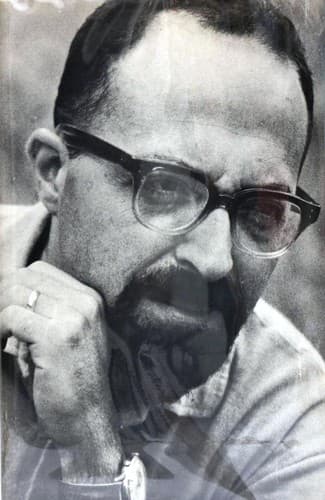
Chaim Potok was an American Jewish novelist and essayist, celebrated for his deeply resonant explorations of faith, tradition, and identity within the Hasidic and Orthodox Jewish communities. His most famous works, including 'The Chosen' and 'The Gift of Asher Lev,' delve into the complex relationships between religious observance and the modern world, often featuring protagonists grappling with artistic ambition and familial expectations. Potok's writing is characterized by its intellectual depth and empathetic portrayal of internal conflict.
Similar books
- My Name Is Asher Lev
Chaim Potok
4.2 (36k) average on GoodreadsHistorical FictionThe direct prequel, essential for understanding Asher's full journey.
- The Chosen
Chaim Potok
3.9 (253) average on GoodreadsFantasyExplores similar themes of tradition, modernity, and the clash of cultures within Hasidic Judaism.
- A Tree Grows in Brooklyn
Betty Smith
4.3 (388k) average on GoodreadsHistorical FictionA coming-of-age story set in Brooklyn, focusing on identity and navigating challenging circumstances.
- A Portrait of the Artist as a Young Man
James Joyce
3.6 (128k) average on GoodreadsLiterary FictionBoth novels follow the journey of an artist breaking away from a restrictive religious upbringing to pursue his art. Joyce's Stephen Dedalus famously declares 'non serviam' to the church, embodying a complete rejection. Asher Lev's struggle, however, is characterized by a persistent longing for connection to his roots and a desire to reconcile his art with his faith, even as he pushes boundaries. While Dedalus's rebellion is largely intellectual and aesthetic, Asher's is deeply spiritual and communal, making his path one of constant negotiation rather than outright severance. Joyce's work is more experimental in form and language, whereas Potok maintains a more traditional narrative structure, making the emotional and thematic content more accessible.
- To Kill a Mockingbird
Harper Lee
4.3 (4.5M) average on GoodreadsHistorical FictionIn the 1930s Jim Crow South, Harper Lee writes about racial injustice, moral growth, and the quiet courage of a lawyer father, Atticus Finch, as seen through his young daughter's eyes.
- The Great Gatsby
F. Scott Fitzgerald
3.9 (3.8M) average on GoodreadsHistorical FictionIn the opulent Roaring Twenties, a mysterious millionaire's lavish parties hide his desperate, tragic pursuit of a lost love, exposing the emptiness within the American Dream.




Enjoyed the summary?
A summary gives you the shape of the book. The book itself has the detail, the examples and the voice.
Find The Gift of Asher Lev on AmazonAs an Amazon Associate, BookBrief earns from qualifying purchases. How we're funded