
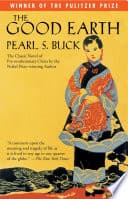
Synopsis
Covers the whole plot, including the ending.
- Difficulty
- Medium
- Pacing
- Moderate
- Mood
- Epic, Melancholy, Resilient, Reflective
- Read it if
- You enjoy epic family sagas, historical fiction set in early 20th-century China, or stories about the enduring human connection to the land.
- Skip it if
- You prefer fast-paced plots with modern sensibilities, or find stories about hardship and the decline of traditional values too bleak.
The Good Earth Plot Summary
Covers the whole plot, including the ending.
A New Beginning
The story begins with Wang Lung, a young Chinese farmer, getting ready for his wedding. He goes to the House of Hwang, a once-rich but now fading noble family, to get his bride, O-lan, a slave girl. Their wedding is simple; they return to Wang Lung's small mud house where his old father lives. O-lan immediately shows her hard work, cooking, cleaning, and working in the fields with Wang Lung. She shows a quiet strength and practical nature that Wang Lung at first finds a bit plain but soon relies on. She proves to be a capable wife, and Wang Lung feels content and hopeful for their future on the land.
Children and Prosperity
O-lan soon has their first son, and later a second, giving Wang Lung the heirs he wants to work his land. Their third child is a daughter, born with a mental disability. Despite this, Wang Lung's fortunes continue to grow. By smartly buying land from the struggling House of Hwang, with O-lan's good advice, Wang Lung expands his property. He works hard, and the earth rewards him with good harvests. The family's wealth and standing slowly grow, allowing them to eat better and live more comfortably, catching the eye of his jealous uncle.
The Famine Strikes
A bad drought hits the land, causing crop failures and widespread hunger. Wang Lung, despite his increasing wealth, is not spared. He tries to keep his land, selling what he can, but starvation becomes unavoidable. People start to eat bark, then mud. His third daughter, the disabled child, is sold into slavery by O-lan to feed the rest of the family, a choice that troubles Wang Lung. Finally, with no other option, Wang Lung sells his last ox and, with his family, joins the many desperate peasants moving south to the cities, hoping to find food and work.
Life in the Southern City
In the southern city, Wang Lung and his family are reduced to begging. They live in a makeshift hut outside the city walls, enduring harsh conditions and the city people's scorn. Wang Lung struggles with the shame and loss of his dignity, always longing for his land. His sons, especially the elder, adjust to city life more easily, stealing small things and showing signs of becoming lazy. O-lan, always practical, is good at finding scraps of food and managing their meager life. The family lives through bombings and political unrest, showing their uncertain situation.
A Stroke of Fortune
During a time of political unrest and riots in the city, Wang Lung and his family are caught in the chaos. While others loot, O-lan, with her quiet resolve, finds a hidden stash of jewels in a rich house. She gives them to Wang Lung, who sees their great value. This unexpected fortune gives them the means to buy food and, more importantly, enough money to return to their beloved land in the north. The jewels are a turning point, offering a way out of their desperate situation and a chance to rebuild their lives.
Return to the Land and Renewed Prosperity
Back in the north, Wang Lung uses the jewels to buy back his land, which he had to sell during the famine. He also buys more land from the now-poor House of Hwang, effectively turning their fortunes around. With new energy, Wang Lung works his fields, and the earth again gives him abundant harvests. He becomes a wealthy and respected landowner in his village, even building a larger house and hiring servants. His prosperity grows, marking a big step up from his humble beginnings as a poor farmer.
The Rise of Ching and Lotus
With his new wealth, Wang Lung starts to want luxuries beyond what O-lan can provide. He becomes obsessed with Lotus, a beautiful prostitute, and takes her as his concubine, moving her into his home. This deeply hurts O-lan, who quietly endures the insult. Meanwhile, Ching, a loyal farmer who shared land with Wang Lung before the famine, returns to him, having lost everything. Wang Lung hires Ching as his loyal overseer, valuing his honesty and deep connection to the land, trusting him completely with managing his growing estate.
Family Discontent and O-lan's Decline
Wang Lung's sons, no longer happy with a farmer's life, begin to show signs of laziness and ambition for finer things. His eldest son, in particular, wants an education and a more comfortable life, eventually falling in love with a potential bride. Lotus's presence causes constant tension in the house, and O-lan's health starts to fail, made worse by emotional pain and years of hard work. Her quiet suffering and slow decline are mostly ignored by Wang Lung, who is busy with his new family and growing wealth. She bears her illnesses with her usual calm strength.
O-lan's Final Days and Death
O-lan's illness worsens, and she becomes weaker. In her last days, Wang Lung finally sees her great sacrifices and deep devotion. He tries to comfort her, even getting back the pearls she had kept from the jewels, which she had given him years ago. He is filled with regret for his past neglect and unkindness. O-lan dies quietly, as she lived, leaving a deep emptiness in Wang Lung's life. Her death is a big emotional moment for him, as he truly understands the irreplaceable worth of his first wife.
The Sons' Dissipation
After O-lan's death, Wang Lung marries off his sons, but they show little interest in farming or keeping the family's wealth. The eldest son, a scholar, gets involved in politics and spends too much money. The second son pursues trade and city life, while the third son, at first more connected to the land, also drifts away. They start to argue over the inheritance and want to sell the land, the very basis of Wang Lung's prosperity. Wang Lung, now an old man, is heartbroken by their lack of respect for the earth and their willingness to waste his life's work. He sees the sure decline of his family's fortunes.
The Land Endures
In his old age, Wang Lung stays deeply connected to his land, finding peace and purpose walking his fields. He sees life's repeating patterns and the earth's lasting power, which has supported his family for generations. However, his sons, educated and exposed to city life, see the land as something to sell for quick money, rather than the sacred source of their existence. As Wang Lung overhears them planning to sell the land after his death, he feels despair, knowing their actions will lead to the family's ruin, but he is powerless to stop them, only able to say, "Do not sell the land."
Principal Figures
Wang Lung
Protagonist
A poor farmer who rises to become a wealthy landowner.
Wang Lung begins as a humble, hardworking peasant deeply connected to the land. He is initially naive and somewhat self-absorbed, but possesses an unwavering determination to succeed and provide for his family. He values tradition and frugality, though he is susceptible to the temptations of wealth and status. His journey is one of both material success and spiritual awakening, as he grapples with the complexities of family, desire, and the enduring power of the earth.
Relationships: O-lan (Wife, partner in labor, emotional anchor (though often unacknowledged)); His Father (Respected elder, dependent); Lotus (Concubine, object of desire and status symbol); His Sons (Heirs, sources of both pride and disappointment); Ching (Loyal friend and overseer)
O-lan
Supporting
Wang Lung's quiet, strong, and indispensable wife.
O-lan is a former slave, stoic, practical, and incredibly hardworking. She is uncomplaining, resourceful, and possesses an inner strength that often goes unacknowledged by Wang Lung. Her large, unbound feet symbolize her humble origins and her life of labor. She prioritizes her family's survival above all else, making difficult sacrifices without complaint. Despite her quiet demeanor, she is the emotional and practical backbone of the family, providing stability and wisdom.
Relationships: Wang Lung (Husband, source of both love and pain); Her Children (Devoted mother, fiercely protective)
Wang Lung's Father
Supporting
Wang Lung's traditional and respected elder.
Wang Lung's father is a traditional, aging patriarch who represents the continuity of the family and the values of the old ways. He is largely dependent on Wang Lung but offers quiet wisdom and guidance, particularly concerning the importance of the land and traditional customs. He is content with simple pleasures and serves as a reminder of Wang Lung's roots and the generational link to the earth.
Relationships: Wang Lung (Son, caretaker); O-lan (Daughter-in-law, respected for her diligence)
Nung En (First Son)
Supporting
Wang Lung's ambitious and educated eldest son.
The eldest son is intelligent and ambitious, but also somewhat spoiled by his father's wealth. He is drawn to the prestige of education and city life, showing little interest in farming. He represents the younger generation's departure from traditional values and their desire for a more refined, less laborious existence, ultimately contributing to the family's decline by neglecting the land and seeking social status.
Relationships: Wang Lung (Father, source of wealth and occasional conflict); O-lan (Mother, often taken for granted)
Nung Wen (Second Son)
Supporting
Wang Lung's second son, drawn to trade and city life.
The second son is practical and inclined towards business and trade, rather than farming. Like his elder brother, he is less connected to the land and seeks opportunities beyond the village. He represents the growing influence of commerce and urban living on the younger generation, and his decisions further distance the family from their agricultural heritage.
The Third Son
Supporting
Wang Lung's third son, initially more connected to the land but eventually influenced by his brothers.
The third son initially shows more inclination towards the land than his older brothers, perhaps inheriting some of Wang Lung's inherent connection to farming. However, he is ultimately swayed by his brothers' desires for a different life, and also drifts away from the agricultural roots of the family, highlighting the pervasive influence of changing societal values.
Lotus
Supporting
Wang Lung's beautiful and demanding concubine.
Lotus is a beautiful young woman from a tea house, taken by Wang Lung as his concubine when he becomes wealthy. She is vain, demanding, and represents the superficial allure of luxury and status. Her presence in the household causes significant pain to O-lan and introduces an element of discord and extravagance that ultimately contributes to the family's moral and financial decline, pulling Wang Lung away from his true values.
Relationships: Wang Lung (Lover, patron); O-lan (Rival, source of silent conflict)
Ching
Supporting
A loyal and honest farmer, Wang Lung's trusted overseer.
Ching is a poor but honest farmer and neighbor who becomes Wang Lung's most trusted overseer when Wang Lung becomes wealthy. He is deeply connected to the land and embodies integrity, loyalty, and the traditional values of hard work and humility. Ching serves as a moral compass for Wang Lung and a stark contrast to the idleness and ambition of Wang Lung's sons.
Relationships: Wang Lung (Friend, employer, trusted confidant)
The Old Mistress of Hwang
Mentioned
The matriarch of the declining House of Hwang.
The Old Mistress represents the fading glory and eventual downfall of the once-powerful gentry class. Her family's decline mirrors Wang Lung's rise, highlighting the shifting social order in China. She is a symbol of the old, aristocratic way of life that is slowly being replaced by the industriousness of the common people.
Relationships: Wang Lung (Buyer of her family's land)
Themes & Insights
The Enduring Power of the Land
The land is the central and most powerful element in the novel. It means life, food, and true wealth. Wang Lung's fortunes are tied to his connection to the earth; when he works it hard, he thrives, but when he neglects or loses it, he suffers. The famine scenes clearly show how much people depend on the land, and Wang Lung's final despair comes from his sons wanting to sell it, which means they are betraying their heritage and the source of their strength.
“'There is no other comfort to the soul, for you, than the earth.'”
The Cycle of Wealth and Poverty
The novel carefully shows how wealth and poverty come and go, illustrating how fortunes can change over generations. Wang Lung's family goes from poverty to great wealth, mirroring the decline of the House of Hwang. However, his sons, who never knew real hardship, waste their inheritance, suggesting a return to poverty. This theme implies that wealth, especially when separated from its source (the land and hard work), is temporary and can lead to moral decay and family arguments, eventually bringing the cycle back to the start.
“'And he thought, 'Thus do great houses fall.' And he thought, 'Thus do great houses rise.''”
The Strength and Sacrifice of Women
O-lan shows the great strength, endurance, and self-sacrifice of women in traditional Chinese society. She works tirelessly, endures neglect, and makes huge sacrifices (like selling her daughter) for her family's survival, often without thanks. Her quiet dignity and practical wisdom are key to Wang Lung's success. The difference between O-lan and Lotus highlights different sides of womanhood, with O-lan representing lasting substance and Lotus representing fleeting beauty, emphasizing that true female strength is in character and devotion, not looks.
“'She was a woman such as few men had for a wife, for she was a woman of the earth.'”
Tradition vs. Modernity
The novel explores the conflict between traditional farming values and the growing influence of modern city life. Wang Lung represents the old ways, deeply rooted in the land and simple living. His sons, however, are drawn to education, city life, and Western ideas, seeing the land only as a commodity. This generational clash shows the social changes in early 20th-century China, where traditional ways of life were challenged by new ideas and desires, ultimately leading to a loss of heritage and family breakdown.
“'The land is there, and the sky is there, and we are here, and the land gives us our food.'”
The Corrupting Influence of Wealth
While at first a source of comfort and security, wealth slowly corrupts Wang Lung and his family. It leads Wang Lung to take a concubine, ignore O-lan, and become focused on status. For his sons, wealth causes laziness, greed, and a detachment from the hard work that created it. The family's morals weaken as their possessions grow, showing that prosperity, when not based on strong values, can lead to moral decay, conflict, and ultimately, ruin.
“'And it was the land that held them, and the land that fed them, and the land that bred them. But now there was money, and the money bred discontent.'”
Plot Devices & Literary Techniques
Symbolism of the Land
The earth represents life, sustenance, and moral grounding.
The land is the most potent symbol in the novel, embodying not just physical sustenance but also spiritual and moral well-being. It represents stability, tradition, and the cyclical nature of life. Wang Lung's connection to the land directly correlates with his integrity and happiness. When he works the land, he is aligned with a natural order; when he neglects it or his sons seek to sell it, it signifies a profound betrayal of their heritage and a move towards moral decay and eventual ruin. It is the ultimate measure of true wealth.
O-lan's Unbound Feet
A symbol of O-lan's humble origins, strength, and practical nature.
In a society where bound feet were a mark of beauty and status for women, O-lan's large, unbound feet immediately distinguish her. They symbolize her peasant background, her life of hard labor, and her practical, unpretentious nature. Unlike the delicate, bound feet of women like Lotus, O-lan's feet allow her to work in the fields, carry burdens, and survive hardship. They are a physical manifestation of her enduring strength and her essential role as a partner in toil, rather than an ornamental wife.
The House of Hwang
A mirror and a warning, representing the decline of the gentry.
The House of Hwang serves as a powerful parallel and cautionary tale for Wang Lung. Initially, Wang Lung is a poor peasant who buys land from the declining House. As his wealth grows, he eventually buys their entire estate. The Hwangs' downfall, brought about by idleness, extravagance, and a detachment from the land, foreshadows the potential fate of Wang Lung's own family if his sons continue their path of indulgence. It illustrates the cyclical nature of power and wealth, showing how old money can dissipate and new fortunes can rise.
The Pearls
A symbol of true value, sacrifice, and belated recognition.
The pearls are part of the jewels O-lan finds during the riot. She keeps two of them, later giving them to Wang Lung for his concubine's earrings, a profound act of self-sacrifice. Years later, when O-lan is dying, Wang Lung retrieves them for her, recognizing their true value not as adornment, but as a symbol of her quiet strength and the sacrifices she made. They represent the precious, enduring worth of O-lan's character, which Wang Lung only fully appreciates when it is almost too late, contrasting with the superficial value he placed on Lotus's beauty.
The Good Earth Quotes
“Well, you have been a good wife to me, and you have borne me sons. This is a good thing.”
“The land is a living thing. It is good to have land, it is a thing that will not go away.”
“There are no women like the women of the south, and no men like the men of the north.”
“It is the custom of the rich to laugh at the poor, and the custom of the poor to hate the rich.”
“When a man has tilled the land, he is content.”
“A man cannot live without his land.”
“And the land is not to be forsaken. A man must cleave to his land as a child to its mother's breast.”
“She was a woman who had never had time for anything but work, and her face was like the earth, with all its wrinkles and its deep lines.”
“Famine comes, and men eat men, but the land remains.”
“And the land was like a woman, a woman good and patient, and one who would return to him all that he gave to her.”
“Out of the land we came and into the land we go.”
“For it is not the rich man who is to be feared, but the poor man made rich.”
“The first good thing that a man can have is a good wife.”
“And the land was always there, and the land was always good, and the land was always fruitful.”
Quiz
10 questions on the plot and the characters. Each answer comes with a short explanation.
Question 1
What is O-lan's social status before marrying Wang Lung?
- She is a wealthy landowner's daughter.
- She is a servant girl in the House of Hwang.
- She is a respected village elder.
- She is a travelling merchant.
Show answer
B. She is a servant girl in the House of Hwang. The book states that O-lan is a servant girl, specifically from the House of Hwang, before her marriage to Wang Lung.
Question 2
What is the primary source of wealth and sustenance for Wang Lung's family early in the story?
- Trade with foreign merchants.
- Income from a silk weaving business.
- The land they farm.
- Gambling winnings.
Show answer
C. The land they farm. The synopsis explicitly mentions 'there is sustenance in the land' and the family are peasants, indicating their livelihood comes from farming.
Question 3
What catastrophic event forces Wang Lung's family to leave their land and beg in the city?
- A devastating flood.
- A bandit raid.
- A severe famine.
- A political revolution.
Show answer
C. A severe famine. The synopsis clearly states, 'until the famine comes. Half-starved, the family joins thousands of peasants to beg on the city streets.'
Question 4
How does O-lan contribute to the family's return home with 'undreamt of wealth' during their time begging in the city?
- She successfully sells her handmade crafts.
- She finds a hidden treasure during a riot.
- She wins a large sum of money gambling.
- She secures a loan from a wealthy relative.
Show answer
B. She finds a hidden treasure during a riot. During a riot in the city, O-lan demonstrates her strength and cunning by discovering and securing jewels from a wealthy house, which becomes the 'undreamt of wealth' for their return.
Question 5
What is the primary negative consequence of the family's newfound wealth, as described in the synopsis?
- They become targets for bandits.
- It breeds mistrust, deception, and heartbreak.
- They lose their connection to their ancestral land.
- They are forced to move to a new city.
Show answer
B. It breeds mistrust, deception, and heartbreak. The synopsis states, 'But they have betrayed the earth from which true wealth springs, and the family's money breeds only mistrust, deception - and heartbreak for the woman who had saved them.'
Question 6
Which of the following best describes O-lan's role in the family's early struggles and survival?
- She manages the family's finances and investments.
- She provides emotional support but little physical labor.
- She toils tirelessly through pregnancies and ensures their survival.
- She often undermines Wang Lung's decisions.
Show answer
C. She toils tirelessly through pregnancies and ensures their survival. The synopsis highlights O-lan's dedication: 'she toils tirelessly through four pregnancies for their family's survival.'
Question 7
What does the phrase 'betrayed the earth from which true wealth springs' imply about the family's prosperity?
- They sold their land for a quick profit.
- They neglected their farming responsibilities after gaining city wealth.
- They used their land for non-agricultural purposes.
- They lost their land due to bad investments.
Show answer
B. They neglected their farming responsibilities after gaining city wealth. This phrase, combined with the earlier description of 'sustenance in the land,' suggests a thematic shift where their new, easily acquired wealth from the city leads them to neglect or devalue the hard work and direct connection to the land that initially sustained them.
Question 8
How does Wang Lung's perception of O-lan change over the course of the story, particularly after their return from the city?
- He remains consistently grateful and loving towards her.
- He increasingly appreciates her domestic skills and loyalty.
- He becomes more critical and takes her for granted as he seeks other women.
- He develops a newfound intellectual respect for her wisdom.
Show answer
C. He becomes more critical and takes her for granted as he seeks other women. As Wang Lung gains wealth, he becomes less focused on O-lan's practical contributions and more on superficial desires, eventually taking a concubine and neglecting O-lan, leading to 'heartbreak for the woman who had saved them.'
Question 9
What specific detail about O-lan's appearance is often mentioned and symbolizes her life of hard labor and servitude?
- Her beautifully bound feet.
- Her long, flowing hair.
- Her large, unbound feet.
- Her delicate, pale hands.
Show answer
C. Her large, unbound feet. O-lan's unbound feet are a recurring detail that symbolizes her peasant background and capacity for hard work, unlike the bound feet of wealthier women, and are often noted by Wang Lung.
Question 10
The novel is described as a 'story of female sacrifice.' Which of O-lan's actions most strongly exemplifies this theme?
- Her desire to buy new clothes for herself.
- Her consistent focus on her own personal happiness.
- Her unwavering dedication to her family's survival and well-being, often at her own expense.
- Her decision to leave Wang Lung when he takes a concubine.
Show answer
C. Her unwavering dedication to her family's survival and well-being, often at her own expense. The entire narrative, and the synopsis's description of her 'toil[ing] tirelessly through four pregnancies for their family's survival' and experiencing 'heartbreak' after saving them, underscores her self-sacrificing nature for her family.
The Good Earth FAQ
What is the central conflict in 'The Good Earth' regarding Wang Lung and O-lan's early life?
The central conflict in their early life revolves around their relentless struggle against poverty and the unpredictable forces of nature, particularly the severe famine. They must work tirelessly on their land to produce enough food and survive, making every harvest critical for their family's existence.
How does O-lan's past as a slave in the House of Hwang influence her character and actions throughout the story?
O-lan's past as a slave in the House of Hwang instills in her a deep resilience, stoicism, and practical resourcefulness. She is accustomed to hardship and obedience, which makes her an incredibly diligent wife and mother, always prioritizing the family's survival and well-being over her own comfort or desires.
What significant event forces Wang Lung's family to leave their land and how do they survive?
A devastating famine forces Wang Lung's family to abandon their land and migrate south to a large city. They survive by begging on the streets, enduring extreme hunger and humiliation, with O-lan eventually resorting to stealing to feed her children.
How does the family acquire their unexpected wealth while in the city?
While in the city, the family acquires wealth during a period of civil unrest. O-lan, in a moment of desperate pragmatism, participates in looting a wealthy house during a riot, finding a stash of jewels that she brings back to Wang Lung. This unexpected fortune allows them to return home and buy more land.
What is the 'betrayal of the earth' mentioned in the synopsis, and how does it manifest in Wang Lung's life?
The 'betrayal of the earth' refers to Wang Lung's shift in focus from working the land himself to becoming a wealthy landowner who relies on tenant farmers and invests in urban properties. This detachment from direct labor on the soil leads to a moral decay in his family, as their new wealth breeds idleness, greed, and moral corruption among his sons.
What is the symbolic significance of O-lan's small pearls, and what happens to them?
O-lan's small pearls symbolize her hidden emotional depth and the sacrifices she makes. They are her only personal treasures, salvaged from the House of Hwang. Wang Lung later takes them from her to give to his concubine, Lotus, representing his ultimate disregard for O-lan's feelings and her contributions.
How does the character of Cuckoo, the former slave from the House of Hwang, serve as a foil to O-lan?
Cuckoo, a former slave of the House of Hwang who becomes a prostitute and then a servant in Wang Lung's household, serves as a foil to O-lan by representing a life of indulgence and moral decay. While O-lan embodies quiet strength and selfless devotion, Cuckoo embodies manipulative self-interest and urban corruption, highlighting the contrasting paths former slaves could take.
What subtle hints are given about O-lan's emotional state, despite her stoic demeanor?
Despite her stoicism, subtle hints about O-lan's emotional state include her occasional deep sighs, her quiet weeping in private after Wang Lung takes her pearls, and her physical decline after his affair. Her actions, like providing for her family without complaint, also speak volumes about her inner strength and resilience.
How does Wang Lung's relationship with his sons reflect the changing values of his family and society?
Wang Lung's relationship with his sons reflects a generational shift: his eldest son becomes a scholar, detached from the land; the second son becomes a merchant, focused on profit; and the third son becomes a soldier, symbolizing violence and disruption. This contrasts sharply with Wang Lung's initial values rooted in agricultural labor, illustrating the societal move towards urbanization and new forms of wealth.
Analyze the psychological impact of poverty and famine on Wang Lung's initial character development.
Poverty and famine initially forge Wang Lung into a diligent, pragmatic, and resourceful individual, deeply connected to the land. The constant threat of starvation makes him acutely aware of the value of hard work and frugality, shaping his early identity around the struggle for survival and the acquisition of land.
Discuss O-lan's coping mechanisms for emotional pain and hardship.
O-lan primarily copes with emotional pain and hardship through stoicism, silent endurance, and an unwavering focus on practical tasks and her children's well-being. She rarely voices complaints or expresses her feelings directly, instead channeling her energy into work and ensuring her family's survival, internalizing her suffering.
How does Wang Lung's acquisition of wealth psychologically transform him?
Wang Lung's acquisition of wealth psychologically transforms him from a humble, hardworking peasant into a man consumed by status, material desires, and a growing detachment from his roots. He becomes more self-indulgent, less empathetic towards O-lan, and increasingly anxious about maintaining his social standing, leading to moral compromises.
Explore the psychological dynamics of Wang Lung's attraction to Lotus and his subsequent neglect of O-lan.
Wang Lung's attraction to Lotus is driven by a desire for novelty, beauty, and status, representing a psychological shift away from the simple, utilitarian companionship O-lan offered. His neglect of O-lan stems from his increasing wealth allowing him to indulge selfish desires and his inability to appreciate O-lan's silent strength once his basic needs are met.
To what extent is Wang Lung responsible for the moral decline of his sons?
Wang Lung bears significant responsibility for the moral decline of his sons because his own pursuit of wealth and status, coupled with his failure to instill a strong work ethic or moral values, set a poor example. By indulging them and allowing them to become idle gentlemen, he indirectly fostered their greed, promiscuity, and detachment from their heritage.
Is 'The Good Earth' primarily a story of female sacrifice, or does it offer a broader commentary on human nature?
While 'The Good Earth' profoundly illustrates female sacrifice through O-lan's character, it also offers a broader commentary on human nature. It explores themes of ambition, the corrupting influence of wealth, the enduring connection to the land, and the cyclical nature of poverty and prosperity, showing how these forces shape individuals regardless of gender.
How does the ending of the novel, with the sons planning to sell the land, reinforce the cyclical nature of prosperity and decline?
The ending, where Wang Lung's sons plan to sell the family land despite his pleas, powerfully reinforces the cyclical nature of prosperity and decline. It suggests that wealth, if not rooted in sustained effort and respect for the source, will ultimately lead to a loss of heritage and a return to the very struggles the family once overcame, hinting at future hardship for the next generation.
Discuss the novel's portrayal of the relationship between humanity and the land. Is it ultimately positive or cautionary?
The novel's portrayal of the relationship between humanity and the land is both positive and cautionary. It initially depicts the land as a source of sustenance, dignity, and moral grounding (positive). However, it becomes cautionary as Wang Lung's detachment from the land leads to moral decay and family discord, suggesting that abandoning one's connection to the earth can have detrimental consequences.
What is the implied fate of Wang Lung's family after the novel's conclusion, given his sons' intentions?
Given his sons' intentions to sell the land, the implied fate of Wang Lung's family after the novel's conclusion is one of eventual decline and potential ruin. Without the stability and moral grounding provided by their connection to the earth, the family's wealth is likely to dissipate, and they may face the same struggles their ancestors endured, albeit in a different form.
About the author
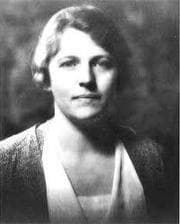
Pearl Comfort Sydenstricker Buck was an American writer and novelist. She is best known for The Good Earth, the best-selling novel in the United States in 1931 and 1932 and which won her the Pulitzer Prize in 1932. In 1938, Buck became the first American woman to win the Nobel Prize in Literature "for her rich and truly epic descriptions of peasant life in China" and for her "masterpieces", two memoir-biographies of her missionary parents.
Similar books
- East of Eden
John Steinbeck
4.4 (429k) average on GoodreadsLiterary FictionExplores generational family sagas, the nature of good and evil, and the American dream through the lens of land and legacy.
- The Joy Luck Club
Amy Tan
3.9 (598k) average on GoodreadsHistorical FictionFocuses on Chinese-American family dynamics, mother-daughter relationships, and the clash of cultures across generations.
- To Kill a Mockingbird
Harper Lee
4.3 (4.5M) average on GoodreadsHistorical FictionIn the 1930s Jim Crow South, Harper Lee writes about racial injustice, moral growth, and the quiet courage of a lawyer father, Atticus Finch, as seen through his young daughter's eyes.
- The Great Gatsby
F. Scott Fitzgerald
3.9 (3.8M) average on GoodreadsHistorical FictionIn the opulent Roaring Twenties, a mysterious millionaire's lavish parties hide his desperate, tragic pursuit of a lost love, exposing the emptiness within the American Dream.
- Pride and Prejudice
Jane Austen
4.3 (3M) average on GoodreadsHistorical FictionIn a society focused on status and money, Elizabeth Bennet navigates love and pride, challenging Mr. Darcy and social expectations to find true affection.
- Angels & Demons
Dan Brown
3.9 (2.7M) average on GoodreadsThrillerA Harvard symbologist races through Rome's ancient sites, deciphering cryptic clues to unmask the Illuminati and stop a vengeful plot to destroy the Vatican with a stolen antimatter weapon.




Enjoyed the summary?
A summary gives you the shape of the book. The book itself has the detail, the examples and the voice.
Find The Good Earth on AmazonAs an Amazon Associate, BookBrief earns from qualifying purchases. How we're funded