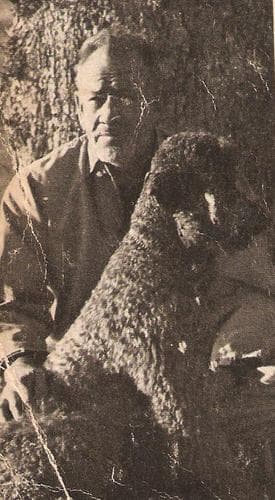
John Ernst Steinbeck was an American writer. He won the 1962 Nobel Prize in Literature "for his realistic and imaginative writings, combining as they do sympathetic humor and keen social perception". He has been called "a giant of American letters."
In Depression-era California, two migrant workers, bound by an unlikely friendship, chase a fragile dream of land and independence, only to confront the realities of loneliness and shattered hopes.
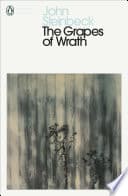
After the Dust Bowl, the Joad family's difficult trip to California shows humanity's strong, but often broken, spirit against unfair systems and brief hope.
In California's Salinas Valley, two families, the Trasks and the Hamiltons, re-enact the biblical story of Cain and Abel across generations, exploring identity, love, and its absence.
In the vibrant, post-Depression tide pools of Monterey, a motley crew of outcasts and philosophers navigates life's hilarious and heartbreaking currents, finding solace and survival in their shared humanity amidst the clatter of cannery machinery.
In 1960s Long Island, a fallen aristocrat trapped in a grocery clerk's life grapples with the corrosive allure of ambition and the slippery slope of moral compromise, desperate to reclaim his family's lost prestige.
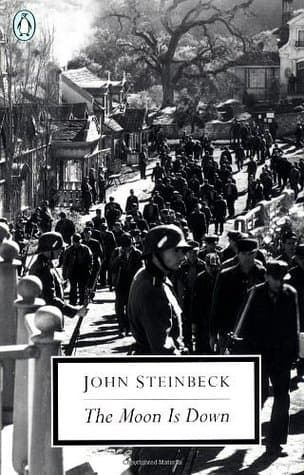
In a snow-bound coastal town under occupation, the people, spurred by the execution of a townsman, wage a relentless, quiet war against their invaders, proving that freedom, once lost, cannot be extinguished, only reclaimed through an unyielding spirit.
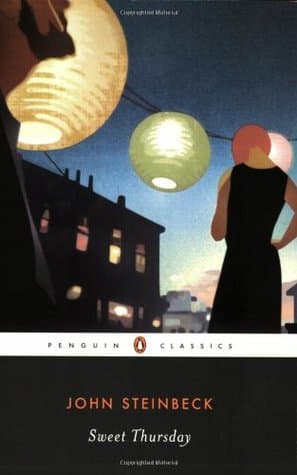
In Monterey's bohemian back alleys, outcasts and dreamers navigate love and longing, hoping for 'Sweet Thursday' after life's inevitable 'Lousy Wednesdays'.
In California's apple country, a young man's search for purpose leads him into a violent migrant worker strike, transforming him into a leader consumed by the cause.
In California's fertile valleys, a man's deep respect for a tree, which he believes holds his father's spirit, conflicts with his brother's strict faith, leading to a devastating fight against nature and the unknown.
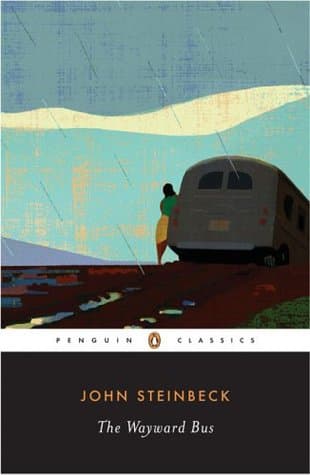
On a rickety bus traversing California's forgotten byways, a group of dreamers, schemers, saints, and sinners are jolted from their pasts toward an uncertain, yet hopeful, future.
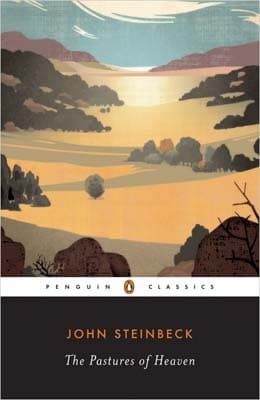
In a fertile California valley, a collection of eccentric families chase their American dreams, their lives intertwined with the land's rhythms and the subtle, often humorous, ironies of fate.
John Steinbeck re-imagines Malory's Morte d'Arthur, bringing the world of Camelot to life with prose that sounds medieval but is clear to modern readers.
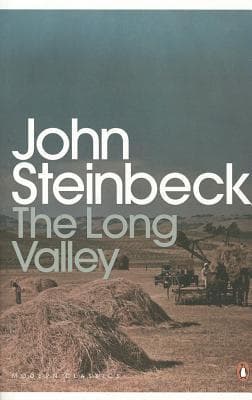
In John Steinbeck's "The Long Valley," the Salinas Valley is a stage for the hidden struggles of ordinary lives, where the land's bounty is often overshadowed by the complex tensions of human relationships.
In the dusty heart of California's Salinas Valley, John Steinbeck's "Omnibus" brings together the lives of farmers, laborers, and dreamers, showing the raw beauty and brutal hardships of the American working class with honesty.