

Synopsis
Covers the whole plot, including the ending.
- Difficulty
- Easy
- Pacing
- Moderate
- Mood
- Heartwarming, Charming, Reflective, Hopeful
- Read it if
- You love epistolary novels, gentle historical fiction, and stories about the power of community and books during wartime.
- Skip it if
- You prefer fast-paced plots, high-stakes action, or don't enjoy stories told entirely through letters.
The Guernsey Literary and Potato Peel Pie Society Plot Summary
Covers the whole plot, including the ending.
A Letter from Guernsey
In January 1946, London writer Juliet Ashton is looking for inspiration for her next book. She receives a letter from Dawsey Adams, a pig farmer on Guernsey, who found her name and address inside a copy of 'Essays of Elia' by Charles Lamb. Dawsey explains that during the German Occupation, books were scarce, and he bought the book from a friend. He asks Juliet if she knows of a London bookshop that might have more books by Lamb. This first exchange makes Juliet curious about Dawsey and life on Guernsey during the war, especially about a group called 'The Guernsey Literary and Potato Peel Pie Society'.
The Society's Origin Story
Juliet continues writing to Dawsey and begins exchanging letters with other members of The Guernsey Literary and Potato Peel Pie Society. She learns that the Society formed suddenly as an alibi when a group of islanders, including Dawsey, Isola Pribble, Amelia Maugery, and Eben Ramsey, were caught by German soldiers after curfew. They had just shared a roasted pig and were returning home. To avoid punishment, Elizabeth McKenna, known for her quick wit, said they were returning from a meeting of their literary society. The Germans, surprisingly, believed them, and the Society began, becoming a real source of comfort and intellectual escape during the harsh occupation.
Tales of Occupation
Through the letters, Juliet learns about the vivid and often heartbreaking experiences of the Society members during the German Occupation. She hears about food shortages, property confiscation, the deportation of islanders, and constant fear. However, she also learns about acts of kindness, resilience, and the power of community. The Society meetings became a lifeline, offering not just discussions about literature but also a sense of normalcy, shared humanity, and a safe space to express their fears and hopes. They often read aloud and discussed books, finding comfort and strength in the written word amidst the horrors of war.
The Mystery of Elizabeth McKenna
As Juliet corresponds with the Society members, Elizabeth McKenna, the quick-witted woman who invented the Society's alibi, becomes a central figure. However, Elizabeth herself is not writing to Juliet. It becomes clear that Elizabeth is missing, and her fate is a source of grief and worry for the entire community, especially for her young daughter, Kit, who is being raised by Dawsey. Juliet pieces together Elizabeth's story through the letters: her fierce independence, her compassion, her courage in standing up to the Germans, and her eventual arrest and deportation to a concentration camp for hiding a British worker and helping others. Her absence leaves a long shadow over the Society.
Juliet's Journey to Guernsey
Increasingly fascinated by the Society and its members, and particularly by the mystery surrounding Elizabeth, Juliet decides to travel to Guernsey. Her American publisher, Sidney Stark, tries to dissuade her, suggesting she write a more conventional book. Her fiancé, Mark Reynolds, a wealthy American, is also displeased, expecting her to join him in New York. Despite their objections, Juliet feels drawn to the island and its unique inhabitants. She secures passage and prepares to immerse herself in their lives, hoping to gather material for her next book and perhaps find answers about Elizabeth.
Arrival and Immersion
Upon arriving in Guernsey, Juliet is immediately welcomed by the Literary Society. She stays with Amelia Maugery, the matriarchal figure of the group, and quickly meets Dawsey, Isola, Eben, and the others. She meets Kit, Elizabeth's bright and resilient daughter, and forms an instant bond with the child. Juliet is deeply moved by their generosity, their shared grief, and their unwavering spirit. She attends Society meetings, experiences their daily lives, and continues to gather stories about the occupation and Elizabeth, feeling increasingly at home among these eccentric and loving people.
Growing Affection and Conflict
As Juliet spends more time on Guernsey, her affection for Dawsey Adams grows. She is drawn to his quiet strength, his devotion to Kit, and his deep love for Elizabeth. Dawsey, in turn, finds comfort and intellectual companionship in Juliet. This developing romance is complicated by Juliet's engagement to Mark Reynolds, who eventually arrives on Guernsey, determined to bring Juliet back to London and their life together. Mark finds the island primitive and the Society members peculiar, failing to understand Juliet's connection to them, leading to a significant conflict between the couple.
Uncovering Elizabeth's Fate
Through conversations with various islanders and the Society members, Juliet slowly uncovers the full, tragic story of Elizabeth McKenna. They learn that Elizabeth, after being deported, ended up in Ravensbrück concentration camp. A fellow prisoner, Remy Giraud, a French nurse who survived the camp, eventually contacts the Society. Remy's letters provide the heartbreaking details of Elizabeth's courage, her unwavering spirit even in unimaginable suffering, and her eventual death, likely from exhaustion and illness, while trying to protect others. The truth brings both sorrow and a sense of closure to the grieving community.
A Choice Made
After Mark's visit and his clear dislike for Guernsey and her new friends, Juliet realizes that her life with him is not where her heart truly lies. She breaks off her engagement, choosing to stay on Guernsey. This decision shows her complete commitment to the island, its people, and her growing love for Dawsey and Kit. She understands that she has found a true home and family among the Literary Society, a place where she feels understood and truly belongs, a stark contrast to her previous, somewhat superficial existence in London.
A New Family, A New Book
Juliet becomes a full part of the Guernsey community. She marries Dawsey Adams and officially adopts Kit, becoming the mother figure Kit desperately needs. Her bond with Kit is strong and loving, and they form a true family. Inspired by the resilience, humor, and humanity of the Literary Society members, Juliet begins writing the book she was meant to write: the story of the Guernsey Literary and Potato Peel Pie Society and their experiences during the German Occupation. The novel ends with Juliet having found her true purpose, love, and family on the island.
The Guernsey Literary and Potato Peel Pie Society Characters
Juliet Ashton
Protagonist
A witty and independent London writer who finds her true home and purpose on Guernsey.
Juliet is a successful, intelligent, and charming writer living in post-war London. Initially somewhat adrift after the war, she seeks a new subject for her writing. She is perceptive, witty, and possesses a strong sense of empathy, which draws her to the stories of the Guernsey islanders. Despite her initial engagement to a wealthy American, Mark Reynolds, she values authenticity and deep connection over superficiality and comfort. She is also a lover of books and language, which makes her an ideal match for the Literary Society.
Relationships: Dawsey Adams (Love interest, eventually husband); Kit McKenna (Adopted daughter, Elizabeth's child); Sidney Stark (Publisher, close friend); Mark Reynolds (Fiancé, later ex-fiancé); The Literary Society members (Friends, surrogate family)
Dawsey Adams
Love Interest / Supporting
A quiet, kind-hearted pig farmer from Guernsey, devoted to his community and Kit.
Dawsey is a reserved but deeply compassionate pig farmer. He is a man of few words but profound feelings, particularly for his community and for Kit, Elizabeth McKenna's daughter whom he is raising. He initiates the correspondence with Juliet, driven by his love for books and a desire for connection. He is practical, resilient, and possesses a quiet strength forged by the hardships of the occupation. His love for Elizabeth, and later for Juliet, is steadfast and true.
Relationships: Juliet Ashton (Love interest, eventually husband); Kit McKenna (Guardian, surrogate father); Elizabeth McKenna (Unrequited love, close friend); The Literary Society members (Friends, community)
Elizabeth McKenna
Supporting / Central Mystery
The brave, quick-witted founder of the Society, whose absence drives much of the plot.
Elizabeth is the vibrant, courageous, and fiercely independent woman who spontaneously invented the Literary Society as an alibi. Though she is absent throughout most of the novel, her spirit and story are central. She is remembered for her kindness, her defiance against the German occupiers, her compassion for others, and her unwavering moral compass. Her fate, having been deported to a concentration camp, is the emotional core of the book, influencing all the characters and drawing Juliet to Guernsey.
Relationships: Kit McKenna (Daughter); Dawsey Adams (Close friend, unrequited love); Remy Giraud (Fellow prisoner, friend); The Literary Society members (Founder, cherished friend)
Kit McKenna
Supporting
Elizabeth's young daughter, a bright and resilient child who finds a new mother in Juliet.
Kit is Elizabeth McKenna's daughter, a spirited and endearing little girl. She is being raised by Dawsey Adams after her mother's disappearance. She is intelligent, observant, and sometimes prone to mischief, but also deeply loving and resilient. Her innocence and her need for a mother figure are palpable, and she forms an immediate and strong bond with Juliet. Her presence highlights the profound impact of the war on the island's children and the community's collective care.
Relationships: Elizabeth McKenna (Biological mother); Dawsey Adams (Guardian, surrogate father); Juliet Ashton (Adopted mother, new maternal figure)
Sidney Stark
Supporting
Juliet's loyal publisher and dear friend, offering advice and support from London.
Sidney is Juliet's kind, supportive, and somewhat overprotective publisher and close friend. He is a constant presence in Juliet's London life, offering professional advice and personal concern. He initially tries to guide Juliet towards more commercial projects but ultimately respects her artistic vision and her desire to write about the Guernsey Literary Society. His letters provide a grounding perspective from outside the island and highlight the cultural differences between London and Guernsey.
Relationships: Juliet Ashton (Publisher, close friend); Sophie Strachan (Sister)
Amelia Maugery
Supporting
The warm, matriarchal figure of the Society who hosts Juliet on Guernsey.
Amelia is the kind and practical matriarch of the Literary Society. She is a pillar of strength and compassion, offering comfort and stability to the community, particularly during the occupation. She takes Juliet into her home, providing a welcoming base on the island. Her wisdom, resilience, and unwavering belief in the power of community make her a beloved figure. She represents the enduring spirit of Guernsey.
Relationships: The Literary Society members (Friend, leader); Juliet Ashton (Host, friend)
Isola Pribble
Supporting
An eccentric and endearing member of the Society with a passion for phrenology and gin.
Isola is one of the most eccentric and delightful members of the Literary Society. She sells flowers and makes gin, and has a strong belief in phrenology, using her skills to 'read' people's characters. She is kind-hearted, quirky, and fiercely loyal to her friends. Her unique perspective and humorous observations provide much of the comic relief in the novel, while also highlighting the diverse personalities that make up the Society.
Relationships: The Literary Society members (Friend); Juliet Ashton (Friend)
Eben Ramsey
Supporting
A gentle fisherman and widower, devoted to his grandson, Eli.
Eben is a quiet, gentle fisherman and a widower. He is a devoted grandfather to Eli, who was sent away from Guernsey during the occupation. His letters often convey a sense of longing and a deep appreciation for the simple pleasures of life and the comfort of the Society. He represents the quiet endurance and the strong family bonds prevalent on the island, and his love for his grandson is a poignant reminder of the separations caused by the war.
Relationships: Eli Ramsey (Grandson); The Literary Society members (Friend)
Remy Giraud
Supporting
A French nurse and concentration camp survivor who provides crucial information about Elizabeth.
Remy is a brave French nurse who survived Ravensbrück concentration camp alongside Elizabeth McKenna. She is a poignant figure, bearing the physical and emotional scars of her experiences. Her letters and eventual visit to Guernsey provide the heartbreaking and crucial details of Elizabeth's final days, bringing closure to the Society members. Her story underscores the profound suffering of the war and the enduring power of human connection and compassion even in the darkest of times.
Relationships: Elizabeth McKenna (Fellow prisoner, friend)
Mark Reynolds
Antagonist (minor)
Juliet's wealthy American fiancé, who represents her past life of superficiality.
Mark is Juliet's handsome, wealthy American fiancé. He is charming and well-meaning but ultimately superficial and unable to understand Juliet's deep connection to the Guernsey islanders. He represents the comfortable, conventional life Juliet is expected to lead but ultimately rejects. His inability to appreciate the unique spirit and resilience of Guernsey highlights the stark contrast between Juliet's past and her future.
Relationships: Juliet Ashton (Fiancé, later ex-fiancé)
The Guernsey Literary and Potato Peel Pie Society Themes
The Power of Storytelling and Literature
Books and storytelling are central to the novel, acting as a lifeline during the German Occupation. The Guernsey Literary and Potato Peel Pie Society itself starts from a literary alibi. Members find comfort, escape, and connection through discussing books, even in dire circumstances. Juliet's journey is driven by her desire to hear and tell their stories, and she ultimately finds her purpose in writing their narrative. Sharing personal experiences through letters also shows the therapeutic and connective power of narrative. For example, the detailed discussions of authors like Charles Lamb and the Bronte sisters, or the stories of how books were smuggled and cherished, demonstrate literature's vital role in maintaining humanity and hope.
“I wonder how the book got to Guernsey? Perhaps there is some sort of secret homing instinct in books that brings them to their perfect readers.”
Resilience and the Human Spirit
The novel is a strong example of human resilience in the face of extreme hardship. The Guernsey islanders endure brutal occupation, starvation, fear, and loss, yet they keep their humor, kindness, and community spirit. The formation of the Literary Society is an act of defiance and a way to preserve their humanity. Characters like Elizabeth McKenna show extraordinary courage, while the collective efforts to care for Kit and support each other through grief exemplify their enduring spirit. Their ability to find joy and connection amidst suffering is a central message of hope.
“We clung to books and to our friends; they reminded us that we had another life, a life that was not the Occupation.”
The Importance of Community and Found Family
The Guernsey Literary and Potato Peel Pie Society is more than just a book club; it is a surrogate family and a community that supports its members through unimaginable hardship. They share food, comfort, laughter, and grief. Juliet, initially an outsider, is quickly welcomed and finds a deep sense of belonging she lacked in London. The collective care for Kit, Elizabeth's daughter, by Dawsey and the entire Society, highlights this theme. The bonds formed in adversity prove stronger than blood, offering unconditional love and support, ultimately changing Juliet's life and giving her the family she never realized she needed.
“I don't want to be married, not if it means giving up my friends, and my thoughts, and my books, and the Society.”
Love and Loss
The novel explores various forms of love—romantic, familial, and platonic—and the impact of loss during wartime. The lasting love for Elizabeth McKenna, even in her absence, is a powerful force, driving much of the plot and the characters' actions. Dawsey's quiet devotion to Elizabeth and later to Juliet, and Juliet's growing affection for both Dawsey and Kit, illustrate the healing power of new love. The characters deal with the loss of loved ones, homes, and innocence, but their ability to mourn together and to find new connections shows how love can persist and even flourish amidst sorrow, ultimately leading to healing and hope for the future.
“Books, and a nice cup of tea, are the best comfort in the world.”
Plot Devices & Literary Techniques
Epistolary Format
The entire novel is told through a series of letters, telegrams, and notes.
The epistolary format is the primary narrative device, allowing the reader to experience the story firsthand through the characters' correspondence. This creates an intimate and personal connection with each character, revealing their individual voices, personalities, and perspectives. It builds suspense as information is gradually revealed, particularly regarding Elizabeth's fate and the details of the occupation. The format also mirrors Juliet's own journey of discovery, as she pieces together the story through these written exchanges, making the reader a co-investigator in the narrative.
The Guernsey Literary and Potato Peel Pie Society
A fictional book club that serves as a central gathering point and symbol of resilience.
The Society itself is a key plot device. It acts as a catalyst for Juliet's involvement with Guernsey, providing her with a unique subject for her book. More importantly, it functions as a symbol of human ingenuity, resilience, and the power of community. Born out of necessity as an alibi, it evolves into a genuine source of intellectual stimulation, emotional support, and shared humanity during the harsh German Occupation. It brings together diverse characters and highlights the unifying power of literature and shared experience.
The Missing Person (Elizabeth McKenna)
The absence of a central character whose fate drives much of the narrative's emotional core.
Elizabeth McKenna, though largely absent, is a crucial plot device. Her disappearance and unknown fate create a central mystery that draws Juliet to Guernsey and fuels her investigation. Elizabeth's story, pieced together through the memories and letters of others, serves as a powerful testament to wartime heroism and sacrifice. Her absence creates emotional depth for the other characters, particularly Dawsey and Kit, and provides a focal point for the themes of love, loss, and resilience. Her eventual fate brings both closure and profound sorrow to the community.
Culture Clash
The contrast between metropolitan London and rural Guernsey highlights societal differences.
The initial contrast between Juliet's sophisticated London life and the rustic, war-scarred existence on Guernsey serves as a significant plot device. This 'culture clash' allows for humorous observations, but also underscores the profound differences in values and priorities. Juliet's initial outsider perspective helps the reader understand the unique aspects of Guernsey life and the impact of the occupation. Her gradual integration into the island community and her eventual rejection of her former London life (symbolized by Mark Reynolds) highlights her personal transformation and the genuine appeal of the simpler, more authentic life she finds on Guernsey.
The Guernsey Literary and Potato Peel Pie Society Quotes
“Perhaps there is some secret language we don't yet know, a way to understand the things that are too big for words.”
“I wonder how the book got to Guernsey? Perhaps there is some secret network of books, a kind of underground railway for the unread.”
“Reading good books is like engaging in conversation with the most noble among the dead.”
“That's what books do. They let you travel without moving your feet.”
“We all need a place to be safe, a place to be ourselves.”
“It was the first time I realized that a book was not just a collection of words, but a living thing, a friend, a companion.”
“The world is a book, and those who do not travel read only one page.”
“I do not believe that good always triumphs over evil in this world, but I do believe that good people, when they band together, can make a difference.”
“Books are a balm for the soul, and I have never met a soul that did not need one.”
“There is nothing like a good story to make you forget your troubles, even if only for a little while.”
“Sometimes I think I like human beings best when they're inside a book. You can close the book whenever you want.”
“The world is full of people, and they all have stories. And if you listen, really listen, you'll find them.”
“It’s not what you read, but what you remember.”
“We are all made of stories. Some we tell, some we keep hidden.”
Quiz
10 questions on the plot and the characters. Each answer comes with a short explanation.
Question 1
What is the name of the main protagonist, a writer living in London, who receives a letter from Guernsey?
- Elizabeth McKenna
- Juliet Ashton
- Sophie Strachan
- Dawsey Adams
Show answer
B. Juliet Ashton Juliet Ashton is the London writer who initiates the correspondence with the members of the Guernsey Literary and Potato Peel Pie Society.
Question 2
How did the Guernsey Literary and Potato Peel Pie Society originally form?
- As a formal book club organized by the island's library.
- As a resistance group against the German occupation.
- As an alibi when its members were caught breaking curfew by German soldiers.
- To provide comfort and escape during air raids.
Show answer
C. As an alibi when its members were caught breaking curfew by German soldiers. The Society was formed as a spur-of-the-moment alibi when its members were discovered breaking curfew by the Germans occupying their island.
Question 3
Who is the first person from Guernsey to write to Juliet Ashton, sparking her interest in the island?
- Isola Pribby
- Dawsey Adams
- Sidney Stark
- Amelia Maugery
Show answer
B. Dawsey Adams Dawsey Adams writes to Juliet after finding her name and address in a used book by Charles Lamb.
Question 4
What kind of food item is famously part of the Society's name and was eaten during their first 'meeting'?
- Apple Crumble
- Rhubarb Pie
- Potato Peel Pie
- Fish and Chips
Show answer
C. Potato Peel Pie The 'Potato Peel Pie' was a dish made from scarce ingredients during the occupation, highlighting their resourcefulness.
Question 5
Which specific author's book did Dawsey Adams find with Juliet's name inside, prompting his initial letter?
- Jane Austen
- William Shakespeare
- Charles Lamb
- Thomas Hardy
Show answer
C. Charles Lamb Dawsey's letter to Juliet begins with his discovery of her name in a book of essays by Charles Lamb.
Question 6
Who is Elizabeth McKenna, and what is her significance to the Society?
- She is the Society's founder and the mother of Kit.
- She is Juliet's best friend and editor, living in London.
- She is the German officer who discovered the members breaking curfew.
- She is a phrenologist and a quirky member of the Society.
Show answer
A. She is the Society's founder and the mother of Kit. Elizabeth McKenna is a central, beloved character, the initial founder of the Society, and mother to Kit, who is cared for by the other members.
Question 7
What is the primary theme explored through the Society's formation and activities during the German occupation?
- The futility of art in times of war.
- The power of literature and human connection to endure hardship.
- The economic impact of wartime rationing on island communities.
- The importance of military strategy in resistance movements.
Show answer
B. The power of literature and human connection to endure hardship. The novel highlights how literature provided solace, escape, and a way for the islanders to connect and maintain their humanity amidst the harshness of occupation.
Question 8
What ultimately happens to Juliet's fiancé, Mark Reynolds, after she travels to Guernsey?
- He joins her on Guernsey, eager to experience island life.
- They break off their engagement due to Juliet's changing priorities and feelings.
- He becomes a major financial backer for Juliet's new book project.
- He remains in London, patiently waiting for her return and writing letters.
Show answer
B. They break off their engagement due to Juliet's changing priorities and feelings. Juliet's time on Guernsey and her connection with its inhabitants lead her to realize her relationship with Mark is not what she truly wants, resulting in their broken engagement.
Question 9
How does the novel's epistolary format (being told through letters) contribute to its unique storytelling?
- It allows for a faster, more action-oriented plot progression.
- It provides a direct, intimate insight into each character's voice, thoughts, and personal experiences.
- It limits the reader's understanding of the historical context.
- It primarily focuses on the external events rather than internal character development.
Show answer
B. It provides a direct, intimate insight into each character's voice, thoughts, and personal experiences. The letter format allows the reader to directly experience the personalities, humor, and tragedies of the characters through their own words, fostering a deep connection.
Question 10
What is the ultimate fate of Elizabeth McKenna, the founder of the Society?
- She successfully escapes Guernsey to the mainland and reunites with her family.
- She dies in a German concentration camp after being caught helping a Channel Islander escape.
- She survives the war and becomes a celebrated leader on the island.
- She marries a German officer and lives a quiet life after the occupation.
Show answer
B. She dies in a German concentration camp after being caught helping a Channel Islander escape. Elizabeth's tragic death in a concentration camp, after her act of defiance, is a significant emotional point in the novel, explaining why Kit is an orphan and cared for by the Society.
The Guernsey Literary and Potato Peel Pie Society FAQ
What is the primary premise of 'The Guernsey Literary and Potato Peel Pie Society'?
The novel follows London writer Juliet Ashton in January 1946 as she seeks a new subject for her writing. She begins a correspondence with Dawsey Adams, a pig farmer from Guernsey, which leads her to learn about the islanders' experiences during the German Occupation and the unique literary society they formed.
How did the 'Guernsey Literary and Potato Peel Pie Society' originate?
The society began as an impromptu alibi. Four friends were caught by German soldiers after curfew, having secretly roasted a pig. To avoid punishment, Elizabeth McKenna quickly invented the literary society, claiming they had been attending a book club meeting.
Who are some of the key members of the Society that Juliet corresponds with?
Juliet corresponds extensively with Dawsey Adams, the pig farmer who initially wrote to her, and also with Isola Pribby, a quirky woman who sells homemade spirits and believes in phrenology. She also exchanges letters with Amelia Maugery, the matriarch who provides stability, and Eben Ramsey, who cares for his grandson Eli.
What role does Elizabeth McKenna play in the story, even though she is largely absent?
Elizabeth McKenna is the brave and spirited founder of the Society and the mother of Kit, a young girl. Although she is taken to a concentration camp during the Occupation, her story, resilience, and the islanders' devotion to her and Kit are central to Juliet's understanding of Guernsey's wartime experience and the society's bond.
What is the significance of the book by Charles Lamb that Dawsey Adams finds?
Dawsey Adams found a copy of Charles Lamb's 'Essays of Elia' with Juliet Ashton's name and address inside. This discovery prompted him to write to her, asking for help finding more books by Lamb, thus initiating their correspondence and the entire plot.
How does the format of the novel (epistolary) enhance the storytelling?
The epistolary format, consisting entirely of letters, telegrams, and notes, provides an intimate and multi-faceted perspective on the characters and events. It allows readers to experience the unfolding story through the distinct voices of various islanders and Juliet, mirroring her own discovery process and fostering deeper connection.
What is the unspoken connection between Dawsey Adams and Elizabeth McKenna?
While never explicitly a romantic couple, Dawsey Adams deeply loved Elizabeth McKenna and considered her the mother of his heart, if not by blood, for his adopted daughter Kit. He remained fiercely loyal to her memory and dedicated to raising Kit, reflecting an unspoken bond of profound affection and mutual respect.
What is the symbolic meaning behind the 'potato peel pie'?
The 'potato peel pie' symbolizes the islanders' resourcefulness, resilience, and humor in the face of extreme hardship during the German Occupation. It represents their ability to find nourishment and even joy from meager rations, turning a desperate meal into a memorable, if not delicious, part of their shared history and identity.
How does Juliet Ashton's initial engagement to Mark Reynolds reflect her psychological state?
Juliet's engagement to Mark Reynolds, a wealthy American publisher, initially represents a desire for stability and a return to normalcy after the war. However, their relationship lacks the intellectual and emotional depth she truly craves, indicating a subconscious yearning for a more profound connection and purpose beyond superficial comfort.
Discuss the psychological impact of the German Occupation on the Guernsey islanders.
The Occupation left deep psychological scars, fostering a sense of isolation, fear, and loss, particularly with severe food shortages and arbitrary German rule. However, it also forged incredibly strong community bonds, resilience, and a profound appreciation for small acts of kindness and shared experiences, like those found in the literary society.
How does Kit's presence influence Juliet's emotional journey?
Kit, Elizabeth's orphaned daughter, becomes a catalyst for Juliet's emotional transformation. Juliet's growing affection for Kit and her desire to provide a stable, loving home for her solidifies Juliet's commitment to Guernsey and Dawsey, revealing her capacity for unconditional love and maternal instincts.
What does the Society represent for its members beyond a love for literature?
Beyond books, the Society represents a vital lifeline for its members during the Occupation. It offered camaraderie, intellectual escape, a sense of shared humanity, and a safe space to discuss forbidden ideas and cope with their suffering. It became a symbol of resistance and the enduring power of community.
How does the novel explore themes of chosen family versus biological family?
The novel powerfully illustrates that chosen family, bound by shared experience, love, and loyalty, can be as strong, if not stronger, than biological ties. The Guernsey islanders, particularly around Kit and Elizabeth's memory, form a close-knit family unit, demonstrating profound devotion and care for one another.
What is the ultimate message about the power of storytelling and literature in the book?
The book champions storytelling and literature as essential tools for survival, connection, and understanding. Books provide solace, escape, and a means for people to connect across distances and time, fostering empathy and illuminating shared human experiences, even in the darkest of times.
How does Juliet's journey to Guernsey represent a search for identity and belonging?
Juliet's journey to Guernsey is not just about finding a book subject, but about finding her own place in the world. She feels a sense of detachment in post-war London and finds a deep sense of belonging, purpose, and love among the quirky, resilient islanders, ultimately shaping her identity as a writer and a woman.
Is the ending of the novel conclusive regarding Juliet and Dawsey's relationship?
Yes, the ending is quite conclusive. Juliet decides to break off her engagement with Mark Reynolds and move permanently to Guernsey. She and Dawsey Adams, along with Kit, form a new family, signaling a hopeful and loving future for them all on the island.
How does the book challenge traditional notions of heroism?
The book subtly redefines heroism, focusing on the quiet, everyday acts of courage by ordinary people. The islanders' resilience, their sharing of scarce resources, their defiance of the Germans through small acts, and their protection of each other, particularly Elizabeth's bravery, are presented as profound forms of heroism.
What role does the setting of Guernsey itself play in the narrative?
Guernsey is more than just a backdrop; it is a character in itself. Its isolation during the Occupation, its unique culture, and the close-knit community it fosters are integral to the story. The island's beauty and resilience mirror the spirit of its inhabitants, shaping their experiences and Juliet's transformation.
Similar books
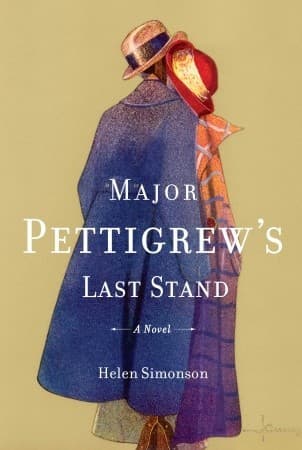
- Major Pettigrew's Last Stand
Helen Simonson
3.9 (132k) average on GoodreadsLiterary FictionFeatures charming, character-driven storytelling in a quaint setting with a touch of romance.
- The Unlikely Pilgrimage of Harold Fry
Rachel Joyce
3.9 (148k) average on GoodreadsLiterary FictionExplores a journey of self-discovery and human connection, told with warmth and emotional depth.
- All the Light We Cannot See
Anthony Doerr
4.3 (1M) average on GoodreadsHistorical FictionWhile both explore WWII through civilian perspectives, Doerr's novel is significantly more somber, literary, and delves deeper into the psychological impact of war with a more descriptive, less direct narrative style. GLPPPS is lighter and more focused on community interaction via letters.
- The Nightingale
Kristin Hannah
4.6 (698k) average on GoodreadsHistorical FictionHannah's book offers a more overtly dramatic, emotionally intense, and often harrowing portrayal of female resistance and survival during WWII. GLPPPS, while still addressing hardship, maintains a more uplifting tone, emphasizing collective spirit and the quiet strength of everyday life rather than high-stakes espionage or brutal survival.
- To Kill a Mockingbird
Harper Lee
4.3 (4.5M) average on GoodreadsHistorical FictionIn the 1930s Jim Crow South, Harper Lee writes about racial injustice, moral growth, and the quiet courage of a lawyer father, Atticus Finch, as seen through his young daughter's eyes.
- The Great Gatsby
F. Scott Fitzgerald
3.9 (3.8M) average on GoodreadsHistorical FictionIn the opulent Roaring Twenties, a mysterious millionaire's lavish parties hide his desperate, tragic pursuit of a lost love, exposing the emptiness within the American Dream.





Enjoyed the summary?
A summary gives you the shape of the book. The book itself has the detail, the examples and the voice.
Find The Guernsey Literary and Potato Peel Pie Society on AmazonAs an Amazon Associate, BookBrief earns from qualifying purchases. How we're funded